2027 Health Psychology Salary Trends Report: Are Wages Keeping Up With Tuition and Inflation?

Co-Founder and Chief Data Scientist
A prospective health psychology student assessing future financial outcomes faces a complex challenge: rising tuition costs and inflation may erode the value of expected earnings. Comparing graduate salaries alone without accounting for these economic factors risks overstating the true return on investment. Tuition fees have climbed steadily, while inflation affects purchasing power, making it unclear if salary increases keep pace. Recent graduates must navigate these shifting dynamics to understand whether their degree translates into sustainable financial growth.
Salary growth, education costs, and inflation do not always align, complicating decisions for those weighing the long-term benefits of a health psychology degree. Evaluating affordability requires a careful look beyond initial paychecks to forecast future economic realities. This article explores salary trends, tuition expenses, inflation rates, and their combined impact on return on investment, affordability, and the factors shaping the lasting financial value of a health psychology education.
Key Things to Know About Health Psychology Salary Trends
- Graduate wages in health psychology often lag behind rising tuition and inflation, decreasing net lifetime earnings unless compensated by strategic specialization or geographic targeting.
- A 2024 Bureau of Labor Statistics report shows a 3.5% real wage growth for health psychologists, suggesting that inflation outpaces salary gains without niche expertise.
- Long-term earning potential strongly depends on credentialing and clinical experience, underscoring that academic investment alone rarely translates to top-tier wages without professional advancement.
- Key Things to Know About Health Psychology Salary Trends Key Things to Know About Health Psychology Salary Trends
- What Is the Current Salary Outlook for Health Psychology Graduates? Salary Outlook
- Are Health Psychology Salaries Keeping Up With Inflation? Inflation Impact
- How Do Tuition Costs Compare With Health Psychology Salary Growth? Tuition vs Salary
- Does a Health Psychology Degree Deliver a Positive Return on Investment? Degree ROI
- Which Industries Offer the Highest Salaries for Health Psychology Graduates? Which Industries Offer the Highest Salaries for Health Psychology Graduates?
- Which States and Cities Offer the Highest Pay for Health Psychology Professionals? Which States and Cities Offer the Highest Pay for Health Psychology Professionals?
- How Do Health Psychology Salaries Grow Throughout a Career? Career Growth
- How Do Health Psychology Salaries Compare With Similar Degrees? Salary Comparison
- How Is Employer Demand Affecting Health Psychology Salary Trends? Employer Demand
- How Can Students Maximize Their Lifetime Earnings With a Health Psychology Degree? Maximizing Earnings
What Is the Current Salary Outlook for Health Psychology Graduates?
The current salary outlook for health psychology graduates reflects a nuanced reality shaped by the interplay of rising education costs, inflation, and evolving labor market demand. According to the U.S. Bureau of Labor Statistics data from early 2024, median annual wages for clinical, counseling, and school psychologists-fields commonly entered by health psychology graduates-stand near $83,500. Entry-level roles generally begin around $60,000, while seasoned professionals working in clinical or private practice settings can exceed $120,000. These variations underscore how specialization, licensure, and work environment crucially influence earning potential.
Consider two graduates with health psychology degrees: one opting for a public health research role with a salary closer to $65,000, offering stability and benefits, and another pursuing private practice post-licensure, with income potentially doubling over time but paired with greater financial risk and longer credentialing processes. This scenario highlights why interpreting health psychology graduate salary trends requires more than focusing on starting pay; long-term career trajectory and job demand projections often drive eventual earning capacity. Wage growth may be modest in some sectors due to inflation surpassing nominal increases, and tuition inflation has extended the time for graduates to recoup education investments.
Prospective students should weigh these factors alongside emerging opportunities in interdisciplinary healthcare teams, which can enhance demand for health psychology expertise. Strategic planning, including understanding diverse career pathways, remains essential to capitalize on the field's potential. Those exploring advanced degree options might also investigate PharmD programs for comparative perspective on educational investment relative to salary outlooks.
Are Health Psychology Salaries Keeping Up With Inflation?
Salary increases for health psychology-related roles, such as clinical psychologists and behavioral health specialists, have generally hovered around 3% annually, according to data from the U.S. Bureau of Labor Statistics. This modest wage growth falls short of the average 4.7% inflation rate reported for the prior year, meaning that nominal rises in pay do not fully restore the lost purchasing power caused by inflation. For recent graduates facing tuition debt and living expenses, this gap translates into real financial pressure, even if paychecks appear larger on paper.
Consider a graduate who took on significant debt to complete an advanced degree in health psychology, with annual tuition rising roughly 5%, outpacing both inflation and salary growth. Even if their salary increases by the average 3%, their effective income relative to costs like tuition and housing declines. Such dynamics highlight the importance of evaluating whether health psychology salary trends and inflation are aligning over the long term. Prospective and current students must recognize that salary progression often lags behind economic conditions and escalating educational expenses, requiring careful planning around the financial realities of the field.
For those researching viable education options, exploring the best school for medical billing and coding can offer insights into alternative health-related training paths with different economic trade-offs. Ultimately, the interplay between health psychology salary trends and inflation emphasizes the need for a strategic, evidence-based approach to career decisions, balancing passion for the discipline against the tangible economic constraints imposed by rising tuition and stagnant wage growth.
How Do Tuition Costs Compare With Health Psychology Salary Growth?
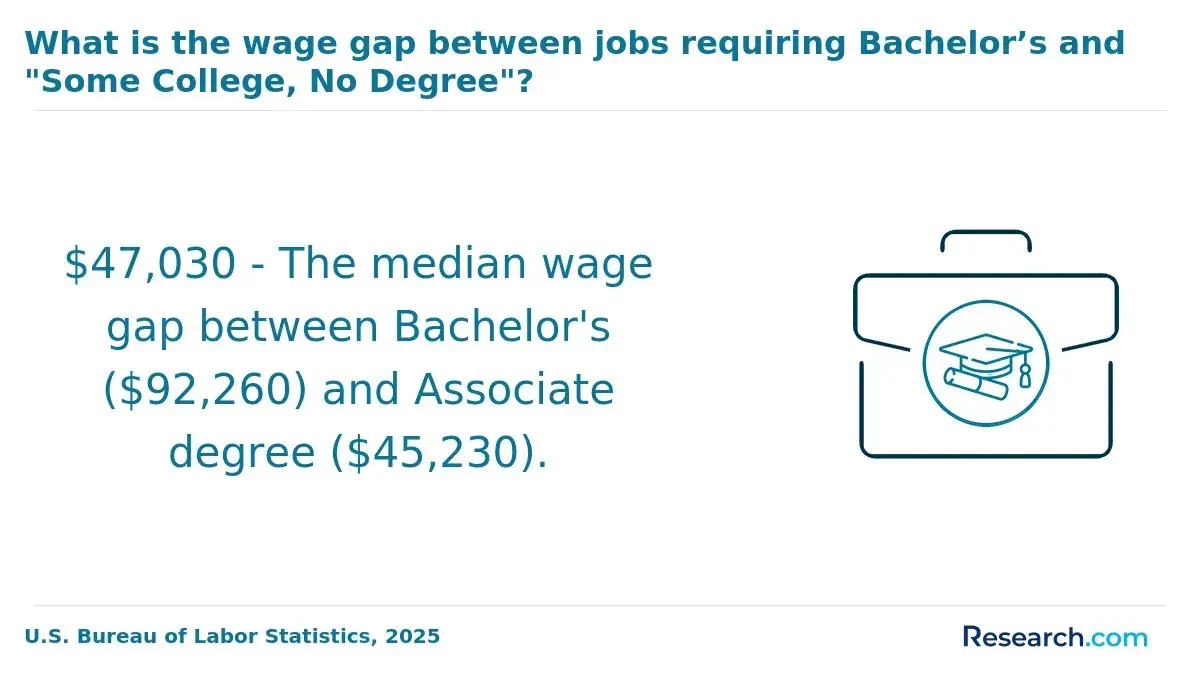
Examining tuition costs alongside health psychology salary growth offers a clearer lens on the long-term financial viability of this degree than considering either factor alone. According to the National Center for Education Statistics, the average annual tuition for a two-year master's psychology program in 2024 has exceeded $30,000, growing roughly 3% to 5% annually over the past decade. Meanwhile, early-career salaries for health psychology graduates tend to begin between $60,000 and $70,000, with mid-career figures rising to about $90,000 to $110,000, based on recent Bureau of Labor Statistics data. However, wage increases typically hover around 2% to 3% per year, trailing both tuition inflation and the general rate of inflation, which means that for many, the rising cost of education outpaces the growth in earnings potential over time.
This imbalance affects students differently depending on their financial situation and choices. For instance, one student enrolling in a state university with lower in-state tuition may find the debt manageable and salary growth sufficient to justify the investment. In contrast, a peer attending an expensive private institution who relies heavily on loans could face a heavier financial burden as moderate salary growth fails to keep up with debt repayment demands. Factors such as scholarships, cost of living, and part-time work opportunities also influence how tuition compares with earning power. Ultimately, analyzing both tuition and salary trends together reveals the nuanced tradeoffs students must consider rather than evaluating educational costs and income potential in isolation.
One recent graduate recalled hesitating before committing to an out-of-state program with substantially higher tuition than local alternatives. Despite an initial salary offer near $65,000, the graduate worried the debt load might outweigh future earning gains, especially as tuition had increased since their undergraduate studies. They mitigated this by securing a part-time research assistantship that reduced their financial strain and provided hands-on experience, which slightly boosted their early salary. Reflecting on their decision, they recognized that understanding the interplay between tuition inflation and salary trajectories was essential for realistic financial planning and avoiding unexpected hardship after graduation.
Does a Health Psychology Degree Deliver a Positive Return on Investment?
Evaluating the return on investment (ROI) for a health psychology degree means weighing the substantial costs of tuition and living expenses against the long-term career opportunities, salary growth, and professional development that the degree facilitates. It's not simply about entry-level pay, which often starts modestly, but about the capacity to increase earnings over time, especially with doctoral credentials or specialized expertise in areas like behavioral health or chronic illness management. For instance, a student investing in a doctoral program with rising tuition fees-outpacing inflation by 2-3% annually per the National Center for Education Statistics-may face significant upfront debt but potentially access higher-paying roles and greater job stability in healthcare, research, or policy settings over the next decade.
The Bureau of Labor Statistics projects employment in health psychology to grow by over 10% through 2030, indicating stronger demand compared to many fields. This forecast supports the notion that, despite rising educational costs, individuals with clear career strategies targeting expanding healthcare or public health segments stand a better chance of recouping their investments. However, ROI varies depending on factors such as program cost, geographic location, subfield specialization, and the ability to secure scholarships or assistantships. For example, someone who plans carefully to obtain funding and aims for roles in integrated healthcare systems may see a positive financial return more clearly than those without such focus or financial support.
Ultimately, measuring ROI in health psychology requires a nuanced understanding that includes expected salary trajectories beyond graduation and job market trends influenced by healthcare integration and policy shifts. Data from 2024 salary reports and government labor statistics show that while the initial debt burden can be high, especially given inflation-driven tuition hikes, the profession's above-average income prospects and employment growth suggest a favorable return for those who balance costs against evolving career opportunities. Still, this balance is highly individual and sensitive to economic changes, so prospective students should analyze their financial resilience, career goals, and the specific attributes of their chosen programs before committing.
Which Industries Offer the Highest Salaries for Health Psychology Graduates?
The industries offering the highest salaries for health psychology graduates typically blend clinical expertise with applied research and organizational strategy. This intersection creates demand for professionals adept in behavior change science, policy implementation, and interdisciplinary collaboration. Recent data from the U.S. Bureau of Labor Statistics and the American Psychological Association underscore that healthcare services, pharmaceutical firms, and government agencies consistently offer top earning prospects. These sectors reward specialized skills that align with evolving healthcare models emphasizing patient adherence, community health impact, and evidence-based interventions. Below is a breakdown of industries that generally provide the strongest salaries and employment opportunities for health psychology professionals.
- Healthcare Services: Hospitals and private clinics lead in compensation by employing clinical health psychologists who improve patient outcomes through chronic illness management and behavioral interventions. Their roles are critical in patient-centered care, with salaries often exceeding national averages due to the integration of multidisciplinary teams and the demand for demonstrable treatment adherence.
- Pharmaceutical Industry: Pharmaceutical and biotechnology companies offer lucrative pay for health psychologists who conduct research on medication adherence and patient behavior. These professionals contribute to clinical trial design and drug marketing strategies, with many positions including bonuses tied to product success and performance.
- Government Agencies: Federal and state public health organizations, including veterans' affairs, employ health psychology experts to lead policy-driven community interventions. Competitive wages are common, along with benefits such as loan forgiveness programs, making this sector attractive despite sometimes slower salary growth compared to private industries.
- Corporate Wellness Programs: Emerging demand in large corporations for employee wellness specialists translates into improved compensation. Health psychologists here design initiatives that reduce healthcare costs and boost productivity by applying behavioral change principles to workplace health.
- Insurance Companies: Health insurers utilize health psychology expertise to optimize plan designs and promote preventive health behaviors. Although earning potential varies, knowledge of behavioral economics and risk management enhances value and salary prospects within this sector.
The top industry salaries for health psychology graduates reflect a strategic blend of clinical skills and applied research impacting diverse settings. For those considering educational paths, exploring specialized degrees such as PharmD online programs can provide cross-disciplinary advantages, particularly valuable in pharmaceutical roles. Understanding the financial and professional tradeoffs across these industries is essential for aligning career goals with market realities in health psychology.
Which States and Cities Offer the Highest Pay for Health Psychology Professionals?
Compensation for health psychology professionals varies significantly across the United States, with higher wages often concentrated in states and metro areas hosting large healthcare systems and research institutions. According to 2024 data from the U.S. Bureau of Labor Statistics and the National Association of Psychology Professionals, these top paying regions offer salaries well above the national average, reflecting strong demand in clinical, academic, and insurance sectors. However, prospective students and graduates should weigh these salary advantages against notably higher living costs, especially in housing and education. The following list highlights key locations where pay is highest but demands careful consideration of local expenses and career stability.
- California - San Francisco Bay Area and Los Angeles: These metro regions top the charts with average health psychology salaries often exceeding $120,000 annually, driven by competitive job markets, prestigious universities, and comprehensive healthcare networks. Yet, the region's steep cost of living means net earnings might not stretch as far, necessitating calculation of take-home pay after expenses.
- Massachusetts - Boston: Boston offers salaries around $115,000 to $118,000, supported by dense clusters of hospitals, research centers, and insurance companies requiring specialized health psychology expertise. The city's high cost of living challenges graduates to balance attractive wages with elevated housing and tuition expenses.
- New York - New York City: Similar to Boston, New York City provides robust wages near $115,000 driven by vast healthcare infrastructure and academic institutions. Prospective professionals should consider substantial rent and urban costs that can dilute salary benefits.
- Washington, D.C. Metro Area: With salaries ranging from $100,000 to $110,000, this region benefits from expanding health technology sectors and government research opportunities. While costs are high, they are somewhat offset by diverse federal and private sector roles supporting career longevity.
- Seattle, Washington: Offering competitive pay near $105,000, Seattle's growing health tech industry and progressive clinical opportunities attract health psychologists. While living costs have risen, the area's innovative environment can foster professional growth and remote work possibilities.
- Midwestern States: States in the Midwest typically offer lower starting salaries, closer to $85,000, but benefit from significantly lower living expenses. Increasing telehealth roles enable flexible employment that may compensate for wage differences when considering overall quality of life and debt repayment capacity.
How Do Health Psychology Salaries Grow Throughout a Career?
Salary growth in health psychology typically reflects a gradual increase aligned with experience and credentials, though this progression often struggles to offset rising educational costs and inflation. Entry-level roles, frequently held by recent graduates with a master's or PhD, generally command salaries between $55,000 and $75,000, according to the 2024 reports from the U.S. Bureau of Labor Statistics and the American Psychological Association. As professionals gain licensure and develop expertise, mid-career salaries tend to rise to a range of $85,000 to $110,000, especially in clinical, governmental, or research-intensive settings that reward specialization and leadership. Beyond 15 years, seasoned health psychologists with established private practices or academic positions sometimes exceed $120,000 to $140,000 annually, although geographic and sector differences create variability in these figures.
Consider two health psychology graduates who start with similar credentials but choose distinct pathways. One pursues licensure and focuses on clinical practice in a high-demand urban hospital, steadily increasing their salary through specialized certifications and administrative roles. The other opts for a research assistant role within academic settings, where initial salaries start lower and growth depends heavily on securing competitive grants but may offer non-monetary rewards like tenure-track positions. This divergence highlights that long-term earning potential in health psychology depends not only on years worked but also on strategic career decisions such as specialization, geographic location, ongoing professional development, and willingness to seek leadership roles or private practice opportunities.
One graduate recalled the cautious optimism felt after completing their degree, hesitant about entering a competitive job market with modest pay in the early years. They initially accepted a lower-paying assistantship while studying for licensure exams, feeling the pinch of student debt alongside living expenses in an expensive city. Over time, by targeting board certification and specializing in behavioral health interventions within a hospital system, they experienced steady salary gains that outpaced local inflation. Reflecting on that journey, they noted how crucial continuous skill-building and selective career moves were, especially when balancing financial pressure with professional aspirations in health psychology.
How Do Health Psychology Salaries Compare With Similar Degrees?
Health psychology graduates face a distinct earnings profile compared with those holding related degrees in allied health and behavioral sciences. Median salaries for health psychology typically fall between $70,000 and $95,000, according to the U.S. Bureau of Labor Statistics and education data from 2024. When weighing career earnings comparison in health psychology and allied fields, it's important to consider the specific sectors and licensure requirements that influence income variability. For example, clinical psychology often commands higher salaries due to broader private practice options and specialization. Here are key comparisons to consider:
- Clinical Psychology: Typically offers median earnings between $85,000 and $110,000. These professionals frequently benefit from clinical licensure that enables private practice and specialized treatment modalities, significantly boosting earning potential over health psychology roles that lean more toward research and institutional positions.
- Public Health: Salaries usually range from $65,000 to $90,000. Public health careers emphasize population-level interventions and program management, which tend to provide more stable but moderate salary growth. The focus on policy and prevention contrasts with clinical earnings but shares some overlap with health psychology's health promotion work.
- Behavioral Science: Median salaries align closely with health psychology, roughly $65,000 to $90,000. Career paths here often involve research and organizational behavior roles, which may offer less direct patient contact but similar salary ceilings due to comparable licensure and funding dynamics.
- PharmD Accelerated Programs: Graduates from accelerated PharmD programs often report higher starting salaries than typical health psychology roles due to the clinical and pharmaceutical specialization. For those evaluating interdisciplinary health fields, an accelerated PharmD may present a more lucrative pathway, though it requires intensive clinical and technical training.
How Is Employer Demand Affecting Health Psychology Salary Trends?
Employer demand significantly shapes salary trends for health psychology professionals by influencing competition among organizations seeking qualified candidates. For instance, urban healthcare centers experiencing increased mental health integration expand their hiring, often raising wages to attract specialists in chronic disease management. According to the U.S. Bureau of Labor Statistics' 2024 Occupational Outlook Handbook, job openings in psychology, including health psychology, are projected to grow 10% between 2022 and 2032-faster than average for all occupations. This growth exerts upward pressure on salaries but must be weighed against factors like regional variations and institutional budget constraints.
Despite the positive effect of rising employer demand, wage gains for health psychology workers sometimes lag behind inflation and tuition increases, as highlighted by recent analyses from the National Association of School Psychologists and the American Psychological Association. Specialization, experience, and macroeconomic conditions also play critical roles in compensation, meaning strong demand alone doesn't guarantee rapid salary escalation. Prospective students should carefully evaluate whether the return on investment in a health psychology degree justifies cost, especially in light of rising educational expenses and inflation.
Those pursuing advanced degrees should consider alternative pathways such as an online PhD counseling program, which can reduce financial strain while positioning graduates competitively in markets showing strong health psychology employer demand trends. Understanding these dynamics allows career changers and recent graduates to make more informed decisions about where to focus their efforts within this evolving field.
How Can Students Maximize Their Lifetime Earnings With a Health Psychology Degree?
Maximizing lifetime earnings with a health psychology degree requires deliberate choices beyond simply obtaining the credential. Recent 2024 data from the U.S. Bureau of Labor Statistics highlights roles in healthcare administration, clinical research, and organizational health psychology as those with notably higher median salaries. Advanced education and targeted certifications further differentiate candidates in a competitive labor market. Consider the example of a graduate who pursues a PsyD and secures a leadership role within a metropolitan hospital system, combining doctoral expertise with strategic geographic positioning to accelerate income growth.
The following strategies are essential for translating a health psychology degree into meaningful, sustained financial returns:
- Advanced Degrees: Pursuing a PhD or PsyD opens access to higher-paying positions that often require doctoral qualifications, increasing credibility and leadership opportunities in research or clinical settings.
- Specialized Certifications: Earning credentials in behavioral health interventions or health informatics signals expertise to employers, enhancing job prospects and salary negotiation potential.
- Geographic Flexibility: Relocating to regions with concentrated healthcare spending, such as major urban centers, typically yields higher compensation packages and expanded professional networks.
- Leadership Roles: Focusing on management or supervisory positions within hospitals or public health organizations provides income premiums and career stability over time.
- Continuous Education: Staying current with healthcare policy changes and emerging fields like telehealth ensures relevance, enabling professionals to capitalize on new, lucrative sectors.
- Interdisciplinary Skills: Combining knowledge from psychology, informatics, and research methods positions graduates for diverse roles with greater earning potential and job security.
- Professional Networking: Active engagement in associations like the American Psychological Association's Division 38 offers mentorship and access to high-paying opportunities that are not widely advertised.
References
- NHS Health Psychologist: Pay, Salary, Progression & How to Become (2026/27) | NHS Pay Calculator https://www.nhspaycalculator.co.uk/nhs-roles/health-psychologist
- Return on Investment For an Online Psychology Degree https://www.onlinepsychologydegrees.com/articles/return-on-investment-for-an-online-psychology-degree/
- What is the Masters In Health Psychology Salary Outlook? https://mastersinpsychologyguide.com/articles/what-masters-health-psychology-salary-outlook/
- Mental Health Therapist Salary Guide 2026 - PsychologyJobs.com https://psychologyjobs.com/mental-health-therapist-salary/
- The Best States For Psychologists | Psychology.org https://www.psychology.org/states/best-states-for-psychologists/
- Is College Worth it? | Return on Investment Analysis of College Degree https://educationdata.org/college-degree-roi
- How wages compare with inflation since 2020: 'It feels likes stagnation because it is,' analyst says https://www.cnbc.com/2026/01/13/how-wages-compare-with-inflation-since-2020.html
- How does medical inflation compare to inflation in the rest of the economy? - Peterson-KFF Health System Tracker https://www.healthsystemtracker.org/brief/how-does-medical-inflation-compare-to-inflation-in-the-rest-of-the-economy/
- Impact of Inflation on Workers’ Compensation Medical Payments from 2020 to 2025 https://www.wcrinet.org/news/detail/impact-of-inflation-on-workers-compensation-medical-payments-from-2020-to-2025
- Is College Worth It? A Comprehensive Return on Investment Analysis - FREOPP https://freopp.org/whitepapers/is-college-worth-it-a-comprehensive-return-on-investment-analysis/
Other Things You Should Know About Health Psychology
The variation in tuition and program design across institutions means that not all health psychology degrees carry the same financial or career benefits. Programs with a stronger clinical practicum component or integrated research opportunities often lead to higher starting salaries but typically come with increased tuition costs and longer completion times. Prospective students should weigh whether investing in more intensive programs is worthwhile given potential salary increments, especially since employers may value real-world experience alongside academic credentials in salary negotiations.
Choosing a higher paying entry-level job isn't always the most financially advantageous if the position has limited advancement potential. Jobs offering clear promotion tracks, professional development, and skill diversification typically provide better long-term earnings, despite potentially lower starting salaries. Graduates should assess whether an employer's structure supports wage growth through certifications or experience to avoid getting locked into stagnant pay amid rising living costs and education debt.
High salaries in health psychology often correlate with heavier workloads, including extensive documentation, patient management, and research responsibilities. Candidates must consider whether increased income sufficiently compensates for potential burnout or reduced work-life balance. Evaluating job offers should involve analyzing workload intensity alongside salary, as excessive demands can diminish effective earning power through adverse health or reduced career longevity.
Investing in targeted certifications can enhance salary prospects but requires careful prioritization, given the cost and time involved. Specializations with strong demand-such as behavioral medicine or health informatics-tend to offer more significant wage premiums and job security. Prospective learners should critically evaluate local job market trends and employer preferences to determine which credentials provide the best tradeoff between additional educational investment and incremental salary gains.