2027 Health Psychology Career Outcomes by Degree Level Report: Pay, Employment, and Advancement Patterns

Co-Founder and Chief Data Scientist
Choosing the right degree level in health psychology can determine whether a professional gains access to high-demand roles or remains confined to entry-level positions. With the 2024 National Workforce Study revealing that doctoral degree holders secure advanced clinical and research roles at nearly double the rate of master's graduates, understanding these distinctions is crucial. This gap highlights how degree level influences not only job responsibilities but also career mobility and leadership opportunities in a rapidly evolving field. This article analyzes pay structures, employment trends, and advancement patterns by degree level, enabling readers to make informed decisions aligned with their career ambitions in health psychology.
Key Things to Know About Health Psychology Career Outcomes by Degree Level
- Master's degree holders in health psychology access broader clinical and research roles, but data shows 40% report slower promotion rates compared to doctoral peers, highlighting institutional emphasis on terminal credentials.
- Employers disproportionately favor doctoral credentials for advanced practitioner roles, reflecting a workforce trend where credential progression strongly correlates with leadership opportunities and specialized clinical duties.
- Certificate and associate-level credentials offer faster entry points yet limit long-term credential stacking, often resulting in tradeoffs between initial employment speed and competitive advancement potential in evolving job markets.
- Key Things to Know About Health Psychology Career Outcomes by Degree Level Key Things to Know About Health Psychology Career Outcomes by Degree Level
- What Career Outcomes Can Students Expect From Each Health Psychology Degree Level? Career Outcomes by Degree
- How Much Do Health Psychology Graduates Earn by Degree Level? Salary by Degree Level
- Which Health Psychology Degree Level Offers the Strongest Employment Prospects? Best Degrees for Employment
- What Entry-Level Jobs Can You Get With a Health Psychology Degree? Entry-Level Career Opportunities
- How Do Health Psychology Degree Levels Affect Career Advancement and Promotion Opportunities? Career Growth by Degree
- Is a Health Psychology Degree Worth It Based on Salary, Employment, and ROI? Salary, ROI, and Value
- How Do Associate, Bachelor's, Master's, and Doctoral Health Psychology Degrees Compare? Comparing Degree Levels
- Which Industries and Employers Hire Health Psychology Graduates by Degree Level? Which Industries and Employers Hire Health Psychology Graduates by Degree Level?
- What Skills, Credentials, and Experience Improve Health Psychology Career Outcomes? What Skills, Credentials, and Experience Improve Health Psychology Career Outcomes?
- Which Health Psychology Degree Level Is Best for Your Career Goals? Choosing the Right Degree
What Career Outcomes Can Students Expect From Each Health Psychology Degree Level?
Career trajectories in health psychology hinge decisively on degree level, where limited credentials like associate degrees or certificates primarily open doors to assistant or support roles with restricted mobility and pay. These entry credentials often lack alignment with licensure standards, compelling many learners-especially working adults or transfer students-to view them as short-term workforce access points rather than career destinations. For example, a practitioner with only an associate degree might secure a clinic assistant role but face barriers advancing without further education. This dynamic forces prospective students to weigh the trade-off between quicker entry and long-term employability, a consideration especially relevant amid evolving employer expectations documented in employment and advancement patterns for health psychology graduates.
Bachelor's degree holders in health psychology gain access to professional roles such as health educators or case managers, though many encounter a ceiling without pursuing graduate study due to licensing requirements and specialization demands. Data from IPEDS in 2024 indicates roughly 65% of bachelor's graduates continue education, highlighting the bachelor's role as a foundational credential rather than a terminal qualification. Master's programs accordingly bridge this gap, enhancing eligibility for supervised clinical or counseling positions and providing essential internships that facilitate credentialing and mid-level leadership readiness. Adults balancing work and study benefit from this clear progression path, which enables meaningful return on additional time and credit investments, unlike shorter programs that often lack employer preference for formal certification.
Doctoral degrees stand as the definitive gateway to independent practice, research leadership, and academic roles in health psychology, fully meeting licensure and advanced certification standards pivotal for authoritative positions. This credential level substantially reduces employment risk while improving pay potential and leadership opportunities across healthcare settings, including hospitals and research institutions. For individuals aiming for sustained career mobility and influence, the doctoral path represents a necessary investment despite the added duration and resource requirements.
As a resource, many students evaluate routes like a healthcare administration degree online to complement their backgrounds, combining practical skill acquisition with credential advancement in response to employer demand for multidisciplinary expertise.
How Much Do Health Psychology Graduates Earn by Degree Level?
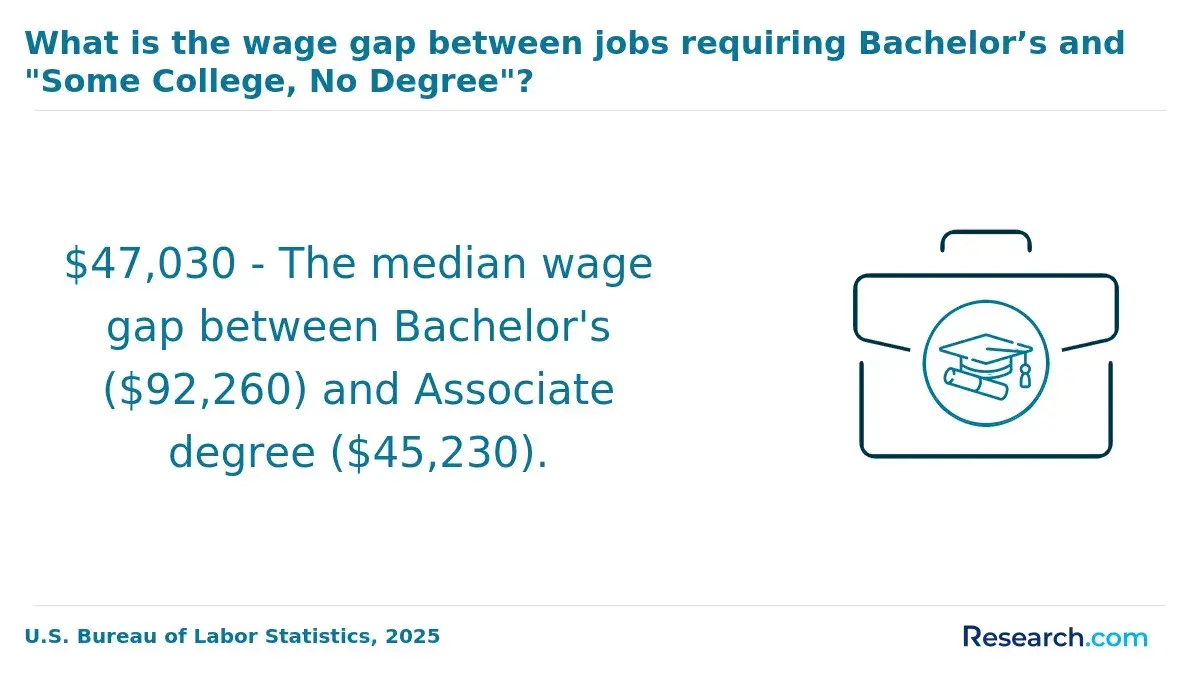
Earnings for health psychology graduates show marked variation tied closely to their credential level and career context rather than simple degree hierarchy. Doctoral holders often surpass $90,000 annually due to their eligibility for licensure as clinical psychologists and access to specialized research or academic roles, but this premium accompanies extended training, certification demands, and geographic job market nuances. In contrast, master's degree graduates typically see wages between $50,000 and $70,000, offering a middle path that balances quicker entry into roles such as health program coordinators or counseling support with somewhat limited scope for independent practice or lead research positions. Bachelor's degree holders generally align with entry-level jobs, earning up to $55,000, while associate degrees or certificates usually provide earnings below $40,000, reflecting their narrower responsibilities and fewer pathways for advancement.
Interpreting these figures requires attention to more than just salary: a prospective student's timeline, financial resources, and career goals must factor in the time and cost needed to advance through credential tiers, potential credit transfers, and employer licensing expectations. For many working adults or military-affiliated learners, the tradeoff between quicker, less costly qualifications and higher longer-term earnings involves assessing local demand variations and the stability offered within roles accessible at each level. Those holding a master's may often find a substantial increase in job security and upward mobility compared to bachelor's holders, while doctoral programs entail notably longer completion periods and specialized commitments that don't always translate to immediate wage gains without role-specific licensure or research credentials.
One graduate who initially pursued a bachelor's in health psychology found the local job market's salary caps on such roles discouraging and reconsidered advancing to a master's program after reviewing hiring data and employer feedback that highlighted certification requirements for supervisory positions. She weighed the additional two years and tuition against the likelihood of qualifying for clinical and program leadership roles, ultimately deciding that the master's was a strategic investment for her intended career path but remained cautious about committing to a doctoral track given its cost and time demands.
Which Health Psychology Degree Level Offers the Strongest Employment Prospects?
Employment opportunities in health psychology heavily depend on degree level, with master's and doctoral credentials generally offering the strongest labor market positioning due to licensure and certification requirements. For example, doctoral degrees open pathways to clinical psychologist roles that require independent practice authorization, a credential that commands higher salaries and lower unemployment rates according to 2024 Bureau of Labor Statistics data. Meanwhile, master's graduates with supervised clinical experience often qualify for community-based and research-related roles, though they face limitations for fully independent practice in most states. Associate and certificate programs can provide faster access to entry-level positions but are typically confined to support roles with limited advancement and lower pay, reflecting employer preferences for deeper specialization and licensure eligibility.
Bachelor's degree holders land into a median-demand segment, with about 70% employed within a year, yet they frequently encounter job requirements that favor graduate-level experience, internships, or certifications to move beyond technician or aid roles. This dynamic means that while lower degrees facilitate quicker workforce entry, they often necessitate subsequent education or supervised practice to access roles that offer meaningful career growth or leadership potential. Regional labor-market differences also shape outcomes; some areas may favor master's holders for community health roles, while others reserve specialized clinical positions for doctoral credentials. Students balancing immediate income needs against long-term credential value should consider whether to enter the workforce early and transfer credits later or invest upfront in advanced degrees that better align with licensure and employer expectations in health psychology's evolving field.
What Entry-Level Jobs Can You Get With a Health Psychology Degree?
Entry-level careers for those holding a health psychology degree vary considerably by academic attainment, shaping both immediate responsibilities and long-term prospects. Individuals with a bachelor's degree usually find roles such as behavioral health technicians or community health workers that emphasize practical skills like patient communication and data handling, often dependent on prior internships or fieldwork to stand out. These positions generally do not require advanced licensure but serve as foundational experiences essential for navigating the competitive healthcare environment. According to the U.S. Bureau of Labor Statistics 2024 data, many employers seek candidates grounded in evidence-based practice, which influences both hiring and future employability in this evolving field of health psychology entry-level careers.
Master's degree holders gain access to more specialized functions, including health educators and interventionists, which demand greater autonomy and proficiency in program management and psychological assessment. Certification such as Certified Health Education Specialist (CHES) and documented practicum experience become critical differentiators in securing these roles, signaling readiness for complex health promotion tasks. Doctoral graduates, by contrast, typically pursue licensure-based clinical or academic roles, where independent case handling, research leadership, and grantsmanship are expected.
Students weighing options should consider whether entry-level jobs at the bachelor's or master's level offer sufficient stability and skill development or if progressing toward advanced credentials like a doctorate - or a PhD in nursing education for related clinical research pathways - aligns better with their long-term goals.
How Do Health Psychology Degree Levels Affect Career Advancement and Promotion Opportunities?
Career trajectories in health psychology vary considerably based on degree level, with doctoral qualifications significantly enhancing eligibility for supervisory roles and specialized positions that require licensure or advanced certification. Employers often set a master's degree as the minimum for mid-tier clinical or research jobs, yet leadership and academic roles increasingly demand a doctorate, reflecting credential-based gatekeeping seen in hiring trends and promotional pathways. The 2024 U.S. Bureau of Labor Statistics data highlights that doctoral graduates in health psychology enter management or director-level roles at a notably higher annual rate, underscoring how advanced credentials accelerate access to high-responsibility positions. Adult learners and working professionals face a tradeoff between shorter programs that open entry-level access versus longer doctoral pathways that better position them for stable, upward mobility within healthcare systems and research institutions.
Practical workforce realities reveal that bachelor's and master's degree holders often experience slower advancement unless supplemented by significant experience or certifications, as many organizations prioritize demonstrated leadership readiness and licensure eligibility. In roles centered on program development, policy advising, and interdisciplinary collaboration, job postings show a distinct preference for doctoral-level candidates, illustrating how degree attainment affects both employer screening and internal promotion. For students with prior credits or work experience, transfer pathways and continuing education provide valuable support but seldom replace the comprehensive research and clinical preparation inherent to doctoral study, affecting career timing and mobility in the long run.
A health psychology graduate working in a community health setting shared that although their master's degree secured the initial role, eyeing a program director position exposed gaps in eligibility tied to licensure and leadership experience typically reserved for doctoral-level candidates. They weighed the implications of returning to school while juggling part-time work and family responsibilities, noting that the decision hinged less on immediate pay increases and more on qualifying for leadership roles where advanced clinical autonomy and policy influence mattered most. This nuanced evaluation of degree impact shaped their cautious but hopeful approach to further education, reflecting the complex balancing act many professionals face when plotting career advancement within health psychology.
Is a Health Psychology Degree Worth It Based on Salary, Employment, and ROI?
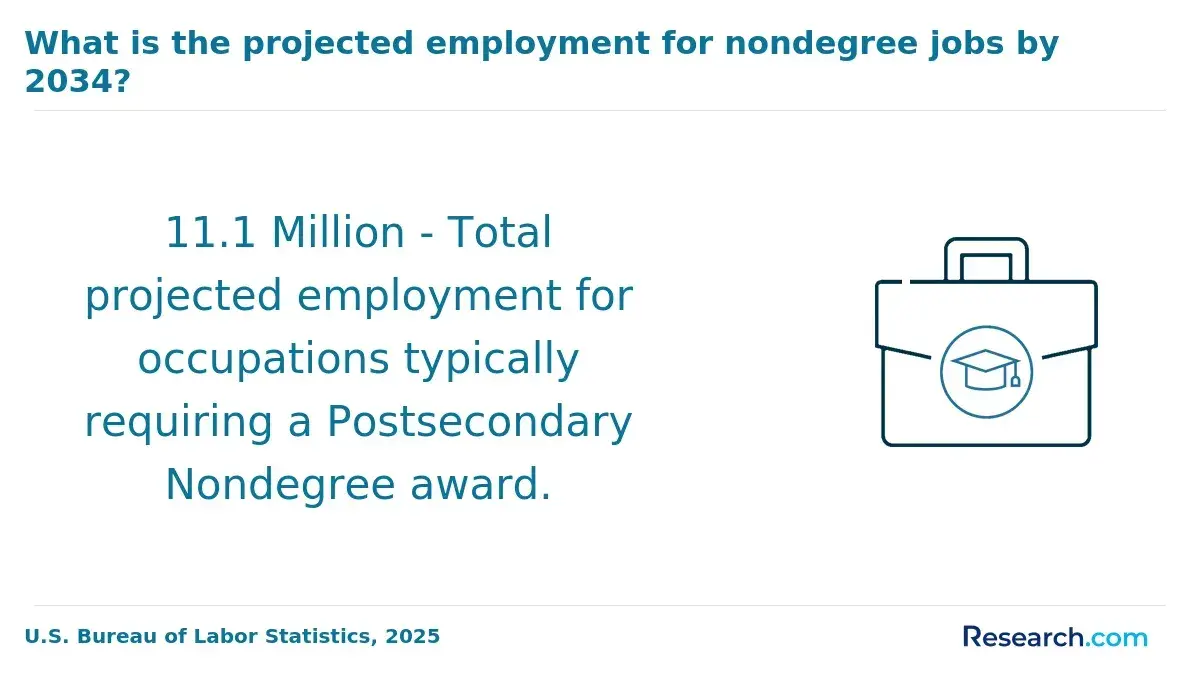
Salary potential and employment stability in health psychology vary sharply by degree level, making the decision to pursue such a degree heavily dependent on individual circumstances. Doctoral degree holders tend to access higher-paying clinical and academic roles, but they face longer completion times and substantial debt, extending the time before reaching a positive financial return. Conversely, master's graduates may enter the workforce sooner with less debt but often encounter limited job flexibility and lower earning ceilings, which can restrict career mobility and advancement without additional certifications. For example, an adult learner balancing work and family responsibilities may find the extended doctoral pathway challenging, making a master's degree with strategic credentialing a more viable option despite lower initial pay.
Employment prospects in health psychology also hinge on geographic and credential-related factors, as licensure requirements and market demand differ significantly across states and sectors. The specialized nature of health psychology roles often means stable positions are concentrated in hospitals, government agencies, and universities, which typically require advanced credentials. Master's level graduates frequently face underemployment or the need to supplement their qualifications, complicating their career trajectory. Understanding these practical workforce dynamics is essential when assessing the return on investment for health psychology graduates, especially for military-affiliated students or transfer students aiming to minimize time-to-completion.
Prospective students should also consider options like part-time enrollment, employer tuition support, and reputable programs with strong licensure preparation, which can enhance outcomes without excessive disruption. For those exploring related fields, it may be worth reviewing the best MHA online programs as alternative pathways that can offer different employment and salary profiles.
How Do Associate, Bachelor's, Master's, and Doctoral Health Psychology Degrees Compare?
Choosing to exit after an associate degree in health psychology typically limits graduates to entry-level technical roles with modest earnings and fewer pathways for leadership or specialization. Those holding a bachelor's degree unlock a wider range of practitioner and research support positions, benefiting from a roughly 12% higher employment rate than associate degree holders, according to recent National Center for Education Statistics data. The bachelor's credential also supports credit transfer and stacked credentials, which are crucial for those aiming to pursue graduate studies that increasingly define upward mobility within the field.
Advancing to a master's degree often corresponds with access to licensed or certified practitioner roles that require deeper expertise and offer 20-30% higher mid-career earnings compared to bachelor's graduates, based on 2024 U.S. Department of Education workforce studies. However, the extended time and expense of master's programs necessitate careful weighing of student debt and completion risk, especially since this degree level can be pivotal for clinical or consultancy employment but may not guarantee leadership roles. Doctoral degrees in health psychology remain the primary gateway to academic careers, advanced research positions, and top-tier clinical leadership, with the lowest unemployment rates and strongest job stability in the profession. Yet the significant time and financial investment involved mandates that students consider whether licensure requirements, research output, and institutional reputation align with their long-term career goals and justify the cost.
For prospective students and working professionals, the decision hinges on balancing immediate entry and earnings potential against eventual specialization and leadership readiness. While associate and bachelor's degrees provide practical access and flexibility with fewer barriers to employment, master's and doctoral levels offer specialized credentials that substantially enhance marketability but demand longer commitments. Those intending to navigate licensure or research-intensive roles must account for the differential impact of degree levels on credential recognition, job stability, and career adaptability within a labor market that increasingly values integrated behavioral health expertise across settings.
Which Industries and Employers Hire Health Psychology Graduates by Degree Level?
Employment demand in health psychology shifts markedly with degree level, reflecting distinct employer priorities and role requirements. Graduates with associate or certificate credentials often occupy support roles in community health centers, rehabilitation facilities, or entry-level positions where practical skills outweigh formal licensure, limiting supervisory responsibilities and pay. In contrast, those holding bachelor's degrees typically access diverse employers like hospitals, nonprofits, and academic settings, engaging in patient advocacy or health education; about 35% of these graduates work in government health departments or outreach programs where licensure is less critical but specialized knowledge remains valuable.
Advancing to a master's degree opens doors to clinical and management positions within mental health agencies, integrated care systems, and insurance organizations, where licensure or certification frequently becomes a baseline expectation. This credential correlates with a roughly 20% higher likelihood of supervisory roles versus bachelor's holders, reflecting expanded responsibilities such as intervention planning and program evaluation. Doctorate-level health psychologists predominantly enter research-focused, academic, or high-level clinical roles requiring independent licensure and offering leadership opportunities, often employed by federal agencies, major hospitals, or universities. Students must weigh whether additional education justifies delayed workforce entry against the enhanced earning potential, autonomy, and specialization pathways that accompany higher degrees, bearing in mind that many employers screen tightly on licensure status and graduate training for advanced roles.
What Skills, Credentials, and Experience Improve Health Psychology Career Outcomes?
Employers increasingly require health psychology professionals to demonstrate a blend of specialized skills and practical experience that align with the demands of their target roles. For graduate-level candidates, licensure remains indispensable, as clinical practice typically mandates a doctorate coupled with supervised hours. Bachelor's and master's degree holders often enhance employability through certifications such as Certified Health Education Specialist (CHES) or relevant behavioral health coaching credentials, especially in preventive and community health settings. These health psychology professional credentials and certifications strongly influence the trajectory of employment opportunities and the ability to transition into more autonomous roles.
Applied experience gained via internships, apprenticeships, or practicum placements sharply improves early job market outcomes, with data showing a 30% higher likelihood of securing relevant positions within six months. In practice, employers prioritize candidates who can integrate evidence-based assessments and behavioral interventions with strong communication and leadership skills, which are essential for interdisciplinary collaboration and promotion readiness. For adult learners or transfer students, strategically combining analytics capabilities with community-based experience offers a practical path toward roles in healthcare administration or policy sectors. Doctoral candidates who invest in building portfolios including peer-reviewed publications, grant writing, and teaching demonstrate greater long-term mobility, particularly in research-intensive or academic appointments.
Decision-making around credential advancement must weigh tradeoffs between time, cost, and intended career outcomes, factoring in how soft skills and experiential credentials complement formal education. Those navigating upward can also assess related fields for broader occupational prospects, such as the health information management salary landscape, accessible through resources like health information management salary insights. Ultimately, cultivating a mix of technical proficiency, licensure, applied learning, and interpersonal skills remains fundamental for sustained career progression across health psychology degree levels.
Which Health Psychology Degree Level Is Best for Your Career Goals?
Choosing the right health psychology degree level significantly shapes employment access, pay, and long-term progression within the field. For example, bachelor's degree holders typically enter with around a 65% employment rate a year after graduation but often face constraints in specialization and upward mobility. Those targeting clinical or leadership roles usually find that advancing to a master's degree improves both their salary and employment prospects due to broader role eligibility and applied training. Comparing pay and employment patterns by health psychology degree level highlights that master's graduates surpass bachelor's holders in workforce flexibility while balancing costs and completion time, an important factor for working professionals and transfer students weighing opportunity costs.
Doctoral credentials, notably PhDs and PsyDs, remain essential for licensure, research leadership, and academic positions, yielding employment rates near 90% and the highest earnings. However, the substantial time and financial investment can deter some, especially adult learners or military-affiliated students, from pursuing this route without clear specialization goals. Employer expectations often require doctoral qualifications for advanced or regulated roles, so many graduates consider sequential pathways, sometimes utilizing transfer credits to shorten the timeline.
Prospective students might explore options like an online PhD in counseling to balance affordability with career advancement. Ultimately, degree-level choice influences licensure eligibility, credit transfer strategies, and leadership potential, underscoring the need for informed decision-making aligned with individual career ambitions and workforce realities.
References
- How To Become A Health Psychologist | Psychology.org https://www.psychology.org/careers/health-psychologist/
- Health psychology: options after stage 2 | ClinPsy https://clinpsy.com/threads/health-psychology-options-after-stage-2.17498/
- What Can You Do With a Health Psychology Degree? https://www.tuw.edu/health/health-psychology-career/
- Careers in Health Psychology - Comprehensive Advice on Working in Psychology https://www.careersinpsychology.co.uk/careers-health-psychology.html
- The right track: Participation and progression in psychology career paths https://www.nuffieldtrust.org.uk/research/the-right-track-participation-and-progression-in-psychology-career-paths
- Entry Level Psychology Jobs - PsychologyJobs.com https://psychologyjobs.com/entry-level-psychology-jobs/
- Return on Investment For an Online Psychology Degree https://www.onlinepsychologydegrees.com/articles/return-on-investment-for-an-online-psychology-degree/
- Top 5 Highest-Paying Psychology Careers - Rivier Academics https://www.rivier.edu/academics/online/resources/program-resources/top-5-highest-paying-psychology-careers-rivier-university/
- How to Become a Health Psychologist https://onlinecounselingprograms.com/mental-health-careers/how-to-become-psychologist/health-psychologist/
- What Do Psychologists Earn? Highest Paying Psychology Jobs | Walbrook https://www.walbrook.ac.uk/subjects/psychology/psychologist-salaries-highest-paying-jobs/
Other Things You Should Know About Health Psychology
The workload and time commitment increase significantly as you move from bachelor's to doctoral programs in health psychology. Doctoral studies often demand extensive research, clinical hours, and dissertation work, which can lead to sustained stress and reduced personal time. If balancing employment or family responsibilities is a priority, pursuing a master's degree might offer a more manageable compromise between gaining advanced skills and maintaining a healthier work-life balance.
Doctoral-level research experience in health psychology is crucial for positions focused on clinical intervention development, academic roles, or advanced policy work. However, for many applied roles in healthcare settings or wellness coaching, extensive research training may not lead to proportionally higher pay or quicker advancement. Prospective students should weigh if the intense focus on research aligns with their desired career path or if a master's degree with supervised practice provides more relevant on-the-job skills.
Employers outside academia typically expect doctoral graduates to take on leadership, program design, or expert consultation roles, whereas master's holders are often hired for direct service delivery or case management. Choosing a degree level should reflect your career ambition: if you aim for frontline application with less administrative responsibility, a master's degree is often sufficient. Conversely, entering research-intensive or high-level consulting positions usually requires a doctorate to meet employer certifications and credibility standards.
Given the variability in program structures, students should consider how specialization options align with their career goals. Longer doctoral programs typically offer multiple specialization tracks but extend time to employment and increase financial burden. In contrast, master's programs often provide shorter, more targeted pathways. For those seeking quicker entry into the workforce and clearer practical training, prioritizing program flexibility and shorter duration may offer better returns than pursuing broader but lengthier doctoral training.