2027 Health Psychology Degree Completion Rates by Format: Online, Hybrid, and Campus Programs Compared

Co-Founder and Chief Data Scientist
Choosing how to complete a health psychology degree poses a critical challenge for many students. A prospective student weighing the online, hybrid, or traditional campus route must consider not only convenience but also the likelihood of finishing the program. Each format offers distinct demands on time management, interaction, and self-motivation, which directly influence persistence and success.
Completion rates vary significantly between delivery methods, shaped by factors like academic support, peer engagement, and personal circumstances. These differences affect employability and long-term career prospects in health psychology. This article compares completion rates across online, hybrid, and campus programs, explores underlying factors that impact student outcomes, and guides prospective students toward selecting the format best aligned with their educational goals.
Key Things to Know About Health Psychology Degree Completion Rates by Format
- Completion rates for campus health psychology programs are generally higher due to structured environments fostering peer and faculty engagement, which supports persistence and limits attrition from academic isolation.
- Hybrid formats see moderate completion success, balancing flexibility with in-person accountability, but require disciplined time management, influencing who can realistically sustain steady progress.
- Online health psychology degrees report roughly 10% lower completion rates as of 2024, reflecting challenges in self-directed learning and limited direct clinical mentorship impacting skill acquisition and motivation.
- Key Things to Know About Health Psychology Degree Completion Rates by Format Key Things to Know About Health Psychology Degree Completion Rates by Format
- How Do Completion Rates Compare Across Online, Hybrid, and Campus Health Psychology Programs? Completion Rate Comparison
- What Factors Have the Greatest Impact on Health Psychology Degree Completion? Degree Completion Factors
- Which Health Psychology Degree Format Is Hardest to Complete? Completion Difficulty
- How Does Each Health Psychology Learning Format Affect Student Success? How Does Each Health Psychology Learning Format Affect Student Success?
- How Does Enrollment Status Affect Health Psychology Completion Rates? How Does Enrollment Status Affect Health Psychology Completion Rates?
- Can Transfer Credits Improve Health Psychology Degree Completion? Transfer Credits
- What Student Support Services Improve Health Psychology Completion Rates? Student Support Services
- How Do Health Psychology Completion Rates Affect Career Outcomes? Impact on Career Outcomes
- How Should Students Choose the Best Health Psychology Learning Format? Choosing the Best Format
- What Are the Long-Term Pros and Cons of Each Health Psychology Learning Format? Learning Format Pros & Cons
How Do Completion Rates Compare Across Online, Hybrid, and Campus Health Psychology Programs?
Variations in completion rates across formats frequently stem from differences in work commitments, enrollment intensity, and available support. Online learners, balancing jobs and family, benefit from flexible schedules but may face challenges like limited immediate academic interaction. Hybrid programs attempt to bridge this gap, blending face-to-face collaboration with remote convenience, which can enhance persistence for students needing both structure and adaptability. Ultimately, student success hinges on how well individual circumstances align with these characteristics.
Prospective students should integrate health psychology degree completion rates by format with their own learning preferences, time availability, and career ambitions to choose the setting that best supports their completion goals. For example, a working professional needing flexibility could explore the most affordable online FNP programs as a model for balancing life with study commitments. Approaching degree format decisions with this nuanced understanding enables informed choices without assuming any single mode is universally superior.
What Factors Have the Greatest Impact on Health Psychology Degree Completion?
Degree completion in health psychology programs depends heavily on a combination of personal qualities, academic readiness, and program-related factors rather than motivation alone. Students face diverse challenges influenced by their learning environment, external responsibilities, and access to support, which collectively shape their persistence. Recognizing these interacting factors is essential for making informed decisions about the best path to meet one's educational and professional aims. The following highlights key elements that most significantly impact degree completion outcomes.
- Academic Preparedness and Self-Regulation: Students entering programs with strong foundational skills and effective time management habits tend to navigate coursework more successfully. Those lacking structured study routines often struggle to maintain pace, particularly in less supervised formats. Strengthening self-regulation can improve persistence, as indicated by a 2024 National Center for Education Statistics report showing students with high self-regulation are about 30% more likely to graduate within six years.
- Level of Institutional Support and Engagement: Direct access to faculty mentorship, tutoring, and peer networks increases retention by fostering social integration. Campus-based students often benefit from richer interaction, which boosts completion rates. Online and hybrid learners should proactively seek out virtual support services and form study groups to mitigate reduced contact challenges.
- Format-Specific Flexibility Versus Structure: Online and hybrid formats offer scheduling flexibility attractive to working adults but require balancing competing demands without the regular accountability that campus programs provide. Students who thrive under flexible conditions often need to develop strong self-discipline and create personal schedules to prevent dropout risks.
- Financial Stability and Resource Availability: Economic stressors, such as unstable funding or lack of employer tuition assistance, disproportionately affect online students who frequently juggle employment and education. Access to reliable financial aid can significantly improve persistence by alleviating external pressures, as demonstrated in a 2024 Workforce Education Survey.
- Competing Personal Responsibilities: Caregiving, part-time work, and other life obligations reduce available study time and energy, posing higher risks for delayed or incomplete graduation. Students with heavy external demands should assess program intensity realistically and seek institutions offering flexible or supportive policies customized for adult learners.
- Program Fit and Learning Preferences: The alignment between a student's preferred learning style and program delivery influences engagement and satisfaction. Visual or kinesthetic learners may find campus or hybrid settings more conducive, while self-directed learners might excel online. Understanding one's preferences helps students select programs that enhance commitment and completion likelihood.
- Access to Practical Experiences and Career Integration: Opportunities for internships, practicum placements, or research involvement provide hands-on skills that motivate persistence and clarify career pathways. Campus programs often have direct channels for these experiences, but online or hybrid students can improve outcomes by actively pursuing such opportunities through local organizations or virtual partnerships.
Balancing these factors thoughtfully will enable prospective students to better navigate the complexities affecting health psychology degree completion. For those considering flexible routes, exploring a masters degree in nutrition and similar fields may offer related insights into managing academic and life demands effectively.
Which Health Psychology Degree Format Is Hardest to Complete?
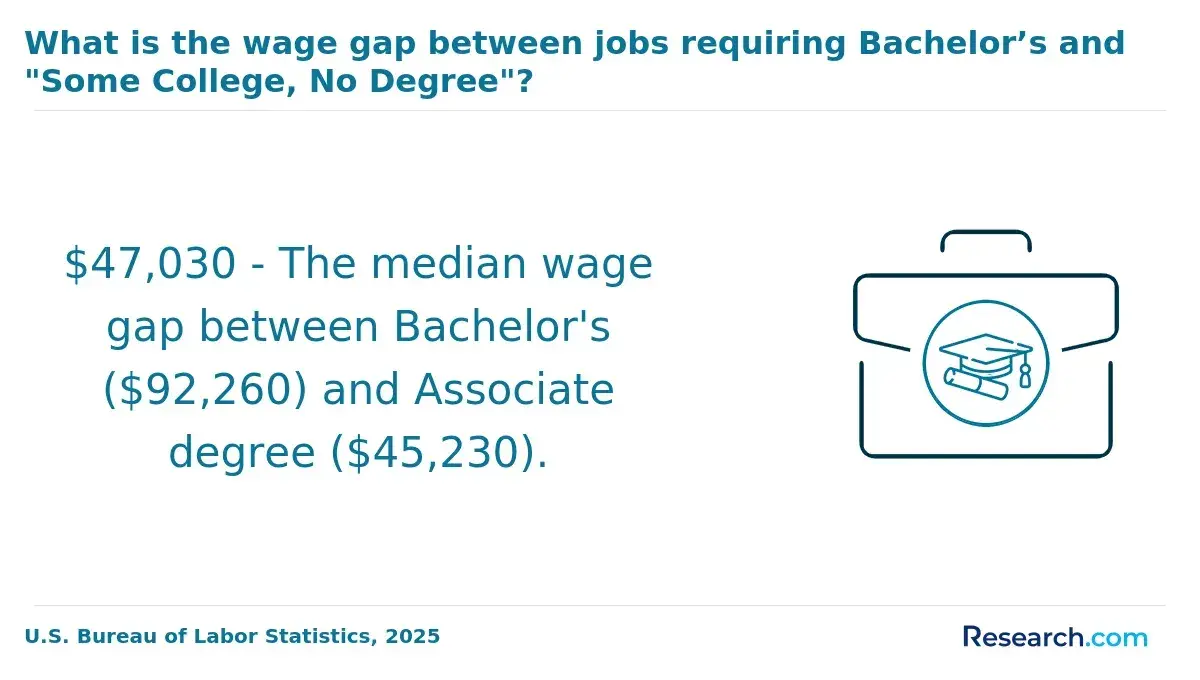
Completion rates for health psychology degrees reveal distinct challenges tied to program formats, with data from the National Center for Education Statistics in 2024 showing fully online degrees lagging behind other modes. Online programs face completion rates near 40% to 50%, constrained by limited real-time interaction and weaker accountability structures. Hybrid programs, blending online flexibility with occasional in-person engagement, improve persistence rates to roughly 55%-65%, offering a balance that helps students maintain motivation without sacrificing all scheduling freedom. Campus-based programs lead with completion often exceeding 70%, benefiting from immersive environments, direct faculty contact, and structured routines, although these come with less flexibility for those juggling work or family demands.
Choosing the right format depends on more than completion statistics; it hinges on individual circumstances and support needs. For example, a working professional with unpredictable hours might find campus attendance prohibitive but struggle with online isolation, making hybrid the most practical avenue. Conversely, someone with strong self-motivation and limited outside commitments may thrive in a campus setting where immediate feedback and social learning bolster retention. Recognizing these trade-offs helps students align their learning environment with personal challenges rather than defaulting to the notion that one format is inherently easiest or hardest to complete.
A recent health psychology graduate recalled initially hesitating between online and hybrid formats after changing jobs mid-degree. The flexibility of online study seemed ideal, but the distance from peers and faculty led to feelings of detachment, increasing the urge to pause studies. Switching to a hybrid program, with occasional campus visits, helped rebuild motivation through face-to-face support, yet still accommodated a busy schedule. This experience underscored how program format deeply influences persistence and that what feels manageable for one learner might be a stumbling block for another.
How Does Each Health Psychology Learning Format Affect Student Success?
Student success in health psychology degree programs depends more on how well the chosen learning format fits an individual's study habits, schedule, and life obligations than the format alone. Different students thrive under varying conditions, so understanding the real-world tradeoffs of online, hybrid, and campus formats is crucial. For example, a full-time worker raising a family may find online programs more accessible despite their challenges, while a student seeking deeper peer engagement might fare better on campus. The following points highlight key factors affecting degree completion across these formats.
- Self-regulation and time management demands: Online programs require higher levels of discipline since students manage their schedules independently. Those who struggle with self-motivation often face lower completion rates, whereas hybrid and campus students benefit from structured environments that encourage regular attendance and deadlines.
- Access to academic support services: Campus learners generally have easier and quicker access to tutoring, advising, and mental health resources, which are linked to better retention. Hybrid students can often tap into some in-person resources, while fully online learners depend heavily on virtual supports that vary in availability and effectiveness.
- Engagement and interpersonal connections: Face-to-face interaction in campus and hybrid settings fosters a stronger sense of community and accountability, enhancing motivation and persistence. Online environments may feel isolating, which can reduce engagement for students needing peer or faculty support to stay on track.
- Flexibility for non-traditional students: Online formats provide critical flexibility for students balancing work, family, or other responsibilities, allowing more accessible education pathways. However, this flexibility can backfire if learners lack adequate support or time management skills, making hybrids a compromise offering both flexibility and periodic in-person engagement.
- Completion rates by format: A 2024 report from the National Student Clearinghouse Research Center shows campus programs maintain the highest degree completion rates, with hybrid programs falling in between, and fully online programs trailing due to their increased demands on learner independence.
- Learning style compatibility: Students who learn best through in-person dialogue and experiential activities often perform better in campus or hybrid cohorts. Online learners who thrive are typically self-directed readers and writers comfortable with technology-based instruction.
- Real-world networking opportunities: Campus and hybrid programs provide more natural pathways for building professional relationships essential for employment in health psychology fields, which may be less accessible in fully online settings.
How Does Enrollment Status Affect Health Psychology Completion Rates?
Enrollment status plays a pivotal role in shaping completion rates for health psychology programs, yet its influence extends beyond simply the number of courses taken. Whether a student studies full-time or part-time, personal circumstances like work, family commitments, and access to support systems significantly affect persistence and graduation outcomes. While full-time status generally correlates with stronger completion rates, this advantage is less clear-cut when considering the diverse realities students face. The following points outline key ways enrollment status impacts health psychology degree completion rates.
- Academic immersion and consistent engagement: Full-time students typically benefit from deeper immersion in coursework and regular interactions with faculty and peers. This constant engagement fosters steady academic progress, particularly in campus-based programs, where students have structured schedules and direct access to resources.
- Balancing external commitments: Part-time students often juggle work, family, or other obligations alongside school. This flexibility suits those unable to commit full-time but can also lead to challenges in maintaining momentum, especially in online formats where support is less immediate.
- Support networks and institutional resources: Full-time enrollment often grants greater access to academic advising, tutoring, and peer study groups. These support systems are crucial for mastering complex health psychology concepts and staying motivated throughout a demanding program.
- Self-discipline and time management demands: Part-time students must develop rigorous self-regulation skills to avoid attrition risks heightened by inconsistent study patterns and fewer engagement opportunities. This is especially relevant for students in hybrid or fully online programs.
- Program format interaction with enrollment status: Completion rates reflect different dynamics depending on whether the program is online, hybrid, or campus-based. For example, hybrid students generally experience moderate completion outcomes by combining structured in-person instruction with flexible online learning.
- Statistical completion disparities: According to the National Center for Education Statistics in 2024, full-time health psychology students are roughly 30% more likely to graduate within six years compared to part-time peers, underlining the tangible impact of enrollment intensity across formats.
- Practical alignment with career goals: Students should choose an enrollment pace that realistically fits their capacity to engage consistently, which directly influences employability in health psychology fields upon graduation. Understanding these factors is vital, especially when comparing options like traditional campus study or flexible online pathways, such as ASN online programs, that offer various enrollment structures.
Can Transfer Credits Improve Health Psychology Degree Completion?
Transfer credits can substantially influence degree completion timelines in health psychology, but their impact is far from uniform. Evidence from the National Center for Education Statistics in 2024 shows that accepting transfer credits can trim average time-to-degree by roughly 25%, a benefit that often helps nontraditional students manage education alongside other responsibilities. This reduction generally stems from minimizing repetitive coursework and unlocking a shorter path to graduation.
However, these advantages hinge on several key variables. Not all transfer credits seamlessly apply to required courses within a health psychology program. Factors such as program-specific curriculum demands, institutional policies on transfer credit acceptance, and how many credits remain to graduate all determine the practical value of transferring credits.
Consider a student with prior college credits earned in related psychology or social science fields who enrolls in an online health psychology bachelor's program. If the university's transfer policy is clear and credits align well with core requirements, this student may bypass foundational courses, accelerating progress. Conversely, in a campus setting with stricter degree pathways, fewer credits might count, extending study duration despite the transfer.
Transfer credits also originate from diverse sources-previous college classes, military experience, or professional training-all of which carry different degrees of recognition. This variability means transfer credits won't automatically lead to faster completion for all learners but can be a decisive factor for those whose prior learning matches program needs closely.
Prospective students should therefore approach transfer credit evaluation strategically. Securing an official credit assessment from the institution, thoroughly reviewing the program's course requirements, and comparing remaining credits against their intended course load and pace are crucial steps in estimating potential time savings.
Ultimately, while transfer credits often serve as a meaningful lever to improve completion rates and speed degree attainment, they represent one part of a broader set of influences-such as institutional support, program flexibility, and student commitment-that collectively determine graduation success in health psychology programs.
What Student Support Services Improve Health Psychology Completion Rates?
Completion rates for health psychology degrees vary notably depending on how student support services are designed and delivered across online, hybrid, and campus formats. Evidence from 2024 underscores that services tailored to the distinct challenges of each learning environment can make a measurable difference in student success. No single service works universally; instead, a combination of proactive, personalized supports often correlates with higher persistence and timely graduation. Key services linked to improved outcomes include the following.
- Tailored Academic Advising: Regular, personalized academic advising that anticipates individual needs helps students, especially online learners, navigate course selection and overcome scheduling hurdles. The National Center for Education Statistics finds that programs with early-alert advising systems increase completion rates by up to 12% for remote students.
- Accessible Mental Health Counseling: Mental health support addresses stress and burnout, which are prevalent among students juggling study with work and family obligations, particularly online. Timely counseling interventions can prevent attrition by fostering resilience and coping skills.
- Integrated Peer Mentoring Networks: Hybrid programs often benefit from combining virtual and in-person peer support, which fosters engagement and accountability. The American Psychological Association reports that hybrid students with access to active peer mentoring show a 15% higher likelihood of finishing on schedule.
- Flexible Tutoring Services: Offering tutoring that accommodates diverse schedules and learning preferences supports comprehension and skill-building. Hybrid and campus students gain when tutoring is available across multiple modalities, allowing responsive academic reinforcement.
- Individualized Progress Monitoring: Frequent assessment coupled with tailored developmental plans enables timely interventions before academic challenges escalate. Campus students especially gain from consistent feedback loops that build motivation and retention through visible goals.
- Coordinated Support Across Formats: Hybrid learners benefit most from seamless integration of digital and face-to-face resources to mitigate the risk of falling through gaps between modes of delivery.
- Social Integration Opportunities: In-person social engagement and community-building activities enhance motivation and commitment for campus students by fostering a sense of belonging.
One online health psychology graduate found that early academic advising was a lifeline when balancing a full-time job and family. Initially hesitant to reach out, she discovered regular check-ins identified potential pitfalls before they became barriers, and mental health counseling helped her manage stress during a critical semester. This blend of proactive support, tailored to her unique schedule, ultimately made the difference between pausing her studies and earning her degree on time. Her experience reinforces that well-structured, personalized support-rather than mere availability-is crucial for completion success across all formats.
How Do Health Psychology Completion Rates Affect Career Outcomes?
Completion of a health psychology degree strongly influences employment stability, wage growth, and graduate school admission, as documented by recent workforce data. Students who finish their bachelor's degrees consistently show higher success in professional settings compared to non-completers, making completion a critical factor in career planning. While online formats offer flexibility, their lower completion rates highlight the need for discipline and support, affecting outcomes differently than hybrid and campus-based programs. Below are key ways health psychology degree completion impacts career outcomes.
- Higher Employment Rates and Greater Job Security: Graduates with a completed degree typically enjoy stronger job prospects and lower unemployment.: Persistence through degree completion signals to employers reliability and commitment, which directly correlates with more stable employment in health psychology-related roles. Students who finish campus or hybrid programs may benefit from structured support increasing their chances for steady work.
- Increased Earnings Potential Over Time: Completing a health psychology degree substantially boosts lifetime earning capacity.: Data from the Bureau of Labor Statistics and other 2024 reports confirm that degree holders earn notably higher wages than non-completers, underscoring the financial returns attached to persistence in education. Those balancing work and study online often combine flexibility with income but may need proactive career planning.
- Improved Access to Graduate School and Advanced Career Opportunities: Degree completion is a prerequisite for many advanced certifications and graduate programs.: Graduate schools typically require completed degrees as a baseline, so finishing a program enhances eligibility for specialized training and leadership roles. Hybrid programs often foster mentorship and networking that facilitate these transitions more effectively.
- Development of Professional Networks and Practical Skills: Campus and hybrid formats provide immersive experiences that enrich employability.: Students completing these programs gain direct mentorship and collaboration opportunities, essential to building a professional network. Although online students face networking challenges, they can leverage their flexibility to engage in internships or applied research projects that strengthen resumes.
- Greater Alignment With Employer Expectations: Completion acts as a signal of persistence and discipline valued in health psychology careers.: Employers and graduate schools view program completion as evidence of key soft skills. For example, job candidates who have completed their degrees are often more competitive when evaluating pharmaceutical rep salary roles or similar health-related positions, where both academic credentials and work ethic matter.
How Should Students Choose the Best Health Psychology Learning Format?
Choosing the right learning format for a health psychology degree requires understanding how different delivery methods impact degree completion and employability. Recent 2024 data from the National Center for Education Statistics show that students balancing work or caregiving often prefer online formats for flexibility, yet these same students face higher attrition without strong time management skills. Hybrid formats blend in-person support with online convenience, improving completion rates by reducing feelings of isolation. Campus programs benefit from immersive experiences but may be impractical for nontraditional students. Below are key factors to evaluate when comparing online, hybrid, and campus health psychology programs.
- Time Management and Self-Discipline: Fully online programs demand rigorous self-regulation. Students lacking these skills risk falling behind, while those with strong discipline can leverage the flexibility to fit studies around work or family commitments.
- Need for Direct Interaction: Campus and hybrid formats offer more immediate access to instructors and peers, which supports networking and engagement. If direct interaction fuels motivation, an online-only program may pose challenges.
- Work and Life Commitments: Students juggling jobs or caregiving typically find online and hybrid options more accessible. However, hybrid requires some in-person attendance, which must fit into existing schedules.
- Access to Institutional Resources: Campus learners benefit from on-site libraries, counseling, and career services, which some online programs replicate only partially, affecting career readiness.
- Community and Social Support: Hybrid programs often cultivate stronger peer connections than fully online ones, which helps reduce feelings of isolation linked to dropouts.
- Program Completion Rates: According to 2024 studies, campus formats have the highest completion rates, followed by hybrid, with fully online being the lowest, emphasizing the importance of format choice aligned with individual traits.
- Career Goals and Practical Experience: Students requiring hands-on or clinical experience may prefer campus-based options, though some hybrid programs offer structured clinical placements, supplementing online coursework.
For students looking at similar self-paced credentials, such as a fast track medical billing and coding certificate online, understanding these tradeoffs is crucial for realistic planning and success.
By carefully assessing these factors, students choosing the best health psychology degree format can better align their personal circumstances with the demands of the program, improving the likelihood of degree completion and career progression.
What Are the Long-Term Pros and Cons of Each Health Psychology Learning Format?
Long-term outcomes for Health Psychology degree completion vary notably across online, hybrid, and campus formats, each presenting unique advantages and trade-offs. Recent 2024 research from the National Education Analytics Consortium highlights that student success hinges on aligning personal circumstances with program demands. Consider these key long-term factors when choosing a format:
- Graduation Rates and Completion Speed: Campus programs typically yield higher immediate completion rates due to structured schedules and immersive environments, benefiting those preferring clear timelines. Online formats show slower but steady completion patterns, often favored by working adults balancing responsibilities. Hybrids strike a middle ground with flexible pacing and face-to-face support.
- Professional Networking Opportunities: Campus formats offer stronger in-person networking and mentorship, enhancing job prospects in clinical and applied settings. Online learners may face challenges in building connections but gain access to broader geographic networks. Hybrid students enjoy blended networking options.
- Skill Acquisition and Practical Experience: Hybrid programs better facilitate hands-on learning than fully online formats, which can limit clinical skill demonstration. Campus settings support comprehensive facility access, critical for applied skills.
- Flexibility Versus Discipline Requirements: Online programs provide unmatched scheduling flexibility but require high self-motivation to combat isolation and attrition risks. Hybrid learners must balance flexible schedules with on-campus commitments, while campus students benefit from structured learning but with less scheduling freedom.
- Employer Recognition and Career Integration: Increasingly, accredited online degrees are well-regarded; however, some employers prefer campus or hybrid graduates for direct practical training evidence. Hybrid graduates report smoother transitions into professional roles, reflecting balanced preparation.
References
- Student Mental Health and Education https://learningpolicyinstitute.org/product/student-mental-health-education-factsheet
- Pursue a Bachelor’s in Psychology Online | University of Bridgeport https://www.bridgeport.edu/news/pursuing-a-bachelors-in-psychology-online/
- Online and Hybrid PhD & PsyD Programs in Psychology https://www.psychologist-license.com/phd/
- What Is Health Psychology? An Approach to Manage Stress, Illness, and Lifestyle - Swift Psychology https://swiftpsychology.co.uk/insights-and-advice/what-is-health-psychology-an-approach-to-manage-stress-illness-and-lifestyle/
- What is health psychology? https://www.surrey.ac.uk/news/what-health-psychology
- Clinical Psychology Transfer Credit FAQ | Fuller Seminary https://fuller.edu/academics/school-of-psychology/clinical-psychology-transfer-credits-faqs/
- Support Student Success With a Best-Fit College Timeline https://www.psychologytoday.com/us/blog/college-mental-health/202508/support-student-success-with-a-best-fit-college-timeline
- Transfer of Credits - WSPP | PsyD Transfer Credit Policy | Wisconsin School of Professional Psychology https://www.wspp.edu/admissions/transfer-of-credits
- Best Online Health Psychology Degree Programs https://www.psychology.org/online-degrees/health-psychology/
- What Is Health Psychology? https://www.webmd.com/mental-health/what-is-health-psychology
Other Things You Should Know About Health Psychology
Online health psychology programs often offer self-paced or accelerated options that may appeal to students balancing work and life commitments. However, this flexibility can introduce risks of procrastination or inconsistent engagement, potentially lowering completion likelihood without strong self-discipline. Conversely, campus programs follow a more rigid schedule with defined class times, which can foster consistent study habits and peer accountability but may be less adaptable for those with external obligations. Students who struggle with time management might find campus or hybrid formats better in sustaining progress toward degree completion.
Hybrid programs blend online coursework with in-person practical sessions, offering direct experience often required in health psychology training. This hybrid model may slow overall completion due to the need to coordinate on-campus attendance, especially for students living farther from campus. However, the hands-on skills gained tend to increase post-degree job readiness despite the potential for longer program duration. Students prioritizing workplace competency and hands-on networking might accept extended timelines as a worthwhile tradeoff.
While many employers now accept online health psychology degrees, some clinical or research employers still prefer campus or hybrid graduates due to perceived rigor and direct mentorship opportunities. This employer bias may inadvertently pressure students into formats they find less manageable, risking dropout. Prioritizing a format aligned with target employment sectors can improve motivation and completion chances by reinforcing the degree's value in that job market.
Campus health psychology programs generally involve structured weekly assignments and frequent assessments, promoting steady progress but often higher stress. Online programs may offer more variable pacing and assignment deadlines, requiring students to self-pace and maintain motivation without immediate instructor contact. Hybrid formats add complexity by combining these demands. Students prone to burnout might consider formats with clearer routine and instructor interaction to support sustained effort through to degree completion.