2027 Health Psychology Job Market Report: Open Roles, Salary Bands, and Hiring Momentum

Co-Founder and Chief Data Scientist
The health psychology job market reflects an ongoing recalibration shaped by evolving employer priorities and increasing integration of technology in patient care. Open roles and salary bands reveal more than simple demand; they signal shifts in credential expectations and the rising importance of skills in digital health interventions. Recent regulatory updates and funding reallocations have redirected hiring momentum, with geographic clusters of opportunity emphasizing workforce disparities. These labor market patterns indicate growing specialization and the need for adaptable expertise.
Understanding such dynamics offers insight into how the profession balances clinical, research, and policy functions. The age distribution of entrants further suggests changing educational accessibility and a workforce adapting to future healthcare challenges.
Key Things to Know About Health Psychology Job Market
- Open roles in health psychology are concentrated in integrated care settings, reflecting a tradeoff where broader clinical skills compete with niche specialization, influencing the scope of job preparedness required.
- Salary bands tend to cluster around employer types, with academic and research institutions offering less than healthcare providers, signaling a workforce tilt that affects where graduates should target applications.
- Recent 2024 data reveal moderate hiring momentum constrained by funding cycles, underscoring timing and financial barriers for candidates balancing extended training against intermittent job openings.
- Key Things to Know About Health Psychology Job Market Key Things to Know About Health Psychology Job Market
- How Strong Is Demand for Health Psychology Graduates in Today's Job Market? Demand for Graduates
- Which Health Psychology Careers Have the Most Open Job Opportunities? In-Demand Careers
- What Salary Bands Are Employers Offering Across Health Psychology Careers? Offered Salary Bands
- Which Industries Are Hiring the Most Health Psychology Graduates? Top-Hiring Industries
- How Does Hiring Demand Vary by State, Region, and City? Hiring Demand by Location
- What Skills Are Employers Prioritizing in Health Psychology Job Postings? In-Demand Skills
- Which Certifications Increase Employability and Salary Potential? High-Value Certifications
- How Do Remote and Hybrid Opportunities Affect the Health Psychology Job Market? How Do Remote and Hybrid Opportunities Affect the Health Psychology Job Market?
- Which Health Psychology Careers Show the Strongest Long-Term Hiring Momentum? Strongest Careers
- How Can Students Use Job Market Data to Make Better Career Decisions? How Can Students Use Job Market Data to Make Better Career Decisions?
How Strong Is Demand for Health Psychology Graduates in Today's Job Market?
Current labor data from the U.S. Bureau of Labor Statistics indicates that overall psychologist employment, including health psychology roles, is expected to grow by about 6% over the next decade, reflecting moderate but steady demand. However, job opportunities specifically for health psychology graduates remain somewhat limited and geographically concentrated, according to 2024 LinkedIn Workforce Reports. These roles tend to be clustered in hospitals, academic research settings, and public health agencies, with employers emphasizing advanced credentials like doctoral degrees and licensure, which narrows the candidate pool. The market for health psychology graduates thus reflects a careful balance between steady employment prospects and sector-specific selectivity within the broader psychology discipline.
Demand drivers in health psychology revolve heavily around interdisciplinary expertise and evolving healthcare models prioritizing behavioral and chronic disease management integration. Employers increasingly seek candidates with skills in data analytics, behavioral medicine, and patient communication, with additional competencies in digital health tools or policy analysis improving job competitiveness. Regional labor market dynamics also influence opportunity availability, with metropolitan areas hosting the majority of integrated healthcare system roles that emphasize mental and physical health coordination. Such structural and technological shifts shape the landscape for job seekers navigating health psychology graduate job market demand today.
For prospective students and early-career professionals, interpreting these demand patterns suggests the value of targeted experience and credentialing to align with employer expectations. Entry-level salaries hover near $60,000 but can rise to around $90,000 median with experience, underscoring a realistic yet competitive field. The evolving nature of the healthcare sector encourages pursuing professional development opportunities such as internships, research fellowships, or certifications. Those exploring broader psychology career paths might also consider more generalized roles, though without some specialization benefits. Practical workforce preparation might include exploring specialized tracks, much like those outlined in online NP programs, which illustrate the increasing importance of integrating clinical skills with evolving healthcare technologies.
Which Health Psychology Careers Have the Most Open Job Opportunities?
The distribution of job openings within health psychology careers is influenced by expanding healthcare integration, acute skills shortages, and shifting employer expectations toward collaborative, outcome-oriented roles. Open opportunities reflect broader labor market adjustments, particularly the growing emphasis on interdisciplinary teams and chronic disease management in diverse healthcare settings. These trends create uneven demand, concentrating hiring activity in positions that combine clinical expertise with behavioral intervention capabilities.
- Clinical Health Psychologists Specializing in Chronic Disease Management: This role leads in job availability due to the increasing preference for integrated care models addressing conditions like chronic pain, cardiovascular issues, and diabetes. Employers prioritize clinicians skilled in behavioral interventions that improve patient adherence and reduce long-term healthcare costs, especially within hospital systems and outpatient clinics.
- Behavioral Medicine Consultants: Demand for these consultants surges as healthcare organizations seek specialists who can design lifestyle modification programs targeting smoking cessation, obesity, and stress. Their collaborative work with medical providers aligns with industry moves toward preventive care and holistic patient management, making them valuable assets in large healthcare systems.
- Health Psychology Researchers in Academic and Public Health Settings: Although fewer in number compared to clinical roles, research-focused health psychologists maintain steady openings driven by public health agencies and universities exploring psychological aspects of disease prevention. These positions emphasize strong research design and data analysis competencies, reflecting funding priorities in preventive health science.
- Behavioral Health Specialists Integrated in Multidisciplinary Teams: Employer surveys show this group comprises a significant share of health psychology job openings, reflecting healthcare sector shifts toward team-based care. Proficiency in collaborative communication and behavior change strategies is critical, as these specialists support broader clinical goals through nuanced patient engagement.
- Community Health Psychologists: Increasingly hired by public health organizations and non-profits, these professionals address social determinants of health and community-level behavioral interventions. Their roles emphasize cultural competence and population health strategies, which are increasingly valued in efforts to reduce healthcare disparities.
- Rehabilitation Psychologists: With a rising need in outpatient clinics and rehabilitation centers, these psychologists support patients recovering from physical injuries or chronic illness, focusing on psychological adaptation and motivation. Employers favor specialists with skills in both mental health treatment and functional recovery.
According to U.S. Bureau of Labor Statistics projections updated in 2024, employment for psychologists, including health psychology specializations, is expected to grow by about 11% over the next decade. This acceleration outpaces many health-related fields and underscores the increasing institutional demand for psychological expertise within healthcare systems. Job opportunities are thus shaped not only by volume but by evolving employer demands for interdisciplinary collaboration and applied behavioral skills that enhance patient outcomes.
For prospective professionals evaluating their educational pathways, programs offering robust clinical experience in chronic illness care and behavior change are especially relevant. Combined with increasing availability of roles across regions, including the highest demand health psychology positions by region, candidates should focus on cultivating versatile skills responsive to integrated care models and system-level healthcare priorities. Those interested in expanding their scope beyond traditional roles might explore relevant credentials such as an online masters degree in nutrition, which complements behavioral medicine interventions widely sought in the field.
What Salary Bands Are Employers Offering Across Health Psychology Careers?
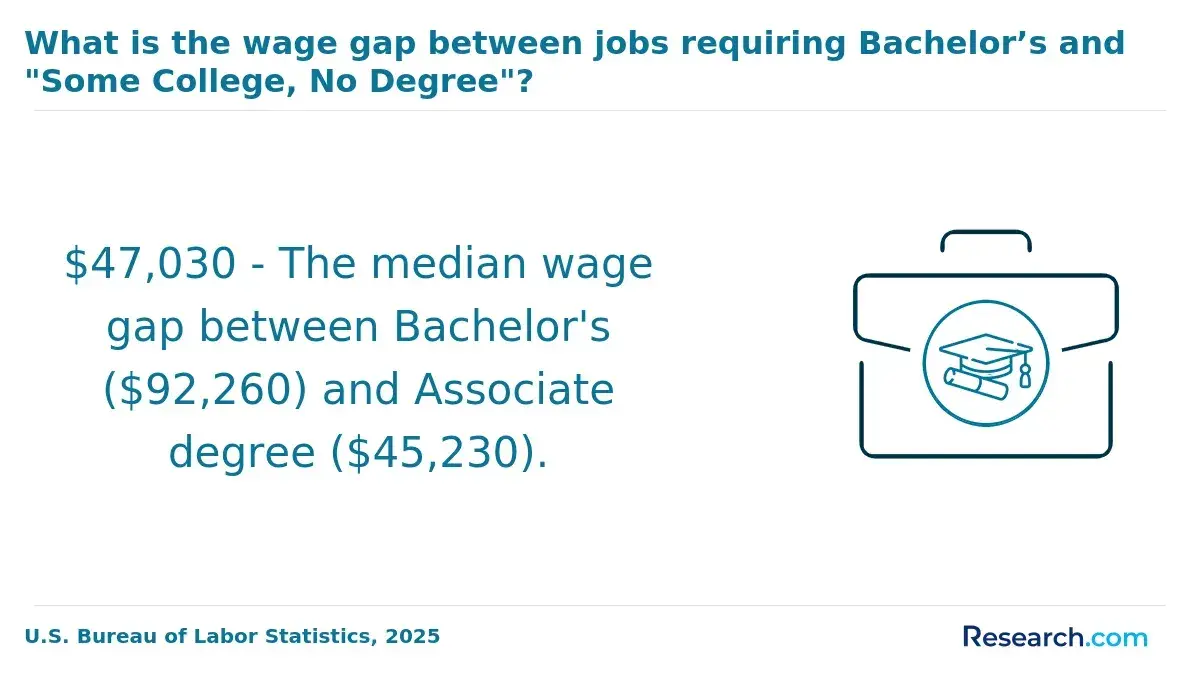
Salary bands in health psychology demonstrate a clear correlation between experience and compensation, reflecting the specialized nature of the field and evolving employer expectations. Entry-level roles typically start between $50,000 and $70,000, often occupied by recent graduates with master's degrees or newly awarded doctorates, functioning in research or clinical support capacities within healthcare institutions or academia. Mid-level professionals with three to seven years' experience usually command salaries ranging from $70,000 to $95,000, driven by licensure achievements and greater responsibility such as program evaluation or clinical leadership. Senior positions, requiring doctoral-level qualifications and extensive clinical or research expertise, often offer $95,000 to $130,000 or more, in some cases surpassing $150,000 for those with significant grants or management duties, according to recent data from the U.S. Bureau of Labor Statistics and industry salary reports.
The variation in pay across health psychology roles hinges on several intersecting factors beyond mere tenure. Specialized skills, including dual clinical and research competencies, markedly elevate earning potential, as employers place premium value on candidates who can navigate both practical interventions and evaluative frameworks. Geographic location also plays a critical role; metropolitan areas with elevated living costs and robust healthcare infrastructures consistently provide higher wages. Additionally, wage disparities reflect organizational size and sector, with private practices, academic institutions, and government agencies offering differing compensation packages influenced by budget priorities and project funding. The relative scarcity of professionals who meet both clinical licensure and research expertise requirements further intensifies market competitiveness and shapes these salary bands.
When seeking admission during a rolling application cycle, a health psychology graduate recalled feeling conflicted over timing. Early acceptance offers promised a clear path forward, yet additional program options loomed, creating hesitation. After weighing the urgency against the benefits of waiting, the graduate opted to delay final acceptance just long enough to assess all choices but risked losing priority consideration. This experience underscored the delicate balance between acting decisively to secure a position and the uncertainty that accompanies waiting for potentially better opportunities within a competitive admissions environment.
Which Industries Are Hiring the Most Health Psychology Graduates?
Hiring demand for health psychology graduates is concentrated in sectors experiencing significant workforce growth, digital integration, or structural skill gaps. These industries increasingly rely on psychological insights to address complex behavioral health challenges linked to chronic illnesses, workplace stress, and community health disparities. Rather than isolated recruitment efforts, the demand mirrors broader economic shifts emphasizing interdisciplinary approaches to health and well-being.
- Healthcare Providers and Hospitals: As the largest employer of health psychology graduates, this sector's growth is driven by expanding patient-centered care models and integrated behavioral health services. Employers prioritize skills in clinical assessment, treatment adherence strategies, and effective collaboration with medical teams to improve patient outcomes, reflecting a 2024 report showing over 45% of new hires stem from this segment.
- Corporate Wellness and Occupational Health: Rising awareness of mental health's impact on productivity fuels demand in this rapidly evolving field. Organizations seek professionals adept at designing evidence-based wellness programs and conducting workplace stress assessments. Approximately 27% of health psychology graduates find positions here, underscoring a shift toward preventive care aligned with business performance goals.
- Academic and Research Institutions: This sector recruits graduates to lead behavioral interventions, analyze health data, and contribute to public health initiatives targeting chronic disease management. Employment here often emphasizes competencies in research methodologies, data interpretation, and program evaluation, accounting for about 15% of jobs, according to recent workforce surveys.
- Government and Nonprofit Health Agencies: Focused on population health and policy implementation, these employers value health psychologists who can design scalable community programs and support health promotion campaigns. Their share of new placements, around 10%, reflects ongoing investments in public health infrastructure and chronic disease prevention efforts.
How Does Hiring Demand Vary by State, Region, and City?
Hiring demand for health psychology professionals varies considerably by state and region due to differences in healthcare infrastructure, economic conditions, and workforce ecosystems. States with expansive public health systems and integrated care models, including California, New York, and Massachusetts, tend to offer greater opportunities, reflecting their investments in embedding psychological expertise within medical settings. The Northeast and West Coast show higher concentrations of health psychology job opportunities, driven by aging populations with complex health needs and stronger healthcare funding. Meanwhile, the South and Midwest demonstrate more limited but steadily growing demand, primarily concentrated in urban centers rather than rural areas, affecting the accessibility of these roles for early-career candidates. This regional disparity aligns with labor market data from sources like the U.S. Bureau of Labor Statistics and workforce analytics platforms, which highlight how local economic structures and healthcare investment shape employment prospects in health psychology.
At the city level, hiring patterns intensify in metropolitan hubs that combine dense healthcare networks, tech innovation, and academic medical centers-cities like Boston, Seattle, and San Francisco exemplify this concentration. These areas not only offer a higher volume of roles but also greater salary potential, reflecting the higher cost of living and specialized employer demands such as telehealth proficiency and cultural competence. Urban healthcare clusters create competitive markets requiring robust professional networks and experience, which can pose barriers for newcomers. Additionally, factors such as infrastructure quality, local talent pipelines, and economic conditions influence how aggressively health psychology positions are filled in specific metropolitan regions. For those comparing job markets or deciding on relocation, it is important to weigh these nuanced metrics alongside program choices, including considering pathways like MSN to DNP programs that may offer tailored skill development relevant to these evolving demands in health psychology job opportunities in major US cities.
What Skills Are Employers Prioritizing in Health Psychology Job Postings?
Employer expectations in health psychology positions are increasingly shaped by rapid technological advancements, automation, and industry-specific demands, alongside a stronger emphasis on interdisciplinary collaboration. This dynamic environment means the skills sought are not only technical but also integrative, reflecting healthcare's shift toward data-driven, culturally responsive, and digitally enabled care models. The evolving landscape in 2024 calls for professionals who can blend quantitative expertise with interpersonal adaptability to meet complex patient and system needs.
- Advanced Data Analysis and Outcome Measurement: Employers prioritize the ability to rigorously analyze health data and assess intervention outcomes to justify program effectiveness and optimize patient care. Proficiency in quantitative methods directly aligns with healthcare's growing reliance on evidence-based decision-making and performance metrics, making this a critical factor for long-term employability.
- Communication and Cultural Competency: The increasing diversity of patient populations requires health psychology professionals to demonstrate nuanced communication skills and sensitivity to social determinants of health. These competencies enable more effective patient engagement and interdisciplinary teamwork, reflecting employer demand for culturally informed care delivery.
- Digital Health Technology Fluency: Familiarity with electronic health records (EHR), telehealth applications, and health informatics tools is now a baseline expectation in many roles. As healthcare systems digitize, candidates lacking these technical proficiencies face competitive disadvantages, signaling a structural shift in required workforce capabilities.
- Implementation of Evidence-Based Interventions: The ability to tailor interventions to chronic disease management and other specific populations remains a central skill. This aligns with employer focus on practical application of behavioral theory to measurable health improvements, reinforcing outcomes-based accountability.
- Program Development and Evaluation: Employers value experience designing and assessing health programs due to ongoing needs for innovation and adaptation to healthcare policy changes. This skill set supports organizational agility and responsiveness amid evolving reimbursement landscapes.
- Ethical Judgment and Regulatory Compliance: Navigating complex healthcare ethics and regulations is critical for risk management and professional integrity. Employers seek candidates who consistently demonstrate sound judgment to uphold care standards and legal requirements.
- Flexibility in Policy and Funding Environments: Adaptability to shifting healthcare policies and reimbursement models reflects broader sector volatility. Professionals skilled in managing these changes offer strategic value by sustaining program viability and aligning with institutional goals.
According to the 2024 National Employment Survey on Behavioral Health Roles, over 78% of health psychology job listings emphasize advanced data and outcome measurement skills, underscoring a labor market trend toward quantifiable impact. This demand profile signals that candidates must move beyond foundational psychology knowledge to integrate sophisticated analytical, technological, and cultural proficiencies-key determinants of both immediate employability and sustained career trajectory in this field.
Which Certifications Increase Employability and Salary Potential?
Certifications in the health psychology field frequently act as critical indicators of specialized expertise, technical competency, and practical readiness for complex clinical and research environments. They function as strategic supplements to formal education, signaling to employers a candidate's ability to meet nuanced industry demands and increasing competitiveness in a crowded job market. Rather than generic credentials, these certifications often connect directly to recognized skill shortages and evolving employer priorities in integrated care models and behavioral health interventions.
- Certified Health Psychology Specialist (CHPS): This credential is valued for demonstrating advanced clinical proficiency and research application in health psychology. Employers see it as evidence of a practitioner's ability to manage interdisciplinary treatment approaches, especially in settings requiring comprehensive behavioral health strategies, which translates into higher salary offers and more selective positions.
- Board Certified in Behavioral Health Psychology (BCBHP): Offered by the American Board of Professional Psychology, the BCBHP is a rigorous credential that confirms years of supervised practice and mastery over behavioral health interventions. This certification addresses an industry-wide need for validated expertise in integrated behavioral health, making holders more competitive for specialized roles and typically commanding pay premiums exceeding 15% compared to uncertified peers.
- Certification in Integrated Behavioral Health: With growing adoption of team-based care models, this credential validates skills in coordinating physical and psychological health treatments. It aligns with employer demands in urban healthcare systems prioritizing collaborative care, enhancing a candidate's chances to secure jobs focused on chronic illness management and patient adherence.
- Certification in Psychophysiology: Providers with specialized training in biofeedback, stress physiology, and neurobehavioral assessment meet niche demands where technology and behavioral science intersect. Such expertise is less common but increasingly in demand, often opening pathways to roles that blend clinical practice with research and technological innovation.
The 2024 National Health Workforce Survey found that health psychologists with certifications generally earn 10% to 20% more than those without, illustrating the tangible financial impact these credentials hold. Furthermore, the Bureau of Labor Statistics reports a 15% higher placement rate within six months for certified health psychologists, highlighting the importance of these certifications in early career trajectories.
One recent graduate recalled navigating the uncertainty of certification timing amid a rolling admission job market. Initially hesitant to finalize a study plan for the BCBHP due to the extensive supervised experience required, they instead opted for a shorter behavioral health integration certificate to quickly improve marketability. Waiting on exam dates and supervisor approvals caused unexpected delays, but the decision to pursue a more attainable credential first proved decisive in landing a role within months post-graduation. This experience underscored the importance of balancing long-term certification goals with immediate employability needs and recognizing how timing and preparation directly influence hiring outcomes.
How Do Remote and Hybrid Opportunities Affect the Health Psychology Job Market?
Remote and hybrid opportunities have substantially reshaped hiring trends within health psychology roles, reflecting a broader labor market shift observed in recent 2024 workforce analytics. Employers now tap into a geographically expanded candidate pool, elevating the demand for professionals skilled in telepsychology and virtual patient engagement technologies. This broader sourcing aligns with data indicating that nearly 40% of healthcare-related positions offer some remote flexibility, increasing competition among applicants nationwide. Yet, these roles balance flexibility with specific productivity expectations, emphasizing candidates' self-management and digital collaboration capabilities in hybrid formats. These nuanced shifts characterize ongoing remote work trends in health psychology careers as more than location-based adjustments-they represent shifts in operational and performance benchmarks influencing recruitment strategies.
The broader impact of hybrid job models on health psychology employment extends to salary structures and workforce distribution. While some remote positions show modest regional salary variation reflecting cost-of-living differences, specialized or senior roles maintain consistent compensation levels across locations. This normalization challenges candidates to differentiate via advanced certifications and relevant experience rather than geography alone. Employer expectations increasingly prioritize communication across virtual and in-person settings, coupled with proficiency in telehealth platforms. Over time, this evolution will redefine traditional job market structures, highlighting the importance of digital fluency and adaptability while maintaining practical clinical exposure. Early-career professionals are advised to consider programs that integrate these competencies, supplementing foundational knowledge with market-relevant skills to navigate a more competitive, digitally integrated landscape effectively. For detailed guidance on educational pathways supporting such competencies, review pharmacist education requirements, which offer parallels in aligning training with evolving professional demands.
Which Health Psychology Careers Show the Strongest Long-Term Hiring Momentum?
Long-term hiring momentum in health psychology careers arises from foundational shifts in healthcare delivery, chronic disease burden, and technology integration rather than transient labor market fluctuations. This momentum reflects enduring economic and structural changes that increase reliance on behavioral science to optimize patient outcomes and system efficiency. As healthcare systems evolve toward integrated, data-driven models, specific health psychology roles gain sustainable demand backed by measurable impacts on public and occupational health.
- Clinical Health Psychologists in Integrated Care Models: These professionals are increasingly embedded within hospitals and primary care settings to address complex biopsychosocial needs. Their role expands with healthcare's emphasis on multidisciplinary care teams, requiring expertise in both psychology and medical coordination, reinforcing strong long-term growth.
- Behavioral Health Consultants in Public Health Agencies: Rising prevalence of lifestyle diseases like diabetes drives demand for consultants designing population-level behavior modification strategies. Sustained public funding and regulatory focus on chronic disease prevention bolster these positions as structural necessities within healthcare systems.
- Health Psychology Researchers Supporting Evidence-Based Interventions: With growing emphasis on patient adherence and measurable treatment outcomes, researchers specializing in health psychology inform policy and clinical guidelines. Advancements in health informatics and data analytics further solidify their role in optimizing intervention effectiveness long-term.
- Occupational Health Psychology Consultants: Employers increasingly rely on these experts to develop wellness programs targeting stress reduction and productivity enhancement amidst evolving workplace demands. Trends in remote work and employee well-being regulations sustain steady employment growth in this niche.
According to the U.S. Bureau of Labor Statistics' 2024 Occupational Outlook, clinical health psychologists and behavioral health specialists focused on chronic disease management have projected employment growth rates near 14% over the next decade. This outpaces average psychology occupation trends and highlights the resilience of these roles amid healthcare transformation.
Long-term career sustainability in health psychology careers with highest long-term job growth necessitates advanced interdisciplinary training and technological fluency, particularly in data analytics and health informatics. Employers prioritize candidates, often with doctoral degrees, who can navigate complex health systems and demonstrate quantifiable impact.
Salary bands typically range from $75,000 for entry-level positions to over $120,000 for experienced practitioners, influenced by specialization and geography. While master's degrees may open initial opportunities, career resilience strongly aligns with advanced qualifications and applied experience in integrated settings.
Prospective students should consider how educational pathways balance accessibility with practical outcomes; for those evaluating degree options, programs such as MPH online programs with easy admission requirements offer alternative routes to gain relevant interdisciplinary skills, though long-term employability depends on aligning training with emerging market demands.
How Can Students Use Job Market Data to Make Better Career Decisions?
Students can leverage job market data from sources like recent labor reports, hiring platforms, and updated salary databases to gauge demand, compensation ranges, and growth avenues within health psychology. These data points help identify which subsectors-such as integrated care or public health-show rising vacancy rates and offer more secure employment prospects. Salary bands contextualize financial expectations, highlighting differences related to geographic location, employer type, and credential level. By focusing on these measurable indicators from 2024 and beyond, students can prioritize specialties aligned with sustainable growth and realistic remuneration rather than aspirational or outdated roles.
Effective career decision-making requires interpreting this data with nuance, balancing long-term employment stability, geographical flexibility, and alignment with in-demand skills like behavioral intervention design and data analysis. Overemphasizing short-term hiring surges risks pursuing volatile roles; therefore, students should integrate labor market insights with their personal interests and professional goals to ensure job satisfaction and career resilience. Understanding industry trends alongside the variability in contract and part-time positions further refines educational investments and career planning, providing a pragmatic framework for selecting health psychology pathways rooted in factual workforce realities.
References
- Fastest Growing Careers In Psychology | Psychology.org https://www.psychology.org/resources/fastest-growing-careers-in-psychology/
- Remote and Hybrid Work are Best for Mental Health According to New Workplace Insights Survey https://www.aseonline.org/News/Articles/remote-and-hybrid-work-are-best-for-mental-health-according-to-new-workplace-insights-survey
- Career Opportunities - Society for Health Psychology https://societyforhealthpsychology.org/health-psychology-jobs/
- What Do Psychologists Earn? Highest Paying Psychology Jobs | Walbrook https://www.walbrook.ac.uk/subjects/psychology/psychologist-salaries-highest-paying-jobs/
- What Skills Do You Need to Be a Successful Psychologist? https://www.husson.edu/online/blog/2024/04/top-skills-needed-to-be-a-psychologist
- Remote Work Revolution: How Hybrid Models Affect Your Mental Health https://psychotricks.com/mental-health-impact-of-remote-and-hybrid-work/
- Health psychology: options after stage 2 | ClinPsy https://clinpsy.com/threads/health-psychology-options-after-stage-2.17498/
- Matching Psychology Training to Job Market Realities – Association for Psychological Science – APS https://www.psychologicalscience.org/publications/observer/psychology-training-job-market-realities.html
- Top 5 Highest-Paying Psychology Careers - Rivier Academics https://www.rivier.edu/academics/online/resources/program-resources/top-5-highest-paying-psychology-careers-rivier-university/
- pioneer-healthcare.com: Verifying that you are not a robot... https://pioneer-healthcare.com/blog/psychologist-job-outlook-trends-and-opportunities-in-healthcare/
Other Things You Should Know About Health Psychology
Early-career health psychology professionals face a critical tradeoff between focusing on specialized roles, such as behavioral medicine or chronic illness intervention, and pursuing general clinical experience that broadens their practice skills. Specialization can lead to higher salaries and niche positions but may limit flexibility if demand shifts or funding changes. Conversely, general clinical roles may offer more hiring momentum and job openings but often with lower starting pay and slower advancement. Prioritizing initial roles that provide robust applied experience while allowing for specialization opportunities maximizes both employability and long-term career adaptability.
Salary bands in health psychology often correlate with workload complexity and responsibility levels rather than years of experience alone. Higher-paying roles typically demand managing larger caseloads, navigating interdisciplinary teams, and meeting stringent outcome metrics. These expectations can increase burnout risk and affect work-life balance. Prospective candidates should interpret salary not just as compensation, but as an indicator of the position's demands and the organizational context, adjusting their job search to prioritize environments that align with their preferred workload and professional growth.
Hiring momentum is not uniform across health psychology subfields; positions focused on integrated healthcare or digital health interventions show faster growth, while traditional clinical research roles face stagnation. This uneven landscape requires candidates to evaluate the stability and innovation capacity of their targeted subfield. For sustainable career growth, prioritizing subfields with expanding employer investment, such as telehealth or community-based prevention programs, is advisable. This strategic approach helps align skill development with market demands and reduces vulnerability to sector-specific downturns.
When confronted with several open roles offering comparable salaries, candidates must consider factors beyond compensation, such as institutional reputation, advancement pathways, caseload complexity, and supervision quality. Positions within well-resourced organizations may provide better training and networking opportunities, enhancing long-term employability. Additionally, workload distribution and administrative support significantly affect job satisfaction and performance. Therefore, a thorough assessment of role-specific demands and growth potential often outweighs marginal salary differences in optimizing career trajectory.