2027 Health Psychology Degree Completion Time Report: How Long Students Actually Take to Graduate

Co-Founder and Chief Data Scientist
Students pursuing a health psychology degree often face unpredictable timelines shaped by factors beyond credit requirements. Work commitments, clinical placements, and research obligations can extend progression, while transfer credits and part-time enrollment introduce additional variability. As of 2024, National Center for Education Statistics data reveals that nearly 40% of social science undergraduates, a category encompassing health psychology, take over six years to graduate.
This reflects real-world balancing acts between academic demands and life responsibilities rather than institutional program lengths. Understanding these dynamic influences clarifies typical completion patterns, enabling better planning for students and advisors aiming to navigate the practical realities of earning a health psychology degree.
Key Things to Know About Health Psychology Degree Completion Time
- Most students take longer than the advertised program length. Only about 45% of first-time, full-time bachelor's students graduate within four years, while roughly 64% finish within six years, making the actual completion time longer for many learners.
- The average college graduate is often older than expected. The median age of bachelor's degree recipients is around 23 years, while master's degree recipients are typically in their early 30s, reflecting the growing number of adult and returning students.
- Completing a degree can significantly increase lifetime earnings. Workers with a bachelor's degree earn roughly 65% more per week than those with only a high school diploma, and graduate degree holders typically earn even higher median wages over their careers.
- What Is the Average Graduation Time for Health Psychology Students? Average Graduation Timeline
- What Factors Have the Biggest Impact on Graduation Speed? Graduation Timeline Factors
- How Does Full-Time Versus Part-Time Enrollment Affect Graduation Timelines? Full-Time vs. Part-Time Graduation Timeline
- Do Online Health Psychology Students Graduate Faster Than Campus-Based Students? Online vs. On-Campus Timeline
- How Many Months or Years Can Transfer Credits Save? Transfer Credits
- Do Accelerated Health Psychology Programs Significantly Reduce Completion Time? Accelerated Program Timeline
- Which Health Psychology Program Requirements Most Often Extend Graduation Timelines? Factors Extending Graduation Timeline
- Does Taking Longer to Graduate Increase the Cost of a Health Psychology Degree? Impact on Program Cost
- Does Graduating Faster Improve Career Prospects? Impact on Career Prospects
- Which Scheduling Mistakes Commonly Delay Graduation? Mistakes to Avoid
What Is the Average Graduation Time for Health Psychology Students?
Completion timelines for health psychology degrees vary widely, but typical full-time undergraduate students generally finish within four years, while part-time learners often extend to five or six years due to reduced credit loads and external responsibilities. Graduate programs, particularly at the master's and doctoral levels, show greater variability: master's degrees commonly require two to three years of full-time enrollment, but PhD programs frequently span four to seven years because of added research, clinical internships, and dissertation demands.
This broad range reflects not only degree level but also the diversity in how students approach their studies, with many juggling work or personal obligations alongside their academic progress. These factors largely determine the average time to graduate with a health psychology degree, a key consideration for students planning academic and career trajectories.
Variability in graduation time is strongly influenced by program structure, credit transfer policies, and the nature of experiential requirements. Students transitioning between institutions often encounter delays due to incomplete credit acceptance, sometimes pushing typical health psychology degree completion timelines well beyond standard durations. Internships and practicum placements, critical for applied competencies, depend on availability and scheduling, which can interrupt program continuity.
Furthermore, enrollment format-whether on-campus or online-affects pacing flexibility, with part-time and distance learners typically requiring more extended periods to graduate. Economic pressures and balancing employment further complicate this landscape. According to a 2024 national education study, realistic expectations about these factors are essential for aligning academic plans with work-life realities and workforce demands. Prospective students should also consider how program intensity and research requirements trade off against accelerated pathways, especially since many employers prioritize comprehensive training that might extend time to degree but enhances employability.
Since graduation timing directly impacts financial planning and timely entry into the labor market, understanding these dynamics helps manage expectations and career readiness. Particularly for working adults and transfer students, negotiating these factors can reduce surprises and optimize educational investment. Navigating choices around program length, credit transfer, and experiential components can ultimately shape both the practical duration and professional value of a health psychology degree.
For example, exploring data like the nursing school acceptance rate can inform decisions related to program competitiveness and progression risks in related health fields, reinforcing the need for a strategic approach to degree completion timing.
What Factors Have the Biggest Impact on Graduation Speed?
Graduation speed in health psychology master's degree programs is shaped by multiple interacting factors rather than any single influence. Academic planning decisions, such as course load and transfer credit utilization, intersect with program structures and students' external responsibilities to create a wide range of completion timelines. Understanding these dynamics enables prospective and current students to make informed choices about enrollment status and program formats that align with their circumstances and ambitions.
- Enrollment Status and Course Load: Full-time enrollment typically accelerates degree completion because students can maintain continuous progress through required coursework without extended breaks. Part-time students, who often balance work or caregiving, face longer graduation timelines-sometimes adding two or more years-due to reduced course loads and limited class availability in evening or online formats.
- Transfer Credits and Articulation Policies: Efficient application of transfer credits can significantly shorten time to degree by exempting students from foundational classes. However, institutional variability in credit acceptance and unclear articulation agreements often delay graduation for transfer students despite their otherwise accelerated pace, underscoring how administrative policies materially affect individual timelines.
- Program Structure and Scheduling Flexibility: Programs offering cohort models or accelerated paths promote on-time completion by enforcing structured timelines and peer accountability. Conversely, flexible formats like online or evening classes can simultaneously accommodate working adults but slow progress if students reduce semester course loads to manage external demands. This tradeoff highlights the tension between accessibility and pace within health psychology programs.
- External Obligations and Workload Balance: Employment, family caregiving, and financial pressures impose constraints that slow academic progression, especially for part-time enrollees. Nearly 60% of health psychology students report that balancing work and study is their primary impediment to graduation speed, illustrating the practical limits imposed by competing non-academic responsibilities.
- Institutional Support and Early Research Engagement: Proactive academic advising and opportunities for early research involvement facilitate smoother progression through complex degree requirements. Students who access these resources tend to navigate prerequisites and milestones with fewer delays, indicating how institutional structures can mitigate or exacerbate graduation timelines across cohorts.
These factors interact in nuanced ways, making the health psychology master's degree completion timeline highly individualized. Choosing a program or enrollment strategy should weigh these system-level considerations, including the reality that external obligations and institutional policies often influence graduation speed as much as academic capability. For students exploring degree options, including specialized paths like an online masters nutrition program, understanding these dynamics enhances strategic planning around workload distribution and realistic career trajectory milestones.
How Does Full-Time Versus Part-Time Enrollment Affect Graduation Timelines?
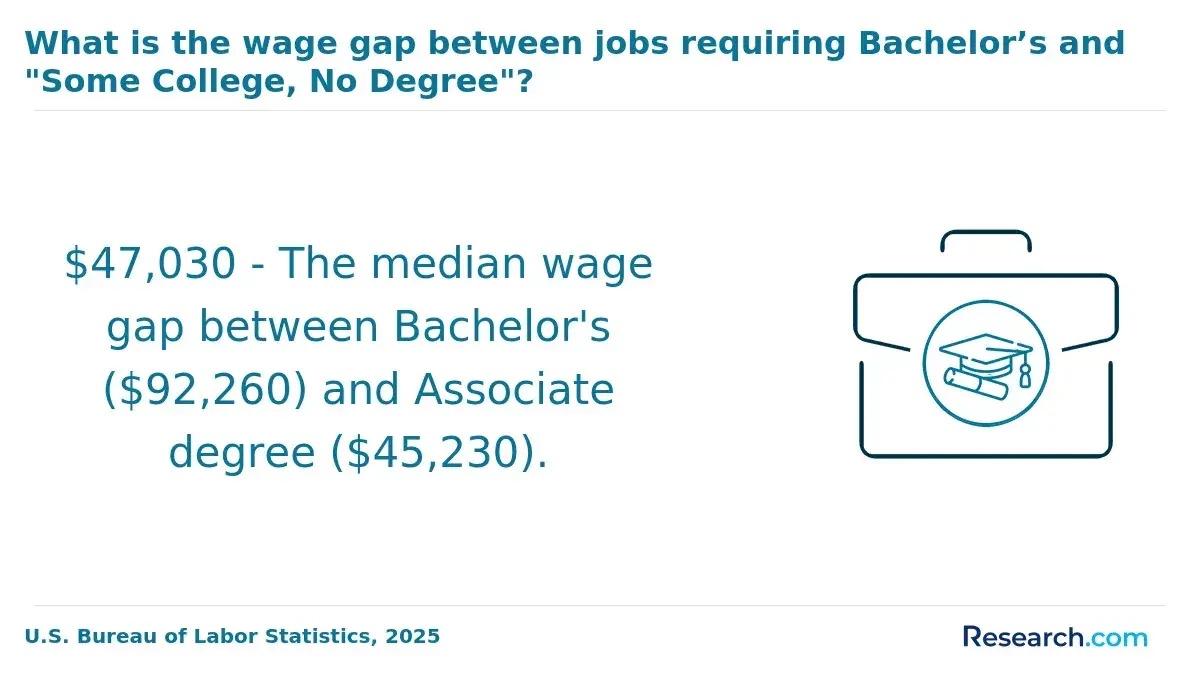
Enrollment status significantly impacts the duration needed to complete a health psychology degree, with full-time students typically finishing more rapidly than part-time peers. According to data from the 2024 National Center for Education Statistics, full-time students graduate between 30% and 50% faster on average due to their heavier credit loads and continuous academic engagement. This accelerated pace allows full-time students to maintain momentum in coursework, research, and practicum hours, which are critical components of health psychology programs. Conversely, part-time enrollment often elongates the timeline, as students must navigate lighter course loads and potential gaps in course availability or sequencing.
The extended duration for part-time students is influenced by several intertwined factors beyond credit hour reduction. Course sequencing and prerequisite chains can delay progress when students take fewer classes per term, especially in programs with structured clinical components. Program delivery formats that do not offer flexible scheduling or online options may further restrict part-time students' advancement, who often juggle employment, family obligations, or other responsibilities requiring a balanced time commitment. Institutional policies on enrollment intensity and resource access also affect progression speed, shaping whether part-time learners can sustain consistent academic participation or face interruptions.
Enrollment choices carry significant long-term consequences beyond graduation dates. Full-time study demands more immediate financial and personal investment but tends to reduce overall academic debt exposure and hastens entry into the workforce, which can enhance career prospects in a competitive health psychology labor market. Part-time paths offer flexibility at the cost of prolonged academic intensity and delayed credential attainment, potentially affecting opportunity costs and cumulative career earnings. Understanding these complex tradeoffs is essential for students aligning degree timelines with professional goals and life circumstances.
Do Online Health Psychology Students Graduate Faster Than Campus-Based Students?
The prevailing assumption is that students in online health psychology programs often finish their degrees faster than those in on-campus settings, largely due to greater scheduling flexibility and self-directed pacing. Data from the National Center for Education Statistics in 2024 supports this, showing that fully online health psychology learners complete their degrees about 15% quicker on average. Yet, this trend is not universal; actual completion times vary considerably depending on individual circumstances such as prior credits, part-time versus full-time enrollment, and institutional policies governing course progression. In some cases, traditional students benefit from structured, in-person guidance and cohesive campus resources that can expedite degree completion despite fixed schedules.
Several factors shape how quickly students graduate in either modality. Online programs often allow enrollment year-round and provide self-paced options, enabling quicker advancement for motivated students who can manage their time effectively. Conversely, face-to-face programs may require attendance during specific semesters and impose internship or practicum timelines that align with academic calendars, potentially lengthening completion. Additionally, the balance between coursework and external commitments-common among working adults pursuing degrees-is critical. Those managing family care or employment often find the asynchronous format of online programs conducive to fitting studies around other responsibilities, but this flexibility demands strong self-regulation to avoid delays.
The choice of learning modality also impacts students' academic discipline and time management demands, with direct consequences for when they enter the workforce. Online learners often encounter increased pressure to independently maintain momentum, while campus-based students might benefit from peer interaction and immediate access to support services that can clarify confusing topics or administrative hurdles. Beyond pacing, the structure of the program, including transfer credit acceptance and part-time options, strongly influences graduation timelines and ultimately the timing of entry into professional roles within health psychology fields.
One graduate recalled navigating a rolling admissions process that delayed her decision to enroll in an online health psychology program. Balancing her full-time job with application requirements, she hesitated to submit materials too early, unsure if waiting for updates from the program would offer better guidance on course availability and start dates. This indecision extended her pre-enrollment period, but once admitted, she leveraged the flexible scheduling to accelerate coursework and graduate sooner than peers who started immediately but followed a fixed semester schedule. Her experience highlights how admission timing and strategic planning can be as crucial as program format in influencing overall completion speed.
How Many Months or Years Can Transfer Credits Save?
Transfer credits can accelerate completion of a health psychology degree by reducing the number of required courses, but the actual reduction in time varies widely. Estimates from accredited institutions and analyses published in 2024 indicate that students may save anywhere from several months up to over a year, depending largely on how many credits transfer and their relevance to the degree curriculum. For example, a typical bachelor's degree in health psychology mandates about 120 credit hours, so transferring 30 to 45 credits could translate to saving approximately one to one and a half years of study time.
However, this estimate depends heavily on the specific alignment of transferred coursework with program requirements, as many transfer credits often cover general education or prerequisite courses rather than specialized health psychology content, directly affecting the student's ability to reduce their time to graduation.
Several institutional policies influence the extent to which transfer credits impact degree completion time. Compatibility between accreditation standards and course equivalency agreements determines whether previous coursework counts toward degree requirements, while residency rules often mandate a minimum number of credits completed at the degree-granting institution. Some programs limit the maximum credits that can transfer, which restricts how much time can be saved. Additionally, the structured nature of health psychology programs-with practicum and advanced courses that generally require in-person attendance or strict sequencing-further constrains the applicability of transfer credits. These factors combine to make transfer credit outcomes highly individualized, impacting enrollment decisions and graduation timelines significantly.
From a broader perspective, transfer credits affect not only the duration of study but also academic planning and financial considerations, as streamlined course loads may reduce tuition costs and resource use. Yet, students must consider how these credits integrate into their remaining coursework, balancing accelerated progression against mastery of critical, program-specific competencies. For working adults or part-time students, the practical pace of completion might mitigate calendar savings despite credit transfers.
Prospective learners should also explore flexible pathways, including options like a fast online master's in healthcare management, where applicable, to understand how transferability and credit policies can align with career goals and time commitments.
Do Accelerated Health Psychology Programs Significantly Reduce Completion Time?
Accelerated health psychology programs aim to compress the traditional graduate degree timeline by increasing the intensity of coursework and clinical requirements per term. These programs typically condense content that would usually span three to four years into two to three years. The intent is to reduce the overall calendar time to degree completion by offering denser credit loads, often incorporating summer or intersession courses to bypass standard academic breaks. Nevertheless, this structural compression depends heavily on institutional organization and the pacing models used, not simply on faster course turnover.
The actual time saved through accelerated formats varies considerably due to factors like prerequisite sequencing, the fixed duration of internships or practicum placements, and the maximum credit load a student can sustainably manage each term. Even when classroom hours are condensed, clinical and research experiences often remain time-bound, limiting how much the total program length can be shortened. Additionally, accelerated formats require students to maintain a consistently heavy workload without gaps, which can limit flexibility in scheduling and elective exploration. When acceleration is achieved primarily by trimming logistical delays rather than compressing essential experiential components, the real reduction in degree time may be modest.
The trade-offs affecting student experience include heightened stress from relentless pacing and diminished opportunities for part-time work, internships, or research projects that enhance employability. While accelerated programs appeal to those seeking rapid entry into the workforce or juggling external commitments, the intensified schedule can compromise depth of learning and practical training. Thus, the value of reduced calendar time must be weighed against potential impacts on clinical competence and professional networking opportunities, which contribute critically to long-term career trajectories in health psychology.
One graduate recalled weighing offers from accelerated programs during rolling admissions, feeling uncertain about whether expedited schedules would truly align with career goals. The student hesitated initially, concerned that intense term loads would clash with existing part-time work and delay key practicum experiences that felt non-negotiable. Ultimately, the decision to enroll hinged on timing acceptance letters arriving late in the cycle, forcing a strategic gamble between starting sooner with an accelerated format or delaying for a traditional route with more flexible pacing. This experience highlighted how institutional admissions timing and realistic workload management shape whether accelerated programs deliver meaningful time savings or simply shift challenges to earlier phases.
Which Health Psychology Program Requirements Most Often Extend Graduation Timelines?
Graduation timelines in health psychology programs are frequently extended not simply due to total credit requirements but because of specific embedded curricular milestones integral to professional readiness. These components, while crucial for maintaining rigorous academic and clinical standards, impose structural pacing constraints and sequencing challenges that influence a student's progression speed. The interaction between academic workload, institutional policies, and real-world training demands often creates bottlenecks that lengthen degree completion.
- Thesis or Dissertation Research: Substantial independent research demands original data collection and analysis, requiring multiple semesters of focused effort. These projects test students' ability to contribute novel findings, which can be delayed by resource access, committee scheduling, or iterative revision processes, creating significant variability in completion times.
- Supervised Clinical Internships: Practical field placements are mandated for skill development and accreditation compliance. Coordinating these experiences often conflicts with students' work or life obligations, and limited internship site availability can force extended waits, especially for part-time students balancing employment.
- Comprehensive Examinations and Defenses: Cumulative assessments verify mastery of core psychological theories and research methodologies before degree conferral. Students may require multiple attempts or extended preparation due to the exams' high stakes and integrative nature, which contributes weeks or months to timelines.
- Part-Time Enrollment Constraints: Many students enroll part-time to accommodate work or family responsibilities, which inherently slows progression. Degree programs often have rigid course sequencing, making it difficult to accelerate studies or rearrange classes without delaying prerequisite completion.
- Administrative and Scheduling Barriers: Course availability often follows fixed rotations, limiting access to essential classes each semester. This institutional pacing, combined with prerequisite chains, means students must wait for the correct sequence, extending their overall time-to-degree.
A 2024 labor market analysis found that roughly 65% of health psychology graduate students exceeded the nominal program duration due to these embedded requirements, underscoring how curriculum design and experiential components shape actual graduation timelines. Prospective students should account not only for credit numbers but also for how mandatory research, practical experience, and program sequencing impact realistic completion estimates.
Does Taking Longer to Graduate Increase the Cost of a Health Psychology Degree?
Taking longer to graduate from a health psychology degree program typically increases total tuition and related expenses, particularly when institutions charge per term or credit hour. Students extending their enrollment beyond standard timelines may face higher fees for additional semesters and lose eligibility for some financial aid or scholarship structures tied to timely progression. These costs compound when students enroll part-time or retake courses, disrupting the usual credit flow and potentially requiring payment for administrative fees or course materials multiple times.
Such extended timelines contribute significantly to the overall health psychology degree completion cost impact, especially when the student must balance work and study, delaying workforce entry and associated earnings. This financial dynamic reflects the close interplay between enrollment pacing, credit accumulation, and institutional pricing strategies.
However, the degree cost impact of extended timelines is not uniform and depends heavily on specific tuition models and enrollment choices. Some programs use flat-rate tuition for full-time students, reducing the per-credit inflation effect of longer degree paths, while others offer employer tuition assistance or flexible enrollment without penalties. Under these circumstances, students may spread courses over more semesters without drastically increasing direct expenses, although extended living costs and delayed salary gains remain factors. Course load decisions and pacing influence how quickly tuition and incidental expenses accumulate, and in some setups, this can moderate the financial tradeoffs of extended study.
Prospective students should also consider program arrangements and workforce demands, such as those outlined in emerging resources on BCBA masters programs, to understand how academic strategies intersect with career outcomes in health psychology fields currently experiencing increasing demand.
Does Graduating Faster Improve Career Prospects?
Graduating faster from a health psychology degree program can offer earlier entry into the workforce, potentially reducing educational debt and allowing students to begin their careers sooner. While a shorter timeline might improve initial job search positioning, employers rarely assess candidates based on graduation speed alone. The impact of early completion on hiring competitiveness depends heavily on how well graduates demonstrate relevant skills and practical experience acquired during their studies. Thus, faster graduation is one factor among many influencing early-career opportunities and should be considered in the broader context of employment readiness.
The impact of early health psychology degree completion on job opportunities is nuanced. Employers focus primarily on internship experience, portfolio strength, and mastery of specialized competencies rather than the mere speed of graduation. Networking opportunities and alignment with industry demand play significant roles in shaping long-term career trajectories. Candidates who accelerate their studies but lack practical exposure, applied research, or clinical experience may face challenges competing against peers who followed traditional timelines enriched by these factors.
Trade-offs exist between fast completion and the depth of experiential learning crucial for sustained employability. Rushed degree programs may limit chances to build professional networks or acquire specialized skills essential in healthcare psychology fields. Students balancing education with other responsibilities or targeting rapidly evolving job markets might benefit from faster graduation, but those prioritizing comprehensive career preparation should weigh the benefits of extended engagement with internships and applied projects.
For individuals seeking to become a drug counselor online, careful consideration of program pacing and career readiness is essential.
Which Scheduling Mistakes Commonly Delay Graduation?
Graduation delays in health psychology degree programs often arise not from academic difficulty but from avoidable enrollment and scheduling errors that disrupt steady progress. These issues affect students across undergraduate, graduate, and part-time formats, as well as transfer and working adult learners. Recognizing how misaligned course sequencing and inconsistent planning interact with program structures is crucial for maintaining timely advancement toward degree completion.
- Underestimating Prerequisite Timing: Health psychology curricula frequently include tightly sequenced prerequisites. Failing to enroll early in foundational courses can block access to advanced topics and capstone requirements, creating bottlenecks. Programs commonly limit seats in these core classes, meaning late registration pushes back progress substantially.
- Irregular Course Loads: Alternating between semesters with heavy and light course loads disrupts the credit momentum needed to graduate on schedule. The National Center for Education Statistics reports nearly 40% of extended-degree students cite inconsistent enrollment plans as a major delay factor, highlighting the impact of pacing mismatches across terms.
- Transfer Credit Misalignment: Transfer students often face delays when previously earned credits do not fully satisfy specific health psychology degree mandates. This results in retaking courses or adding electives, which inflates the total time needed to meet graduation requirements.
- Lack of Proactive Academic Advising: Students who fail to regularly consult advisors risk taking courses that do not align with progression milestones. This can lead to unmet requirements and repeated semesters, further extending degree timelines in structured programs.
- Ignoring Life-Event Adjustments: Working adults balancing employment or personal obligations may miss adapting their course schedules to accommodate life changes. This mismatch often causes unplanned gaps or pauses that prolong program completion.
These scheduling challenges stem from the complex interplay between institutional policies, curriculum sequencing, and student time management decisions. Proactive planning that anticipates course availability, prerequisite sequencing, and personal constraints is essential to avoid extending degree timelines in health psychology programs.
Other Things You Should Know About Health Psychology
In 2027, internship or practicum requirements significantly affect time to degree completion in health psychology. Delays in finding placements can prolong timelines, and programs with extensive practical components may require adjustments to accommodate these requirements, thereby extending the time needed for graduation.
Health psychology programs with limited course offerings or only intermittent availability of specialized electives often delay graduation, especially for students needing those courses to meet concentration or certification criteria. If these offerings are only available once per year, students may have to wait an entire semester or more, lengthening the degree timeline. Prospective students should assess whether programs frequently offer required classes, as choosing a program with robust, consistent scheduling can prevent unnecessary delays.
Deciding whether to focus on research or clinical work first can significantly influence completion time. Prioritizing the research thesis or dissertation early can lessen conflicts with demanding clinical hours later, streamlining workload management. However, some students may find completing clinical hours first improves practical understanding for research design. Balancing these components efficiently requires careful planning; advancing one area too late risks prolonging the program due to cumulative time demands.
Working adults often face a tradeoff between part-time enrollment's flexibility and the extended duration it entails. While part-time study eases scheduling and reduces burnout risk, it can double or triple completion time compared to full-time study, which may affect career advancement or credential timelines. For those targeting positions with strict credential currency or rapid entry into practitioner roles, prioritizing periodic full-time enrollment bursts-when possible-may be more advantageous than evenly stretched part-time progress.