2027 Disability Studies Career Outcomes by Degree Level Report: Pay, Employment, and Advancement Patterns

Co-Founder and Chief Data Scientist
Choosing the right degree level in disability studies can be daunting when trying to gauge tangible career benefits. For working adults balancing jobs and education, the uncertainty over how an associate, bachelor's, or graduate degree alters employment prospects and pay can stall crucial decisions. Recent 2024 data shows that while graduate degree holders in disability studies experience higher rates of supervisory roles, those with bachelor's degrees often enter the workforce faster, reflecting a tradeoff between immediate employment and long-term advancement potential.
This article analyzes pay, employment, and advancement patterns by degree level to guide informed education and career decisions.
Key Things to Know About Disability Studies Career Outcomes by Degree Level
- Associate and certificate-level credentials often enable faster entry into entry-level roles but limit upward mobility, reflecting a common tradeoff between speed to workforce and long-term advancement potential in disability studies.
- Employers increasingly prefer master's or doctoral degrees for leadership and research positions, signaling that higher credentials impact access to specialized roles and influence institutional hiring practices.
- Extended time and financial investment in advanced degrees can delay workforce entry, affecting practical return on investment; students must weigh immediate employment needs against credential-based career trajectories in disability studies.
- Key Things to Know About Disability Studies Career Outcomes by Degree Level Key Things to Know About Disability Studies Career Outcomes by Degree Level
- What Career Outcomes Can Students Expect From Each Disability Studies Degree Level? Career Outcomes by Degree
- How Much Do Disability Studies Graduates Earn by Degree Level? Salary by Degree Level
- Which Disability Studies Degree Level Offers the Strongest Employment Prospects? Best Degrees for Employment
- What Entry-Level Jobs Can You Get With a Disability Studies Degree? Entry-Level Career Opportunities
- How Do Disability Studies Degree Levels Affect Career Advancement and Promotion Opportunities? Career Growth by Degree
- Is a Disability Studies Degree Worth It Based on Salary, Employment, and ROI? Salary, ROI, and Value
- How Do Associate, Bachelor's, Master's, and Doctoral Disability Studies Degrees Compare? Comparing Degree Levels
- Which Industries and Employers Hire Disability Studies Graduates by Degree Level? Which Industries and Employers Hire Disability Studies Graduates by Degree Level?
- What Skills, Credentials, and Experience Improve Disability Studies Career Outcomes? What Skills, Credentials, and Experience Improve Disability Studies Career Outcomes?
- Which Disability Studies Degree Level Is Best for Your Career Goals? Choosing the Right Degree
What Career Outcomes Can Students Expect From Each Disability Studies Degree Level?
Career trajectories in disability studies hinge critically on the level of degree attained, with each credential offering distinct entry points and long-term potential within the field. For instance, associate or certificate holders often find roles as disability service coordinators or direct support professionals that require practical skills but come with limited advancement unless supplemented by further education.
This creates a pivotal decision for working adults and transfer students weighing the faster entry and lower upfront costs of these credentials against the more constrained upward mobility and narrower leadership pathways typical for paraprofessional positions. Employers increasingly expect bachelor's degrees for mid-level roles where analytical and interdisciplinary competencies are vital, making this credential a common baseline for program administration or advocacy coordination, while also preparing graduates for specialization through internships and focused electives.
For those balancing immediate employment needs with long-term goals, layering credentials strategically—such as transitioning from a bachelor's to graduate studies—can optimize both access and potential. The National Center for Education Statistics underscores that doctoral graduates, while fewer and competing in a narrower job market, typically secure the highest occupational status, reinforcing the value of advanced degree-level planning in disability studies. Amid these complexities, some may explore options like an online DNP program to align healthcare specialization with disability advocacy, blending clinical and administrative pathways to broaden scope and impact.
How Much Do Disability Studies Graduates Earn by Degree Level?
Earnings for disability studies graduates vary significantly by degree level, reflecting the field's complex labor market and credential expectations. Bachelor's degree holders often see median wages near $60,000 but face stiff competition for roles that progressively favor master's degrees or specialized certifications. For example, master's graduates earning $65,000 to $75,000 annually typically qualify for licensed clinical or supervisory positions, where advanced credentials meet employer demands for higher responsibility and specialized skills. Those with associate or certificate-level qualifications generally enter entry-level support roles earning $30,000 to $40,000, but these positions come with limited upward mobility and greater vulnerability to underemployment, especially in regions with concentrated competition or shifting funding priorities.
Doctoral graduates in disability studies frequently pursue academia or policy roles with the potential to exceed six-figure salaries, yet these positions are scarce and highly dependent on tenure, research productivity, and administrative duties. Geographic variations and licensure requirements further complicate the employment landscape; for instance, a clinical license tied to a master's degree can markedly improve job stability and compensation but may extend education timelines and costs. Transfer pathways from lower-level credentials to bachelor's and beyond offer some mitigation of early earnings constraints, though the extended time and financial commitments can deter adult learners balancing work and family. Prospective students must weigh these tradeoffs carefully, understanding that short-term affordability might limit access to higher-paying roles that demand advanced degrees.
One disability studies graduate recalls struggling to reconcile published salary data with local job market realities. After completing a certificate, she found that many advertised positions preferred bachelor's or master's qualifications despite similar job descriptions. This mismatch prompted her to enroll in a bachelor's program via credit transfer, even though it added two years to her schooling and delayed income growth. She described feeling frustrated by how pay premiums didn't always translate easily into her area but viewed the degree as a necessary investment to remain competitive and access stable, better-paid roles in advocacy and clinical settings.

Which Disability Studies Degree Level Offers the Strongest Employment Prospects?
Employment prospects in disability studies are heavily influenced by degree level, but the benefits of higher credentials vary depending on employer demands, licensure requirements, and job functions. For example, entry-level roles such as program coordination or advocacy assistance often accept certificate or associate-level credentials, allowing faster workforce entry; however, these positions typically offer lower wages and limited advancement. Conversely, bachelor's degrees open access to broader roles including policy analysis and case management, which provide a more stable employment outlook-75% of bachelor's graduates in this field secure jobs within a year according to the College Scorecard-but may still require additional certifications or experience to progress.
Graduate degrees, particularly master's and doctoral programs, significantly expand access to specialized and leadership roles that demand advanced research skills, clinical expertise, or administrative responsibilities. Graduates at this level experience employment rates near 90%, with median salaries reflecting the premium employers place on advanced qualifications and licensure eligibility. This distinction matters in regions with high demand for specialized practitioners or academia, where degree inflation and certification rules elevate minimum requirements.
Prospective students must weigh the tradeoff between entering the workforce quickly with a lower credential and investing additional time for a graduate degree that enhances long-term career mobility, especially if targeting regulated or research-intensive positions in disability studies.
What Entry-Level Jobs Can You Get With a Disability Studies Degree?
Entry-level opportunities with a disability studies degree vary significantly by educational attainment, with practical experience and certifications shaping employability as much as the credential itself. Associate degree holders often enter roles like paraprofessionals or teacher aides that require hands-on skills usually gained through internships or fieldwork, making early practical exposure critical.
Bachelor's graduates tend to access positions involving direct client services and program coordination, where competencies in policy analysis and advocacy add value; however, many employers still expect some prior volunteer or related work experience despite these roles being entry-level in title. Those weighing degree options must consider that certification or licensure requirements can influence access to certain job types and impact long-term career trajectories.
Disability studies entry-level career opportunities are also influenced by geographic and sectoral factors. Urban centers with robust nonprofit and social service networks typically provide greater job diversity and stability, whereas rural areas may demand greater adaptability, including willingness to perform multiple roles. A 2024 employment outlook from the U.S. Bureau of Labor Statistics projects moderate growth in social and community service roles, signaling steady demand but also heightened competition where advanced credentials can tip hiring scales.
Students planning future graduate study or seeking progression should interpret initial roles as platforms to develop transferable skills and workplace networks rather than definitive career endpoints. To make informed decisions, learners might explore a list of 6-month LPN programs as complementary credentials that broaden scope and employability in intersecting health and disability fields.
How Do Disability Studies Degree Levels Affect Career Advancement and Promotion Opportunities?
Employers in disability studies frequently prioritize graduate degrees for advancement, particularly when recruiting for supervisory or leadership roles. Data from the National Center for Education Statistics highlights that roughly 65% of leadership postings in this field prefer candidates with master's or doctoral qualifications, reflecting the practical premium placed on advanced credentials.
While a bachelor's degree can secure entry-level positions, it often limits upward mobility, particularly in specialized roles requiring licensure or certification, such as rehabilitation counseling. Professionals balancing work and study must weigh the extended timeline and financial burden of advanced degrees against their impact on promotion potential and readiness for leadership responsibilities.
For adult learners or transfer students with prior credits, enrolling in graduate programs that emphasize research methods, policy expertise, and interdisciplinary collaboration can create a competitive advantage by aligning with employer expectations for skill specialization and professional development. Certification eligibility integrated into graduate curricula further enhances job stability and internal mobility in government, nonprofit, and academic sectors, where formal recognition of expertise matters. However, not all employers mandate advanced degrees, so evaluating sector-specific credential demands is crucial to avoid unnecessary educational investment that may not translate to immediate career gains.
A student working full-time in a nonprofit reflected on choosing whether to pursue a master's in disability studies after holding a bachelor's for several years. They hesitated, unsure if the degree's costs and time commitment would outweigh its promotion benefits given their employer's informal yet credential-focused culture. After consulting colleagues and reviewing job listings, they recognized that leadership roles tended to require or strongly prefer graduate credentials, especially when combined with licensure prerequisites. This insight shifted their outlook from skepticism to cautious optimism, seeing the master's as a strategic step to secure supervisory duties and long-term advancement in their evolving career path.
Is a Disability Studies Degree Worth It Based on Salary, Employment, and ROI?
Salary and employment outcomes in disability studies vary notably by degree level, geographic region, and credential requirements, shaping practical choices about educational investment. For example, bachelor's degree holders typically face initial earnings and job opportunities that reflect entry-level social service roles, where supply often exceeds demand.
In contrast, advanced degrees can open doors to policy, management, or advocacy positions with higher wage potential and greater employment stability, but these benefits come with longer time-to-completion and increased educational costs. Adult learners and transfer students must carefully consider whether returning for graduate study justifies the delayed earnings and added debt burden, especially if local job markets lack strong nonprofit or government sectors focused on disability advocacy.
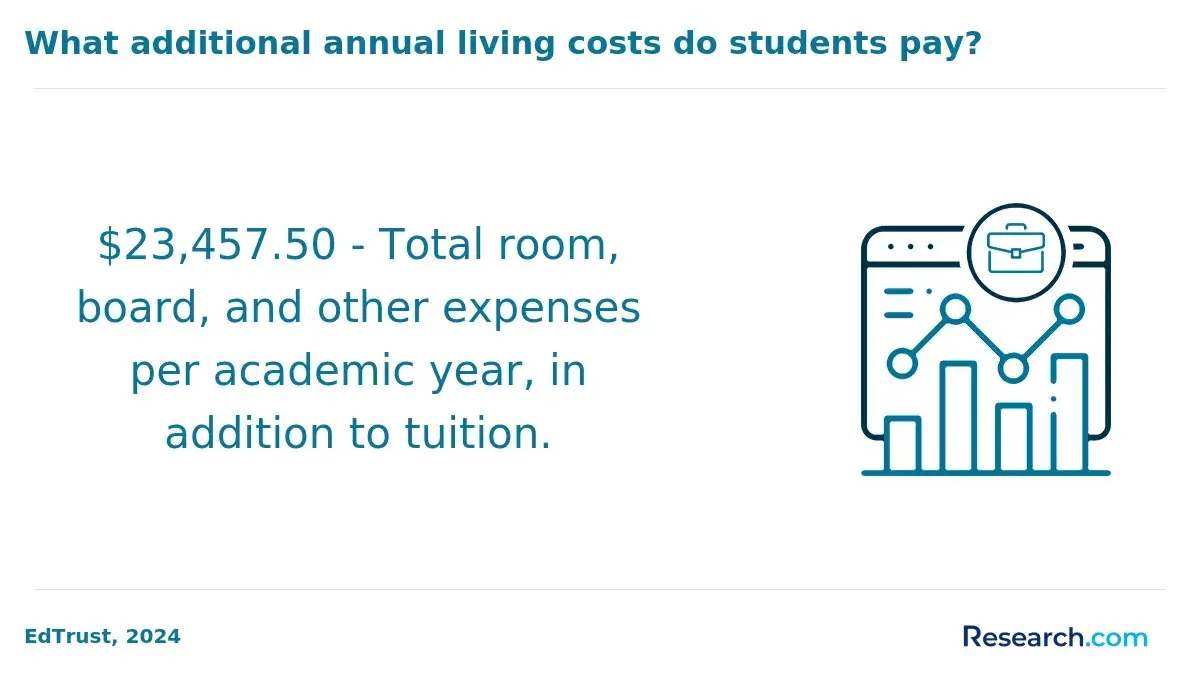
Return on investment for disability studies graduates depends heavily on balancing salary growth against student debt and opportunity costs. Median debt loads can approach the typical cost of bachelor's programs in related fields, and graduate-level education frequently doubles both expenses and loan repayment periods.
In practical terms, securing a multidisciplinary skill set—such as combining disability studies with social work or education certifications—often weighs heavily in employer hiring preferences and subsequent career mobility. Those able to pursue flexible options, including part-time enrollment or tapping financial aid, may mitigate some risks, but realistic assessments of market demand, credential complexity, and personal circumstances remain essential for informed decision-making.
Urban centers with more established nonprofit sectors offer stronger employment prospects compared to rural settings, where openings are scarcer and competition intense. Prospective students exploring related fields might also investigate ultrasound tech programs as alternatives or complements depending on immediate workforce needs and career goals.
Understanding disability studies degree salary and employment outcomes alongside broader labor dynamics helps clarify whether additional education aligns with long-term objectives and tangible career advancement.
How Do Associate, Bachelor's, Master's, and Doctoral Disability Studies Degrees Compare?
Choosing between associate, bachelor's, master's, and doctoral degrees in disability studies hinges on balancing immediate employment access against long-term career flexibility and leadership potential. Associate degrees commonly position graduates for paraprofessional roles that offer entry into the workforce but limit upward mobility without further education. While credits generally transfer to bachelor's programs, only about 40% complete the transition nationwide, suggesting that stopping at the associate level risks stagnation in wage growth and role complexity.
Conversely, bachelor's degrees open doors to specialized nonclinical positions with employment rates exceeding 75% one year post-graduation, yet these roles may plateau in salary and advancement without graduate credentials or relevant experience.
Master's degrees typically cater to those targeting licensed or leadership roles, such as rehabilitation counseling or program management, where advanced credentials directly influence job stability and promotional pathways. However, this comes with a notable increase in student debt—averaging 22% higher than bachelor's recipients—and requires weighing whether the expected professional gains justify the additional financial and time investment.
Doctoral programs, though less common and demanding in duration and cost, provide unique opportunities in academia, high-level policymaking, and research at nearly 90% employment, highlighting their alignment with roles that require scholarly authority and interdisciplinary expertise rather than broader workforce flexibility. For many working adults, the choice to pursue advanced degrees should consider the narrow but significant scope of doctoral employment against the broader but less specialized utility of bachelor's and master's credentials.
Which Industries and Employers Hire Disability Studies Graduates by Degree Level?
Employment opportunities in disability studies vary markedly by degree level, reflecting how employers weigh credentials against job function and sector demands. Associate degree holders typically enter entry-level roles with direct client engagement in nonprofits or government agencies, where licensure requirements remain minimal and experiential abilities carry significant weight.
In contrast, bachelor's degree graduates often secure positions within public school systems, healthcare administration, and advocacy groups that require greater responsibility, such as program development or interdisciplinary coordination, supported by data from the Bureau of Labor Statistics showing increased employment in these sectors for four-year graduates.
At the master's level, candidates gain access to leadership roles and specialized clinical or policy positions within public health and research institutions, where oversight and strategic planning become key job components. Data from the National Center for Education Statistics confirms a rising employer preference for master's credentials in managerial tracks requiring advanced academic training combined with field experience. Doctoral graduates predominantly find roles in academia, high-level research, and federal policy advisory, where publication records and grant management are essential, as indicated by the IPEDS dataset showing expanded access to university and federal agency positions.
Meanwhile, certificate programs tend to function as supplemental qualifications valued primarily for professional development rather than standalone hiring criteria, influencing employer selection less directly. This differentiation in hiring underscores the critical tradeoff between entering the workforce quickly with practical skills or investing in advanced degrees to unlock specialized, higher-paying, and research-intensive career pathways.
What Skills, Credentials, and Experience Improve Disability Studies Career Outcomes?
Practical experience such as internships or field placements plays a decisive role in improving disability studies career credentials and experience, often outweighing academic achievements alone in employer evaluations. For example, candidates demonstrating applied skills through portfolio evidence or project leadership gain stronger access to roles in social services and advocacy, where real-world problem-solving is prioritized. Entry-level positions typically demand foundational skills in communication, cultural competency, and policy literacy, supported by certifications like the Certified Disability Management Specialist (CDMS) or ADA training, which signal specialization and readiness in the field.
Advanced degree holders benefit from stacking licenses or credentials related to counseling, rehabilitation, or social work, broadening eligibility for supervisory or administrative positions. Workforce data indicate that promotional opportunities favor individuals with leadership experience and project management capabilities, underscoring the importance of soft skills such as emotional intelligence alongside technical proficiencies.
Military-affiliated students and those with apprenticeships can leverage transferable skills like discipline and strategic thinking, enhancing employability beyond academic credentials. Navigating career mobility often requires balancing degree progression with practical experience, a tradeoff particularly relevant for adult learners and transfer students weighing options like RN to nurse practitioner programs for specialized mid-career shifts.
Ultimately, candidates who integrate a strong portfolio with targeted certifications tend to outperform those relying solely on academic qualifications in disability studies employment outcomes. Decision-making about credential stacking, applied internships, and specialization must consider specific workforce demands and individual career goals, as degree level impacts licensure pathways and role eligibility but does not guarantee advancement without complementary experience. Those prioritizing promotion readiness and career flexibility should seek roles that cultivate leadership and policy analysis skills, aligning educational efforts with employer expectations in multidisciplinary settings.
Which Disability Studies Degree Level Is Best for Your Career Goals?
Choosing the appropriate disability studies degree level significantly shapes employment possibilities and career trajectory. For instance, bachelor's degree holders in disability studies demonstrate an employment rate near 82%, surpassing associate degree holders who average 65%, according to the National Center for Education Statistics.
This gap reflects employer preferences for candidates with comprehensive knowledge and analytical skills often acquired through bachelor's programs. In contrast, associate degrees offer quicker workforce entry for those prioritizing immediate employment but generally limit eligibility for specialized roles or leadership positions, affecting long-term mobility in disability studies employment and advancement by degree level.
Graduate degrees—master's or doctoral—unlock specialized research, policy, and leadership opportunities but require substantial time and financial investment. Many working adults and military-affiliated students must weigh the opportunity costs of prolonged study against enhanced career advancement prospects. Transfer-credit policies and prior learning assessments vary widely; selecting programs with flexible pathways can reduce time to completion and financial burden.
While licensure and certification rarely mandate graduate degrees, professional development tied to advanced credentials is often expected for specialized roles. Prospective students may also benefit from exploring different types of therapist degrees as a comparative framework to understand how credentials influence workforce integration.
Ultimately, the choice of degree level must align with specific career goals, balancing employability, advancement potential, and specialization opportunities. Adults returning to education and transfer students should consider how credits will transfer and whether further education is necessary for their targeted roles. Understanding these practical tradeoffs helps clarify which disability studies degree level best fits your career goals while managing financial and time investments effectively.
References
- Research Summary: Education and Lifetime Earnings https://www.ssa.gov/policy/docs/research-summaries/education-earnings.html
- Supporting Transitions of Graduates with Disabilities to Employment https://www.ahead.ie/journal/Supporting-Transitions-of-Graduates-with-Disabilities-to-Employment
- Academic Programs in Disability Studies https://mail.rdsjournal.org/index.php/journal/article/download/23/83
- There is still an unacceptable gap in employment outcomes for disabled graduates https://wonkhe.com/blogs/there-is-still-an-unacceptable-gap-in-employment-outcomes-for-disabled-graduates/
- How do student outcomes vary by disability status? - Office for Students https://www.officeforstudents.org.uk/data-and-analysis/previously-published-data-and-analysis/differences-in-student-outcomes/disability/
- NALP | Employment Outcomes for Graduates with Disabilities https://www.nalp.org/1222research
- Does College Pay Off? A Comprehensive Return On Investment Analysis - FREOPP https://freopp.org/whitepapers/does-college-pay-off-a-comprehensive-return-on-investment-analysis/
- How Students with Disabilities Can Achieve Their Career Goals - Servisource https://servisource.ie/blog-how-students-with-disabilities-can-achieve-their-career-goals/
- Disability Studies postgraduate courses https://universitycompare.com/courses/degrees/postgraduate/disability-studies
- Work-Study Degree Cost & ROI: Fees vs Salary | CLaaS2SaaS https://claas2saas.com/blog/work-study-degree/work-study-degree-cost-and-roi/
Other Things You Should Know About Disability Studies
Disability studies programs vary significantly in workload and depth depending on degree level. Undergraduate curricula tend to focus on foundational theories and broad exposure, often allowing part-time study or flexible schedules, which suits working adults or those new to the field. Graduate and doctoral programs require sustained, intensive research and critical analysis, demanding full-time commitment and advanced academic skills. Prospective students should consider their capacity for time, resources, and academic rigor, prioritizing programs that align with their personal circumstances and long-term career aspirations rather than simply chasing the highest credential.
Higher degree levels in disability studies increasingly incorporate applied research, internships, or community engagement, but this varies by institution. Bachelor's programs often provide direct fieldwork or service-learning opportunities, which can be valuable for immediate employability in advocacy or support roles. Conversely, master's and doctoral degrees emphasize theoretical frameworks and program development, with less structured practical components. Students seeking faster entry into applied roles should prioritize undergraduate programs with strong practicum requirements, while those interested in policy or academic careers must prepare for more abstract, research-centric training.
Employers in nonprofit, social service, and educational sectors often prioritize practical skills and demonstrated community engagement over advanced credentials alone. For many roles, a bachelor's degree coupled with experience can be more effective than a master's without direct application. Doctoral degrees are typically valued in research, policy analysis, or academic settings, where specialized expertise is essential. Candidates should align their degree choice with the expectations of their target employers, recognizing that higher degrees do not automatically translate into better job fit or performance in all disability studies-related roles.
Accelerated programs may allow quicker graduation and earlier workforce entry, but they can limit the depth of learning and reduce opportunities for internships or networking. Traditional pathways provide more time for reflection, skill-building, and practical experience, which often correlates with stronger long-term career advancement. Students should weigh the urgency of employment against the potential for comprehensive preparation, considering that accelerated tracks might constrain personal growth and limit advancement in competitive roles requiring nuanced expertise.