2027 Disability Studies Affordability by State: Where Students Pay the Most and Least

Co-Founder and Chief Data Scientist
Choosing between a Disability Studies program in-state with a $15,000 annual tuition and an out-of-state option charging $35,000 can reshape a student's financial future. Beyond tuition, living costs vary significantly by state, often eclipsing advertised savings for in-state enrollment. A 2024 report from the National Center for Education Statistics revealed that students in higher-cost states borrow 30% more, reflecting uneven affordability patterns linked to local policies and wage levels. This dynamic influences whether students prioritize immediate cost or longer-term debt risks, complicating the path to financial stability after graduation.
This article examines Disability Studies affordability by state, highlighting where students face the greatest and least financial barriers to making informed enrollment decisions.
Key Things to Know About Disability Studies Affordability by State
- States with lower in-state tuition often have higher living costs, skewing total affordability; for example, midwestern states offer cheaper campus fees but limited urban job markets reduce post-graduation employment options.
- Out-of-state tuition premiums average 75% higher nationally in 2024, pressuring students to choose residence-based programs despite some employers valuing credentials from renowned, costlier out-of-state institutions.
- Growing availability of online Disability Studies programs improves access but can delay graduation due to part-time pacing, increasing indirect costs and impacting timely workforce entry for budget-conscious students.
- Which States Have the Most Affordable Disability Studies Degree Programs? Most Affordable State Programs
- Which States Have the Highest Disability Studies Degree Costs? Highest State Tuition Costs
- How Much Does a Disability Studies Degree Cost by State? Degree Costs by State
- Why Does Disability Studies Affordability Vary So Much Between States? State Affordability Variations
- How Do In-State and Out-of-State Tuition Rates Affect Disability Studies Affordability? In-State vs. Out-of-State Rates
- How Does the Cost of Living Impact Overall Disability Studies Affordability by State? Living Costs and Affordability
- Which States Offer the Best Value for a Disability Studies Degree? Best Value State Degrees
- What Financial Aid and Scholarship Opportunities Can Reduce Disability Studies Costs? What Financial Aid and Scholarship Opportunities Can Reduce Disability Studies Costs?
- Are Online Disability Studies Degree Programs More Affordable Than On-Campus Options? Are Online Disability Studies Degree Programs More Affordable Than On-Campus Options?
- Is a Disability Studies Degree Worth the Cost Based on Career Outcomes and ROI? Degree ROI and Outcomes
Which States Have the Most Affordable Disability Studies Degree Programs?
State-level differences in tuition policies and public funding are critical in shaping which states provide the most affordable disability studies degree programs by state. States with robust public university systems that emphasize in-state tuition benefits typically enable substantial cost savings for residents, often making long-term enrollment and degree completion financially viable for students who qualify.
For example, Wyoming's public institutions maintain annual tuition and fees below $5,000 largely due to sustained state investment and limited demand-driven tuition increases, which contrasts sharply with states where higher living costs and leaner funding require heavier reliance on tuition revenue. When students compare programs across states, recognizing how residency policies influence not only sticker price but also eligibility for targeted financial aid is vital for making fiscally informed decisions that affect total debt and time to degree.
Furthermore, affordability in disability studies programs often varies with student circumstances such as residency status and access to flexible learning formats. States that integrate online degree pathways into their public systems, like New Mexico, offer tangible savings by reducing living expenses, a factor increasingly important as enrollment decisions must balance educational value with personal budget constraints. However, these savings can come with tradeoffs in networking and clinical opportunities that may affect employability outcomes.
Students weighing these options should also review comparative data on tuition alongside cost-of-living indicators and financial aid structures, as these elements collectively determine the feasibility of pursuing a disability studies degree in a particular state. Amid these considerations, some prospective students might explore related interdisciplinary options like a healthcare administration degree online when flexibility and cost play similarly critical roles in their educational planning.
Which States Have the Highest Disability Studies Degree Costs?
States with the highest disability studies degree costs often reflect a complex interplay of reduced public funding, concentrated private institution presence, and elevated local living expenses. For example, California's public universities have seen diminished state support over the last decade, driving tuition beyond $12,000 annually despite public status. Meanwhile, private institutions in states like New York and Massachusetts set tuition well above $40,000, leveraging their reputations and program specialization. These price discrepancies matter when assessing value since students face additional regional costs such as housing and transportation-factors that can double or triple total expenses and heavily influence whether pursuing an in-state, out-of-state, or online program is financially viable.
Residency policies further complicate affordability, as out-of-state students often pay two to three times more than residents, particularly in niche fields like disability studies where program options are geographically limited. This dynamic pressures many to weigh relocation costs against potential employment outcomes and network access offered by prestigious but higher-priced institutions. Beyond the sticker price, the scarcity of dedicated disability studies programs in certain areas can extend time to degree completion through broader interdisciplinary requirements, increasing overall costs and delaying workforce entry. Consequently, students must scrutinize how institutional cost structures, state funding trends, and living expenses collectively shape not only upfront tuition but long-term educational return on investment.
One recent graduate recalled grappling with decisions shaped by stark cost contrasts while applying to programs across three states. Initially planning to attend near home, she hesitated upon discovering out-of-state tuition nearly doubled, forcing her to consider online alternatives and extensive financial aid applications. She also noted surprise expenses like health insurance and urban housing premiums that weren't fully transparent during initial research. Ultimately, she chose a less costly in-state program but remained uncertain whether the lower tuition would offset fewer internship opportunities compared to higher-priced urban schools, underscoring how such financial tradeoffs weigh heavily on students navigating disability studies affordability.
How Much Does a Disability Studies Degree Cost by State?
Students pursuing a disability studies degree face notable cost disparities tied to their state of enrollment, driven largely by differences in public funding, tuition rates, and residency policies. For instance, public in-state tuition can vary from roughly $5,000 in Wyoming to more than $15,000 in Vermont, a gap that significantly affects both upfront expenses and borrowing needs. Those considering out-of-state options must weigh the potential doubling of tuition fees against program fit and professional networks, especially since regional cost of living can add 20-40% to total educational expenses in certain areas, complicating cross-state enrollment decisions.
Private institutions offering disability studies generally charge $30,000 or more annually, pushing many cost-conscious students to favor public universities where possible. However, states with robust public systems such as California and Texas provide more accessible options, particularly for residents, while states with less public investment may compel students toward pricier alternatives or online pathways. Funding policies, including state grants or scholarships tied to disability fields, also influence accessibility and financial outcomes, with some students able to mitigate costs through these targeted supports.
Given these variables, prospective disability studies students must integrate cost considerations with long-term career goals, such as employer preferences for practical experience and credentialing. Choosing a program primarily based on sticker price without regard for location-based financial aid, out-of-state penalties, or living costs can lead to unexpected debt or extended time to degree completion. A strategic approach often balances affordable tuition, potential funding, and program relevance, enabling students to minimize financial strain while positioning for roles in disability advocacy and support sectors where demand is steady and practical skill sets are crucial.
Why Does Disability Studies Affordability Vary So Much Between States?
Significant disparities in disability studies degree cost differences by state reflect underlying variations in public higher education funding and institutional composition. States with sustained public investment often maintain lower tuition rates for in-state residents, as seen in regions prioritizing university appropriations, while others offset budget shortfalls by raising fees, pushing affordability out of reach for many local students. For example, a student comparing options might find that Midwest states with lower living expenses and predominantly public institutions offer more manageable overall costs than high-cost states like California or New York, where operational expenses and private university prevalence drive prices upward.
State policies on resident tuition subsidies and financial aid also shape net prices, influencing enrollment decisions and transfer behaviors for disability studies students. According to Integrated Postsecondary Education Data System (IPEDS) 2024 figures, generous grant programs correlate with reduced average net prices, which can make pursuing a degree in social sciences and humanities fields more attainable. Prospective students should weigh these factors alongside local demand and institutional capacity constraints, as growing interest can lead to price increases even in well-funded states. For those balancing budgets, considering out-of-state online programs or free application online colleges may provide viable alternatives without compromising educational outcomes.
How Do In-State and Out-of-State Tuition Rates Affect Disability Studies Affordability?
Tuition disparities between in-state and out-of-state students significantly impact the financial feasibility of pursuing a disability studies degree, often dictating whether a program is practically accessible or prohibitively expensive. For example, a public four-year school's average in-state tuition around $10,300 contrasts sharply with out-of-state rates exceeding $27,000 annually, according to 2024 National Center for Education Statistics data. This gap not only influences initial enrollment decisions but also affects long-term financial planning, especially for students weighing relocation or residency reclassification to access lower rates. While some regions mitigate these costs through reciprocity agreements like the Western Undergraduate Exchange, such options are limited and rarely comprehensive for disability studies, requiring students to carefully assess both program availability and cross-state tuition policies before committing.
Financial aid can partially offset these differences, but its variability means that students attending private institutions-often charging flat tuition regardless of residency-must balance higher baseline costs against aid packages that may better accommodate out-of-state learners. Online disability studies programs can blur traditional residency lines by offering uniform tuition rates or in-state pricing to all enrollees, yet living expenses and local cost-of-living remain critical considerations affecting overall affordability. The interplay of state funding priorities and residency status therefore remains a pivotal, often underexamined factor shaping the realistic cost and accessibility of disability studies education across the United States.
A graduate recalled hesitantly enrolling at a public university outside their home state, unaware that their residency ruling wouldn't change until after the first academic year, forcing them to pay out-of-state tuition unexpectedly. Despite enthusiasm for the program's quality, the immediate financial strain complicated budgeting and reduced funds available for essential living costs. Their experience illuminated how institutional residency policies and the timing of reclassification can impose sudden, significant expenses that are rarely transparent upfront, underscoring the importance of strategic planning beyond just program reputation or location.
How Does the Cost of Living Impact Overall Disability Studies Affordability by State?
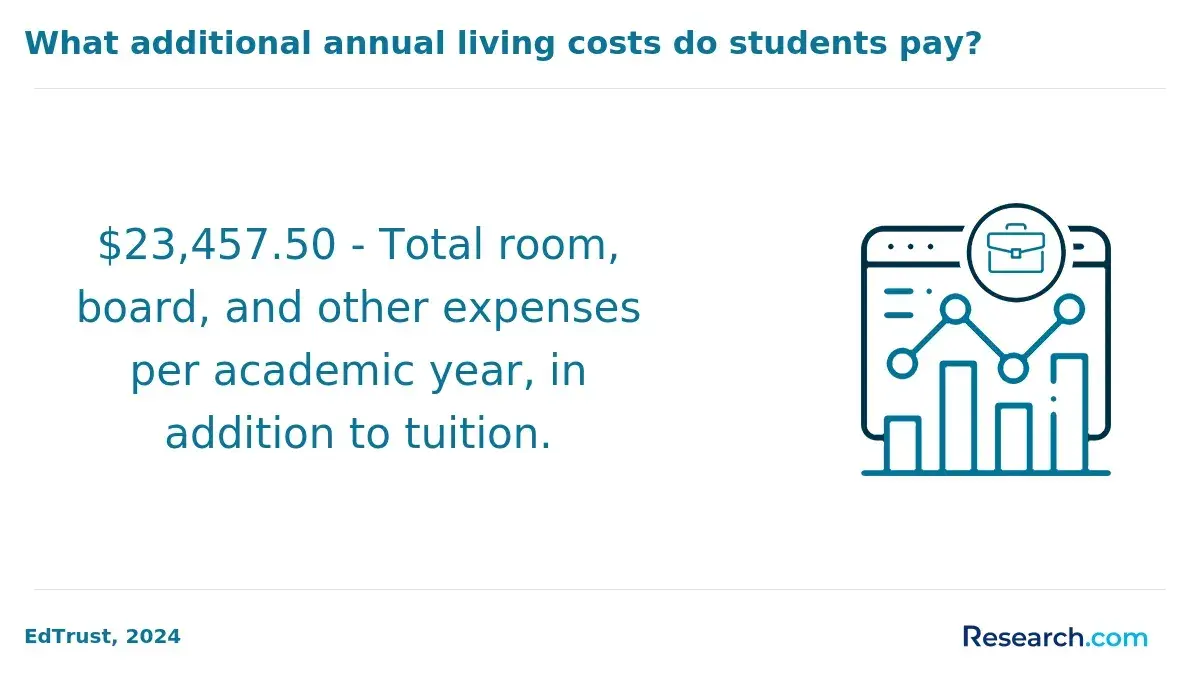
Analyzing how cost of living affects disability studies tuition by state reveals that lower tuition fees alone do not guarantee an affordable education. For instance, a student pursuing a disability studies degree in California faces substantial tradeoffs due to housing costs nearly double the national average, which can increase reliance on financial aid or elevate student debt. In contrast, states like Texas and Ohio, with housing expenses 20-40% lower, allow students to stretch their budgets further, potentially reducing the need for loans and enabling more flexible commuting or part-time enrollment options. These variations influence not only where students enroll but also how they plan their degree completion amid economic constraints.
State cost of living impact on disability studies education affordability emerges clearly when factoring in transportation, healthcare, and food expenses. Areas with limited public transit force higher transportation spending, often exceeding $600 monthly, a figure that significantly burdens students in sprawling or rural regions. Additionally, states with elevated healthcare costs such as New York or Massachusetts add hidden layers to total expenses, complicating budget planning beyond direct tuition. Students comparing programs should consider such living expenses alongside tuition when determining their financial aid requirements or evaluating the possibility of online or hybrid learning formats. Such comprehensive cost awareness supports informed decision-making critical to aligning educational opportunities with realistic economic capabilities and long-term career goals in disability studies.
For budget-conscious learners, leveraging resources like the easiest RN to BSN program online research portal can offer insights into affordable pathways and effective strategies for managing educational costs across states, helping mitigate financial barriers without compromising educational outcomes.
Which States Offer the Best Value for a Disability Studies Degree?
Assessing the value of a disability studies degree across states requires integrating tuition costs with graduation rates and local employment dynamics rather than focusing solely on sticker price. States like North Carolina demonstrate this balance well, where average public university tuition remains under $9,000 in-state, yet strong financial aid programs and a graduation rate near 61% contribute to lowering net costs while enhancing degree completion. For students weighing whether to relocate or study in-state, understanding how state policies on residency-based tuition and aid influence overall affordability is crucial; choosing a low-cost state with poor completion outcomes can increase time to degree and long-term debt burdens, undermining short-term savings.
Regional labor market conditions further nuance value assessments. Florida's healthcare and social services sectors have grown steadily, supporting higher post-graduation employment rates despite tuition costs slightly above $6,500 annually for in-state students. Conversely, Texas-with tuition around $10,000-offers vocational rehabilitation initiatives and workforce support that improve transition rates from education to work, illustrating how targeted state programs impact returns on investment. Students must recognize that the cheapest tuition does not always align with the most practical financial outcome, as differences in program quality, completion efficiency, and local job growth play pivotal roles in shaping degree value over time.
What Financial Aid and Scholarship Opportunities Can Reduce Disability Studies Costs?
Federal grants remain a pivotal factor for many disability studies students seeking to minimize debt, with Pell Grants covering significant tuition portions for qualifying low-income undergraduates; according to U.S. Department of Education data for 2024, about 62% of students receiving federal aid utilize grants that do not require repayment, thereby reducing long-term financial strain. Yet, reliance on federal aid alone can be insufficient when state grants are limited or inflexible. For instance, a student attending a public university in California may benefit from substantial state grant funding, easing out-of-pocket expenses, whereas a peer in a state with minimal need-based support might have to compensate through loans or part-time work, extending time to degree completion and increasing financial vulnerability.
Institutional scholarships and merit awards often require sustained academic performance or specific community engagement, which not all students can consistently maintain alongside employment or caregiving responsibilities common in disability studies cohorts. Reciprocal tuition agreements between states provide some out-of-state students with affordable options but usually come with residency and enrollment conditions that affect eligibility. Employer tuition reimbursement programs are a practical avenue for working students but frequently demand ongoing employment, limiting flexibility. Ultimately, navigating these funding pathways demands strategic attention to application deadlines, aid stacking rules, and renewal criteria, especially for part-time students balancing commitments, as these factors profoundly shape both the immediate affordability of disability studies programs and the sustainability of educational investment over time.
Are Online Disability Studies Degree Programs More Affordable Than On-Campus Options?
Evaluating online disability studies degree affordability requires careful consideration beyond simple tuition comparisons. While online programs generally offer 15-30% lower tuition rates than traditional in-person options, this advantage can be substantially offset by additional technology costs and residency-based pricing disparities. For example, a nonresident student enrolled online may face higher tuition than in-state on-campus peers, diminishing online cost benefits. Moreover, students must weigh savings from eliminated housing and commuting expenses against mandatory investments in reliable internet and specialized software, which can add about $1,200 annually.
Financial aid policies further complicate the cost comparison of online vs on-campus disability studies programs. Some scholarships and state-funded grants prioritize students physically attending campus, reducing online learners' access to critical funding. This funding gap, combined with variations in course delivery models and institutional fee structures, means prospective students should assess their eligibility for aid relative to program location. The practical takeaway is that affordability often depends on whether flexibility and reduced living costs outweigh limited financial aid and tech expenses for a given student's situation.
For budget-conscious learners balancing work, family, and geographic constraints, online pathways can still offer meaningful savings and scheduling flexibility. However, those aiming for campuses with deeply subsidized in-state tuition or specific institutional resources might find better value in traditional enrollment options. Students exploring these choices can benefit from examining programs such as 5 year accelerated speech pathology programs that intersect with disability studies and may provide alternatives tailored to financial and temporal constraints.
Is a Disability Studies Degree Worth the Cost Based on Career Outcomes and ROI?
Disability studies degree return on investment in the US varies widely based on geographic and institutional factors, making it essential for students to evaluate local tuition affordability, program quality, and completion rates alongside career outcomes. For example, in states like Wyoming, lower public tuition around $7,500 reduces upfront costs, improving financial accessibility, whereas places like Massachusetts charge over $20,000 annually, increasing debt risks and opportunity costs. Graduates often enter roles as social and human service assistants, where the Bureau of Labor Statistics projects 7% employment growth through 2032, but median wages near $38,000 may limit short-term earnings compared to STEM graduates. Thus, students must weigh these disparities and consider how debt burden influences long-term economic mobility within the disability workforce.
Career outcomes for disability studies graduates by state also reveal that pursuing advanced certifications or graduate education significantly enhances income potential and job stability, emphasizing the value of continued qualification beyond the bachelor's level. States with higher graduation rates often correlate with stronger employment pathways, evidencing the importance of completion alongside affordability. Additionally, non-financial rewards such as advocacy roles or community engagement frequently drive enrollment despite modest economic returns. Budget-conscious learners should assess ROI beyond tuition alone, including opportunity cost and regional demand, and compare these practical implications with alternatives like online accelerated nursing programs for non nurses that may offer different economic trajectories and workforce integration.
References:
- Disability and extra living costs - Iriss https://iriss.org.uk/resource/disability-and-extra-living-costs/
- Disability Studies: Is it the Field for You? https://enablingdevices.com/blog/disability-studies-is-it-the-field-for-you/
- Why studying online can be more accessible to those with disabilities and neurodiversity https://www.ube.ac.uk/whats-happening/articles/why-studying-online-can-be-more-accessible-to-those-with-disabilities-and-neurodiversity/
- Is Grad School Worth It? A Comprehensive Return on Investment Analysis - FREOPP https://freopp.org/whitepapers/is-grad-school-worth-it-a-comprehensive-return-on-investment-analysis/
- The impact of the cost-of-living crisis on persons with disabilities https://www.edf-feph.org/the-impact-of-the-cost-of-living-crisis-on-persons-with-disabilities/
- The College Affordability Gap: Insights and Impact on Families https://encoura.org/resources/wake-up-call/the-college-affordability-gap-insights-and-impact-on-families
- The 10 Best Online Universities for Students With Disabilities | Special Education Degrees https://www.special-education-degree.net/best-online-universities-students-disabilities/
- College Affordability Still Out of Reach for Students with Lowest Incomes, Students of Color https://www.ihep.org/college-affordability-still-out-of-reach-for-students-with-lowest-incomes-students-of-color/
- Disability Studies https://www.fastweb.com/directory/scholarships-for-disability-studies-majors
- National Council on Disability | Students with Disabilities Face Financial Aid Barriers https://www.ncd.gov/report/students-with-disabilities-face-financial-aid-barriers/
Other Things You Should Know About Disability Studies
States with more affordable tuition often offer programs that emphasize foundational knowledge over in-depth specialization, which can limit hands-on learning or advanced research opportunities. Choosing a low-cost program might mean accepting fewer electives or less access to faculty with niche expertise, impacting preparedness for specialized roles or doctoral pathways. Budget-conscious students should weigh whether initial savings justify potential limits in experiential learning that employers might value in competitive job markets.
Programs in some states integrate extensive fieldwork or practicum components that, while beneficial for experience, increase time investment and indirect costs like transportation or unpaid hours. More affordable states may have streamlined curriculums with less mandatory field engagement, potentially allowing working students to maintain income streams. Prospective students balancing work and study should prioritize programs balancing rigor with flexibility to avoid financial strain from lost wages or extended study duration.
Some higher-cost programs located in states with strong academic reputations or extensive networks in disability advocacy and healthcare fields can enhance employment prospects despite greater upfront expenses. Conversely, lower-cost programs in less recognized states may require graduates to work harder to establish credibility or seek additional certifications. Students should prioritize programs whose regional industry ties and reputations match their career goals rather than simply opting for the cheapest option.
Out-of-state students often face higher fees, but the decision to relocate involves broader financial risks including housing, transportation, and potential loss of local support networks. Programs in states with lower living costs do not automatically result in overall savings if relocation expenses are high or if local job markets for internships are limited. Students should conduct a holistic cost-benefit analysis considering ancillary expenses and the availability of professional opportunities when determining true affordability.