2027 Disability Studies Salary Trends Report: Are Wages Keeping Up With Tuition and Inflation?

Co-Founder and Chief Data Scientist
Considering enrollment in disability studies often begins with a financial question: does the potential salary justify the rising costs of tuition and the broader economic landscape? A typical prospective student or recent graduate faces this dilemma amid escalating education expenses combined with persistent inflation.
The challenge lies in evaluating whether wages in the field grow fast enough to keep pace with these financial pressures and maintain real purchasing power over time. Without this analysis, salary figures alone can be misleading indicators of a degree's true financial value.
Salary growth, education costs, and inflation rarely increase in tandem, complicating straightforward assessments of return on investment. Prospective students and career changers must look beyond starting salaries and consider long-term earning trajectories relative to overall affordability.
This article examines trends in disability studies salaries alongside tuition inflation, purchasing power, and key factors shaping the financial value of a disability studies degree. The goal is to provide a clear perspective on whether wages are keeping up with rising costs and economic realities.
Key Things to Know About Disability Studies Salary Trends
- Graduate wages in disability studies typically lag behind inflation and tuition increases, with a 2024 study showing average starting salaries growing only 2% annually versus a 5% rise in education costs, reducing net returns.
- Long-term earning potential depends heavily on specialization and experience in high-demand sectors like policy or healthcare advocacy, where salaries can exceed generalist roles by 15-20%, highlighting strategic career planning needs.
- Data from 2024 indicates that public sector positions, common for disability studies graduates, offer modest salary growth but greater job stability, requiring candidates to weigh financial gains against employment security.
- Key Things to Know About Disability Studies Salary Trends Key Things to Know About Disability Studies Salary Trends
- What Is the Current Salary Outlook for Disability Studies Graduates? Salary Outlook
- Are Disability Studies Salaries Keeping Up With Inflation? Inflation Impact
- How Do Tuition Costs Compare With Disability Studies Salary Growth? Tuition vs Salary
- Does a Disability Studies Degree Deliver a Positive Return on Investment? Degree ROI
- Which Industries Offer the Highest Salaries for Disability Studies Graduates? Which Industries Offer the Highest Salaries for Disability Studies Graduates?
- Which States and Cities Offer the Highest Pay for Disability Studies Professionals? Which States and Cities Offer the Highest Pay for Disability Studies Professionals?
- How Do Disability Studies Salaries Grow Throughout a Career? Career Growth
- How Do Disability Studies Salaries Compare With Similar Degrees? Salary Comparison
- How Is Employer Demand Affecting Disability Studies Salary Trends? Employer Demand
- How Can Students Maximize Their Lifetime Earnings With a Disability Studies Degree? Maximizing Earnings
What Is the Current Salary Outlook for Disability Studies Graduates?
The earning potential for disability studies graduates is notably influenced by the specific career path chosen, geographic region, and level of experience. According to data from the U.S. Bureau of Labor Statistics in 2024, median annual wages for professionals in related fields such as social work with a focus on disability typically hover around $52,000 but can range from entry salaries in the lower $40,000s to over $70,000 for seasoned program directors or clinical specialists.
For example, two recent graduates with the same degree could see different salary outcomes if one enters nonprofit social services while the other pursues a research or policy role; the latter might earn between $50,000 and $80,000 but may also require ongoing advanced training to reach these levels.
Salary data for academic tracks shows assistant professors specializing in disability studies earning between $60,000 and $75,000 annually, though adjunct or part-time faculty positions typically pay significantly less and do not offer sustainable full-time income.
This highlights the importance of viewing Disability Studies graduate salary trends in the US within the context of long-term progression rather than initial paychecks. Graduates often need to supplement their credentials with graduate degrees or certifications in fields like social work or disability law to improve their salary trajectory amid rising educational costs and inflation.
While starting salaries may appear modest compared to other disciplines, the profession's relative stability and projected job demand offer opportunities for gradual salary growth and increased responsibilities.
Graduates considering this field should weigh the financial realities alongside non-monetary benefits such as community impact and job fulfillment to make informed career decisions. Those interested in expanding their qualifications may find programs ranked among the best online nursing programs useful if combining healthcare and disability expertise appeals to them.
Are Disability Studies Salaries Keeping Up With Inflation?
Nominal salary increases in fields related to disability studies have generally hovered around 3% annually, according to recent data from the U.S. Bureau of Labor Statistics. While this suggests steady wage growth on paper, it fails to keep pace with inflation, which has averaged about 4.2% per year over the past two years. This means that even as salaries rise, the real earning power of many professionals in these roles is effectively declining, eroding their purchasing power and financial security.
For example, a rehabilitation counselor's median salary increasing from $40,520 to $41,800 over two years does not translate into additional disposable income when inflation-driven costs, such as housing and transportation, are factored in.
Consider a recent graduate weighing the cost of graduate disability studies programs where tuition hikes have outstripped wage growth, climbing more than 5% annually according to the National Center for Education Statistics. Despite the promise of meaningful work, the financial strain becomes evident when the cost of education and living expenses rises faster than the income graduates expect.
Regional funding differences and varying social program budgets further complicate whether disability studies salary growth versus inflation carries over equally across all areas. For individuals comparing career paths, or those looking for nursing programs that don't require TEAS test as an alternative option, these economic trends highlight the importance of a thorough long-term financial assessment before committing to this educational investment.
How Do Tuition Costs Compare With Disability Studies Salary Growth?
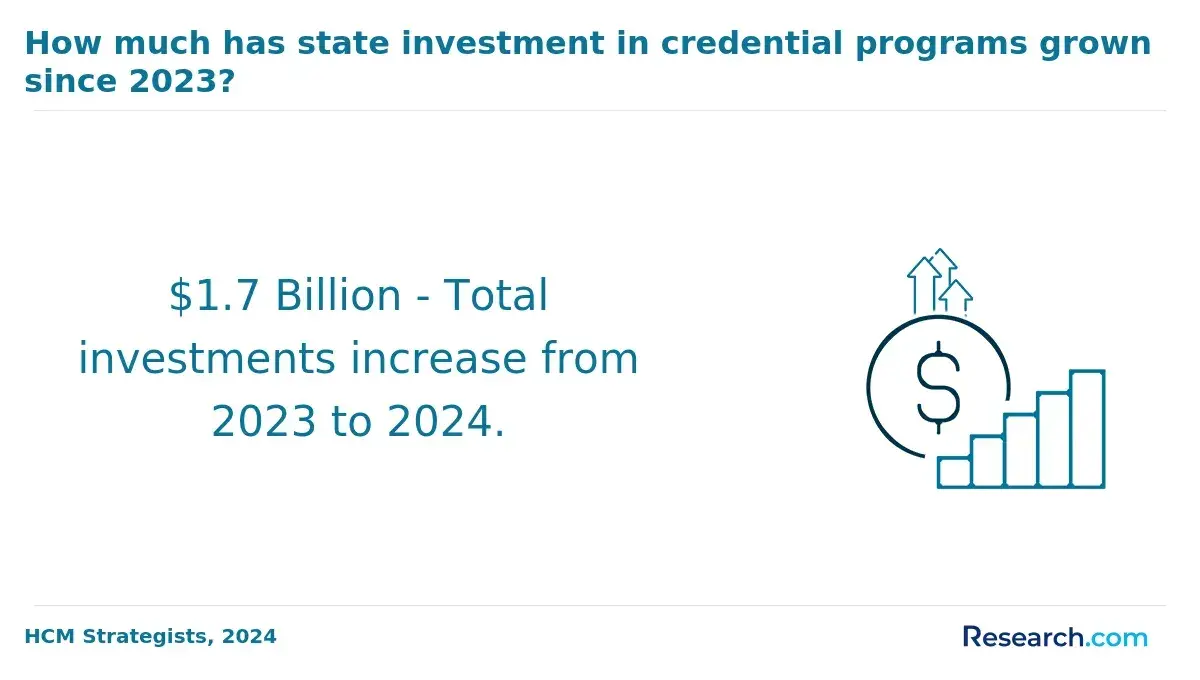
Evaluating tuition increases alongside salary growth offers a more nuanced understanding of the financial implications of a Disability Studies degree than considering either factor alone. In recent data from the U.S. Bureau of Labor Statistics and educational research centers, public university tuition rose about 4% annually over five years, slightly outpacing inflation.
Meanwhile, entry-level salaries for disability studies graduates typically range from $40,000 to $50,000, with mid-career wages increasing more modestly at 2% to 3% per year, frequently trailing both inflation and tuition hikes. This gap indicates that the upfront cost of education is rising faster than graduates' earning power can keep up, which can extend repayment timelines and strain personal finances for many students.
Consider two students: one who finances their degree primarily through loans, and another who attends a lower-cost program with some employer assistance. The first student faces compounding debt that grows with interest while salary growth may barely cover living expenses, creating financial pressure over the long term.
The second, benefiting from employer subsidies or regional cost differences, might find the balance between tuition costs and income growth more manageable. Factors such as geographic job markets, sector employment opportunities, and economic conditions heavily influence this relationship, making the financial value of a Disability Studies degree highly individual rather than uniform across all graduates.
A recent graduate recalled hesitating before committing to a Disability Studies program because tuition hikes seemed steep compared to entry salaries she researched. She ultimately chose a public university with slightly lower tuition but carried significant loans, understanding her starting salary would only modestly increase over time.
During repayment, she realized budgeting for loan interest required careful planning, especially since her wages did not keep pace with inflation. Her experience highlighted the importance of weighing upfront educational costs against realistic salary trajectories, emphasizing that financial decisions in Disability Studies often demand constant adjustment rather than fixed expectations.
Does a Disability Studies Degree Deliver a Positive Return on Investment?
Return on investment in higher education involves weighing the upfront costs of obtaining a disability studies degree against the potential for steady career growth, professional fulfillment, and long-term earnings. Graduates typically earn median salaries lower than those in STEM fields but somewhat higher than many liberal arts majors, according to 2024 data from the National Center for Education Statistics and the Bureau of Labor Statistics.
These figures reflect a moderate financial return relative to tuition expenses, which are rising due to inflation and increasing living costs.
For example, a graduate entering a nonprofit advocacy role may start with modest pay but benefit from job stability and the opportunity to advance through certifications or graduate study. This pathway highlights that return on investment depends heavily on how graduates leverage their degree within sectors aligned with their skills and values.
Public and social service positions often emphasize meaningful impact over immediate income, making the financial return more gradual but potentially positive over time.
Key factors shaping whether a disability studies degree offers a good return include geographic location, additional qualifications, and career choices within education, policy, or advocacy.
While some graduates may experience slower wage growth compared to other disciplines, the degree's value often lies in durable employment and job satisfaction rather than rapid salary escalation. Consequently, prospective students should assess both economic and personal factors when evaluating the long-term benefits of this field amid evolving market conditions.
Which Industries Offer the Highest Salaries for Disability Studies Graduates?
Graduates with a degree in disability studies encounter a varied labor market; however, not all industries offer the same salary potential or demand for specialized expertise. According to the U.S. Bureau of Labor Statistics and the National Organization on Disability, top-paying sectors for disability studies degree holders are typically those with institutional commitment to disability inclusion, strong advocacy roles, and regulated compliance responsibilities.
For example, a rehabilitation counselor working within a well-funded hospital system may earn significantly more than a similar counselor employed by a smaller nonprofit due to differing budget sizes and role complexity.
The following summarizes the industries known to provide the highest salaries for disability studies graduates:
- Healthcare Sector: This industry leads in compensation because it integrates disability studies expertise into hospital administration, rehabilitation programs, and clinical services. Roles such as rehabilitation counselors, disability program coordinators, and healthcare administrators benefit from increased federal and state funding targeting inclusive healthcare initiatives.
- Higher Education: Universities often provide competitive salaries for disability studies graduates involved in academic advising, research, and management of disability resource centers. Professors and researchers in disability rights typically see steady income growth through tenure-track positions and grants from organizations like the National Science Foundation.
- Government Agencies: Federal and state government positions in policy analysis, disability rights enforcement, and social welfare programs offer robust salaries, especially within metropolitan areas. Expertise required here includes knowledge of ADA compliance and the ability to shape disability policy frameworks effectively.
- Research Organizations: Dedicated research institutions focusing on disability rights and accessibility often provide higher remuneration for graduates with strong analytical and program evaluation skills. These roles frequently involve grant writing and project management within the disability rights sector.
- Nonprofit Leadership: While many nonprofits have modest salaries, leadership positions in larger advocacy organizations with significant fundraising capacity can offer competitive compensation linked to organizational impact and scale.
- Corporate Diversity and Inclusion: Increasingly, corporations hire disability studies graduates for roles managing diversity, equity, and inclusion initiatives. These positions command higher salaries when combined with experience in policy implementation and organizational change management.
Graduate students seeking to balance salary potential with meaningful work should also consider practical pathways to enhance their competitiveness, such as gaining certifications or pursuing advanced degrees. For those interested in healthcare roles, reviewing online medical assistant programs with financial aid options can provide relevant clinical skills that complement disability studies expertise and improve employability.
Which States and Cities Offer the Highest Pay for Disability Studies Professionals?
Regional differences significantly shape earning potential for professionals with a disability studies background, with metropolitan hubs frequently offering the highest nominal wages. Data from the U.S. Bureau of Labor Statistics and Occupational Employment and Wage Statistics in 2024 reveal that states with robust healthcare sectors, established disability advocacy, and strong academic institutions tend to pay better.
However, elevated salaries often coincide with steep living expenses and higher education costs, requiring careful consideration beyond just paycheck figures. Here are key regions where disability studies-related roles command premium pay, along with contextual factors for prospective students and graduates:
- California (San Francisco and Los Angeles): These metro areas lead with median annual wages exceeding $75,000, driven by large economies and a combination of nonprofit, governmental, and private sector disability services. The presence of numerous universities and research centers fosters strong professional networks but also raises living and tuition costs, which can erode disposable income despite higher salaries.
- New York City: As a major academic and NGO hub focused on disability rights and research, NYC offers competitive pay rivaling California's. Professionals benefit from extensive institutional infrastructure, although the high cost of living and housing remains a substantial financial challenge.
- Massachusetts (Boston Metro): Boston's blend of active state disability advocacy, health sciences industries, and universities results in median wages around $70,000. The city's strong employer concentration supports career growth, yet elevated education fees and living expenses weigh heavily on net financial gains.
- Texas (Austin and Houston): While median salaries near $55,000 to $60,000 are lower compared to coastal metros, Texas offers a more moderate cost of living and relatively affordable higher education options. This balance can enhance real-world financial stability, particularly for early-career professionals and recent graduates managing student debt.
- Florida (Miami and Tampa): Florida's disability services sector provides salaries in the mid-$50,000 to $60,000 range, with cost-of-living advantages that may make it a practical choice for those prioritizing affordability over top-tier wages. The state's growing population also signals increasing demand for disability-related roles.
How Do Disability Studies Salaries Grow Throughout a Career?
Early-career salaries in disability studies typically start between $45,000 and $55,000 annually, according to 2024 data from the U.S. Bureau of Labor Statistics. At this stage, entry-level roles such as disability services coordinators or education specialists often see wages that struggle to keep up with tuition inflation and cost-of-living increases.
Mid-career professionals with five to ten years of experience who pursue graduate education or certifications usually see salary growth into the $60,000 to $75,000 range, especially when moving into supervisory or administrative roles. Yet, these mid-career gains, while modestly outpacing inflation, depend heavily on deliberate professional development and lateral shifts within the field.
For those with a decade or more in the sector, salaries can climb to $80,000-$100,000 or beyond in positions like directors of disability services or policy advisors, though these figures vary by location and institution.
Consider two graduates with identical disability studies degrees: one who invests in continuous training and networking may progress into leadership roles with significantly higher pay, while another who remains in entry-level or mid-tier roles without additional credentials might see only incremental increases.
Ultimately, long-term salary growth is most influenced by strategic career decisions, advanced qualifications, and moving into specialized or managerial positions rather than by years of experience alone.
One disability studies graduate shared that after initially accepting a coordinator role barely above the starting median wage, they hesitated before returning to graduate school for a master's in educational leadership. This decision came with financial strain but was driven by urgency to overcome stalled earnings.
Within a few years, their salary increased substantially upon promotion to a director role. They noted the relief in finally seeing tangible financial returns on their investment and emphasized how, without that step, salary progression would have remained frustratingly slow despite years in the field.
How Do Disability Studies Salaries Compare With Similar Degrees?
Evaluating the earning potential of disability studies graduates requires looking beyond nominal salary figures to understand how these compare with closely related fields. This interdisciplinary degree often leads to impactful work in advocacy, policy, and academic research, though its salary outcomes tend to vary when measured against professions in social work, education, and public health. For individuals balancing passion with practical financial concerns, these comparisons help clarify long-term tradeoffs.
Below is an analysis of how disability studies salaries match up with similar degree programs based on recent, authoritative data:
- Social Work: Median annual wages for social workers hover around $60,000, typically higher than disability studies graduates who average between $50,000 and $57,000. Social work careers often involve direct client services and clinical roles that command stronger salary scales supported by licensure and structured career pathways.
- Special Education: Professionals with a focus on special education report median salaries near $58,000. These roles benefit from established educational systems with union protections and steady demand, factors that typically elevate earnings above those seen in disability studies, where work is often nonprofit or policy-driven.
- Public Health: With median earnings ranging from $55,000 to $65,000 depending on specialization, public health graduates tend to surpass disability studies salaries, reflecting the clinical and governmental funding bases in many of these positions. The DNP salary data illustrates how specialization can significantly influence earning potential in health-related disciplines.
- Disability Studies: While median salaries typically lag behind related fields, the degree offers unique opportunities in community engagement and systemic policy work. Entry-level wages tend to be lower, yet increased advocacy funding signals potential for modest wage growth despite tuition and inflation pressures, a critical consideration for those assessing the earning potential of disability studies graduates versus similar fields.
How Is Employer Demand Affecting Disability Studies Salary Trends?
Employer demand directly affects salary trends for disability studies-related occupations by shaping competition for qualified candidates and influencing hiring activity. For example, a nonprofit organization expanding its inclusive education programs may increase recruitment efforts, putting upward pressure on wages to attract talent with specialized disability studies expertise.
However, this wage growth often remains limited by organizational budget constraints common in public and nonprofit sectors, which are major employers in this field. The 2024 data from the U.S. Bureau of Labor Statistics and the National Association of Colleges and Employers show starting salaries in these roles are growing at roughly 2% annually, trailing inflation rates above 3%, highlighting a disconnect between demand and compensation.
Several factors shape employer demand, including societal focus on accessibility, regulatory changes, and funding availability for disability-related services. Strong employer demand can support faster wage growth when organizations compete for experienced specialists or those with niche skills. Yet salary levels also reflect variations in experience, specialization within disability studies, and overall economic conditions.
For students weighing the long-term return on investment, this means careful consideration of job market trends, funding climates, and potential salary trajectories is crucial. Those exploring career paths connected to disability studies might also explore relevant educational paths like online EHS degree programs to broaden their interdisciplinary qualifications.
Recognizing how these dynamics interplay can help prospective and current disability studies students and graduates align their education and career expectations realistically amid rising tuition and inflation pressures.
How Can Students Maximize Their Lifetime Earnings With a Disability Studies Degree?
Maximizing lifetime earnings with a disability studies degree requires strategic choices beyond the core curriculum. Combining this expertise with interdisciplinary skills and sector-specific experience often leads to stronger financial outcomes.
For example, a graduate who supplements their degree with healthcare administration training and gains internship experience in nonprofit leadership may position themselves for higher-paying roles in urban centers. Recent 2024 data from the Bureau of Labor Statistics and the National Organization on Disability find that wages increase significantly when disability studies professionals enter healthcare management or government policy sectors.
Below are key strategies to enhance long-term earning potential in this field:
- Combine Interdisciplinary Skills: Augment disability studies knowledge with expertise in healthcare administration, social work, or public policy to access roles offering better pay and advancement opportunities.
- Pursue Graduate Education: Obtaining a master's degree in public administration or social policy often leads to senior positions and specialized consulting, significantly boosting earnings.
- Target High-Growth Sectors: Focus on careers in healthcare management, nonprofit leadership, or government policy where demand and salaries are stronger according to 2024 workforce reports.
- Gain Practical Experience: Internships and volunteer work in disability advocacy or rehabilitation services improve employability and open doors to higher-paying roles.
- Earn Relevant Certifications: Credentials in case management and program evaluation support upward mobility and create a competitive advantage in hiring.
- Leverage Geographic Advantages: Urban centers with established healthcare and nonprofit sectors offer better salaries compared to rural areas, influencing income potential.
- Stay Informed on Trends: Engaging with emerging disability rights legislation and assistive technology innovations allows specialization that commands premium compensation.
References
- Disability Studies: Is it the Field for You? https://enablingdevices.com/blog/disability-studies-is-it-the-field-for-you/
- Is College Worth it? | Return on Investment Analysis of College Degree https://educationdata.org/college-degree-roi
- Working in Disability: The Most Rewarding Jobs in the Industry https://www.training.com.au/ed/working-disability-roles/
- How Much Does SSDI Pay? | Disability Advice https://disabilityadvice.org/ssdi-payments/
- Resources | Disability:IN - Momentum at Work: Disability and Career Mobility https://disabilityin.org/resource/momentum-at-work-disability-and-career-mobility
- Research Summary: Education and Lifetime Earnings https://www.ssa.gov/policy/docs/research-summaries/education-earnings.html
- The Best and Worst U.S. States for People With Disabilities https://www.aaastateofplay.com/the-best-and-worst-us-states-for-people-with-disabilities/
- More statistics on persons with disabilities in the labour market needed https://nordicwelfare.org/en/nyheter/more-statistics-on-persons-with-disabilities-in-the-labour-market-needed/
- Does College Pay Off? A Comprehensive Return On Investment Analysis - FREOPP https://freopp.org/whitepapers/does-college-pay-off-a-comprehensive-return-on-investment-analysis/
- NALP | Employment Outcomes for Graduates with Disabilities https://www.nalp.org/1222research
Other Things You Should Know About Disability Studies
The wide range of disability studies programs-from interdisciplinary minors to fully dedicated master's degrees-creates significant variability in graduate skills and market readiness. Those graduating from programs with stronger experiential components or specialized tracks tend to command higher salaries, as employers value applicable skills and hands-on experience. Prospective students should carefully evaluate program curricula and seek those emphasizing practical application if their salary expectations hinge on employability in competitive fields.
Longer programs with extensive credit hour commitments often mean higher tuition and delayed entry into the workforce, which can depress lifetime earnings when weighed against slower salary growth in this field. Prioritizing shorter, intensive programs that focus on skills development rather than breadth may offer a more favorable balance of cost, time, and wage prospects. Students must weigh the tradeoff between in-depth study and practical earning potential, especially when inflation outpaces average salary increases.
Increasingly, employers in sectors hiring disability studies graduates expect candidates to manage diverse roles that blend advocacy, policy work, and research. This multifaceted workload can justify higher compensation but often demands additional skills beyond core disability studies knowledge, such as data analysis or legal familiarity. Graduates who invest in complementary competencies alongside their primary degree position themselves for stronger wage growth, while those focused purely on theory may face stagnating salaries.
Given current salary trends that do not consistently reward advanced degrees with proportional pay increases, entering the workforce earlier with an undergraduate or certificate program can enhance cumulative earnings and mitigate debt impact. However, for those targeting leadership or specialized roles, advanced degrees may be necessary despite slower returns. This decision hinges on individual career goals and risk tolerance; prioritizing practical experience early often provides clearer pathways to wage growth than extended education without commensurate employer incentives.