2027 Disability Studies ROI by Institution Type: Public vs Private vs Nonprofit Online Programs

Co-Founder and Chief Data Scientist
A prospective student comparing online disability studies programs may find tuition differences reaching tens of thousands of dollars while graduation rates and post-completion earnings vary substantially. For example, a 2024 National Center for Education Statistics report shows public online institutions average a 55% graduation rate, outpacing some private counterparts at 42%.
This gap hints at differing student support and institutional capacity that affect time-to-degree and debt accumulation. Yet, nonprofit programs often present unique financial aid options despite higher sticker prices, complicating straightforward cost comparisons. This article scrutinizes these critical dimensions, guiding readers to evaluate ROI across public, private, and nonprofit online disability studies programs with data-centered clarity.
Key Things to Know About Disability Studies ROI by Institution Type
- Public institutions generally offer lower tuition and greater state financial aid, reducing upfront costs but may have longer program durations, delaying career advancement relative to private or nonprofit alternatives.
- Private online programs often carry higher debt risks yet can provide stronger employer recognition and networking through established institutional reputations, directly impacting post-completion employment opportunities.
- Nonprofit providers emphasize learner support and flexible pacing, appealing to working adults; however, varied accreditation status requires careful verification to ensure long-term credential value in workforce contexts.
- Key Things to Know About Disability Studies ROI by Institution Type Key Things to Know About Disability Studies ROI by Institution Type
- What Does ROI Mean for a Disability Studies Program and How Is It Measured? Understanding Disability Studies Program ROI
- How Do Public, Private, and Nonprofit Online Disability Studies Programs Differ in Overall Value? Value by Institution Type
- How Do Tuition Costs Affect the ROI of a Disability Studies Program Across Institution Types? Tuition Costs and ROI
- How Do Graduation Rates Influence Disability Studies Program ROI? Graduation Rates Impact ROI
- What Role Do Career Outcomes Play in the ROI of a Disability Studies Degree? Career Outcomes and ROI
- How Does Student Debt Impact the Long-Term ROI of a Disability Studies Program? Debt vs. Long-Term ROI
- How Do Flexibility and Adult Learner Support Affect Disability Studies Program Value? Flexibility and Program Value
- How Do Accreditation and Institutional Reputation Influence Disability Studies ROI? How Do Accreditation and Institutional Reputation Influence Disability Studies ROI?
- How Does Time-to-Degree Affect the ROI of Public, Private, and Nonprofit Disability Studies Programs? How Does Time-to-Degree Affect the ROI of Public, Private, and Nonprofit Disability Studies Programs?
- How Can You Choose the Best Disability Studies Program Based on Your ROI Goals? Choosing Programs by ROI
What Does ROI Mean for a Disability Studies Program and How Is It Measured?
Return on investment for a disability studies program must be assessed through a multidimensional lens that includes not only tuition and fees but also factors like graduation rates, time-to-degree, and debt load in relation to career alignment. For example, a public online program with lower tuition may still entail higher opportunity costs if its average completion rate hovers around 55%, delaying workforce re-entry and prolonging financial strain.
Conversely, nonprofit programs, with reported graduation rates near 65% according to Integrated Postsecondary Education Data System data, might justify higher costs by enabling faster degree completion and reducing cumulative debt, particularly for working adults balancing study and employment.
Students weighing the ROI of disability studies programs should consider how institutional reputation and post-graduation outcomes intersect with personal goals and employment markets. Career positions in advocacy, policy, and inclusive education often value specialized knowledge and practical skills cultivated through programs emphasizing learner support and faculty expertise, as highlighted in analyses by the Georgetown University Center on Education and the Workforce.
Those managing debt and timelines prudently might also explore transfer pathways or compare options such as more affordable public programs versus nonprofit alternatives, understanding that the lowest sticker price does not always reflect the most meaningful educational or financial value. Additionally, prospective learners engaged in healthcare or advanced clinical roles may benefit from reviewing relevant options like online MSN to DNP programs to align educational investments with long-term workforce demands.
How Do Public, Private, and Nonprofit Online Disability Studies Programs Differ in Overall Value?
Deciding between public, private, and nonprofit online disability studies programs often hinges on balancing affordability, flexibility, and the anticipated long-term return on investment. Public institutions typically offer lower tuition and benefit from state subsidies, resulting in median student debt about 20% less than private nonprofits, according to a 2024 National Center for Education Statistics report.
These cost savings, combined with more extensive student support services and asynchronous scheduling, can ease degree completion for working adults but may come with larger class sizes and less individualized attention. Conversely, private nonprofit programs often promise smaller cohorts and tailored instruction; however, these advantages rarely yield materially higher employment outcomes, as employer recognition tends to prioritize an institution's accreditation and reputation over its sector.
Graduation rates and job placement reflect a blend of these factors rather than stemming solely from institutional type, so students must weigh the tradeoffs between cost, learning environment, and program flexibility. For example, a working professional juggling job demands might favor a public program's multiple start dates and asynchronous classes despite larger peer groups, while a student seeking personalized mentorship might consider the higher price point of a nonprofit private option as a worthwhile investment in their learning experience.
Ultimately, employer perception focuses more on accreditation and credible program rigor than on the public-versus-private distinction, which means debt burden and program structure often play more pivotal roles in long-term career outcomes than institutional category alone.
One prospective graduate carefully compared offerings by reviewing tuition fees, financial aid packages, and graduation statistics from several online disability studies programs. They were initially drawn to a private nonprofit's reputation but hesitated over the significantly higher debt load and stricter course schedules. After investigating public alternatives with strong state funding and flexible pacing options, this student felt reassured by the lower projected borrowing and better work-study balance. Their final choice reflected a strategic acceptance of less prestige for a program that aligned with both budget constraints and realistic career goals, underscoring the nuance required when evaluating overall value in this complex educational landscape.
How Do Tuition Costs Affect the ROI of a Disability Studies Program Across Institution Types?
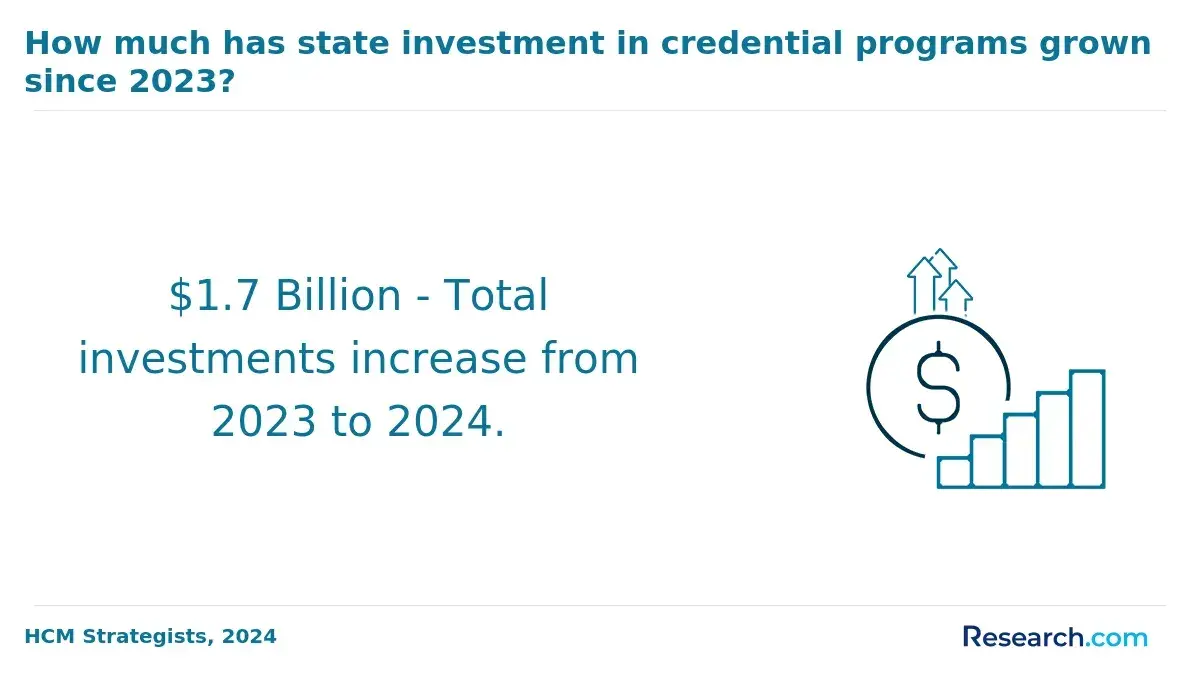
The interplay between tuition costs and return on investment in disability studies programs varies notably across public, private, and nonprofit online institutions, often challenging straightforward cost assumptions. While public programs typically offer tuition rates about 40% lower after financial aid according to 2024 data from the National Center for Education Statistics, this lower sticker price does not automatically ensure better financial outcomes.
For example, students prioritizing local public sector employment may benefit more from affordable public programs that minimize debt without compromising necessary credentials. Yet, some individuals targeting competitive or specialized roles might find that programs with higher tuition at private nonprofits deliver higher graduation rates and enhanced career support that could justify the additional expense despite greater upfront borrowing.
Higher tuition in private nonprofit settings often correlates with stronger institutional support, flexible course options, and networking opportunities that can improve completion statistics-a key driver of long-term ROI. A 2024 study by the Education Data Initiative reported online nonprofit disability studies programs boasting about a 15% higher graduation rate than their public counterparts, which can significantly affect employment prospects and earnings potential.
However, increased borrowing to cover these costs can create financial strain unless the degree's prestige or program quality translates to measurable salary benefits, a factor that varies by region and employer preferences. Students must consider how debt levels, program completion likelihood, and career ambitions align before assuming higher tuition equates to superior value.
In assessing affordability, prospective learners should weigh the reduced financial risk associated with public institutions against the potential advantages of private nonprofit programs' additional resources. Nonprofit online programs often strike a balance but require close scrutiny of graduation outcomes and employment placement beyond sticker price. Ultimately, tuition differences intersect with institutional quality and labor market dynamics, demanding informed decision-making that goes beyond initial costs to encompass debt burden management, employability, and career trajectory over time.
How Do Graduation Rates Influence Disability Studies Program ROI?
Graduation rates in disability studies programs significantly influence perceived return on investment (ROI), but their impact varies between public, private, and nonprofit online institutions due to differences in student demographics and support services. Data from the National Student Clearinghouse Research Center's 2024 report shows public online programs achieve about a 48% completion rate within six years, outperforming many private and nonprofit counterparts that hover near 40%. This gap often reflects variations in academic advising, flexibility for adult learners, and resource allocation rather than inherent program quality, making graduation rates one critical yet incomplete metric in evaluating educational value.
For working professionals and part-time students, who dominate disability studies enrollment, longer time-to-degree paths are common, complicating simplistic ROI calculations tied solely to graduation speed. Programs emphasizing tailored support and accommodating nontraditional pacing can improve completion without quicker graduations, directly affecting lifelong earnings potential and debt burden.
Students weighing institution types should also consider how graduation rates intersect with practical employability, credential relevance, and career trajectory rather than viewing rates as standalone indicators. For those budgeting or exploring options, resources like the cheapest online nursing PhD programs offer insights into cost-effective pathways that balance these factors.
What Role Do Career Outcomes Play in the ROI of a Disability Studies Degree?
Career outcomes critically shape the ROI of disability studies degrees, especially when comparing online programs from public, private, and nonprofit institutions. For instance, public programs show a 78% employment rate within six months of graduation according to 2024 data from the National Center for Education Statistics, slightly lower than the 80% reported by nonprofit providers but higher than private ones at 73%.
This variance underscores how institutional networks, curriculum relevance to workforce expectations, and employer recognition influence real-world value beyond sticker prices. Cost-conscious learners must weigh tradeoffs: public colleges typically offer lower tuition and reduced debt, which can offset modestly lower initial employment figures, whereas nonprofit programs may enhance long-term mobility through leadership opportunities in community-oriented settings.
These differences matter when factoring in program fit within specific local labor markets, where geographic and sectoral demand for disability advocacy or healthcare skills varies widely. Employers increasingly prioritize graduates with applied experience such as internships aligned to industry needs, which some institutions facilitate more effectively. Moreover, ROI calculations can't ignore the interplay between time-to-degree, debt load, and professional affiliations cultivated during study.
Choosing a program that aligns curricular content with evolving hiring criteria in social services or education, while minimizing financial burden, often determines whether the credential translates into sustainable career benefits rather than transient job placement.
One graduate of an online disability studies program shared that initial skepticism about measurable career gains softened after noticing their employer's direct acknowledgment of the degree during performance reviews. Though the salary bump was modest, the credential opened doors to internal project leadership and expanded their role beyond entry-level expectations. This individual valued the expanded professional network and practical skill application more than immediate income increases, highlighting that assessing ROI often requires looking past upfront costs and focusing on incremental career advancements and employer credibility over time.
How Does Student Debt Impact the Long-Term ROI of a Disability Studies Program?
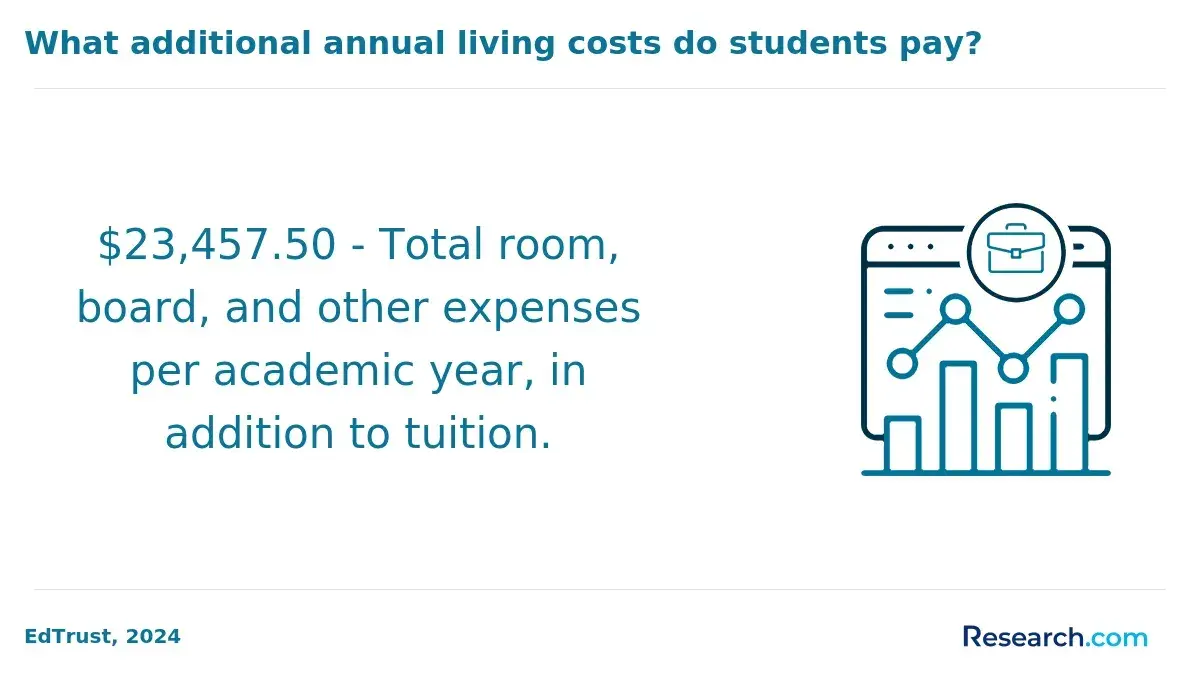
Higher student debt in disability studies programs, particularly from private institutions where average borrowing can be 40% greater than public counterparts, directly influences long-term ROI by constraining financial flexibility post-graduation. For example, a graduate from a private nonprofit program might face increased repayment obligations while navigating uneven job placement rates that do not always justify the upfront investment.
Balancing the cost with expected career advancement requires careful scrutiny of completion rates and employment outcomes since nonprofit graduates tend to have modestly higher six-year graduation rates but may not consistently realize salary premiums sufficient to offset elevated debt burdens.
Students examining the impact of student loan burden on disability studies career outcomes should weigh the tradeoffs between lower debt loads common in public online programs and the potentially richer resources or networks offered by private or nonprofit schools. Public programs often provide better state or federal aid access, reducing initial borrowing and long-term financial stress, but may come with fewer specialized supports, affecting job market competitiveness.
Considering program affordability alongside student support services and graduation timelines is critical, especially since private college borrowers demonstrate a 12% higher chance of default within five years. Prospective students must also factor in flexible enrollment options often found in disability studies programs and compare these metrics to other fields like exercise science degrees online to evaluate opportunity costs and career fit in their financial planning.
How Do Flexibility and Adult Learner Support Affect Disability Studies Program Value?
Flexibility combined with targeted adult learner support significantly shapes the value proposition of disability studies programs, especially for students managing work, family, or other commitments. Programs offering asynchronous coursework and part-time enrollment often enable students to persist and complete degrees more efficiently, as evidenced by a 20% higher retention rate reported by the National Center for Education Statistics in 2024. However, flexibility alone cannot compensate for insufficient academic advising or career services, which are critical in navigating transfer credits, military accommodations, and workforce alignment-areas where gaps can extend time-to-degree and increase overall costs.
Public institutions tend to provide broader financial support and more seamless credit transfer options, benefiting those prioritizing affordability and minimizing debt, while nonprofit programs may deliver more specialized advising but often with fewer part-time pathways. Private schools frequently invest in advanced technology platforms and employer networking but typically at higher tuition rates and with less generous credit mobility.
Adult learners must weigh whether enhanced support and networking justify the premium, especially given that robust advising correlates with a 15% improvement in employment outcomes within six months post-graduation according to the Adult Learner Success Initiative. Ultimately, the long-term return on investment hinges on the interplay between scheduling flexibility and comprehensive services that prevent attrition and promote timely degree completion aligned with labor market demands.
How Do Accreditation and Institutional Reputation Influence Disability Studies ROI?
The return on investment (ROI) of an online disability studies program hinges significantly on accreditation status and institutional reputation, which together shape both immediate and long-term career prospects. Regional accreditation remains a key benchmark, ensuring credits are transferable and federal financial aid is accessible; this directly impacts affordability and debt burden. For example, a 2024 survey by the National Center for Education Statistics revealed graduates from regionally accredited schools had a 15% higher likelihood of employment within their field, emphasizing that accreditation can materially influence job market outcomes.
Institutional reputation often correlates with pedagogical rigor and student support quality, factors employers weigh alongside accreditation. Public universities and established nonprofit institutions frequently demonstrate higher graduation rates and structured licensure pathways, reinforcing degree value in sectors requiring formal credentials.
Conversely, some private online programs may offer greater scheduling flexibility and specialized curriculum tailored to working adults, though they can vary widely in employer recognition and support services, which affects ROI. Prospective students must weigh these tradeoffs alongside tuition costs and their career goals, especially considering how reputable programs can mitigate long-term financial risks by facilitating smoother transitions into relevant employment or graduate study.
How Does Time-to-Degree Affect the ROI of Public, Private, and Nonprofit Disability Studies Programs?
The return on investment (ROI) for disability studies programs hinges significantly on time-to-degree, with variations across public, private, and nonprofit online institutions translating directly into differing financial and career outcomes. For example, public programs with structured two-to-four-year timelines generally offer more predictable tuition exposure and higher graduation rates, creating a balanced cost-benefit scenario for students who can commit full-time.
In contrast, private institutions frequently promote accelerated pathways completing within 18 to 24 months, which may reduce opportunity costs but often come with higher tuition and potentially increased debt burden, challenging the assumption that faster completion always produces better ROI. Transfer credits, part-time enrollment, and program flexibility further complicate these calculations by impacting how quickly students finish and re-enter the workforce.
Nonprofit online disability studies programs typically serve part-time students managing work and family, extending the time-to-degree beyond four years but offering greater flexibility and persistence rates that mitigate dropout risks. These longer timelines heighten direct and indirect costs like delayed career advancement or increased debt, yet they can preserve educational value where retention and depth of learning matter.
Prospective students weighing comparative ROI by institution type in disability studies online programs must account for these tradeoffs, as the fastest path may not match the best financial or practical outcome. Additionally, assessing expected earnings after graduation-including factors like regional differences shown in DNP salary by state reports-can guide decisions about balancing time-to-degree and program affordability to maximize long-term career potential.
How Can You Choose the Best Disability Studies Program Based on Your ROI Goals?
The best return on investment in a disability studies program hinges on individual priorities more than on whether the institution is public, private, or nonprofit. Public programs generally offer lower tuition-40-60% less annually according to the National Center for Education Statistics-making them attractive for students focused on minimizing upfront costs and debt.
However, nonprofit and private institutions often report higher graduation and retention rates, which can shorten time-to-degree and decrease the total cost of attendance over time. These differences affect ROI significantly and should be weighed alongside factors like financial aid availability, hidden fees, and the quality of learner support services that help working adults and transfer students maintain balance.
Employer recognition increasingly favors accredited programs with strong reputations and connections to government or nonprofit sectors, seen more frequently in public and nonprofit institutions. Students aiming for specific career networks or comprehensive placement assistance might prioritize these factors over cost alone. Time-to-degree expectations and personal circumstances-such as current employment, family obligations, or targeted career outcomes-also shape how ROI should be calculated.
For cost-conscious learners evaluating multiple options, understanding these tradeoffs is crucial in choosing the best online disability studies program for ROI. For a thorough comparison relevant to healthcare and allied fields, consider exploring the online CAHIIM accredited health information management degree offerings as a benchmark for program quality and workforce alignment.
References
- 13. The role of University education in employment and other outcomes for people with intellectual disability https://www.everyonecanwork.org.au/resources/evidence/13-the-role-of-university-education-in-employment-and-other-outcomes-for-people-with-intellectual-disability/
- Flexible Online Education for Students with Disabilities | UMGC https://www.umgc.edu/blog/flexible-education-students-disabilities
- Disability Studies: Is it the Field for You? https://enablingdevices.com/blog/disability-studies-is-it-the-field-for-you/
- How to Measure ROI of Tuition Assistance Programs https://www.bisk.com/insights/measuring-the-benefit-from-your-investment-in-tuition-assistance-programs
- The Economics of Accreditation: Costs, Benefits, ROI - Course Accreditation https://course-accreditation.com/blog/the-economics-of-accreditation-costs-benefits-roi/
- Improving Graduation Rates with The GRAD Partnership - National Center for Learning Disabilities https://ncld.org/improving-graduation-rates-with-the-grad-partnership/
- Disability and Higher Education: Insights for Campus Administrators https://www.higheredtoday.org/2024/08/12/disability-insights-for-campus-administrators/
- The Effects of Rising Student Costs in Higher Education - Ithaka S+R https://sr.ithaka.org/publications/the-effects-of-rising-student-costs-in-higher-education/
- Disability, Assistive Technology & Higher Education | Genio https://genio.co/blog/disability-assistive-technology-higher-education-myths-facts-stats
- View of Evaluating University Degree Programs Regarding the Effective Use of Public and Private Funding https://www.econjournals.com/index.php/irmm/article/view/3307/pdf
Other Things You Should Know About Disability Studies
Public institutions often offer more standardized, credit-heavy curricula with a slower pace and in-depth theoretical frameworks, which may extend your time commitment but provide comprehensive coverage. Private programs, in contrast, frequently emphasize accelerated formats and practice-oriented coursework but might demand intense workloads over shorter periods, making time management critical. Nonprofit providers tend to balance these approaches but can vary widely in depth and pacing. Choosing a program thus requires weighing your capacity for workload intensity against the desire for curricular depth and flexibility.
Employers familiar with disability studies often lean toward public institution credentials for their perceived rigor and broader academic resources, potentially making these degrees more recognized in traditional academic or policy settings. However, private programs with strong industry ties can offer specialized skills prized in nonprofit and advocacy sectors, sometimes outweighing institutional prestige. Nonprofit programs that curate experiential learning frequently appeal to employers valuing applied expertise over formal reputation. Prospective students should align their program choice with the sectors where they intend to work to optimize employability.
Cost savings at public universities often deliver clear upfront financial benefits, reducing debt and enhancing ROI, especially for students mindful of fiscal constraints. However, private and nonprofit programs sometimes offer smaller but more engaged alumni networks with connections concentrated in niche advocacy or service sectors, which can be invaluable for career advancement. Prioritizing cost should not exclude evaluating networking opportunities critical to job placement. For many, public programs are preferred for affordability, but aligning networking needs with career goals may justify investing in private or nonprofit options.
Programs that emphasize practical skills and applied knowledge better prepare graduates for immediate employment in service delivery, advocacy, and program management roles, providing concrete tools sought by employers. In contrast, theory-heavy curricula may limit short-term job readiness but benefit those targeting research, academia, or policy development roles, where critical analysis is key. Long-term career adaptability depends on your career trajectory; if focused on frontline roles, prioritize programs with robust applied training, but if pursuing scholarly or policy careers, programs stressing theory can offer durable value.