2027 Computer Science Admissions Trends Report: Acceptance Rates, GPA Expectations, and Test Policy Changes

Co-Founder and Chief Data Scientist
Computer science admissions reflect evolving intersections between academic rigor and labor market demands, shaping how institutions balance enrollment capacity with workforce preparation. As fields like artificial intelligence and cybersecurity expand, programs must reconcile burgeoning applicant pools with limited faculty and facility resources, influencing acceptance rates and prerequisite standards.
In 2024, testing-policy shifts-such as the ongoing reduction in standardized test requirements-underscore a reevaluation of traditional metrics amid diverse candidate backgrounds and accelerated online learning paths. Enrollment trends also reveal an expanding age range among entrants, suggesting increased mid-career transitions and a demand for flexible access that reshape educational structures and future talent pipelines in computer science.
Key Things to Know About Computer Science Admissions Trends
- Computer science acceptance rates have tightened post-pandemic, with top programs seeing under 10% admit rates, reflecting intensified competition and forcing applicants to strategically bolster non-GPA credentials.
- Average admitted GPA benchmarks near 3.7 nationwide indicate high academic standards, but employers increasingly prioritize project portfolios, signaling a shift toward skills demonstration over nominal grades.
- Widespread adoption of test-optional policies since 2023 reduces upfront cost barriers but shifts evaluative weight onto essays and recommendations, complicating timing and preparation for transfer applicants.
- Key Things to Know About Computer Science Admissions Trends Key Things to Know About Computer Science Admissions Trends
- What Are the Current Acceptance Rates for Computer Science Degree Programs? Current Acceptance Rates
- What Is the Average GPA of Accepted Computer Science Students? GPA Requirement
- Are SAT or ACT Scores Still Required for Computer Science Degree Programs? SAT/ACT Requirement
- How Many Computer Science Programs Have Adopted Test-Optional Admissions Policies? Test-Optional Programs
- What Non-Academic Factors Do Computer Science Admissions Committees Consider? What Non-Academic Factors Do Computer Science Admissions Committees Consider?
- Which Types of Schools Are the Most Selective for Computer Science Applicants? Which Types of Schools Are the Most Selective for Computer Science Applicants?
- How Do Admissions Standards Differ Across States and Regions? Admission Standards by State
- How Do Admissions Requirements Compare Between Online and Campus Programs? Online vs On-Campus Admissions
- Is There a Relationship Between Admissions Standards and Student Success? Admission Standards & Student Success
- How Can Students Strengthen a Computer Science Program Application? Program Application Preparation
What Are the Current Acceptance Rates for Computer Science Degree Programs?
Recent data from sources such as the U.S. Department of Education's College Scorecard and NCES indicate that acceptance rates for computer science degree programs in the United States vary significantly based on institutional type and selectivity. At elite research universities, acceptance rates often fall below 20%, with some programs reporting rates near or under 10%, reflecting intense competition. Public universities with moderately selective computer science majors typically admit between 30% and 50% of applicants, balancing demand and capacity differently across regions.
Meanwhile, community colleges offering associate degrees or transfer pathways into computer science maintain acceptance rates above 70%, highlighting open-access policies designed to broaden participation, particularly for students aiming to transfer into four-year programs. This variability illustrates the complex landscape of average acceptance rates for top computer science programs by region and institutional classification.
The divergence in acceptance rates stems from multiple factors including institutional prestige, program capacity constraints, and applicant volume driven by strong industry demand for technology skills. Highly selective schools often prioritize applicants with competitive GPAs above 3.7 and carefully consider standardized test scores despite increasing test-optional policies, underscoring the need for exceptional academic preparation.
Public institutions tend to set more accessible GPA thresholds around 3.0 but still enforce rigorous foundational requirements in math and science to maintain program quality. Online associate degree offerings have expanded access further, providing flexible, cost-efficient routes for many students entering the tech workforce; prospective learners can explore options like an online associate degree to develop relevant skills in compressed timeframes.
These admission patterns reflect broader trends in competitiveness and practical tradeoffs for students weighing program choice. Lower acceptance rates at prestigious universities signal heightened competition and potential benefit from brand recognition, whereas mid-tier programs can offer a balance between selectivity and likelihood of admission.
Transfer pathways via community colleges provide an alternative with lower upfront barriers, though selectivity intensifies at four-year transfer points. Understanding these dynamics is crucial for applicants, academic advisors, and education researchers focused on how enrollment demand, institutional capacity, and program quality interplay to shape access and outcomes in computer science education today.
What Is the Average GPA of Accepted Computer Science Students?
Recent admissions data from institutional reports and Department of Education datasets for 2023-2024 show that the average GPA for accepted computer science students in the US commonly falls between 3.5 and 3.9. Top-tier programs, especially at research universities with strong engineering faculties, often report averages near or above 3.8, underscoring stringent academic readiness standards.
This reflects a candidate pool that exhibits not only high overall academic performance but also strong preparation in prerequisite coursework relevant to computer science. Variations around these averages highlight the competitive selectivity inherent in many bachelor's and master's programs in this field.
The typical GPA requirements for competitive computer science programs vary significantly across institution types and geographic regions, influenced by differences in enrollment scale, grading practices, and applicant pools. Public universities with large capacities tend to admit students with GPA averages closer to 3.5-3.7, balancing access with competitiveness, whereas highly selective private institutions maintain averages around 3.9 due to limited class sizes and increased demand.
Transfer applicants often face specialized GPA thresholds anchored in their relevant course performance, emphasizing mastery in foundational skills over broad GPA measures. Such institutional dynamics reveal how GPA serves not just as a cutoff but as a nuanced signal of student quality adjusted for background and program rigor.
These GPA benchmarks shape applicant behavior by encouraging targeted academic preparation and strategic self-assessment relative to program competitiveness. Because many admissions committees weigh project portfolios and test-optional policies alongside GPA, applicants must contextualize their academic metrics within a broader profile of technical and extracurricular achievements.
Prospective students navigating the landscape of computer science admissions, including those considering less conventional pathways such as accredited criminal justice degree online accredited options, should understand that GPA is one critical factor among several that influence competitiveness and admission outcomes.
Are SAT or ACT Scores Still Required for Computer Science Degree Programs?
As of 2024, a significant number of universities offering computer science programs, including many within public systems like the University of California and private research institutions, have adopted test-optional policies that no longer require SAT or ACT scores for admission. Applicants may still submit scores if they believe these enhance their applications, but high school GPA, course rigor, and relevant experience typically hold greater weight in admissions decisions.
Where scores are submitted, they often serve as one piece in a multi-factor review rather than a determinative criterion, reflecting shifts toward more holistic evaluation models. This trend aligns with data from educational policy reports indicating a sustained decline in mandatory standardized testing in STEM-related programs, emphasizing other academic and experiential indicators instead.
The expanding adoption of test-optional admission reflects broader considerations, including efforts to reduce inequities related to standardized testing access and performance disparities across socioeconomic groups. Institutions also balance maintaining competitive rankings with evolving state mandates and student diversity goals, leading to nuanced variations where some selective programs retain score consideration for scholarships or additional screening.
Public universities face different pressures than private or highly selective schools, with the latter sometimes using test data more selectively to differentiate applicants amid intense competition. Ultimately, evolving institutional strategies reveal tensions between traditional, quantifiable admissions measures and newer priorities emphasizing equity, comprehensive academic records, and practical skills relevant to computer science fields.
How Many Computer Science Programs Have Adopted Test-Optional Admissions Policies?
Recent data from organizations such as FairTest and the College Board, supported by National Center for Education Statistics reports, indicate that between 60% and 70% of U.S. institutions offering Computer Science degrees have adopted test-optional admissions policies as of 2024. This majority includes a mix of research-intensive universities and public institutions, with many competitive programs now placing less emphasis on standardized tests like the SAT and ACT in their evaluations. The shift reflects a recognizable trend in higher education where standardized testing is no longer viewed as a definitive predictor of student success, especially within STEM disciplines.
Several critical factors have accelerated this trend, chief among them equity concerns highlighted during and after the COVID-19 pandemic, which exposed disparities in test access and administration. Institutions reevaluated the fairness and utility of testing requirements, aligning admissions with broader diversity and inclusion goals.
At the same time, growing evidence demonstrating limited correlation between test scores and actual academic performance in Computer Science has led schools to emphasize holistic review processes centered on GPA, rigor of coursework, and other qualitative factors. Competition among colleges to attract diverse, prepared applicants has also encouraged flexible admissions criteria to broaden applicant pools without compromising academic standards.
The expansion of test-optional policies has nuanced implications for both applicants and institutions. While increasing application volumes due to lower barriers can enhance institutional selectivity metrics, students must navigate more complex decisions about when submitting test scores might strengthen borderline applications or scholarship eligibility.
Advisors and families are tasked with strategic planning around test submissions, especially for highly selective programs where recommendations may still favor scores. Overall, the move toward test-optional admissions in Computer Science signals a recalibration of traditional measures of merit, privileging a more comprehensive assessment of student potential that reflects evolving industry and academic expectations.
What Non-Academic Factors Do Computer Science Admissions Committees Consider?
Computer science admissions increasingly rely on holistic review processes that integrate both traditional academic metrics and a broad spectrum of non-academic evaluation criteria for computer science admissions. This approach aims to assess a candidate's broader potential beyond grades and standardized test scores, recognizing that technical aptitude combined with practical skills and personal qualities often better predicts success in the field.
Admissions committees use non-academic factors to gauge how applicants might contribute to the intellectual diversity, culture, and collaborative environment of their programs.
- Extracurricular Engagement: Participation in programming clubs, hackathons, internships, or open-source projects signals applied learning and problem-solving skills. Admissions officers interpret this involvement as evidence of genuine commitment and real-world exposure, which complements academic performance by demonstrating initiative and adaptability.
- Leadership and Teamwork: Roles in student organizations or tech-related volunteer efforts offer insight into communication and collaboration abilities. Since software development is inherently collaborative, committees value applicants who show proven capacity to lead, persist through challenges, and work effectively within teams, important indicators that often outweigh modest academic fluctuations.
- Personal Statements and Essays: Narrative responses allow applicants to articulate motivation, contextual background, and alignment with program values. Revising beyond test scores, approximately 48% of programs weigh essay content to differentiate candidates with strong determination or unique perspectives, underscoring the weight of qualitative assessments in admissions.
- Recommendation Letters: Endorsements from mentors or supervisors provide third-party validation of soft skills, work ethic, and growth potential. These letters often shed light on applicant traits not captured by GPA alone, such as creativity and resilience, contributing to a richer evaluative portrait.
- Demographic and Socioeconomic Context: Holistic policies increasingly incorporate factors such as first-generation college status or under-resourced schooling. Recognizing that excellence arises amidst varied opportunity landscapes supports equitable access and prioritizes resilience, enriching cohorts with diverse problem-solving approaches and life experiences.
Data from the National Center for Education Statistics confirms that nearly 63% of leading computer science programs weigh extracurricular activities and personal essays heavily in their decisions, signifying a sustained shift toward holistic admissions models. This emphasis aligns with employer expectations prioritizing both technical proficiency and interpersonal skills. Students preparing applications should consider how to integrate these elements thoughtfully, balancing academic achievement with demonstrated engagement and personal context.
Those exploring pathways or transfer options should remain mindful of the nuanced interplay between these criteria, understanding that institutional fit and cohort composition strategies influence which non-academic factors carry more weight. For students balancing diverse interests, resources like online masters in communications can supplement technical education with critical communication competencies valued in interdisciplinary environments.
Which Types of Schools Are the Most Selective for Computer Science Applicants?
Admissions to computer science programs vary widely in competitiveness depending on institutional factors that go beyond surface-level rankings. Selectivity is shaped by how many applicants seek limited spots, the funding environment supporting program growth, and a school's capacity to serve specialized, research-driven cohorts.
Understanding these dynamics helps clarify why certain categories of colleges impose stricter admissions filters than others.
- Research-Intensive Universities (R1 Level): These institutions experience intense applicant volume driven by strong reputations in technology and science. With considerable funding and state-of-the-art labs, they maintain rigorous admissions policies to preserve program quality, resulting in acceptance rates often below 15% for computer science majors.
- Elite Private Universities: High demand combined with limited enrollment slots at these selective private schools pushes acceptance rates downward. Their faculty prominence and research opportunities attract candidates with exceptional academic records, making admission highly competitive compared to regional or less research-focused schools.
- Flagship Public Universities: While generally less selective than elite privates, top public flagships still limit admissions to keep programs manageable amidst growing regional demand. Their acceptance rates for computer science often hover between 20% and 30%, reflecting a balance between accessibility and quality control.
- Regional Public Universities and Community Colleges: These institutions tend to have much higher acceptance rates-frequently exceeding 50%-as they serve broader, more diverse student populations. Many offer viable transfer pathways and focus on providing accessible education rather than filtering for narrowly defined academic profiles.
- Emerging Technology and Interdisciplinary Programs: Schools prioritizing innovation sometimes relax strict admissions criteria to encourage diverse entrants and foster novel approaches in expanding fields. This slightly lowers barriers compared to traditional computer science tracks while addressing workforce needs in evolving tech sectors.
According to the National Center for Education Statistics in 2024, these enrollment patterns correspond directly to how institutions allocate resources and weigh demand against program capacity.
The most selective computer science programs limit access to protect educational rigor and maintain their brand, while others prioritize inclusivity and regional workforce development opportunities. Prospective students should weigh these factors carefully when assessing fit and realistic admission chances.
How Do Admissions Standards Differ Across States and Regions?
Admissions standards for computer science programs vary widely across U.S. states and regions, reflecting pronounced differences in institutional priorities and resource allocation. Data from 2024 National Center for Education Statistics and state university systems indicate that selective regions with significant tech industries, such as the Northeast and West Coast, sustain higher GPA thresholds and more demanding academic prerequisites, often paired with acceptance rates below 25%.
In contrast, many Southern and Midwestern states maintain broader admissions criteria, with average GPA expectations around 3.0 to 3.5 and acceptance rates frequently exceeding 40%, emphasizing a broader evaluation of applicant potential rather than purely academic metrics. These divergences mirror ongoing trends in test policies as well, with some Western universities opting for test-optional admissions in computer science, while institutions in other regions still incorporate standardized test scores to offset inconsistencies in GPA reporting.
The underlying causes of these disparities stem from complex interactions among state-level education funding, regional labor market demands, and demographic patterns. States with dense urban hubs and established tech ecosystems allocate more funding to flagship public universities, which in turn raise enrollment standards to manage high applicant volumes and maintain program quality aligned with employer expectations.
Conversely, areas with more rural or less economically concentrated populations face different pressures, often prioritizing inclusivity and broader access while balancing limited institutional capacity. These variations also reflect contrasting workforce needs; regions with robust demand for advanced tech skills incentivize competitive screening to better align graduates with industry requirements, whereas regions with emerging or diversified economies may adopt more flexible admissions frameworks to respond to a wider range of local employment sectors.
How Do Admissions Requirements Compare Between Online and Campus Programs?
Admissions requirements for online and campus computer science programs differ significantly due to their distinct educational aims and student demographics. Campus programs generally uphold stricter criteria, including higher GPA thresholds, competitive standardized test scores, and completion of rigorous prerequisites, reflecting their traditional, selective admission models. In contrast, many online programs adopt more flexible admissions policies, often lowering GPA expectations and frequently waiving test requirements following widespread test-optional policy shifts in 2023 and 2024.
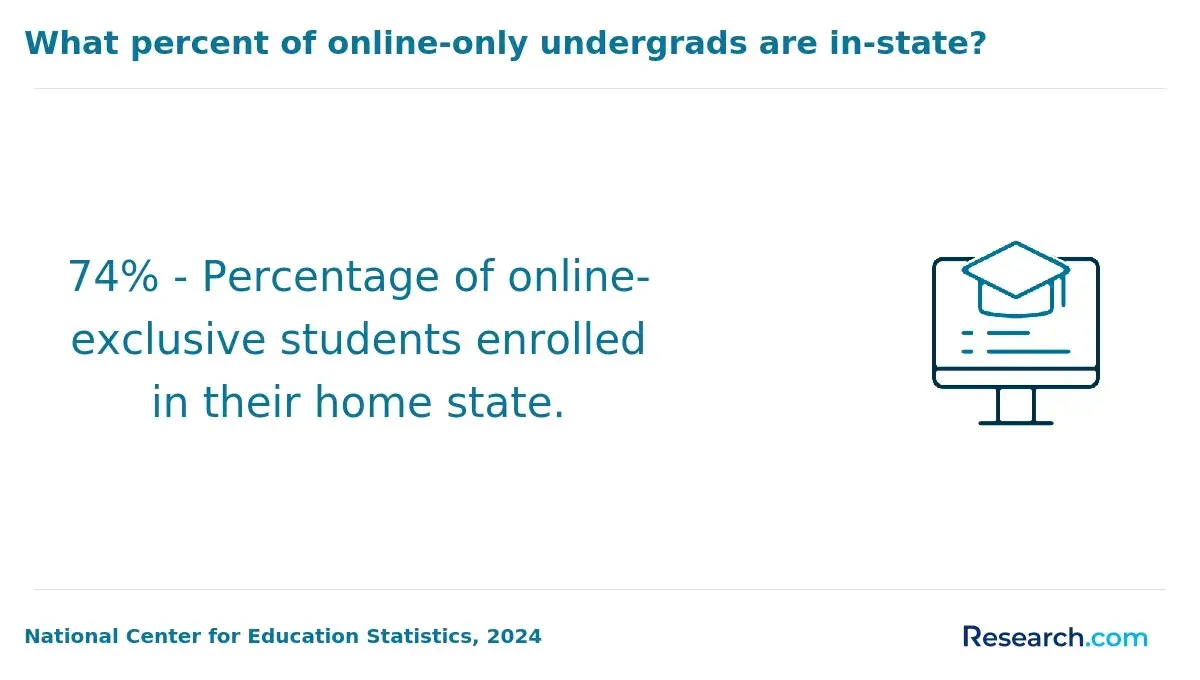
This flexibility serves to broaden accessibility for working adults and non-traditional students, a key factor distinguishing online from campus computer science program admissions standards. According to recent enrollment data, selective campus departments commonly report acceptance rates below 20%, whereas online programs often exceed 50%, illustrating notable differences in scale and selectivity.
The divergence in admissions is driven largely by institutional goals around accessibility and scalability. Online computer science programs prioritize accommodating diverse academic backgrounds and varying levels of prior preparation, sometimes substituting professional experience for formal academic metrics, particularly at the graduate level.
Campus programs maintain depth of prior academic preparation, often requiring advanced coursework like calculus or discrete math. These decisions are informed by differing support structures and pedagogical models, where online programs emphasize flexible entry points and continuous learner engagement, while campus programs focus on intensive academic rigor upfront. This dynamic reflects evolving higher education landscapes and targeted outreach to distinct student populations.
These admissions distinctions influence enrollment patterns and shape how program rigor and value are perceived. While some stakeholders question whether increased accessibility impacts academic standards, many employers assess candidates by demonstrated skills through portfolios or coding assessments rather than purely academic indicators.
Applicants should weigh these factors carefully, recognizing that institutional policies and delivery modes affect not only entry barriers but also alignment with long-term technical competence and career trajectories. For those curious about alternative credentialing methods, exploring what is a competency based masters degree may offer additional insight into evolving graduate pathways.
Is There a Relationship Between Admissions Standards and Student Success?
Recent evidence from the National Center for Education Statistics in 2024 indicates that higher admissions standards in computer science programs-such as average admitted GPA thresholds above 3.5-correlate with improved first-year retention rates. However, this advantage often plateaus and does not guarantee stronger outcomes in later stages of study or career readiness.
Notably, programs with excessively strict GPA cutoffs may filter out students whose practical skills and problem-solving abilities are not fully reflected by grades alone, complicating the simple notion that stricter admissions always lead to greater student success. Understanding the impact of stricter computer science admissions criteria on academic outcomes requires looking beyond GPA to assess how admissions practices affect diversity, persistence, and innovation potential across cohorts.
The relationship between admissions standards and student success is further complicated by variables such as student demographics, the availability of academic support services, and institutional funding models. Programs with robust tutoring, mentoring, and experiential learning opportunities can offset challenges faced by less-selective cohorts, while highly selective programs may receive more resources but risk homogenizing their student body.
Additionally, curriculum design and graduation requirements influence outcomes independently of entrance criteria. Such factors underscore that admissions policies intersect with broader institutional effectiveness measures rather than acting as isolated predictors of success in computer science education.
For prospective students, this complexity means that admissions selectivity alone is an insufficient marker of program quality or career trajectory. Employers increasingly emphasize experiential skills and interdisciplinary problem-solving rather than GPA or test scores alone. Policies like test-optional admissions that broaden access without harming graduation or employment rates illustrate a shift toward more holistic evaluation.
Students aiming to become competitive in technology fields-including roles like that of what is an AI trainer-benefit from considering how admissions standards align with practical preparedness and institutional support rather than focusing solely on prestige or selectivity.
How Can Students Strengthen a Computer Science Program Application?
Successful computer science applications arise from integrating strong academic preparation, relevant practical experiences, and clear evidence of alignment with the program's objectives. Admissions committees actively seek a profile demonstrating not just minimum qualifications but genuine readiness and long-term potential. Evaluators weigh how applicants present problem-solving capabilities, technical adaptability, and fit within increasingly competitive and holistic review frameworks.
These factors often outweigh isolated metrics like GPA or test scores, reflecting evolving admissions criteria observed in 2024 higher education analyses.
- Demonstrate Advanced STEM Coursework: Rigorous mathematics and programming classes signal academic resilience and intellectual curiosity. Admissions officers interpret high achievement in challenging courses as evidence of an applicant's capacity to handle program rigor, which helps differentiate candidates in selective applicant pools.
- Build a Practical Portfolio: Personal coding projects or open-source contributions provide concrete proof of technical skills and problem-solving aptitude. Such portfolios illustrate readiness for hands-on coursework and are valued for showing sustained commitment beyond classroom learning.
- Gain Real-World Experience: Internships or work experiences in technology-related environments highlight adaptability, professional maturity, and exposure to industry practices. Admissions committees consider this experience indicative of a candidate's potential to contribute meaningfully in team settings and complex projects.
- Engage in Competitive or Collaborative Events: Participation in hackathons, coding competitions, or STEM clubs demonstrates initiative and community involvement. These activities strengthen applications by showcasing leadership, teamwork, and passion, traits that admissions panels increasingly value as holistic indicators.
- Secure Detailed Recommendations and Craft Thoughtful Statements: Letters framing a candidate's technical competence and work ethic provide contextual depth that numeric indicators cannot capture. Meanwhile, personal statements connecting experiences to future goals help admissions readers assess motivation and long-range commitment, essential for programs aiming to admit students likely to succeed and persist.
References:
- How to Study for Computer Science Courses https://www.computerscience.org/resources/online-class-tips/
- Building skills for life: How to expand and improve computer science education around the world | Brookings https://www.brookings.edu/articles/building-skills-for-life-how-to-expand-and-improve-computer-science-education-around-the-world/
- RUC Repository :: Login https://ruc.udc.es/bitstreams/81e0e380-9fde-4f56-85d7-60e44c7d93bb/download
- The Return of Standardized Testing: Which Top Colleges Require SAT/ACT https://orieladmissions.com/colleges-require-sat-act/
- Which Colleges Are Test Optional in 2025-2026? | Ivy Coach https://www.ivycoach.com/the-ivy-coach-blog/standardized-testing/test-optional-colleges-list/
- Is a Computer Science Degree Still Worth the Debt?, with Ron Lieber https://podcasts.apple.com/ie/podcast/is-a-computer-science-degree-still-worth-the-debt/id1079598542
- Best Colleges For Computer Science https://schoolauthority.org/l/best-colleges-for-computer-science
- 10 Pro-Tips for Incoming Computer Science Students in 2020 https://dev.to/spencerpauly/10-pro-tips-for-incoming-computer-science-students-in-2020-2l3c
- Best Colleges for Computer Science Degrees https://ingeniusprep.com/blog/best-colleges-for-computer-science/
- Computer science - WSEI University https://www.wsei.pl/en/admission/engineer-degree/computer-science-bachelor-degree/
Other Things You Should Know About Computer Science
Transfer applicants often face tension between maintaining a competitive GPA and demonstrating completion of challenging coursework. Admissions committees prioritize evidence of technical competence and readiness for advanced computer science topics over marginal GPA differences. This means transfer students with slightly lower GPAs but stronger technical foundation or project experience may fare better, especially if they aim for programs emphasizing practical skills. Focusing solely on GPA without relevant coursework can undercut admission prospects and slow progress once enrolled.
Test-optional policies reduce reliance on standardized scores but increase emphasis on other indicators like GPA trends, project portfolios, and letters of recommendation. For computer science, this shifts admissions toward evaluating sustained academic performance and demonstrated coding aptitude rather than one-off test results. However, this can introduce uncertainty since applicants from less rigorous schools might struggle to signal readiness. Programs that value project work or competitions may provide better alternative markers of potential success under test-optional frameworks.
With acceptance rates tightening, applicants must strategically balance showing depth in computer science fundamentals and breadth through interdisciplinary exposure. Specialization in areas like AI or cybersecurity can differentiate candidates when paired with strong academic records. Yet overly narrow focus risks missing the evolving demands of employers seeking versatile skill sets. Prioritizing a robust foundational knowledge while highlighting select specialized skills improves adaptability to both admissions scrutiny and shifting job market needs.
Admissions pressures leading to higher GPA expectations and test-optional policies may affect cohort composition and skill diversity. Graduates from programs admitting students based mainly on GPA might face skill gaps if practical experience was underweighted, impacting employer readiness. Conversely, holistic admissions that balance academics with demonstrated projects or internships tend to produce graduates with stronger problem-solving and teamwork skills, which align better with industry demands. Applicants should consider how a program's admissions criteria correlate with post-graduation employability metrics when choosing where to apply.