2027 Computer Science Degree Oversupply or Undersupply? Student Volume vs Employer Demand

Co-Founder and Chief Data Scientist
A prospective student deciding whether to pursue a computer science degree faces a critical question: does the rising number of graduates match the actual demand from employers? In 2024, U. S. universities produced roughly 88,000 computer science graduates, yet the Bureau of Labor Statistics projects only a 15% job growth rate through 2030, creating geographic and skill mismatches that vary widely by region and specialization.
This imbalance influences degree value by intensifying competition in saturated markets while leaving some areas with persistent talent shortages. Understanding these dynamics is essential for avoiding underemployment and making informed career and educational choices. This article compares computer science student volume with employer demand, job growth, industry needs, regional conditions, and skill gaps to clarify whether the field offers sustainable opportunities or rising competition.
Key Things to Know About Computer Science Graduate Supply and Employer Demand
- Graduate output in computer science surged 12% nationwide in 2023, outpacing entry-level job growth; this tradeoff risks saturating regional markets and pressuring skill specialization for employment.
- Employer surveys reveal heightened demand for niche expertise like cybersecurity and AI, signaling that broad generalist degrees may face misalignment with recruitment priorities.
- Lengthy, costly degree pathways can deter timely workforce entry; as delayed graduation inflates applicant pools, hiring managers increasingly prioritize practical experience over credentials alone.
- Key Things to Know About Computer Science Graduate Supply and Employer Demand Key Things to Know About Computer Science Graduate Supply and Employer Demand
- Is There an Oversupply or Undersupply of Computer Science Graduates? Graduate Oversupply or Shortage
- How is Computer Science Degree Enrollment Changing? Degree Enrollment Trends
- How Many Computer Science Graduates Enter the Workforce Each Year? Annual Graduate Workforce Entry
- Does Job Growth Support the Rising Supply of Computer Science Graduates? Job Growth Versus Supply
- How Competitive is the Entry-Level Market for Computer Science Graduates? Entry-Level Market Competition
- Which Industries Have the Greatest Demand for Computer Science Graduates? Top Hiring Industries
- Where are Computer Science Graduates Most in Demand? Top Geographic Demand
- Which Computer Science Specializations and Degree Levels Face the Strongest Demand? Which Computer Science Specializations and Degree Levels Face the Strongest Demand?
- Are Employer Skill Gaps Affecting Demand for Computer Science Graduates? Are Employer Skill Gaps Affecting Demand for Computer Science Graduates?
- What is the Future Supply-and-Demand Outlook for Computer Science Graduates? Future Supply-Demand Outlook
Is There an Oversupply or Undersupply of Computer Science Graduates?
The national increase in computer science graduate supply does not uniformly translate into sufficient employer demand across the board, resulting in nuanced regional and specialization-driven imbalances. While enrollment growth has been robust, particularly reflected in higher degree completions, this influx often exceeds the number of entry-level positions available in less tech-centric regions, intensifying competition among graduates. For example, metropolitan areas like San Francisco and Austin continue to exhibit strong employer demand and relatively manageable applicant pools, whereas smaller markets face a degree of oversupply, forcing candidates either to accept lower-tier roles or to relocate. Such geographic disparities highlight that prospective students must weigh local labor market dynamics alongside broader enrollment trends when interpreting computer science graduate supply and employer demand analysis.
Specialized skills remain a critical dividing line within this landscape, as employers increasingly seek advanced credentials and experience in fields like artificial intelligence, cybersecurity, and data science, which continue to show pockets of undersupply despite growing graduate numbers. The mismatch between credential levels and employer requirements, especially where many roles now prefer master's or doctoral qualifications, further complicates the simple graduate-to-job comparison. This creates a situation where a market may appear oversupplied in generalist software development but undersupplied in niche, technically demanding roles.
For those evaluating pathways, understanding how advanced degrees intersect with practical demand is pivotal, as seen in comparisons made between broad computer science enrollment versus specific regional computer science student enrollment versus job market realities. For professionals considering graduate studies, options such as online speech pathology programs masters exemplify the growing importance of aligning education closely with clear, market-driven skill demands beyond generic degree volume metrics.
How is Computer Science Degree Enrollment Changing?
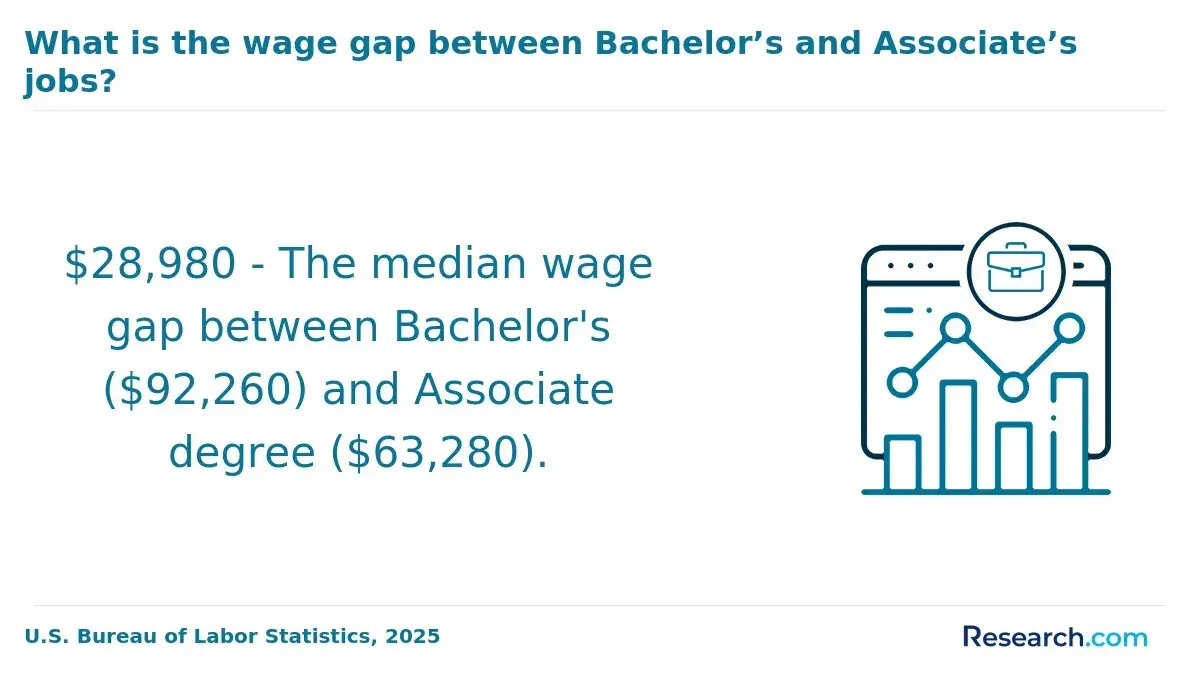
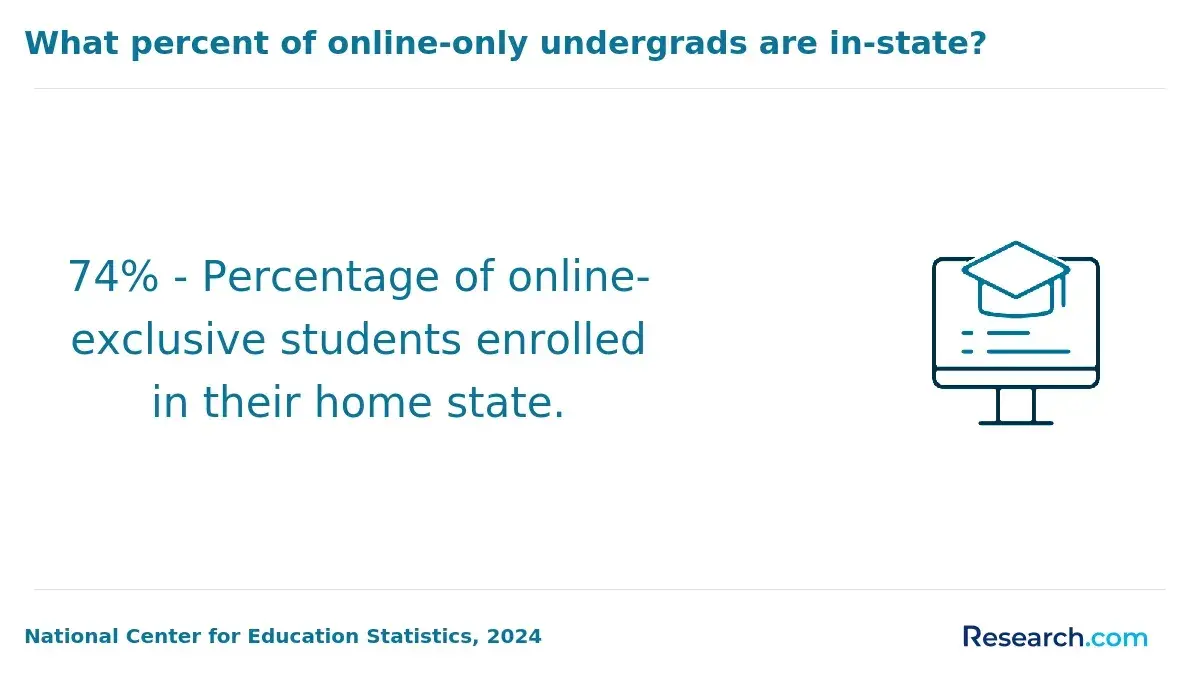
Recent enrollment trends in computer science degree programs reveal a complex realignment rather than straightforward growth or decline, influencing graduate competition unevenly across degree levels and delivery formats. While bachelor's degree numbers are stabilizing or marginally falling in many areas, master's program enrollments continue to rise, reflecting a shift toward advanced specialization. The expansion of online and hybrid offerings plays a pivotal role, increasing access for nontraditional and geographically dispersed students but also creating a more heterogeneous skill profile among graduates, which can complicate employer hiring decisions. Relying solely on national enrollment totals risks overlooking localized labor market mismatches, as some regions face tighter competition for entry-level roles while others still experience talent shortages, emphasizing that enrollment changes must be analyzed in conjunction with regional economic conditions and employer needs to avoid misjudging future opportunities.
Demographic shifts add further nuance, with slowly increasing diversity in student composition tempered by persistent gender imbalances, which continue to limit the breadth of talent entering the field. Associate degrees in computing show modest growth, indicating demand for shorter, application-focused credentials that may better suit certain workforce segments. This stratification of graduate credentials can help meet various employer expectations but also fragments the supply pipeline, potentially intensifying competition in specialized sectors-especially at the master's level where supply growth is more pronounced. Policymakers and workforce planners should therefore interpret flattening undergraduate trends not as diminished interest but as a maturation phase that could lead to steadier, more predictable graduate flows, matched carefully to evolving technical demands and employer preference for credentials.
A former computer science student recalled that when they entered their program, cohort sizes had noticeably increased over prior years, driven largely by new online offerings. This expansion raised questions among students about whether the growing graduate pool would saturate the job market or instead indicate stronger employer demand. Although confident in core skills, the student observed classmates with varying practical experience due to the program's hybrid setup, leading to concerns about standing out to recruiters. This experience highlighted the importance of understanding enrollment data not just as raw numbers but as signals reflecting broader changes in program delivery, student diversity, and ultimately how graduates will perform and compete in the workforce.
How Many Computer Science Graduates Enter the Workforce Each Year?
The annual number of computer science graduates reported by sources like NCES and IPEDS does not directly translate to a simple assessment of oversupply or undersupply in the workforce. While approximately 80,000 students earn bachelor's degrees in this field each year in the U.S., a significant portion delay entering employment related to computer science, pursue advanced degrees, or shift toward adjacent industries. This staggered transition complicates direct comparisons between graduate output and job openings, as many do not immediately compete for available roles or require additional training to align with employer demands.
Regional hiring differences and evolving skill expectations further challenge straightforward interpretations. For instance, tech hubs absorb more graduates, creating localized pockets of higher demand, whereas other areas may see fewer relevant positions. Employers increasingly prioritize specialized expertise in areas such as cybersecurity or artificial intelligence, which narrows the effective candidate pool despite broad degree production. Consequently, workforce datasets reveal that about 75% of recent computer science graduates secure employment in directly related roles within a year, highlighting a gap that reflects more than just numeric supply and demand.
Understanding how graduate figures relate to actual labor market outcomes requires careful analysis beyond raw totals. Factors like curriculum relevance, practical experience, and institutional reputation influence employability as much as total graduate volume. Misinterpreting the numbers as strictly indicative of market saturation risks overlooking the nuanced dynamics that govern career trajectories and job availability in computer science, underscoring the need for targeted training and alignment between education providers and industry needs.
Does Job Growth Support the Rising Supply of Computer Science Graduates?
While employment in software development and related fields is projected to grow by about 15% over the next decade, this expansion does not fully match the accelerating output of computer science graduates nationally. Many of these job openings demand specialized skills in areas like cloud computing and AI, creating challenges for graduates lacking targeted expertise. Moreover, replacement demand accounts for only a modest share of total job availability, meaning that retirement-driven openings rarely alleviate the pressure from rising graduate supply. Regional variation further complicates outcomes: high-tech centers such as Silicon Valley or Boston may absorb more graduates, whereas other geographic areas experience heightened competition and fewer suitable roles, underscoring the importance of geographic mobility for job seekers.
Students and professionals assessing us computer science job growth and graduate supply must also consider underemployment risks, particularly when entry-level positions favor candidates with experience or professional certifications. For example, a recent graduate without advanced specialization in cybersecurity might struggle to find roles despite overall growth in computing jobs. Slower-growing subfields can still offer viable opportunities if local demand or retirements drive sustained openings. Awareness of how supply intersects with market realities helps avoid assumptions that strong job growth automatically equates to ample employment prospects.
Adapting educational choices to these trends is critical. Beyond general degree completion figures, prospective students should evaluate programs for alignment with employer demand and emerging industry needs. For those weighing program options, even an easiest MSW program may offer strategic value if it matches personal and local market conditions better than a saturated computer science entry point. Balancing specialization, geographic factors, and skill development is essential to navigate this complex labor market effectively.
How Competitive is the Entry-Level Market for Computer Science Graduates?
The entry-level market for computer science graduates in 2024 is defined by robust demand but also considerable competition, influenced by the growing number of graduates and evolving employer expectations. While job postings for roles like software engineers and data analysts continue to rise according to U.S. Bureau of Labor Statistics, the applicant pool often overwhelms openings, with some positions attracting more than 50 candidates. This dynamic reflects not just supply and demand but also the increasing importance of experience and specialized skills. Graduates without internships or hands-on projects frequently encounter barriers, underscoring a skills gap rather than a simple oversupply of degrees. The market's uneven regional and industry-specific demand further complicates prospects, requiring nuanced navigation by candidates. Key forces defining competitiveness include:
- Applicant Volume: High numbers of graduates paired with rising application counts per job increase competition, making broad job searches less effective and pressuring candidates to differentiate through demonstrated skills.
- Experience Expectations: Employers increasingly prefer candidates with internships or related practical experience, which often outweighs academic performance, compelling students to pursue co-op programs or project portfolios to remain viable.
- Industry Specialization: Demand varies widely by expertise in areas like artificial intelligence, cybersecurity, and cloud computing, pushing graduates to target niches rather than general roles to improve hiring chances.
- Geographic Concentration: Tech hubs concentrate demand but also applicant density, prompting some graduates to explore less saturated regions or remote options with varying success rates and tradeoffs.
- Technical Assessment Reliance: Coding tests and skills challenges act as filters, emphasizing practical coding ability over credentials alone and often creating obstacles for those with limited preparation.
A recent graduate's experience illustrates these complexities. Despite graduating with solid academic records and a personal coding portfolio, they faced repeated rejections largely due to lack of formal internships. Concentrated applications in their local tech hub resulted in crowded applicant pools and intense competition, while attempts to branch into emerging fields like cybersecurity required additional certifications and learning. After several coding challenge failures, they shifted focus toward smaller markets outside major hubs, finding fewer opportunities but somewhat improved callback rates. This nuanced outcome highlights that entry-level computer science hiring remains competitive and uneven, privileging practical experience and strategic regional targeting over degree completion alone.
Which Industries Have the Greatest Demand for Computer Science Graduates?
Demand for computer science graduates remains concentrated in sectors undergoing rapid digital transformation, where technology integration drives core operations and innovation. These industries distinctly require graduates with specialized technical skills aligned with evolving employer needs, not just broad programming knowledge. However, competition and job availability vary greatly depending on geographic location, company scale, and the combination of practical experience and interdisciplinary expertise. For example, a graduate weighing job prospects might find more openings in software development within tech hubs but face steeper competition and higher expectations compared to healthcare or finance sectors, where domain knowledge and data skills impact hiring and career growth.
Key industries with the greatest employer demand for computer science graduates include:
- Technology Software Development: This sector leads in volume of job postings, focusing on software engineering, system architecture, and user experience. Companies prioritize coding proficiency and agile project experience, offering roles from junior developers to lead architects, with clear pathways tied to mastering current programming languages and frameworks.
- Cybersecurity: Growing digital threats have stimulated demand across finance, healthcare, and government. Entry-level roles often require certifications and hands-on knowledge in threat mitigation, with advanced positions emphasizing risk management and policy development.
- Financial Services and Fintech: Firms integrate algorithmic trading, blockchain, and data analytics, demanding a fusion of computer science skills and financial domain expertise. Roles tend to require quantitative backgrounds and proficiency in programming languages such as Python and R.
- Healthcare Technology: Investment in medical informatics and telemedicine software fuels demand. Employers look for candidates adept in managing health data systems and regulatory compliance, often blending tech skills with healthcare knowledge.
- Manufacturing and Logistics: Automation, IoT device development, and supply chain tech expansion create openings for graduates capable of syncing software solutions with physical systems, requiring interdisciplinary problem-solving and real-world application experience.
While these industries show strong employer demand, competition remains intense, particularly in established tech centers. Graduates improve their employability by aligning skills with targeted industries and gaining project-based experience relevant to specific roles. Prospective students and degree holders can also explore less saturated markets or emerging sectors to balance job volume against competitive pressures. For those considering alternative or complementary pathways outside core computer science fields, options like an accelerated construction management degree online may offer distinct employability outcomes aligned with regional demand and personal career objectives.
Where are Computer Science Graduates Most in Demand?
National employment data for computer science graduates obscure critical regional discrepancies that influence actual job prospects. Areas with dense industry clusters, such as Silicon Valley in California or Seattle's tech corridor, offer abundant roles but also attract a heavy applicant pool, intensifying competition and often elevating living costs. For example, a graduate targeting entry-level positions in San Francisco might face lower hiring odds due to oversupply and high salary demands tied to the cost of living, whereas relocating to emerging hubs like Austin or Raleigh-Durham could balance opportunity and affordability despite fewer total openings.
Metropolitan areas strongly rooted in sectors like software, finance, and healthcare technology show divergent workforce needs shaped by local industry specialization. Employers in finance-heavy markets like New York and Chicago increasingly seek graduates with combined computing and data analysis expertise, while healthcare IT demand grows alongside investments in electronic medical records and health systems innovation. This specialization means graduates benefit from aligning their skills with the dominant regional employers rather than relying solely on large job volume figures.
Prospective students and current degree holders must assess location-specific factors beyond mere job listings, including competition levels, credential expectations, and remote work flexibility. While some regions maintain chronic talent shortages, others exhibit saturation that can extend job search duration and limit negotiation leverage. The latest figures from the U.S. Bureau of Labor Statistics indicate sustained employer demand concentrated in a handful of metropolitan tech hubs, underscoring the importance of geographic mobility and strategic skill development in matching supply with realistic labor market opportunities.
Which Computer Science Specializations and Degree Levels Face the Strongest Demand?
Demand within computer science is sharply concentrated in specialized fields rather than evenly spread across all graduate skill sets. Employers seek candidates whose qualifications align closely with complex industry needs, creating a significant difference in hiring conditions depending on specialization and education level. For example, a software development bachelor's degree holder entering a saturated market may face stiffer competition than a master's-prepared AI engineer targeted by employers struggling to fill urgent roles in automation. This uneven landscape reflects both genuine shortages in critical areas and oversupply where entry requirements remain relatively low.
The following outlines key specialization and degree-level combinations experiencing the strongest employer demand, drawing from authoritative labor market data including the U.S. Bureau of Labor Statistics and LinkedIn Workforce Insights.
- Cybersecurity Specialists: Persistent undersupply exists for professionals with expertise in cybersecurity and information assurance due to escalating cyber threats. Employers prioritize candidates with specialized graduate degrees or certifications to handle risk management in sectors such as finance, healthcare, and government.
- AI and Machine Learning Engineers: Robust demand for AI/ML professionals is coupled with a growing preference for graduate-level preparation. These roles require deep knowledge of algorithms, data structures, and scalable system design, often combined with practical research experience.
- Data Science Professionals: High hiring activity favors candidates with quantitative skills and advanced degrees who can translate large datasets into actionable insights. Industries from marketing to healthcare increasingly rely on these abilities for strategic decision-making.
- Software Development Graduates: The supply of bachelor's degree holders in software development remains relatively large, creating a competitive employment environment. Employers seek strong coding skills but face abundant candidate pools, so practical experience and specialization often dictate opportunities.
- Cloud Computing Experts: Growing cloud infrastructure adoption drives demand for professionals skilled in cloud security, architecture, and deployment. Master's-level credentials or equivalent certifications are increasingly valued for managing complex cloud ecosystems.
- Specialized Graduate Degrees: Master's or doctoral programs in niche areas offer competitive advantages but entail tradeoffs in time and cost. Employers weigh advanced credentials against demonstrated project impact and adaptability in fast-evolving fields.
Are Employer Skill Gaps Affecting Demand for Computer Science Graduates?
What many interpret as a shortage of computer science graduates is often a shortage of candidates who meet employer demands for specialized technical expertise and applied skills. Employers frequently struggle to fill roles requiring proficiency in areas like cloud computing, cybersecurity, and AI, not simply because of insufficient graduate numbers but due to a credential mismatch that undervalues theoretical knowledge without accompanying practical experience, certifications, or familiarity with current industry tools. For example, an entry-level position in a tech firm may remain vacant even in regions with many graduates because candidates lack experience with specific frameworks or the communication skills necessary for cross-functional teams, illustrating how misreading demand can distort perceptions about oversupply or undersupply.
This employer skill gap in computer science hiring means that volume alone does not guarantee employability, especially as competition intensifies in certain industries and geographic markets. Graduates often face barriers when their skills do not align with evolving employer priorities, leading to longer job searches and heightened competition despite a seemingly ample supply of candidates. Practical experience through internships, targeted project work, and certifications has become critical for those seeking to bridge this divide. Educational pathways and curriculum designs that neglect applied competencies contribute to the challenge, underscoring the importance of adaptability and ongoing skill development.
The impact of credential mismatches on computer science employment reveals that gaining relevant experience and aligning skills with market demands significantly improves hiring prospects. Prospective students and current degree holders should carefully evaluate programs and opportunities that integrate practical learning and sector-specific skills, ensuring readiness for the complexities of the modern workforce. Some professions, like a speech pathologist, demonstrate how targeted credentials and applied skills can decisively influence employability, a lesson applicable to computer science graduates seeking to avoid pitfalls of generic training.
What is the Future Supply-and-Demand Outlook for Computer Science Graduates?
Targeted job searches consistently outperform high-volume, unfocused applications because they enable graduates to allocate effort toward roles where their qualifications closely match employer expectations. For instance, an entry-level computer science graduate focusing on job titles like "software tester" or "junior cybersecurity analyst" within regions demonstrating growth can reduce competition and increase interview callbacks. Prioritizing industries and locations with demonstrated demand, such as cloud computing hubs or firms specializing in artificial intelligence, also improves hireability versus indiscriminate applications. Tailoring resumes using employer language and showcasing relevant skills through projects or internships further differentiates candidates in a saturated market.
Many graduates struggle when they apply broadly without aligning with market realities, often facing prolonged unemployment or underemployment. Application timing, informed market research, and networking influence conversion rates but do not replace the need for clear evidence of job readiness tied to precise roles. The future employment trends for computer science graduates in the United States emphasize the importance of adaptability amid regional disparities and evolving skill demands. For those weighing career alternatives, understanding how specialized credentials translate to areas like healthcare can be vital, as exemplified by resources detailing the child life specialist salary with bachelor degree.
Employers increasingly require graduates to demonstrate practical experience in niche areas such as cybersecurity or machine learning. Therefore, graduates should focus on building relevant portfolios aligned with projected supply and demand balance for computer science degrees rather than pursuing volume-heavy strategies. This evidence-informed approach respects both market conditions and the nuanced realities of hiring trends documented in recent labor statistics.
References
- Polish Graduate tracking system - articles https://ela.nauka.gov.pl/en/labor-market/are_all_computer_scientists_equally_successful
- Thoughts on declining enrollment in computer science degree programs? https://community.spiceworks.com/t/thoughts-on-declining-enrollment-in-computer-science-degree-programs/1247131
- Oversupply of mediocre computer nerds in the midst of the AI Bubble - Philip Greenspun’s Weblog https://philip.greenspun.com/blog/2024/05/20/oversupply-of-mediocre-computer-nerds-in-the-midst-of-the-ai-bubble/
- Fields of Work in Computer Science: Top IT Careers | Walbrook https://www.walbrook.ac.uk/subjects/computer-science/computer-science-fields-of-work-career-in-it/
- Why is Computer Science Enrollment Declining ... and What Comes Next? - MARKETview https://marketviewedu.com/blog/why-is-computer-science-enrollment-declining-and-what-comes-next/
- Over Supply of CS Grads? https://talk.collegeconfidential.com/t/over-supply-of-cs-grads/3667125
- The Computer-Science Bubble Is Bursting - The Atlantic https://www.theatlantic.com/economy/archive/2025/06/computer-science-bubble-ai/683242/
- Computer Science Has Hit Its High Water Mark | Revelio Labs https://www.reveliolabs.com/news/social/computer-science-has-hit-its-high-water-mark/
- Top Careers in Computer Science | Careers, Salaries, and Resources https://www.computerscience.org/careers/
- The top 15 in-demand computer science occupations https://ufred.ca/knowledge-hub/15-top-computer-science-occupations/
Other Things You Should Know About Computer Science
Students must consider that theory-heavy programs often emphasize deep algorithmic understanding and foundational knowledge, which can be valuable for research roles or long-term adaptability. However, these programs may provide fewer opportunities to develop immediate practical skills like software engineering or industry-relevant technologies, potentially delaying job readiness. If rapid employability with strong coding and project experience is a priority, choosing programs with integrated internships, practical labs, or industry collaborations can better align with employer expectations.
Graduating from a program with a strong reputation and established employer connections often outweighs sheer graduate numbers in securing quality roles. Employers frequently prioritize candidates from institutions known for rigorous curriculum and talent pipelines, which can mitigate oversupply pressures in broader markets. Prospective students should evaluate how a school's career services, alumni network, and industry partnerships translate into access to meaningful internships and job placements rather than focusing solely on enrollment size.
A curriculum emphasizing a broad set of skills-including software development, data handling, cybersecurity basics, and emerging technologies-better prepares graduates to pivot among roles amid shifting market demands. Specialists with narrow training may face higher risks if their specific skills become outdated or saturated in the labor market. Therefore, prioritizing programs that balance specialization with a robust core curriculum tends to improve long-term career resilience and reduces risks related to degree oversupply.
Yes, the demanding nature of computer science curricula reflects employer expectations for problem-solving capabilities, technical proficiency, and persistence. Students opting for less rigorous programs to avoid workload may inadvertently compromise skill depth and practical readiness, disadvantaging themselves in competitive job searches. It is advisable to embrace a challenging academic workload while seeking supportive resources to build both competence and confidence for real-world employer demands.