2027 Computer Science Job Market Report: Open Roles, Salary Bands, and Hiring Momentum

Co-Founder and Chief Data Scientist
The computer science job market reflects shifting employer priorities driven by rapid technological innovation and evolving regulatory environments. Open roles and salary bands reveal underlying labor dynamics shaped by skill specialization demands, geographic talent clustering, and organizational restructuring.
For example, recent reports from the U.S. Bureau of Labor Statistics highlight a nuanced pattern of hiring momentum that varies across subfields, influenced by industry investment cycles and increasing credential expectations. Analyzing these indicators offers insight into talent shortages and areas of competitive advantage.
Understanding workforce age distribution further signals how educational accessibility and evolving professional requirements will shape computer science's future labor supply and career pathways.
Key Things to Know About Computer Science Job Market
- Despite abundant open roles, many require specialized skills beyond core computer science, suggesting a significant tradeoff between general degrees and targeted certifications for employer readiness.
- Recent hiring momentum slowed in early 2024, reflecting broader tech market caution that urges candidates to diversify skill sets and remain adaptable to shifting demand.
- Salary growth concentrates at senior levels, implying longer timeframes and cost investments for early-career professionals before reaching top compensation tiers, influencing educational pacing and financial planning.
- Key Things to Know About Computer Science Job Market Key Things to Know About Computer Science Job Market
- How Strong Is Demand for Computer Science Graduates in Today's Job Market? Demand for Graduates
- Which Computer Science Careers Have the Most Open Job Opportunities? In-Demand Careers
- What Salary Bands Are Employers Offering Across Computer Science Careers? Offered Salary Bands
- Which Industries Are Hiring the Most Computer Science Graduates? Top-Hiring Industries
- How Does Hiring Demand Vary by State, Region, and City? Hiring Demand by Location
- What Skills Are Employers Prioritizing in Computer Science Job Postings? In-Demand Skills
- Which Certifications Increase Employability and Salary Potential? High-Value Certifications
- How Do Remote and Hybrid Opportunities Affect the Computer Science Job Market? Remote and Hybrid Opportunities
- Which Computer Science Careers Show the Strongest Long-Term Hiring Momentum? Strongest Careers
- How Can Students Use Job Market Data to Make Better Career Decisions? Utilizing Job Market Data
How Strong Is Demand for Computer Science Graduates in Today's Job Market?
Recent labor data confirms that United States computer science graduate job demand remains notably strong into 2024, with employment in computing and IT roles projected to grow faster than the average across all sectors over the next decade, according to the U.S. Bureau of Labor Statistics. LinkedIn's 2024 Workforce Report reinforces this trend, identifying technology roles as leading segments in hiring momentum, frequently outpacing the supply of qualified candidates, especially in regions with vibrant tech ecosystems.
However, hiring dynamics reflect a sophisticated market: employers prioritize graduates who combine solid coding and algorithm skills with adaptability and foundational knowledge in machine learning and data systems. This nuanced demand underscores the importance of graduates supplementing formal education with internships or hands-on projects to better meet practical skill requirements.
The key drivers for this sustained demand include rapid technological advancement across sectors such as cloud computing, cybersecurity, AI, and data analytics, fueling an expansion of opportunities beyond traditional software development roles. Skill shortages persist due to evolving frameworks and deployment environments that many new graduates find challenging without relevant experience, while automation also reshapes job scopes in unexpected ways.
Regional economic shifts amplify disparities, with some labor markets seeing acute competition for computer science talent, influencing salary bands and hiring preferences. Students and early-career professionals must therefore interpret these demand signals carefully, focusing not only on foundational theory but also emerging technology exposure and communication skills essential for interdisciplinary teams.
Long-term job stability for computer science graduates depends on their capacity to adapt continuously amid rapid field evolution. The growth of roles centered on AI integration, cloud infrastructure, and cybersecurity signals where future hiring focus will intensify.
Prospective students should weigh these labor market realities and evolving employer expectations when choosing or preparing for a degree program, seeking opportunities like certifications or community-driven projects to enhance employability. For those considering accessible options to enter the field, exploring online colleges that accept FAFSA can offer a manageable entry point aligned with economic constraints.
Which Computer Science Careers Have the Most Open Job Opportunities?
Job opportunity distribution within computer science careers is heavily influenced by rapid industry expansion, persistent skills shortages, and shifting employer requirements. Open roles are not isolated but reflect broader labor market transformations driven by technological advances and organizational priorities.
Understanding where demand concentrates clarifies how economic sectors invest in human capital and what competencies drive competitive hiring.
- Software Developers: Representing over 25% of new computer science job openings, software developers are the backbone of the digital economy. Demand stems from diverse industries seeking professionals to build, maintain, and scale applications across front-end, back-end, and full-stack environments. Employers prioritize fluency in languages such as Python, JavaScript, and Java, alongside agile development practices that support continuous delivery.
- Data Scientists: Fueled by big data proliferation and machine learning integration, data scientists occupy a rapidly growing niche. Projected growth rates near 36% through the next decade indicate strong employer demand for expertise in statistical analysis, data visualization, and programming tools like R and Python. Organizations across finance, healthcare, and tech increasingly rely on such roles to convert raw data into actionable business strategies.
- Cybersecurity Professionals: Rising cyber threats and regulatory compliance requirements drive a surge in demand for information security analysts and related roles. With a projected growth rate around 35%, these positions require skills in threat detection, incident response, and governance frameworks. The heightened focus on data privacy and system resilience amplifies staffing needs especially in finance, government, and critical infrastructure sectors.
- Cloud Engineers: As enterprises accelerate cloud adoption, demand for cloud engineers who manage infrastructure, migration, and integration has intensified. Core competencies include proficiency in platforms like AWS, Azure, or Google Cloud, along with automation and containerization knowledge. This career path reflects the broader shift to scalable, flexible computing environments supporting modern applications and services.
- DevOps Engineers: Bridging development and operations, DevOps engineers are critical to streamlining software deployment and infrastructure management. Growing organizational emphasis on continuous integration/continuous delivery (CI/CD) pipelines fuels openings for candidates skilled in scripting, orchestration tools, and collaboration frameworks. These roles underscore evolving employer expectations for efficiency and rapid product iteration.
- Artificial Intelligence Specialists: Specialists in AI and machine learning are increasingly sought after as companies embed intelligent automation into products and services. These roles demand expertise in algorithm development, data modeling, and domain-specific applications. Though more niche, the expansion of AI-focused initiatives across sectors such as automotive, healthcare, and marketing reflects a trend toward highly specialized, future-forward skill sets.
- Software Quality Assurance Engineers: QA engineers maintain critical roles in ensuring application reliability and performance as organizations scale development efforts. Demand arises alongside complex software ecosystems where rigorous testing frameworks and automation tools become essential. Employers value a blend of coding proficiency and analytical skills to identify defects early and support continuous improvement.
The dynamics revealed by computer science job openings by role underscore that hiring activity is shaped less by isolated trends and more by structural market forces prioritizing adaptability and specialized knowledge. For prospective professionals, recognizing these labor market signals helps align skill development with employer expectations and maximizes employability within a competitive landscape.
Amid this environment, some opt to complement their technical qualifications with interdisciplinary degrees like the MLIS degree, which can add unique value in data curation and information management fields.
What Salary Bands Are Employers Offering Across Computer Science Careers?
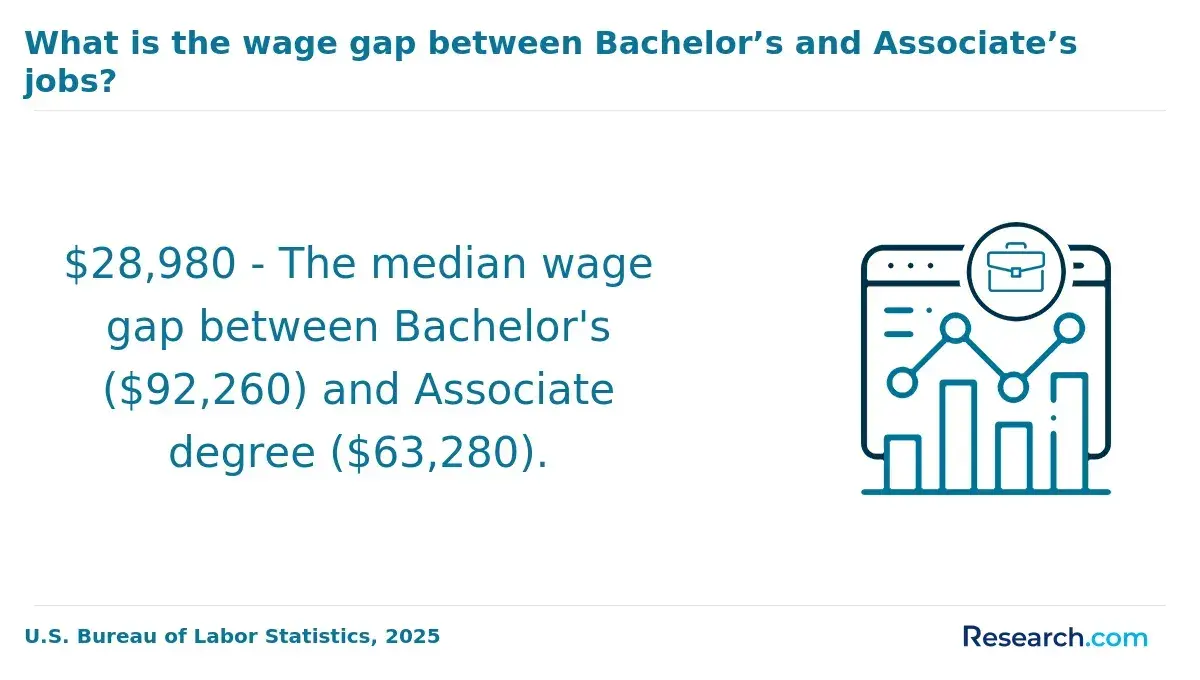
Salary bands within computer science careers display wide variance tied closely to experience levels, with entry-tier roles generally starting between $65,000 and $90,000 as observed in recent labor market analyses from the U.S. Bureau of Labor Statistics and industry compensation surveys from 2024. Mid-level professionals, often with three to five years of practical experience, tend to earn between $90,000 and $140,000, reflecting a consolidation of specialized skills and increased responsibility in project contributions.
Senior positions command a broader and higher salary range, commonly from $140,000 to beyond $200,000, demonstrating the premium placed on leadership capability, domain expertise, and strategic impact, particularly within large technology hubs. These figures underscore the layered compensation structures that cater to varied proficiency and influence across the professional spectrum in this field.
Drivers behind these divergent pay scales include the intensity of specialization-fields such as artificial intelligence, cybersecurity, and advanced software architecture attract notably higher wages due to scarce talent and urgent demand. Geographic disparities also weigh heavily, with metropolitan areas like Silicon Valley and Seattle offering salary premiums in response to cost of living and fierce competition among technology employers.
Company size and industry sector further influence compensation; startups may leverage equity to supplement base pay, while established firms frequently provide substantial bonuses and stock options. The interplay of technical acumen, market dynamics, and localized economic conditions shapes not only current salary bands but also long-term earning trajectories within computer science careers.
A recent graduate navigating computer science program admissions recalls a period marked by indecision and mounting pressure during rolling admissions. With several offers pending but no firm deadlines, they hesitated to commit while attempting to evaluate potential financial aid and job placement prospects.
This uncertainty stretched over several weeks, complicating their decision-making process and adding stress as competing acceptances arrived asynchronously. Ultimately, the graduate chose a program after negotiating an extended deadline, highlighting how timing and strategic patience can be as crucial in admissions as they are in career planning and salary negotiation.
Which Industries Are Hiring the Most Computer Science Graduates?
Hiring demand for computer science graduates in 2024 is heavily influenced by industries undergoing significant digital transformation, workforce expansion, or persistent skill shortages. These sectors are not simply increasing headcount but reshaping business models around technology adoption, automation, and data-driven decision-making.
This creates a sustained need for practical technical expertise coupled with adaptable problem-solving abilities. Understanding these dynamics helps clarify why certain industries dominate recruitment for computer science talent.
- Technology and Software Development: This sector remains the primary employer of computer science graduates, accounting for over 40% of job openings according to the National Association of Colleges and Employers. The rapid evolution of cloud computing, cybersecurity, AI, and software platforms requires graduates who possess strong programming skills, systems design capabilities, and familiarity with agile development methodologies.
- Financial Services and Fintech: Fueled by the rise of digital banking, blockchain technologies, and heightened cybersecurity needs, financial firms are investing heavily in tech talent. Approximately 15% of new computer science hires come from this sector, where employers prioritize expertise in data analytics, secure coding practices, and regulatory compliance technologies.
- Healthcare and Biotechnology: With the integration of AI into diagnostics, telemedicine expansion, and health informatics growth, healthcare organizations increasingly rely on computer science graduates. This field emphasizes skills in machine learning, data privacy, and interoperability of health systems, reflecting a 12% year-over-year increase in recruitment.
- Government and Defense Agencies: Modernizing defense infrastructure and public sector digital services drives demand for graduates with competencies in cybersecurity, network architecture, and embedded systems development. These roles often have stricter security clearance requirements and focus on resilience against cyber threats.
How Does Hiring Demand Vary by State, Region, and City?
Hiring demand for computer science roles varies significantly across states and regions, shaped by distinct economic structures, industry concentrations, and workforce supply dynamics. Established tech hubs such as California, Washington, and Massachusetts lead with the highest volume of openings, driven by major firms and startup ecosystems concentrated there. However, these states also present higher entry barriers due to fierce competition and elevated living costs.
Regions like the Southeast and Midwest are experiencing increasing momentum in tech hiring, propelled by corporate relocations and adoption of remote work, particularly in states such as Texas and Georgia. These areas offer comparatively lower salary bands but more affordable living expenses, which often influence long-term career decisions for job seekers navigating computer science job demand by state and city.
At the city level, major metropolitan areas with specialized industry clusters-such as San Francisco, Seattle, and Boston-exhibit heightened hiring intensity and premium salary ranges reflecting scarce talent and niche skill requirements. Mid-sized cities including Raleigh, Austin, and Denver provide balanced opportunities with competitive pay and manageable living costs, attracting professionals who seek a tradeoff between earning potential and quality of life.
Smaller towns and rural regions face challenges with fewer openings and lower salary prospects, frequently motivating candidates to consider relocation or remote work. Infrastructure, established talent pipelines from local universities, and cost-of-living pressures strongly influence these localized demand patterns. For those exploring pathway options, it is also worth considering flexible education alternatives like online schools for real estate as models of accessible remote learning reflecting broader shifts in workforce development within regional hiring trends for computer science roles.
What Skills Are Employers Prioritizing in Computer Science Job Postings?
Employer demand in computer science job postings reflects ongoing shifts driven by automation, cloud adoption, and the increasing integration of interdisciplinary skill sets. The market no longer values raw programming ability alone but seeks versatile candidates who combine technical depth with operational insight and collaborative competencies.
This evolution corresponds with industry transformations toward scalable software delivery, data-intensive applications, and heightened emphasis on security and agility. According to a 2024 Stack Overflow survey, over two-thirds of positions now explicitly require expertise in modern AI and machine learning frameworks, highlighting the rapid incorporation of these technologies into core workflows.
- Proficiency in Key Programming Languages: Languages such as Python, JavaScript, and SQL remain foundational due to their broad applicability in areas ranging from web development to data manipulation. Mastery here signals an ability to participate directly in building and maintaining critical systems while adapting to different project demands.
- Cloud Platform Expertise: Familiarity with services like AWS and Azure reflects the drive toward cloud-native architectures and scalable infrastructure. Candidates who can navigate these environments contribute to operational efficiency and cost-effective resource management, aligning with industry trends toward decentralized computing.
- Containerization and DevOps Skills: Tools including Docker and practices such as continuous integration embody the push for automation and rapid deployment. Employers prioritize candidates who understand the full software delivery lifecycle, as this directly impacts release velocity and system reliability.
- Artificial Intelligence and Machine Learning Knowledge: With 68% of recent job postings demanding these competencies, understanding frameworks like TensorFlow or PyTorch positions candidates at the forefront of innovation. This signals an expectation for professionals not only to implement algorithms but also to embed AI-driven solutions across products and services.
- Cybersecurity Competence: Heightened regulatory scrutiny and data protection imperatives elevate the importance of security expertise. Roles that blend development with proactive threat mitigation are increasingly common, underscoring employer focus on safeguarding both infrastructure and information assets.
- Version Control and Agile Methodologies: Proficiency with Git and agile workflows reflects the collaborative and iterative nature of modern software projects. These skills suggest a candidate's readiness to integrate smoothly into team dynamics and accommodate shifting priorities without sacrificing code quality.
- Communication and Problem-Solving Abilities: Beyond coding, the ability to articulate complex technical concepts clearly to diverse stakeholders becomes a valuable asset. Employers signal that successful candidates must bridge technical execution with strategic insight and cross-functional collaboration.
Which Certifications Increase Employability and Salary Potential?
Certifications in computer science frequently operate as strategic signals to employers, indicating a candidate's specialized skills, practical proficiency, and preparedness for evolving technical challenges. They function as complementary credentials alongside formal degrees, often bridging gaps between academic knowledge and job-ready capabilities in fast-changing sectors.
When aligned with market demands, these certifications can significantly sharpen a professional's competitive edge by validating expertise in critical domains that employers prioritize.
- Certified Information Systems Security Professional (CISSP): This credential is highly regarded because it demonstrates comprehensive expertise in cybersecurity governance, risk management, and incident response—areas of increasing importance given expanding cyber threats. CISSP holders typically benefit from stronger hiring prospects and notable salary premiums, with reports showing average pay increases around 25% relative to non-certified peers, underscoring its labor market signaling power.
- Certified Cloud Security Professional (CCSP): As organizations intensify cloud adoption, CCSP certification verifies advanced skills in securing cloud environments, addressing a critical talent shortage. Companies favor candidates who can manage this complexity, making CCSP a meaningful differentiator that can open doors to roles commanding higher pay and more responsibility.
- AWS Certified Solutions Architect: Cloud infrastructure expertise remains in tight supply, and this certification demonstrates ability to design scalable, cost-effective systems on Amazon Web Services platforms. Employers view it as evidence of hands-on capability that directly supports operational goals, often translating into a hiring advantage and salary uplift of roughly 20% compared to uncertified professionals in similar roles.
- Microsoft Certified: Azure Fundamentals: This entry-level credential validates essential knowledge of cloud concepts and Microsoft Azure services, aiding candidates early in their careers who are targeting infrastructure and platform administration roles. Its growing industry recognition supports quicker job placement and incremental wage increases in cloud-centric environments.
- Certified Data Professional (CDP): Driven by mounting demand for data-driven decision making, CDP certification confirms competency in data management, integration, and analytics. Employers seeking professionals to navigate large data sets and machine learning pipelines value this credential for its clear indicator of relevant, applied skills, which correlates with faster hiring and salary gains between 15% and 18% in targeted positions.
A computer science graduate vividly recalls navigating certifications amid the flux of job search timing. After earning a degree, they hesitated to enroll immediately in the CISSP program due to conflicting work commitments and the anxiety of potential delays in exam scheduling. The rolling admissions model for certification classes added uncertainty.
Each enrollment cycle offered limited seats, prompting some urgent decisions to secure a spot. Ultimately, by timing the certification pursuit to coincide with a lull in job applications, the graduate maximized preparation without sacrificing employment opportunities. This strategic approach proved crucial; the credential not only validated their skills but materially enhanced both hiring outcomes and salary negotiations once completed.
How Do Remote and Hybrid Opportunities Affect the Computer Science Job Market?
Remote and hybrid opportunities have redefined hiring patterns in computer science, expanding talent pools beyond traditional tech hubs and enabling companies to source candidates from a far wider geographic range. According to recent workforce analytics, over 60% of computer science roles now offer some form of flexible location option, reflecting a notable shift in employer strategies to compete for specialized skills.
This adjustment is accompanied by a greater emphasis on candidates' capabilities in self-management, asynchronous communication, and proficiency with remote collaboration tools, reshaping evaluation criteria beyond mere technical expertise. The evolving job landscape demands that early-career professionals align their skill sets with these new expectations to remain competitive in rapidly expanding applicant pools influenced by remote work trends in the computer science job market.
These changes have significant implications for geographic mobility and salary structures. While remote roles provide broader access, they also intensify competition, as location-based hiring constraints diminish. Hybrid positions, however, often maintain geographic salary differentiation due to commuting or office presence requirements, subtly influencing compensation bands.
Employers increasingly prioritize digital communication skills for remote teams but continue to value in-person collaboration where hybrid models apply, reflecting a dual-track evolution in workforce expectations. Looking forward, these dynamics will likely normalize salaries across regions while sustaining competitive pressures and complex tradeoffs for candidates.
Navigating this landscape requires assessing education options that integrate practical skills aligned with these hiring realities, including awareness of affordable program pathways like those listed among the cheapest online colleges that can support this adaptability in the remote and hybrid work era.
Which Computer Science Careers Show the Strongest Long-Term Hiring Momentum?
Long-term hiring momentum in computer science careers reflects deep structural changes in industry demands, technology adoption, and regulatory environments rather than mere short-term job market fluctuations. This momentum is shaped by ongoing economic and technological trends that influence workforce needs over decades.
Evaluating which roles exhibit the highest demand computer science roles for future growth requires understanding factors such as digital transformation, increasing data reliance, and evolving security challenges that preclude rapid obsolescence of these positions.
- Software Developers: Growing by 25% according to the U.S. Bureau of Labor Statistics projections from 2024, software developers remain central to digital innovation across sectors like healthcare, finance, and manufacturing. The enduring dependency on customized software solutions ensures sustained hiring driven by continuous feature expansion, legacy system maintenance, and new platform development.
- Data Scientists and Machine Learning Engineers: Projected growth of 36% underscores how businesses increasingly base strategic decisions on large-scale data analysis. The rise of machine learning applications demands professionals who combine strong quantitative skills with practical coding expertise, sustaining hiring momentum through persistent data-driven industry transformation and operational optimization.
- Information Security Analysts: With a forecasted 33% increase, this role is propelled by accelerating cybersecurity threats and strict regulatory compliance. Organizations invest continuously in safeguarding digital assets, and the fast-evolving nature of cyber risks necessitates ongoing professional development to maintain effectiveness and relevance.
- Cloud Engineers and DevOps Specialists: Reflecting the shift toward cloud infrastructure, these roles emphasize agile development and system scalability. Demand is reinforced by industry-wide moves to cloud services and hybrid environments, requiring adaptability, cross-functional collaboration, and expertise in automation and orchestration tools.
Understanding these long-term hiring trends in computer science careers is critical for graduates and job seekers aiming to focus their skills on growth areas with enduring prospects. Practical career planning must incorporate not just immediate employment figures but also how underlying technological and regulatory forces sustain demand over time.
For veterans and others considering alternative educational pathways, it is useful to explore flexible options such as photography programs online for veterans which illustrate how shifting industry demand also affects adjacent fields.
How Can Students Use Job Market Data to Make Better Career Decisions?
Students can leverage job market data from sources like recent labor reports, hiring platforms, and salary databases to gain a detailed understanding of demand, compensation, and growth trajectories in computer science fields. These data points reveal which specializations, such as software development, cybersecurity, or machine learning, are currently expanding and which offer competitive salary bands.
By examining hiring momentum alongside employer preferences for skills and credentials, students can identify where workforce needs align with their potential educational investments, helping prioritize areas with both opportunity and long-term viability.
Interpreting this data requires balancing short-term labor fluctuations against broader industry trends and personal career objectives. Factors such as geographic salary variation, employer expectations for certifications or project experience, and sector stability should influence decisions beyond headline figures.
Over-reliance on transient hiring spikes risks misalignment with enduring career stability, so integrating market insights with individual aptitude and interest provides a more resilient path. Ultimately, strategic career planning in computer science hinges on nuanced analysis of labor market data combined with realistic assessments of skill acquisition costs and evolving technology demands.
References
- Boost Your Career with Top IT Certifications https://www.mycomputercareer.edu/career-advancement-through-it-certifications-boosting-your-earning-potential/
- The computer science field is changing—here’s how to take advantage | EAB https://eab.com/resources/blog/adult-education-blog/computer-science-field-changing-take-advantage/
- Best Computer Sciene Certifications to Boost Your Career https://www.computerscience.org/resources/top-it-certifications/
- Job Market Tips for Computer Science Graduates https://www.dice.com/career-advice/tips-computer-science-grads-job-market
- Top 12 Global Careers For Computer Science Degree Graduates https://womeninstemnetwork.com/careers-for-computer-science-degree/
- What certifications should I get for computer science? | edX https://www.edx.org/resources/certifications-computer-science
Other Things You Should Know About Computer Science Job Market
In the computer science job market, higher salaries often correlate with roles that demand advanced specialization or come with high project volatility. Early-career professionals should weigh immediate salary gains against long-term stability, as some lucrative roles may involve contract-based work or startup environments with greater risk of layoffs. Prioritizing positions with clear career progression and stable employer funding may lead to more sustainable growth, especially within midsize to large companies where volatility is lower.
Jobs offering high salaries and rapid advancement often come with demanding workloads, including long hours and frequent deadlines. While intense roles can accelerate skill development, they may also increase burnout risk, particularly in fast-paced sectors like fintech and AI research. Candidates need to assess their personal tolerance for workload stress and seek roles with balanced expectations when prioritizing long-term job satisfaction over short-term gains.
Not all open positions offer the same quality of on-the-job learning or mentorship. Employers with structured development programs or a culture that values continuing education tend to produce better long-term outcomes, even if initial pay is lower. Job seekers should prioritize organizations that provide clear pathways for skill advancement and role diversification, as this alignment can significantly impact career resilience and adaptability amid fast-changing technology demands.
Salary bands alone don't tell the full story-benefits, bonuses, stock options, and geographic cost-of-living all shape actual take-home value. It's critical to evaluate total compensation within the job's context, such as the likelihood of performance bonuses or equity vesting schedules. Candidates should prioritize roles where the compensation structure aligns with their financial needs, risk tolerance, and career timeline rather than focusing solely on headline salary figures.