2027 Computer Science Degree Popularity by Gender, Region, and Degree Level

Co-Founder and Chief Data Scientist
A prospective computer science student researching degree programs in 2024 quickly notices stark contrasts in enrollment by gender, region, and degree level. For instance, women earned just 22% of computer science bachelor's degrees nationwide last year, reflecting persistent gender imbalances that affect classroom dynamics and peer networks. Simultaneously, states like California show surging demand and enrollment compared to slower growth elsewhere, signaling divergent regional workforce needs and educational access. Additionally, the rise in master's and doctoral degree completions reshapes perceptions of educational depth and career specialization across institutions. These patterns complicate decisions about program quality and career alignment in a competitive job market.
This article will analyze how computer science degree popularity varies by gender, region, and degree level, offering clarity to students and professionals seeking informed educational and career decisions.
Key Things to Know About Computer Science Degree Popularity by Gender, Region, and Degree Level
- Women represent just 22% of computer science degree recipients in North America (2024), reflecting ongoing gender imbalances that may limit workforce diversity and innovation in technical roles.
- Asian regions show a 15% higher graduate enrollment rate in computer science compared to global averages, signaling concentrated talent pools and influencing multinational hiring strategies.
- Bachelor's programs account for 70% of all computer science enrollments, but higher costs and longer completion times for graduate degrees create access barriers, affecting timely workforce entry.
- Key Things to Know About Computer Science Degree Popularity by Gender, Region, and Degree Level Key Things to Know About Computer Science Degree Popularity by Gender, Region, and Degree Level
- How Does Job Market Demand Influence Computer Science Degree Popularity? Market Demand and Degree Popularity
- How Does Online Computer Science Degree Enrollment Compare to Traditional Campus Programs? Online vs. Campus Enrollment
- What Degree Level Is Most Common Among Computer Science Students? Most Common Degree Levels
- How Do Enrollment Trends Differ Between Associate, Bachelor's, Master's, and Doctoral Computer Science Degrees? Enrollment Trends by Degree Level
- How Popular Is the Computer Science Degree Compared to Other College Majors? Degree Popularity vs. Other Majors
- Why Is the Computer Science Degree More Popular in Certain States and Regions? Regional Popularity Drivers
- What Demographic Groups Are Driving Growth in Computer Science Degree Programs? Growth by Demographic Groups
- What Is the Future Outlook for Computer Science Degree Enrollment by Gender, Region, and Degree Level? What Is the Future Outlook for Computer Science Degree Enrollment by Gender, Region, and Degree Level?
- How Have Computer Science Degree Enrollment Trends Changed Over the Past Decade? How Have Computer Science Degree Enrollment Trends Changed Over the Past Decade?
- Where Is the Computer Science Degree Most Popular Across the United States? Geographic Popularity Analysis
How Does Job Market Demand Influence Computer Science Degree Popularity?
Employer demand strongly shapes enrollment patterns in computer science degree programs, but this influence varies by regional economic contexts and degree levels. For instance, tech hubs like Silicon Valley and Boston exhibit higher enrollment growth due to proximity to concentrated industry opportunities, while less-developed regions lag despite national labor market demand. Many students pursue graduate studies to meet evolving employer expectations, especially as fields like artificial intelligence and cybersecurity require advanced specialization. This dynamic reflects a nuanced labor market where program capacity and credential requirements mediate how job demand translates into actual enrollment trends across the country.
Gender disparities in computer science enrollment persist despite growing workforce demand and diversity efforts, indicating that job market signals alone cannot close participation gaps. Social, cultural, and educational system factors continue to influence female representation more than pure employer need, which remains a critical consideration for decision-making among prospective students. Furthermore, recognizing the varying impact of labor market demand on computer science degree popularity is essential when evaluating long-term relevance, as workforce shortages coexist with alternative credential pathways like certifications and boot camps. As labor market conditions encourage computer science degree job market trends in the United States, students should assess how these forces intersect with personal background and regional opportunities to make informed educational choices.
The increasing demand for specialized skills also explains why some students opt for targeted programs such as an artificial intelligence degree online, responding directly to industry needs. These specialized credentials reflect a shift towards more focused expertise demanded by employers, shaping enrollment trends at graduate and postgraduate levels. Ultimately, decision relevance in choosing computer science pathways requires weighing how labor market demand aligns with program structures, gender disparities, and geographic factors to optimize both immediate employability and long-term career prospects.
How Does Online Computer Science Degree Enrollment Compare to Traditional Campus Programs?
Enrollment trends in computer science degrees reveal a pronounced shift toward online programs, primarily driven by adult learners and regional accessibility. Data from the National Center for Education Statistics in 2024 shows online computer science enrollment growing about 7% annually, outpacing campus-based growth. This increase reflects online programs' appeal to students aged 25 and older, who now make up more than half of the online population, contrasting sharply with the roughly 30% representation in traditional campus settings. Geographic disparities also play a key role, as students in rural or underserved areas often rely on online options where campus programs are scarce, broadening educational reach but introducing tradeoffs related to hands-on experiences and networking opportunities typical on campus.
Though campus programs still report graduation rates about 10-15% higher than many online counterparts, the gap narrows when online programs incorporate synchronous interactions and comprehensive support services. Employer feedback suggests credentials earned online from accredited institutions carry growing credibility, yet candidates must weigh the greater self-discipline and virtual collaboration required in these formats. Campus environments often facilitate immediate peer engagement and practical labs, advantages some fields and employers prioritize. This dynamic shapes enrollment patterns by degree level and region, underscoring the importance for students to evaluate program structure, support mechanisms, and their own learning preferences when choosing between online and campus pathways in computer science.
A recent graduate recounts weighing options while living in a small town hundreds of miles from the nearest university offering in-person computer science programs. Scheduling conflicts from a full-time job made attending campus classes impractical, prompting the choice of an online program. Initially skeptical about the quality and the level of peer engagement, the student found that interactive components and support services helped mitigate concerns, though they missed direct access to hands-on labs and face-to-face networking opportunities. This experience highlights how geographic and personal constraints influence enrollment decisions and satisfaction with online versus traditional formats in real-world terms.
What Degree Level Is Most Common Among Computer Science Students?
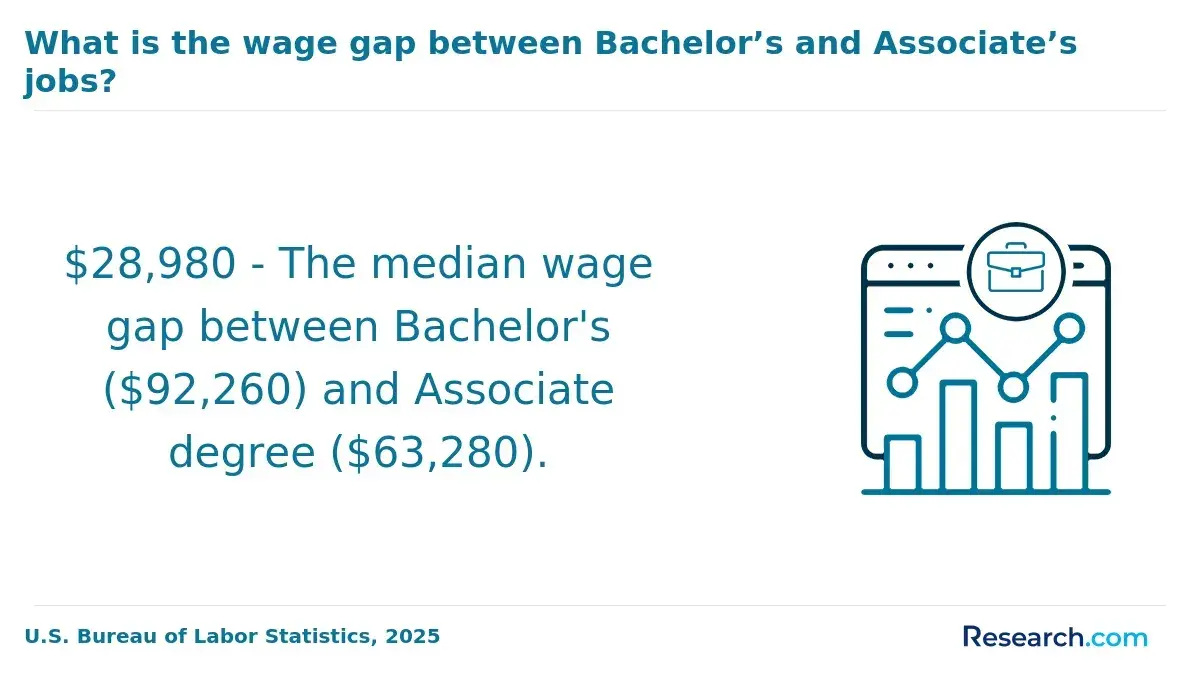
Bachelor's degrees dominate computer science enrollment largely because they align closely with employer expectations for entry-level technical roles, blending foundational theory with applied skills within a manageable timeframe and cost. According to the National Center for Education Statistics (NCES) 2023-2024 data, about 70% of computer science students are pursuing bachelor's credentials. This prevalence reflects how bachelor's programs provide a well-recognized credential that balances accessibility and depth, contrasting sharply with the more limited roles and transfer-focused nature of associate degrees, which account for under 15% of enrollments.
Master's programs, drawing roughly 12% of students, cater primarily to individuals seeking specialized knowledge or mid-career shifts but face higher barriers in terms of cost and time commitment, limiting their broader uptake. Doctoral studies represent the smallest segment at around 3%, largely due to their intensive research focus and the narrow academic or industry pathways they support. Geographic factors and expanding online program availability also concentrate enrollment in bachelor's and master's degrees, especially near tech industry centers where demand fuels growth in these levels.
For those navigating educational choices, the distinction among these degree levels involves tradeoffs between speed, depth, and career trajectory. Associate degrees may facilitate quicker entry into support roles and serve as stepping stones, but they rarely substitute for the comprehensive preparation associated with bachelor's programs, which remain the most practical gateway to professional computer science careers. Advanced degrees offer targeted expertise but require a clear alignment with long-term goals that justify their higher investment and narrower career scope.
How Do Enrollment Trends Differ Between Associate, Bachelor's, Master's, and Doctoral Computer Science Degrees?
Enrollment shifts across associate, bachelor's, master's, and doctoral computer science degrees reflect distinct workforce expectations and student objectives rather than uniform demand. Associate programs attract those prioritizing swift, cost-efficient pathways into technical roles or seeking transfer options, often driven by regional workforce needs and community college accessibility. Meanwhile, bachelor's degrees remain dominant in enrollment due to their role as broad gateways to diverse tech careers, despite persistent gender gaps and geographic disparities noted in recent regional differences in degree level popularity for computer science programs.
Master's programs have outpaced bachelor's growth as employers increasingly value specialized expertise in fields like AI and cybersecurity, appealing primarily to professionals upgrading credentials or pivoting careers. The 2024 National Science Foundation data underscores this with an 8% annual rise in master's completions, accompanied by a higher female enrollment ratio compared to undergraduate levels. Doctoral enrollments stay comparatively small, emphasizing research and innovation pipelines with steady but limited growth, often concentrated in research-intensive settings. Prospective students should weigh these trends carefully when planning their educational trajectories to align their degree choice with realistic labor market demands and long-term career mobility, recognizing that pathways with varying enrollments denote different operational and demographic landscapes. For specialized educational pathways, those seeking the cheapest online PhD in criminal justice might consider similar enrollment and accessibility dynamics in adjacent fields.
How Popular Is the Computer Science Degree Compared to Other College Majors?
The relative popularity of a computer science degree signals a distinct demand for specialized technical skills but should not be conflated with broader accessibility or uniform outcomes. While it ranks among the top five most awarded bachelor's degrees nationally, capturing about 6% of all completions according to the National Center for Education Statistics for 2023-2024, its growth is concentrated compared to more generalized fields like business administration, which accounts for nearly 20%. This concentrated growth highlights the field's appeal to students targeting technology-driven roles, but the rigorous curriculum and rapid industry shifts can present barriers that influence enrollment and completion patterns.
Geographic and demographic variations also frame the degree's popularity, impacting availability and peer networks in tangible ways. Enrollment surges are most pronounced in regions with robust tech sectors, such as California and the Northeast, contrasting with lower participation rates in rural areas, which can limit local program diversity and specialization options. Additionally, persistent gender disparities-with women earning around 23% of computer science bachelor's degrees-affect classroom dynamics and the cultivation of inclusive professional pipelines. These factors underscore that high enrollment does not automatically translate into equal opportunity or uniform workforce readiness across populations.
A former student recalled initially being drawn to computer science because of the visible growth of tech opportunities around their urban campus but noted feeling uncertain when smaller peer groups and few female classmates surfaced during early semesters. Academic advisors mentioned rising program enrollments but cautioned about the intensity and evolving nature of the coursework. This prospective student's experience illustrated how enrollment trends intersect with personal decision-making, revealing that a program's popularity offers both signals of opportunity and practical challenges in navigating the path forward.
Why Is the Computer Science Degree More Popular in Certain States and Regions?
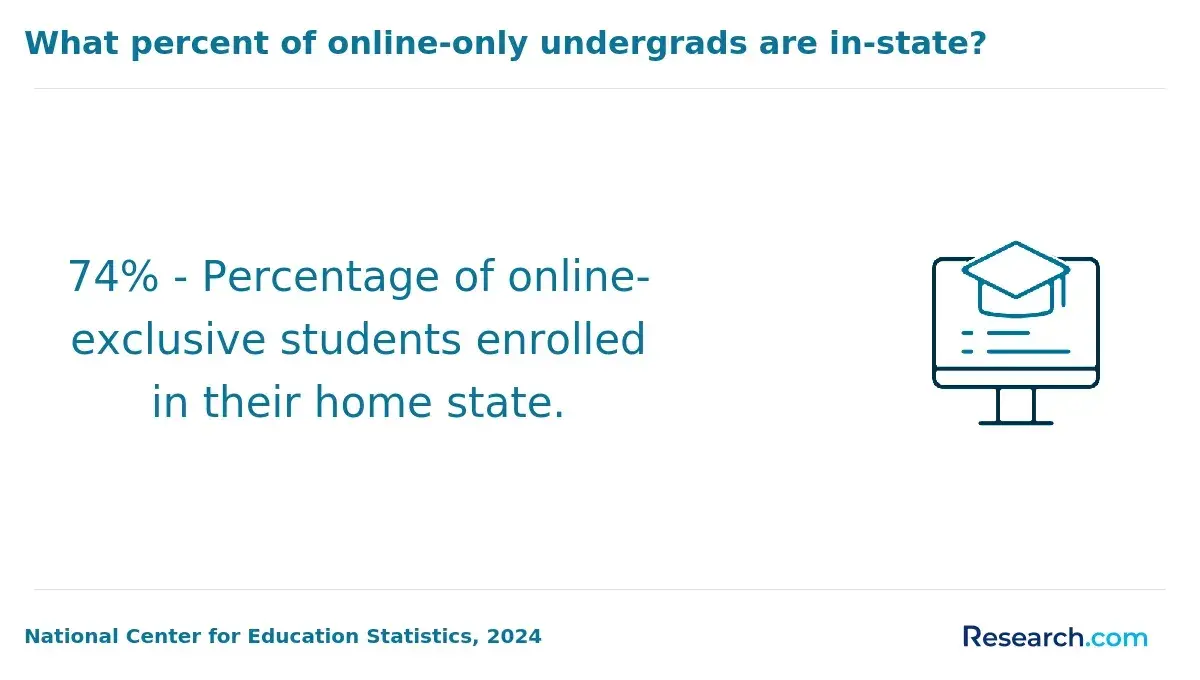
The regional popularity of computer science programs closely mirrors the concentration of local technology industries and labor market demand, rather than simply reflecting student choice. States like California and Washington, with dense tech ecosystems, offer students tangible benefits including internships, networking opportunities, and job placements that directly affect enrollment decisions. This dynamic creates clear workforce implications: graduates in these regions often have better access to entry-level roles and career advancement in software development or cybersecurity, demonstrating how geographic labor conditions shape the value and appeal of a computer science degree.
Variations in computer science degree demand by state also stem from educational access and state policy priorities. Areas with established research universities and community colleges that provide comprehensive STEM curricula foster higher enrollments by lowering access barriers. Meanwhile, states without such infrastructure or targeted STEM investments see reduced participation, particularly among underrepresented groups in rural or less urbanized regions. Access to online education platforms partially mitigates this, allowing students outside tech hubs to engage academically, though practical outcomes and networking remain limited compared to local in-person programs. For students assessing where to pursue their degree, weighing these regional disparities-in workforce integration and program availability-is critical, as it directly influences the return on educational investment and career trajectory.
Students and professionals reviewing current trends should consider how differing regional popularity of computer science programs affects both perceived and real degree value within their local economies. Those exploring advanced credentials might consult resources such as the top PsyD programs in the US to understand how targeted programs align with workforce needs. Understanding these nuanced factors can clarify decision-making for prospective students, current learners, and graduates evaluating how their degree fits into a broader national and regional landscape.
What Demographic Groups Are Driving Growth in Computer Science Degree Programs?
Shifts in computer science enrollment increasingly reflect adaptive responses to labor market demands and evolving access to education rather than simple population growth. Nearly 40% of recent undergraduate enrollments come from adult learners aged 25 and older, signaling the importance of career transitions and upskilling amid technology-driven industries. This shift challenges traditional full-time, on-campus degree models by increasing demand for flexible online and hybrid formats, which are crucial for balancing work and family commitments but may also impact cohort cohesion and peer learning experiences.
Gender representation changes illustrate both progress and persistent disparities. Although female enrollment has grown about 8% in three years, women remain underrepresented relative to their overall presence in higher education, reflecting ongoing structural barriers and cultural dynamics within tech fields. Meanwhile, targeted diversity efforts have driven substantial increases in Hispanic and African American student participation, aligning with broader demographic changes and institutional priorities. Nevertheless, lower completion rates among these groups highlight ongoing gaps in support and retention, which will influence program design and the long-term diversification of the tech workforce.
Regional enrollment concentrations near established technology hubs, particularly on the West Coast and Northeast, emphasize the role of geographic access to internships, employment, and industry networks in sustaining program appeal. This concentration can reinforce local talent pipelines but may also limit opportunities for prospective students elsewhere, underscoring the significance of expanding remote and hybrid learning options. For educators and employers, understanding these demographic and geographic enrollment patterns is critical to aligning resources, fostering inclusive program environments, and anticipating workforce supply challenges related to skill diversity and geographic distribution.
What Is the Future Outlook for Computer Science Degree Enrollment by Gender, Region, and Degree Level?
Enrollment in computer science degrees is poised to grow unevenly across gender, region, and degree level, shaping both educational offerings and workforce pipelines. Women now constitute about 30% of undergraduate computer science enrollees, a significant increase from a decade ago, yet their underrepresentation in graduate programs-around 25%-signals persistent retention challenges. This disparity affects the availability of diverse talent in advanced technical roles, which are increasingly valued for specialized skills in areas like artificial intelligence and cybersecurity.
Regionally, growth is concentrated in expanding tech hubs such as the Mountain West and Southeastern United States, where population increases and institutional STEM investments align with workforce demand. Conversely, established areas like the Northeast face slower growth or declines due to demographic stagnation. At the degree level, master's and PhD programs are expanding more rapidly than bachelor's due to employer preferences for deeper expertise, underscoring a tradeoff prospective students must weigh between immediate employment and long-term specialization. Additionally, the rise of online education lowers access barriers but raises questions about program quality and student engagement, impacting how institutions structure and market their computer science offerings.
How Have Computer Science Degree Enrollment Trends Changed Over the Past Decade?
The notable rise in computer science degree enrollment over the past decade signifies more than just growing interest; it reflects shifting labor market demands and evolving educational accessibility. From 2014 to 2023, enrollment surged by over 70%, driven largely by technology sector needs in fields like software development, cybersecurity, and data science. However, this expansion is unevenly distributed, with graduate degree programs growing more slowly, suggesting saturation in certain entry-level roles and highlighting employer preferences for advanced specialization in competitive markets.
Changing gender and regional participation patterns deeply influence how programs are perceived and accessed. Female enrollment has increased from about 18% to 28%, signaling progress on inclusivity, yet remains concentrated in coastal urban centers, while rural and southern regions lag behind. These disparities underscore the ongoing challenges to equal representation and STEM pipeline diversity, despite increased K-12 awareness and efforts to lower barriers. Policy shifts and regional economic conditions shape availability and interest in computer science degree programs, affecting long-term workforce composition and student demand.
Such enrollment trends carry practical implications for prospective students, current learners, and workforce analysts monitoring computer science degree enrollment trends in the United States over the past decade. Online platforms have broadened access, especially post-pandemic, enabling non-traditional students to pursue advanced credentials. This evolution parallels shifts seen in related fields, where understanding the pros of being a forensic psychologist or other specialized paths informs how students weigh program relevance, employability, and career trajectory choices.
Where Is the Computer Science Degree Most Popular Across the United States?
Computer science degree popularity clusters in states and regions with dense technology sectors and well-established educational infrastructures rather than being evenly distributed nationwide. This pattern reflects practical realities where institutional capacity, employer demand, and demographic factors converge, creating concentrated enrollment hubs. For prospective students, these regional disparities significantly influence access to quality programs, hands-on training, and critical networking environments that enhance employability. The top states for computer science degree enrollment often provide direct pipelines into major tech firms and research institutions, amplifying the degree's local value and career relevance.
California, Washington, and Massachusetts exemplify markets where deep corporate ecosystems and research universities jointly fuel degree popularity, shaping student expectations and workforce integration. Meanwhile, the Midwest's tech ecosystem growth in cities like Chicago and Ann Arbor shows how strategic collaborations between universities and industry spur rising interest and program diversity. Conversely, in less urbanized or Southern states, limited local industry presence and fewer advanced academic options restrain degree completion rates, which impacts the pool of qualified candidates for regional employers. These geographic realities underscore crucial tradeoffs in choosing where to pursue a computer science degree and highlight the varying professional landscapes graduates will encounter.
Understanding such enrollment patterns also aids workforce analysts and students in contextualizing the practical value of degrees in different markets, especially when considering long-term career trajectories. For example, evaluating a role tied to evolving AI fields benefits from consulting data on AI trainer salary trends within these leading states. Aligning educational decisions with local economic structures and demographic trends leads to more strategic choices in computer science degree programs, reflecting the nuanced operational environments emphasized by the latest Integrated Postsecondary Education Data System reports from 2024.
References
- Computer science majors are disappearing. Is AI to blame? - The Washington Post https://www.washingtonpost.com/technology/2026/04/13/computer-science-major-ai/
- Expanding the Pipeline: Characteristics of Male and Female Prospective Computer Science Majors – Examining Four Decades of Changes https://cra.org/crn/2017/02/prospective-cs-majors-4-decades-of-change/
- A Guide to Popular Colleges for Computer Science Majors https://www.remitly.com/blog/education/best-colleges-for-computer-science-majors/
- Does Not Compute: The Ups and Downs of Gender Parity in Computer Science https://www.commschool.org/news/news-post/~board/meet-our-alumniae/post/does-not-compute-the-ups-and-downs-of-gender-parity-in-computer-science
- Computer Science Programs: Cost, Types, What to Expect https://www.computerscience.org/degrees/
- Online Degree vs. Traditional | University of Arkansas Grantham https://www.uagrantham.edu/blog/pros-cons-online-degree-vs-traditional-university/
- 7 Popular Computer Degrees for IT Jobs | Pluralsight https://www.pluralsight.com/resources/blog/tech-operations/top-computer-degrees
- Should You Still Major in Computer Science? | American Enterprise Institute - AEI https://www.aei.org/op-eds/should-you-still-major-in-computer-science/
- Computer Science Job Demand | edX https://www.edx.org/resources/is-computer-science-oversaturated
- Computer Science Enrollment Drops 15%: AI Fears and Market Shifts Drive the Decline https://hakia.com/news/computer-science-enrollment-decline-2026/
Other Things You Should Know About Computer Science
Gender disparities in computer science enrollment often reflect regional educational cultures and industry integration rather than purely individual preferences. For female students, programs with higher female representation-typically in metropolitan or university hubs with active diversity initiatives-tend to offer more supportive learning environments and networking opportunities. Prioritizing these regions or institutions can improve collaboration experiences and long-term retention in the field, which may outweigh considerations like geographic convenience.
Yes, regional popularity heavily influences local employer demand and the specialization focus within computer science programs. Graduates from regions where the degree is widespread may face greater competition but benefit from extensive alumni networks and diverse employer partnerships. Conversely, less saturated regions might offer more visible paths to leadership roles in emerging local tech sectors but with fewer large-scale industry partnerships. Students need to weigh these tradeoffs against their career goals and willingness to relocate.
Advanced degree cohorts still show significant gender imbalance, which can affect mentorship access and peer dynamics. Female students in predominantly male master's or doctoral programs might encounter challenges in collaborative research or professional networking due to underrepresentation. Prioritizing programs with demonstrated commitment to gender equity through funding, community groups, or faculty diversity can enhance both academic success and post-graduate career mobility, making these factors critical in program selection.
The intensity and structure of computer science programs vary by degree level and region; for instance, bachelor's programs in tech-centric regions often incorporate practical internships, increasing workload but also improving job placement rates. Master's and doctoral levels demand deeper specialization, which may limit immediate employability but open pathways to research or leadership roles. Students should consider their tolerance for rigorous study balanced against regional industry needs, as some areas prioritize practical experience over advanced credentials, impacting return on educational investment.