2027 Computer Science Degree Completion Rates by Format: Online, Hybrid, and Campus Programs Compared

Co-Founder and Chief Data Scientist
Choosing how to complete a computer science degree can be a critical decision for many students. Consider a prospective student weighing the demands of a full-time job and family while deciding between an online program, a hybrid format blending campus and remote learning, or a traditional campus experience. Each option offers different structures, time commitments, and levels of interaction, all of which can influence a student's ability to persist and finish the degree.
Completion rates vary significantly across these formats due to factors like flexibility, peer engagement, and access to resources. Understanding these differences is vital for aligning education paths with career ambitions and real-world constraints. This article compares online, hybrid, and campus completion rates, explores factors that impact student success, and offers insights to help prospective students choose the format best suited to their goals.
Key Things to Know About Computer Science Degree Completion Rates by Format
- Online computer science programs show a 15% lower completion rate than campus formats, reflecting challenges in sustained engagement that impact long-term skill mastery crucial for technical roles.
- Hybrid formats often yield completion rates closer to campus programs by balancing flexibility with structured in-person interaction, supporting hands-on lab work and peer collaboration critical for coding proficiency.
- A 2024 study found that programs integrating compulsory synchronous sessions see 10% higher completion, suggesting real-time accountability mitigates common attrition causes in purely asynchronous online courses.
- Key Things to Know About Computer Science Degree Completion Rates by Format Key Things to Know About Computer Science Degree Completion Rates by Format
- How Do Completion Rates Compare Across Online, Hybrid, and Campus Computer Science Programs? Completion Rate Comparison
- What Factors Have the Greatest Impact on Computer Science Degree Completion? Degree Completion Factors
- Which Computer Science Degree Format Is Hardest to Complete? Completion Difficulty
- How Does Each Computer Science Learning Format Affect Student Success? How Does Each Computer Science Learning Format Affect Student Success?
- How Does Enrollment Status Affect Computer Science Completion Rates? How Does Enrollment Status Affect Computer Science Completion Rates?
- Can Transfer Credits Improve Computer Science Degree Completion? Transfer Credits
- What Student Support Services Improve Computer Science Completion Rates? Student Support Services
- How Do Computer Science Completion Rates Affect Career Outcomes? Impact on Career Outcomes
- How Should Students Choose the Best Computer Science Learning Format? Choosing the Best Format
- What Are the Long-Term Pros and Cons of Each Computer Science Learning Format? Learning Format Pros & Cons
How Do Completion Rates Compare Across Online, Hybrid, and Campus Computer Science Programs?
Completion rates for computer science degrees provide insight into student success but should not be viewed solely as reflections of program quality. These rates often mirror the distinct demographics, commitments, and circumstances of learners enrolled in each format rather than the intrinsic strengths of the programs themselves. For example, campus programs typically attract students who can dedicate full-time effort and access consistent academic support, influencing completion outcomes differently than online formats.
The comparison of online, hybrid, and campus computer science graduation rates is shaped by how each mode accommodates various lifestyles and responsibilities. Online learners frequently juggle work, family, and education simultaneously, leading to more part-time enrollments and scheduling flexibility but also greater risk of interruption. Hybrid programs offer a compromise, balancing remote study with periodic on-site engagement, which can foster stronger support networks without requiring full campus immersion. Ultimately, success depends as much on individual discipline and resource access as on the chosen format.
Prospective students can use completion rate differences as one factor when weighing their options but should integrate this data with personal learning preferences and external obligations. For someone working full time and requiring flexibility, online study might better align with long-term goals, especially in fields identified among bachelor degrees that pay well.
Conversely, those who thrive with structured environments and frequent peer interaction may find campus or hybrid formats better suited to timely completion. A nuanced view of these variables helps tailor choices to optimize both persistence and graduation outcomes.
What Factors Have the Greatest Impact on Computer Science Degree Completion?
Degree completion in computer science programs hinges on a complex interplay of personal, academic, and program-specific factors rather than sheer motivation alone. Students often underestimate how external supports and prior preparation shape their persistence through challenging curricula.
Recognizing what truly influences graduation can help align expectations and strategies with real-world outcomes. The following key factors most commonly affect whether students finish their computer science degrees:
- Student Engagement and Interaction: Frequent, meaningful engagement with faculty and peers dramatically improves completion odds. Campus-based programs often foster these connections more naturally, supporting persistence over the 70% completion threshold reported by the National Center for Education Statistics (NCES). Students in online settings can increase their likelihood of success by proactively seeking interaction through virtual office hours and study groups.
- Institutional Support Services: Access to academic advising, tutoring, and outreach initiatives plays a pivotal role in sustaining momentum. Research shows tailored support services raise degree completion rates by approximately 15%, regardless of delivery method. Students should prioritize programs known for proactive, accessible support resources.
- Financial Stability and Resource Access: Economic security strongly predicts persistence; students maintaining stable finances exhibit 25% higher completion rates according to the U.S. Department of Education. Financial hardships correlate with dropout risk, especially in less structured online environments where navigating aid can be challenging. Early financial planning and institutional aid counseling can help mitigate these barriers.
- Prior Academic Preparation: Foundational knowledge in math and programming increases resilience in computer science curricula. Students without solid preparation often struggle with pace and content, undermining persistence. Bridging courses or intensive preparatory work before enrolling can enhance chances of success.
- Self-Regulation and Time Management Skills: Independent learning environments, particularly online, demand strong discipline and effective time management. Students who master these skills early tend to navigate workload demands more successfully. Structured scheduling and goal-setting techniques can provide practical frameworks for students balancing competing responsibilities.
- Program Delivery Format Considerations: Hybrid programs offer a middle ground, combining flexibility with some face-to-face engagement, yielding roughly 60% completion rates. Prospective students should realistically assess their learning preferences and lifestyle demands to select the format best suited to maintain consistent progress.
- Real-World Scenario Application: Consider a working professional pursuing an online computer science program while managing family obligations. Without solid institutional support and financial security, this student may face steep obstacles completing their degree. However, leveraging employer tuition assistance, regular advisor check-ins, and peer study networks can substantially improve persistence despite the remote format challenges.
Which Computer Science Degree Format Is Hardest to Complete?
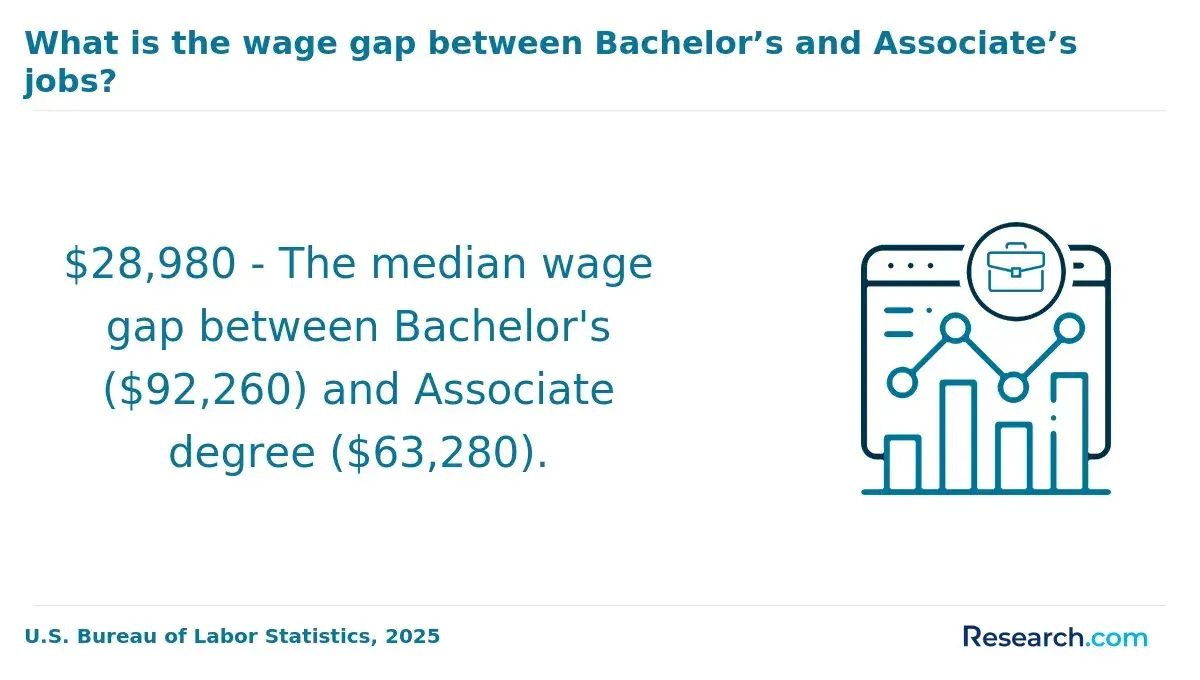
Persistence data from the National Center for Education Statistics 2024 reveal that fully online computer science degree programs typically have completion rates 15-20% lower than campus-based programs. This gap often reflects the absence of consistent peer interaction and institutional structure, which campus programs provide through scheduled classes and immediate access to faculty feedback. Hybrid formats sit between these extremes, offering some in-person support that lessens isolation while preserving flexible elements. The rigorous self-discipline required for remote study, combined with external responsibilities like work or family care, often challenges online learners more than those in traditional campuses with defined routines.
Campus environments foster a focused setting where students can more readily develop habits essential for mastering demanding computer science curricula. The physical separation from everyday distractions and the opportunity for live collaboration contribute to markedly higher retention rates, frequently exceeding 60-70%. Meanwhile, hybrid programs mitigate some difficulties of online study but don't fully replicate the immersive experience of on-site campuses. Ultimately, students must weigh their personal circumstances against these patterns, recognizing that flexibility in format often entails tradeoffs in community and academic support integral to persistence.
A recent graduate recounted struggling with the self-managed pace and lack of immediate feedback in an online computer science degree while juggling a full-time job and childcare. Halfway through the program, feeling isolated and overwhelmed, they considered switching to a hybrid model but hesitated due to work schedule conflicts. Only after a semester of seeking virtual study groups and setting strict weekly goals did completion become feasible, illustrating how online formats demand proactive support strategies and adaptable time management that not every student can sustain long-term.
How Does Each Computer Science Learning Format Affect Student Success?
Student success in computer science programs hinges less on the format itself and more on how well the learning environment matches a student's personal learning style, time constraints, and outside obligations. Different formats—online, hybrid, and campus-based—offer distinct advantages and obstacles that can significantly impact persistence and degree completion.
For example, while a working parent may thrive in a flexible online setting, a self-directed learner with access to campus resources might find traditional programs more conducive. Below are key ways in which learning formats shape academic outcomes in computer science:
- Engagement and Peer Interaction: Campus programs tend to promote more sustained engagement through face-to-face collaboration and spontaneous study groups, which can improve motivation and problem-solving skills. Online students often need to self-initiate interaction, risking isolation that may hinder persistence without proactive support systems.
- Flexibility Versus Structure: Fully online formats provide scheduling flexibility that benefits students balancing work or family commitments, but the lack of rigid deadlines can challenge those needing external accountability. Hybrid models strike a balance by combining in-person sessions that reinforce discipline with asynchronous content.
- Access to Academic Support: Campus learners can tap into immediate, in-person tutoring and technical assistance, while online students rely on virtual resources and synchronous communication tools. Effectiveness depends on the institution's ability to tailor support services to each delivery mode.
- Retention and Completion Rates: According to 2024 data from the National Center for Education Statistics, campus computer science programs show higher degree completion rates than fully online programs, with hybrid formats demonstrating improved retention by integrating personal interaction.
- Real-World Readiness: The immersive environment of campus programs often facilitates networking and exposure to hands-on experiences through labs or internships. Online and hybrid students may need to seek out these opportunities independently, which requires greater initiative.
- Self-Discipline and Learning Style: Students with high self-motivation and effective time management often excel in online settings, whereas those who thrive on direct supervision and structured schedules may find campus formats more supportive of sustained progress.
How Does Enrollment Status Affect Computer Science Completion Rates?
Enrollment status remains one of the most consequential factors shaping computer science degree completion rates because it encapsulates more than just course load—it reflects how students navigate their unique responsibilities and resources. Its impact hinges on individual circumstances such as work commitments, family obligations, and access to institutional support rather than simply the number of credits attempted.
Understanding these nuances helps prospective students adopt an enrollment pace aligned with their realistic capacity to maintain steady progress. The following points highlight key ways enrollment status influences completion in computer science programs:
- Time Commitment and Immersion: Full-time students benefit from sustained focus and immersion in coursework, which is crucial given the sequential nature of computer science concepts. Those without competing outside responsibilities often find this approach fosters continuity and deeper understanding, accelerating completion.
- Balancing External Obligations: Part-time students commonly juggle employment, caregiving, or other duties that fragment study time. This fragmentation can extend degree timelines and introduce risk of attrition, so part-time learners must plan rigorously and leverage flexible program formats to succeed.
- Resource Accessibility: Campus-based full-time students typically enjoy greater access to faculty, labs, and peer networks, supporting persistent engagement. Part-time or online learners may lack these immersive supports, making institutional services like advising and study groups critical for maintaining momentum.
- Program Format Interaction: Hybrid and online formats offer flexibility appealing to part-time students but can reduce accountability. Data from the Postsecondary Research Institute shows part-time students in online settings complete degrees at rates approximately 15-20% lower than full-time counterparts, underscoring that flexibility alone does not guarantee persistence.
- Financial Pressures and Planning: Part-time enrollment often reflects financial necessity, as students attempt to balance income and tuition. This situation demands realistic pacing and proactive academic advising to avoid slowing or derailing degree progress due to sporadic enrollment.
- Structured Support Systems: Institutions that provide clear pacing options, robust advising, and targeted academic support enable part-time students to overcome common hurdles. Such mechanisms reduce risks associated with fragmented schedules and enhance the likelihood of completion.
- Alignment With Career Goals: Some students benefit from enrolling part-time to continue working or gain practical experience concurrently, which can complement their academic progress if managed well. In this context, part-time enrollment, when combined with supports, aligns educational outcomes with evolving employment ambitions more effectively.
For prospective computer science students weighing full-time versus part-time options, evaluating these factors in light of personal circumstances is essential. Balancing the desire for a timely degree with existing obligations and support availability often dictates the best path forward.
Additionally, students interested in accelerated paths may consider options like an accelerated masters in counseling, which demonstrates how targeted program design can influence completion timelines in specialized fields. Ultimately, making informed choices about enrollment status can significantly impact graduation outcomes and career trajectories in this complex and demanding discipline.
Can Transfer Credits Improve Computer Science Degree Completion?
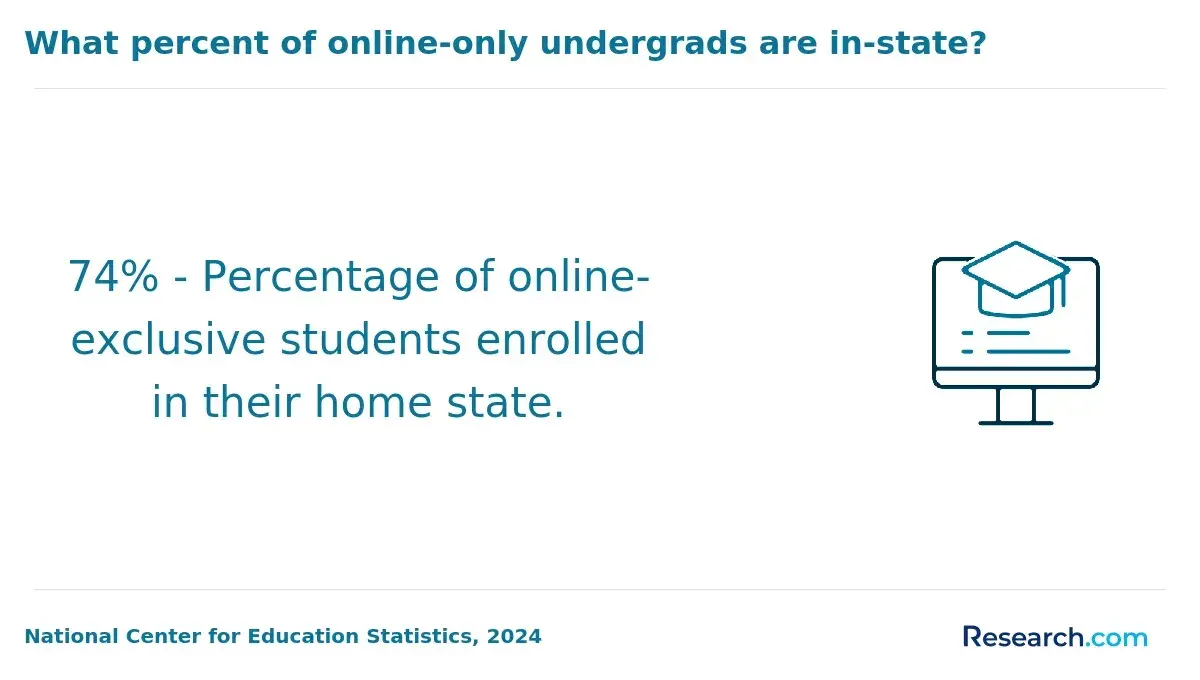
Transfer credits can meaningfully shorten the time needed to complete a computer science degree, but their impact varies by individual circumstances and institutional policies. Data from the National Student Clearinghouse in 2024 shows that students applying transfer credits to their bachelor's degree programs graduate about 18% faster on average than those without transferred coursework. This acceleration typically results from eliminating repeated classes and allowing students to focus earlier on advanced, specialized topics essential to computer science proficiency.
However, receiving transfer credits is not a guaranteed fast track. The practical advantage hinges on how well those credits align with a program's specific curriculum requirements and the flexibility of the institution's transfer policies. For example, students with prior college credits, military training, or professional certifications may find some of their coursework easily applicable, reducing redundant foundational classes. Conversely, if credits only cover general education or do not match core computer science courses, the time savings may be minimal.
Consider a student who completed an associate degree or several community college courses: if their target university has clear articulation agreements, those credits can satisfy core requirements and allow progression into higher-level computer science classes sooner. Without such agreements, the student might have to retake courses or face credit evaluation delays, potentially extending their time and cost to degree completion despite the transferred credits.
Prospective students should carefully assess how likely their existing credits will be accepted and applied toward their intended program. Seeking an official credit evaluation before enrollment is crucial. By comparing the total degree requirements against the number of credits recognized, along with their planned enrollment intensity, students can form a realistic projection of their completion timeline.
While transfer credits can improve degree completion rates for many, they represent just one factor among others such as course availability, advising quality, and personal circumstances that influence graduation outcomes.
Computer science graduates who want to keep this momentum going into an advanced business credential may want to consider accelerated online MBA programs, which can similarly build on prior coursework and professional experience to compress the typical timeline for earning a graduate degree.
What Student Support Services Improve Computer Science Completion Rates?
Degree completion in computer science programs depends heavily on the quality and accessibility of student support services, especially as formats vary from online to campus-based. Data from the National Student Clearinghouse and the Center for Postsecondary Research reveal that tailored, proactive support significantly boosts persistence and graduation, particularly in demanding disciplines like computer science. Below are key services linked to improved completion rates.
- Proactive Academic Advising: Personalized advising that anticipates challenges and offers tailored course sequencing can help students maintain steady progress. Advisors familiar with the intricacies of computer science curricula support students balancing complex schedules or work commitments by addressing academic difficulties early, reducing dropout risk.
- Targeted Tutoring and Supplemental Instruction: Focused assistance on core topics such as programming and algorithms helps close skill gaps that often stall progress. Evidence from a 2024 Education Advisory Board report shows students engaging with virtual tutoring or hybrid support see a 15-20% boost in on-time graduation rates.
- Mental Health and Wellness Resources: Rigorous programs coupled with the isolating nature of online learning increase stress and burnout risks. Access to counseling and peer groups geared toward STEM students improves engagement, enabling better coping and resilience throughout the degree.
- Career Services and Experiential Opportunities: Linking coursework to internships, mentorships, and job placements not only enhances motivation but clarifies the practical value of academic work, encouraging students to persist through challenges typical of computer science paths.
- Technological Integration of Support: Effective use of technology to deliver advising, tutoring, and counseling mitigates geographic and timing barriers inherent to online and hybrid formats. When robust, these services can rival the immediacy of campus-based assistance.
One graduate of an online computer science program recalls juggling a full-time job with coursework and initially feeling overwhelmed by time management. Access to a dedicated advisor who helped map out a realistic course plan eased anxiety.
Simultaneously, joining virtual coding labs offered by the university filled gaps in her understanding of complex programming concepts. She notes that without these supports tailored to her circumstances, she doubts she would have persisted past the first year, illustrating how integrated, responsive services can make the difference between attrition and achievement in non-traditional learning environments.
How Do Computer Science Completion Rates Affect Career Outcomes?
Completion rates in computer science programs strongly influence key career outcomes by determining the timing and legitimacy of degree credentials seen by employers and graduate schools. Students pursuing online, hybrid, or campus formats face different challenges that affect persistence and graduation timelines.
For example, a working professional balancing family obligations in a hybrid program may delay completion compared to a full-time campus student but still benefit similarly once graduated. The relationship between degree completion and career success is complex but measurable. Below are some primary ways completing a computer science program impacts career trajectories:
- Higher Employment Rates and Salary Potential Are Linked to Degree Completion: Students who finish their bachelor's degree on time, regardless of format, show significantly better employment prospects and earn higher starting salaries. The 2024 National Center for Education Statistics data reveals a 20% higher employment rate within six months post-graduation for degree completers than those who leave without a degree.
- Degree Completion Opens Doors to Specialized and Advanced Roles: Holding a completed computer science degree increases eligibility for technical and leadership positions that require formal credentials. Those who persist through graduation gain access to roles inaccessible without a completed degree, accelerating career growth over peers without one.
- Promotes Graduate School Enrollment and Advanced Research Opportunities: Completing the undergraduate degree is often a prerequisite for graduate programs and research roles. Students aiming for competitive master's or doctoral studies benefit from timely graduation and the formal credential as a platform to pursue advanced education and specialized expertise.
- Recognition of Online and Hybrid Credentials Is Increasing, But Persistence Remains Crucial: Employers increasingly accept online and hybrid computer science degrees from accredited programs. However, students must consider program supports carefully, as lower completion rates in some formats may delay workforce entry, potentially affecting medium-term career plans.
- Completion Improves Long-Term Career Stability but Does Not Guarantee Success: Degree completion correlates with greater career stability and promotional opportunities but remains only one factor among many, including skills, experience, and economic conditions. Students should weigh practical realities alongside the benefits of a completed credential.
This perspective highlights why it is critical to select a program format aligned with personal circumstances and persistence capacity. For those weighing options, exploring alternatives such as a competency based degree may also offer flexible paths to timely completion and career goals.
How Should Students Choose the Best Computer Science Learning Format?
Choosing the best computer science degree format for student success involves evaluating personal circumstances alongside educational demands. Studies from 2024 reveal that degree completion rates vary sharply by format—online, hybrid, and campus—underscoring that one size does not fit all.
Students must weigh how each format aligns with their motivation, learning preferences, and life responsibilities. Here are essential factors students should consider when choosing the right computer science learning pathway:
- Work and Family Commitments: Online programs often provide flexibility through asynchronous study, benefiting those balancing jobs or family. However, this format requires strong self-discipline to avoid attrition, as students must manage their own schedules without direct daily oversight.
- Access to Structured Support: Hybrid formats can improve outcomes by combining in-person support with online flexibility, allowing students to benefit from peer interaction and faculty mentorship while accommodating varied schedules.
- Learning Style and Engagement: Campus programs offer immersive and hands-on experiences that suit learners who thrive on direct interaction and immediate feedback, but they demand a consistent, rigid time commitment that may be impractical for some.
- Self-Motivation and Time Management: Essential for all formats but especially critical for online learners, effective time management reduces dropout risks. Students should honestly assess their ability to stay focused without external structure.
- Availability of Peer Networks: Social connections enhance persistence and learning. Hybrid and campus formats tend to foster stronger peer networks, which can reinforce commitment and mitigate isolation experienced in online-only environments.
- Alignment with Career Goals: The chosen format should support practical skills and employability. Research from the National Center for Education Statistics indicates students who match learning pathways to their goals tend to complete degrees faster and enter the workforce better prepared.
- Institutional Resources and Reputation: Evaluate support services, mentorship availability, and curriculum rigor since these elements influence long-term success equally across all formats. Prospective students exploring advanced options might consider specialized pathways, including AI PhD programs, which often offer tailored learning experiences.
What Are the Long-Term Pros and Cons of Each Computer Science Learning Format?
Long-term success in computer science programs varies significantly depending on the learning format chosen. Campus programs often yield higher completion rates due to their structured environments and immediate access to faculty and peers. Online programs provide flexibility for non-traditional students but face challenges with retention, while hybrid formats offer a compromise, blending online convenience with periodic in-person interaction.
Below are key long-term considerations when evaluating these options:
- Completion Rates and Student Retention: Campus programs generally show superior graduation rates, supported by strong peer networks and real-time academic support. Online programs, despite recent engagement tool improvements reported by the National Educational Research Institute in 2024, still struggle with retention, although hybrid programs often bridge this gap.
- Flexibility and Accessibility: Online formats enable working adults and caregivers to study asynchronously, reducing barriers related to location and schedule. Hybrid formats retain flexibility but add commuting, which can affect some students negatively, whereas campus programs demand consistent on-site presence.
- Skill Development in Practical Settings: Campus students benefit from hands-on labs and collaborative projects critical for mastering complex problem-solving, while online learners must rely on virtual simulations; hybrids combine these elements to varying degrees.
- Networking and Career Support: On-campus graduates typically have better access to career services and professional networks, crucial long-term for job placement. Employer acceptance of online degrees is growing, especially as remote work skills gain importance.
- Emotional and Social Engagement: Isolation in online programs may hinder persistence and mastery, whereas campus and hybrid models foster social interaction, enhancing motivation and resilience over time.
References
- Best Online Computer Science Bachelor's Degrees of 2025 https://www.computerscience.org/degrees/bachelors/online/
- Teach Yourself Computer Science https://teachyourselfcs.com/
- Best Computer Science Degree Programs 2026 https://hakia.com/degrees/computer-science/
- Pathway to Success for Students and Faculty in Computing - AAAS | IUSE https://aaas-iuse.org/resource/pathway-to-success-for-students-and-faculty-in-computing/
- Will Transfer Credits Impact your College Graduation Date? | Blog https://waves.portagelearning.edu/blog/will-transferring-college-credits-impact-your-graduation-date
- Online Bachelor’s Degree Computer Science https://www.umgc.edu/online-degrees/bachelors/computer-science
- J Multimed Inf Syst: An Analysis of Curricula for Data Science Undergraduate Programs https://www.jmis.org/archive/view_article
- Empowering Students with Computer Science https://blog.definedlearning.com/empowering-students-with-computer-science/
- Is Studying Computer Science Really That Difficult? | CSU Global https://csuglobal.edu/blog/how-hard-computer-science-degree
- Completing a Part-Time Master's in Computer Science While Working https://alexanderell.is/posts/mscs/
Other Things You Should Know About Computer Science
Self-discipline is critical for success in online computer science degrees, where students manage their own schedules without the physical structure of a campus. Those lacking strong time-management skills often face delays or dropouts in online settings. Hybrid and campus programs provide more scheduled contact hours and peer interaction, which can mitigate accountability challenges. For students who struggle with self-motivation, prioritizing hybrid or campus formats can significantly improve their chances of completion.
The inherently challenging nature of computer science-emphasizing coding, algorithms, and theory-can exacerbate completion difficulties, especially in formats with limited direct faculty interaction. Online programs may delay timely feedback, complicating understanding of complex concepts and increasing dropout risk. Campus programs usually offer immediate access to faculty and study groups, which better supports mastering difficult material. Students should weigh these format-based support dynamics carefully, particularly if they anticipate needing frequent instructor guidance.
Campus and hybrid programs often offer richer networking opportunities, internships, and collaborative projects critical for competitive computer science careers-advantages that can shape educational persistence and completion momentum. While online programs provide flexibility, they sometimes lack immersive experiences that build industry-ready skills and professional contacts. Students targeting fields like software engineering or data science may benefit from prioritizing hybrid or campus formats to enhance both completion likelihood and employability through deeper engagement.
Online learners frequently face compressed or asynchronous workloads that require juggling commitments independently, increasing the likelihood of burnout or missed milestones. In contrast, campus and hybrid students encounter more structured pacing and cohort-based progress, which can enhance workload balance and persistence. Pragmatically, those balancing work or family responsibilities may still prefer online formats but should implement proactive workload strategies or choose hybrid options that blend flexibility with structured deadlines to better navigate program demands toward completion.