2027 Computer Science Student Debt Report: Borrowing, Monthly Payments, and Repayment Risk

Co-Founder and Chief Data Scientist
Computer science programs often demand extended study periods due to rapidly evolving curricula and the integration of emerging technologies. This dynamic environment shapes borrowing behavior, as students weigh the costs of specialized certifications, advanced coursework, and unpaid internships vital for competitive positioning. Unlike disciplines with fixed licensing timelines, computer science graduates frequently enter a volatile labor market where salary variability and shifting employer expectations influence repayment capacity.
According to the National Center for Education Statistics (2024), a growing share of computer science students now pursue graduate education, further complicating debt profiles. The age distribution of these students suggests a shifting landscape, reflecting evolving workforce needs and increasing educational accessibility.
Key Things to Know About Computer Science Student Debt
- Average student debt for computer science graduates is rising faster than in many STEM fields, reflecting program costs' tradeoff against accelerated career-start opportunities.
- Monthly loan payments can constrain acceptance of entry-level roles that emphasize skill-building over immediate high compensation, affecting longer-term employer-driven career trajectories.
- Delays in repayment correlate with program length and financing structure, underscoring the importance of timing and cost planning for those balancing education access with the risk of compounding interest burdens.
- Key Things to Know About Computer Science Student Debt Key Things to Know About Computer Science Student Debt
- How Much Student Loan Debt Do Computer Science Graduates Typically Have at Graduation? Average Studen Loan Debt
- What Factors Have the Biggest Impact on Computer Science Student Loan Debt? Student Debt Key Factors
- What Is the Average Monthly Student Loan Payment for Computer Science Graduates? Average Monthly Payment
- How Do Repayment Rates Compare Between Public and Private Institutions? Public vs. Private Institution Repayment Rates
- Do Online Computer Science Graduates Have Different Repayment Outcomes Than Campus-Based Students? Online vs. On-Campus Student Loan Repayment
- Which Industries Provide the Best Financial Return Relative to Borrowing Costs? Which Industries Provide the Best Financial Return Relative to Borrowing Costs?
- Does Student Debt Affect Which Jobs Computer Science Graduates Accept? Does Student Debt Affect Which Jobs Computer Science Graduates Accept?
- What Factors Increase Student Loan Repayment Risk for Computer Science Graduates? Loan Repayment Risk Factors
- How Can Computer Science Students Reduce Student Loan Debt While Earning Their Degree? Tips to Reduce Student Debt
- How Should Prospective Students Evaluate Borrowing Risk Before Enrolling? Evaluating Student Debt Risk
How Much Student Loan Debt Do Computer Science Graduates Typically Have at Graduation?
Recent data from 2024 indicate that the average student loan debt for computer science graduates typically falls between $25,000 and $40,000 upon graduation, reflecting substantial variability rooted in program and institutional factors. This range is consistent with broader trends in higher education borrowing but is notably shaped by the STEM field's distinct financial dynamics, where expected income potential influences borrowing decisions and subsequent repayment strategies.
Understanding the average student loan debt for computer science graduates requires considering not only tuition rates but also financial aid access and enrollment structures that directly affect the total amount borrowed at the point of degree completion. The variation in typical graduation debt levels for computer science students is strongly linked to differences between public and private institutions, with public university attendees often incurring lower debt due to more affordable in-state tuition rates and higher availability of grants.
Out-of-state and private college enrollees generally accumulate larger debt burdens because of elevated tuition and fees, alongside potentially higher living costs. Additionally, part-time enrollment, extended program durations, and limited access to scholarships or work-study funding can further increase borrowing. Students juggling unpaid or low-paid internships, increasingly common in technical fields, may also rely more heavily on loans to cover expenses during their studies, intensifying debt disparities across graduates.
The implications of these debt levels extend beyond graduation, as repayment stress varies depending on individual loan terms, income-driven repayment plans, and geographic cost-of-living differences that affect disposable income post-completion. Graduates must navigate the interplay between their debt obligations and realistic salary prospects to avoid financial instability, with many needing to carefully consider borrowing limits and program choices.
For prospective students assessing non-traditional options or flexible scheduling, researching alternatives like an online psychology degree may also offer insights into different cost structures and repayment experiences within related fields.
What Factors Have the Biggest Impact on Computer Science Student Loan Debt?
Student loan debt levels among computer science students result from a complex interplay of institutional pricing, individual financial circumstances, and enrollment behaviors rather than any single factor. These debts reflect structural affordability challenges within higher education financing systems combined with how students navigate program length, aid options, and living costs. Evaluating differences in computer science student debt by institution type and learning format reveals how these elements collectively influence the total borrowing required.
Understanding such drivers offers a clearer view of why loan balances vary widely across this field.
- Institutional Pricing and Type: Public universities generally offer lower tuition rates than private institutions, directly reducing borrowing needs. According to a 2024 National Center for Education Statistics report, in-state tuition at public colleges averages around $10,400 annually versus $39,500 at private nonprofit schools, a significant gap that increases loan balances substantially for students at private universities. This pricing disparity interacts with financial aid availability, making the net cost far more variable depending on where a student enrolls.
- Program Length and Enrollment Patterns: The duration of study strongly impacts debt accumulation. While most computer science bachelor's degrees require four years, extended time due to co-op placements, part-time enrollment, or changing majors increases total borrowing. Graduate students also tend to incur more debt; for example, master's-level borrowers often carry average debts exceeding $66,000, more than double typical undergraduate amounts. These extended pathways often correlate with higher cumulative financial obligations even as students seek to build specialized skills.
- Living Expenses and Geographic Location: Regional cost-of-living differences play a crucial role in shaping loan amounts. Urban and metropolitan areas with higher housing and transportation costs can add thousands of dollars annually to total borrowing. Many students must cover these expenses without sufficient aid, amplifying debt burdens that go beyond tuition. Such regional disparities underscore how financial decisions extend beyond institutional costs alone.
- Financial Aid Accessibility and Scholarship Opportunities: The availability and type of financial aid markedly influence borrowing patterns. Computer science students often face a mixed landscape, where high-demand fields sometimes enable scholarships or employer tuition assistance, directly reducing loans. However, uneven access to these resources creates wide disparities, meaning that borrowing needs can vary greatly even within the same program or institution.
- Post-Graduation Employment Timing and Certification Costs: Delays in workforce entry due to extended schooling or limited part-time job opportunities can elevate debt risk. The Brookings Institution highlights that students postponing employment face higher cumulative borrowing and more challenging repayment scenarios. Additionally, employer expectations for advanced technical certifications alongside degrees push some students toward costly credentialing, increasing debt beyond traditional tuition and living costs.
Students considering borrowing for computer science degrees may also explore options like online affordable master's programs which can lower institutional and living cost pressures and provide more flexible enrollment pathways that align better with diverse financial circumstances.
What Is the Average Monthly Student Loan Payment for Computer Science Graduates?
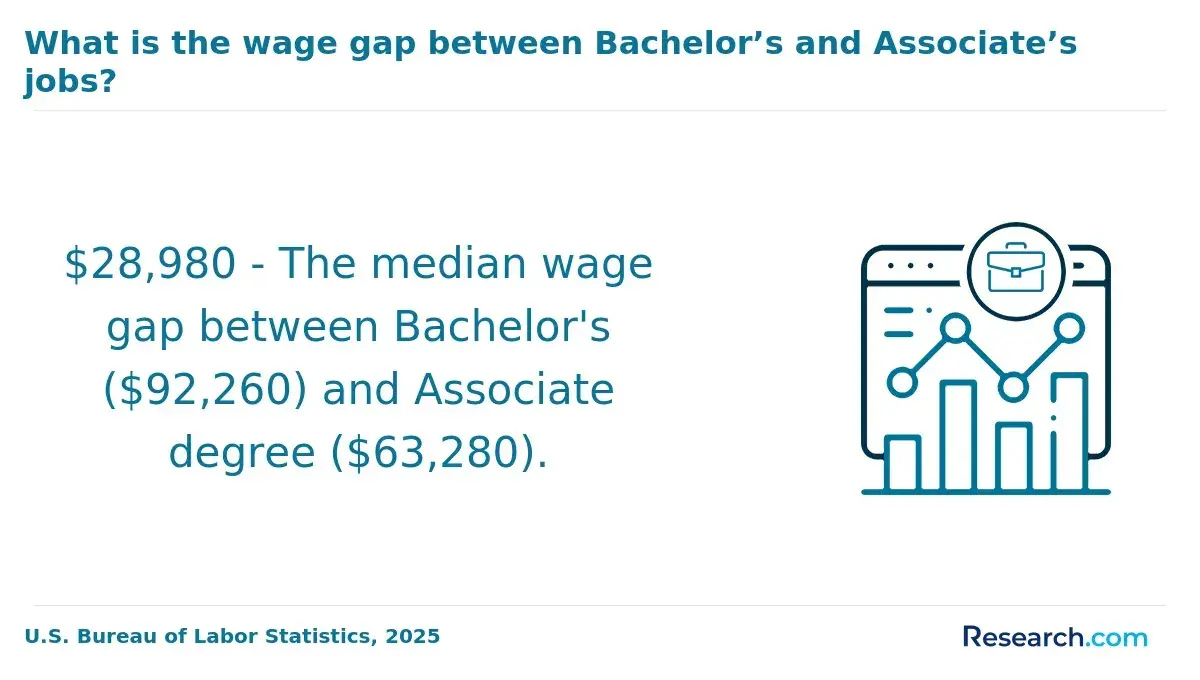
Recent analyses based on data from the U.S. Department of Education reveal that computer science graduates typically face monthly student loan payments between $300 and $500 within the initial years after entering the workforce. This range largely reflects median debt amounts around $28,000 combined with standard 10-year repayment plans common among these graduates.
However, this average masks variations arising from how loan principal, interest rates, and repayment schedules interact, influenced by factors such as school type and geographic cost of living. Many who choose income-driven repayment plans may see monthly dues below $250, albeit with extended repayment periods and potentially greater cumulative interest.
Variability in monthly payments is principally driven by total borrowing levels, the structure of repayment plans, and post-graduate income differences within computer science subfields. Those with larger loan balances or attending private institutions typically encounter higher initial payments, while income-based plans adjust installments according to earnings, affecting affordability but lengthening debt duration.
Salary disparities-from entry-level coders to specialized engineers-and regional living costs also shape repayment feasibility, highlighting the need to align borrowing decisions with realistic post-graduation financial trajectories to avoid unsustainable payment burdens. One graduate recalled the uncertainty of timing decisions during rolling admissions.
Despite early preparation, she hesitated to submit her application as she debated how much student debt to incur versus potential job prospects. She described the waiting period as stressful, balancing urgency against a need to research loan options deeply. Once admitted, her focus shifted to choosing a repayment plan that matched her initial job's salary, a decision shaped significantly by that earlier admissions timing and financial clarity.
How Do Repayment Rates Compare Between Public and Private Institutions?
Recent data from the U.S. Department of Education and the Federal Reserve highlight a significant divergence in loan repayment rates among computer science graduates from public versus private institutions. Approximately 68% of public university alumni show measurable progress on their student loan principal three years after graduation, whereas this figure drops to about 55% for private institution graduates. Median monthly loan payments also vary, with public graduates typically paying around $300 compared to $380 for those from private schools.
These differences persist within the first five years post-completion, reflecting variations in debt burden and repayment capacity tied to the institutional sector. The disparities in repayment performance largely stem from structural differences in tuition costs, borrowing patterns, and post-graduate earnings. Private institutions often carry higher sticker prices, resulting in greater average debt loads that can delay principal reduction despite potentially robust salary prospects.
Public universities benefit from state-funded aid programs that mitigate initial borrowing and tend to serve more diverse student populations whose sector entry points influence income trajectories. Additionally, the fields graduates enter and their resulting compensation directly affect monthly payment affordability, intensifying the debt-to-income dynamic that underpins repayment success.
These repayment trends have broader implications for financial strain and long-term mobility among computer science graduates. Higher recurring payments and slower principal reduction at private institutions may create sustained burdens impacting credit profiles and discretionary spending capacity.
Conversely, stronger repayment rates linked to lower debt levels in public programs contribute to more manageable financial outlooks, reinforcing institutional accountability and informing prospective students' decisions about the comparative economic value of their degrees. Understanding how these systemic financing and labor market factors intersect is critical for assessing true program cost beyond tuition and immediate hiring outcomes.
Do Online Computer Science Graduates Have Different Repayment Outcomes Than Campus-Based Students?
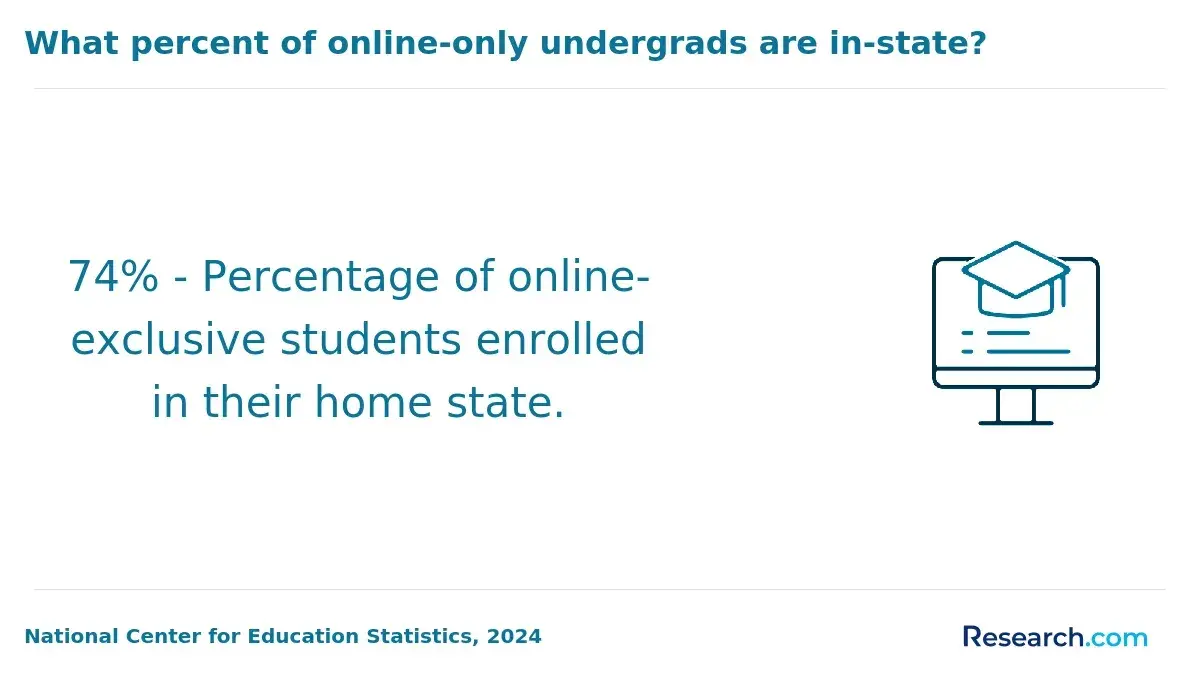
Recent data from the National Center for Education Statistics and the U.S. Department of Education highlights notable disparities in student loan repayment rates between graduates of public and private institutions offering computer science programs. Three-year repayment rates show private institution graduates averaging about 47%, compared to roughly 38% for those from public universities. These differences reflect more than institutional reputation; they reveal underlying variations in borrowing levels, graduate earnings, and resource availability.
Prospective students evaluating online computer science graduates' repayment differences must consider these repayment trends in the context of the broader financial and demographic ecosystems each sector serves. Several structural factors drive these repayment gaps. Private colleges often charge higher tuition, leading to larger initial debt, but they also typically provide stronger career placement services and targeted financial aid that can improve repayment rates.
Graduates from private institutions frequently benefit from higher early-career salaries, enabling more consistent loan servicing. In contrast, public university students may borrow less upfront but often face slower income growth, which, combined with fewer dedicated repayment supports, contributes to reduced repayment performance. These dynamics underscore how debt-to-income ratios, institutional support systems, and employment outcomes together shape long-term repayment behavior across delivery modes and institutional types.
The implications extend beyond raw repayment statistics to affect perceptions of educational value and institutional accountability. Lower repayment rates among public program graduates can contribute to heightened repayment stress and constrain long-term financial mobility. Meanwhile, repayment outcomes influence how prospective students weigh institutional choices in relation to career ambitions and financial realities.
This nuanced repayment landscape is especially relevant when comparing campus versus online computer science student loan repayment, where program delivery intersects with institutional factors, shaping distinct repayment trajectories that inform student decision-making. For those exploring flexible education pathways, examining options such as a degree in finance can also provide insight into how specialized programs impact financial outcomes.
Which Industries Provide the Best Financial Return Relative to Borrowing Costs?
Financial return for computer science graduates varies substantially across industries, influenced not just by salary levels but by how earnings trajectories align with the debt accumulated during their studies. Evaluating return on investment means assessing both starting pay and the speed of income growth alongside typical borrowing amounts.
The most favorable sectors balance robust hiring demand with career progression that supports manageable student loan repayment without excessive financial stress.
- Software Publishing: This industry ranks highly for financial return due to its combination of strong starting salaries-often 20% to 40% above averages for computer science roles-and consistent demand for technical talent. Median earnings within six years post-graduation approach $95,000, according to recent Department of Education data, significantly easing monthly debt payments and reducing overall repayment risk relative to typical borrowing levels.
- Data Processing and Hosting: With growing reliance on cloud infrastructure and real-time data analytics, this sector offers accelerating salary trajectories that help offset student debt. Hiring demand remains steady, and while entry-level pay may vary by region, advancement opportunities provide a stable path to financial solvency for those managing $30,000 to $40,000 in education loans.
- Computer Systems Design Services: Roles in this sector frequently reward specialized skills with premium compensation, reflecting employer expectations for proficiency in cybersecurity or software development. This translates into salary growth that outpaces inflation and supports timely loan repayment even when initial debt loads are moderate.
- Telecommunications: Although often featuring slower salary progression and somewhat volatile employment conditions, telecommunications can offer mid-range returns for graduates prioritizing geographic stability or niche technical expertise. The repayment burden tends to be higher here due to modest income growth relative to debt levels.
- Government IT Positions: Public sector roles typically provide slower but steady salary increases, with additional job security benefits. However, the financial return relative to borrowing costs is frequently diminished by lower initial pay, which may prolong repayment periods and increase long-term debt risk.
Does Student Debt Affect Which Jobs Computer Science Graduates Accept?
Student loan burdens markedly affect which positions computer science graduates decide to accept, with salary often the overriding factor in early career choices. Those facing substantial monthly repayments prioritize roles offering immediate, higher income to ensure manageable debt servicing, frequently sidelining opportunities that may offer stronger professional development but lower initial pay.
Data from the National Center for Education Statistics in 2024 indicates that about 58% of graduates with loans prioritize compensation above other job aspects, revealing a clear financial calculus shaping employment decisions. This tendency influences graduates to favor positions within lucrative sectors such as large technology firms and finance, where pay scales can more readily offset debt obligations, despite potential sacrifices in work-life balance or geographic preferences.
The impact of student debt extends beyond salary to affect broader employment behaviors and industry selection patterns. Graduates with heavier debt loads are less inclined to pursue roles in academia, startups, or nonprofit sectors, where compensation tends to be lower and less predictable, even if these positions might align better with personal passions or long-term career visions. Geographic mobility may be constrained as graduates weigh the cost of living against expected earnings, often tethering themselves to urban centers with higher salaries but increased expenses.
Additionally, employers leverage this debt-driven urgency by offering financial incentives like signing bonuses and stock options, effectively anchoring early-career decisions to immediate financial stability rather than intrinsic job fit or future growth. The Computing Research Association's 2024 survey underscores this, reporting 42% of recent graduates accepted their first role primarily for salary considerations rather than job content.
A computer science graduate shared that during the rolling admissions cycle for graduate programs, uncertainty about financial aid packages and resulting loan amounts made choosing a job offer fraught with hesitation. The unpredictable timeline pressured them to accept a well-paying position quickly to avoid financial strain, even though they had hoped for a research role that aligned better with their interests.
Ultimately, the urgency to secure sufficient income to meet loan repayments overrode their initial career aspirations, reflecting the real-world constraints student debt imposes on decision-making during critical transition periods.
What Factors Increase Student Loan Repayment Risk for Computer Science Graduates?
Repayment risk for computer science graduates arises from an interplay of financial, academic, and labor market factors rather than a single cause. This risk reflects both the scale of accumulated debt and the stability of earnings after graduation.
Variations in institutional costs, income volatility, and sector-specific employment conditions all contribute to how easily graduates can manage their loan obligations. Comprehensive assessment requires examining these elements together to understand the specific vulnerabilities faced by different student groups.
- High Initial Debt Relative to Income: Graduates who borrow large sums at institutions with higher tuition or living costs often face repayment strain if their starting salaries do not keep pace. Elevated debt-to-income ratios reduce financial flexibility and magnify default risk, especially during early repayment phases.
- Income Variability and Contract Work: Many recent computer science graduates engage in freelance or contract positions with irregular paychecks, complicating consistent loan repayment. This volatility undermines budgeting certainty and increases the chance of missed or partial payments.
- Employment in Lower-Paying or Smaller Markets: Not all computer science jobs offer the same compensation; graduates employed in smaller cities or non-tech sectors may experience limited income growth, diminishing their ability to meet fixed monthly payments over time.
- Lack of Financial Literacy about Repayment Options: Insufficient awareness of income-driven repayment plans, deferment, or consolidation strategies can lead borrowers to follow less sustainable repayment routes, increasing default likelihood despite available alternatives.
- Economic and Sectoral Downturns: Fluctuations in the tech industry and broader economic cycles disproportionately affect newer graduates, often disrupting employment continuity and income stability critical for maintaining repayments.
According to data from the Federal Reserve (2024), approximately 22% of computer science graduates with federal loans default within five years of entering repayment, underscoring how these interconnected factors compound risk. Those evaluating program format and institution choices should carefully weigh these dynamics, as factors increasing repayment risk for computer science graduates are closely tied to their educational investments and career trajectories.
Prospective students might also consider alternatives for managing debt burdens and program costs, such as exploring master's in finance online programs that may provide diverse financial perspectives beneficial to longer-term loan management strategies.
How Can Computer Science Students Reduce Student Loan Debt While Earning Their Degree?
Reducing student loan debt while earning a computer science degree requires proactive financial planning, efficient academic choices, and leveraging institutional resources strategically. This process depends on a combination of financial awareness, academic efficiency, and smart utilization of available aid programs and work opportunities. Implementing well-informed strategies can substantially lower borrowing levels and ease repayment burdens after graduation.
- Targeted Scholarships and Grants: Pursuing financial aid specifically aimed at technology and computer science fields reduces reliance on loans by providing non-repayable funding. These awards often prioritize merit or demographic factors relevant to tech disciplines, making dedicated searches critical for minimizing borrowing.
- Part-Time Tech Work or Internships: Engaging in paid internships or cooperative education programs can offset tuition costs through income while offering subsidies like employer tuition reimbursement. Such work experience also enhances employability, creating long-term financial advantages beyond initial debt reduction.
- Community College Transfer Pathway: Starting studies at a community college before transferring lowers overall tuition expenses, though students should weigh potential tradeoffs in networking and access to specialized resources vital in computer science careers.
- Online and Hybrid Course Enrollment: Utilizing flexible program formats cuts ancillary costs like housing and transportation, which reduces total education expenses. However, students must assess the impact on hands-on learning critical for software development and other technical skills.
- Early Financial Literacy and Budgeting: Understanding loan terms, repayment plans, and personal budgeting early in the academic journey enables students to avoid unexpected debt growth and plan realistic repayment strategies.
- Efficient Academic Planning: Completing degree requirements on time minimizes extra semesters that add tuition and living costs. Selecting courses that maximize credit application toward graduation accelerates affordability efforts.
- Institutional Aid Utilization: Actively seeking tuition assistance programs offered by universities, including merit-based awards and work-study options, can significantly reduce out-of-pocket expenses and total borrowing.
According to the National Center for Education Statistics in 2024, approximately 60% of undergraduate STEM students take on loans averaging close to $30,000, underscoring the importance of strategic borrowing management. Students searching for the easiest bachelor degree, or evaluating advanced options in other fields like DSW programs, and exploring how to minimize student loan debt for computer science students should integrate these approaches throughout their educational trajectory to effectively reduce financial burdens.
How Should Prospective Students Evaluate Borrowing Risk Before Enrolling?
Carefully evaluating borrowing risk before enrolling in a computer science degree program is crucial to understanding long-term financial impacts. This evaluation requires balancing the total expected debt against projected starting salaries and employment prospects. The median starting salary for computer science graduates is about $75,000 annually, per the U.S. Department of Education's 2024 data, a key benchmark for gauging repayment capacity and manageable borrowing.
- Institution-Specific Debt Levels: Research average debt amounts at the specific institutions and programs considered rather than relying on national averages, as cost variations affect repayment burdens significantly.
- Realistic Payment Projections: Estimate monthly loan payments based on anticipated entry-level salary while factoring in living expenses and other financial commitments to avoid underestimated repayment challenges.
- Program Quality and Employment Outcomes: Assess placement rates and employer connections of the program since higher employability and stronger industry ties can improve job prospects and income stability.
- Alternative Funding Sources: Identify scholarships, employer tuition benefits, or income-share agreements to minimize debt exposure and reduce borrowing needs.
- Career and Geographic Salary Variability: Understand how job location and role specialization may affect salary, impacting repayment feasibility and overall debt risk profile.
- Long-Term Financial Impact: Consider how debt servicing might delay other financial goals like homeownership or retirement savings, especially since 23% of recent STEM graduates pay over 10% of their monthly income toward debt per Federal Reserve data.
- Loan Terms and Interest Rates: Analyze the conditions of loans, including interest rates and repayment flexibility, to estimate total cost and potential repayment difficulties over time.
References
- Bachelor’s Degrees Offering the Highest and Lowest Return on Investment Revealed https://finance.yahoo.com/economy/articles/bachelor-degrees-offering-highest-lowest-103000835.html
- student loan maximum for CS degree https://talk.collegeconfidential.com/t/student-loan-maximum-for-cs-degree/1395888
- Computer science degree offer highest return on investment - VnExpress International https://e.vnexpress.net/news/tech/tech-news/computer-science-degree-offer-highest-return-on-investment-5066118.html
- 10 Tips For Avoiding Student Loan Debt https://www.portefinance.com/blog/10-tips-for-avoiding-student-loan-debt/
- Repaying your student loan https://www.gov.uk/repaying-your-student-loan/which-repayment-plan-you-are-on
- Student Loans for CS Degrees: Smart Strategies 2026 https://hakia.com/resources/student-loans-cs-degrees/
- Average Student Loan Debt at Graduation https://www.savingforcollege.com/article/average-student-loan-debt-at-graduation
- Computer Science & Engineering Student Loans - Ascent Funding https://www.ascentfunding.com/college-loans/computer-science-engineering/
- Does College Pay Off? A Comprehensive Return On Investment Analysis - FREOPP https://freopp.org/whitepapers/does-college-pay-off-a-comprehensive-return-on-investment-analysis/
- What Majors Have the Highest Student Loan Debt? | SoFi https://www.sofi.com/learn/content/student-debt-by-majors/
Other Things You Should Know About Computer Science
Research-intensive computer science programs often demand more time and may delay entry into the workforce, increasing the total borrowing period and accumulated debt. In contrast, application-oriented programs tend to prioritize practical skills and faster job placement, which can help graduates begin repayment sooner and reduce long-term interest costs. Students should weigh the benefits of deeper theoretical knowledge against the financial advantage of quicker employment when selecting their path, as this choice directly affects both how much they borrow and how fast they can repay.
Employers increasingly value specialized skills such as machine learning or cybersecurity, which may require additional certifications or degrees beyond a bachelor's, increasing initial borrowing. However, these specializations often lead to higher salaries that can offset greater debt faster. Conversely, general computer science graduates may have broader job options but potentially lower starting salaries, making repayment more challenging. Therefore, prioritizing specialization aligned with market demand can improve debt management by enhancing earning potential.
Programs with heavy workloads and intense project requirements may extend study duration or limit the ability to work part-time, resulting in higher borrowing and delayed repayments. Those balancing manageable workloads with flexible course structures enable students to maintain income streams alongside studies, reducing total debt. Prospective students should consider whether the program's intensity aligns with their financial capacity and personal circumstances since a balance between academic rigor and financial practicality affects both borrowing amounts and repayment trajectories.
Prioritizing immediate repayment might reduce interest but can limit funds available for continuing education or certifications critical to career advancement in computer science. Conversely, investing in skill development may temporarily increase debt or delay repayment but typically leads to better job opportunities and higher incomes, improving long-term financial stability. Students should evaluate their current financial flexibility and career goals carefully; often, strategically delaying repayment while acquiring in-demand skills yields stronger outcomes than aggressive early repayment without such investment.