2027 Aviation Management Skills Gap Analysis: What Employers Want vs What Degree Programs Teach

Co-Founder and Chief Data Scientist
A prospective aviation management graduate steps into the job market eager to apply learned skills but quickly encounters a gap between academic training and employer expectations. Theoretical knowledge alone often fails to prepare candidates for the operational challenges and decision-making demands they face in real aviation environments. Employers seek graduates who demonstrate both technical competence and practical problem-solving abilities, yet degree programs frequently emphasize theory over hands-on experience.
The misalignment creates uncertainty for students trying to choose the right program and for graduates aiming to stand out in a competitive field. Understanding where these gaps exist helps clarify which skills require further development beyond formal education. This article analyzes the differences between what employers want and what aviation management degree programs teach, offering insights to enhance workforce readiness and career success.
Key Things to Know About Aviation Management Skills Gap
- Employer surveys show a 40% gap between aviation management curricula and demand for advanced data analytics skills, urging students to seek supplemental technical training beyond core courses to remain competitive.
- Graduates frequently lack practical regulatory compliance and crisis response experience, crucial for entry-level roles, which means on-the-job learning often extends initial productivity ramp-up by months.
- Internships and industry certifications significantly close readiness gaps, so proactive students who engage early with operational environments typically achieve superior placement outcomes within the first year post-graduation.
- Key Things to Know About Aviation Management Skills Gap Key Things to Know About Aviation Management Skills Gap
- What Skills Do Employers Expect From Aviation Management Graduates? Employer Expectations
- What Do Aviation Management Degree Programs Typically Teach? Program Curriculum
- Where Is the Biggest Skills Gap Between Aviation Management Programs and Employers? Biggest Skills Gap
- Which Technical Skills Are Most Important for Aviation Management Careers? Technical Skills
- Which Workplace Skills Matter Beyond Technical Knowledge? Workplace Skills
- How Do Internships and Real-World Experience Improve Career Readiness? Career Experience
- How Can Students Close the Aviation Management Skills Gap Before Graduating? Closing Skills Gap
- How Is the Aviation Management Job Market Changing Employer Skill Requirements? How Is the Aviation Management Job Market Changing Employer Skill Requirements?
- How Do Different Aviation Management Programs Compare in Career Preparation? How Do Different Aviation Management Programs Compare in Career Preparation?
- How Should Students Choose a Aviation Management Program That Builds Career-Ready Skills? Choosing a Program
What Skills Do Employers Expect From Aviation Management Graduates?
Employers hiring aviation management graduates prioritize a blend of technical knowledge and professional skills that reflect current industry complexities. Recent labor market insights from 2024, including reports by LinkedIn and the World Economic Forum, reveal that nearly 70% of employers emphasize competencies in both operations and digital technology. This dual focus aligns with the growing reliance on advanced aviation software and data analysis to improve efficiency and safety.
Graduates who grasp these elements while demonstrating strong interpersonal skills tend to perform better in dynamic, real-world scenarios, such as coordinating rapid airport responses to unexpected disruptions. Key skills sought across the aviation management graduate employer expectations are outlined below.
- Operations Expertise: Employers expect a solid foundation in airline scheduling, airport logistics, and compliance with regulatory standards. Mastery of these basics allows graduates to oversee essential functions that keep complex systems running smoothly while mitigating risks.
- Digital Literacy: Proficiency with emerging aviation software and data analytics tools is increasingly critical. Graduates develop this skill through hands-on projects analyzing fuel efficiency or optimizing route planning, enabling smarter decision-making based on predictive insights.
- Communication Skills: Effective coordination among airlines, regulators, ground staff, and passengers is crucial. Strong verbal and written communication helps resolve issues quickly, particularly during operational disruptions where clear messaging sustains safety and customer satisfaction.
- Leadership and Problem-Solving: The ability to navigate crises-such as managing delays caused by severe weather-distinguishes aviation management professionals. Training often involves simulated challenges that build resilience and swift critical thinking.
- Adaptability: Rapid shifts in industry regulations and environmental policies require graduates to adjust strategies promptly. Experience with project management frameworks supports this flexibility in evolving aviation environments.
- Sustainability Awareness: Knowledge of green aviation initiatives provides an edge. Understanding regulatory compliance and environmental impact aligns graduates with industry priorities tackling climate change.
- Data Competence: The Lightcast 2024 report highlights that interpreting big data to support operational decisions is no longer optional. Graduates gain this capability by integrating analytics courses and real-world case studies into their curriculum.
For students aiming to boost their employability, pursuing online courses with certificates in relevant technical and communication competencies can complement an aviation management degree effectively.
What Do Aviation Management Degree Programs Typically Teach?
Aviation management degree programs offer a blend of theory and applied skills designed to equip students with the knowledge necessary for navigating the complexities of the aviation sector. The core curriculum typically reflects a balance between regulatory frameworks, operational insights, and managerial disciplines essential for effective workforce performance.
However, the scope and emphasis can vary, with some programs integrating newer competencies like digital tools and sustainability more extensively than others. This variance impacts how well graduates meet evolving industry demands, especially in a field where technology and compliance requirements rapidly advance. Below are key areas commonly emphasized within an aviation management degree curriculum overview.
- Aviation Law and Safety: Students learn regulatory compliance and safety standards crucial for maintaining operational integrity and mitigating legal risks in air transport. Understanding legal frameworks supports careers in compliance oversight and safety audits.
- Airline and Airport Operations: This area covers the logistical and administrative functions behind managing flights and airport systems, preparing students for roles that require coordinated control of ground and airside activities.
- Strategic Management and Finance: Core financial principles and strategic planning methods are taught to equip students to oversee budgets, resource allocation, and long-term organizational goals within aviation firms.
- Customer Service Management: Emphasizing human factors, programs introduce service quality and passenger experience management, recognizing that operational success also depends on non-technical interpersonal skills.
- Logistics and Risk Assessment: Many curricula include supply chain and risk mitigation concepts, reflecting aviation's dependence on timely coordination and contingency planning to maintain reliability.
- Digital Tools and Innovation: Despite uneven integration, emerging programs are enhancing content related to data analytics and innovation management, recognizing this as a critical gap identified by 78% of aviation employers in a 2024 International Air Transport Association survey.
- Practical Experience (Internships and Capstones): Real-world application opportunities vary widely but are invaluable for contextualizing theoretical learning and fostering industry connections crucial for job placement.
For prospective students weighing different program formats, understanding these core competencies provides clarity on program rigor and relevance. Supplementing coursework with targeted certifications or technology-focused training can further bridge gaps endemic in traditional aviation management degree programs. For those seeking foundational pathways, exploring the best associate degrees in related fields can also serve as stepping stones toward advanced aviation management education.
Where Is the Biggest Skills Gap Between Aviation Management Programs and Employers?
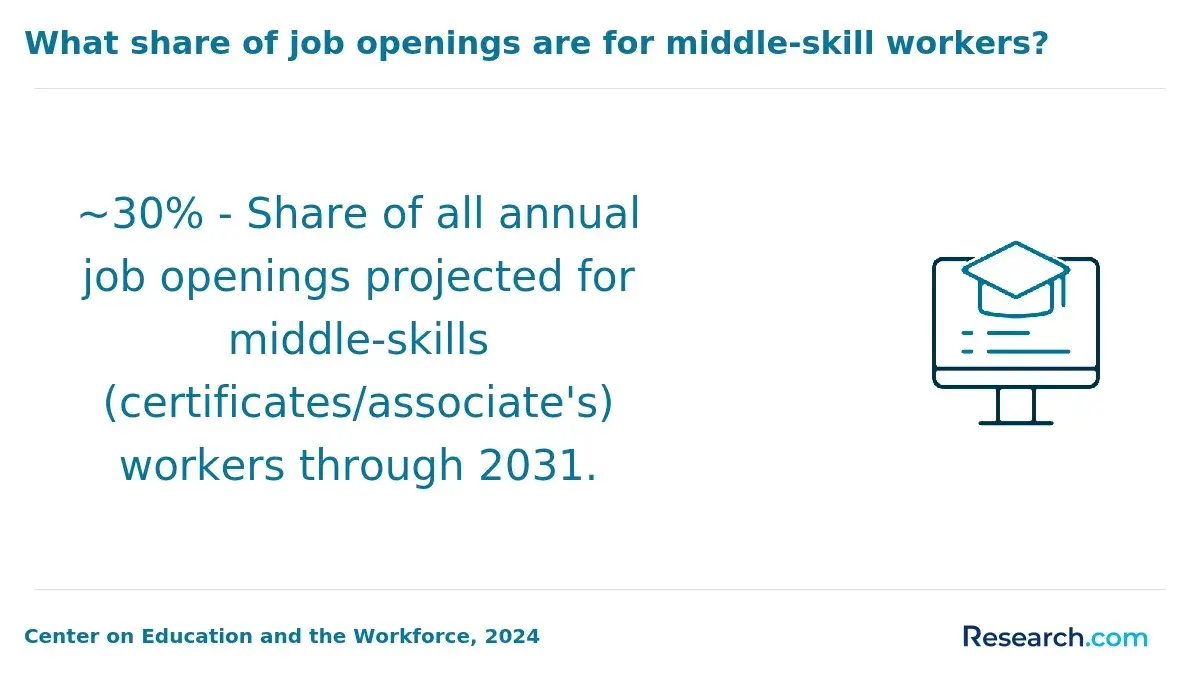
Employers in aviation frequently report a significant disconnect between the skills new aviation management graduates possess and what the job demands, particularly in today's tech-driven environment. According to the U.S. Bureau of Labor Statistics 2024 workforce study, nearly 40% of hiring managers note a shortage in applied technological and interpersonal capabilities among entry-level candidates.
This gap reflects how many programs, focused on foundational theory, struggle to keep pace with the rapid operational shifts in the industry. Below are the most commonly cited areas where graduates fall short and strategies students can use to narrow these deficits before job entry.
- Technology Integration: Many degree curricula emphasize regulatory and theoretical principles but lag in teaching hands-on skills with current digital tools such as AI-based scheduling and predictive maintenance software. This leaves graduates unprepared to immediately contribute to efficiency-driven tasks, making internships or specialized technology certifications vital for skill acquisition.
- Data Analytics Proficiency: Employers seek candidates who can analyze complex datasets to inform realtime decisions, yet most programs only touch on analytics superficially. Students who engage in data-focused projects or workshops develop an edge that translates directly into performance on the job.
- Leadership and Adaptability: The ability to lead cross-functional teams and adjust swiftly to operational challenges is repeatedly cited as lacking. Experiential learning opportunities-like internships offering managerial responsibilities or case study simulations-better prepare candidates for workplace dynamics than traditional lectures.
- Cross-Cultural Communication: As aviation is inherently global, the soft skills needed to interact effectively across cultures are insufficiently emphasized. Immersive international experiences or targeted communication training help bridge this critical gap.
A recent aviation management graduate described her first months in a mid-sized regional airline's operations center as a crash course in technology and stakeholder communication. Although she had excelled academically, she found herself hesitating during high-pressure scheduling meetings where familiarity with digital platforms and swift collaboration across departments made the difference between smooth daily operations and costly delays.
Reflecting on her transition, she acknowledged that shadowing seasoned professionals through an extended internship might have eased her adjustment by offering real-world context unavailable in the classroom. This experience highlights how direct exposure to evolving industry tools and interpersonal scenarios is crucial to aligning program outcomes with employer expectations.
Which Technical Skills Are Most Important for Aviation Management Careers?
Technical skills serve as the crucial bridge between theory and real-world application in aviation management careers. As the industry embraces rapid technological innovation and complex regulatory demands, the skill sets employers prioritize are continually shifting. Employers now demand a combination of analytical, technological, and regulatory competencies that extend well beyond traditional academic coverage.
Aligning education with these evolving requirements enables graduates to navigate operational challenges effectively and position themselves for sustainable career growth. Below are key technical skills that form the foundation for success in aviation management roles.
- Data Analytics Expertise: Employers highly value proficiency in analyzing and interpreting large datasets to inform operational decisions, optimize fuel use, and improve scheduling efficiency. Students often build these skills through coursework involving Excel, SQL, and specialized aviation analytics tools, which fosters data-driven problem-solving critical in airline and airport environments.
- Aviation Software Proficiency: Familiarity with industry-specific software like Aircraft Maintenance Tracking Systems and flight scheduling platforms is essential. Practical experience with such tools sharpens compliance and operational management skills, an area where academic programs may lag due to fast-evolving technology.
- Safety Management Systems Knowledge: Understanding SMS fundamentals such as risk assessment and hazard mitigation is non-negotiable. This expertise supports proactive safety culture development, a priority underscored by agencies like the Transportation Security Administration and a significant differentiator in candidate selection.
- Regulatory Framework Acumen: In-depth knowledge of FAA and ICAO regulations coupled with real-world application readiness sets strong candidates apart. Given how frequently aviation rules change, ongoing learning complements the baseline knowledge delivered in academic programs.
- Operational Technology Adaptability: The ability to quickly master new technology, including air traffic control simulation and fuel management systems, is increasingly demanded. Developing adaptability ensures professionals remain effective as systems evolve and innovation alters workflows.
- Technical Communication Skills: Conveying complex technical information clearly to diverse stakeholders is vital. Coursework integrated with internships or workshops typically fosters this competency, which directly impacts safety, compliance, and teamwork in aviation settings.
According to the Federal Aviation Administration's 2024 workforce study, over 70% of aviation employers now prioritize candidates with combined technical and analytical skillsets, reflecting how essential these competencies have become across all levels of aviation management.
Which Workplace Skills Matter Beyond Technical Knowledge?
Career success in aviation management increasingly depends on a blend of technical expertise and professional competencies. Employers prioritize workplace skills that enable graduates to operate effectively within complex, dynamic environments where communication, leadership, and adaptability influence outcomes as much as operational knowledge.
For instance, an aviation manager coordinating a cross-functional safety review must translate technical data into actionable insights while mediating diverse stakeholder concerns. This real-world scenario underscores why developing well-rounded capabilities is essential for graduates aiming to thrive beyond entry-level roles. Below are key workplace skills that consistently impact employability and long-term growth in this field.
- Workplace communication skills: Clear and precise communication is vital for coordinating teams, responding to incidents, and fostering collaboration. Aviation management programs can enhance this skill through presentations, group projects, and internships that simulate real operational interactions. Effective communicators reduce errors and improve team cohesion, which employers repeatedly highlight as a decisive hiring factor.
- Leadership and teamwork: Employers seek graduates who can motivate diverse teams while taking initiative on complex projects. Coursework focused on leadership theories paired with experiential learning like internships cultivates these talents, preparing students for supervisory roles and cross-department collaboration.
- Critical soft skills: These include emotional intelligence and cultural competence, both increasingly valued with growing workforce diversity and customer interaction demands. Practical exposure to multicultural scenarios during training helps graduates navigate conflicts and improve safety outcomes, aligning with industry priorities outlined by the International Air Transport Association.
- Problem-solving and adaptability: Aviation professionals face constantly evolving regulations and operational challenges. Developing situational awareness and creative solutions through simulations and case studies strengthens resilience and decision-making, directly supporting roles that require crisis management.
- Strategic thinking and decision-making: Higher-level aviation management roles demand anticipating risks and aligning resources with long-term goals. Programs that integrate strategic planning exercises and real-world policy analysis build these skills, which the Federal Aviation Administration identifies as critical for leadership success.
A 2024 study by the U.S. Department of Transportation found that employers rank these durable skills as equally or more important than technical knowledge when evaluating aviation management graduates. Students exploring educational pathways may also consider fields with overlapping skill requirements, such as data analytics, where an online master in data science can complement and diversify their workforce readiness portfolio.
How Do Internships and Real-World Experience Improve Career Readiness?
Classroom instruction alone often falls short in equipping aviation management students with the nuanced skills employers demand. Academic programs typically emphasize theoretical foundations but may not fully translate into practical workplace competencies. Real-world experience, such as internships, bridges this gap by enabling students to apply classroom concepts in operational settings, build confidence in decision-making, and develop a practical understanding of industry challenges.
For example, a student who manages scheduling logistics during an internship gains crucial problem-solving abilities and exposure to real-time operational constraints that textbooks cannot replicate. Internships and similar experiential learning opportunities also cultivate essential technical skills and professional behaviors. They offer firsthand exposure to industry-standard software, communication across diverse departments, and compliance with regulatory standards expected by employers.
However, availability and quality of these experiences vary widely depending on the employer and program structure. Beyond skill-building, internships serve as platforms for networking and clarifying career interests, which are invaluable for informed career decisions. The U.S. Bureau of Labor Statistics reports that aviation management graduates with internship experience have a 28% higher employment rate within six months after graduation than those without such experience.
To extract maximum value from experiential learning, students should pursue internships early and actively engage in applied projects that stretch their capabilities. Developing professional relationships and reflecting critically on workplace challenges help connect hands-on experiences to broader career objectives.
Yet, internships alone do not guarantee success; they are most effective when combined with consistent academic achievement, ongoing skill enhancement, and purposeful career planning. This balanced approach ensures aviation management graduates are well-prepared to meet evolving industry demands and stand out competitively in the job market.
How Can Students Close the Aviation Management Skills Gap Before Graduating?
Students don't have to wait until graduation to build the skills employers seek in aviation management. Integrating practical experience with academic learning throughout their studies allows them to bridge the gap between theory and workplace demands. Proactively cultivating competencies like problem-solving and regulatory knowledge enhances hiring prospects by demonstrating readiness for real aviation challenges.
Research from the Aviation Accreditation Board International (2024) indicates graduates with hands-on internship experience are 35% more likely to gain employment within half a year. The following strategies outline how students can effectively position themselves before completing their degree.
- Structured Internships: Internships expose students to the daily realities of aviation operations and leadership roles, offering crucial context beyond classroom concepts. Securing internships through university partnerships or industry contacts allows learners to develop practical skills and create professional networks valued by employers.
- Project-Based Learning: Engaging in cross-disciplinary projects tied to current industry challenges sharpens critical thinking and teamwork. When projects involve industry mentors or realistic scenarios, students gain insights applicable to future roles, reducing the shock of transition from school to work.
- Professional Certifications: Certifications such as the Certified Aviation Manager (CAM) signal a higher level of commitment and competency in safety and compliance areas. Pursuing these credentials while studying can differentiate candidates by validating expertise beyond academic grades.
- Undergraduate Research: Participating in research centered on emerging technologies or changing regulations strengthens analytical skills and adaptability. Though less commonly emphasized, these experiences cultivate a mindset oriented toward innovation and lifelong learning-traits essential within a dynamic aviation sector.
- Industry Networking: Building relationships with professionals through conferences, seminars, and aviation organizations exposes students to current trends and expectations. Networking also opens doors to mentorship and job leads that are rarely accessible through coursework alone.
- Simulation and Case Studies: Utilizing industry-standard simulation tools and analyzing real-world case studies prepare students for operational decision-making. This hands-on problem-solving helps crystallize theoretical knowledge in scenarios resembling real aviation environments.
One graduate recalled facing uncertainty about which experiences would most impact employability. Initially hesitant, they committed to a summer internship at a small regional airport, a decision made after conversations with advisors and industry contacts. The internship provided direct exposure to regulatory compliance and crisis management, experiences that textbooks lacked.
Coupled with a safety certification pursued concurrently, the student secured a full-time offer shortly after graduation. Reflecting, they emphasized that actively seeking relevant, practical experiences-even outside large airlines or well-known companies-was essential in closing their skills gap before finishing the degree.
How Is the Aviation Management Job Market Changing Employer Skill Requirements?
Technological innovation, automation, and artificial intelligence are reshaping the aviation management job market, compelling employers to value skills beyond traditional regulatory knowledge. Operational efficiency now hinges on real-time data analysis, cybersecurity, and integrated software platforms. For example, a mid-size airline may require managers who can interpret AI-driven maintenance alerts and coordinate rapid responses across departments, blending digital literacy with core aviation expertise.
According to labor market analytics from Lightcast, demand for roles combining aviation knowledge with data analytics and tech fluency has grown significantly in 2024, reflecting broader industry priorities on sustainability and compliance. The emerging employer skill requirements in aviation management are no longer confined to technical competencies alone. Soft skills such as critical thinking, emotional intelligence, and adaptability have gained equal importance as teams navigate complex operational challenges and evolving regulations.
This shift means continuous learning and real-world application through internships, certifications, and agile project experience are vital supplements to classroom instruction. LinkedIn's workforce insights affirm that graduates who integrate interdisciplinary expertise-linking aviation management with sustainability and customer experience-achieve stronger employment outcomes.
Students planning to enter this dynamic field must treat their aviation management degree as a foundation rather than a final preparatory step. Combining formal education with internships, applied projects, professional networking, and lifelong skill development is essential to align with employer expectations. For prospective students exploring graduate options, programs like the easiest MBA programs to get into can offer practical pathways to broaden managerial competencies and adapt to shifting industry demands.
How Do Different Aviation Management Programs Compare in Career Preparation?
Career preparation in aviation management degree programs extends beyond the degree title itself; success depends on how programs develop practical skills and align with employer expectations. Recent data from a 2024 U.S. Department of Education report shows that programs emphasizing experiential learning achieve notably higher employment rates in the aviation industry.
However, no single program fits all students-effectiveness varies based on how well curricula match both individual career goals and market demands. Below are key factors that influence workforce readiness when comparing aviation management curricula for job skills.
- Experiential Learning Integration: Programs that embed internships, simulations, and industry partnerships provide hands-on experience crucial for adapting to fast-paced operational environments. Since many employers prioritize practical skills, students should assess how much direct industry engagement a program offers beyond classroom theory.
- Accreditation and Industry Alignment: Accreditation from recognized aviation bodies ensures that coursework covers essential regulatory knowledge, safety procedures, and operational decision-making. Students should verify whether programs meet current standards valued by employers, especially for roles requiring compliance expertise.
- Leadership and Communication Development: While technical proficiency is typically addressed, many programs lack sufficient focus on leadership, strategic planning, and communication skills that are critical for mid- to senior-level positions. Prospective students should evaluate if programs provide training in these areas through group projects, presentations, or mentorship.
- Curriculum Flexibility and Credential Diversity: Options like modular courses or dual certifications can broaden qualifications but may reduce depth without careful design. Students must consider whether a program's structure supports their specific career aspirations without compromising core competencies.
For example, a student aiming for a regulatory compliance role might choose a program with strong accreditation and focused coursework, while someone targeting leadership roles may prioritize programs offering leadership skill development alongside technical training. Incorporating multidisciplinary approaches helps graduates stay resilient amid evolving aviation technologies and policies.
Those seeking a comparative perspective on degree options for specialized fields might also review pathways such as the animal degree to understand how targeted curriculum design affects career readiness in other sectors.
How Should Students Choose a Aviation Management Program That Builds Career-Ready Skills?
Choosing the right learning format for aviation management profoundly impacts long-term career outcomes. While all formats impart core knowledge, differences in networking, experiential opportunities, and adaptability to industry demands shape graduate success.
Consider these long-term factors to determine the best fit for your circumstances and career goals.
- Industry Networking: On-campus programs often facilitate stronger, face-to-face interactions with peers, faculty, and industry professionals, building valuable connections for future employment. Hybrid formats blend these benefits with online flexibility, while fully online formats may require more deliberate effort to cultivate professional networks.
- Experiential Learning Access: Campus and hybrid options typically offer more integrated internships or hands-on project opportunities critical for workforce readiness. Purely online programs might rely on virtual simulations, which can benefit self-motivated learners but may limit practical exposure.
- Flexibility and Balance: Online programs excel in accommodating working students or those with family obligations, supporting longer-term persistence but can challenge engagement. Hybrid formats provide a compromise, while campus learners benefit from structured environments.
- Technology and Skill Development: Online learning formats emphasize digital literacy and self-management, skills increasingly valuable in aviation sectors focused on sustainable aviation and digital system management.
- Graduate Outcomes: According to 2024 data from the U.S. Department of Education and IATA, programs with strong experiential components and employer partnerships produce graduates with higher employment rates and satisfaction, underscoring the need to assess each format's alignment with evolving industry standards.
- Alumni Networks and Career Services: Campus and hybrid students often access established alumni communities and dedicated aviation career support, aiding job placement more effectively than many online-only programs.
References
- Internships https://nbaa.org/flight-department-administration/internships/
- Considering the Differences between Aviation Management Skills and Leadership Skills • SASSofia https://sassofia.com/blog/considering-the-differences-between-aviation-management-skills-and-leadership-skills/
- Internships | Federal Aviation Administration https://www.faa.gov/jobs/students/internships
- The Six Best Soft Skills in the Aviation Industry https://oaklandsglobal.com/blog/soft-skills-in-the-aviation-industry
- The Soft Skills You Need to Succeed in Aviation https://www.aeroprofessional.com/post/the-soft-skills-you-need-to-succeed-in-aviation
- Soft Skills Training at the Best Aviation College in Chennai | Chennais Amirta https://chennaisamirta.com/blog/the-importance-of-soft-skills-and-communication-in-aviation-careers/
- Top 10 Skills for Aviation Sector - FMS Aviation Academy https://www.fmsaviationacademy.com/top-10-skills-for-aviation-sector/
- Bachelor of Arts Aviation Management (m/f/d) - Stuttgart Airport https://www.stuttgart-airport.com/en/company/career/overview/dual-study-program/bachelor-of-arts-aviation-management-m-f-d
- Students HM | United Airlines https://careers.united.com/us/en/students
- Skill gap analysis and training needs in Indian aerospace industry https://www.jairm.org/index.php/jairm/article/view/56
Other Things You Should Know About Aviation Management
Students often face programs saturated with theory but lacking in hands-on application. Given employer preference for candidates who can immediately contribute operationally, it's crucial to prioritize programs offering integrated case studies, simulations, or practicums. While foundational concepts are necessary, leaning toward experiential learning better prepares graduates for real-world challenges and reduces the need for extensive on-the-job training.
Supplementing a degree with targeted certifications can address specific competency gaps, such as safety auditing or airline finance, that programs might overlook. However, advanced degrees like an MBA may dilute aviation-specific focus and increase debt without guaranteeing stronger role alignment. Graduates should evaluate their career goals carefully and prioritize certifications with clear employer recognition over generalized academic credentials.
Programs with overloaded curricula often sacrifice depth for breadth, causing students to skim over important skills without mastering any. Conversely, programs that thoughtfully integrate cross-disciplinary subjects within manageable workloads enable deeper learning and better skill retention. Prospective students should assess curriculum structure and consider how it balances academic rigor with practical skill development to ensure employability.
Networking and mentorship offer invaluable exposure to industry realities that classroom instruction may miss, helping students understand nuanced employer expectations. Yet, not all programs provide structured or effective mentorship, which limits this benefit. Prioritizing programs with strong industry connections and active mentorship networks can partially compensate for curriculum shortcomings by fostering real-world insight and professional growth.