2027 Aviation Management Degree Oversupply or Undersupply? Student Volume vs Employer Demand

Co-Founder and Chief Data Scientist
Determining whether the current number of aviation management graduates matches employer demand is critical for students planning their careers or hiring managers shaping workforce strategy. In 2024, U. S. aviation management program enrollments rose by nearly 8%, producing over 4,500 graduates annually, while the Bureau of Labor Statistics projects only 2% job growth in related fields through 2030.
Key Things to Know About Aviation Management Graduate Supply and Employer Demand
- Graduate output in aviation management grew 12% from 2022 to 2024, outpacing job openings by 5%, implying increased entry-level competition and pressures on practical skill differentiation for new graduates.
- Employers report a growing preference for candidates with specialized certifications in safety and logistics, reflecting a skill mismatch that broad aviation management programs must address to meet sector-specific hiring demands.
- Concentrated demand in major hub regions creates geographic imbalances, increasing relocation costs and timing challenges for graduates from smaller programs, affecting career access and strategic planning.
- Key Things to Know About Aviation Management Graduate Supply and Employer Demand Key Things to Know About Aviation Management Graduate Supply and Employer Demand
- Is There an Oversupply or Undersupply of Aviation Management Graduates? Graduate Oversupply or Shortage
- How is Aviation Management Degree Enrollment Changing? Degree Enrollment Trends
- How Many Aviation Management Graduates Enter the Workforce Each Year? Annual Graduate Workforce Entry
- Does Job Growth Support the Rising Supply of Aviation Management Graduates? Job Growth Versus Supply
- How Competitive is the Entry-Level Market for Aviation Management Graduates? Entry-Level Market Competition
- Which Industries Have the Greatest Demand for Aviation Management Graduates? Top Hiring Industries
- Where are Aviation Management Graduates Most in Demand? Top Geographic Demand
- Which Aviation Management Specializations and Degree Levels Face the Strongest Demand? Which Aviation Management Specializations and Degree Levels Face the Strongest Demand?
- Are Employer Skill Gaps Affecting Demand for Aviation Management Graduates? Are Employer Skill Gaps Affecting Demand for Aviation Management Graduates?
- What is the Future Supply-and-Demand Outlook for Aviation Management Graduates? Future Supply-Demand Outlook
Is There an Oversupply or Undersupply of Aviation Management Graduates?
The supply of aviation management graduates currently aligns with employer demand on a national scale, reflecting a cautiously balanced labor market rather than one of clear oversupply or undersupply. While program completions have increased steadily, employer demand in transportation, airlines, and airport operations grows at a more moderate pace, resulting in competitive but not excessive entry-level candidate pools.
Regional aviation management job market and graduate availability trends show robust demand concentrated in expanding hubs like the Southeast, where employers struggle to fill roles requiring both technical skills and leadership experience, especially for bachelor's and master's degree holders.
This creates localized shortages that contrast with other sectors, such as smaller regional airlines, where the graduate supply exceeds hiring rates, revealing a nuanced geographic and sector-based divide that general statistics can obscure.
Enrollment growth in aviation management programs may inflate perceptions of oversupply, but this effect is tempered by employer preferences for specific skill sets and applied experience that many graduates initially lack. Specializations like airline finance or aviation safety management tend to better match current employer needs, suggesting that graduates with broader or generalized degrees face heightened competition.
Competition for mid-level roles further illustrates how credential mismatch and evolving occupational demands influence workforce outcomes. Prospective students evaluating this field should weigh these dynamics carefully and consider factors such as geographic flexibility and relevant certifications.
For those examining alternative educational paths, online colleges may offer options to augment skills or pivot within related fields to improve market alignment.
How is Aviation Management Degree Enrollment Changing?
Enrollment trends in aviation management degree programs reveal a complex balance rather than clear oversupply or shortage. While undergraduate enrollment has grown modestly, largely due to expanded online offerings attracting working adults, associate degree numbers have stabilized or declined as students gravitate toward four-year credentials favored by employers.
This redistribution creates a nuanced supply dynamic where bachelor's degree holders entering the job market face competition intensified in regions with dense aviation clusters, whereas other areas may still experience candidate shortages. Relying solely on national enrollment figures risks obscuring local labor market conditions, ultimately affecting graduates' geographic mobility and specialization choices amid evolving employer demands.
These enrollment shifts also underscore changing demographics, with increased diversity raising expectations for programs to provide targeted support and employer engagement to serve varied student needs effectively. The practical impact extends beyond simple headcount: employers' renewed hiring following pandemic disruptions heightens demand for work-ready graduates, but competition persists, especially where multiple institutions produce similar skill sets.
According to the National Center for Education Statistics, the rise in online enrollment partially compensates for falling on-campus numbers, illustrating how delivery mode adjustments influence graduate availability and regional workforce readiness. Misinterpreting these trends as uniform across degree levels or locations risks poor alignment between education outcomes and industry needs.
One current aviation management student noted a visible increase in peer cohort size, particularly in online classes that now draw more mid-career professionals. While this expansion offers broader networking and resource access, the student expressed ambivalence about whether influx signals stronger employment prospects or simply more crowding for limited managerial roles.
The student's program recently restructured course offerings to better integrate practical skills, reflecting institutional efforts to keep pace with employer expectations amid enrollment changes. This firsthand experience highlights how enrollment growth can simultaneously indicate evolving opportunity and intensified competition, underscoring the need for careful career planning aligned with local market realities.
How Many Aviation Management Graduates Enter the Workforce Each Year?
Annual graduate volume in aviation management does not singularly indicate workforce oversupply or undersupply due to nuanced labor market factors. Data sources such as the National Center for Education Statistics and Integrated Postsecondary Education Data System differentiate graduates by degree level, specialization, and program delivery mode, acknowledging many do not transition directly into aviation roles.
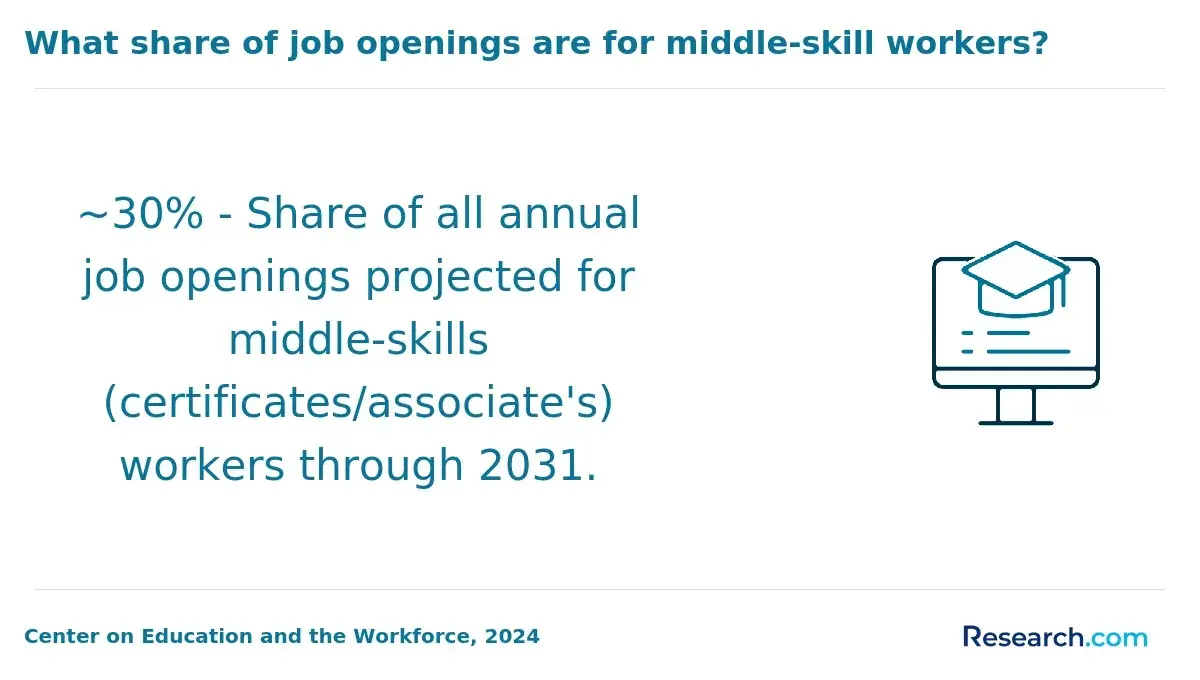
The roughly 3,500 to 4,000 annual completions reported in 2024 combine associate, bachelor's, and graduate degrees but mask variations in timing, regional labor demand, and employer preferences that affect actual workforce entry.
Employers often seek candidates with more than academic credentials, including practical experience and certifications, which narrows the pool competing for available positions. For example, although aviation management programs produce a consistent flow of graduates, only about 60-70% secure aviation sector employment within a year, revealing competition not only among recent graduates but also with experienced workers and candidates from adjacent fields.
Regional hiring disparities and cyclical industry fluctuations further complicate the relationship between new graduates and job openings, making assumptions based solely on output inadequate for workforce planning or enrollment decisions.
Consequently, evaluating whether the market is oversupplied requires integrating educational completion data with employer demand, skill requirements, and attrition rates rather than relying on absolute graduate numbers alone.
Misinterpreting volume statistics without contextual labor market signals risks overestimating entry-level opportunities and overlooks the need for supplemental qualifications that influence employability. This complexity underscores the importance of aligning curricula with evolving industry expectations and preparing students for competitive, regionally varied aviation management employment landscapes.
Does Job Growth Support the Rising Supply of Aviation Management Graduates?
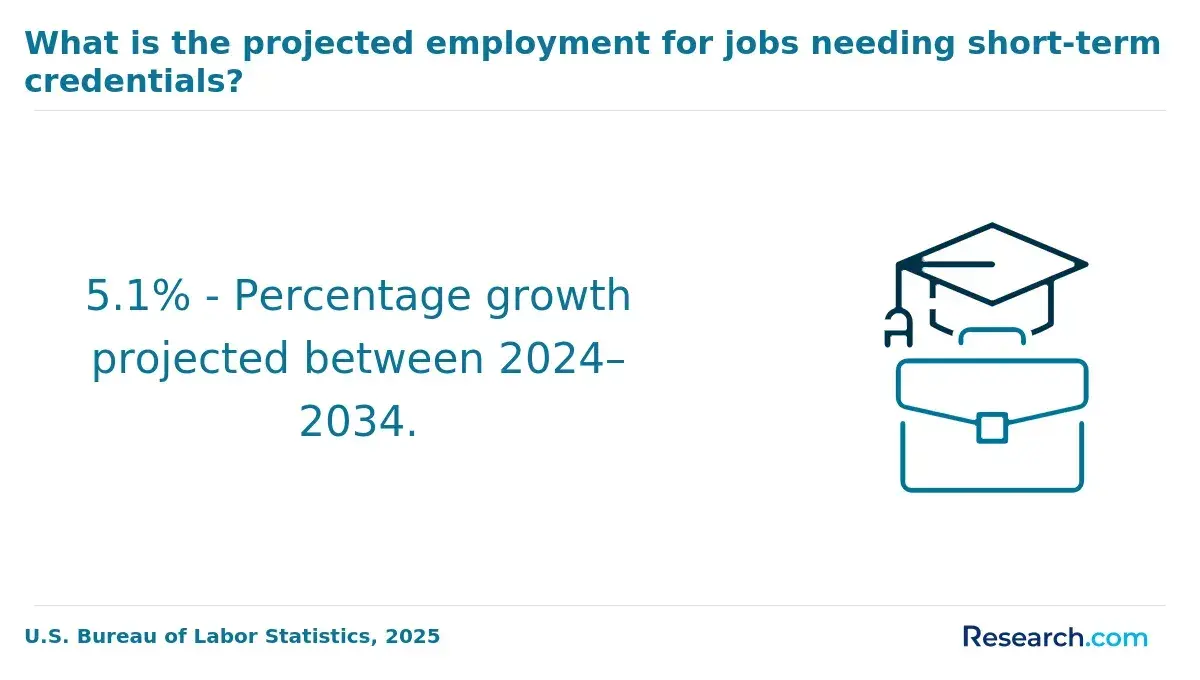
Projected job growth for aviation management positions moderately trails the rising number of graduates entering the field, signaling a nuanced supply-demand imbalance rather than outright oversupply. While employment is expected to expand by about 5% over the next decade, this rate slightly lags behind average occupational growth and does not fully account for the growing volume of aviation management graduates, especially at entry level.
Many employers seek candidates with FAA certifications, specialized skills, and practical experience, limiting immediate job prospects for fresh graduates despite a seemingly positive aviation management job growth trend in the US. Consequently, some entry-level candidates face underemployment or must pivot to related areas like logistics or transportation management to find work.
The employer demand for entry-level aviation management graduates varies widely by region and specialization, as local industry conditions and retirements drive openings differently than general growth figures suggest. Replacement demand from retirements constitutes a significant portion of vacancies, but it is unevenly distributed, often favoring advanced degree holders with niche expertise.
Graduates clustered in overserved geographic hubs may encounter stiffer competition, while those willing to relocate or gain additional credentials stand better chances for placement.
Prospective students should carefully evaluate their career strategy, including realistic expectations about job market hurdles and the value of complementary qualifications, rather than relying solely on optimistic employment projections or program counts to assess opportunity levels. For those researching alternative educational options, programs like a cheapest online psychology bachelor degree may present different labor market dynamics worth considering.
How Competitive is the Entry-Level Market for Aviation Management Graduates?
The entry-level market for aviation management graduates in 2024 displays a complex dynamic where the supply of graduates slightly exceeds direct employer demand, creating considerable competition. While more students are earning degrees, the availability of targeted entry-level roles has not expanded at the same pace.
This mismatch results in many qualified candidates vying for fewer openings, especially in major metropolitan hubs with high aviation activity. Employers often prioritize candidates with practical experience, largely filtering out those fresh out of school without internships or related roles.
Graduates without such experience frequently settle for positions beneath their qualification level, frequently in administrative capacities, while they seek to build relevant skills. The following factors are critical in understanding the current competitiveness:
- Applicant Volume Pressure: The growing number of graduates entering the field often outnumbers available entry-level jobs, intensifying competition and lengthening job search durations.
- Experience Requirements: Employers typically expect internships, co-ops, or part-time aviation-related work, making hands-on industry exposure a decisive hiring factor.
- Concentrated Employer Demand: Job opportunities are not evenly distributed, with large aviation hubs drawing disproportionate applicant pools and narrow recruitment efforts.
- Geographic Variation: Regional differences significantly affect job availability, with less saturated markets offering improved prospects for flexible candidates.
- Skill Mismatch Risks: Some graduates find their academic preparation insufficient for specialized technical roles preferred by employers, emphasizing the value of adjunct certifications or targeted training.
- Underemployment Trends: Due to limited relevant openings, many accept ancillary roles, risking skill atrophy but often necessary for gaining experience.
- Market Timing and Economic Factors: Fluctuating airline industry conditions and economic shifts influence short-term hiring freezes or expansions, impacting entry-level openings.
A recent graduate interviewed faced over 50 applicants for each posted position in a major airport hub. Despite several internships, they found employers demanding even more specialized experience, pushing the graduate to consider roles in smaller regional airports and related sectors such as airport operations support.
After multiple interviews, the graduate accepted a role slightly outside their ideal match but valued the opportunity for hands-on learning and proximity to their field. This cautious approach, weighing geographic flexibility and broader sector engagement, is commonly required to navigate the competitive landscape effectively.
Which Industries Have the Greatest Demand for Aviation Management Graduates?
Employer demand for aviation management graduates by industry sector centers on entities with complex operational requirements and regulatory oversight, which explains why not all sectors offer equal opportunity despite a broadly skilled graduate pool.
The airline and airport segments dominate due to their scale and ongoing growth in infrastructure and security needs, but demand also extends into government and manufacturing areas where cross-functional abilities in compliance and logistics are prized.
A graduate weighing opportunities must consider both job volume and competition intensity; for example, airlines may have numerous openings but also attract high applicant interest, whereas government roles could offer steadier hiring but require specialized credentials. Understanding these tradeoffs helps align career ambitions with realistic employment landscapes.
Below are key industries hiring aviation management degree holders in the US:
- Airline Industry: Commercial passenger and cargo carriers form the largest hiring base, driven by continuous scheduling, safety oversight, and regulatory compliance demands. Entry-level roles focus on operational coordination, with advancement toward strategic planning and management positions emphasizing strong regulatory knowledge and operational analytics.
- Airport Operations: Airports require experts in facility management, security, and customer service as modernization projects and capacity expansions increase demand. Positions range from front-line operational managers to directors overseeing vendor coordination and infrastructure improvements.
- Government Agencies: Bodies like the Federal Aviation Administration provide roles in air traffic management, safety enforcement, and compliance analysis. These positions often necessitate formal certifications and prioritize applicants with policy and regulatory expertise.
- Aerospace Manufacturing: While technical engineering roles dominate, aviation management graduates fill supply chain, project coordination, and workforce planning jobs supporting production and maintenance sectors.
- Logistics and Supply Chain Firms: Specialists managing aviation-related logistics see opportunities due to the sector's dependency on efficient supply networks, requiring skills in data analysis and operational optimization.
Graduates should assess regional variations in aviation management graduate job demand by industry sector and match their skills to sectors offering the best fit for both immediate hiring prospects and long-term career development.
Those exploring alternatives can consider related fields, such as hotel and restaurant management degree online programs, which sometimes share operational management principles relevant to aviation contexts, offering diverse career pathways.
For example, more specialized skills like regulatory compliance and data analytics may increase demand in government roles, where competition is moderate but advancement potential is higher compared to some private-sector segments.
Where are Aviation Management Graduates Most in Demand?
National demand statistics for aviation management graduates often mask substantial regional disparities driven by the concentration of airline headquarters, airport infrastructure, and cargo hubs. For example, Texas exhibits strong employer demand thanks to its dual role as a logistics nexus and home to major airports like Dallas/Fort Worth International, making it a hotspot for graduates with relevant hands-on experience and software proficiency.
However, a recent graduate relocating from a smaller market to Dallas-Fort Worth must weigh the cost-of-living increase against greater job availability and potentially higher competition from local graduates trained in regionally focused programs.
Metropolitan areas such as Atlanta and Denver also show diverse opportunities but differ in employer density and sector focus-Atlanta's large airline operations contrast with Denver's growing cargo logistics and regional airport management segments.
While job openings may appear plentiful in metros like Los Angeles, the volume of qualified applicants often surpasses available positions, especially in non-specialized roles. Additionally, candidates must consider that some employers prioritize internship experience with federal aviation systems, meaning that graduates without targeted work samples might struggle despite overall market strength.
Choosing a saturated market without differentiation can lead to prolonged job searches and underemployment, whereas smaller hubs with fewer openings might offer less competition but also fewer advancement paths. Remote work remains limited in this field, emphasizing geographic flexibility as a practical advantage.
According to 2024 U.S. Bureau of Labor Statistics data, aviation management roles cluster heavily where operational scale and regulatory complexity intersect, underscoring the importance of aligning graduate skills and geographic preferences with nuanced local labor market conditions rather than headline job counts alone.
Which Aviation Management Specializations and Degree Levels Face the Strongest Demand?
Employer demand for aviation management skills is concentrated in specific specializations and degree levels rather than evenly spread across the field. This uneven distribution means graduates with different focuses can face markedly different hiring environments.
For example, a bachelor's graduate specializing in logistics and supply chain management may find multiple mid-level operational roles available, while a peer with a broad, generalized management degree might encounter tougher competition for entry roles.
Data from the U.S. Bureau of Labor Statistics in 2024 highlights ongoing shortages in niche areas tied to core operational efficiencies and regulatory compliance. Assessing where demand aligns with credentialing and skill acquisition is crucial for students and professionals making strategic education and career choices.
The following list identifies key demand areas based on employer hiring trends and workforce data:
- Logistics & Supply Chain Management: Demand here is driven by airlines and airport authorities optimizing cargo handling, inventory control, and regulatory adherence under fluctuating global conditions. Employers prioritize candidates holding bachelor's degrees with relevant certifications and hands-on experience in supply operations.
- Air Traffic Management & Safety: Federal Aviation Administration and state agencies report workforce shortages for roles requiring a blend of technical expertise and management acumen. Bachelor's and master's graduates with simulator training or internships have a competitive edge.
- Operational Roles - Bachelor's Level: Most entry-level aviation management roles require a bachelor's degree, especially for positions involved in day-to-day airport and airline operations. Practical experience is a critical differentiator.
- Leadership Roles - Master's Level: Upper level leadership and strategic roles in airport administration and regulatory affairs increasingly favor candidates with master's degrees combined with industry experience and technology fluency.
- Specialized Certifications & Internships: Employers value targeted certifications and internship hours highly, often preferring candidates who demonstrate applied skills relevant to compliance, safety, and operational technologies.
- Technology Fluency: Proficiency with aviation management software and data analytics tools significantly improves employability amid increasing digitalization of airport and airline operations.
Are Employer Skill Gaps Affecting Demand for Aviation Management Graduates?
The perceived shortage in aviation management graduates often confuses a true supply issue with a deficit in candidates possessing the precise technical, professional, and industry-specific competencies employers demand. Employers continually seek graduates with demonstrated applied experience in regulatory compliance, data analytics, and digital operations management-skills critical to navigating evolving safety standards and environmental regulations.
A hiring manager might bypass a graduating class with solid academic credentials but limited sector-specific certifications or practical internship exposure, causing roles to remain unfilled despite seemingly adequate graduate volumes. This dynamic distorts workforce perceptions, creating false signals of oversupply or undersupply based on quantity rather than candidate quality.
Skill mismatches are particularly impactful in the aviation management workforce skill mismatch impact, where applicants with generic management degrees lacking aviation sector focus struggle to compete with mid-career professionals possessing both business strategy and technical aviation expertise.
Communication skills and familiarity with industry-standard tools further differentiate viable hires from less-prepared candidates. Consequently, competition varies widely across regions and entry-level roles, making strategic program selection, targeted skill development, and internship engagements essential for those aiming to meet employer expectations and improve job prospects.
Prospective students and current degree holders should recognize that alignment with employer demand extends beyond graduation. Developing competencies aligned with practical applications and certifications can decisively influence employability in aviation management.
Similarly, exploring related fields with overlapping skill requirements might offer alternative pathways, akin to how some might consider child psychology masters programs to enhance specialized expertise in adjacent domains. Understanding these operational realities is crucial for informed decision-making amid evolving labor market conditions.
What is the Future Supply-and-Demand Outlook for Aviation Management Graduates?
Graduates in aviation management generally achieve better job search outcomes when they adopt a targeted, research-driven approach rather than submitting numerous unfocused applications. Identifying specific entry-level job titles aligned with aviation management graduate employment projections and regional demand allows candidates to prioritize industries and geographic areas exhibiting the strongest employer interest, such as airline operations in major hubs like Dallas or Denver.
Tailoring resumes to reflect employer language and emphasizing relevant skills-whether through internships, certifications, or project experience-can significantly improve interview rates by demonstrating practical job readiness amid stiff competition.
A common misstep is applying broadly without differentiating roles or locations, which often results in low callback rates and overlooks how supply-demand imbalances vary by region and specialty. For example, a recent graduate focusing exclusively on airport administration in areas with limited demand might face slower entry than peers who target compliance roles in regions with higher turnover.
Timing applications to market cycles, leveraging data on emerging skill requirements like technology integration, and investing effort where qualifications align closely with job criteria are practical strategies that outperform generic volume-based approaches.
Prospective candidates should also recognize that broad labor market trends highlight ongoing but modest growth, creating competitive entry conditions where strategic decisions on where and how to apply matter. Understanding these nuances can inform more efficient job searches and career planning for those holding an aviation management degree.
Additionally, those exploring related roles may benefit from considering complementary pathways such as a bachelor project management, which equips students with transferable skills increasingly valued alongside traditional aviation competencies.
References
- The Top 5 In-Demand Aviation Jobs in 2023 and How to Land Them! https://www.aviationjobsearch.com/career-hub/articles/career-advice/job-searching/the-top-5-in-demand-aviation-jobs-in-2023-and-how-to-land-them
- Little-Known, High-Paying Careers in Aviation Management | Vaughn College https://www.vaughn.edu/blog/little-known-high-paying-careers-in-aviation-management/
- Civil Aviation Management https://akademiata.pl/en/offer/bachelor/civil-aviation-management/
- Top 10 Career Options in Aviation After 12th - Skyreach Aviation Academy Pvt. Ltd. https://skyreachaviation.org/top-10-career-options-in-aviation-after-12th/
- Aviation Management Degree | 5 Top Career Paths & Salaries https://wayman.edu/what-can-you-do-with-an-aviation-management-degree/
- Navigating the Global Talent Shortage in Aviation: What Airlines need to know - Bostonair Group Ltd https://www.bostonairgroup.com/navigating-the-global-talent-shortage-in-aviation-what-airlines-need-to-know/
- Employment : Aviation: Benefits Beyond Borders https://aviationbenefits.org/economic-benefits/supporting-employment/
- What to Expect from a Civil Aviation Management Program - Cyprus West University https://www.cwu.edu.tr/what-to-expect-from-a-civil-aviation-management-program/
- Fact or Fiction: Understanding the Business Aviation Workforce https://nbaa.org/professional-development/workforce-initiatives/fact-fiction-understanding-business-aviation-workforce/
- Future Growth and Career Scope in Aviation Industry in India https://wiia.ac.in/future-growth-and-career-scope-in-aviation-industry.php
Other Things You Should Know About Aviation Management
Program structure significantly affects graduate outcomes in aviation management. Programs emphasizing experiential learning, internships, and direct industry partnerships tend to equip students with practical skills that employers prioritize, reducing risks of oversupply in graduates lacking work-ready competencies. Prospective students should prioritize programs that integrate applied projects and practical exposure over purely theoretical curricula, as this often improves job placement despite a crowded candidate pool.
Part-time and online formats increase access but can present challenges in networking and hands-on training, which are crucial in aviation management roles. Employers often favor candidates with in-person experience in operational settings or aviation-specific environments. Therefore, when demand is uncertain or competition high, students should weigh the convenience of flexible delivery against potentially weaker connections with industry and practical skill acquisition.
Employers increasingly value soft skills like communication, adaptability, and problem-solving alongside technical knowledge in aviation management. Graduates from programs that emphasize leadership, teamwork, and crisis management tend to be more competitive, especially when technical oversupply exists. Students should focus not just on aviation-specific content but on developing these broader competencies to better align with evolving employer expectations.
Specialization can provide an advantage in niche markets where demand is more predictable, such as safety management or airport operations, helping to mitigate oversupply effects in generalist roles. However, maintaining broad skills offers flexibility in a market that can shift due to economic or regulatory changes. For most students, a balanced approach prioritizing foundational knowledge with targeted specializations based on labor market signals is the most prudent strategy.