2027 Entry-Level Hiring Trends for Aviation Management Graduates: Where New Grads Have the Best Odds

Co-Founder and Chief Data Scientist
Recent aviation management graduates face a critical dilemma: which job titles, industries, and locations truly offer viable entry points when many postings demand prior experience? A 2024 survey by the National Aviation Association reveals that 62% of employers now prioritize specific operational skills over formal credentials but still expect at least one year of internship or relevant work experience.
This reality skews demand toward candidates with targeted experience, leaving unfocused applicants competing in saturated hubs like major airline headquarters or congested airport management roles. Graduates who overlook emerging sectors such as aerospace logistics or regional airport operations risk prolonged job searches. This article maps out the entry-level roles, industries, locations, skills, and hiring conditions that maximize new graduates' chances of securing their first professional position.
Key Things to Know About Entry-Level Hiring for Aviation Management Graduates
- Entry-level demand concentrates heavily in airport operations and airline scheduling, reflecting a 2024 survey showing 62% of openings target these roles, pressuring candidates to tailor internship experience accordingly.
- Employers increasingly prioritize candidates with cross-functional skills such as data analysis and compliance knowledge, indicating a shift toward favoring versatile graduates over those focused solely on traditional operations.
- Regional hubs in the southern and midwestern U.S. report 15% higher new graduate hiring rates, suggesting geographic flexibility can mitigate entry barriers posed by intense urban competition and improve early career placement odds.
- Key Things to Know About Entry-Level Hiring for Aviation Management Graduates Key Things to Know About Entry-Level Hiring for Aviation Management Graduates
- What Is the Entry-Level Hiring Outlook for Aviation Management Graduates? Entry-Level Hiring Outlook
- What Are the Best Entry-Level Jobs for Aviation Management Graduates? Best Entry-Level Jobs
- Which Industries Hire the Most Entry-Level Aviation Management Graduates? Top Hiring Industries
- Where Do Aviation Management Graduates Have the Best Hiring Odds? Best Entry-Level Markets
- What Starting Salaries Can Entry-Level Aviation Management Graduates Expect? Entry-Level Salaries
- Which Skills and Certifications Help Aviation Management Graduates Get Hired? Top Skills and Certifications
- How Much Experience Do Entry-Level Aviation Management Jobs Require? Entry-Level Experience Requirements
- What Do Employers Look for in New Aviation Management Graduates? What Do Employers Look for in New Aviation Management Graduates?
- How is AI Affecting Entry-Level Hiring for Aviation Management Graduates? How is AI Affecting Entry-Level Hiring for Aviation Management Graduates?
- How Can Aviation Management Graduates Improve Their Job Search Results? Job Search Strategies
What Is the Entry-Level Hiring Outlook for Aviation Management Graduates?
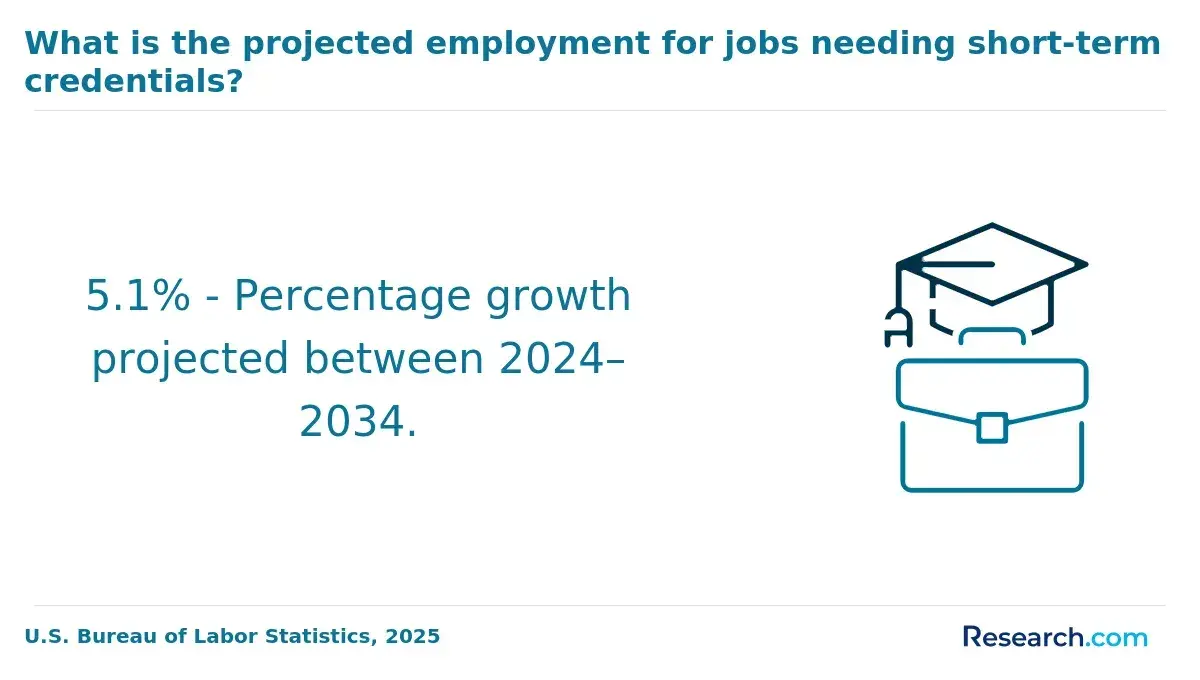
Entry-level hiring demand for aviation management graduates is moderate but uneven across geographies and employer types, highlighting a competitive environment that rewards strategic job targeting. While the U.S. Bureau of Labor Statistics projects a 5% growth in related roles over the decade, this growth aligns with average occupational changes and signals steady but not abundant openings.
Graduates focused exclusively on saturated roles such as airline customer service without complementary skills or relevant experience risk extended job searches, whereas those pursuing positions in operations or logistics within hubs like Atlanta or Dallas face stronger prospects due to concentrated airline activity and infrastructure.
Data from workforce analytics further clarifies that employers increasingly value practical exposure, with the National Association of Colleges and Employers noting nearly 65% of aviation management graduates who held internships securing jobs within six months.
For new professionals navigating entry-level job prospects for aviation management graduates, versatility in technology skills-especially data analytics and regulatory compliance-and willingness to relocate can improve odds substantially. This nuanced landscape demands that candidates weigh the tradeoffs of targeting competitive metropolitan hubs against smaller regional markets, where openings exist but may come with longer timelines or less specialized roles.
Those analyzing aviation management graduate hiring trends and opportunities should recognize how cross-disciplinary knowledge, including environmental policy or aviation technology, differentiates candidates amid a narrowing supply of specialists.
For graduates and students exploring options, staying informed about shifting employer priorities and broadening skill sets beyond traditional aviation-focused curricula is essential. Exploring diverse majors in college linked to aviation can also enhance career resilience in this evolving field.
What Are the Best Entry-Level Jobs for Aviation Management Graduates?
The strongest entry-level roles for aviation management graduates tend to balance immediate employer demand with opportunities to leverage and develop key skills such as regulatory compliance, operations coordination, and safety oversight.
Positions like airline operations coordinator offer a practical fit since they directly align with the programmatic emphasis on organizational and communication competencies, while also positioning new graduates within growing operational sectors influenced by passenger volume expansion.
Conversely, roles focused heavily on customer service supervision may provide easier access due to lower technical barriers, but they often demand resilience amid high competition and may yield slower career progression into specialized aviation functions. These distinctions are critical because targeting roles misaligned with one's training or market demand can lead to extended job searches or lateral moves without skill advancement.
Airport operations assistants and air cargo coordinators illustrate entry points where hands-on experience with logistics and vendor relations is prized, especially within complex metropolitan or freight hubs-areas noted for steady growth according to 2024 labor data. Furthermore, aviation safety analyst roles show rising demand as regulatory pressure intensifies, favoring candidates blending technical analytical capabilities with aviation knowledge.
However, these positions typically require more specialized skill sets and sometimes pre-existing data proficiency, presenting a tradeoff between accessibility and long-term career impact. Understanding these distinct pathways helps clarify why some jobs serve as stronger springboards for aviation management grads, especially when internships or cooperative education experiences supplement formal education.
One recent graduate described the challenge of choosing between a position as an airport operations assistant and a customer service coordinator role. While the latter appeared more immediately available, the graduate hesitated due to its less direct connection to their aviation-focused skillset and potential plateau in advancement.
The airport role, though involving longer wait times through the hiring process and a chance of initially lower pay, promised practical exposure to operational workflows central to their degree. This decision highlighted the importance of weighing industry fit and developmental value over short-term convenience in early career planning.
Which Industries Hire the Most Entry-Level Aviation Management Graduates?
The commercial airline sector and airport operations continue to dominate entry-level hiring for aviation management graduates, driven by ongoing retirements and a rebound in passenger travel after the pandemic. According to 2024 data from the U.S. Bureau of Labor Statistics and LinkedIn Workforce Insights, these employers represent over 60% of job postings aimed at recent graduates.
Positions such as assistant airport manager and flight operations analyst are commonly accessible with limited prior experience, emphasizing academic preparation and relevant internships rather than extensive work histories. This concentration means graduates focused on airlines or airport authorities generally find more numerous and accessible openings, particularly in major hub regions like Dallas-Fort Worth and Atlanta.
Public-sector entities and consulting firms supporting aviation infrastructure present a somewhat different entry point, often requiring stronger technical competencies in regulatory compliance and data analysis but offering greater job stability tied to federal modernization efforts. Meanwhile, growth sectors like aviation technology and logistics offer fewer entry-level roles but may reward adaptable graduates with faster advancement potential due to the value placed on cross-disciplinary skills and innovation.
Graduates weighing opportunities across these industries should consider the trade-off between volume of openings and expected experience, as well as geographic factors that affect competition and career trajectory. Prioritizing applications in sectors aligned with one's skill set and career goals can improve placement odds beyond simply chasing the largest employer pools.
Where Do Aviation Management Graduates Have the Best Hiring Odds?
Entry-level hiring odds for aviation management graduates hinge less on geography alone and more on where relevant employers and industry segments cluster. Major airline hubs like Atlanta, Dallas-Fort Worth, and Denver present numerous entry-level aviation management jobs with highest hiring demand, driven by airport operations, airline management, and logistics needs.
Yet, these hubs also attract intense competition, meaning graduates without targeted internships or specialized credentials may struggle despite the available volume of positions. Conversely, emerging secondary markets such as Charlotte or Phoenix offer a more balanced mix of opportunities and lower applicant density, though these often come with tradeoffs in employer scale and programmatic structure.
Location decisions should integrate job volume, cost of living, and employer type, since large airlines and airport authorities often feature rigorous selection but structured programs, while smaller carriers might provide easier entry points without consistent growth paths.
Remote work options remain scarce in aviation management due to operational demands, limiting flexibility for many roles. Graduates need to assess practical access to internships and professional networks to optimize entry-level prospects and weigh realistic expectations about market saturation.
Those considering advanced qualifications might explore fields like counseling through an online masters of counseling to diversify career options outside core aviation pathways.
What Starting Salaries Can Entry-Level Aviation Management Graduates Expect?
Entry-level pay for aviation management graduates is shaped by multiple variables beyond merely holding a relevant degree. Employers weigh factors such as the specific role, geographic location, industry segment, candidate experience, and total compensation package.
For example, an airline operations management role in a major metro airport may offer a higher starting salary than a similar position with a smaller regional operator but could come with a more demanding work environment and cost-of-living tradeoffs. Understanding these dynamics helps new grads navigate offers that differ widely despite similar credentials.
Below are key factors influencing starting salary expectations in this field:
- Role Specialization: Positions in airline operations, airport management, or aviation safety generally command higher salaries due to the technical complexity and regulatory responsibilities involved. Specialized roles often require certifications, which enhance pay but may limit initial flexibility.
- Industry Segment: Large commercial airports or major airlines typically offer the upper salary range, reflecting scale and financial resources, whereas smaller regional or general aviation firms pay less initially but may provide faster advancement opportunities.
- Geographic Location: Metropolitan hubs such as Dallas or Atlanta often adjust salaries upward to match higher local living costs and labor demand. Conversely, rural or less dense markets may pay less but offer other benefits like lower expenses or closer-knit work settings.
- Technical Credentials and Experience: Internships, FAA certifications, and demonstrated leadership skills can elevate offers even for new graduates. Those lacking hands-on experience may see lower starting wages while building a track record.
- Public Sector Employment: Government aviation agencies may offer lower starting salaries but include pension plans and health benefits, presenting a trade-off between immediate pay and long-term security.
- Market Conditions: Labor shortages in certain regions can trigger occasional signing bonuses, though these remain rare in entry-level aviation management roles.
- Remote Work Limitations: Due to the operational nature of many jobs, opportunities for telecommuting are limited, potentially affecting job choice and salary comparisons.
A recent graduate recounted receiving two entry-level offers: one from a large airport authority in a high-cost city, offering $58,000 but minimal signing bonus and rigorous hours; the other from a smaller regional operator offering $42,000 with clearer promotional pathways and more balanced hours.
The graduate wrestled with accepting higher pay against long-term career growth and work-life balance, ultimately choosing the latter despite initial disappointment, highlighting the nuanced decisions new professionals face beyond pure salary figures.
Which Skills and Certifications Help Aviation Management Graduates Get Hired?
Employers hiring aviation management graduates increasingly prioritize applied skills, digital fluency, and evidence of job readiness alongside academic credentials. This shift reflects the complexity of airline and airport operations, where candidates must quickly contribute to technology-driven environments.
For example, a graduate familiar with Sabre or Amadeus systems, who has completed a relevant internship demonstrating practical problem-solving abilities, is often preferred over peers holding only theoretical knowledge.
Consequently, candidates must align their competencies with operational demands and industry expectations rather than relying solely on degrees. Comprehensive job market data for aviation management entry-level certifications for hiring reinforces the value of hands-on experience combined with targeted technical competencies.
Below are key skills and credentials that improve hiring prospects for entry-level roles:
- Technical Proficiency: Mastery of operations software such as Sabre, Amadeus, or SITA is crucial in roles focused on reservations, scheduling, and airport management. Demonstrating this through internships or project work typically outweighs standalone certifications.
- Data Analytics Skills: Familiarity with tools like Tableau and Power BI supports positions in operations optimization and cost control. Candidates who can analyze and visualize data provide measurable value, even without advanced degrees in analytics.
- Communication Abilities: Strong interpersonal and report-writing skills are essential across airline, airport, and regulatory roles. Practical evidence such as presentations or stakeholder engagement results better validates this skill than generic certifications.
- Industry Certifications: Credentials such as the Certified Member (CM) from AAAE or IATA entry-level courses signal focused knowledge but are often preferred rather than mandatory. Their value increases when paired with relevant work experience.
- Project Management: Transferable skills including planning, critical thinking, and adaptability benefit candidates entering dynamic aviation environments. Real-world examples through internships provide credible proof of capability.
- Digital Collaboration: Proficiency with platforms supporting remote teamwork is increasingly relevant, reflecting evolving workplace norms in aviation management.
- Exposure to AI Applications: While still supplementary, understanding AI's role in aviation demonstrates forward-looking adaptability, which may distinguish candidates in competitive markets.
Graduates balancing certifications and practical experience-rather than accumulating microcredentials alone-generally achieve stronger employment outcomes. Some may also consider supplementing their profile with an online MBA under 30k focused on aviation or operations for expanded midcareer prospects.
How Much Experience Do Entry-Level Aviation Management Jobs Require?
Entry-level aviation management positions frequently specify experience requirements that extend beyond conventional full-time employment, reflecting industry efforts to assess practical capabilities amid a competitive talent pool.
Recent 2024 data from the National Association of Colleges and Employers indicates that around 60% of these roles expect candidates to present some experience, but this often includes internships, practicums, volunteer activities, or relevant project portfolios rather than solely paid positions.
For example, a graduate who completed multiple aviation-related internships and led a capstone project demonstrating operational knowledge may meet the threshold for openings that list one to two years of experience, especially if formal employment history is limited.
The variance in experience expectations also depends on role specialization and market context. Positions tied to airline operations, regulatory compliance, or safety standards typically demand more rigorous credentials or certifications and often one or more years of documented practical exposure. In contrast, aviation supply chain or customer-facing roles may prioritize transferable skills and adaptability, valuing candidates whose experience derives from related but less formal contexts.
Additionally, metropolitan job markets with denser employer competition heighten experience standards compared to less saturated regions, forcing applicants to carefully assess whether their background aligns with nuanced posting language that distinguishes between required and preferred experience.
Employers increasingly adopt skills-based filters that allow aviation management graduates to offset limited formal tenure by showcasing measurable competencies, problem-solving, and adaptability through diverse prior engagements.
This shift means that students should critically evaluate job descriptions, recognizing that internships, volunteer work, freelance consulting, or campus employment can substantiate experience claims, while also understanding that some entry-level requisites for one to three years of background reflect ideal rather than absolute conditions.
Being selective and strategic about applications-prioritizing roles where practical exposure matches employer expectations-can improve the odds of progressing beyond initial screening in a challenging labor market.
What Do Employers Look for in New Aviation Management Graduates?
Employers evaluating new aviation management graduates emphasize demonstrated job readiness, often prioritizing applied skills and relevant experience over academic credentials alone. Recruiters assess candidates' communication abilities, technical proficiency, adaptability to emerging technologies, and understanding of industry-specific challenges.
Practical experience, such as internships or project work, plays a central role in signaling a graduate's capacity to contribute immediately. For example, a regional airline hiring coordinator may favor applicants who can clearly articulate problem-solving approaches encountered during real-world internships, as this reduces training resources and accelerates operational integration.
Key qualities commonly sought by employers include:
- Effective Communication: Clear verbal and written communication is essential for cross-functional coordination and regulatory compliance, with recruiters looking for evidence through presentations, reports, or teamwork on group projects.
- Technical Competency: Familiarity with FAA guidelines, industry software, and data analytics tools serves as a baseline; however, employers also value candidates who can demonstrate practical application of these tools in internships or capstone projects.
- Internship Experience: Proven hands-on experience is often the differentiator, as 68% of employers in a 2024 LinkedIn Workforce Insights report prefer candidates who reduce onboarding time through documented real-world exposure.
- Problem-Solving Skills: Employers favor candidates capable of navigating logistical and compliance challenges, assessing their practical approaches during interviews or case study exercises over textbook knowledge.
- Adaptability to Technology: Digital fluency, especially with AI-driven tools, is increasingly important given the evolving aviation landscape; candidates showing proactive engagement with new software have an edge.
- Certifications and Credentials: While certifications like Certified Aviation Manager can bolster resumes, they complement rather than replace evidence of practical expertise and critical thinking.
- Industry Awareness and Versatility: Understanding sector-specific nuances-such as differing expectations between major airlines and smaller firms-helps candidates position themselves effectively for targeted roles.
How is AI Affecting Entry-Level Hiring for Aviation Management Graduates?
AI-driven recruitment trends impacting early-career aviation management positions are reshaping entry-level hiring expectations, particularly by embedding AI tools within roughly 40% of aviation-related roles, per 2024 analysis from Lightcast. This transformation escalates the value of hybrid skills combining traditional aviation operations knowledge with technical fluency in AI-enhanced platforms, data analytics, and digital literacy.
Candidates lacking experience with AI-assisted software face narrower chances as employers increasingly deploy automated applicant tracking systems that screen for technological competence alongside managerial aptitude.
For example, jobs such as aviation analyst or operations planner now often include AI oversight duties, requiring graduates to balance automated routine functions with complex decision-making and stakeholder coordination. Unlike more static industries, aviation's operational complexity means employers prioritize adaptability and continuous learning to keep pace with rapidly evolving AI systems.
This shift pressures recent graduates to strategically build portfolios featuring proficiency in AI applications relevant to compliance monitoring, supply chain logistics, or data visualization, which are areas favored by 62% of employers according to the National Association of Colleges and Employers (NACE). Students should target roles and employers where such AI integration is advanced, while recognizing that traditional administrative positions may face displacement risks.
Those exploring educational pathways can also benefit from interdisciplinary approaches that incorporate technology training with aviation fundamentals. Resources like cheap online interdisciplinary studies degree options highlight affordable programs merging these competencies.
A practical understanding of how artificial intelligence is transforming entry-level hiring for aviation management graduates enables career-focused individuals to prioritize skill development and application strategies aligned with sectors and employers demonstrating strong demand for AI-aware talent.
How Can Aviation Management Graduates Improve Their Job Search Results?
Graduates focusing on aviation management find that prioritizing precise job titles aligned with their skills significantly improves job search outcomes compared to broad, unfocused applications. Research from LinkedIn's Workforce Insights in 2024 shows targeted submissions yield about 40% more interviews, highlighting the cost of scattering efforts across vague roles.
For example, a graduate applying as an "aviation operations specialist" rather than a generic "entry-level airport worker" is more likely to pass ATS filters and attract hiring managers' attention.
This approach requires detailed market research to identify which positions and industries match the qualifications they possess, especially as top job search strategies for aviation management graduates in the United States emphasize tailoring applications to employer terminology and specific geographic hubs with active hiring.
Effective job searches also benefit from syncing applications to peak recruiting periods and demonstrating tangible skills through internships or capstone projects. Networking plays a key role, as NACE data points to referred candidates securing interviews at higher rates, but this advantage is maximized only when aligned with focused market choices.
Graduates who neglect to match their qualifications precisely, or who apply indiscriminately outside aviation hubs, often face prolonged searches. Given the evolving ATS emphasis on keyword optimization, investing time in crafting resumes and cover letters that reflect language from targeted listings proves more productive.
Incorporating industry certifications or practical experience can further distinguish candidates showcasing readiness for immediate contribution. For graduates balancing additional education or credentials, exploring options like the shortest online MBA may provide strategic career leverage post-graduation.
References
- Little-Known, High-Paying Careers in Aviation Management | Vaughn College https://www.vaughn.edu/blog/little-known-high-paying-careers-in-aviation-management/
- Aviation No Experience Jobs (with Salaries) - SEEK https://au.seek.com/aviation-no-experience-jobs
- Aviation Management: Career Overview and 10 Jobs To Consider https://holmes.edu.au/blog/aviation-management-career-overview-and-10-jobs-to-consider
- Navigate the Aviation Job Market | Argo Aviation Insights https://www.argo-aviation.co.uk/how-to-navigate-the-aviation-job-market-essential-tips-for-job-seekers/
- Exploring Airline Manager Pay: Insights from Wayman College https://wayman.edu/airline-manager-pay-what-to-expect/
- Aviation salary: What career starters can expect in Germany https://arts.aero/blog/career-5/aviation-salary-what-to-expect-at-entry-level-in-germany-17
- What Jobs Can I Get with an Aviation Management Degree? Portobello https://blog.portobelloinstitute.com/what-jobs-can-i-get-with-an-aviation-management-degree
- Top 4 Entry-Level Aviation and Airport Operation Jobs https://www.aerotek.com/en/insights/top-4-entry-level-aviation-and-airport-operations-jobs
- How AI is changing the nature of entry level work https://www.weforum.org/stories/artificial-intelligence/how-ai-is-changing-the-nature-of-entry-level-work/
- Entry-Level Aviation Jobs: How to Get Started in the Aviation Industry https://www.aviationjobsearch.com/career-hub/articles/career-advice/job-searching/entry-level-aviation-jobs-aviation-careers-for-beginners
Other Things You Should Know About Aviation Management
The reputation of an aviation management program significantly impacts initial hiring chances because employers often associate well-known programs with rigorous curricula and stronger industry connections. Graduates from highly regarded programs tend to have access to more robust internship placements and alumni networks, which facilitate smoother transitions into entry-level roles. Prioritizing programs with proven employer ties can reduce job search time and enhance early career trajectory.
Internships generally carry more weight in entry-level hiring decisions than coursework alone, especially in aviation management where practical exposure to airport operations, regulatory affairs, or airline management is critical. Graduates should strategically allocate time to internships that align with their targeted industry sector, as hands-on experience provides tangible skills that employers prioritize over theoretical knowledge. Sacrificing some course load flexibility for a quality internship can improve employability more effectively than focusing solely on academic performance.
While relevant certifications can enhance a resume, employers typically value demonstrated on-the-job experience more at the entry level. New graduates may benefit from entering the workforce promptly to build practical skills before investing time and money in certifications. However, if certification programs align closely with desired roles and can be completed without delaying employment, pursuing them shortly after graduation may provide a competitive advantage in specialized sectors like safety management or regulatory compliance.
Geographic flexibility substantially improves chances of securing entry-level roles since aviation jobs are concentrated in key hubs like large airports, airline headquarters, and regulatory agencies. Graduates who restrict their job search to less active regions may face limited opportunities and heightened competition for available positions. Prioritizing willingness to relocate in the early career phase generally yields broader access to diverse roles and faster career advancement in aviation management.