2027 Aviation Management Career Outcomes by Degree Level Report: Pay, Employment, and Advancement Patterns

Co-Founder and Chief Data Scientist
Choosing the right degree level in aviation management can decisively impact career trajectories, yet many face confusion navigating pay scales and job stability across associate, bachelor's, and graduate credentials. A 2024 study from the Federal Aviation Administration highlights a 15% faster employment growth rate for bachelor's degree holders compared to those with only an associate degree, revealing how degree completion can influence access to critical industry roles.
This trend underscores the importance of understanding not just entry-level opportunities but also long-term mobility and advancement. This article clarifies pay, employment, and advancement patterns by degree level to guide informed decisions for aviation management students and professionals.
Key Things to Know About Aviation Management Career Outcomes by Degree Level
- Associate degrees in aviation management often lead to entry-level roles but limit advancement beyond mid-tier positions, reflecting employer preference for bachelor's credentials in supervisory hiring decisions.
- Bachelor's degrees unlock broader job-market access, yet labor data from 2024 shows that employers increasingly expect master's credentials for upper management, signaling credential inflation in leadership pathways.
- Master's programs offer specialized advancement opportunities but come with higher time and cost commitments, indicating a practical tradeoff where delayed workforce entry can impact early-career earnings and experience accumulation.
- Key Things to Know About Aviation Management Career Outcomes by Degree Level Key Things to Know About Aviation Management Career Outcomes by Degree Level
- What Career Outcomes Can Students Expect From Each Aviation Management Degree Level? Career Outcomes by Degree
- How Much Do Aviation Management Graduates Earn by Degree Level? Salary by Degree Level
- Which Aviation Management Degree Level Offers the Strongest Employment Prospects? Best Degrees for Employment
- What Entry-Level Jobs Can You Get With a Aviation Management Degree? Entry-Level Career Opportunities
- How Do Aviation Management Degree Levels Affect Career Advancement and Promotion Opportunities? Career Growth by Degree
- Is a Aviation Management Degree Worth It Based on Salary, Employment, and ROI? Salary, ROI, and Value
- How Do Associate, Bachelor's, Master's, and Doctoral Aviation Management Degrees Compare? Comparing Degree Levels
- Which Industries and Employers Hire Aviation Management Graduates by Degree Level? Which Industries and Employers Hire Aviation Management Graduates by Degree Level?
- What Skills, Credentials, and Experience Improve Aviation Management Career Outcomes? What Skills, Credentials, and Experience Improve Aviation Management Career Outcomes?
- Which Aviation Management Degree Level Is Best for Your Career Goals? Choosing the Right Degree
What Career Outcomes Can Students Expect From Each Aviation Management Degree Level?
The decision to pursue a particular aviation management degree level has direct implications for employment access and advancement potential within the field. Certificate programs, while offering quicker entry through foundational skills, often restrict upward mobility due to limited leadership training and specialization, a factor critical in an industry where many employers expect at least an associate or bachelor's degree for supervisory responsibilities.
Associate degrees provide a practical middle ground, preparing candidates for technical and administrative roles with relevant certification alignment-such as FAA endorsements-yet often require transfer to bachelor's programs or supplemental experience to reach management tiers. For adult learners or military-affiliated students balancing time investment and career transitions, understanding this progression is vital to avoid stagnating in entry-level roles and to strategically plan credit transfers or additional credentials.
Bachelor's degrees dominate in aviation management career outcomes by degree level, enabling entry into substantive managerial positions where business administration and regulatory acumen intersect with operational leadership. Given labor projections signaling steady demand, bachelor's holders generally experience broader career mobility and access to specialized roles like route planning or airport management.
Master's credentials increasingly differentiate candidates for senior or niche jobs demanding strategic and analytical expertise, making them preferable for those aspiring beyond mid-level management into executive or policy-focused paths; they also often correspond with faster promotion in competitive metropolitan markets. Doctoral degrees remain rare and mostly research-centered, best suited for specialized consultancy or regulatory careers requiring advanced domain expertise.
Throughout these pathways, internships, fieldwork, and targeted certifications like BCBA certification programs online significantly augment employability, underscoring the importance of applied experience alongside formal education in shaping sustainable career trajectories in aviation management.
How Much Do Aviation Management Graduates Earn by Degree Level?
Graduates with a bachelor's degree in Aviation Management generally access roles with median salaries around $80,000, a figure notably above the roughly $50,000 median for those holding associate degrees or certificates. This disparity arises because lower-level credentials typically lead to entry or technical positions, such as operations coordinators or flight dispatchers, where wage ceilings are limited.
In contrast, bachelor's degree holders qualify for positions demanding strategic oversight, regulatory compliance, or managerial responsibilities, often found in larger airports or corporate aviation departments. Considering transfer credits and completion time, working professionals may find the additional years and costs for a bachelor's justified if their goal includes supervisory or specialist roles with broader scopes and better pay.
Master's degree holders can expect a 15-25% wage increase over bachelor's graduates, reflecting access to executive functions, policy design, or aviation law specialties. However, this premium depends on regional market demand and specific employer expectations, with urban hubs typically offering higher salary rewards for advanced qualifications. Doctoral credentials are rare and tend toward academic or consultancy careers, where earnings vary widely and institutional factors dominate.
For many mid-career learners, the tradeoff involves weighing slower entry into the workforce and added financial investment against enhanced skill sets and promotion prospects. Employment stability also correlates with degree level, but geography and industry segment nuances can alter how pay progression manifests. A recent graduate recalled starting with an associate's certificate while working at a regional airport, earning near the lower wage band and noticing limited advancement opportunities.
Exploring bachelor's degree programs with transferable credits, they hesitated over the cost and time but ultimately found that the increased salary and managerial prospects significantly improved their long-term outlook. Conversations with local employers confirmed that many preferred applicants held at least a bachelor's, reinforcing the importance of credential level beyond immediate earnings. This experience underscored how pragmatic considerations about regional job markets and completion timelines must guide degree decisions alongside published salary data.
Which Aviation Management Degree Level Offers the Strongest Employment Prospects?
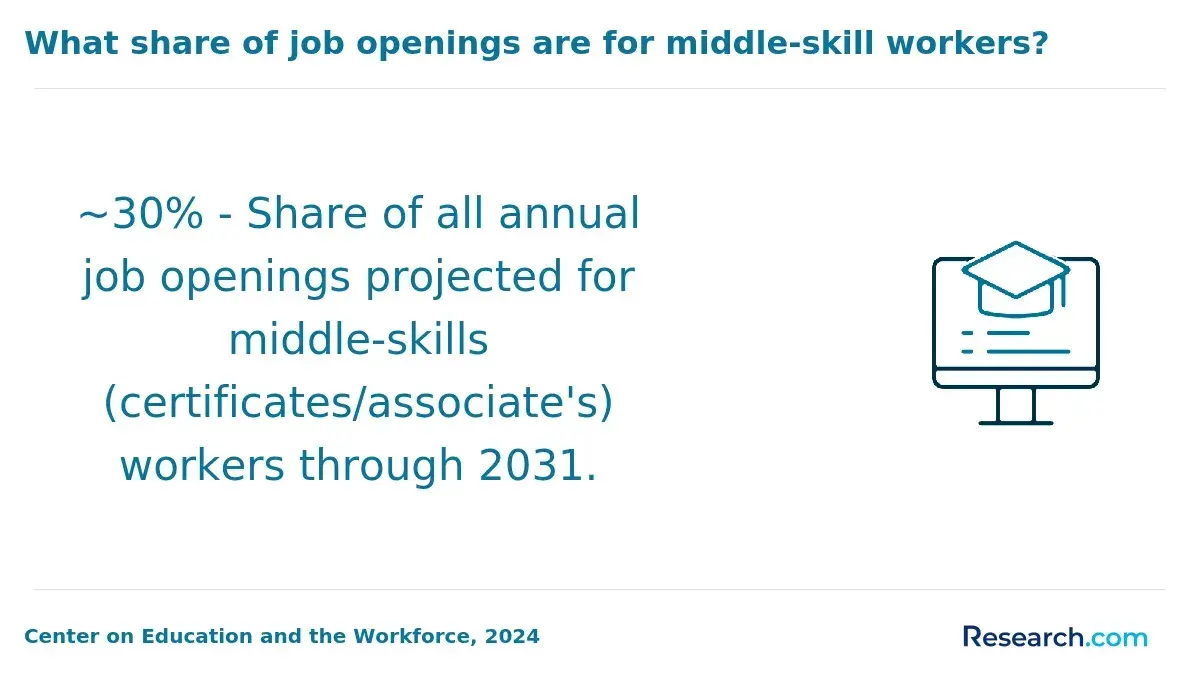
Employment opportunities in aviation management heavily favor candidates holding a bachelor's degree, which remains the baseline for roughly 72% of current job listings according to 2024 data from the U.S. Bureau of Labor Statistics. This credential typically grants access to stable mid-level roles such as operations managers or airport administrative specialists, roles that often require a blend of relevant coursework and practical experience.
While associate degrees or certificates can enable quicker workforce entry-especially into technician or dispatch roles-they usually limit long-term mobility, as these positions often demand additional on-the-job training and see higher turnover rates. Advancement into senior or specialized aviation management roles frequently requires a master's degree, with graduates reporting median earnings 15-20% higher five years post-completion based on Integrated Postsecondary Education Data System findings.
Master's programs often align with leadership positions that demand expertise in regulatory compliance and strategic oversight, particularly in metropolitan aerospace hubs where employer expectations are more stringent. Doctoral degrees, however, remain focused on academic, policy, or consulting career paths and generally do not translate broadly into industry-wide employment.
Decisions between entering the workforce rapidly with a lower credential versus investing time and resources into further education hinge on personal career goals and regional job market nuances. For many, earning an associate degree or certificate can serve as a stepping-stone, particularly if they plan to transfer credits toward a bachelor's or continue working while pursuing graduate studies.
Recognizing how credential depth intersects with employer preferences and role requirements is critical: deeper qualifications often enhance eligibility for leadership and specialized positions, while shorter credentials facilitate immediate labor market entry but with constrained upward mobility.
What Entry-Level Jobs Can You Get With a Aviation Management Degree?
Entry-level roles for students with an aviation management degree vary significantly by degree level, reflecting employer expectations for both education and practical experience. While associate degrees typically lead to support positions like ground operations or administrative roles, bachelor's degree holders often access more strategic entry jobs such as management trainee programs or analyst roles that demand understanding of regulatory and financial frameworks.
Internship completion is increasingly critical; a recent College Scorecard study found that about 65% of aviation management graduates with internship experience secure employment within six months, demonstrating how practical exposure enhances job readiness and reduces initial training delays in these fields. Licenses and certifications, especially for roles involving safety or compliance audits, can be decisive in differentiating candidates in an otherwise crowded applicant pool.
Transferable competencies in data analysis and logistics software can offset lower academic credentials when paired with verifiable skills, but many employers strongly prefer candidates who combine formal education with real-world problem-solving capacity. Regional clustering near major airports limits remote opportunities, making geographic flexibility and demonstrated versatility essential for early-career aviation management entry level jobs.
Students weighing program options should balance immediate employment stability with skill development potential, considering whether roles serve as foundational stepping stones toward supervisory positions or primarily as transient support assignments. Prospective students must approach aviation management career opportunities by comparing degree pathways in light of their long-term mobility and advancement ambitions.
For those evaluating costs and credentials, exploring a cheap online bachelor degree may offer a practical middle ground, delivering stronger access to competitive entry positions without the extended commitment of graduate study. Understanding these tradeoffs informs realistic decision-making grounded in workforce realities rather than generic promises, enabling candidates to optimize education investments for meaningful, durable progress in aviation management career opportunities for graduates.
How Do Aviation Management Degree Levels Affect Career Advancement and Promotion Opportunities?
Holding a bachelor's degree in aviation management significantly improves access to supervisory roles compared to an associate degree, with 2024 data from the National Center for Education Statistics showing bachelor's holders are more than twice as likely to secure such positions within five years post-graduation. Many employers set four-year degrees as a baseline for mid- and upper-level management, viewing associate qualifications as aligned primarily with entry-level work.
This distinction reflects industry norms where advanced coursework and leadership-focused training embedded in bachelor's and graduate programs enhance readiness for complex operational and strategic responsibilities. Meanwhile, certifications like those from the FAA may require specific academic credentials, meaning degree level can indirectly affect eligibility for critical regulatory roles.
Time to promotion and career mobility also vary notably by educational pathway. Adult learners pursuing degrees part-time often trade faster credential completion for slower advancement timelines, balanced by accrued work experience that sometimes mitigates lesser formal education. In contrast, direct bachelor's graduates tend to advance more rapidly into leadership but may lack early-stage specialized experience.
Such tradeoffs matter especially for military-affiliated professionals or transfer students evaluating whether to invest in graduate education. Job market analyses further reveal a growing preference for graduate degrees in executive aviation management roles, underscoring how educational attainment influences both timing and ceiling of career progression. A recent aviation management graduate recounts struggling to decide between completing an associate degree quickly or pursuing a bachelor's part-time while working full-time.
Initially hesitant to delay promotion prospects, the graduate observed how company managers consistently expected bachelor's credentials for supervisory openings. After gaining FAA certification that required a bachelor's, the graduate felt more confident applying for leadership roles, though balancing work, study, and family obligations prolonged the path. This experience highlighted how degree level intersected with credential requirements, employer expectations, and personal circumstances to shape career advancement in tangible ways.
Is a Aviation Management Degree Worth It Based on Salary, Employment, and ROI?
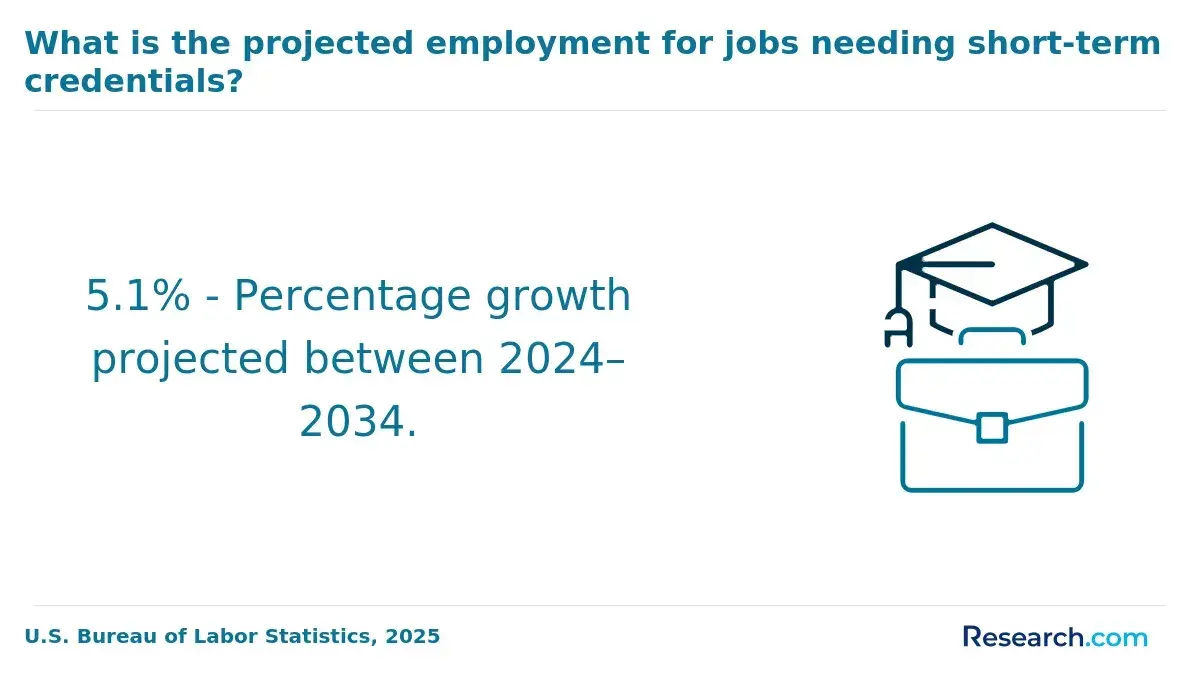
Salary outcomes for aviation management vary notably by degree level, with bachelor's degrees generally providing a more favorable balance of pay and job availability than associate credentials. For working adults or transfer students, completing a bachelor's can often justify the additional time and financial investment, especially in regions with strong aviation hubs where management roles demand leadership qualifications.
However, ROI assessments must consider how full-time study or partial enrollment affects earnings during schooling, alongside local labor market conditions and employer expectations for certifications or advanced degrees, which influence both career mobility and long-term earnings growth. Employment stability in aviation management correlates with degree attainment and geographic factors, with bachelor's graduates more likely to access consistent positions and supervisory roles, reflecting a below-average unemployment rate in this field.
Graduates should weigh the substantial tuition variation across institutions against the potential for loan repayment and manageable debt burdens, a critical consideration given typical program costs and opportunity costs of time lost from the workforce. For many career-focused individuals, integrating transfer credits or part-time study can mitigate expenses and time-to-completion challenges while enhancing practical value and reducing financial strain.
Those evaluating the worth of an aviation management degree should also explore alternative pathways such as an MBA without GMAT that may offer strategic advantages in management roles. Understanding aviation management degree salary and employment outcomes alongside return on investment for aviation management careers provides a nuanced framework for making informed decisions about continuing education in this specialized field.
How Do Associate, Bachelor's, Master's, and Doctoral Aviation Management Degrees Compare?
Choosing between associate, bachelor's, master's, and doctoral degrees in aviation management involves weighing immediate workforce entry against long-term leadership and specialization opportunities. An associate degree often suits those targeting rapid placement in technical or operational roles, but it typically limits upward mobility without additional credentials or significant experience.
In contrast, bachelor's degree holders gain access to supervisory positions with greater specialization options and stronger starting salaries, benefiting from credit transfer policies that ease the step-up from associate programs. For example, a graduate with an associate degree working in airport logistics might need a bachelor's credential to move into broader management or strategic safety roles.
Master's programs cater largely to professionals seeking executive responsibilities or regulatory leadership, where experiential learning and networking become crucial for career trajectory shifts. However, the higher debt and lower completion rates at this level require students to consider whether the extended time and cost align with their advancement goals.
Doctoral degrees offer deep expertise primarily for academic or consultancy paths and seldom translate into higher pay in typical industry roles, reflecting a tradeoff of significant time investment with niche career benefits. National data from 2024 highlight that employers increasingly value stackable certifications like Certified Aviation Manager alongside formal degrees, underscoring the importance of strategic credential layering in navigating the aviation management career landscape.
Which Industries and Employers Hire Aviation Management Graduates by Degree Level?
Employers in aviation management distinctly prioritize degree levels when assessing candidates, reflecting the specialized demands of industry roles. Associate degree holders typically fill essential operational positions in ground handling and airline support services across regional carriers and airports, where practical skills and quick workforce entry outweigh advanced credentials.
For example, a graduate with an associate degree might secure a frontline role in airline customer service but face limited upward mobility without further education, underscoring the tradeoff between immediate employment and management potential. Bachelor's degrees open broader access to supervisory roles within major commercial airlines, aerospace manufacturers, and regulatory agencies like the FAA. These roles involve compliance oversight, mid-tier management, and require comprehensive knowledge of safety standards and aviation business practices.
Labor data from the U.S. Department of Labor indicates that bachelor's graduates often enter management trainee programs, positioning them for advancement unavailable to associate degree holders. Meanwhile, master's degree holders are sought primarily for strategic leadership and consulting positions, particularly in government bodies and airline corporate headquarters, where advanced analytical skills and policy expertise are critical. This differentiation reflects employer expectations that higher degrees signal preparedness for complex organizational challenges rather than routine operational tasks.
Doctoral graduates predominantly engage in research, policy development, and academic leadership, advancing aviation safety and workforce innovation, while certificate holders enhance niche compliance expertise, especially in security and regulatory roles. Employers in regulated environments frequently use degree level as a key screening tool, making decisions influenced by the balance of practical experience versus advanced academic preparation.
Understanding these hiring patterns helps students weigh whether stopping at one credential or pursuing higher education aligns better with their targeted employers and long-term career ambitions, as workforce data from the Transportation Research Board in 2024 highlights distinct advancement pathways tied directly to educational attainment.
What Skills, Credentials, and Experience Improve Aviation Management Career Outcomes?
Employers in aviation management prioritize candidates who combine technical proficiency with applied experience aligned to their degree level, making the choice of educational pathway a crucial strategic decision for career trajectory. For example, entry-level roles favor foundational competencies in aviation regulations, safety protocols, and operational software often gained through associate or bachelor's degrees paired with internships or apprenticeships.
These practical exposures, including military-related aviation service, improve employment prospects by offering evidence of industry-relevant skills. Such integration of hands-on experience is critical for meeting aviation management certification and licensure requirements increasingly used as screening benchmarks.
Advancement beyond entry-level typically hinges on credential stacking and leadership capabilities, with bachelor's degrees providing greater access to certifications like Certified Aviation Manager (CAM) that signify managerial readiness. Employers value soft skills such as communication and problem-solving more intensely as roles evolve into strategic oversight, making leadership experience essential for mid-career mobility and promotion.
Graduate education tends to develop strategic thinking, but its payoff depends heavily on demonstrated leadership and specialized expertise rather than degree status alone. Adult learners and working professionals must therefore weigh the incremental benefit of higher credentials against the time and cost investment, especially when coordinating prior credits, certifications, and portfolio-building activities.
Such nuanced decision-making echoes patterns seen in complex fields, for instance in what can you do with a master's in forensic psychology, where credential relevance and applied experience dictate career flexibility and growth. This layered skillset approach illustrates the practical tradeoffs in aviation management between quick technical entry via associate programs and the broader strategic and leadership capabilities developed through bachelor's and graduate degrees.
Understanding these dynamics helps transfer students, military-affiliated candidates, and degree completers optimize their education and skill mix to meet evolving employer expectations and achieve sustainable career progress.
Which Aviation Management Degree Level Is Best for Your Career Goals?
The best aviation management degree for job advancement often hinges on aligning educational investment with the practical demands and credential expectations of targeted roles. An associate degree frequently facilitates quick entry into operational or supervisory positions, such as airport operations support, but its limitations become evident when employers require bachelor's-level credentials for mid-to-upper management or specialized functions like aviation safety and regulatory compliance.
For working adults or military-affiliated students balancing time and cost constraints, this tier offers accessibility but may necessitate further education to overcome advancement plateaus. Bachelor's degrees notably expand employment prospects and enable specialization, with 78% of graduates securing full-time work within a year according to recent data from the National Center for Education Statistics and IPEDS 2024 reports.
This level also supports seamless credit transfer and smoother transitions for those switching careers or preparing for graduate study, enhancing long-term mobility in aviation management degree level career outcomes. Professionals pursuing executive roles or policy influence must often consider graduate degrees, which deepen both strategic expertise and industry credibility yet entail significant opportunity costs and longer completion times amid rising student debt considerations.
In analyzing these pathways, prospective students should weigh employer requirements for licensure or certification eligibility alongside advancement potential. Practical decisions about credit transfer, program length, and specialization prospects can significantly affect career trajectories, particularly for those seeking leadership or regulated roles. For example, transferring into a bachelor's program from an associate degree can optimize time and cost efficiency.
Additionally, those interested in interdisciplinary management education may explore options like a project management bachelor degree online to complement aviation-specific knowledge and broaden operational capabilities.
References
- Aviation salary: What career starters can expect in Germany https://arts.aero/blog/career-5/aviation-salary-what-to-expect-at-entry-level-in-germany-17
- Pilot Training vs. Aviation Management: Which Career Path Is Better https://skyreachaviation.org/pilot-training-vs-aviation-management-which-career-path-is-better/
- Upgrading Your Career in Aviation Management | Courses & Skills https://olc.aero/upgrading-your-career-in-aviation-management/
- What to Expect from a Civil Aviation Management Program - Cyprus West University https://www.cwu.edu.tr/what-to-expect-from-a-civil-aviation-management-program/
- Aviation Management: Career Overview and 10 Jobs To Consider https://holmes.edu.au/blog/aviation-management-career-overview-and-10-jobs-to-consider
- Aviation management degrees - worth it or not? - PPRuNe Forums https://www.pprune.org/pacific-general-aviation-questions/667753-aviation-management-degrees-worth-not.html
- Discover Aviation Management Careers: A World Full of Leadership, Innovation and Opportunity https://blog.portobelloinstitute.com/aviation-management-careers
- Little-Known, High-Paying Careers in Aviation Management | Vaughn College https://www.vaughn.edu/blog/little-known-high-paying-careers-in-aviation-management/
- Entry-Level Aviation Jobs: How to Get Started in the Aviation Industry https://www.aviationjobsearch.com/career-hub/articles/career-advice/job-searching/entry-level-aviation-jobs-aviation-careers-for-beginners
- Choosing the Right Aviation Course for Your Career Goals https://gmraeroacademy.org/blog/choosing-the-right-aviation-course-for-your-career-goals
Other Things You Should Know About Aviation Management
Higher degree levels require a substantially larger investment of time and money, but the incremental career benefits may not always justify these costs. For example, pursuing a master's or doctoral degree can delay entry into the workforce, potentially resulting in lost earnings and slower immediate career progression. Candidates should weigh whether advanced degrees offer specific skills or roles essential to their target career path, as some aviation management positions prioritize practical experience over higher credentials.
Associate and bachelor's degree programs generally offer more flexible schedules and lower workload intensity compared to graduate studies, which often demand a deeper engagement with complex research and leadership content. Working professionals with significant job or family commitments may find advanced degrees require rigorous time management and could cause professional or personal strain. Choosing a degree level should factor in the capacity to maintain sustained academic effort without compromising work performance or work-life balance.
Employers often value bachelor's degrees as the baseline qualification for mid-level aviation management roles, perceiving associate degrees as less competitive and graduate degrees as advantageous mainly for senior leadership tracks. This suggests that unless a higher degree aligns directly with specialized job requirements or career advancement, investing in a master's or doctorate may have limited impact on employability in non-executive roles. Prioritizing relevant internships, certifications, or on-the-job experience alongside the bachelor's degree frequently yields better employment outcomes.
Advanced degrees may open doors to niche aviation sectors such as aerospace research, regulatory policy, or academic roles, which can be concentrated in particular geographic regions. Conversely, associate and bachelor's graduates may find it easier to secure positions across a broader range of locations due to the generalist nature of these qualifications. Prospective students targeting geographic flexibility should assess whether a higher degree's specialized career benefits justify potential location constraints, especially if relocation or remote work options are priorities.