2027 Addiction Psychology Career Outcomes by Degree Level Report: Pay, Employment, and Advancement Patterns

Co-Founder and Chief Data Scientist
Choosing the right degree level in addiction psychology can determine whether graduates secure roles with sustainable employment or face underemployment despite certification. A 2024 analysis from the Bureau of Labor Statistics revealed that only 58% of bachelor's degree holders in addiction-related fields find jobs that align with their training, reflecting misalignment between degree qualifications and employer expectations. This gap underscores significant risks for adult learners and professionals investing time and resources without clear advancement pathways or pay advantages. This article examines career outcomes in addiction psychology by degree level, focusing on pay, employment rates, and advancement patterns to inform strategic educational decisions.
Key Things to Know About Addiction Psychology Career Outcomes by Degree Level
- Associate and certificate credentials often enable faster workforce entry but limit access to clinical roles; this tradeoff affects long-term advancement, as 2024 data shows over 60% of licensed counselors hold at least a master's degree.
- Employers increasingly prefer master's or doctoral-level candidates for roles involving client assessment and program design, reflecting workforce trends where higher credentials signal readiness for supervisory duties.
- The extended time and cost to attain doctoral-level addiction psychology credentials can delay employment, meaning early-career practitioners must balance credential progression with immediate job-market access and income needs.
- Key Things to Know About Addiction Psychology Career Outcomes by Degree Level Key Things to Know About Addiction Psychology Career Outcomes by Degree Level
- What Career Outcomes Can Students Expect From Each Addiction Psychology Degree Level? Career Outcomes by Degree
- How Much Do Addiction Psychology Graduates Earn by Degree Level? Salary by Degree Level
- Which Addiction Psychology Degree Level Offers the Strongest Employment Prospects? Best Degrees for Employment
- What Entry-Level Jobs Can You Get With a Addiction Psychology Degree? Entry-Level Career Opportunities
- How Do Addiction Psychology Degree Levels Affect Career Advancement and Promotion Opportunities? Career Growth by Degree
- Is a Addiction Psychology Degree Worth It Based on Salary, Employment, and ROI? Salary, ROI, and Value
- How Do Associate, Bachelor's, Master's, and Doctoral Addiction Psychology Degrees Compare? Comparing Degree Levels
- Which Industries and Employers Hire Addiction Psychology Graduates by Degree Level? Which Industries and Employers Hire Addiction Psychology Graduates by Degree Level?
- What Skills, Credentials, and Experience Improve Addiction Psychology Career Outcomes? What Skills, Credentials, and Experience Improve Addiction Psychology Career Outcomes?
- Which Addiction Psychology Degree Level Is Best for Your Career Goals? Choosing the Right Degree
What Career Outcomes Can Students Expect From Each Addiction Psychology Degree Level?
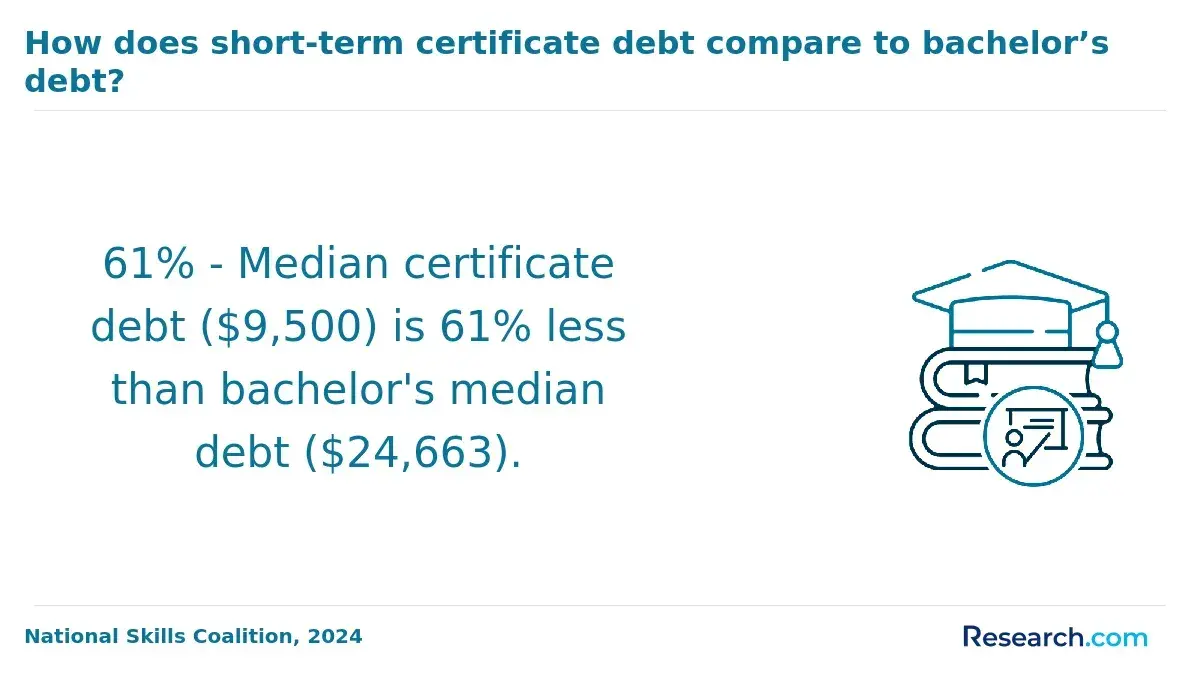
The career outcomes associated with different addiction psychology degree levels highlight a critical interplay between educational investment, licensure eligibility, and role complexity. For instance, certificate holders often enter the workforce quickly in support roles like substance abuse counseling or case management but face significant limitations in advancement and pay due to restricted access to clinical licensure. In contrast, associate degrees afford a broader set of community-based employment opportunities, yet many graduates find progression stymied without further study, as employers increasingly prioritize credentials aligned with state licensure and supervisory potential.
Bachelor's degree graduates in addiction psychology navigate enhanced access to licensed positions, expanding their roles into direct clinical care and leadership responsibilities. Employment data from the National Center for Education Statistics shows stronger labor outcomes for bachelor's-level credential holders, driven by employer preferences and practical readiness gained through internships. However, reaching full clinical independence or senior program management typically requires a master's degree, which anchors specialized training and licensure pathways with higher earning potential and job stability. Doctoral-level credentials prepare professionals for top-tier clinical leadership, research, and policy roles, albeit with significant time and financial commitment before entering these high-mobility career tiers.
For working professionals and transfer students weighing their options, understanding these layered employment and advancement patterns is essential, particularly when considering credit transfer strategies or accelerated pathways, such as those offered in the cheapest DNP programs online.
How Much Do Addiction Psychology Graduates Earn by Degree Level?
Earnings for addiction psychology graduates vary substantially depending on degree level, licensure status, and regional labor markets, making blunt comparisons of salary by credential insufficient for career planning. For instance, certificate or associate degree holders often start in paraprofessional roles with median wages near $37,000 annually, but these jobs typically limit advancement without further certification or education. Bachelor's degree holders enjoy broader employment options, yet often face a salary ceiling and employer preferences for graduate-level credentials in clinical settings.
Master's degrees enable eligibility for state licensure such as Licensed Professional Counselor or Licensed Clinical Addiction Specialist, which can boost wages to a median range between approximately $50,000 and $65,000, contingent on experience and location. Doctoral credentials open pathways to higher-responsibility roles in independent practice and leadership that can exceed $80,000 but require significant investment in time and cost, factors that working adults and transfer students must weigh carefully against potential long-term gains.
Employment stability and career flexibility are key practical considerations that often correlate with degree attainment beyond initial pay. Higher credentials typically reduce unemployment risk and increase job security by meeting licensing and specialization requirements increasingly demanded by employers and healthcare regulations. However, the transition between degree levels can be costly and time-consuming, particularly as many programs have limited transfer-credit acceptance, which may delay credential completion for nontraditional learners or military-affiliated students. It is important for prospective students to integrate local market dynamics, regional demand for addiction treatment professionals, and employer credentialing policies into their decision-making. Median wage data from the U.S. Bureau of Labor Statistics in 2024 offers a general benchmark but needs contextualization against these practical variables to inform realistic career trajectories in addiction psychology.
One recent graduate described initially pursuing a bachelor's degree while working full-time but realizing after reviewing local job postings that many counseling roles required a master's for licensure and substantially better pay. Confronted with the lengthy and costly master's pathway, the graduate hesitated but ultimately enrolled in an accelerated program that accepted most previous credits. They emphasized that understanding how much credentialing affected earnings was crucial to balancing immediate financial needs with long-term professional goals, especially given family obligations and limited willingness to pause employment. This experience underscores the importance of detailed market research and personal prioritization in interpreting pay differences across addiction psychology degree levels.
Which Addiction Psychology Degree Level Offers the Strongest Employment Prospects?
Employment opportunities in addiction psychology are tightly linked to degree level, with master's degrees generally offering the most robust access to stable and higher-paying roles. While certificate and associate credentials can facilitate entry into paraprofessional or supportive positions, these roles often come with limited wage growth and advancement potential. For example, a bachelor's degree holder may secure case management or supervised counseling positions more readily than someone with an associate degree, yet independent clinical practice or licensure that permits unsupervised counseling typically requires at least a master's degree. The 2024 U.S. Bureau of Labor Statistics data underscore this gap, showing significantly lower unemployment rates for master's degree holders compared to those with lower qualifications, highlighting the practical advantage of graduate education in navigating a credential-inflated job market.
Advancement potential diverges notably from initial employment ease, especially considering employer licensure mandates and the increasing requirement of graduate-level credentials for specialized and leadership roles. Doctoral degrees open further doors to clinical research, policy influence, and academic positions, though these involve longer training and higher costs that some professionals may defer until after gaining field experience. Geographic variation also plays a role, as certain regions may prioritize experience over formal credentials, allowing some flexibility in career progression. Deciding whether to enter the workforce with a shorter credential or invest in advancing through graduate studies depends largely on balancing immediate employment needs against longer-term goals, licensure pathways, and access to roles demanding advanced clinical skills and supervisory authority.
What Entry-Level Jobs Can You Get With a Addiction Psychology Degree?
Entry-level positions available to graduates with an addiction psychology degree vary considerably depending on the educational level attained and prior experience. Bachelor's degree holders often find themselves in supportive, non-licensed roles such as behavioral health technician or case manager assistant, where employers prioritize internships or volunteer experience to differentiate candidates amid limited independent clinical responsibilities. For those weighing such options, these positions can serve as foundational roles but may offer constrained mobility and require further education or certifications for significant advancement. The U.S. Bureau of Labor Statistics projects an 11% growth in substance abuse and behavioral disorder counselor jobs through 2034, yet many openings demand master's-level credentials or licensure to access the broader market.
Master's graduates frequently qualify for licensed counseling roles with direct client interaction and greater clinical autonomy, such as Licensed Addiction Counselor or Licensed Clinical Social Worker positions, contingent on state regulations and supervised clinical hours completed during graduate training. This level often provides improved job flexibility-including possibilities for remote or hybrid work-and a clearer trajectory toward sustained employability within healthcare settings.
Students should recognize the value of fieldwork components and licensure pathways in expanding entry-level career options beyond basic titles, reflecting a crucial investment in longer-term professional viability. Doctoral-level candidates, by contrast, may initially encounter fewer straightforward entry points, as many research, clinical supervision, or policy roles look for advanced analytics skills and postdoctoral experience, reinforcing the necessity of a strategic mix of technical and clinical preparation for impactful career development.
For working adults exploring career shifts, it is important to balance immediate job accessibility against long-term growth potential when selecting pathways within addiction psychology. Some may find merit in exploring nursing programs no TEAS required as an alternative or complement to expand healthcare employment options. Ultimately, degree level, licensure achievements, and related skillsets define whether entry-level roles serve primarily as stepping stones or sustainable endpoints, highlighting the need for informed decision-making based on employer expectations and labor market realities.
How Do Addiction Psychology Degree Levels Affect Career Advancement and Promotion Opportunities?
Holding a master's or doctoral degree in addiction psychology often marks a decisive boundary for accessing supervisory and leadership roles within clinical and administrative settings. Employers typically require at least a master's level credential combined with licensure such as LPC or LCSW for management positions, reflecting not only specialized expertise but also adherence to rigorous continuing education standards. While bachelor's degree holders can enter the field, career progression often plateaus without graduate study, limiting eligibility for higher responsibility or specialized counseling roles. According to 2024 data from the Bureau of Labor Statistics, those with master's degrees in addiction counseling demonstrate a 15% greater likelihood of promotion within five years compared to those holding only bachelor's degrees, underscoring the tangible benefits of advanced education when combined with relevant work experience and credentialing.
For adult learners and transfer students balancing employment, leveraging prior credits to accelerate master's program completion can facilitate earlier access to leadership tracks, particularly in environments prioritizing advanced degrees for managerial competence. However, additional graduate credentials do not guarantee automatic advancement; real-world employer screening often weighs licensure status and demonstrable supervision skills equally. Working professionals must therefore gauge the cost-benefit of further education against existing professional networks, licensure pathways, and organizational culture around promotions. For military-affiliated students or those with substantial experience, targeted certificate programs might serve as viable supplements but rarely substitute the credential expectations attached to supervisory roles within healthcare or social service employers.
One addiction psychology graduate shared that after completing a bachelor's degree while working full time, they hesitated to pursue a master's despite pressing interest in leadership. They observed coworkers with master's credentials receiving promotion interviews and recognized that employer policies explicitly listed advanced degrees plus licensure as baseline requirements for supervisory roles. "I realized my experience alone wasn't enough to compete; it was frustrating, but it shaped how I planned to invest time in completing my master's quickly," they recalled. This practical insight helped them prioritize educational pathways that aligned with licensure eligibility and on-the-job responsibilities rather than relying solely on work tenure to open doors.
Is a Addiction Psychology Degree Worth It Based on Salary, Employment, and ROI?
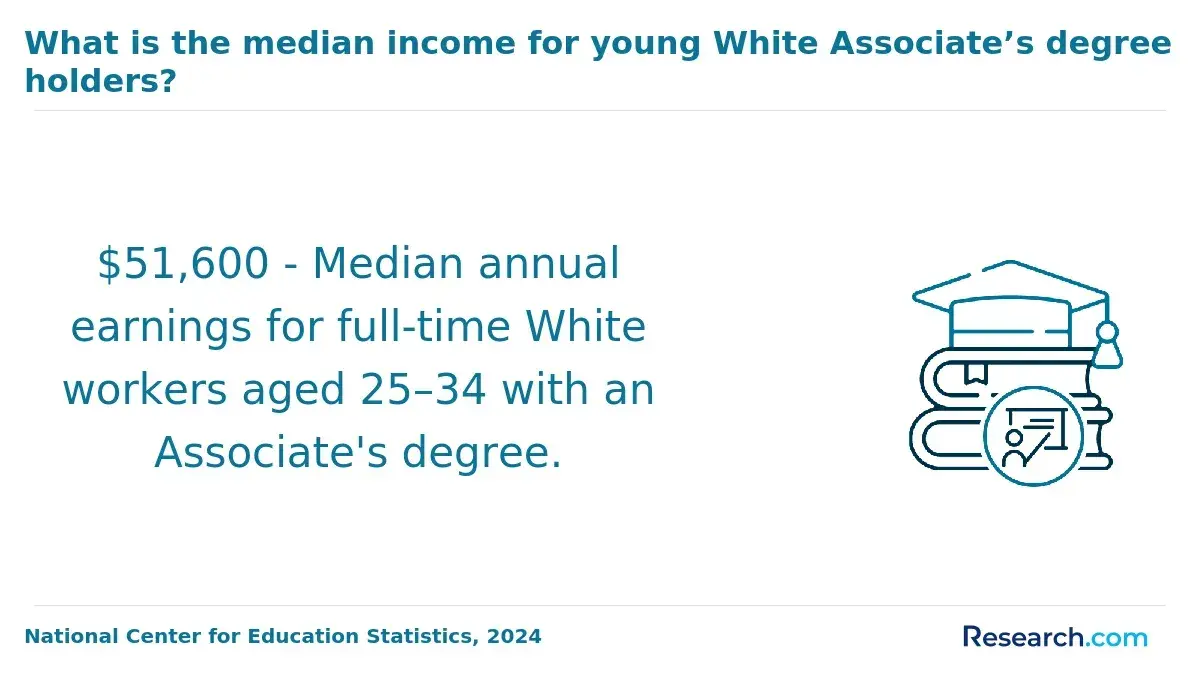
The decision to pursue an addiction psychology degree hinges heavily on the interplay between salary expectations, job availability, and return on investment, which varies significantly by credential level. Individuals with a bachelor's degree often face limited upward mobility and competitive entry-level roles, while those holding master's degrees generally see a stronger employment market with higher wages, especially in clinical settings. For adult learners or working professionals, balancing the time and financial costs against career gains is critical; extended program lengths and licensure requirements can delay income increases, affecting overall ROI depending on regional labor demand and individual career trajectories.
Real-world outcomes show that graduates with advanced credentials are better positioned to repay student debt and secure stable positions, reflecting the necessity of evaluating local market conditions and licensing success rates before enrollment. Moreover, opportunity costs, including forgone wages or delayed career advancement during full-time study, can significantly impact net benefits, particularly for those without prior relevant experience or credits.
For students exploring related health fields, comparing addiction psychology with other options-such as pursuing an online dietitian degree-might provide alternative pathways with different ROI profiles. Ultimately, assessing addiction psychology career return on investment analysis requires weighing program costs, credentialing hurdles, and realistic employment prospects within one's personal and financial context.
How Do Associate, Bachelor's, Master's, and Doctoral Addiction Psychology Degrees Compare?
Choosing to stop at an associate degree in addiction psychology can facilitate relatively rapid workforce entry in paraprofessional roles but generally constrains upward mobility due to licensure limits and employer expectations for higher credentials in clinical settings. For example, a case manager with an associate credential may find steady demand reflecting broader behavioral health trends, yet advancing to licensed counselor roles typically requires further education. Bachelor's degrees enhance access to specialized positions and enable accumulation of supervised hours required for certain licenses, with data from the National Center for Education Statistics showing a notable 12% higher employment rate compared to associate graduates within six months. The transferability of credits from associate to bachelor programs also mitigates redundancy, making continued education a practical option for career expansion.
Master's degrees represent a critical threshold where clinical licensure and supervisory roles become attainable, unlocking significant salary and leadership opportunities, particularly in integrated healthcare environments. However, the investment in time and tuition necessary at this level requires weighing the payoff against achievable roles without a graduate degree. Doctoral training in addiction psychology, though less common, primarily serves those pursuing academic, research, or policy careers and generally offers enhanced job security and income premiums in exchange for prolonged education and more rigorous credentialing. Prospective students should therefore carefully consider how each degree's demands align with their career intent, balancing the immediate return of lower-level credentials against the specialized and often administrative pathways opened by advanced degrees.
Which Industries and Employers Hire Addiction Psychology Graduates by Degree Level?
Employment opportunities for addiction psychology graduates shift notably by degree level, shaping the types of employers and job functions realistically accessible. Those with associate degrees often secure roles as behavioral health technicians in residential or correctional settings, where direct client interaction is closely supervised and clinical independence is limited. In contrast, bachelor's degree holders typically qualify for positions in social service agencies or outpatient clinics, where responsibilities include case management and prevention efforts; this level tends to offer starting salaries between $40,000 and $50,000, reflecting a balance of foundational knowledge and entry to mid-level duties within nonprofit or government sectors.
The leap to a master's degree opens doors to licensed professional roles within hospitals and specialized treatment facilities, driven largely by credentialing mandates that require supervised clinical hours and advanced assessment skills. These positions often lead to supervisory opportunities and median salaries rising to $55,000-$70,000. Doctoral graduates, however, frequently face more competitive job markets but gain access to academic, policy, and research-oriented posts with higher remuneration and administrative authority. Certificate programs serve as strategic supplements for those targeting specialized clinical skills such as motivational interviewing but rarely substitute for the broader licensure prerequisites tied to degree progression, underscoring the practical tradeoff between narrowly focused expertise and comprehensive credentialing demands.
These distinctions reflect how industry employers calibrate expectations around licensure, experience, and skill specialization. Choosing to stop or continue at each educational level should factor in not only salary potential but also the nature of job roles, settings, and advancement trajectories. According to 2024 labor market data from the U.S. Bureau of Labor Statistics, growing demand for licensed clinicians in healthcare contrasts sharply with the limited upward mobility in non-licensed support roles, highlighting a crucial consideration for those weighing cost, time, and career impact within addiction psychology pathways.
What Skills, Credentials, and Experience Improve Addiction Psychology Career Outcomes?
Career outcomes for addiction psychology candidates diverge significantly based on the combination of credentials, practical experience, and degree level. Entry-level roles typically demand foundational behavioral health knowledge paired with certifications such as Certified Alcohol and Drug Counselor (CADC) or state licensure, which are often prerequisites for clinical employment. For example, a candidate holding a master's degree plus state licensure eligibility will generally access higher-paying positions and faster promotions than someone with only a bachelor's degree, reflecting employer preferences for credential stacking and demonstrated clinical competency. This dynamic underscores the value of structured internships and supervised field placements, which build core proficiencies in evidence-based techniques like Cognitive Behavioral Therapy (CBT) and motivational interviewing-skills increasingly emphasized in hiring decisions.
addiction psychology professional experience improving career outcomes is strongly linked to the acquisition of soft skills such as communication, empathy, and cultural competency, which influence both initial candidacy and eligibility for leadership roles. Exposure to roles involving team supervision or project coordination during graduate studies further amplifies prospects for managerial advancement, while hands-on experiences serve as portfolio evidence of applied learning. Military service or prior human services work can also accelerate mobility by providing transferable skills prized in high-stress treatment environments. Because licensure requirements vary by state, candidates must anticipate credentialing pathways early to prevent employment delays. For individuals weighing how to combine prior credits and new credentials, understanding these realities aids realistic planning without losing sight of degree content relevance.
While some candidates contemplate whether it is hard to become a pharmacist, addiction psychology aspirants face their own complex tradeoffs, especially when deciding between bachelor's and graduate degrees. Graduate-level credentialing alongside specialized certifications increases access to clinical authority and multidisciplinary collaboration, substantially affecting pay scales and promotion readiness. Adult learners and working professionals should prioritize programs that integrate licensure preparation with experiential learning to maximize both employability and long-term career flexibility within this sector.
Which Addiction Psychology Degree Level Is Best for Your Career Goals?
Choosing the best addiction psychology degree level significantly affects employment access, advancement potential, and eligibility for specialized roles. For example, an associate degree often limits graduates to entry-level support positions without licensure, while bachelor's degree holders gain access to supervisory roles but face employer expectations for additional graduate education in clinical settings. Those focused on sustained career mobility and higher compensation commonly pursue master's degrees, as many employers require this level for counseling licensure and private practice; the U.S. Bureau of Labor Statistics projects an 8% job growth rate in master's-level mental health counseling through 2032, underscoring robust demand and advancement opportunities. This highlights how degree-level choices influence opportunity cost and time to independent practice, which is pivotal for working adults or military-affiliated students balancing commitments.
Doctoral degrees in addiction psychology emphasize research and leadership, offering versatility across academic, policy, and interdisciplinary roles but entail longer completion times and higher financial burdens, often necessitating careful consideration of debt versus long-term career benefits. Transfer credits and part-time or accelerated programs can mitigate time and cost barriers, which is critical for adult learners analyzing how far to extend their education path. Selecting the best addiction psychology degree for employment advancement requires aligning educational investment with licensure mandates and credential pathways, particularly since many employers and credentialing bodies prioritize graduate study. Prospective students might also explore the best easiest counseling degree programs as strategic entry points within this field.
References
- Becoming an Addiction Counselor: Essential Skills and Qualifications Explained - Mental Health Degree https://mentalhealthdegree.org/careers/addiction-counselor/
- Study Pychology - Experience, Job Opportunities, Salary + Survey https://jobtensor.com/uk/Studies/Psychology
- Degrees for Mental Health and Addiction Professionals https://www.drugrehab.com/guides/addiction-professional-degrees-careers/
- What Do Psychologists Earn? Highest Paying Psychology Jobs | Walbrook https://www.walbrook.ac.uk/subjects/psychology/psychologist-salaries-highest-paying-jobs/
- What Do Substance Abuse & Addictions Counselors Do? https://www.psychology.org/careers/substance-abuse-addiction-counseling/
- What's the Difference Between an Addiction Counseling and a Psychology Degree? - City Vision University https://www.cityvision.edu/difference-between-addiction-studies-and-psychology-degree/
- Return on Investment For an Online Psychology Degree https://www.onlinepsychologydegrees.com/articles/return-on-investment-for-an-online-psychology-degree/
- Psychology Major | Psychology Degree | Colleges and Schools https://www.bestpsychologydegrees.com/associates-bachelors-masters-and-doctorate-degrees-in-psychology/
- A Guide to Professions in Addiction Studies and Recovery https://www.ucumberlands.edu/blog/guide-to-professions-in-addiction-studies-and-recovery
- How to Become an Addiction Counselor [A Complete Guide] https://beal.edu/how-to-become-an-addiction-counselor/
Other Things You Should Know About Addiction Psychology
Doctoral programs in addiction psychology typically require a significant time investment beyond master's degrees, often 4-7 years. While doctorates can open doors to research, clinical leadership, and academic roles, the extended study period delays full-time earnings and can increase student debt. Students should carefully consider whether their career goals specifically demand a doctorate or if a master's-level qualification meets their objectives, especially since many clinical and counseling roles are accessible without a doctorate and often offer competitive salaries and career stability.
Moving from a master's to a doctoral role often requires navigating employer expectations for advanced clinical competencies, research skills, and supervisory responsibilities that are less emphasized at the master's level. This transition may necessitate additional certification or supervised hours, which can delay career advancement despite higher credentials. Prospective doctoral candidates should prioritize programs with clear pathways for licensure and practical experience to avoid gaps between degree completion and industry readiness.
Program quality and focus vary widely, from research-heavy doctoral programs to clinically oriented master's degrees. Graduates from programs that emphasize applied practice with internship placements generally experience smoother entry into relevant employment but might have fewer opportunities in research or academia. Those eyeing policy or systemic roles should value interdisciplinary programs. Prospective students must critically evaluate curricula and experiential components against their intended career paths rather than assuming all degree levels guarantee the same opportunities.
For working adults, flexible master's programs that offer part-time enrollment, online courses, or evening classes often provide a more feasible path to credentialing without sacrificing current income or job security. Full-time doctoral programs typically demand immersion and may require leaving the workforce temporarily, which risks income loss and professional disruption. Prioritizing program flexibility aligned with existing commitments often leads to better practical outcomes in career advancement and avoids overextension or burnout.