2027 Addiction Psychology ROI by Institution Type: Public vs Private vs Nonprofit Online Programs

Co-Founder and Chief Data Scientist
Facing nearly identical online addiction psychology programs, a prospective student notices stark differences in tuition, graduation rates, and career support among public, private, and nonprofit institutions. A 2024 report from the National Center for Education Statistics reveals that public online programs average a 15% higher graduation rate than private counterparts, highlighting risks tied to completion and debt accumulation.
This statistic matters because completion significantly influences long-term ROI, especially when employer value and licensing prospects vary across institution types. Understanding these distinctions is crucial for navigating potential debt pitfalls and career setbacks. This article analyzes institution-specific ROI factors to guide informed addiction psychology program choices.
Key Things to Know About Addiction Psychology ROI by Institution Type
- Public institutions generally offer lower tuition and reduced student debt exposure, improving ROI timing for working adults despite often less personalized learner support, which can affect completion speed and post-graduate readiness.
- Private programs typically boast stronger institutional reputations and specialized accreditation, enhancing employer recognition and career advancement potential but often incur higher costs, requiring careful debt management considerations.
- Nonprofit online Addiction Psychology programs balance moderate pricing with flexible structures and support services, supporting transfer students' and career changers' pacing needs while reflecting variable graduation outcomes that influence long-term ROI.
- Key Things to Know About Addiction Psychology ROI by Institution Type Key Things to Know About Addiction Psychology ROI by Institution Type
- What Does ROI Mean for a Addiction Psychology Program and How Is It Measured? Understanding Addiction Psychology Program ROI
- How Do Public, Private, and Nonprofit Online Addiction Psychology Programs Differ in Overall Value? Value by Institution Type
- How Do Tuition Costs Affect the ROI of a Addiction Psychology Program Across Institution Types? Tuition Costs and ROI
- How Do Graduation Rates Influence Addiction Psychology Program ROI? Graduation Rates Impact ROI
- What Role Do Career Outcomes Play in the ROI of a Addiction Psychology Degree? Career Outcomes and ROI
- How Does Student Debt Impact the Long-Term ROI of a Addiction Psychology Program? Debt vs. Long-Term ROI
- How Do Flexibility and Adult Learner Support Affect Addiction Psychology Program Value? Flexibility and Program Value
- How Do Accreditation and Institutional Reputation Influence Addiction Psychology ROI? How Do Accreditation and Institutional Reputation Influence Addiction Psychology ROI?
- How Does Time-to-Degree Affect the ROI of Public, Private, and Nonprofit Addiction Psychology Programs? How Does Time-to-Degree Affect the ROI of Public, Private, and Nonprofit Addiction Psychology Programs?
- How Can You Choose the Best Addiction Psychology Program Based on Your ROI Goals? Choosing Programs by ROI
What Does ROI Mean for a Addiction Psychology Program and How Is It Measured?
ROI for an addiction psychology program hinges not just on sticker tuition prices but on how well the investment aligns with a student's specific financial and professional goals. For example, while public online programs often offer tuition fees approximately 40% lower than private ones, this cost advantage may be offset if completion rates are lower or student support services are scarce. Graduating on time significantly affects the ROI equation by reducing additional semesters' costs and lessening debt accumulation, making institutional graduation rates a crucial data point. Prospective students must weigh these metrics alongside opportunity costs-the income forgone during study periods-since time-to-degree directly influences both debt levels and delayed earnings potential.
The choice between public, private, and nonprofit online programs becomes more nuanced when considering career outcomes and institutional reputation. Graduates from accredited addiction psychology programs generally enjoy similar licensure success and employer recognition, but students from private programs often carry higher debt burdens, impacting their financial stability long-term according to a 2024 Consumer Financial Protection Bureau analysis. Such financial realities influence how the addiction psychology program return on investment metrics are interpreted based on individual circumstances, such as whether a student prioritizes rapid workforce entry, debt minimization, or access to more comprehensive learner support. Those balancing work and study may also explore flexible offerings like online RN to BSN programs no clinicals, highlighting the pragmatic side of educational planning within healthcare fields.
How Do Public, Private, and Nonprofit Online Addiction Psychology Programs Differ in Overall Value?
Choosing between public, private, and nonprofit online addiction psychology programs often hinges on balancing cost, support, and outcomes rather than assuming one model universally offers superior value. Public programs generally provide lower tuition and more accessible financial aid options, appealing to budget-conscious students, yet their average graduation rates hover around 45%, which can delay workforce entry and increase total debt burden through extended enrollment.
Private institutions frequently offer enhanced advising and career services that contribute to slightly better completion rates-near 55%-and stronger employer recognition in niche addiction psychology fields, though this usually comes with steeper tuition and an average 30% higher student debt reported by the Institute for College Access & Success. Nonprofit programs tend to occupy a middle ground, balancing moderate costs with a mission-driven focus on applied learning; their graduates often benefit from solid employment outcomes tied to practical skills valued by employers, aligning with workforce demands while moderating debt levels.
Employment considerations further complicate decisions as many employers weight practical experience and program flexibility heavily-traits more common in private and nonprofit offerings that emphasize experiential learning and student support-yet public institutions retain strong brand equity, especially regional universities known to local employers. The tradeoffs affect not only affordability but also timely degree completion and access to career resources, directly influencing long-term return on investment. For example, a working adult transferring credits might favor a public program for in-state tuition and manageable debt if immediate affordability is critical but may sacrifice personalized support that could accelerate program completion or facilitate job placement.
One graduate who evaluated these options recalled hesitating between a private program with higher costs but reputed individualized advising and a nonprofit school emphasizing community impact with moderate tuition. Concerned about accumulating more debt, the graduate carefully compared financial aid offers, program accreditation, and graduation statistics before choosing the nonprofit pathway, appreciating its balance of support and affordability. This decision reflected a nuanced prioritization of fiscal responsibility without fully sacrificing access to quality academic resources or career preparation, illustrating how real students must weigh complex factors beyond surface-level distinctions.
How Do Tuition Costs Affect the ROI of a Addiction Psychology Program Across Institution Types?
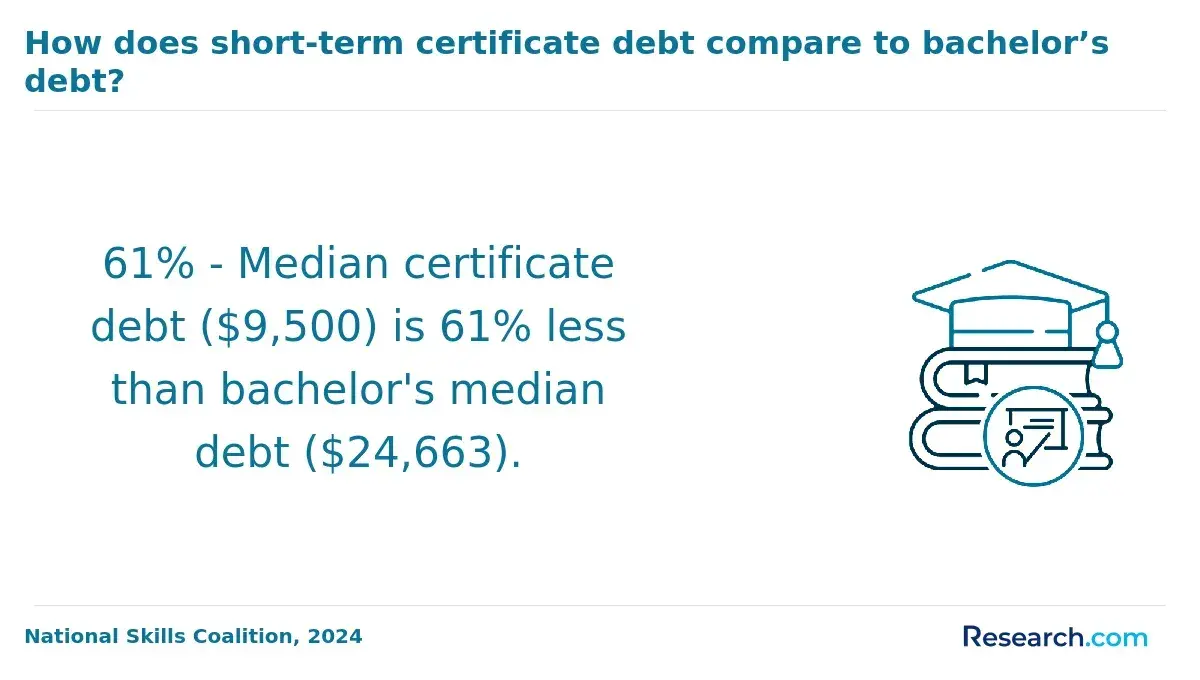
Tuition differences among public, private, and nonprofit online addiction psychology programs significantly shape return on investment by influencing upfront costs and debt levels rather than simply the sticker price. For instance, public programs average around $7,000 annually, while private institutions often exceed $20,000, a steep gap that typically leads to higher post-graduation debt for private students. Data from the Institute for College Access & Success in 2024 shows that graduates from public online behavioral health programs carry roughly 30% less debt than those from private counterparts, which can markedly affect long-term financial stability given entry-level salaries commonly range between $40,000 and $55,000 in this field.
However, lower tuition does not necessarily guarantee superior ROI. Higher-cost nonprofit or private programs may offer stronger academic resources, flexible scheduling, and deeper employer connections, which can increase completion rates-sometimes by up to 15% more than some public programs, according to a recent Online Learning Consortium survey-and thus reduce time-to-degree and indirect opportunity costs. Students must weigh whether these advantages translate into greater career readiness and wage growth sufficient to justify additional borrowing. Financial aid and institutional support further complicate this calculus, often narrowing net price disparities and affecting borrowing patterns, so decisions should reflect individual priorities around debt tolerance, program support, and employment goals rather than raw tuition alone.
How Do Graduation Rates Influence Addiction Psychology Program ROI?
Graduation rates offer insight into institutional effectiveness but must be contextualized when assessing addiction psychology program ROI. For example, public universities often report graduation rates near 60%, reflecting greater enrollment of part-time and transfer students who balance education with work or family commitments. While such factors may extend time-to-degree, these programs frequently deliver lower tuition costs that can offset debt accumulation, resulting in a nuanced tradeoff between speed of completion and affordability. Comparing this with private nonprofit schools, which sometimes exceed 70% graduation rates, underscores differences in student support and resources that influence persistence and completion outcomes in varied ways.
Many cost-conscious adult learners evaluating average graduation rates by institution type in addiction psychology programs should consider how these figures interact with career readiness and financial sustainability. Programs with robust academic advising and flexible scheduling enhance completion chances, but employers increasingly weigh practical experience and recognized certifications alongside diplomas. This complexity means graduation rates serve as one useful metric among others, including employment outcomes and debt levels. Prospective students seeking affordable, reputable pathways often explore options such as accredited self-paced online colleges to balance academic rigor with real-world demands and long-term career implications.
What Role Do Career Outcomes Play in the ROI of a Addiction Psychology Degree?
Career outcomes heavily influence the return on investment of addiction psychology degrees, especially when comparing public, private, and nonprofit online programs. Graduates from public institutions report notably higher employment rates-about 12% more within six months-than those from private for-profit schools, reflecting the widely recognized alignment between public program curricula and employer expectations. This alignment enhances job placement opportunities in clinical and community health settings, directly impacting the practical value relative to tuition costs and debt load. In contrast, private programs may face skepticism from some employers regarding rigor and accreditation, though nonprofit private institutions that embed experiential learning and professional certifications can compete effectively, particularly for students eyeing licensure or advanced degrees. Career mobility over time and employer networks also shape ROI; programs with stronger alumni connections and internship integration contribute to graduates' ability to navigate evolving workforce demands in substance abuse treatment fields.
The intersection of career outcomes with financial and time investments is critical in decision-making. For adult learners balancing cost and schedule constraints, the ability to leverage a degree immediately into recognized clinical roles or graduate school acceptance can justify longer time-to-degree or higher tuition, provided career support services are robust. Conversely, limited employer recognition or weak practicum access in some private online settings may delay or reduce returns, making program choice a strategic calculation beyond sticker price. These nuances underline the need for prospective students to scrutinize job placement data, licensure pass rates, and employer reputation when assessing the long-term worth of addiction psychology education.
One graduate recounted her cautious approach to evaluating ROI when enrolling in an online addiction psychology program. Initially uncertain whether the credential would lead to substantial career progress, she prioritized programs with verified licensing exam support and clinical practicum options. After completing the degree, she found tangible benefits within her organization-a public hospital's mental health unit-such as increased responsibilities and recognition of her specialization that had previously been elusive. Although the financial return wasn't immediate, the expanded role and clearer path to promotions confirmed that strong career outcomes, rather than upfront cost alone, determined her degree's true value.
How Does Student Debt Impact the Long-Term ROI of a Addiction Psychology Program?
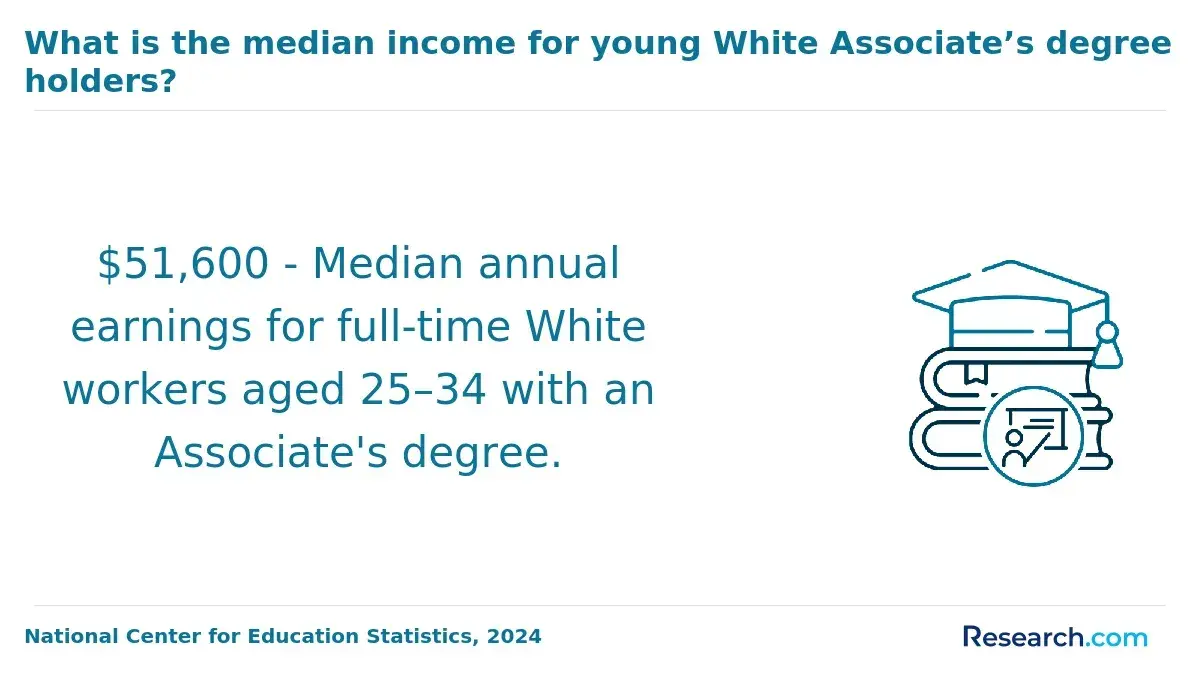
Debt levels shape the long-term ROI of addiction psychology programs by directly influencing financial flexibility and career decisions post-graduation. For example, students graduating from private online programs often face average debt exceeding $40,000, which can stretch repayment periods and diminish discretionary income needed for milestones like buying a home or saving for retirement. This is particularly significant in addiction psychology, where entry-level salaries hover around $45,000 to $60,000 annually, making the debt-to-income ratio a critical factor in assessing the true value of the degree. Programs with lower debt burdens, especially public online options with average debts under $20,000, can accelerate the break-even point where increased earnings offset educational costs.
The impact of student loan repayment on addiction psychology career earnings depends not only on total borrowing but also on program completion rates and financial aid availability. Nonprofit online programs typically sit between public and private in cost but may deliver better ROI through higher graduation rates and lower loan default rates-around 7% compared to 10% for some private schools. Prospective students should consider these outcomes alongside program quality, network opportunities, and curriculum specialization while comparing financing options. Evaluating borrowing in the context of career advancement prospects and expected salary growth helps prevent overleveraging on debt. Those weighing program options might also explore related fields or credentials, such as a nutritional science degree online, which can offer alternative pathways with different ROI profiles.
How Do Flexibility and Adult Learner Support Affect Addiction Psychology Program Value?
Program flexibility and targeted adult learner support significantly shape the return on investment for online addiction psychology students, particularly those juggling work and family commitments. Programs offering asynchronous coursework, part-time options, and rolling admissions enable students to progress without pausing career or personal responsibilities, which can shorten time-to-degree and reduce opportunity costs. A 2024 study by the National Center for Education Statistics found that 68% of adult learners in programs with flexible scheduling completed their degrees within six years, compared to 45% in less adaptable formats, highlighting how curriculum structure directly impacts persistence and ultimately lowers financial risk from prolonged enrollment or dropout.
Adult learner-centric support-such as personalized academic advising, career counseling, and transfer assistance-further affects value, often differentiating public, private, and nonprofit institutions. Public programs generally provide wide-ranging resources and affordability but may lack intensive one-on-one mentoring, which can hinder some students' engagement and graduation speed.
Conversely, private and nonprofit programs tend to excel in faculty accessibility and customized career services, which research links to a 35% higher likelihood of employment in addiction psychology fields within a year after graduation, though at a higher tuition premium. Students should weigh whether enhanced support that may improve employability and persistence justifies greater upfront costs, especially considering military or working-adult accommodations vary by institution and influence affordability and completion timelines.
How Do Accreditation and Institutional Reputation Influence Addiction Psychology ROI?
Accreditation and institutional reputation significantly shape the return on investment (ROI) for students pursuing online addiction psychology programs, with direct implications for career mobility and financial outcomes. Regional and programmatic accreditation impact credit transferability, eligibility for licensure, and entry to advanced study, all of which are crucial for students who may need to pivot between schools or pursue clinical credentials.
For example, a working adult enrolled in a nationally accredited but non-programmatically accredited program might struggle to meet licensing requirements or find employers unfamiliar with the institution, limiting both employment options and salary potential. Data from the Council for Higher Education Accreditation reveals that graduates from regionally accredited programs experience a 15% higher employment rate in their field compared to those from nationally accredited or unaccredited schools, underscoring the tangible advantages of recognized accreditation in the addiction psychology labor market.
Institutional reputation also plays a critical role in employer perception, which influences internship opportunities, job placements, and salary offers, especially when competing with candidates from better-known public universities or specialized nonprofit schools. Although private nonprofit institutions may charge higher tuition, their focused clinical training and career services can mitigate debt burdens by enhancing licensure alignment and long-term employability.
Conversely, prestige without substantive curriculum rigor or program alignment to licensure pathways often fails to deliver commensurate value, leaving graduates with elevated debt but limited career advancement. Adult learners and career changers must therefore weigh these factors carefully, balancing affordability against the quality of academic support, graduation rates, and licensure access to optimize practical ROI across diverse institutions.
How Does Time-to-Degree Affect the ROI of Public, Private, and Nonprofit Addiction Psychology Programs?
Time-to-degree critically shapes the financial and career outcomes for adult learners weighing public, private, and nonprofit online Addiction Psychology programs. A longer program duration, often common in public universities with structured, four-year tracks and approximately 60% graduation rates within six years, increases tuition exposure and postpones workforce entry, which can elevate opportunity costs. However, these timelines may better accommodate full-time study and workforce stability, especially for students relying on consistent pacing to balance familial and occupational obligations. Private programs frequently offer accelerated or flexible part-time pathways that can reduce total time-to-degree and tuition, but this comes with tradeoffs including higher attrition risks and potential challenges maintaining academic performance under compressed schedules.
Nonprofit institutions tend to provide moderate completion timeframes while enabling credit transfers, which can significantly shorten degree attainment for those with prior coursework or certifications. This flexibility is particularly valuable for working professionals aiming to minimize career interruptions and reduce student debt loads. However, part-time enrollment-common in these settings-can extend time-to-degree, delaying the realization of full professional benefits despite steady progress.
For cost-conscious learners comparing average program duration and return on investment for nonprofit Addiction Psychology online degrees, understanding how persistence, transfer credits, and flexible pacing influence both educational cost and time out of the labor market is essential. Additionally, prospective students should consider industry benchmarks for earnings potential, such as CPC salary data, to contextualize how program timelines align with long-term financial goals.
How Can You Choose the Best Addiction Psychology Program Based on Your ROI Goals?
The highest ROI in addiction psychology online program ROI comparison depends heavily on individual priorities rather than institution type alone. Public programs generally offer the lowest tuition, reducing immediate financial strain and long-term debt, which appeals to cost-conscious adult learners balancing family or work obligations. However, the tradeoff often involves fewer learner support services and longer time-to-degree expectations, factors that can delay workforce reentry or limit earnings growth, especially for working professionals aiming for swift career transitions.
Private institutions tend to report higher graduation rates and more comprehensive support, which can shorten time-to-degree and increase employability, partially offsetting their higher tuition through improved career outcomes. Nonprofit programs occupy a middle ground with balanced cost and reputable accreditation, factors that are especially relevant to employers in addiction psychology-related fields. When evaluating programs, it is crucial to weigh total cost-including hidden fees-and flexibility for pacing, as these shape your debt-to-earnings ratio and match your lifestyle constraints.
Career goals and personal circumstances ultimately dictate how to best navigate these tradeoffs; for some, a low-cost public degree may require strong self-motivation and resourcefulness, while others benefit from private programs' added structure and networking opportunities. Prospective students should also explore options such as easiest online SLP programs to get into as a benchmark for program accessibility. Understanding these nuanced factors helps clarify realistic expectations about ROI beyond tuition alone.
References
- Behavior & Mental Health Services in NY | Citizen Advocates https://citizenadvocates.net/blog/nonprofit-for-profit-or-public-mental-health-and-addiction-treatment-pros-and-cons/
- Comparison of Five Addiction Recovery Programs | Harbor London https://harborlondon.com/comparison-of-five-addiction-recovery-programs/
- Substance Abuse Counselor Careers and Salary Earning Potential https://addiction-counselor.org/careers-salary/
- 50 Best Master’s in Addiction Counseling Programs https://www.counselingpsychology.org/best-masters-degree-programs-in-addiction-counseling/
- ROI Methodology – ROI Institute https://roiinstitute.net/roi-methodology/
- Graduated risk: Individual- and program-level predictors of drug court completion https://www.recoveryanswers.org/research-post/graduated-risk-individual-program-level-predictors-drug-court-completion/
- Mental Illness and Addiction: Facts and Statistics https://www.camh.ca/en/driving-change/the-crisis-is-real/mental-health-statistics
- A Comprehensive Guide to Addiction Psychology: Training, Careers, and More https://cognizavest.com/a-comprehensive-guide-to-addiction-psychology-training-careers-and-more/
- Graduation Rates | Graduate School of Addiction Studies https://www.hazeldenbettyford.org/graduate-school-addiction-studies/about/graduation-rates
- The Economics of Accreditation: Costs, Benefits, ROI - Course Accreditation https://course-accreditation.com/blog/the-economics-of-accreditation-costs-benefits-roi/
Other Things You Should Know About Addiction Psychology
Yes, program structure often varies by institution type, influencing hands-on training availability. Public institutions may have stronger partnerships with local clinics or hospitals, providing more applied practicum experiences that employers value. Private and nonprofit programs sometimes emphasize theory and research, potentially limiting direct clinical exposure. Students prioritizing practical skills for immediate workforce readiness should weigh the institution's capacity to offer supervised, real-world training when evaluating ROI, as this impacts employability and professional confidence.
Workload intensity and pacing influence both completion time and ongoing income potential. Public programs may lean toward a more structured, semester-based calendar with consistent deadlines, supporting steady progress but demanding time management. Private and nonprofit offerings often feature more flexible schedules but sometimes require self-directed learning, which can extend time to degree if not managed well. Professionals should prioritize programs whose workload design aligns with their current employment responsibilities to avoid extended timelines or burnout-both of which can reduce overall ROI.
Employer expectations tend to focus on skills and outcomes rather than institution type alone, but reputation nuances do matter. Graduates from well-established public universities may benefit from broader name recognition and perceived rigor, which can affect hiring committees' confidence in their readiness. Nonprofit institutions often emphasize mission-driven education, attracting employers in community or nonprofit sectors. Private programs may offer niche expertise but sometimes face skepticism regarding cost-effectiveness. Candidates should research employer preferences in their target job market and consider how institutional type aligns with those expectations for optimizing ROI.
Mid-career switchers must weigh upfront costs against time to credential and earning disruptions. Public programs generally provide lower tuition rates, reducing loan amounts and easing repayment pressure, which correlates with stronger ROI over a shorter window. While some private and nonprofit programs might promise smaller cohorts or personalized attention, these benefits often come at higher costs without guaranteeing proportionally better outcomes. For career changers needing efficient, cost-effective credentials, public institution programs typically offer the best balance of affordability, program quality, and ROI.