2027 Addiction Psychology Affordability by State: Where Students Pay the Most and Least

Co-Founder and Chief Data Scientist
Choosing between an in-state public university with tuition at $12,000 per year and a private out-of-state program charging $35,000 may seem straightforward until living costs, fees, and potential loan burdens are factored in. Recent 2024 data from the National Center for Education Statistics reveals that average total cost of attendance varies by over 60% across states, driven by policy differences in funding and regional economic factors. This disparity significantly influences how much debt students accumulate and their ability to sustain long-term career goals in addiction psychology.
Decisions based solely on advertised tuition risk overlooking these hidden expenses and repayment challenges common among addiction psychology candidates. This article examines addiction psychology affordability by state to highlight where students face the greatest and least financial barriers, aiding smarter enrollment choices.
Key Things to Know About Addiction Psychology Affordability by State
- States with lower tuition often have higher living costs, as seen in California, where total attendance expenses offset savings, influencing students to weigh program location against overall affordability.
- In-state tuition discounts significantly shape employer perceptions since graduates from local public universities more frequently engage with nearby health systems, impacting regional workforce supply.
- Recent 2024 data reveal growing reliance on scholarships in states with limited financial aid, prompting timing decisions that affect enrollment patterns and increase borrowing risks for addiction psychology students.
- Key Things to Know About Addiction Psychology Affordability by State Key Things to Know About Addiction Psychology Affordability by State
- Which States Have the Most Affordable Addiction Psychology Degree Programs? Most Affordable State Programs
- Which States Have the Highest Addiction Psychology Degree Costs? Highest State Tuition Costs
- How Much Does a Addiction Psychology Degree Cost by State? Degree Costs by State
- Why Does Addiction Psychology Affordability Vary So Much Between States? State Affordability Variations
- How Do In-State and Out-of-State Tuition Rates Affect Addiction Psychology Affordability? In-State vs. Out-of-State Rates
- How Does the Cost of Living Impact Overall Addiction Psychology Affordability by State? Living Costs and Affordability
- Which States Offer the Best Value for a Addiction Psychology Degree? Best Value State Degrees
- What Financial Aid and Scholarship Opportunities Can Reduce Addiction Psychology Costs? What Financial Aid and Scholarship Opportunities Can Reduce Addiction Psychology Costs?
- Are Online Addiction Psychology Degree Programs More Affordable Than On-Campus Options? Are Online Addiction Psychology Degree Programs More Affordable Than On-Campus Options?
- Is a Addiction Psychology Degree Worth the Cost Based on Career Outcomes and ROI? Degree ROI and Outcomes
Which States Have the Most Affordable Addiction Psychology Degree Programs?
States that lead in offering affordable addiction psychology degree programs consistently invest in public higher education and structure tuition policies to favor residents, creating significant in-state financial advantages. For example, students in Georgia benefit from public universities charging roughly 40% less for relevant programs compared to the national average, which both reflects and reinforces the state's prioritization of education funding. This affordability often comes with tradeoffs, such as fewer program options or the need to meet residency requirements, but for many budget-conscious students, these savings strongly influence where they enroll and whether they complete their degree on time. In contrast, states with higher living costs and limited education budgets often shift more financial burden onto students, raising long-term debt and sometimes extending time-to-degree due to work commitments.
Regional disparities in cost of living also play a critical role in shaping affordable addiction psychology degrees by state, as lower housing and transportation expenses in parts of the South and Midwest reduce overall education costs beyond just tuition. Financial aid availability and state-specific discounts further differentiate these pathways, making some states more accessible for learners pursuing behavioral health fields.
Such factors directly impact enrollment decisions and career planning, as students must weigh immediate affordability against broader considerations like program reputation and local job markets. For learners seeking flexible options, affordability can also hinge on the accessibility of online programs, which cut ancillary expenses and offer a practical alternative, as highlighted by increasing interest in RN to BSN no clinicals pathways that similarly reduce barriers to degree completion.
Which States Have the Highest Addiction Psychology Degree Costs?
States with the highest addiction psychology degree costs often reflect complex regional factors beyond tuition alone, such as limited public funding and elevated living expenses. For instance, California's public universities can charge over $15,000 annually for in-state students, with private institutions exceeding $35,000, pushing total attendance costs well beyond $50,000 when housing and transportation are included. This financial dynamic stems from shrinking state subsidies that force universities to raise tuition and the concentration of prestigious programs that capitalize on specialized faculty expertise. These conditions create a challenging cost-benefit calculation for students weighing the value of attending top-tier programs against substantial debt and higher local living costs.
Residency policies and the availability of in-state financial aid further complicate affordability for out-of-state students, who may face sharply increased costs when relocating to high-demand states known for addiction psychology research. Lower-cost states with moderate tuition and living expenses, such as Iowa or Florida, may offer comparable employability outcomes for many students without imposing the same financial strain. This tradeoff forces prospective learners to consider whether geographically expensive programs justify their price through better job placement and practical training or if more affordable alternatives can provide sufficient credential value given regional employer expectations and the growing demand across healthcare systems.
One graduate recalled extensively comparing addiction psychology programs across states after realizing out-of-state tuition in a northeastern university would double his budget. Hesitant about uprooting his family, he scrutinized online options and financial aid offers while weighing program reputations. Although initially drawn to a prestigious California institution, he ultimately chose a more affordable in-state program in a midwestern state, balancing practical concerns with career goals. His experience highlights how factors like residency restrictions, unexpected living costs, and nuanced financial aid availability can heavily influence decisions beyond simple tuition figures.
How Much Does a Addiction Psychology Degree Cost by State?
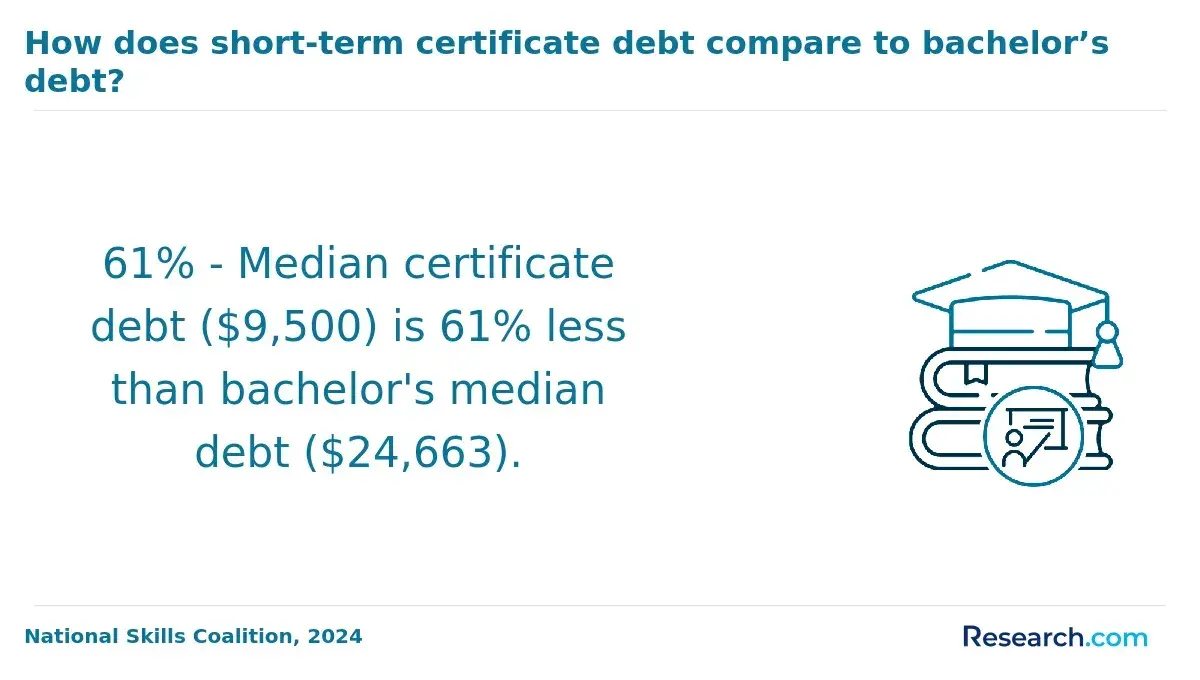
State-level funding priorities and tuition policies create a striking divergence in the cost of earning an Addiction Psychology degree across the U.S., significantly shaping financial feasibility for students. For instance, data from the National Center for Education Statistics for 2023-2024 shows that public four-year institutions charge as little as $5,000 annually in states like Wyoming and Florida, while New England states often exceed $15,000 in in-state tuition. This disparity means a student in the Midwest can minimize debt burden substantially compared to one attending a school in a high-cost state, which also often entails higher living expenses. Deciding whether to invest in a degree from an out-of-state or private institution-where tuition frequently surpasses $35,000-requires weighing these costs against potential program quality and local labor market conditions.
Beyond sticker prices, practical considerations such as out-of-state tuition premiums, which can be 1.5 to 3 times higher, influence enrollment decisions, especially when reciprocity agreements do not exist. Students must also factor in regional cost-of-living differences, as attending a program in metropolitan hubs like New York or California can push total annual costs well beyond $40,000, combining tuition with rent, transportation, and other essentials. Furthermore, states differ in financial aid availability and loan subsidy programs, affecting net expenses and borrowing needs. For budget-conscious learners, these variables encourage exploration of online or regional programs with affordable tuition and support structures, enabling more sustainable degree completion and better alignment with workforce entry timelines.
Why Does Addiction Psychology Affordability Vary So Much Between States?
Differences in state appropriations for public universities are a primary factor driving addiction psychology degree cost differences by state, directly influencing in-state tuition levels. For instance, states such as California and New York allocate substantial funding subsidies per student, which helps lower tuition but often comes with larger enrollment demand and limited program spaces. Conversely, states with fewer public options or where private institutions dominate lack these subsidies, leading to higher sticker prices. This mix of funding policies and institutional types forces many students to weigh staying in-state against transferring or seeking out-of-state online alternatives that may offer better affordability despite residency barriers.
Regional cost-of-living variations further complicate affordability, as urban centers in states like Massachusetts and Washington impose higher operational costs that programs pass on to students. Financial aid availability also differs markedly; some states offer targeted grants for behavioral health fields, improving net costs for students pursuing addiction psychology degrees, while others provide little specialized support. These combined factors affect enrollment behavior and long-term planning, as students must balance immediate tuition savings against program capacity and workforce demand trends. Budget-conscious learners might also explore related options such as nursing schools that don t require TEAS or HESI exams to maintain financial viability while pursuing allied health careers.
How Do In-State and Out-of-State Tuition Rates Affect Addiction Psychology Affordability?
Residency-based tuition rates significantly shape the financial planning of students pursuing addiction psychology degrees by creating pronounced cost divides that influence where to enroll and how to budget long term. Public universities generally charge in-state students an average of about $11,500 annually, while out-of-state tuition often exceeds $27,000, creating a critical cost disparity that can outweigh other considerations such as program reputation or location. This pricing structure pushes many learners to weigh the benefits of relocating to establish residency against paying higher out-of-state fees, with some opting for states that participate in reciprocity agreements to lessen these burdens. Additionally, online programs that maintain uniform tuition rates regardless of residency status offer an alternative but vary in employer perception, making the decision about physical attendance versus remote study a complex tradeoff between cost, career prospects, and institutional recognition.
State funding priorities heavily influence these tuition differentials, reflecting investments aimed at retaining in-state students amid increasing demand for addiction psychology professionals. Financial aid accessibility often fluctuates alongside residency, further complicating cross-state enrollment decisions. For example, a student from a high-tuition state might find a more affordable and strategically beneficial option by enrolling in an out-of-state public institution within a reciprocal exchange program or choosing a carefully vetted online degree to contain debt. These dynamics require prospective students to examine not only sticker price but also the interplay of residency rules, program delivery, and long-term financial implications before committing.
One addiction psychology student shared that after moving states for school, they were surprised to face out-of-state tuition longer than anticipated because the residency reclassification process was more restrictive than explained. This unplanned expense complicated their budget and led them to question whether the quality gap justified the higher rates. Although eventually qualifying for in-state status reduced costs, initial financial strain influenced their decision-making and career planning more than expected, underscoring the importance of fully understanding residency policies upfront to avoid costly surprises.
How Does the Cost of Living Impact Overall Addiction Psychology Affordability by State?
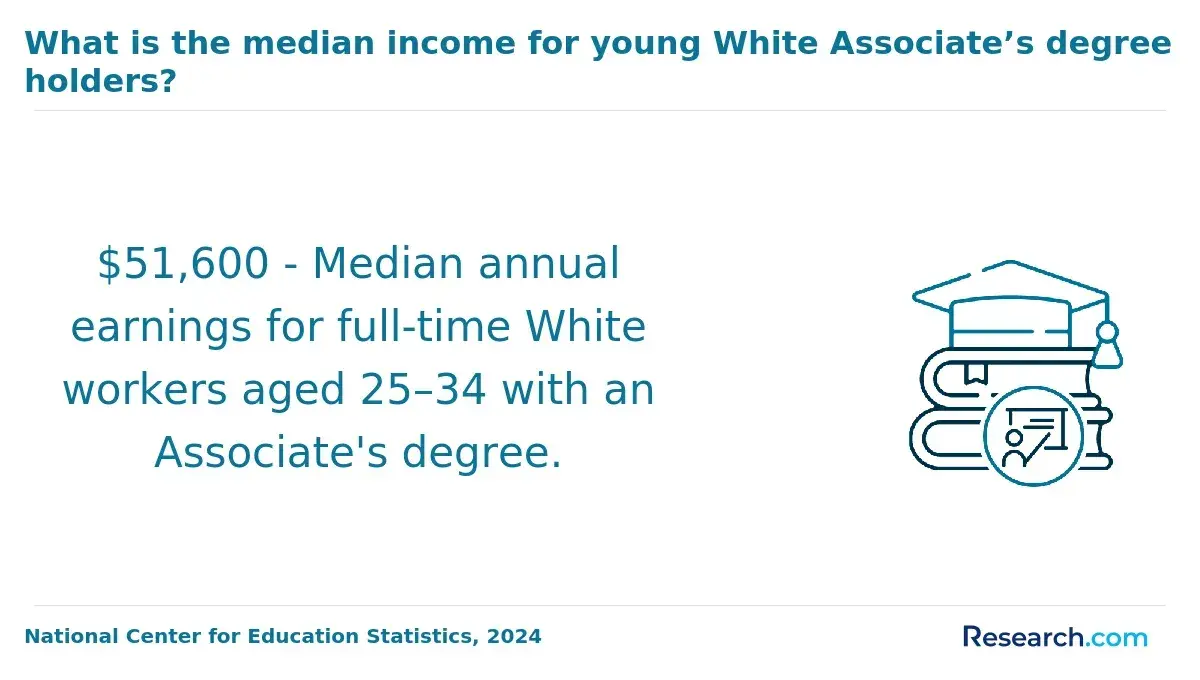
Evaluating addiction psychology affordability by state reveals that housing and living expenses frequently overshadow tuition, reshaping the true cost landscape. For instance, students attending programs in California's Bay Area must factor in rent and utilities that can be two to three times higher than those in states like Mississippi or Arkansas, substantially increasing overall educational expenses. These disparities complicate financial planning, often requiring students to weigh the benefits of proximity to urban treatment facilities and internships against the burdens of higher living costs and potential student debt. Such tradeoffs profoundly affect the feasibility of completing an addiction psychology degree on a limited budget.
The interplay between transportation costs, food prices, and healthcare further differentiates state-specific living costs and affordability of addiction psychology degrees. Urban commuters may face substantial transit or parking fees, whereas rural students could incur longer, costlier drives, or limited access to employment opportunities relevant to their field. Additionally, states ranked high on the Cost of Living Index, including Massachusetts and Hawaii, prompt more comprehensive budgeting, especially for learners balancing part-time study and work. These challenges often influence critical decisions on enrollment mode or program location, as students consider whether shifting to online options or seeking residence in lower-cost areas might mitigate financial strain.
Understanding these cost-of-living differences by state and their effect on addiction psychology program expenses is essential for realistic academic and career planning. Inflationary pressures and housing scarcity near campuses add complexity to housing choices, directly impacting student debt exposure and degree completion timelines. Prospective students should also examine how varying wage conditions influence available financial aid and part-time employment prospects. For those exploring advanced credentials in healthcare fields, reviewing options such as a doctorate in healthcare administration may parallel concerns in balancing cost and practical outcomes.
Which States Offer the Best Value for a Addiction Psychology Degree?
Assessing the best value for an addiction psychology degree requires looking beyond headline tuition figures to consider residency-based cost differences, completion rates, and regional employment needs. For instance, a student weighing California versus Texas must factor in not only the in-state tuition-approximately $9,500 in California and $8,200 in Texas-but also the somewhat higher graduation rates in California's public schools and Texas's stronger labor market growth for behavioral health professionals. Choosing a state with affordable tuition but lower graduation rates or weaker job prospects can ultimately undermine return on investment, especially in addiction psychology where early-career salaries are moderate.
Many students overlook how total cost of attendance, including living expenses and financial aid access, shapes real affordability. States like New York and Massachusetts, despite reputable programs, impose steep combined living and tuition costs exceeding $20,000 annually, often pushing graduates into heavier debt burdens that exceed national medians by 20-30%. Conversely, Midwestern and Southern states such as Indiana, Ohio, and Georgia offer sub-$7,000 tuition and higher degree completion rates near 60%, alongside steady demand for addiction counselors. Public aid programs in places like Minnesota and Oregon further reduce net student costs but may come with tradeoffs in program availability, frequently requiring hybrid or online study models to overcome geographic constraints. Students must weigh these intertwined variables carefully rather than assuming the lowest sticker price guarantees the best educational or financial outcome.
What Financial Aid and Scholarship Opportunities Can Reduce Addiction Psychology Costs?
The financial burden of pursuing an Addiction Psychology degree varies widely depending on the interplay of federal aid, state programs, and institutional policies. Federal Pell Grants remain a critical source of need-based funding, covering up to $7,500 annually for eligible undergraduates and significantly enhancing enrollment viability; data from the Department of Education shows about 75% of Pell recipients in health-related fields report improved affordability. However, state grants and tuition reciprocity agreements can create notable affordability advantages or barriers depending on residency and the student's location, as seen in states like New Mexico and Tennessee where in-state grants substantially lower tuition costs. These differences force students to weigh whether out-of-state tuition premiums and reduced grant access outweigh institutional quality or program fit.
Merit-based scholarships often supplement need-based aid but introduce competitive pressures that correlate positively with higher tuition states-ironically disadvantaging some of the very students who need the most assistance. Timing of applications, full-time versus part-time enrollment status, and residency requirements all affect eligibility and renewal, complicating long-term financial planning. Employer tuition reimbursement programs can cover between 50% and 100% of costs but typically require continued employment commitments that may limit career mobility or delay degree completion for working students. Additionally, student loan forgiveness policies targeted toward mental health and addiction counselors present promising avenues to reduce debt but vary widely by region and employer, underscoring the practical need to align financial aid strategies with both educational and career goals.
Are Online Addiction Psychology Degree Programs More Affordable Than On-Campus Options?
The cost comparison of online versus on-campus addiction psychology degrees by state reveals a complex picture beyond headline tuition rates. Some public universities apply in-state tuition to online learners regardless of residency, while others impose non-resident rates, significantly altering the affordability landscape depending on where a student lives. For example, an out-of-state student might find an online program financially preferable when in-person tuition and living expenses are prohibitive, but this savings can shrink or vanish if technology fees and required software purchases accumulate or if the program's pricing model does not favor online enrollment. Understanding these nuances is essential for students balancing direct costs against opportunity costs like the ability to work full-time while studying.
Financial aid differences further complicate affordability assessments. Online students often receive less institutional aid but maintain eligibility for federal support contingent on enrollment status, which varies between programs and states. This makes a thorough cost-benefit analysis critical, especially for budget-conscious learners and families evaluating where to pursue an Addiction Psychology degree. Employers increasingly accept accredited online credentials, which adds practical value for non-traditional students unable to relocate or attend full time on campus.
Students should also consider the broader educational market and program options-some pursuing related fields opt for exercise science degrees online as alternatives with different cost structures and career trajectories. Ultimately, the question of whether online addiction psychology degree programs are more affordable than on-campus options depends heavily on state residency policies, fee structures, and individual circumstances rather than a simple tuition comparison.
Is a Addiction Psychology Degree Worth the Cost Based on Career Outcomes and ROI?
Students weighing the value of an addiction psychology degree must look beyond tuition to assess career outcomes and the economic tradeoffs shaped by geography and institutional quality. States with high tuition, such as California and New York, often correspond with average student debt exceeding $35,000, yet do not always offer salaries that justify this cost given median annual earnings near $48,000 nationally. For example, a well-qualified graduate facing this debt load in a lower-paying local market may find the financial returns insufficient without advanced certifications or licensure, highlighting how localized factors heavily influence the return on investment for addiction psychology graduates by state.
Conversely, more affordable programs in states like Texas and Florida can reduce upfront costs and debt burden, improving debt-to-income ratios especially where workforce demand is strong. Since graduation rates and clinical training opportunities vary widely, candidates should gauge program quality and support alongside affordability to avoid extended completion times or delayed licensure. Given the growing employment outlook projected by the Bureau of Labor Statistics, prospective students should also consider specialized credentials or career pathways like an online substance abuse counseling degree.
Ultimately, evaluating addiction psychology degree career outcomes in the United States requires a nuanced approach that balances tuition affordability, debt, program outcomes, and regional job prospects rather than relying on raw cost figures alone. This approach enables budget-conscious students to prioritize educational and professional environments where long-term value aligns with personal and financial circumstances.
References
- Beyond the Myths: A Deep Dive Into Understanding Addiction https://deconstructingstigma.org/guides/addiction
- Financial Aid: Options For Addiction Treatment Costs https://emulatecenter.com/financial-aid-options-for-addiction-treatment-costs/
- Cost Confusion: Americans' Misconceptions of College Costs | Strada Education Foundation https://www.strada.org/reports/cost-confusion-americans-misconceptions-of-college-costs
- Ontario Psychological Association - The Psychology of Addiction https://www.psych.on.ca/Public/Blog/2023/the-psychology-of-addiction
- Best Online Bachelor's Degrees In Psychology Of 2025 https://www.psychology.org/rankings/best-online-bachelor-degree-programs/
- Mental health and substance abuse health coverage options https://www.healthcare.gov/coverage/mental-health-substance-abuse-coverage/
- The Behavioral Health Care Affordability Problem - Center for American Progress https://www.americanprogress.org/article/the-behavioral-health-care-affordability-problem/
- 75 Best Addiction Counseling Degree Programs https://addiction-counselor.org/degrees/best-addiction-counseling-schools/
- Scholarships And Grants To Cover Costs Of Drug Rehabilitation https://www.drugrehab.org/scholarships-and-grants-to-cover-costs-of-drug-rehabilitation/
- Top Master’s Degrees in Substance Abuse and Addictions Counseling for 2025 https://www.addiction-counselors.com/blog/top-masters-degrees-in-substance-abuse-and-addictions-counseling/
Other Things You Should Know About Addiction Psychology
State licensing boards impose different requirements for supervised hours, exams, and continuing education, which can significantly extend the timeframe and expenses beyond tuition alone. For example, states demanding more supervised clinical hours may require students to invest additional unpaid time, delaying workforce entry and income generation. Budget-conscious students should factor in these state-specific licensing nuances as they directly impact out-of-pocket costs and opportunity costs, not just direct program affordability.
Yes, accessibility to affordable, high-quality internships or practicum sites within a state can greatly reduce overall expenses, since out-of-state placements or unpaid distant internships often add travel and living costs. States with robust healthcare systems and community programs minimize these practical cost barriers, enhancing the value of local degree programs. Students prioritizing affordability should weigh how local clinical training availability might prevent hidden costs associated with gaining necessary hands-on experience.
Students must balance affordability against local labor market demand. While lower-cost programs in states with fewer addiction psychology jobs may seem appealing, graduates might face greater job search challenges or lower salaries, offsetting initial savings. Prioritizing programs in states with solid employer demand-even at slightly higher tuition-often results in faster employment and better lifetime earnings, ultimately enhancing return on investment.
Some states or institutions offer accelerated addiction psychology degrees, while others require extended coursework or practicum durations. Shorter programs reduce direct costs and delay fewer months of potential earnings, benefiting affordability. However, longer programs may provide deeper clinical exposure or research opportunities favored by certain employers. Students should evaluate how program length aligns with their financial constraints and career ambitions, as the fastest path isn't always optimal for long-term employment outcomes.