2027 Addiction Psychology Student Debt Report: Borrowing, Monthly Payments, and Repayment Risk

Co-Founder and Chief Data Scientist
Programs in addiction psychology often require extended clinical internships and licensing stages that shape borrowing behaviors distinct from other disciplines. These fieldwork obligations, coupled with varied accreditation standards, can extend time enrolled and increase cumulative borrowing. The median salary for addiction counselors remains modest compared to other mental health professions, affecting repayment capacity despite workforce demand growth projected by the U.S. Bureau of Labor Statistics through 2032.
Thus, debt load and monthly payments must be understood as intertwined with program length, credentialing hurdles, and labor market entry timelines unique to addiction psychology. The age profile of students suggests a growing presence of mid-career entrants, reflecting evolving career pathways and shifting workforce needs.
Key Things to Know About Addiction Psychology Student Debt
- Average debt for addiction psychology graduates often exceeds national averages, creating tighter monthly budgets that can limit specialty certification or additional training investment.
- Employers increasingly value practical experience alongside credentials, so substantial debt may pressure graduates to prioritize immediate employment over field-specific internships, possibly affecting long-term career trajectory.
- Loan repayment risk rises as many enter public or nonprofit sectors with variable income, making early financial planning and access to income-driven repayment plans critical for sustainable debt management.
- Key Things to Know About Addiction Psychology Student Debt Key Things to Know About Addiction Psychology Student Debt
- How Much Student Loan Debt Do Addiction Psychology Graduates Typically Have at Graduation? Average Studen Loan Debt
- What Factors Have the Biggest Impact on Addiction Psychology Student Loan Debt? Student Debt Key Factors
- What Is the Average Monthly Student Loan Payment for Addiction Psychology Graduates? Average Monthly Payment
- How Do Repayment Rates Compare Between Public and Private Institutions? Public vs. Private Institution Repayment Rates
- Do Online Addiction Psychology Graduates Have Different Repayment Outcomes Than Campus-Based Students? Online vs. On-Campus Student Loan Repayment
- Which Industries Provide the Best Financial Return Relative to Borrowing Costs? Which Industries Provide the Best Financial Return Relative to Borrowing Costs?
- Does Student Debt Affect Which Jobs Addiction Psychology Graduates Accept? Does Student Debt Affect Which Jobs Addiction Psychology Graduates Accept?
- What Factors Increase Student Loan Repayment Risk for Addiction Psychology Graduates? Loan Repayment Risk Factors
- How Can Addiction Psychology Students Reduce Student Loan Debt While Earning Their Degree? Tips to Reduce Student Debt
- How Should Prospective Students Evaluate Borrowing Risk Before Enrolling? Evaluating Student Debt Risk
How Much Student Loan Debt Do Addiction Psychology Graduates Typically Have at Graduation?
Recent data from 2024 indicate that addiction psychology graduates typically accumulate student loan debt ranging between $40,000 and $70,000 by the time they complete their master's programs. This average student loan debt for addiction psychology graduates incorporates cumulative borrowing from undergraduate and graduate levels, reflecting variations due to program length and institutional factors.
Debt levels align closely with those seen in related behavioral health fields, though doctoral candidates often face debt that exceeds $100,000 because of longer training durations and higher tuition rates. This range highlights the financial realities students encounter and the need to carefully consider borrowing amounts relative to expected entry-level salaries and employment prospects.
Key influences on addiction psychology graduate debt levels by institution type include tuition rates, residency status, and financial aid access. Graduates from public universities who qualify for in-state tuition generally incur lower debt compared to peers at private institutions or out-of-state public schools. Additionally, the availability of scholarships, grants, and federal aid can substantially reduce borrowing requirements, though these vary widely by program and school.
Enrollment patterns, such as part-time versus full-time attendance, also affect total debt as extended timelines increase cumulative costs. Prospective students may benefit from exploring less competitive nursing programs or related fields with more favorable financing options, which can indirectly impact repayment burdens. These debt burdens have meaningful implications for financial stability after graduation, often necessitating income-driven repayment plans or loan refinancing to manage monthly payments effectively.
For example, graduates from Chamberlain University entering entry-level counseling or clinical support roles frequently face salary constraints that challenge immediate loan repayment, reinforcing the importance of weighing educational costs against expected career earnings. Understanding average student loan debt for addiction psychology graduates is crucial for making informed decisions that balance educational opportunities with long-term financial health and occupational outcomes.
What Factors Have the Biggest Impact on Addiction Psychology Student Loan Debt?
Student loan debt levels among addiction psychology students arise from a complex interplay of institutional pricing frameworks and individual financial circumstances. Rather than a single driver, these borrowing patterns reflect how tuition structures, program design, geographic realities, and aid availability collectively shape total debt.
An informed understanding of these dynamics is essential for assessing the financial risks tied to addiction, psychology student loan borrowing trends, and for making strategic education choices.
- Institution Type and Tuition Pricing: Public universities generally charge significantly lower tuition than private or for-profit institutions, which directly reduces borrowing needs for students. Data from the National Center for Education Statistics shows students at private institutions borrow around 25% more than their public university peers, a disparity that amplifies total debt for addiction psychology students attending higher-priced schools.
- Program Length and Credential Level: Advanced credentials, such as master's or doctoral degrees in addiction psychology, extend time in school and accumulate higher borrowing. Longer programs not only increase tuition costs but also add living and ancillary expenses, pushing average debt beyond $45,000 compared to roughly $30,000 for undergraduate paths, as noted by the Institute for College Access and Success.
- Living Expenses and Geographic Location: Students studying in urban or high-cost regions often face disproportionately higher borrowing due to elevated housing and daily living costs. These location-related expense variations can inflate total debt by up to 40%, compounding tuition-based borrowing and altering repayment burdens over time.
- Financial Aid Availability and Reliance on Loans: Limited grant and scholarship aid in addiction psychology programs forces many students to rely heavily on loans. Only about 28% receive substantial need-based grants according to the Department of Education, illustrating how constrained aid availability directly elevates overall debt levels and long-term repayment risks.
- Loan Choices and Repayment Strategies: Student decisions around loan types-federal versus private-and repayment plans affect monthly obligations and cumulative interest. While income-driven repayment options can ease monthly costs, they generally extend the repayment timeline, increasing total interest paid and the eventual debt burden.
These interconnected factors define how much debt addiction psychology students ultimately incur, informing the financial tradeoffs of various educational paths. Awareness of these influences alongside evolving borrowing trends can better position prospective students to navigate debt responsibly and align their borrowing with realistic career earnings and obligations.
For students considering program affordability and debt management, examining options like the cheapest online nursing PhD programs may offer useful insights into financial decision-making strategies within healthcare education fields broadly related to addiction psychology.
What Is the Average Monthly Student Loan Payment for Addiction Psychology Graduates?
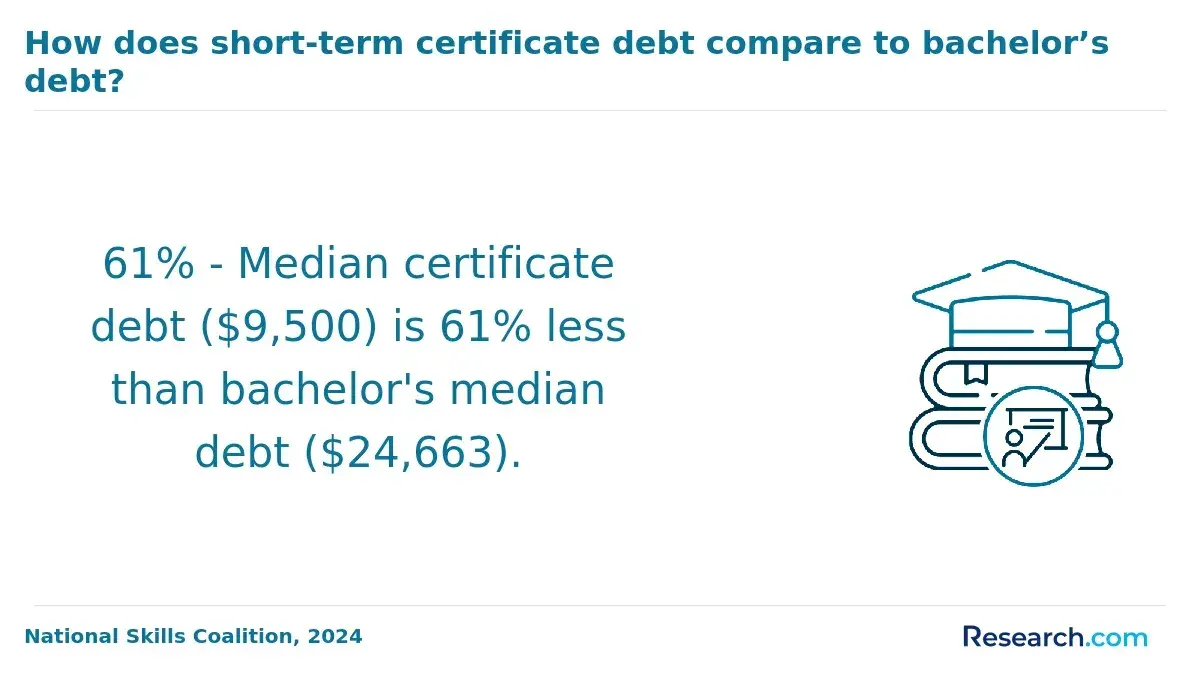
Recent data from the U.S. Department of Education and Federal Reserve reports in 2024 indicate that average monthly student loan payments for addiction psychology graduates typically fall between $250 and $400. This range reflects a blend of loan balances, program level, and repayment frameworks rather than a fixed number. Payments tend to be higher on standard 10-year plans, pushing closer to $350 or above each month, while income-driven repayment options frequently reduce initial obligations to the $200-$300 bracket.
Variations in monthly loan payments stem largely from total borrowed amounts-generally between $40,000 and $70,000-alongside interest rates and federal repayment options chosen. Graduates with bachelor's, master's, or doctoral degrees face different debt loads, but the decisive factor often lies in repayment plans tied to income rather than fixed schedules.
Salary differences across entry-level addiction psychology jobs also influence repayment capability; those in nonprofit or public sectors might leverage loan forgiveness programs, while private loan holders typically contend with higher monthly sums due to less flexible terms and increased rates. Ultimately, these financial factors create a wide spectrum of viable payment setups, emphasizing the need for tailored debt management strategies based on individual earnings and career trajectories.
One addiction psychology graduate recalls wrestling with the admissions timeline amid rolling deadlines and uncertain decision windows. They hesitated initially because their application materials, including prerequisite course results, were pending, and the program's rolling admissions left unclear when they would receive a final acceptance.
This uncertainty pressured them to balance waiting for a better application package against the risk of missing enrollment opportunities, adding a layer of complexity to financing choices tied to student loans. Once admitted, the graduate found that early exertion to clarify the timing led to a more confident approach in handling both their education and the resulting debt obligations.
How Do Repayment Rates Compare Between Public and Private Institutions?
Data from the U.S. Department of Education's College Scorecard for 2024 reveal distinct repayment trajectories between graduates of public and private institutions in addiction psychology programs. Approximately 52% of public university alumni reduce their student loan principal within three years of leaving school, whereas private non-profit graduates exhibit a lower repayment rate, closer to 45% in the same period.
This divergence arises despite some private institutions often boasting stronger alumni earnings growth, suggesting that early repayment dynamics are influenced more heavily by the magnitude of debt and borrowing structures than by initial salary outcomes alone. The relatively higher tuition and fees at private universities typically lead to increased loan burdens, extending repayment timelines and suppressing short-term loan reduction rates.
Conversely, public university graduates commonly accumulate lower debt loads, enabling faster principal paydown despite sometimes more modest starting salaries. Institutional factors-such as loan counseling availability, financial aid packaging, and demographic profiles of student populations-also shape repayment effectiveness. For instance, private institutions may enroll students with greater financial need or disparate economic backgrounds, impacting repayment capacity and risk exposure in the early years post-graduation.
These differences have wider implications for financial stress and long-term economic mobility within the addiction psychology workforce. Lower early repayment rates can correlate with protracted indebtedness and constrain household financial stability, which may, in turn, affect career decisions and professional advancement. Understanding repayment rate disparities encourages a more nuanced evaluation of program value beyond institutional prestige or salary metrics alone.
Do Online Addiction Psychology Graduates Have Different Repayment Outcomes Than Campus-Based Students?
Repayment rates among addiction psychology graduates reveal a marked divergence between those from public and private institutions, as demonstrated by recent 2024 data from authoritative sources such as the National Center for Education Statistics. Public university graduates report a repayment rate of approximately 70% within five years after completing their programs, outpacing the 58% observed among private institution peers.
These differences align with patterns observed in the broader higher education landscape and reflect variations in average student debt burdens, institutional tuition pricing, and demographic characteristics of each cohort. Such disparities contribute to distinct repayment experiences, especially when factoring in the growing demand across healthcare systems for addiction psychology professionals, which shapes employment conditions and income trajectories.
The driving forces behind these repayment rate differences include notably lower tuition rates and reduced borrowing levels at many public institutions compared to private ones, which often operate with a for-profit model and higher sticker prices. Graduates from private addiction psychology programs generally carry larger debt loads, resulting in extended repayment terms and increased interest accrual, which heightens default risk.
Additionally, employment outcomes influenced by perceived program quality and institutional prestige affect starting salaries and career mobility, directly impacting debt-to-income ratios. These financial dynamics are crucial in understanding repayment behavior beyond simple public versus private categorizations, especially as a growing share of students weigh options including universities with dual degree programs that might blend delivery formats or affiliations.
Which Industries Provide the Best Financial Return Relative to Borrowing Costs?
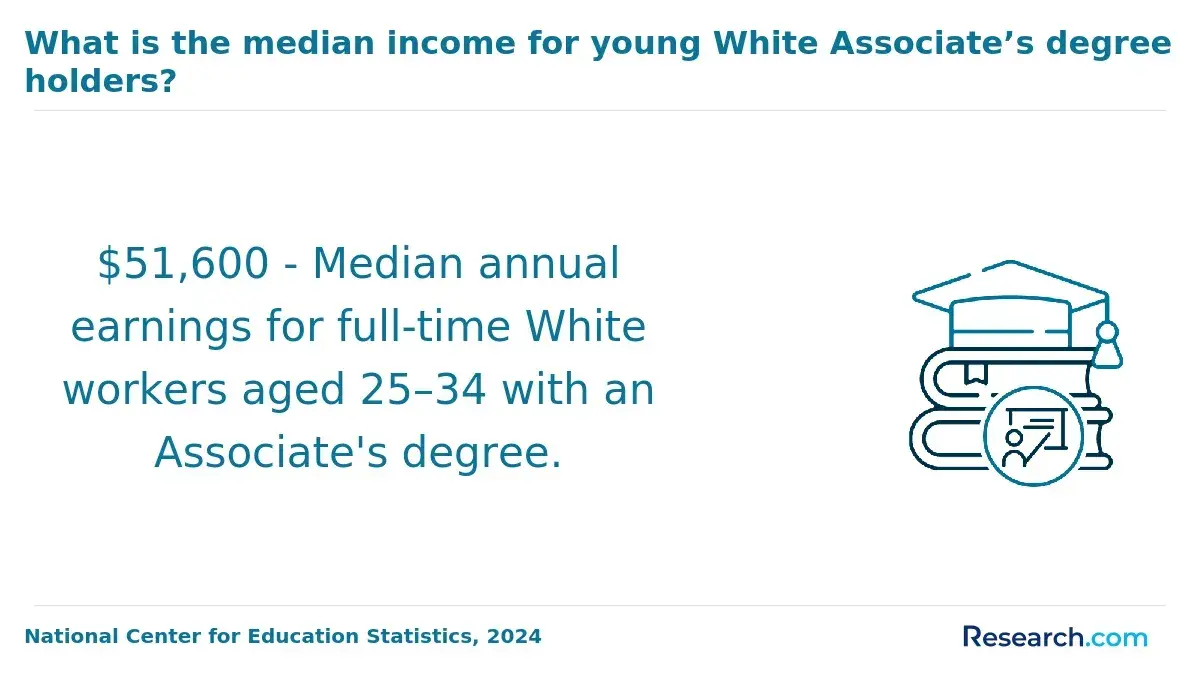
Financial return for addiction psychology graduates varies notably by industry, hinging not just on starting salaries but on how earnings grow relative to typical student debt levels. A strong ROI depends on the interplay between income trajectory, hiring demand, and the capacity to manage or reduce loan repayment burdens over time.
Understanding which sectors balance these variables effectively can help graduates make more informed career decisions beyond surface-level salary comparisons.
- Healthcare (Clinical and Counseling Roles): This sector offers moderate entry-level wages around $47,000 to $50,000 but presents steady salary growth especially for those who gain advanced licensure or specialize. The demand for addiction counselors remains stable, facilitating incremental pay increases that mitigate long-term loan repayment stress.
- Public Health Agencies and Nonprofits: These employers often provide lower starting salaries, yet they integrate loan forgiveness programs and income-driven repayment options. Such financial incentives substantially improve debt-to-income ratios over 10 years, with documented improvements of 20-30%, offsetting slower salary progression.
- Private Practice and Integrated Health Systems: Graduates who advance into private or integrated care settings can experience accelerated income growth once established. Though initial earnings may be modest, greater autonomy and higher reimbursement rates increase long-term earning potential, aiding in faster debt resolution.
- Research and Academic Positions: Despite intellectual appeal, these paths typically involve lower initial pay and extended periods of limited earnings, including postdoctoral or adjunct roles. This prolonged compression of salary growth increases repayment risk and diminishes overall financial return on student borrowing.
- Social Assistance Services: Salaries tend to fall slightly below those in healthcare roles, but these positions can offer stability and incremental wage increases. However, slower career progression and less access to loan relief programs generally limit their effectiveness in offsetting debt burdens.
Does Student Debt Affect Which Jobs Addiction Psychology Graduates Accept?
High student debt levels profoundly affect addiction psychology graduates' initial employment choices, as the obligation to manage substantial monthly repayments often prioritizes higher salary offers over ideal job fit. Data from the National Center for Education Statistics in 2024 shows that roughly 70% of these graduates carry loan balances averaging over $40,000, creating a debt-to-income ratio that pressures many to favor roles with competitive compensation-even if they conflict with their professional interests or offer limited clinical autonomy.
Consequently, positions in nonprofit or public sector settings, which typically provide lower pay despite closer alignment with addiction psychology principles, become less attainable or attractive. Early-career decisions thus frequently hinge on balancing immediate financial stability with long-term vocational goals, constraining graduates' flexibility to pursue less remunerative yet mission-driven work.
These financial dynamics also reveal broader patterns where debt burdens shape workforce distribution and career trajectories unevenly. Graduates with heavier debt loads are more likely to accept jobs in private practice, hospitals, or insurance sectors that guarantee steadier income, while those with lighter debt or alternative financial support may access a wider range of opportunities, including community-based or under-resourced settings.
Geographic factors further complicate this picture since high living costs in some regions may deter graduates with significant loan obligations from relocating to areas where addiction psychology professionals are most needed. Over time, these pressures can limit sector diversity and slow movements toward specialization within the field, with many prioritizing financial solvency over advancing specific clinical skills or research paths. A 2024 American Psychological Association study found 62% of addiction psychology graduates acknowledged student debt influenced their employer choice, illustrating the pervasive impact of financial considerations on career mobility and job market patterns.
One graduate recalled applying during the rolling admissions cycle but hesitating to accept early offers due to uncertainty about loan options and repayment support. The candidate delayed committing while comparing employer-sponsored loan assistance programs, recognizing that settling too soon in a lower-paying role could hamper their ability to manage debt effectively. Only after securing a position offering modest repayment benefits and acceptable salary did they feel confident accepting, framing their decision as a necessary compromise between financial viability and professional aspirations.
What Factors Increase Student Loan Repayment Risk for Addiction Psychology Graduates?
Student loan repayment risk for addiction psychology graduates arises from a complex interplay of financial, academic, and labor market factors rather than a single determinant. This risk reflects how borrowing levels intersect with post-graduation earning stability, employment security, and sector-specific conditions. Graduates facing higher cumulative debt but unstable or modest income streams experience disproportionate challenge in managing repayment obligations. Understanding these dynamics is crucial for assessing financial vulnerability and long-term sustainability in this field.
- Modest Entry-Level Salaries: Addiction psychology roles often start with salaries below $50,000, limiting disposable income for debt repayment. This earning constraint is intensified when combined with graduate-level debt burdens, as discretionary income to cover loans is insufficient relative to borrowing levels, particularly for those entering community health or nonprofit sectors.
- High Educational Debt from Extended Programs: Pursuing master's or doctoral degrees usually entails longer program durations and higher tuition, leading to larger accumulated debt. Since employer-sponsored loan repayment benefits are less common in addiction psychology compared to other healthcare fields, graduates carry repayment pressure without institutional relief, raising default likelihood.
- Employment Stability and Sector Variability: Many graduates find work in organizations with unstable funding or part-time and contract roles. These job conditions reduce consistent income availability, complicating timely loan repayments and amplifying financial vulnerability amid economic fluctuations.
- Licensure-Related Transitional Periods: The requirement for supervised clinical hours and certification exams creates phases of lower or no income before full practitioner licensure. During these intervals, loan servicing capacity diminishes, increasing the risk of payment delinquency.
- Limited Financial Literacy and Debt Management: Insufficient understanding of loan repayment nuances contributes significantly to repayment risk. Federal Reserve Bank data shows over 40% of recent graduates in counseling-related fields experience difficulty managing monthly loan payments within the first two years post-graduation, highlighting systemic challenges in proactive debt handling.
Regional employment prospects and demographic factors further influence student loan repayment risk for addiction psychology graduates in the US, affecting income variability and program cost implications. For those weighing degree options, comparing typical debt levels against expected earnings and employment conditions is essential. Resources detailing career trajectories, such as bioinformatics degree career options, can offer context on variability across related professions, aiding informed debt and education planning decisions.
How Can Addiction Psychology Students Reduce Student Loan Debt While Earning Their Degree?
Reducing student loan debt while earning an addiction psychology degree requires deliberate planning that integrates financial awareness, academic efficiency, and strategic resource use. Debt minimization is not simply about cutting expenses but involves selecting educational pathways, leveraging funding opportunities, and aligning academic progress with workforce realities.
Students pursuing addiction psychology student loan debt reduction strategies must approach their educational journey with clear knowledge of how borrowing impacts long-term finances and how institutional and external aid can substantially lower debt.
Key approaches include:
- Maximize Federal Grants and Scholarships: Actively seeking and applying for grants and scholarships is essential, as these funds do not require repayment. Leveraging such aid can reduce loan dependence significantly; data from the National Center for Education Statistics indicates that students who pursue additional financial aid beyond loans reduce borrowing by roughly 20% during their programs.
- Start at Lower-Cost Institutions: Completing initial coursework at accredited public universities or community colleges offers lower tuition rates, which can meaningfully curtail overall debt before transferring into specialized addiction psychology programs.
- Enroll Part-Time While Working: Combining part-time study with employment in addiction-related roles helps students earn income and gain hands-on experience, potentially offsetting tuition costs and increasing employability immediately upon graduation.
- Utilize Income-Driven Repayment Plans Strategically: Early familiarity with income-driven repayment options allows students to control monthly payments relative to income, easing short-term financial strain while understanding the tradeoffs of longer repayment periods and interest accrual.
- Engage Institutional Resources Early: Students should utilize financial aid offices and academic advising to design efficient course plans that minimize extra semesters, reducing both direct costs and associated living expenses.
- Explore Work-Study and Assistantship Opportunities: Some programs offer roles that combine federal work-study or research assistantships within addiction psychology settings, providing tuition offsets and professional development.
- Consider Online Learning Options: For flexible pacing and reduced commuting or housing costs, investigating medical programs online with addiction psychology tracks can offer affordability benefits without compromising credential relevance.
Applying these strategies requires intentional financial planning and understanding the operational realities of addiction psychology program structures. This holistic approach helps students minimize borrowing while managing educational thoroughness, timely degree completion, and workforce preparation.
How Should Prospective Students Evaluate Borrowing Risk Before Enrolling?
Evaluating borrowing risk before enrolling in an addiction psychology degree program is crucial to understanding the long-term financial implications of this educational path. Prospective students must weigh the total expected debt against projected post-graduation earnings to determine whether the investment is financially manageable.
Given that graduates in behavioral sciences often carry average student loan debt near $37,000 with median starting salaries around $43,000 per year, careful assessment is vital to avoid untenable repayment burdens.
- Total Debt Load: Quantify all educational expenses, including tuition, fees, and additional costs. Knowing the full debt amount helps forecast monthly loan payments and assess whether future income can sustain repayment without undue hardship.
- Projected Earnings and Employment Outcomes: Investigate realistic starting salaries regionally and nationally for addiction psychology roles, especially factoring in the necessity for graduate-level licensure, which can delay earning potential and increase costs.
- Repayment Plans and Duration: Analyze different loan repayment options beyond the standard 10-year plan, such as income-driven repayment, to understand long-term financial commitments and potential interest accrual impacts.
- Institutional Cost Structures: Compare program costs relative to competitors and weigh administrative and licensing requirements affecting time to entry into the workforce, helping to identify programs with balanced cost-benefit profiles.
- Financial Preparedness and Risk Tolerance: Assess personal financial resilience, including emergency savings and alternative income sources, to gauge capacity to absorb periods of underemployment or delayed salary growth common in addiction psychology careers.
- Labor Market Variability: Factor in evolving healthcare policies, funding fluctuations, and regional demand for addiction counseling services that directly influence job availability and compensation trends.
- Return on Investment (ROI) Analysis: Systematically evaluate whether the net earnings after debt repayment justify the initial financial outlay, focusing on sustainable career prospects rather than short-term gain.
References
- Student Loans and Mental Health: How Debt Impacts Your Well-Being — Salty Counseling https://www.saltycounseling.com/blogs/student-loans-and-mental-health-how-debt-impacts-your-well-being
- The Psychology of Debt: Understanding Emotional Triggers, Debt Addiction and Financial Health https://www.nationaldebtrelief.com/blog/financial-wellness/credit-score/the-psychology-of-debt-understanding-emotional-triggers-debt-addiction-and-financial-health/
- Average Student Loan Payment [2026]: Cost per Month https://educationdata.org/average-student-loan-payment
- The Psychology of Debt - Homewood Health Centre https://homewoodhealthcentre.com/articles/the-psychology-of-debt/
- Manage Student Loan Stress - Salience Health https://saliencehealth.com/news/manage-student-loan-stress/
- Does College Pay Off? A Comprehensive Return On Investment Analysis - FREOPP https://freopp.org/whitepapers/does-college-pay-off-a-comprehensive-return-on-investment-analysis/
- Mortgaging Careers - Society for the Advancement of Psychotherapy https://societyforpsychotherapy.org/mortgaging-careers/
- What increases someone’s risk of developing addiction? - Futurum https://futurumcareers.com/what-increases-someones-risk-of-developing-addiction
- Public colleges offer highest chance of positive ROI to students, report finds https://www.highereddive.com/news/public-colleges-offer-highest-chance-of-positive-roi-to-students-report-fi/618531/
- Understanding the True Cost of Addiction https://www.anatreatmentcentres.com/the-cost-of-addiction/
Other Things You Should Know About Addiction Psychology
The typically extended duration of graduate-level addiction psychology programs, often involving both coursework and supervised clinical hours, increases borrowing needs and delays entry into full-time salaries. This extended timeline can heighten repayment risk since students usually begin repayment with larger balances and less immediate income growth. Prioritizing programs with integrated practicum experiences that allow earlier credentialing and employment can help reduce post-graduation debt stress, despite a potentially higher upfront cost for accelerated or hybrid formats.
Borrowing from private lenders can sometimes offer higher loan limits but frequently comes with less favorable repayment flexibility and higher interest rates, increasing long-term repayment burdens. Public or federal loans, though sometimes more limited in amount, provide income-driven repayment plans better suited for variable earnings in typical addiction psychology roles. Students should prioritize public funding sources first to gain access to these repayment protections, which substantially lower repayment risk in the early career years marked by often modest salary growth.
Selecting a specialization with clearer professional licensing routes and stable employment opportunities can improve repayment prospects. For example, specialization in clinical counseling or licensed social work typically has better employer demand and salary progression than less regulated roles. Investing in certifications that align with high-demand subfields can be a strategic move, enabling graduates to negotiate better salaries and manage monthly loan payments more sustainably, thereby lowering overall repayment risk.
While working during studies can reduce loan amounts, it may extend the program duration or impair academic performance if not managed well, potentially delaying graduation and licensure. Since addiction psychology programs often require clinical placements that limit work schedules, full-time employment alongside study is frequently impractical. A strategic approach involves targeted part-time work in relevant settings that offer professional experience without significantly prolonging the degree timeline, permitting manageable borrowing aligned with early career income trajectories.