2027 Addiction Psychology Salary Trends Report: Are Wages Keeping Up With Tuition and Inflation?

Co-Founder and Chief Data Scientist
Considering a degree in Addiction Psychology often starts with a critical question: does the financial return justify the investment? A prospective student or recent graduate faces rising tuition fees and an economy experiencing ongoing inflation, making it harder to assess the real value of their education. Simple salary figures no longer provide a clear answer without a deeper look at how wages track against the increasing cost of education and the broader purchasing power over time.
Salary growth, education costs, and inflation rarely move in sync, complicating the picture of long-term financial benefit. Evaluating the value of an Addiction Psychology degree requires comparing graduate earnings not just to current tuition but to historical trends in inflation and wage increases. This article examines salary trends, tuition costs, inflation, return on investment, affordability, and the factors shaping the enduring financial value of an Addiction Psychology education.
Key Things to Know About Addiction Psychology Salary Trends
- Graduate wages for addiction psychology professionals have grown slower than average inflation since 2022, reducing real income gains and challenging the return on rising tuition investment.
- Specializing in certified clinical roles correlates with a 15% higher median salary, emphasizing credentialing's critical role in offsetting education costs long term.
- Geographic concentration of demand affects earning potential heavily; urban centers offer up to 25% more pay, reinforcing location as a key factor beyond degree level.
- Key Things to Know About Addiction Psychology Salary Trends Key Things to Know About Addiction Psychology Salary Trends
- What Is the Current Salary Outlook for Addiction Psychology Graduates? Salary Outlook
- Are Addiction Psychology Salaries Keeping Up With Inflation? Inflation Impact
- How Do Tuition Costs Compare With Addiction Psychology Salary Growth? Tuition vs Salary
- Does a Addiction Psychology Degree Deliver a Positive Return on Investment? Degree ROI
- Which Industries Offer the Highest Salaries for Addiction Psychology Graduates? Which Industries Offer the Highest Salaries for Addiction Psychology Graduates?
- Which States and Cities Offer the Highest Pay for Addiction Psychology Professionals? Which States and Cities Offer the Highest Pay for Addiction Psychology Professionals?
- How Do Addiction Psychology Salaries Grow Throughout a Career? Career Growth
- How Do Addiction Psychology Salaries Compare With Similar Degrees? Salary Comparison
- How Is Employer Demand Affecting Addiction Psychology Salary Trends? Employer Demand
- How Can Students Maximize Their Lifetime Earnings With a Addiction Psychology Degree? Maximizing Earnings
What Is the Current Salary Outlook for Addiction Psychology Graduates?
The current salary outlook for addiction psychology graduates in 2024 reveals considerable variability influenced by geographic location, educational level, and chosen career path. For example, substance abuse counselors holding advanced psychology credentials typically earn between $45,000 and $70,000 annually, while clinical, counseling, and school psychologists often see median wages near $85,000, according to the U.S. Bureau of Labor Statistics. A graduate with a PhD working in private practice or a specialized treatment center may earn over $90,000, especially if located in regions with high demand and cost of living. This divergence means two individuals with identical degrees might start with quite different salaries depending on their roles and work settings.
Evaluating addiction psychology graduate salary trends solely on starting pay offers an incomplete picture. Entry-level salaries often lag behind rising tuition costs, which have climbed roughly 5% per year recently, compounding financial strain for new professionals facing student debt. However, sustained commitment to continuing education and specialization in emergent fields like telehealth or dual diagnosis treatment can improve income trajectories over time. Moreover, many professionals transition into supervisory or research positions where earnings typically rise, underscoring the importance of viewing compensation growth alongside projected job demand and career development opportunities.
Given these factors, prospective students and career changers should carefully weigh immediate salary expectations against long-term prospects and regional conditions. For those exploring further education options that may influence their career trajectory, resources such as the list of DNP programs can provide valuable context for advanced degree pathways. Ultimately, the current earnings landscape for addiction psychology professionals reflects a complex balance between educational investment, sectoral demand, and evolving specialization opportunities that shape financial outcomes over time.
Are Addiction Psychology Salaries Keeping Up With Inflation?
Nominal wage increases in addiction psychology-related roles often fail to keep pace with inflation, leading to diminished real earning power for many professionals. Data from the U.S. Bureau of Labor Statistics shows an average annual wage growth of approximately 3.0% in substance abuse, behavioral disorder, and mental health counseling, yet the Consumer Price Index rose around 3.8% over the same period. For example, a recent graduate accepting a starting salary increase of 3% may find that their purchasing power effectively declines when everyday expenses, including housing and transportation, grow faster than their income. This dynamic disproportionately affects early-career professionals who may already be managing significant student debt and rising living costs.
The tension between addiction psychology salary trends vs inflation is further intensified by the steady rise in tuition costs, which typically increase at rates exceeding general inflation. Educational expenses for graduate programs outpace wage growth, meaning the financial return on education investment narrows over time, especially for those entering public or nonprofit sectors where pay is more constrained. Consequently, career decisions must weigh potential salary ceilings against the cost of entry, often prompting some to pursue roles demanding additional certifications or business skills. For those exploring educational pathways, options like an online nutrition masters may offer more affordability, though cross-field applicability and career goals require careful consideration.
Regional variations and sector-specific demands shape the degree to which wages keep up with inflation for addiction psychology graduates. Private practice and corporate wellness positions often provide salaries exceeding inflation rates, offsetting some of the educational and living cost pressures. However, these paths involve additional challenges, including building a client base or securing specialized credentials. Understanding these nuances is critical for individuals evaluating U.S. addiction psychology wages and tuition costs to make informed, strategic choices that align financial realities with professional aspirations.
How Do Tuition Costs Compare With Addiction Psychology Salary Growth?
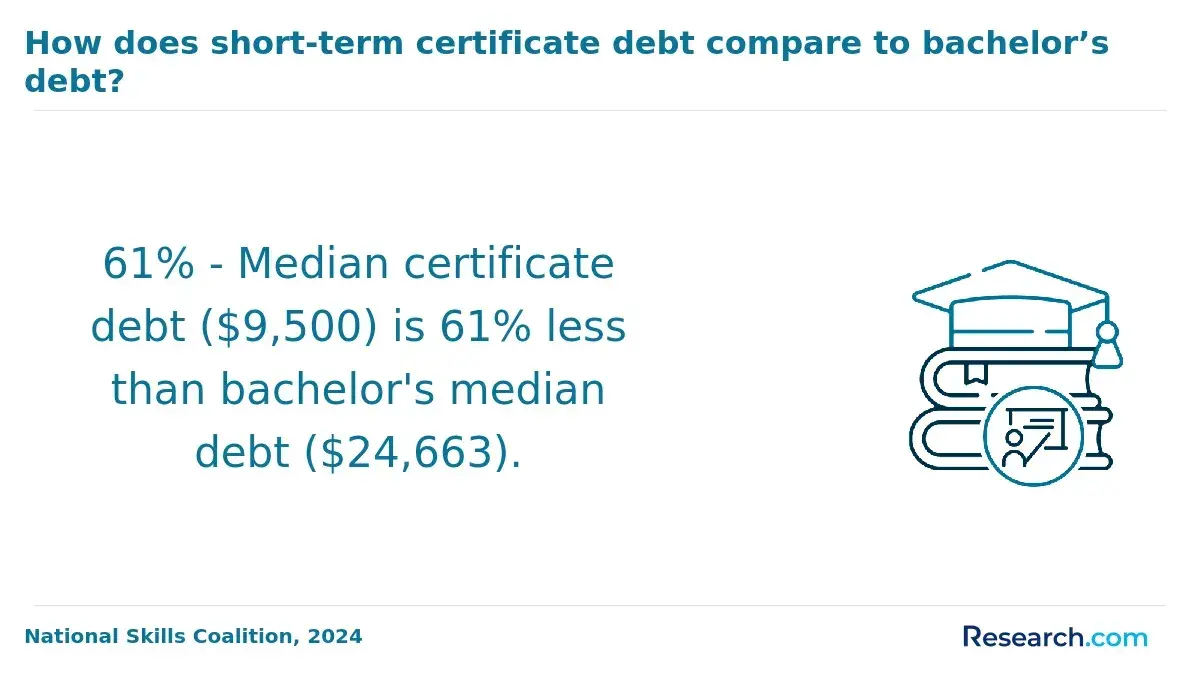
Examining the trajectory of tuition expenses alongside salary growth for addiction psychology graduates reveals a widening financial gap that demands careful scrutiny. According to data from the National Center for Education Statistics and the U.S. Bureau of Labor Statistics in 2024, graduate tuition fees have climbed about 4.8% annually over the last decade, surpassing general inflation. Meanwhile, starting salaries for addiction psychology professionals typically hover between $45,000 and $55,000, with mid-career wages reaching $70,000 to $80,000-reflecting an average growth rate near 2.5% annually. This mismatch indicates that increases in earnings are not keeping pace with escalating education costs, making the net return on investment less predictable and potentially burdensome for many students.
Comparing tuition and salary growth offers a more nuanced perspective than assessing either in isolation, particularly when forecasting long-term financial outcomes. For example, a student enrolled in a private graduate program with annual tuition exceeding $40,000 faces steep debt obligations that early-career wages may struggle to offset promptly. Conversely, graduates attending in-state public universities with lower tuition costs might experience a more manageable balance despite slower salary growth. These dynamics vary depending on scholarship opportunities, regional salary differences, and additional credentials that could enhance employability and pay. Ultimately, the interplay between rising tuition and modest salary gains shapes how graduates approach loan repayment, career choices, and personal financial stability.
A recent graduate recalled hesitating before committing to a private university once they realized tuition increases outpaced salary growth projections in addiction psychology. They weighed the burden of accumulating debt exceeding $160,000 over four years against starting salaries barely covering living expenses in their locale. Opting instead for a state-supported program with employer tuition assistance reduced financial pressure, allowing them to pursue licensure and certifications without postponing loan repayment. This decision brought relief but also underscored an ongoing concern: even with stable employment, balancing education costs with incremental salary gains demands strategic planning and realistic expectations in addiction psychology careers.
Does a Addiction Psychology Degree Deliver a Positive Return on Investment?
Return on investment in higher education, particularly for an addiction psychology degree, hinges on weighing the total financial outlay-including tuition and related costs adjusted for inflation-against long-term career earnings and opportunities for advancement. It is misleading to focus solely on entry-level salaries when evaluating this balance. For instance, a graduate starting in a government-funded rehabilitation program might earn a modest salary initially, which could align closely with or slightly trail inflation-adjusted debt growth. However, over a decade, professionals who progress into private healthcare or specialized clinics often outpace these costs through higher wages and expanded responsibilities.
Recent data from the Bureau of Labor Statistics show that psychologists specializing in clinical, counseling, or school settings, including addiction psychology, generally command median annual earnings above the national occupational average. Nonetheless, wage growth in this sector tends to be steady but moderate and is frequently influenced by geographic location, years of experience, and employment sector. Tuition inflation, averaging around 4.5% annually in recent years per the National Center for Education Statistics, has intensified the initial debt burden, meaning graduates must strategically plan career moves, complete internships, or acquire certifications to improve their financial position.
Factors such as job sector, regional demand, and experience significantly mediate whether earning an addiction psychology degree ultimately yields a positive financial return. While government and nonprofit roles may offer stability, their compensation growth often mirrors the slow climb of educational debt, potentially delaying net financial gains. Conversely, those entering private practice or specialized treatment facilities frequently experience stronger salary trajectories that can outpace rising costs over time, making the degree a sound investment when paired with targeted career development and market awareness.
Which Industries Offer the Highest Salaries for Addiction Psychology Graduates?
Salary potential for addiction psychology graduates varies considerably by industry, reflecting differences in demand, skill specialization, and funding sources. While healthcare remains the backbone for employment, recent labor data highlights that sectors engaging advanced clinical expertise alongside research and corporate wellness initiatives tend to provide the most lucrative roles. For example, a graduate working as a clinical researcher in a pharmaceutical company developing new addiction treatments may earn significantly more than a counselor in a nonprofit setting, despite similar foundational degrees. These variations emphasize that understanding industry-specific roles and expectations is crucial for aligning career goals with income ambitions. Below are the top paying industries for addiction psychology professionals based on 2024 government labor statistics and industry analysis.
- Private Healthcare: Specialized private hospitals and treatment centers command higher wages due to the complex clinical skill set required for advanced addiction treatment. These settings often demand licensed clinicians capable of integrating evidence-based therapy with individualized care plans, fueling competitive compensation.
- Pharmaceutical and Biotechnology: Engaging in clinical trials and research, addiction psychology graduates in this sector benefit from salaries linked to pharmaceutical innovation and regulatory compliance. Roles here typically involve strong research acumen and the ability to collaborate on developing new medications for substance use disorders.
- Government Agencies: Positions within public health departments and federal bodies such as SAMHSA provide salary stability and comprehensive benefits, though pay scales often trail behind private sector benchmarks. These roles appeal to those prioritizing public service and long-term career security.
- Corporate Wellness Programs: Large corporations increasingly invest in employee assistance programs that include addiction support, offering competitive salaries to psychologists who design and implement effective interventions. Success in this arena depends on skills in organizational psychology and program management.
- Academia and Research Institutions: Academic roles offer lower base pay compared to private sectors but compensate through opportunities for grants and consulting. Professionals with a strong research portfolio and publication record typically enhance their overall earnings.
- Nonprofit Organizations: While generally offering lower salaries, some nonprofit agencies focused on addiction services attract specialists passionate about community impact. Grants and external funding can occasionally supplement incomes for experienced practitioners.
According to the Bureau of Labor Statistics, addiction psychology-related positions in pharmaceutical and private healthcare industries are among the highest paying, often reflecting the necessity for specialized credentials and advanced clinical or research expertise. For students evaluating where to apply their skills, recognizing these industry trends is critical. Those interested in maximizing earning potential may also consider cross-training in related fields or pursuing specialized certifications. Resources like the medical assistant to LPN pathway illustrate how incremental qualifications can strategically open doors in healthcare sectors, indirectly benefiting addiction psychology professionals aiming for higher salaries.
Which States and Cities Offer the Highest Pay for Addiction Psychology Professionals?
Geographic location plays a significant role in shaping the earning potential of addiction psychology professionals, especially when factoring in education costs and inflation pressures. While higher salaries in some states and metropolitan areas may initially appear appealing, the interplay between wages and living expenses can alter the real financial advantage. For recent graduates balancing student debt, deciding where to start or continue a career often requires weighing gross pay against local economic realities. The following locations generally offer the highest compensation, each influenced by distinct healthcare landscapes and cost structures.
- California: This state leads in offering some of the top wages for addiction psychology professionals, driven by large public health systems and private treatment centers. However, the high cost of living, particularly in urban hubs like Los Angeles and San Francisco, means net disposable income may be less than anticipated for new entrants.
- Massachusetts: Boston's concentration of research institutions and specialized healthcare providers supports above-average salaries in behavioral health fields. The demand for addiction services here remains robust, but tuition and regional expenses are also elevated, requiring careful budgeting.
- New York: New York City stands out with average annual salaries exceeding $90,000, reflecting the intense need for substance abuse experts in sprawling public and private sectors. Yet, the steep cost of housing and transportation can quickly erode these earnings for early-career professionals.
- Texas: Houston and Dallas offer competitive pay compared to national figures, bolstered by expanding healthcare infrastructure and community programs. While salaries may not always reach the levels seen in coastal states, the relatively lower living costs can provide a more favorable balance for debt repayment.
- Ohio: Cities such as Columbus provide modest salaries, often between $60,000 and $75,000, but with a significantly reduced cost of living. For graduates prioritizing quality of life and gradual financial stability, Ohio presents a strategic choice over higher-paying yet costlier metropolitan areas.
- Arizona: This state's growing healthcare sector creates steady demand for addiction psychology professionals. Although wages tend to be lower, especially outside urban centers, the affordable housing market partially offsets this, making it viable for those managing education loans carefully.
- North Carolina: Offering mid-range salaries with comparatively low living costs, North Carolina appeals to professionals seeking balanced income and expenditure. Its increasing investment in public health funding supports expanding roles in addiction treatment services.
How Do Addiction Psychology Salaries Grow Throughout a Career?
Salary growth in addiction psychology typically progresses steadily but often fails to outpace inflation, creating financial challenges despite career advancement. Entry-level professionals with master's or doctoral credentials usually earn between $45,000 and $60,000 annually, a starting point that reflects both limited experience and the competitive nature of the field's entry positions. By mid-career-around five to ten years post-licensure-salaries tend to rise to roughly $65,000 to $85,000, influenced by additional certifications, geographic location, and workplace settings. Those who pursue specialized clinical roles or supervisory positions frequently see the most substantial increases, underscoring how professional development choices directly impact earning potential.
At the senior level, with over 15 years of experience, specialists can reach salaries from $90,000 to $120,000 or above, especially when advancing into research, policy advisory, or academic leadership roles. Yet even then, financial gains may be tempered by steady increases in licensure and continuing education expenses. Consider two graduates who both earned addiction psychology degrees: one focuses on direct clinical work in community health, maintaining steady but moderate pay increases, while the other invests in certifications and transitions into hospital administration, achieving faster salary growth. This scenario illustrates that deliberate career planning, ongoing education, and role diversification are key drivers in reaching higher compensation tiers, rather than the degree alone.
One graduate recalls juggling the decision to stay in a salaried counseling role or return to school for advanced certifications. "I hesitated because of tuition costs and the uncertainty of higher pay," they reflected, ultimately pursuing supervisor licensure after five years. Their salary jumped noticeably, easing financial pressure, though the accompanying workload and continuing education requirements added stress. This experience highlights how salary improvements in addiction psychology often come with trade-offs beyond just increased paychecks, requiring careful evaluation of personal priorities alongside professional ambitions.
How Do Addiction Psychology Salaries Compare With Similar Degrees?
Salaries for addiction psychology graduates generally fall into a moderate range compared with related mental health and social service professions. While median earnings from addiction psychology degrees hover around $50,000 to $60,000 annually, this is influenced by role specialization, geographic location, and employer type. For those balancing rising tuition costs and inflation, understanding how addiction psychology salary comparison with related degrees plays out in the real world is critical. For example, a recent graduate working in a community-based addiction treatment center might earn less upfront than a clinical psychologist in a hospital setting but could benefit from quicker job placement and lower educational expenses. The following points clarify how addiction psychology earnings stack against similar careers.
- Clinical Psychology: Typically commands higher median salaries, between $60,000 and $75,000, due to broader roles in mental health assessment, therapy, and research. The higher earning potential reflects more extensive training requirements and opportunities in diverse healthcare settings.
- Social Work: With median wages near $55,000, social workers often share overlapping responsibilities with addiction counselors, such as community support and rehabilitation. Salaries tend to be competitive but vary based on specialization and funding source.
- Counseling Psychology: Graduates can expect earnings slightly above or similar to addiction psychology, generally in the $55,000 to $65,000 range, affected by factors like licensure and location. Counseling psychology careers may also offer a wider array of specialized practices.
Investment decisions should account for the steep tuition inflation witnessed in addiction psychology programs, which often outpaces salary growth. Students might also explore related fields or complementary certifications to mitigate financial risk. For instance, pairing an addiction psychology degree with certifications highlighted in accelerated nurse practitioner programs could diversify career opportunities and income streams.
How Is Employer Demand Affecting Addiction Psychology Salary Trends?
Employer demand directly shapes salary trends in addiction psychology by influencing competition for qualified professionals and driving hiring practices. For example, as public awareness of addiction and access to treatment increase, healthcare providers and community organizations must compete more aggressively to attract specialists. This often means employers raise salaries or offer incentives to secure talent with relevant experience and credentials. However, this effect can vary regionally and by employer type, as budgets and priorities influence compensation strategies.
The U.S. Bureau of Labor Statistics projects a 17% growth from 2022 to 2032 for substance abuse and mental health counselors, signaling robust employer demand trends. While this should ideally spur faster wage growth, actual salary increases are tempered by factors such as educational debt, specialization, and broader economic conditions. A recent report from the National Institute on Drug Abuse highlights that although entry-level salaries have modestly improved, median wages have not kept pace with rising tuition and inflation, creating financial challenges for new graduates despite steady job availability.
For prospective addiction psychology students weighing the return on their educational investment, understanding employer demand trends is critical alongside careful budgeting. Those entering the field should also consider alternative pathways to finance education, such as exploring online RN programs for non nurses, which may provide flexible options for supplementing income during or after their studies. Ultimately, strong employer demand can boost salaries, but individual outcomes depend on experience, employer budgets, and regional labor market dynamics.
How Can Students Maximize Their Lifetime Earnings With a Addiction Psychology Degree?
Maximizing lifetime earnings with an addiction psychology degree demands deliberate, informed career decisions combined with continued skill development. Recent data from the U.S. Bureau of Labor Statistics and the National Institute on Drug Abuse (2024) highlights that specialization, advanced credentials, and geographic placement significantly influence income trajectories. For example, a graduate who initially works in a metropolitan healthcare system while pursuing a master's degree can later transition into clinical supervision or program administration roles, unlocking greater salary potential and leadership opportunities. Below are key strategies graduates can leverage to enhance long-term financial outcomes.
- Advanced Education: Obtaining a master's or doctoral degree boosts earning capacity by qualifying professionals for higher-level roles and specialized clinical or research positions. Prioritize programs aligned with emerging treatment trends and certification requirements.
- Target High-Demand Sectors: Employment in hospitals, private clinical practice, or research institutions typically offers higher salaries and greater job stability. These settings also foster professional networking critical for growth.
- Geographic Focus: Metropolitan regions facing addiction crises often pay premiums compared to rural areas. Graduates should weigh living costs against salary boosts when choosing locations.
- Leadership Roles: Pursuing clinical supervision or administrative positions adds managerial duties that command higher compensation and broaden career options.
- Professional Networking: Involvement in organizations like the American Psychological Association's Division on Addictions expands opportunities for collaboration, publishing, and consulting-diversifying income.
- Ongoing Training: Staying current with new treatment modalities and certifications enhances employability and supports salary growth amid evolving market demands.
References
- Addiction Counselor Salary Guide 2026 - How Much Do Substance Abuse / Addiction Counselors Earn? - PsychologyJobs.com https://psychologyjobs.com/addiction-counselor-salary/
- The Best States For Psychologists | Psychology.org https://www.psychology.org/states/best-states-for-psychologists/
- What Do Psychologists Earn? Highest Paying Psychology Jobs | Walbrook https://www.walbrook.ac.uk/subjects/psychology/psychologist-salaries-highest-paying-jobs/
- Top 5 Highest-Paying Psychology Careers - Rivier Academics https://www.rivier.edu/academics/online/resources/program-resources/top-5-highest-paying-psychology-careers-rivier-university/
- Addictions Training Institute – Salary Info https://addictionstraininginstitute.com/salary-potential/
- Boost Your Addiction Counselor Salary: Tips For Students https://sobercollege.com/addiction-blog/boost-your-addiction-counselor-salary-tips-for-students/
- Is College Worth it? | Return on Investment Analysis of College Degree https://educationdata.org/college-degree-roi
- Do increases in public sector wages affect inflation? :: Public Sector Economics https://www.pse-journal.hr/en/archive/do-increases-in-public-sector-wages-affect-inflation_13377/
- Is College Worth It? A Comprehensive Return on Investment Analysis - FREOPP https://freopp.org/whitepapers/is-college-worth-it-a-comprehensive-return-on-investment-analysis/
- Return on Investment For an Online Psychology Degree https://www.onlinepsychologydegrees.com/articles/return-on-investment-for-an-online-psychology-degree/
Other Things You Should Know About Addiction Psychology
Longer addiction psychology programs often come with higher tuition costs and delayed entry into the workforce, which can compress early-career earnings relative to the investment. Prospective students should evaluate programs not just for curriculum quality but also for length, as shorter, intensive programs may minimize debt accumulation and lost wages despite potentially lower starting salaries. Prioritizing programs that offer practical training and clear pathways to licensure can improve employability and long-term salary growth more effectively than the prestige of program duration alone.
The high workload and emotional demands typical in addiction psychology roles often lead to burnout, limiting some professionals' salary progression if they reduce hours or leave the field early. Those who balance manageable caseloads alongside continuing education and supervision obligations tend to sustain steadier wage increases. Therefore, candidates should assess employer expectations for overtime and self-care support, as sustainable work environments more reliably translate to consistent salary advancement.
Early specialization, such as focusing on dual diagnosis or adolescent addiction, may initially narrow job options but can command premium wages in niche markets. Conversely, broader skill sets offer more employment flexibility but may result in flatter salary trajectories. For those prioritizing income growth, targeting specialized certifications and skills aligned with market demands is advisable, even if it requires additional training investment.
Geographic flexibility can mitigate stagnant wages where local economies or employers underpay relative to tuition and inflation trends. Willingness to relocate to higher-demand or better-funded regions often yields substantial salary premiums for addiction psychology professionals. Since relocation involves personal and financial tradeoffs, individuals should weigh the benefits of higher earnings against costs such as moving expenses, cost of living differences, and social support disruption before deciding.