2027 Accounting Degree Growth by State: Where Interest Is Rising the Fastest

Co-Founder and Chief Data Scientist
States with the fastest growth in accounting degree enrollments often reveal unique economic or regulatory environments that reshape local workforce needs. For example, regions experiencing significant industry expansion or regulatory changes tend to see surges in demand for skilled accountants, influencing program interest. A 2024 National Center for Education Statistics report notes a 12% rise in flexible and online accounting master's program enrollments nationwide, reflecting growing adult learner participation and career shifters pursuing credentials without disrupting employment. Understanding these state-specific growth patterns helps prospective students target markets where program accessibility and local demand align for optimal career mobility and licensing opportunities.
Key Things to Know About the State Where Accounting Degree Interest Is Rising the Fastest
- States like Texas see rapid accounting degree growth driven by expanding financial sectors and employer demand for versatile accounting roles, pressuring programs to adapt curricula toward practical skills over theoretical depth.
- Regulatory shifts in New York require more stringent CPA preparation, slowing enrollment growth and signaling higher long-term costs that may deter nontraditional students balancing work and study commitments.
- Florida's surge in adult learners enrolling online reflects increased accessibility but also creates timing challenges around workforce reentry, emphasizing programs with accelerated formats for professionals seeking quick credential updates.
- Which States Are Seeing the Fastest Growth in Accounting Degree Enrollment? States Seeing the Fastest Growth in Enrollment
- What Does Enrollment Growth in Accounting Programs Actually Tell Prospective Students? Interpreting Enrollment Growth
- How Do Regional Job Market Conditions Drive Accounting Degree Demand by State? Role of Regional Job Market Conditions
- Which States Have Added the Most New Accounting Degree Programs in the Last Five Years? States That Have Added the Most Programs
- How Has the Rise of Online Education Changed Which States Lead in Accounting Program Interest? Role of Online Education in Increased Program Interest
- What Demographic Trends Are Fueling Accounting Degree Growth in Specific States? Demographic Trends Fueling Growth
- How Do State Funding Levels for Accounting Services Influence Degree Program Growth? Role of State Funding Levels
- Which States Are Emerging as Unexpected Leaders in Accounting Degree Interest? States Emerging as Unexpected Leaders in Growth
- How Does State Population Size Affect the Interpretation of Accounting Degree Growth Data? Role of State Population Size
- What Role Do State Licensing Requirements Play in Driving or Suppressing Accounting Enrollment? Role of State Licensing Requirements
Which States Are Seeing the Fastest Growth in Accounting Degree Enrollment?
Accounting degree enrollment growth by state signals important shifts in regional workforce development and regulatory responses that go beyond mere population change. Nationally, both undergraduate and graduate accounting programs have expanded, reflecting a labor market increasingly focused on financial compliance, tax expertise, and auditing rigor. However, growth rates in accounting program interest differ markedly across states, influenced by local economic diversification, licensure requirements, and employer demand for specific financial skill sets. Prospective students and career changers should assess these factors alongside enrollment trends when choosing where to study and ultimately seek employment, particularly given how state-level variables impact both educational experience and job market integration.
- Florida: With sharp population growth and robust business hubs like Miami and Tampa, Florida's accounting enrollment surges mainly at graduate levels target the rising need for CPA licensure in a competitive market. This reflects statewide regulatory emphasis on certified professionals and a business environment requiring broad tax and compliance expertise.
- Texas: The state's diverse economy and multiple international gateway cities create a unique dynamic attracting a wide array of accounting students, both domestic and international. This variety reflects in programs often integrating cross-border financial regulations and multinational accounting standards to match regional employer expectations.
- Arizona: Enrollment increases here align with the state's expanding tech and service sectors. Arizona's universities have responded by emphasizing advanced financial analytics and risk management courses aimed at graduates entering evolving industries, illustrating a strategic adaptation to workforce needs.
- Georgia: Concentrated around Atlanta's financial district, growth in accounting interest correlates with corporate demand for professionals skilled in both traditional auditing and emerging fields like forensic accounting, underlining the role of localized economic drivers.
- Washington: The Pacific Northwest's startup ecosystem and corporate expansions fuel upward enrollment trends, with a practical focus on training accountants prepared for high-growth companies facing complex capital structures and regulatory challenges.
The geographic spread-covering the Southeast, Southwest, and Northwest-indicates enrollment momentum is linked less to a unified national pattern than to local economic, demographic, and policy conditions shaping accounting education demand. Later sections will analyze the specific institutional, licensure, and employer factors driving enrollment growth and explain why understanding these dynamics is critical for students weighing graduate accounting programs, especially when geographic flexibility and market alignment govern long-term career success. For those exploring related healthcare finance intersections, programs like an online masters in speech pathology illustrate how specialized graduate degrees respond similarly to workforce demand trends in other fields.
What Does Enrollment Growth in Accounting Programs Actually Tell Prospective Students?
Enrollment growth can signal rising demand, but interpreting what that growth means demands more than surface-level data. Rapid increases in accounting programs may reflect either genuine market needs or less rigorous admissions, creating profoundly different outcomes for students.
Raw enrollment figures offer only a partial view; they must be examined alongside metrics that indicate program quality and real-world value. Retention, graduation, job placement, and licensure pass rates provide essential context to distinguish between growth driven by substance versus recruitment pressures. Without these factors, rising enrollment risks masking weakened standards or poor labor market alignment.
- Retention Rates: Growth is meaningful only if students stay and succeed in the program, reflecting academic support and satisfaction rather than high attrition that inflates numbers.
- Graduation Rates: High graduation rates indicate effective instruction; enrollment spikes without this may reveal structural weaknesses compromising student outcomes.
- Job Placement Outcomes: The key value of program growth lies in graduates securing relevant employment, highlighting alignment with employer expectations and labor market demands.
- Licensure Pass Rates: For students pursuing CPA licensure, pass rates are critical indicators of program rigor and exam preparation quality.
- Program Quality vs. Recruitment: Growth fueled by aggressive marketing or relaxed admissions can weaken academic standards and graduate preparedness, unlike growth supported by strong faculty and employer connections.
- Critical Evaluation: Prospective students benefit from direct engagement with current students and alumni to gain nuanced perspectives beyond quantitative statistics.
How Do Regional Job Market Conditions Drive Accounting Degree Demand by State?
State-specific labor market dynamics significantly shape demand for accounting degrees, influencing where graduates find the strongest career openings and how education pipelines adjust accordingly. Regions experiencing growth in healthcare infrastructure, public sector budgets, and targeted employer incentives tend to see heightened demand for professionals with credentials in accounting specialties such as auditing, tax, and public funds management. This localized demand often leads directly to increased graduate program enrollment as candidates respond to tangible job market signals rather than broad national trends.
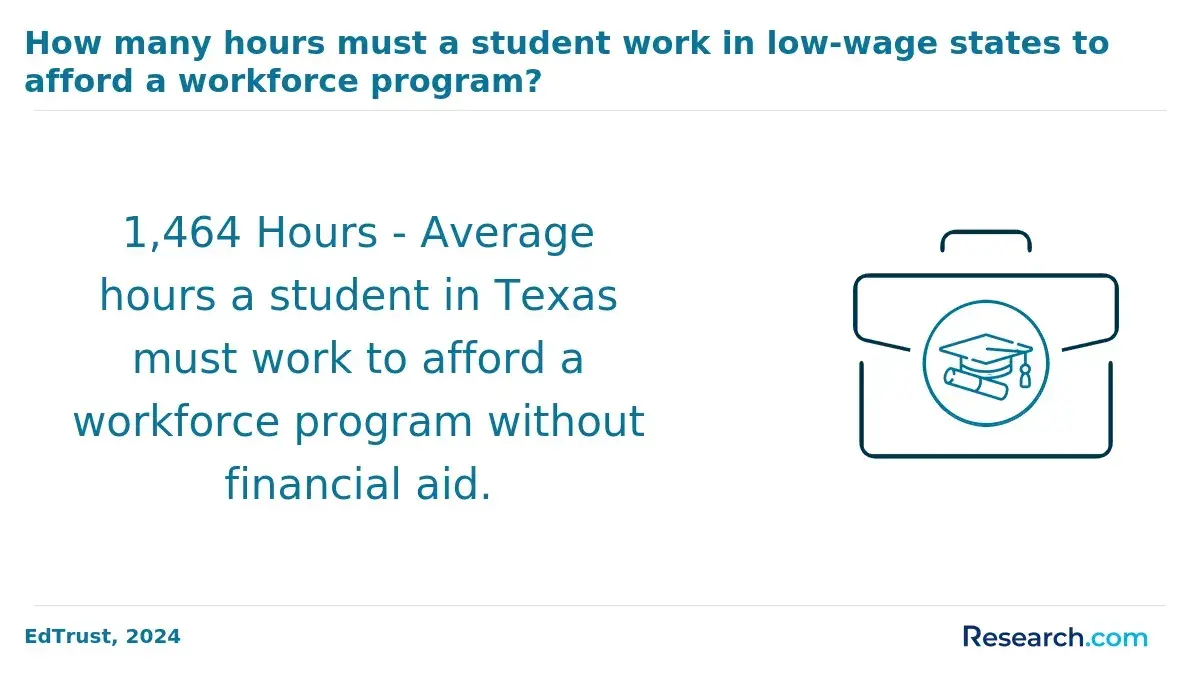
- Texas: The state's rapid healthcare expansion and robust public sector hiring-especially within large school districts and municipal agencies-underscore a rising need for accountants skilled in managing complex public finances, making it one of the top states for accounting job growth projections.
- Florida: With a growing population and enhancement of healthcare facilities, Florida's push to align workforce development with labor market demands includes employer incentives that encourage enrollment in graduate accounting programs focused on financial oversight.
- Washington: Washington's strong technology presence combined with a sizable governmental sector drives demand for accountants adept at navigating both corporate compliance and public auditing, reflecting workforce data that shows notable openings in these fields.
- Georgia: Expanding local government budgets and investments in public education translate into higher employment opportunities for accountants, particularly those with expertise in regulatory compliance and transparent fiscal management.
- North Carolina: The intertwining of healthcare system growth and government sector development fosters steady increases in accounting positions, particularly in auditing and taxation specialties, stimulating graduate program participation accordingly.
For prospective students analyzing regional accounting degree job market trends by state, detailed workforce outlook research is essential. This approach helps identify where practicum placements and internships correspond to rising employment opportunities, a critical factor affecting post-graduation salary negotiation leverage and career trajectory. Additionally, understanding these regional variations equips candidates to weigh trade-offs between program availability, practical employment connections, and the regulatory environment, informing more strategic educational investments tailored to their geographic and professional flexibility. Those exploring shifts into accounting or seeking the best alignment between education and labor demand might also consider related fields; resources such as the best online criminal justice degree programs highlight comparable analysis for alternative career pathways.
Which States Have Added the Most New Accounting Degree Programs in the Last Five Years?
The surge in new accounting degree programs has been unevenly distributed across certain states, reflecting deeper regional economic priorities and workforce needs. This growth is less about raw volume and more about strategic expansion-whether through new programs, online options, or scaling established departments-to meet evolving demand for specialized financial expertise.
- Texas: Leading the expansion, Texas has introduced many new programs and increased capacity, buoyed by metropolitan economic growth and state grants targeting shortages in auditing and finance professionals. The rise of fully online tracks also caters to both local and remote learners seeking flexible pathways.
- Florida: Florida combines new programs and online expansions, spurred by a competitive higher education landscape and workforce shortages in audit and tax sectors. Incentives linked to STEM-adjacent fields have broadened tuition affordability and scholarship availability.
- North Carolina: Growth here mainly stems from expanding enrollment in existing programs, driven by regional business partnerships and economic policies. Institutions increasingly offer niche concentrations like forensic accounting and data analytics, aligning with emerging employer demands.
- Arizona: Arizona focuses on hybrid and online models aimed at working professionals re-entering education. State accreditation support and workforce planning grants encourage launch of new offerings while intensifying tuition competition among providers.
- Washington: Expansion in Washington centers on public institutions enhancing program capacity and adding new specializations aligned with tech and corporate fiscal sectors, backed by funding for accelerated certification and professional development.
Students choosing states with rapid program growth face a tradeoff: while more options mean access to specialized tracks and potential financial aid, higher competition for scholarships and nuanced program differences demand thorough comparison before committing. The local economic context and post-graduation employment trends further complicate selecting a program purely based on availability.
A graduate who navigated the rapidly shifting landscape recalled the challenge of timing applications amid expanding offerings. They hesitated as new online tracks appeared during their application cycle, unsure if waiting for those options would improve career alignment. Ultimately, the decision to prioritize program quality and employer connections over just the number of choices proved critical. The experience highlighted the uncertainty prospective students face when programs rapidly evolve, underscoring the need to monitor admissions timelines closely and weigh immediate opportunity against promised future expansions.
How Has the Rise of Online Education Changed Which States Lead in Accounting Program Interest?
The expansion of fully online accounting graduate programs has fundamentally altered the geographic patterns of student enrollment, shifting influence away from local or regional constraints. Traditionally, students focused on programs within commuting distance or where relocation was feasible, limiting their options primarily to nearby institutions. The rise of robust online offerings means states with well-established programs-especially those combining recognized accreditation, competitive tuition, and strong career support-now attract significant numbers of out-of-state enrollees. For example, a prospective candidate living in the Midwest might now select an accredited online program based in Texas or California because of lower costs and higher CPA exam pass rates, despite never visiting campus. This shift transforms those states into national hubs for accounting education, reshaping workforce supply dynamics far beyond their borders.
- Geographic Decoupling: Distance no longer limits program choice, allowing students to prioritize quality and cost over location, expanding the applicant pool nationwide.
- State Attractiveness: Texas, Florida, and California stand out as online education leaders by offering accessible programs prized for their reputation and affordability, thus pulling students from across the country.
- Program Reputation: Accreditation and outcomes such as CPA pass rates heavily influence enrollment decisions, underscoring that reputation remains a cornerstone despite the remote delivery format.
- Student Implications: While online access broadens options, students must carefully ensure that chosen programs meet their state's board of accountancy requirements, as licensure regulations vary significantly by state.
- Workforce Impact: States with strong online programs increasingly affect regional labor markets beyond local borders, as graduates disperse nationally, potentially influencing employer expectations and labor supply where these alumni settle.
What Demographic Trends Are Fueling Accounting Degree Growth in Specific States?
The growth of accounting degree enrollment across states is tightly linked to distinct demographic trends that shape regional demand for financial expertise. Understanding these localized shifts is vital for students and professionals assessing where to invest in education and where long-term employment opportunities are likely to stabilize, especially given the uneven distribution of accounting program growth nationwide.
- Population Aging: States such as Florida and Arizona with rapidly aging populations require more accounting services related to retirement, estate planning, and healthcare finance. This dynamic increases the need for graduates prepared to navigate these specialized sectors.
- Immigration Patterns: Texas and California see rising accounting complexity due to diverse small-business formation and cross-border financial activity. Professionals adept in managing multicultural client bases fuel enrollment growth aligned with these workforce demands.
- Urbanization: Fast-expanding urban hubs in Colorado and North Carolina create business ecosystems rich in startups and services, attracting younger populations who pursue accounting degrees to meet increasing corporate finance and compliance needs.
- K-12 Enrollment Growth: Southern and Southwestern states like Georgia and Nevada experience surges in K-12 populations that signal future expansion in higher education, supporting longer-term pipelines for accounting program enrollment.
- Rising Rates of Diagnosed Mental Health Conditions: Oregon and Washington's rising recognition of mental health issues expands public and private sectors requiring sophisticated financial oversight, thus driving demand for accounting professionals capable of complex reporting and regulatory compliance.
Prospective students and career changers evaluating accounting program enrollment growth in states with shifting demographic patterns should weigh these underlying trends carefully. Unlike national averages, these factors reveal where interest reflects sustained workforce demand rather than cyclical fluctuations. Considering the impact of regional workforce diversity on accounting degree interest helps forecast the evolving client profiles and regulatory environments graduates will face. For those navigating specialized niches or geographic mobility, familiarizing oneself with localized demographic influences can guide more informed decisions about educational investment and career prospects. Individuals may also investigate related professional pathways using resources such as online MFT programs accredited to compare cross-disciplinary options aligned with their goals.
How Do State Funding Levels for Accounting Services Influence Degree Program Growth?
States that allocate greater funding to publicly supported accounting services-including Medicaid reimbursement, block grants, school-based mental health programs, and community health centers-create a more reliable pipeline of employment opportunities that directly influences the expansion of accounting degree programs. This stable demand encourages academic institutions to develop and refine offerings that meet local workforce needs, while underfunded states often face stagnation in program growth and a brain drain of graduates seeking jobs elsewhere. Prospective students must scrutinize legislative trends in their states, as sustained or increased funding signals healthier long-term career prospects compared to regions where cutbacks weaken public accounting roles and academic investment alike.
- Investment: States with steady, substantial investment in publicly funded accounting services tend to spur growth in degree programs by signaling consistent job availability to developers and students.
- Employment Stability: Robust public accounting budgets foster retention of graduates locally, leveraging long-term roles in government and nonprofit sectors.
- Graduate Mobility: In states with chronically low funding, skilled graduates are more likely to relocate to markets offering stronger public sector salaries and infrastructure.
- Legislative Review: Examining recent and anticipated policy changes is essential for understanding how a state's funding environment might support or constrain future hiring demand for accounting professionals.
- Program Transparency: Asking programs about the percentage of graduates employed in-state five years post-completion provides insight into their alignment with local job markets and regional workforce health.
One graduate recalled hesitating to submit applications early in the rolling admissions season due to uncertainty about funding fluctuations in her state's public health sector. She delayed until legislative sessions concluded to assess potential budget changes affecting program stability and subsequent job opportunities. This cautious timing, although risky, allowed her to target schools with clearer funding commitments and stronger local employer connections, underscoring how fiscal dynamics at the state level can shape not just program growth but students' strategic enrollment decisions.
Which States Are Emerging as Unexpected Leaders in Accounting Degree Interest?
Surges in graduate accounting degree interest in certain U.S. states reflect more than just shifting student preferences; they reveal complex interactions between regional economies, regulatory frameworks, and educational investments. For students considering less saturated markets, these emerging states offer tangible benefits like less competitive admissions and lower tuition, yet these advantages often come with risks tied to economic volatility or temporary funding.
- Arkansas: Traditionally a minor player, Arkansas has benefited from targeted workforce development funding focused on financial services and small business growth. Several new accredited graduate accounting programs have materialized in response, attracting local and regional applicants. However, the expansion is tightly linked to recent legislative appropriations, making its longevity contingent on sustained state priorities.
- West Virginia: The state's participation in interstate compacts allowing for accounting licensure portability combined with universities' embrace of online and hybrid graduate programs aligns with the needs of working professionals seeking flexible schedules. This demographic and policy-driven shift points to a practical response to workforce demands though the local economy's reliance on traditional industries may cap future growth.
- North Dakota: North Dakota's rise is closely tied to regional labor shortages in finance connected to the energy and agricultural sectors. Lower tuition compared to coastal states and consistent job demand provide a more stable and sustainable foundation for this growth. For students, this may translate into stronger employment prospects post-graduation within these specialized fields.
- Mississippi: Increased access via scholarships targeting underrepresented groups and partnerships between universities and local accounting firms is driving enrollment gains. The resulting workforce diversity and retention offers long-term promise, though the state's broader economic uncertainties could affect the durability of these initiatives.
Enrollment peaks for these emerging programs often occur in mid-admission cycles, reflecting a growing share of applicants who pivot to less traditional options after initial plans. This behavior underscores the practical appeal of such programs, especially for mechanical engineer degree holders or career changers evaluating alternatives in accounting degree growth in unexpected states. While these expanding markets provide opportunities, understanding the interplay between economic, demographic, and policy factors is essential for informed decisions about where to pursue graduate accounting education.
How Does State Population Size Affect the Interpretation of Accounting Degree Growth Data?
Interpreting accounting degree growth by state requires adjustment for population size and the existing base of accounting professionals to avoid misleading conclusions. For example, a large state adding 2,000 new accounting graduates annually might seem dominant in absolute terms, but relative to its population, this could indicate only moderate market expansion. Conversely, a smaller state producing 300 new graduates might represent a substantially higher per-capita growth rate, reflecting more intense demand relative to that state's labor pool. This distinction is crucial when considering accounting degree growth relative to state population size because raw enrollment figures alone do not reveal true market dynamics.
Absolute growth numbers fail to account for market saturation or employer demand, while per-capita growth offers a clearer measurement of real workforce expansion. Furthermore, incorporating workforce saturation metrics-such as the ratio of licensed accounting professionals to population-helps identify under-served markets where demand outpaces supply, offering stronger early-career hiring prospects. Career changers or geographically mobile students evaluate these factors to target states with below-average accounting professional density, which often signals less competition and better job availability.
- Regulatory Complexity: States like California and New York impose more stringent CPA licensing requirements, which tend to slow market entry and influence local degree demand.
- Population Density: High-density states may produce large numbers of graduates but experience more intense job market competition.
- Workforce Mobility: States with flexible reciprocity agreements facilitate easier professional relocation, impacting degree program enrollment trends.
- Economic Diversification: Regions with varied industries usually sustain steadier demand for accounting skills, contributing to more stable degree growth.
Those seeking to balance work and study should consider online degree programs for working adults, which can fit diverse professional and geographic needs while navigating these demographic and regulatory complexities.
What Role Do State Licensing Requirements Play in Driving or Suppressing Accounting Enrollment?
State licensing requirements exert a decisive influence on enrollment trends in accounting graduate programs by directly shaping the perceived feasibility and cost-benefit balance of licensure pathways. Prospective students frequently encounter significant variation in how states regulate qualifications, which can alter the attractiveness of pursuing further education in accounting depending on the clarity, stringency, and administrative accessibility of those regulations. For example, a candidate in a state with well-articulated rules and predictable timelines is more likely to commit to a master's degree knowing the expected post-graduation steps, compared to one facing opaque or frequently revised criteria that complicate career planning.
- Clarity: Transparent licensure processes reduce uncertainty for students, enabling more informed decision-making about program investment and reducing risk of unexpected delays or additional requirements.
- Stringency: States that impose high credit-hour mandates, multiple exams, or extensive experience prerequisites often suppress demand as candidates opt for less restrictive states or alternative career options.
- Accessibility: Licensure systems that recognize diverse educational backgrounds and provide clear equivalency standards expand participation, particularly among career changers and geographically mobile candidates.
- Employer Expectations: Employers in states with rigorous but clear licensure frameworks commonly require licensed accountants, indirectly pressuring students to select programs aligned with local regulatory expectations to maximize employability and salary potential.
- Feedback Loops: Strong state licensure infrastructure drives program growth by increasing demand for graduates, which enhances advocacy for regulatory refinement and sustains enrollment momentum.
- Strategic Decision-Making: Candidates should evaluate the full scope of state licensure requirements-including post-degree obligations-and compare these across states to determine the most manageable and career-aligned pathway, as entry salary premiums for licensed accountants typically justify these considerations.
References:
- Accounting enrollment shows signs of growth https://ohiocpa.com/for-the-public/news/2025/12/11/accounting-enrollment-shows-signs-of-growth
- Stabilizing and Strengthening State Funding for Public Higher Education After the Big Beautiful Bill - Center for American Progress https://www.americanprogress.org/article/stabilizing-and-strengthening-state-funding-for-public-higher-education-after-the-big-beautiful-bill/
- The Disproportionate Effects of Declining Interest Within Different Accounting Fields - The CPA Journal https://www.cpajournal.com/2025/10/22/the-disproportionate-effects-of-declining-interest-within-different-accounting-fields/
- Minnesota Society of Certified Public Accountants https://www.mncpa.org/resources/publications/perspectives/may-2023/cpa-pathways-discussion-addressing-the-objections/
- Nearly 9 in 10 Colleges Plan to Expand Online Programs as Student Demand Soars, New Report Finds https://encoura.org/resources/press-room/Nearly-9-in-10-Colleges-Plan-to-Expand-Online-Programs-as-Student-Demand-Soars-New-Report-Finds
- New CPA Licensure Path: What Controllers Need to Know - Controllers Council https://controllerscouncil.org/new-cpa-licensure-path-what-controllers-need-to-know/
- Accountant Job Outlook & Demand Report 2026 - Intuit Blog https://www.intuit.com/blog/innovative-thinking/accountant-job-outlook-demand-report/
- An Overview of State Higher Education Funding Approaches - Ithaka S+R https://sr.ithaka.org/publications/an-overview-of-state-higher-education-funding-approaches/
- The Decline of Accounting Degrees: A Looming Crisis and How Outsourcing Can Help | Blog | RedHammer https://www.redhammer.io/blog/the-decline-of-accounting-degrees-a-looming-crisis-and-how-outsourcing-can-help
- What’s Attracting the Next Generation to Accounting? https://www.njcpa.org/stayinformed/news/blog/post/njcpa-focus/2025/09/12/what-s-attracting-the-next-generation-to-accounting
Other Things You Should Know About Accounting
In 2027, employers in high-growth states are collaborating with universities to tailor accounting programs to emerging industry needs, which drives interest. They often offer internships and job placement opportunities, making degrees more attractive to prospective students by aligning education with workforce demands.
Lower tuition rates and affordable living costs in some rapidly growing states significantly boost enrollment, especially among returning professionals and career changers weighing financial investment against career benefits. However, lower expenses do not always correspond to stronger job markets or higher employer demand, which can limit long-term outcomes despite initial affordability. Prospective students should weigh cost-of-living savings against state-specific employment data to avoid enrolling in a program that doesn't translate into competitive local job opportunities.
Enrollment growth data signals increased interest but can also indicate widening competition in certain states, which may affect job placement rates post-graduation. Students should interpret growth trends alongside the quality of programs, regional employer needs, and licensure requirements rather than using enrollment figures alone as a proxy for opportunity. Prioritizing programs in states with balanced growth and strong industry ties is advisable over those with rapid but potentially unsustainable spikes in enrollment.
Rural states are expanding accounting degree programs via online and hybrid models to attract professionals who cannot relocate, aiming to fill local shortages in essential financial roles. While this increases accessibility, such programs often face challenges in delivering the same level of employer networking and internship opportunities as urban institutions. Prospective students targeting these areas should prioritize programs that supplementremote learning with strong local employer partnerships to enhance practical experience and improve job placement prospects.