2027 How to Become a Licensed Pharmacist in North Dakota

Co-Founder and Chief Data Scientist
If you want to become a pharmacist in North Dakota, the main decision is not just whether you can pass the exams. You need to know how long the training takes, where you can complete the required pharmacy education, what the North Dakota Board of Pharmacy expects, how much the process may cost, and whether the career fits your goals in a changing healthcare market.
This guide explains the full path to North Dakota pharmacist licensure: the PharmD degree, internship hours, NAPLEX and MPJE exams, application requirements, renewal expectations, salary considerations, career options, and the impact of technology and expanded clinical services. It is written for high school students, college students, pharmacy technicians, career changers, and current healthcare workers comparing pharmacy with other licensed healthcare careers.
Quick answer: How do you become a licensed pharmacist in North Dakota?
To become a licensed pharmacist in North Dakota, you generally need to complete prerequisite coursework, earn a Doctor of Pharmacy degree from an accredited pharmacy program, complete at least 1,500 internship hours, pass the NAPLEX and the North Dakota MPJE, submit an application to the North Dakota Board of Pharmacy, complete required background checks or fingerprinting if requested, and keep your license active through renewal and continuing education.
The process usually takes six to eight years, depending on whether you enter through an early admission route, complete pre-pharmacy coursework first, already hold a bachelor’s degree, or begin as a pharmacy technician.
Key things to know before pursuing pharmacist licensure in North Dakota
- State rules matter: Review North Dakota Board of Pharmacy requirements carefully, including any regulatory changes that take effect on January 1, 2024.
- A PharmD is the central credential: Candidates must graduate from an appropriately accredited pharmacy program before they can sit for the required licensure exams.
- Licensure involves more than school: Internship hours, NAPLEX, MPJE, application paperwork, fees, and compliance requirements all affect your timeline.
- Pharmacists may have limited prescribing authority: In North Dakota, certain prescribing activities may be allowed only when pharmacists follow approved protocols.
- Background screening is common: Fingerprinting and background checks are typically used to protect patient safety and verify professional eligibility.
- Costs continue after graduation: Application fees, exam fees, renewal fees, continuing education, and possible background-check costs should be included in your budget.
- The role is becoming more clinical: Pharmacists increasingly support medication therapy management, vaccinations, screenings, chronic disease care, and interprofessional teams.
- What does a licensed pharmacist do?
- How long does it take to become a pharmacist in North Dakota?
- How can you earn a pharmacy degree in North Dakota?
- What are North Dakota pharmacist licensing requirements?
- How much does it cost to become licensed?
- Can you complete pharmacist licensure online?
- What is the pharmacist job description in North Dakota?
- What related healthcare careers can pharmacists pursue?Review pharmacist duties
- What should you do if your pharmacist license expires?
- Should pharmacists add mental health counseling skills?
- Is pharmacy school worth the investment?
- Can pharmacists support substance abuse counseling?
- How much do pharmacists earn in North Dakota?
- How does collaboration improve pharmacy practice?
- Should pharmacists learn medical billing and coding?
- What challenges affect pharmacy practice?
- How do pharmacists support community health?
- Should pharmacists compare other healthcare licenses?
- What is the pharmacist job outlook?
- What career path can pharmacists follow?
- How is technology changing pharmacy work?
- Which certifications can complement pharmacy practice?See technology trendsSee alternative careersSee career path
What is a licensed pharmacist?
A licensed pharmacist is a healthcare professional authorized to prepare, dispense, review, and monitor medications for safe and effective patient use. In North Dakota, pharmacists work in community pharmacies, hospitals, clinics, long-term care settings, public health programs, and other healthcare environments.
The foundation for this career is the Doctor of Pharmacy degree, commonly called the PharmD. Students study pharmacology, medicinal chemistry, therapeutics, pharmacy law, patient assessment, medication safety, and pharmacy practice. They also complete supervised practical training so they can apply classroom knowledge to real patients and healthcare workflows.
After graduation, candidates must pass the North American Pharmacist Licensure Examination, known as the NAPLEX. They also need to pass the Multistate Pharmacy Jurisprudence Examination, or MPJE, for North Dakota. These exams help confirm that new pharmacists understand clinical pharmacy practice and the legal responsibilities that come with dispensing and managing medications. For a broader overview of national pathways, see Research.com’s guide on how to become a pharmacist.
Licensed pharmacists in North Dakota commonly handle these responsibilities:
- Medication review: Checking prescriptions for accuracy, appropriateness, allergies, duplications, and possible drug interactions.
- Patient counseling: Explaining how to take medications, what side effects to watch for, and when to contact a provider.
- Collaboration with providers: Working with physicians, nurses, nurse practitioners, and other clinicians to improve medication therapy.
- Regulatory compliance: Following state and federal rules for records, controlled substances, storage, reporting, and patient privacy.
- Preventive care: Supporting vaccinations, screenings, and patient education when allowed by law and workplace policy.
The profession is no longer limited to dispensing medications. Pharmacists are increasingly expected to understand chronic disease management, immunization protocols, medication adherence, health technology, and team-based care. That is why continuing education is a key part of maintaining a pharmacist license.
How long does it take to become a licensed pharmacist in North Dakota?
It usually takes six to eight years to become a licensed pharmacist in North Dakota. The exact timeline depends on your entry point, how quickly you complete prerequisite coursework, whether you are admitted early to a PharmD program, and how efficiently you complete internship and exam requirements.
| Stage | Typical requirement | Decision point for students |
| Pre-pharmacy preparation | Complete prerequisite science, math, and general education coursework before or during an undergraduate pathway. | Choose whether to start directly in a pre-pharmacy track, transfer credits, or apply after earning a bachelor’s degree. |
| Doctor of Pharmacy program | Earn a PharmD from an accredited institution, generally involving four years of pharmacy study after prerequisites. | Compare admissions routes, experiential training quality, cost, and how the program supports NAPLEX and MPJE preparation. |
| Internship experience | Complete a minimum of 1,500 hours of internship experience, either embedded in the PharmD program or obtained through pharmacy practice settings. | Ask how the school tracks hours, places students, and supports rotations in community, hospital, and clinical environments. |
| Licensure exams | Pass the NAPLEX and the North Dakota MPJE. | Plan several months for review, application processing, and exam scheduling. |
| License application | Submit required documentation, fees, and any required background-check materials to the North Dakota Board of Pharmacy. | Verify current forms and deadlines before assuming you are eligible to practice. |
If you are still comparing educational routes, Research.com’s guide to what degree is needed to become a pharmacist can help you understand how pre-pharmacy coursework, bachelor’s degrees, and PharmD programs fit together.
How do I get a pharmacy degree in North Dakota?
To earn the degree required for pharmacist licensure in North Dakota, you need to complete a Doctor of Pharmacy program. North Dakota State University is the primary in-state institution identified with a pharmacy program designed to prepare students for licensure and pharmacy practice.
The best pathway depends on your academic background. A high school senior, a college student, a bachelor’s degree holder, and a working pharmacy technician may all enter the pharmacy pipeline differently.
| Admission pathway | Who it is designed for | Why it may make sense |
| Early Admission Pathway | High school seniors who meet specified academic expectations. | It can help students secure a place in the PharmD path earlier and plan coursework with fewer delays. |
| Traditional Admissions Pathway | Students who begin in undergraduate pre-pharmacy coursework before applying to the PharmD program. | It offers flexibility, especially for students who may complete some coursework at another institution and later request transfer-credit review. |
| Post-Baccalaureate Pathway | Applicants who already hold a bachelor’s degree in a health-related or STEM field. | It may reduce duplication if the applicant has already completed many prerequisites. |
| Pharmacy Technician Pathway | Current pharmacy technicians with relevant experience. | It recognizes prior exposure to pharmacy workflows and can be a practical bridge into advanced professional training. |
The PharmD curriculum at North Dakota State University spans at least six years when viewed from the beginning of pharmacy preparation and includes advanced pharmacy practice experiences. Students should expect a demanding STEM-heavy program with rotations or experiential learning in community and hospital pharmacy settings.
If you are not ready for a PharmD, pharmacy technician training can be a lower-cost way to test your interest in the field before committing to a doctoral program. Research.com’s overview of online pharmacy technician programs can help you compare that starting point with the pharmacist route.
What are the requirements to become a licensed pharmacist in North Dakota?
North Dakota pharmacist licensure requires education, supervised practice, examination, application review, and ongoing renewal. The initial license confirms that you are qualified to begin practice; renewal confirms that you continue to meet professional standards.
| Requirement | What it means | What to verify |
| Accredited pharmacy education | Complete a Doctor of Pharmacy degree from a qualifying pharmacy program. | Confirm accreditation and state eligibility before enrolling, especially if considering out-of-state or hybrid options. |
| Internship hours | Complete at least 1,500 hours of supervised pharmacy experience. | Ask how hours are documented and whether rotations satisfy the state requirement. |
| NAPLEX | Pass the national exam assessing pharmacy practice competence. | Check registration rules, score reporting, retake policies, and preparation support. |
| North Dakota MPJE | Pass the pharmacy law exam specific to North Dakota practice. | Study both federal pharmacy law and state-specific rules. |
| Application and screening | Submit the required application, fee, documentation, and any background-check or fingerprinting materials. | Use the North Dakota Board of Pharmacy’s current instructions rather than relying on outdated checklists. |
| License renewal | Renew the pharmacist license every two years and meet continuing education requirements. | Track deadlines, CE documentation, fees, and rule changes well before expiration. |
Renewal is not a formality. Pharmacists who miss renewal deadlines may lose the legal authority to practice until their status is corrected. Continuing education also helps pharmacists keep pace with new medications, safety warnings, patient-care models, and regulatory expectations.
Students exploring entry-level pharmacy work before committing to a PharmD can also review online pharmacy tech programs to understand the technician pathway and how it differs from professional pharmacist licensure.
How much does it cost to become a licensed pharmacist in North Dakota?
The cost of becoming a licensed pharmacist in North Dakota includes pharmacy school tuition, living expenses, textbooks, supplies, licensure applications, exam fees, background checks, and renewal expenses. The largest cost is usually the PharmD program.
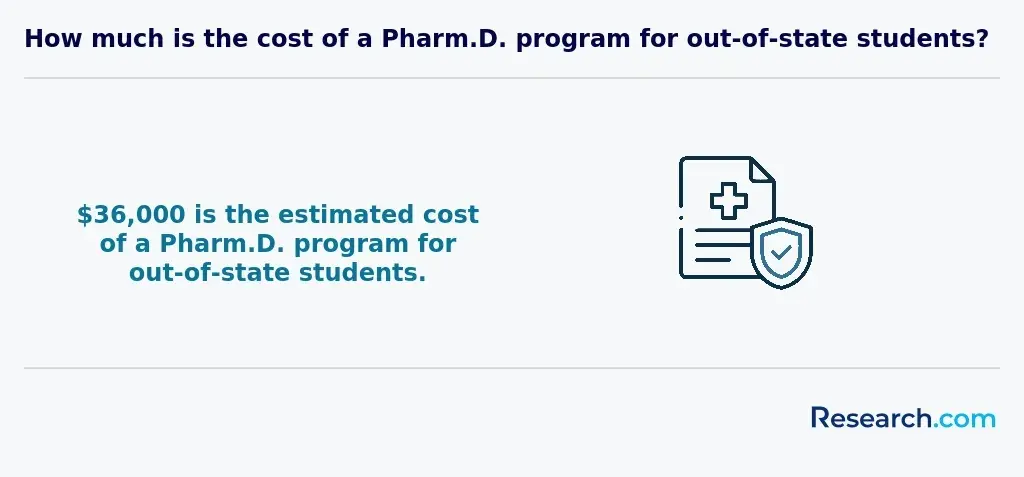
PharmD tuition can vary substantially. Public institutions may cost approximately $20,000 per year, while private institutions can cost up to $60,000 per year. These estimates do not include housing, transportation, books, supplies, health insurance, lost wages, or loan interest.
| Cost category | Estimated amount stated | How to use this estimate |
| Public PharmD tuition | Approximately $20,000 per year | Compare in-state eligibility, fees, and total program length rather than tuition alone. |
| Private PharmD tuition | Up to $60,000 per year | Calculate total debt carefully and compare expected earnings by location and practice setting. |
| Application fee | Roughly $100 | Verify the current amount with the North Dakota Board of Pharmacy. |
| NAPLEX fee | About $75 | Confirm current exam pricing before budgeting. |
| MPJE fee | Approximately $50 | Confirm current exam pricing and any rescheduling or retake costs. |
| License renewal | Around $100 every two years | Include renewal as part of your long-term professional budget. |
| Continuing education | Often from $50 to several hundred dollars | Costs vary by provider, topic, and number of credit hours required. |
| Background checks and fingerprinting | Another $50 to $100 | Budget for screening costs if required during the application process. |
Before enrolling, compare total cost of attendance, not just tuition. Ask about scholarships, assistantships, transfer credits, rotation expenses, exam-prep support, and average borrowing. Pharmacy is a healthcare career with a long training period, so applicants should evaluate both professional fit and financial return. If you are comparing pharmacy with other healthcare roles, Research.com’s guide to healthcare career requirements can help you understand common prerequisites across the field.
Can I get my pharmacist’s license online in North Dakota?
You cannot complete every part of pharmacist licensure fully online in North Dakota. Pharmacy education may include online or hybrid coursework, but the PharmD pathway requires in-person labs, supervised practice experiences, clinical rotations, and state licensure exams.
North Dakota does not currently offer a fully online pharmacy degree. Programs such as those associated with North Dakota State University may use hybrid formats that combine online learning with required in-person training. This can help students manage coursework, work responsibilities, and commuting, but it does not remove the hands-on requirements of pharmacy education.
Hybrid pharmacy programs may offer several advantages:
- Flexible coursework: Some online classes allow students to progress at their own pace, which can help working students manage schedules.
- Digital academic resources: Students may use online libraries, recorded lectures, simulation tools, and virtual study materials.
- Professional connection: Online platforms can support communication with faculty, classmates, preceptors, and pharmacy professionals.
However, do not assume an online or hybrid program will automatically qualify you for North Dakota licensure. Before enrolling, ask the program whether its curriculum, accreditation, experiential hours, and graduate outcomes align with North Dakota Board of Pharmacy requirements.
| Question to ask before enrolling | Why it matters |
| Is the pharmacy program accredited and accepted for North Dakota licensure? | Without the right accreditation and state eligibility, you may not qualify for licensure exams. |
| Where are labs, rotations, and practice experiences completed? | Hands-on requirements cannot be replaced by online coursework alone. |
| How does the program document internship hours? | North Dakota requires a minimum of 1,500 internship hours. |
| Does the curriculum prepare students for the NAPLEX and North Dakota MPJE? | Graduation alone is not enough; you must pass both exams. |
| What are the total costs for online, hybrid, travel, and rotation requirements? | A hybrid program can still involve significant in-person and relocation expenses. |
One North Dakota pharmacist described the hybrid model as useful because online coursework was paired with practical training. Courses in pharmacology, patient care, and pharmacy law helped build the knowledge base, while community pharmacy experience made the training feel relevant to real patients. The key lesson: online learning can support pharmacy education, but it cannot replace supervised clinical practice.
What is the job description of a licensed pharmacist in North Dakota?
A licensed pharmacist in North Dakota is responsible for safe medication use, patient education, pharmacy operations, legal compliance, and collaboration with other healthcare professionals. The exact duties vary by setting. A retail pharmacist may focus heavily on prescriptions, immunizations, and patient counseling, while a hospital or clinical pharmacist may spend more time on medication therapy, rounds, and interdisciplinary care plans.
- Dispensing medications: Review prescriptions, confirm dosing, identify contraindications, and ensure patients receive the correct medication.
- Counseling patients: Explain administration instructions, side effects, storage, adherence strategies, and when to seek medical help.
- Managing medication therapy: Evaluate drug regimens for safety and effectiveness, especially for patients with chronic conditions or multiple prescriptions.
- Collaborating with clinicians: Work with physicians, nurses, nurse practitioners, and other providers to adjust or optimize therapy when appropriate.
- Following pharmacy law: Maintain records, secure controlled substances, follow reporting requirements, and comply with state and federal regulations.
- Providing preventive services: Administer vaccinations, conduct health screenings, and participate in public health initiatives when authorized.
- Maintaining competence: Complete continuing education and required certifications, including areas such as cardiopulmonary resuscitation when applicable.
Pharmacists should expect the job to keep changing. Automation can reduce some repetitive dispensing tasks, while clinical services, patient communication, medication safety, and technology-enabled care are becoming more important.
What additional healthcare careers can pharmacists transition into in North Dakota?
Pharmacists have transferable skills that can support career moves into counseling, healthcare administration, clinical research, public health, informatics, quality improvement, and education. The best option depends on whether the pharmacist wants more direct patient counseling, more leadership responsibility, more data-focused work, or broader public health impact.
| Career direction | Why pharmacists may be a good fit | What additional preparation may be needed |
| Mental health counseling | Pharmacists already understand psychotropic medications, adherence concerns, side effects, and patient communication. | Additional counseling education, supervised experience, and state-specific licensure are required. |
| Healthcare administration | Pharmacists understand clinical workflows, medication safety, staffing pressures, and regulatory compliance. | Leadership, finance, operations, or health administration training may be useful. |
| Clinical research | Medication knowledge supports study design, drug safety monitoring, and patient education. | Research methods, compliance training, and experience with clinical trial operations may be needed. |
| Public health advocacy | Pharmacists are accessible healthcare professionals who can support immunization, prevention, and medication access. | Public health training, policy experience, or community program experience can strengthen the transition. |
Pharmacists interested in mental health work should not assume pharmacy licensure is enough. Counseling is its own regulated profession. For the state-specific pathway, review Research.com’s guide on how to become a mental health counselor in North Dakota.
What do I do if my pharmacist’s license expires in North Dakota?
If your North Dakota pharmacist license expires, do not continue practicing until you confirm your legal status and complete the steps required by the North Dakota Board of Pharmacy. Practicing without an active license can create professional, legal, and patient-safety risks.
The best response is to act quickly and document everything. Contact or log in to the Board’s system, review your renewal status, gather continuing education records, pay any required fees, and follow the instructions for reinstatement or renewal if your license has lapsed.
- Check your status: Confirm whether the license is expired, inactive, suspended, or eligible for renewal.
- Review Board instructions: Use the North Dakota Board of Pharmacy’s current process rather than relying on memory from a previous renewal cycle.
- Complete continuing education: Gather certificates or transcripts showing that you met required CE expectations.
- Pay required fees: Renewal or reinstatement may involve fees, and amounts can change.
- Keep proof: Save confirmations, receipts, and CE documentation in case questions arise later.
A North Dakota pharmacist described nearly missing a renewal deadline and immediately using the Board’s online portal to gather CE certificates, pay the fee, and submit documentation. The experience reinforced an important professional habit: track renewal dates early, not at the last minute.
Is integrating mental health counseling into my pharmacy career a strategic move?
Adding mental health counseling skills can be valuable for pharmacists who frequently work with patients managing depression, anxiety, bipolar disorder, substance use conditions, or complex medication regimens. It may improve patient communication, adherence support, and collaboration with behavioral health providers.
However, counseling is not simply an add-on service. To practice as a counselor, pharmacists must meet separate education, supervision, and licensure requirements. Pharmacists who want to move into family systems, relationship counseling, or behavioral health practice can review the pathway for how to become a marriage and family therapist in North Dakota.
Is pharmacy school a wise investment for aspiring pharmacists in North Dakota?
Pharmacy school can be a strong investment for students who are committed to medication-centered patient care, can manage the cost of a professional doctorate, and are realistic about local salaries and job settings. It may be a weaker fit for students who want a short training path, minimal debt, or a career with little regulatory responsibility.
Before enrolling, compare tuition, living costs, lost income while in school, loan repayment, expected earnings, and your preferred work environment. Research.com’s guide Is pharmacy school worth it? can help you weigh the return on investment more carefully.
Can pharmacists integrate substance abuse counseling into their practice?
Pharmacists can play an important role in supporting patients affected by substance use disorders, especially through medication safety, naloxone education, adherence support, and referrals. Their medication expertise is highly relevant when patients are using controlled substances, opioid treatment medications, or multiple therapies.
Providing substance abuse counseling as a licensed counselor, however, requires additional preparation. Pharmacists interested in this route should review the state-specific education and credentialing steps in Research.com’s guide on how to become a substance abuse counselor in North Dakota.
How much do licensed pharmacists in North Dakota make?
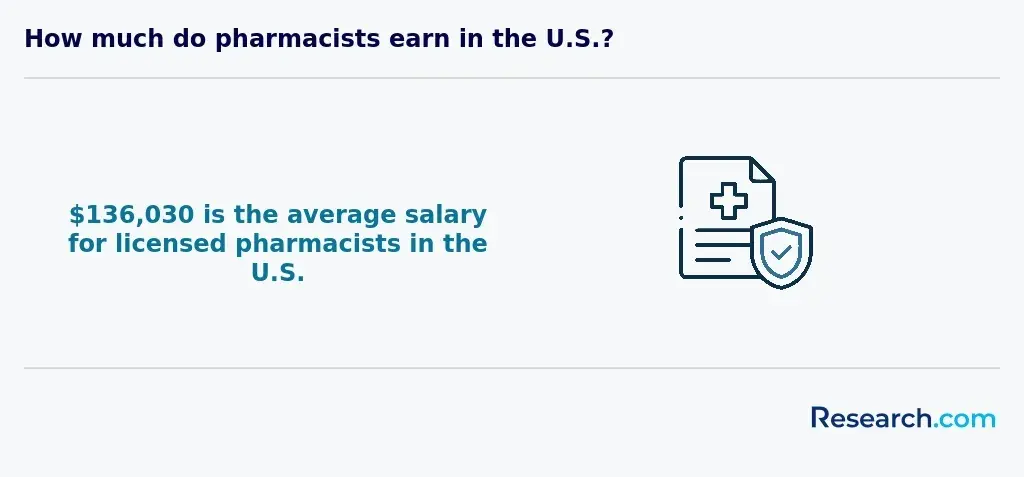
As of May 2023, the average annual salary for pharmacists in North Dakota is approximately $116,000. The national median salary for pharmacists is around $136,030. These figures show that North Dakota pharmacist pay may be lower than the national median, but salary should be evaluated alongside cost of living, job setting, experience, and career goals.
| Salary factor | How it can affect pay |
| Practice setting | Hospital, clinical, retail, long-term care, and specialty roles may have different compensation patterns. |
| Experience level | Entry-level pharmacists often earn less than experienced pharmacists with advanced skills or leadership duties. |
| Specialization | Areas such as oncology, pediatrics, ambulatory care, or other specialized practice areas may improve competitiveness. |
| Location within North Dakota | Urban and rural settings can differ in pay, staffing needs, and benefits. |
| Additional training | Residencies, certifications, and continuing education can support advancement into higher-responsibility roles. |
To improve earning potential, pharmacists can pursue continuing education, complete residency training, build expertise in high-need clinical areas, and develop professional networks across hospitals, clinics, public health agencies, and community pharmacies. Salaries are not guaranteed, so applicants should compare real job postings and local employer expectations before taking on significant debt.
How does interdisciplinary collaboration enhance pharmacy practice in North Dakota?
Pharmacy practice is stronger when pharmacists work closely with other healthcare professionals. In North Dakota, collaboration can help improve medication safety, chronic disease care, discharge planning, immunization efforts, and access to care in underserved communities.
Pharmacists who understand nursing workflows, care coordination, and patient education can communicate more effectively on clinical teams. Students and professionals who want to better understand allied roles can review Research.com’s guide on how to become a registered nurse in North Dakota.
Should pharmacists consider training in medical billing and coding?
Medical billing and coding knowledge can be useful for pharmacists who work in clinical services, ambulatory care, pharmacy management, or reimbursement-focused roles. As pharmacists provide more direct patient-care services, documentation and billing accuracy become more important.
Training in medical billing and coding in North Dakota may help pharmacists understand reimbursement processes, reduce claim errors, and communicate more effectively with administrative teams. It is not necessary for every pharmacist, but it can be practical for those moving into management, clinical program development, or health-system roles.
What regulatory and operational challenges do licensed pharmacists encounter in North Dakota?
Licensed pharmacists in North Dakota must manage both clinical responsibilities and operational pressures. Regulations affect controlled substances, prescription records, privacy, immunizations, collaborative practice protocols, staffing, and reporting. Operational challenges may include reimbursement limits, workforce shortages, rural access issues, technology adoption, and rising expectations for patient services.
Common challenges include:
- Keeping up with rule changes: State and federal pharmacy rules can change, so pharmacists need reliable compliance habits.
- Managing workload safely: High prescription volume and staffing constraints can increase the risk of errors if systems are weak.
- Documenting clinical services: Expanded pharmacy services often require stronger records, billing awareness, and communication with providers.
- Serving rural communities: Access limitations can make pharmacists a critical front line for medication counseling and preventive care.
- Adopting technology: Automation and digital systems can improve safety, but they also require training and workflow redesign.
Pharmacists comparing their role with advanced clinical pathways may find it useful to review how to become a nurse practitioner in North Dakota, especially when thinking about scope of practice, patient management, and graduate-level clinical training.
How do licensed pharmacists drive community health initiatives in North Dakota?
Pharmacists support community health by improving medication access, promoting adherence, administering vaccinations when authorized, offering screenings, and educating patients about chronic disease management. In rural or underserved areas, they may be among the most accessible healthcare professionals.
Partnerships with public health agencies, healthcare systems, universities, and nursing programs can strengthen these efforts. Collaboration with top nursing schools in North Dakota and other health education programs can support interprofessional training, outreach events, and community wellness initiatives.
Should pharmacists review licensing requirements from other healthcare professions?
Yes, reviewing other healthcare licensing requirements can help pharmacists understand interdisciplinary roles, referral pathways, and collaborative practice boundaries. It can also help career changers compare the time, cost, supervision, and exam requirements across professions.
For example, examining North Dakota nursing licensure requirements can help pharmacists better understand how nurses are trained, regulated, and integrated into patient-care teams. This does not replace pharmacy-specific compliance, but it can improve collaboration.
What is the job outlook for licensed pharmacists in North Dakota?
The employment outlook for pharmacists in North Dakota is stable but changing. The employment of pharmacists is expected to increase by around 5% over the next decade, and approximately 14,200 job openings for pharmacists are anticipated annually across the United States. Many openings are expected to result from retirements and workforce replacement needs.
North Dakota’s healthcare needs are shaped in part by demographics. The state’s aging population, discussed in North Dakota’s aging plan, contributes to ongoing demand for medication management, patient education, chronic disease support, and accessible pharmacy services.
| Outlook factor | What it means for future pharmacists |
| Projected growth | Around 5% over the next decade suggests steady demand rather than explosive growth. |
| Annual openings | Approximately 14,200 openings are anticipated annually across the United States, including replacement needs. |
| Aging population | More older adults typically means greater medication use and more need for counseling and therapy management. |
| Work settings | Retail pharmacies, hospitals, clinics, long-term care, and healthcare facilities all offer potential opportunities. |
| Technology and service expansion | Pharmacists who can combine clinical judgment with digital tools may be better positioned for evolving roles. |
Future pharmacists should prepare for a market where technical dispensing remains important but clinical communication, medication optimization, informatics, and team-based care carry increasing value.
What is a licensed pharmacist’s career path in North Dakota?
A pharmacist’s career path in North Dakota can begin in community pharmacy, hospital pharmacy, long-term care, managed care, or clinical settings. Over time, pharmacists may move into specialized practice, pharmacy management, residency-trained clinical roles, academia, public health, informatics, or healthcare leadership.
Pharmacists in the state can expect to earn between $100,000 and $130,000 annually, though actual pay depends on experience, setting, location, schedule, and specialization. Clinical and hospital roles may offer different compensation and advancement structures than retail positions.
| Career stage | Common roles | How to advance |
| Student or technician | Pharmacy intern, pharmacy technician, pre-pharmacy student | Build pharmacy experience, complete prerequisites, and develop patient-service skills. |
| New pharmacist | Staff pharmacist in retail, hospital, or community practice | Strengthen accuracy, counseling, workflow management, and legal compliance. |
| Experienced pharmacist | Clinical pharmacist, lead pharmacist, specialty pharmacist, long-term care pharmacist | Pursue residency, certifications, specialized CE, or practice-area expertise. |
| Leadership or advanced path | Pharmacy manager, director, educator, informatics specialist, public health pharmacist | Develop management, data, policy, teaching, or program-development skills. |
The strongest career path is usually the one that matches your preferred patient population, work pace, tolerance for regulation, and willingness to keep learning after licensure.
Are there alternative career paths for licensed pharmacists in North Dakota?
Yes. Licensed pharmacists can move into related healthcare and counseling roles, but most alternatives require additional education or licensure. Counseling is one example for pharmacists who enjoy patient communication, behavioral health, and long-term support relationships. To compare the requirements, review Research.com’s guide on how to become a therapist in North Dakota.
What is the impact of technology on pharmacy practice in North Dakota?
Technology is changing pharmacy practice through automation, electronic health records, e-prescribing, telepharmacy, inventory systems, data analytics, and digital patient engagement. These tools can reduce manual work and improve safety, but they also require pharmacists to understand system limitations and maintain clinical oversight.
Automation may help with dispensing efficiency, while telepharmacy and digital communication can improve access in rural areas. Data tools can support adherence monitoring, medication reconciliation, and population health initiatives. At the same time, pharmacists must stay alert to privacy, workflow, documentation, and patient-safety concerns.
Technology also affects pharmacy teams. Pharmacists evaluating staffing models and task delegation may find it useful to compare pharmacist responsibilities with pharmacy technician salary and role expectations.
How can interdisciplinary certification opportunities complement your pharmacy practice?
Interdisciplinary certifications can help pharmacists expand their value in chronic disease management, nutrition, behavioral health collaboration, medication therapy management, public health, and patient education. The right certification depends on the pharmacist’s setting and career goals.
For example, pharmacists who frequently counsel patients with diabetes, cardiovascular disease, or medication-food interactions may benefit from deeper nutrition knowledge. Reviewing pathways such as how to become a registered dietician in North Dakota can help pharmacists understand how nutrition professionals are trained and where collaboration can improve patient care.
Common mistakes to avoid when pursuing pharmacist licensure in North Dakota
- Choosing a program without confirming accreditation: Always verify that the pharmacy program supports eligibility for North Dakota licensure.
- Focusing only on tuition: Include fees, books, supplies, living costs, exam costs, travel for rotations, and loan interest.
- Assuming online means fully remote: PharmD programs require in-person training, supervised practice, and clinical experience.
- Waiting too long to prepare for the MPJE: Pharmacy law is state-specific, and North Dakota rules should be studied carefully.
- Ignoring internship documentation: Keep records of supervised hours and confirm how your program reports them.
- Letting renewal deadlines slip: An expired license can interrupt employment and create compliance problems.
- Assuming salary outcomes are guaranteed: Pay varies by setting, location, experience, and specialization.
- Relying only on rankings or reputation: A strong fit also depends on cost, rotations, exam support, location, and career outcomes.
Questions to ask before choosing a pharmacy program
- Is the program accredited and accepted for North Dakota pharmacist licensure?
- How are the 1,500 internship hours completed and documented?
- What support does the school provide for NAPLEX and North Dakota MPJE preparation?
- How many rotations are in community, hospital, clinical, rural, or specialty settings?
- What is the full cost of attendance, including fees and living expenses?
- Can prior coursework or transfer credits reduce the time to graduation?
- Does the program support students who work as pharmacy technicians?
- What career advising, residency guidance, and employer connections are available?
- How does the curriculum address technology, telepharmacy, immunizations, and patient-care services?
- What happens if a student does not pass a required exam on the first attempt?
Here’s what pharmacists have to say about becoming licensed in North Dakota
-
: "
Becoming licensed in North Dakota changed how I understood pharmacy. The hands-on training and close professional community helped me feel ready for rural practice, where patients often rely on the pharmacist for practical medication guidance. Karen
"
-
: "
The licensing process was demanding, but it gave me a strong foundation. Continuing education has also pushed me to keep improving instead of treating graduation as the end of my learning. Fred
"
-
: "
I appreciated that the process was clear and structured. Mentorship and networking made the path less isolating, and I now feel better prepared to advocate for patients in a changing pharmacy environment. Alice
"
Related Articles for Nearby States
- 2027 How to Become a Licensed Pharmacist in South Dakota
- 2027 How to Become a Licensed Pharmacist in Minnesota
- 2027 How to Become a Licensed Pharmacist in Montana
- 2027 How to Become a Licensed Pharmacist in Nebraska
- 2027 How to Become a Licensed Pharmacist in Wyoming
- 2027 How to Become a Licensed Pharmacist in Iowa
- 2027 How to Become a Licensed Pharmacist in Wisconsin
- 2027 How to Become a Licensed Pharmacist in Colorado
- 2027 How to Become a Licensed Pharmacist in Kansas
- 2027 How to Become a Licensed Pharmacist in Illinois
References:
- bls.gov (2024). Pharmacists. BLS.
- gyfted.me (N.D.). Become a licensed pharmacist in North Dakota. gyfted.me.
- ndsu.edu (N.D.). Pharmacy. ndsu.edu.
Key Insights
- Becoming a licensed pharmacist in North Dakota usually takes six to eight years and requires a PharmD, at least 1,500 internship hours, the NAPLEX, and the North Dakota MPJE.
- North Dakota does not offer a fully online path to pharmacist licensure; hybrid coursework may be available, but labs, rotations, and supervised practice must be completed in person.
- Costs can be substantial: stated tuition estimates range from approximately $20,000 per year at public institutions to up to $60,000 per year at private institutions, before living costs and licensure expenses.
- As of May 2023, pharmacists in North Dakota earn approximately $116,000 on average annually, compared with a national median of around $136,030.
- The best candidates for pharmacy are comfortable with science-heavy coursework, patient counseling, legal accountability, technology, and lifelong continuing education.
- Before enrolling, verify accreditation, state licensure eligibility, internship-hour tracking, total cost, exam support, and whether the program fits your preferred career setting.
- Pharmacists who want broader roles can explore clinical specialization, public health, healthcare administration, informatics, counseling, billing knowledge, or interdisciplinary certifications.
Other Things You Should Know About Becoming a Licensed Pharmacist in North Dakota
To obtain a pharmacist license in North Dakota in 2027, complete an ACPE-accredited Pharm.D. program, pass the NAPLEX and MPJE exams, and complete 1,500 hours of internship under a licensed pharmacist. Then, apply to the North Dakota State Board of Pharmacy for licensing.
In 2027, to become a licensed pharmacist in North Dakota, individuals must complete a Doctor of Pharmacy degree from an accredited program, pass the NAPLEX and MPJE exams, and fulfill any additional state requirements including a background check and application submission to the North Dakota Board of Pharmacy.