2027 User Experience Master's Programs With Bridge or Foundation Courses

Co-Founder and Chief Data Scientist
Facing a career pivot into user experience without a relevant undergraduate degree or with an adjacent academic backgrounds reveals complex admission hurdles. Master's programs offering bridge or foundation courses provide a vital integrated path, but variations in prerequisite credit loads and conditional versus full admission policies impact enrollment decisions. In 2024, nearly 40% of graduate-level STEM-related enrollments come from adult learners balancing work and study, highlighting the importance of flexible, streamlined program structures. Analyzing factors like total cost of attendance, financial aid eligibility, and credential recognition clarifies trade-offs crucial for sustaining career momentum while acquiring specialized knowledge within a single graduate degree.
Key Things to Know About User Experience Master's Programs With Bridge or Foundation Courses
- Programs with bridge courses often require 12-18 prerequisite credits, extending time and cost but enabling career changers to meet foundational standards, a key tradeoff when balancing investment against timely workforce entry.
- Their conditional admission approach allows candidates with adjacent degrees to start graduate coursework, signaling employer preference for demonstrated ability over rigid credential paths in user experience roles.
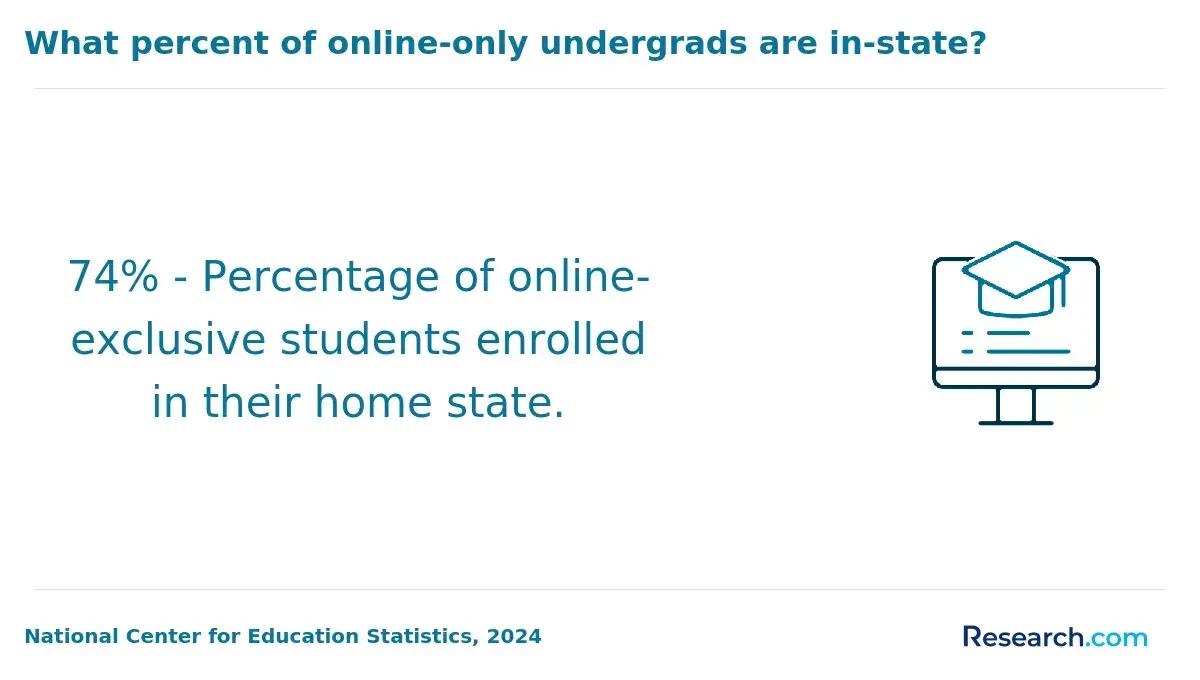
- National Center for Education Statistics data shows growing online enrollment benefiting working professionals, underscoring how integrated foundation courses improve access and reduce career interruption for non-traditional applicants.
What Are User Experience Master's Programs With Bridge or Foundation Courses, and Who Are They Designed For?
User experience master's programs with bridge or foundation courses fundamentally redefine graduate admission by embedding prerequisite training within the master's curriculum rather than requiring it upfront. This design directly confronts the access barrier faced by career changers and those with unrelated undergraduate majors who lack the traditional technical or theoretical background needed for standard master's program acceptance.
For example, a marketing professional seeking to shift into UX design can simultaneously acquire core skills like human-computer interaction and design thinking alongside advanced coursework rather than detouring through a separate certificate or second bachelor's degree. In workforce terms, this integrated path reduces time-to-degree and financial strain, making candidates more agile and immediately competitive without fragmenting their educational journey.
Unlike conventional programs, where foundational courses are preconditions, these programs often sequence bridge courses either as a preliminary semester or concurrently with early graduate modules. This can extend program length by one or two semesters, a tradeoff that admits broader learner profiles while maintaining credential rigor rather than imposing blunt admission gatekeeping.
Accredited universities offering these pathways tend to leverage online or flexible delivery models to accommodate working professionals unable to pause employment, thus expanding user experience education beyond traditional campus boundaries.
Which Accredited U.S. Universities Offer User Experience Master's Programs With Built-In Bridge or Foundation Courses?
Master's programs with built-in bridge or foundation courses offer nontraditional students a crucial pathway into user experience fields, but selecting the right program involves navigating complex tradeoffs in admission policies, time commitment, and financial aid eligibility. For example, a working professional without a background in design must weigh the efficiency of integrated bridge coursework against program rigor and total cost, as these factors directly impact career progression and earning potential.
Regionally and programmatically accredited U.S. universities offering structured bridge options cluster geographically and institutionally. Public institutions often provide more accessible and cost-effective pathways, particularly in the East Coast and Midwest, while private nonprofits tend to emphasize intensive foundation modules combined with career services. Online-focused institutions prioritize flexibility to accommodate working adults, blending foundational learning with graduate studies without interrupting employment.
- University of Maryland, Baltimore County (UMBC): This Mid-Atlantic public university offers integrated foundational courses within its Human-Centered Design & Engineering master's program, typically coupled with full financial aid eligibility, making it favorable for students balancing cost and academic standards.
- University of Washington: Its Information School program embeds technically demanding foundation coursework, requiring conditional admission, reflecting a preference for candidates who can assimilate empirical and programming skills rapidly.
- Georgia Institute of Technology: Known for its online Master of Science in Human-Computer Interaction, it integrates prerequisite courses tailored for those new to programming and design, supporting working professionals through flexible delivery and efficient credit structures.
- Northeastern University: The Align master's program offers intensive upfront foundation courses tailored to career changers, complemented by cooperative education for practical experience, representing a model that merges academic foundation with job market readiness.
- Carnegie Mellon University: Though highly selective, CMU embeds brief but rigorous foundation modules to accommodate nontraditional backgrounds, aligning with employer expectations for research and industry-relevant skills.
- DePaul University: With a smaller class size and personalized instruction, DePaul includes prerequisite sequences within its master's program, appealing to students who prioritize direct faculty support during foundational learning.
- University of Michigan (School of Information, online): This program offers a flexible bridge sequence enabling career changers to maintain employment while transitioning into user experience graduate study.
- Southern New Hampshire University (SNHU): The online master's incorporates foundation courses designed explicitly for students without prior academic UX exposure, easing transfer into graduate work.
- DePaul University Online: Extending its on-campus offerings, DePaul provides the same embedded prerequisite sequence with pacing designed to accommodate working professionals.
Prospective students must rely primarily on official university program pages, accreditation databases, and IPEDS to verify the existence and structure of bridge pathways, avoiding third-party aggregators that often list outdated or incomplete information. Direct communication with admissions offices is essential as conditional admission criteria, prerequisite credit loads, and financial aid eligibility frequently shift across catalog years and are not always transparent in program descriptions.
Decisions about user experience graduate pathway programs should consider how prerequisite coursework affects time to degree, employer recognition of integrated credentials, and the ability to work concurrently-key realities for career changers and professionals who cannot pause their careers without financial risk. Understanding these variables improves alignment between educational investment and long-term career outcomes in a competitive technology and design job market.
What Specific Bridge or Foundation Courses Are Commonly Required Before Full Admission to a User Experience Master's Program?
Bridge or foundation courses play a crucial role in evening the academic readiness of applicants aiming for a user experience master's program, particularly for those without directly relevant undergraduate degrees. The specific prerequisites demanded can vary substantially depending on program structure, accreditation standards, and an applicant's prior specialization, leading to distinct differences in the total prerequisite credit load, time to degree, and financial commitment.
For example, a candidate switching from liberal arts to user experience may face a heavier bridge course burden than one transferring from a related STEM or design field, affecting employer readiness timelines and overall educational cost.
- Discipline-Specific Foundations: Many programs require introductory coursework in areas such as human-computer interaction, design thinking, usability testing, and foundational coding or prototyping skills, compensating for gaps in technical or creative expertise.
- Research and Methodology: Coursework in statistics, research design, and data analysis tailored to user experience is often mandated to prepare students for the empirical rigor expected in usability testing and user-centered evaluation.
- Graduate Readiness: Some institutions include academic writing, project management, and critical thinking courses designed to bridge the gap between undergraduate and graduate-level expectations, especially for students new to graduate education.
- Assessment Procedures: Universities determine necessary bridge courses through transcript evaluations, placement exams, or interviews; prospective students should clarify these assessment methods to accurately gauge required additional coursework.
- Variation by Background and Institution: The nature and number of required bridge courses differ widely, with significant implications for workload, total cost of attendance, and speed of degree completion, highlighting the importance of program-by-program comparison.
Applicants juggling ongoing careers who need a flexible path into user experience graduate credentials must weigh these factors carefully, given the implications for financial aid and potential delays. For those seeking cost-conscious options, consulting resources on the cheapest accredited online college programs can provide insight into affordable educational pathways aligned with their professional goals.
How Do Bridge or Foundation Courses in User Experience Master's Programs Differ From a Traditional Post-Baccalaureate or Second Bachelor's Degree?
Selecting between User Experience master's programs with integrated bridge courses, traditional post-baccalaureate certificates, and second bachelor's degrees hinges on understanding their practical impact on time, cost, and career relevance. Bridge courses embedded in master's programs offer conditional admission while addressing prerequisite gaps, enabling continuous progression without extending total study duration excessively. This streamlined approach typically benefits working professionals needing flexible scheduling and full access to graduate financial aid.
- Program Structure: Bridge courses are part of the master's curriculum, shortening overall time by combining prerequisites and graduate-level work. Post-baccalaureate certificates stand alone, requiring extra semesters before graduate application. Second bachelor's degrees constitute full undergraduate programs, generally lengthier and more costly.
- Admission Requirements: Bridge programs admit applicants lacking direct UX backgrounds but require foundational course completion alongside graduate studies. Post-baccalaureate credentials strengthen applications for selective master's programs but do not guarantee admission. Second bachelor's degrees have traditional undergraduate admissions and may delay entry to graduate studies.
- Time and Cost: Integrated bridge paths typically span 2-3 years, reducing expenses through consolidated credit hours. Post-baccalaureate certificates increase upfront investment and extend total time, while second bachelor's pathways often surpass four years and entail higher cumulative costs.
- Financial Aid Eligibility: Bridge programs usually qualify for full graduate financial aid because they lead directly to a master's degree. Funding for post-baccalaureate certificates is inconsistent, and second bachelor's options can face aid restrictions based on prior completed degrees.
- Credential Recognition: Employers generally value the single graduate credential from bridge programs as a cohesive qualification. Post-baccalaureate certificates alone carry limited weight. Second bachelor's degrees can appear redundant, especially when the candidate already holds a degree.
- Flexibility for Working Adults: Many bridge-inclusive programs offer part-time or online enrollment suited to professionals balancing work. Post-baccalaureate and second bachelor's options might lack such accommodations, demanding discrete enrollment periods and potentially full-time commitment.
- Best Use Cases: Bridge courses favor applicants aiming for the most efficient path to a master's, optimizing financial aid and minimizing additional semesters. Alternately, post-baccalaureate pathways suit those targeting highly selective master's admissions where a robust prerequisite foundation is vital. Second bachelor's degrees are most appropriate when a broader undergraduate foundation is necessary due to insufficient prior credentials.
A graduate who transitioned from a non-UX undergraduate major described their experience navigating the bridge course option during a rolling admissions cycle. They initially hesitated to apply without a post-baccalaureate certificate, fearing competitive weakness. However, the integrated bridge program allowed provisional acceptance contingent on completing foundational courses concurrently. Their progress was slower at first, juggling foundational classes and graduate work, but the ability to start the master's curriculum immediately avoided a year-long deferral. This flexibility proved crucial, especially as they balanced part-time work, steepening the learning curve but delivering a cohesive credential in shorter overall time.
What Are the Admission Requirements for User Experience Master's Programs That Include a Bridge or Foundation Component?
Admission standards for user experience master's programs with bridge or foundation components tend to be more inclusive, especially for applicants lacking formal UX prerequisites. This flexibility benefits career changers or professionals from adjacent fields but introduces unique academic and financial considerations compared to traditional programs that require completed foundational courses before admission.
- Undergraduate GPA: Programs usually expect a minimum GPA between 2.5 and 3.0, with some latitude granted based on other credentials or experience.
- Required Documents: Applications commonly call for transcripts, statements of purpose, recommendation letters, and sometimes a resume underscoring relevant skills or projects.
- Standardized Tests: Many programs with bridges waive GRE or equivalent exams, acknowledging the barriers these tests create for applicants new to user experience.
- Professional Experience: While not always compulsory, related work in design-adjacent or technical roles can strengthen an application and signal readiness for graduate-level study.
- Admission Models: Conditional admission requires students to achieve specified benchmarks during bridge coursework before advancing, affecting financial aid access and credit transferability; direct admission admits students to the full combined program upfront, ensuring immediate access to benefits but demanding readiness for an integrated curriculum.
- Cohort and Academic Pacing: Diverse student backgrounds mean bridge courses often move deliberately but with academic rigor to ensure all students build necessary foundations for success in the master's portion.
- Tradeoffs for Non-Traditional Applicants: Although designed for those without formal UX backgrounds, success depends heavily on motivation and foundational skills in design thinking and research methods to navigate the bridging phase effectively.
What Is the Minimum GPA Requirement for User Experience Master's Programs With Bridge or Foundation Courses, and How Does Prior Academic Background Affect Eligibility?
Admission to user experience master's programs with bridge or foundation courses typically accepts a lower minimum GPA than standard master's programs, reflecting their role in accommodating students from diverse academic backgrounds. While traditional programs often require a minimum GPA near 3.0, bridge-inclusive tracks commonly set thresholds between 2.5 and 3.0 on a 4.0 scale. This tradeoff balances maintaining academic standards while enabling access for applicants transitioning from unrelated fields or those whose undergraduate performance was uneven but show promise through other credentials. For example, a professional switching careers from business to user experience may gain conditional admission when supplemented by relevant work experience and a strong portfolio despite a GPA below 3.0.
The prior academic background heavily influences eligibility. Applicants with undergraduate majors adjacent to user experience, such as psychology or graphic design, generally face fewer barriers due to the direct applicability of their skills. Conversely, those from unrelated majors must often provide stronger evidence of readiness, including rigorous post-baccalaureate coursework or professional experience, to offset GPA gaps. These programs often weigh GPA alongside portfolios, standardized test results, and work history, offering conditional admissions or probationary periods for candidates near or below minimum GPA standards.
Applicants navigating minimum GPA requirements for user experience master's programs with foundation courses benefit from understanding this nuanced tradeoff between academic rigor and practical inclusivity. Working professionals who cannot pause their careers should prioritize programs that offer conditional pathways or integrated bridge coursework to avoid separate post-baccalaureate commitments. Recent graduates from adjacent majors will find these programs structurally designed to recognize relevant competencies while supporting those with less traditional backgrounds.
Parallel to GPA considerations, assessing total cost of attendance and credential recognition is critical. For career changers especially, reviewing financial aid eligibility alongside program flexibility can be decisive. For those exploring accelerated academic options in related technical or design fields, resources detailing the fastest business degree online may offer useful context for balancing speed and depth in graduate studies.
How Many Additional Credit Hours Do Bridge or Foundation Courses Add to a User Experience Master's Program, and How Does This Affect Total Cost and Time-to-Degree?
Bridge or foundation courses in user experience master's programs commonly add between 6 and 18 credits to the core graduate coursework, but the exact number hinges on the student's prior academic background and how programs implement prerequisites. Accreditation standards require certain baseline knowledge, yet institutions vary in whether they embed these courses as degree credits or require them separately as non-degree prerequisites. This structural difference not only lengthens the path to graduation but also materially impacts total cost.
Each additional credit hour directly increases tuition expenses. For instance, at a per-credit rate of $700, a 6-credit bridge adds $4,200, while an 18-credit requirement inflates costs by $12,600. Beyond tuition, these extra credits extend time-to-degree, especially for part-time students, creating indirect costs including delayed salary gains, sustained living expenses, and postponed entry into user experience roles. Programs that count bridge credits toward the master's degree can mitigate some financial strain compared to those mandating non-degree enrollment.
Prospective students should carefully calculate total expenses by combining bridge and core credit requirements rather than comparing sticker tuition rates alone. Clarifying whether bridge courses integrate with degree credits is critical to anticipating overall program length and financial outlay.
- Primary Delivery Formats: Mostly online or hybrid, some with in-person studios or labs.
- Typical Total Credit Load: 30-36 credits for the core program, plus 6-18 bridge credits.
- Admission Requirements: Conditional admission common for those without direct user experience backgrounds.
- Financial Aid Eligibility: Bridge courses counting toward the degree generally qualify; non-degree prerequisites often do not.
- Credential Recognition: Integrated bridge coursework strengthens employer recognition.
One graduate recalled hesitation during the rolling admissions process, uncertain if conditional acceptance required completing 12 bridge credits upfront or if some would count toward the degree. This ambiguity delayed their enrollment decision while they weighed immediate costs and how extending their studies might affect part-time work and living expenses. Eventually, gaining clarity on credit integration allowed them to plan a manageable course load, but the early uncertainty underscored how nuanced program structures around bridge coursework demand transparent communication from admissions to support informed student decisions.
What Types of Students Are Best Suited for User Experience Master's Programs With Bridge or Foundation Courses?
Students best suited for user experience master's programs with bridge or foundation courses are those who must fill gaps in their undergraduate education while benefiting from a streamlined, single-degree route into the field. This pathway is particularly relevant for career changers without prior UX credentials and recent graduates from adjacent disciplines such as psychology, computer science, or design who display a solid academic record, typically a strong GPA, which signals readiness for graduate-level rigor despite lacking direct user experience coursework. A critical consideration is the candidate's ability to invest additional time and financial resources, as these programs often extend the duration and cost of graduate study due to prerequisite content integration.
Many employers in UX-related sectors observe that applicants emerging from these bridge programs tend to have practical, foundational skills embedded within their master's training, aligning well with workforce expectations. However, an illustrative tradeoff arises for professionals who already hold substantial UX certifications or coursework; for them, enrolling in such programs can result in redundant learning and inefficiencies.
Likewise, candidates aiming for elite programs without bridge options or specialized credentials may find more targeted pathways better suited to their goals. Admissions data from recent enrollment cycles show increased demand for integrated foundation course pathways, reflecting a growing preference among students for flexible, comprehensive routes that fit varied timelines and career interruptions.
- Academic Preparation: Ideal candidates have a strong undergraduate GPA in related fields but lack specific user experience courses, enabling them to manage additional bridge content alongside graduate work.
- Professional Motivation: Career changers with a clear intent to pivot into user experience gain measurable advantage from an embedded foundation without needing separate prerequisites.
- Schedule and Financial Flexibility: Those able to accommodate longer programs and possible increased tuition find value in avoiding standalone post-baccalaureate steps, particularly working professionals seeking part-time or flexible formats.
- Less Advantageous Profiles: Applicants with significant user experience coursework or targeting highly selective programs without bridge options may encounter redundancy or a mismatch with career goals.
- Self-Assessment Advisement: Prospective students must rigorously evaluate their academic background, career timelines, financial capacity, and credential requirements to ensure alignment with long-term aspirations.
For those also exploring advanced degrees related to information fields, options such as MLIS programs may offer alternative or complementary pathways depending on career objectives and program structure.
Are Bridge or Foundation Courses in User Experience Master's Programs Offered Fully Online, On-Campus, or in a Hybrid Format?
Bridge or foundation courses in user experience master's programs present significant variability in delivery formats, shaping accessibility and learning outcomes especially for working professionals who cannot pause their careers. Choosing between fully online, hybrid, or on-campus formats involves tradeoffs affecting geographic flexibility, program cost, and practical skill acquisition.
- Fully Online Asynchronous: These bridge courses afford maximum schedule freedom and geographic reach, ideal for career changers and professionals balancing work. However, they may lack real-time interaction and hands-on UX labs, potentially compromising foundational depth in critical practical skills.
- Synchronous Live-Online: Facilitating real-time virtual engagement, this model supports immediate feedback but obliges fixed class times, often conflicting with professional schedules and diminishing flexibility expected from online study.
- Hybrid: Combining onsite labs or workshops with remote coursework, hybrid formats strive to merge experiential learning and convenience. Yet, they impose travel demands that add time and financial burdens, which can limit accessibility for distant or full-time workers.
- Required On-Campus: Mandated campus attendance for bridge courses enforces deep skill development through user testing and collaborative design but restricts enrollment to those able to relocate or commute, reducing inclusivity for geographically remote applicants.
Crucially, many prospective students overlook whether the bridge course format aligns with the core master's curriculum delivery. Inconsistencies-such as a fully online master's paired with an on-campus foundation phase-can impose unexpected residency or scheduling challenges that interrupt employment continuity. This structural disconnect undermines the accessibility advantage many seek in architect course duration or related program planning.
Given the practical demands of user experience programs, especially where hands-on practicum and labs anchor skill development, applicants must rigorously assess if an online foundation course genuinely prepares them for the rigor of graduate-level UX study. User experience bridge courses offered online and on-campus demonstrate that understanding modality-driven differences is essential for making informed enrollment decisions.
Prospective students are advised to explicitly clarify format requirements for all program phases-not only the master's core-to prevent hidden constraints. Hybrid foundation courses in user experience master's programs illustrate the complexity of balancing experiential depth with flexible access, a key consideration for those integrating education with ongoing professional commitments.
What Is the Average Cost of the Bridge or Foundation Component in User Experience Master's Programs, and How Does It Affect Total Program Investment?
Incorporating bridge or foundation courses into user experience master's programs substantially reshapes the financial landscape of graduate education for non-traditional applicants. Rather than treating bridge credits as separate prerequisites completed elsewhere, many accredited programs embed these foundational courses directly into the master's curriculum, yet the pricing models vary widely and carry significant consequences.
Programs charging bridge coursework at the same per-credit rate as core master's classes often increase total expenses by 20% to 50%, putting pressure on students balancing tight budgets and work obligations. Conversely, some programs offer discounted rates or flat fees for bridge components, easing upfront costs but less commonly so. This structural difference matters because completing prerequisites independently sometimes reduces direct tuition expenses but often delays time-to-degree and limits financial aid eligibility, creating tradeoffs between cost, duration, and support.
Beyond sticker price, bridge-phase students frequently face hidden fees-technology access, specialized materials, proctoring, and practicum costs-that add hundreds or even thousands to overall investment. For example, a working professional pursuing an integrated bridge master's may find that these additional expenses accumulate unexpectedly alongside tuition, affecting cash flow while employed. Prospective students need comprehensive cost-of-attendance estimates covering all bridge-related charges before committing to ensure realistic budgeting.
What Graduates Say About User Experience Master's Programs With Bridge or Foundation Courses
- Derrick: "Balancing a full-time job and family made me hesitant to enroll initially, but I chose a master's with a foundation course to transition careers without losing momentum. The program's flexible schedule was crucial, though I found that employers still prioritized portfolios and internships over the degree itself. Ultimately, securing a remote internship through the bridge course helped me build relevant experience, but salary growth has been slower than expected without additional certifications."
- Arjun: "I wanted to break into user experience quickly, but cost was a major constraint. The master's with a preparatory foundation course seemed pragmatic because it shortened the overall timeline and provided targeted skill-building. After graduating, I landed a junior UX role by leveraging my portfolio and the connections I made during the internship, though I soon realized that not having a traditional UX licensure limited opportunities for certain senior positions in large firms."
- Elias: "Switching from graphic design to user experience meant starting almost from scratch, and workload concerns almost made me pause. I chose a master's program with a bridge course to cover UX basics efficiently, which ended up being a smart decision for me. While I appreciated the strong focus on practical projects, the hiring landscape remains competitive, and I often find employers weighing direct experience more than degrees, making ongoing freelance work critical to advancing my career."
Other Things You Should Know About User Experience Degrees
In 2027, students in Bridge or Foundation courses for User Experience Master's programs are typically required to maintain a minimum GPA, often around 3.0, alongside satisfactory completion of all preparatory modules to proceed to core coursework.
Financial aid eligibility for bridge or foundation courses varies widely and is often more limited than aid for core master's coursework. Some programs treat these courses as part of graduate enrollment, granting access to federal aid, while others classify them as remedial or non-degree, limiting aid options. Employer tuition reimbursement typically depends on the institution's status and the employee's job relevance; it's essential to confirm whether bridge courses qualify. Prospective students should strategically inquire about funding for the whole program rather than assuming seamless coverage across phases, as out-of-pocket costs here can add significantly to total expenses.
Graduates from programs with integrated bridge courses generally hold the same degree as traditional master's students, which means their credential is recognized by employers and relevant professional bodies. However, employer perception can differ if recruiters view bridge courses as a signal that the candidate needed foundational catch-up, particularly in competitive job markets. Applicants should weigh program reputation alongside curriculum design and consider networking or internship opportunities that offset any perceived gaps. Licensing boards rarely differentiate credentials based on prerequisite pathways, but students should verify specific requirements in states or sectors where certification is important.
Career placement rates for graduates of user experience master's programs with bridge courses tend to mirror those of traditional tracks when programs maintain consistent standards across phases. However, students entering with limited background may experience a steeper learning curve, which can affect time-to-completion and internship readiness. Licensure pass rates are not typically a direct concern in user experience, but portfolio quality-shaped by both bridge and core courses-directly influences hiring success in the field. Prioritize programs with transparent outcome data broken down by entry pathway to make realistic comparisons and fit your own background and timeline.
References
- The Pros and Cons Of A Second Bachelor’s Degree Vs. A Master’s Degree https://www.academicinfo.net/blog/2024-11-26-the-pros-and-cons-of-a-second-bachelor%E2%80%99s-degree-vs-a-master%E2%80%99s-degree/
- Master’s in Interaction Design - Online https://www.artcenter.edu/academics/graduate-degrees/interaction-design/overview.html
- Best UX graduate degree programs: A guide - Trymata https://trymata.com/blog/best-ux-graduate-degree-programs-a-guide/
- User Experience Design https://www.ccsdetroit.edu/academics/graduate-programs/user-experience-design/
- Number of Credits for a Master's Degree in Education https://creditsforteachers.com/the-necessary-number-of-credits-for-a-masters-degree-in-education/
- Financial Aid - Code of Conduct https://amberton.edu/why-amberton/graduate-programs-for-working-adults/
- Second bachelors or Masters https://talk.collegeconfidential.com/t/second-bachelors-or-masters/3643598
- Average Cost of a Master's Degree: 2025 Analysis https://educationdata.org/average-cost-of-a-masters-degree
- Top UX Design Masters Programs to Elevate Your Career https://designlab.com/blog/top-ux-design-masters-programs