2027 Online Psychology - Mental Health Degrees With Adult Mental Health Concentrations

Co-Founder and Chief Data Scientist
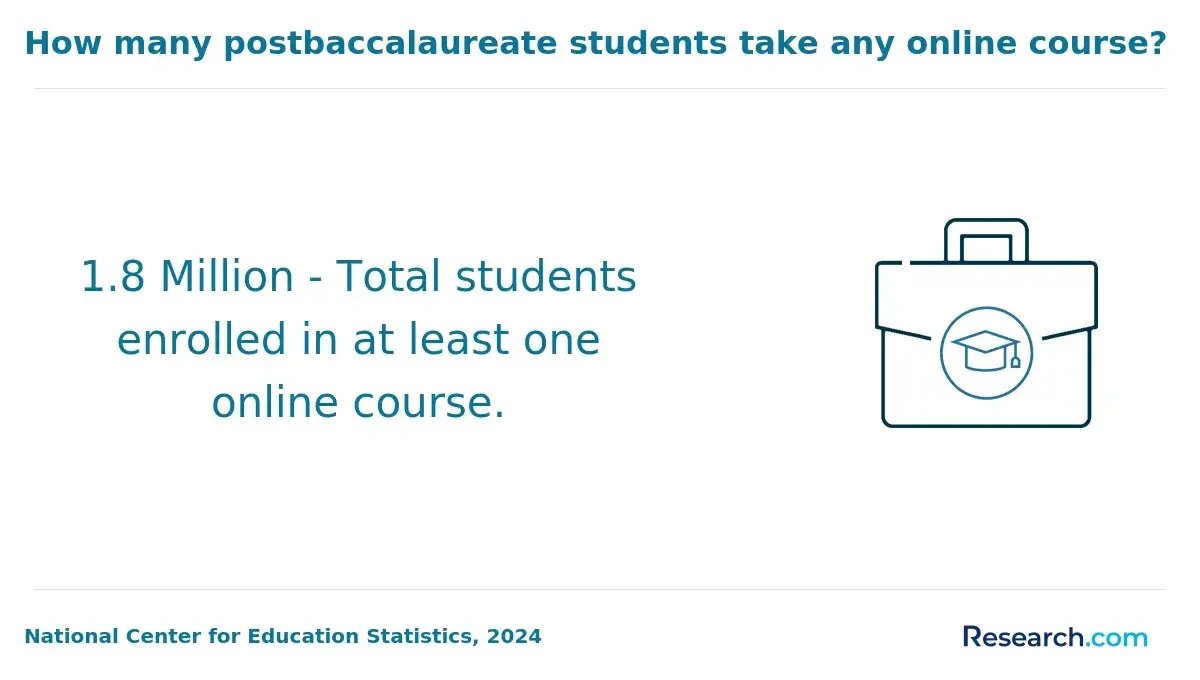
Balancing the demands of full-time work, family obligations, and advancing a career in adult mental health presents a high-stakes challenge for many aspiring professionals. With over 40% of graduate students enrolling in primarily online programs as reported by the National Center for Education Statistics in 2024, the shift toward flexible learning models reflects an essential adaptation to adults' tightening schedules and geographic constraints.
Yet, not all online psychology programs offer the specialized adult mental health concentration or clinical alignment employers prioritize, creating a critical decision point that impacts career mobility and licensure readiness. This article examines how to identify and navigate online psychology degrees with adult mental health concentrations to align education choices with workforce requirements and personal circumstances.
Key Things You Should Know
- Adult mental health concentrations in online psychology degrees show a 22% higher employment rate within 12 months post-graduation compared to general psychology tracks, emphasizing niche skill demand per National Center for Education Statistics 2024 data.
- Programs offering clinical practicum components online present delayed licensure pathways, adding 6-12 months to workforce entry versus in-person cohorts, reflecting employer prioritization of hands-on experience per APA findings.
- Average total costs for adult mental health online degrees exceed $45,000, with financial aid dependency inflating average student debt by 18%, influencing long-term career mobility and salary negotiation leverage per Federal Student Aid 2024 reports.
What is an online psychology - mental health degree with an adult mental health concentration?
Specializing in an online psychology degree with adult mental health specialization narrows clinical focus toward adult populations but resolves acute workforce demand in underserved areas. Graduates commonly deliver targeted interventions in community mental health centers, inpatient psychiatric units, and outpatient clinics where adult cases predominate. This focus reflects a practical tradeoff: enhanced employability within adult mental health roles versus reduced flexibility outside this niche.
The demand context is urgent-over 169 million Americans currently live in federally designated Mental Health Professional Shortage Areas, intensifying the need for practitioners trained specifically in adult psychopathology and related therapeutic modalities. These professionals face complex treatment challenges including frequently co-occurring substance use and chronic illness.
For working professionals, pursuing this adult mental health concentration in psychology programs online offers essential flexibility but requires proactive arrangement for practicum experiences at approved local facilities, a hurdle for some students. Employers favor candidates who combine rigorous clinical training with hands-on experience in adult-focused care.
For those considering an accelerated route to clinical expertise, exploring accelerated msn psychiatric np programs may provide alternative pathways focusing on advanced practice nursing roles in mental health.
Students must carefully evaluate program accreditation and alignment with state licensing requirements, as this specialization can streamline credentialing in adult mental health yet limit scope for broader psychology or general mental health positions.
How do online adult mental health psychology programs compare to campus-based options?
Choosing between online adult mental health psychology degree programs vs traditional campus programs hinges largely on clinical training access and employer expectations. While academic content and rigor are comparable, the primary divergence lies in practicum opportunities. Campus-based programs typically integrate supervised, hands-on clinical experiences within local facilities, aligning closely with state certification and employer prioritization. In contrast, online adult mental health psychology education compared to in-person classes offers scheduling flexibility but requires students to independently secure and verify practicum placements, often complicating timely licensure and skill development.
The employment outlook reflects an 18% growth rate for substance abuse, behavioral disorder, and mental health counselors through 2032, illustrating the sector's expanding need for qualified practitioners. Yet employers consistently favor candidates demonstrating continuous, verified practicum experience over purely didactic program completion. This preference amplifies post-graduation advantage for campus learners who benefit from embedded mentorship and peer engagement.
Consider a full-time worker in a rural area seeking a career pivot: an online Psychology - Mental Health program might offer critical accessibility, but the burden of arranging quality local supervision can delay workforce entry and licensure. These tradeoffs require prospective students to weigh flexibility against practical impediments.
In evaluating specialized pathways such as a forensic psychology major, scrutinizing clinical placement support and networking infrastructure is vital to ensure preparation matches professional standards without undue delay.
Are online psychology - mental health degrees with adult mental health concentrations accredited and reputable?
Degrees in accredited online psychology mental health programs with adult concentrations are non-negotiable for professionals targeting licensure and employment in clinical roles. Institutions recognized by entities like the American Psychological Association (APA) or the Commission on Accreditation of Rehabilitation Facilities (CARF) safeguard graduates' eligibility for state licensure, certification, and essential professional insurance. Without this, a degree-even from a reputable online adult mental health degree program-often fails to translate into qualifying credentials, limiting job prospects and undermining career pivots.
For example, substance abuse counselors and licensed clinical social workers must complete accredited coursework to meet licensure standards; this is not merely a bureaucratic hurdle but a practical barrier many overlook when transitioning from unrelated fields. Employers in healthcare, government, and social services consistently prioritize degrees with confirmed accreditation for adult mental health roles, particularly those involving direct clinical responsibility.
Students should scrutinize program accreditation and practicum support while accessing licensure exam pass rates and local clinical placement strategies. The workforce demand for qualified clinicians is expanding, as shown by data on growing enrollment in psychology degrees from bachelor's through doctoral levels. Still, online options vary widely in quality and practical value.
Prospective candidates can explore in-depth cost-efficient options, including online PhD counseling programs, ensuring alignment between educational investment and licensure pathway requirements.
What admission requirements do online adult mental health psychology programs typically have?
Admission criteria for online adult mental health psychology programs increasingly favor candidates with solid foundational coursework and measurable academic performance rather than broad professional narratives. Applicants typically need a bachelor's degree with a GPA between 2.75 and 3.5, emphasizing completed courses in psychology, statistics, and research methods that align with advanced adult mental health specialization. Programs focused on licensure routes impose added layers-such as state-specific clinical practicum requirements-which can pose logistical barriers for out-of-state students due to supervision mandates and the necessity to secure local internship sites.
Standardized tests like the GRE have declined in relevance but remain a hurdle in competitive or research-intensive programs. Letters of recommendation-usually two or three-from academic or clinical supervisors remain crucial for assessing readiness. For career changers entering this niche, provisional admission tied to prerequisite completion extends time to degree but offers a practical alternative to those without traditional backgrounds.
Costs for these degrees range roughly from $30,000 to $70,000, generally 10-30% lower than on-campus equivalents, but only meaningful if the candidate can meet these entrance benchmarks and clinical hour requirements (often a minimum of 1,000 supervised practicum hours). This financial and logistical pressure underscores the need for strategic choices tailored to one's long-term role in mental health services.
Understanding the required qualifications for adult mental health psychology degrees online can influence whether professionals pivot efficiently or face delays due to program mismatch. For those weighing options, reviewing comparative data on affordability and program structure, such as available at online counseling programs, adds an essential practical layer to decision-making.
How long do online psychology - mental health programs with adult mental health concentrations take to complete?
Programs in psychology - mental health with adult mental health concentrations vary significantly in duration based on degree level and enrollment status, directly impacting workforce readiness and employability. Associate and bachelor's degrees typically require 2 to 4 years, while master's degree programs often aim for 18 to 24 months full-time completion. Part-time study extends this timeline, sometimes beyond 3 years, accommodating working adults but delaying labor market entry.
Graduate certificates offer a faster pathway-6 to 12 months-but their limited clinical qualification utility means they may not meet licensure or employer expectations in healthcare or counseling roles. Programs incorporating clinical practicum or internships are especially pivotal since supervised hours add months to graduation timelines. Employers increasingly prioritize candidates with this supervised experience, recognizing the direct connection between practicum completion and practical competence.
Balancing accelerated versus extended program formats involves tradeoffs: faster degrees speed entry to meet urgent demand from an estimated 23.1% of U.S. adults experiencing mental illness, but risk restricting in-depth clinical training; longer programs allow comprehensive practice but may challenge working professionals juggling career and education.
Decision-making for prospective students hinges on evaluating how program length, practicum requirements, and employment goals align with real-world workforce needs and credentialing mandates in mental health fields.
What courses and practicum experiences are included in adult mental health psychology concentrations?
Pursuing an adult mental health psychology concentration demands targeted preparation beyond foundational coursework. Students must prioritize programs offering supervised clinical practicums in diverse settings, such as community mental health centers or VA hospitals, which reflect the workforce's varied demands. Clinical placement choices significantly impact skill development; for example, a clinician in a VA hospital faces complex comorbidities and trauma cases that differ from private practice or corporate Employee Assistance Programs, reinforcing the need for adaptable clinical competencies.
Key course components typically include Psychopathology, Cognitive Behavioral Therapy, Psychopharmacology, and trauma-informed care, focusing on prevalent adult disorders like depression, anxiety, bipolar disorder, and schizophrenia. However, merely completing these courses doesn't guarantee workforce readiness without rigorous practicum experience emphasizing risk assessment, crisis intervention, and managing co-occurring disorders.
Students must balance the tradeoff between academic load and practicum availability, as extensive clinical hours can prolong program completion. Additionally, practical training that involves working within multidisciplinary teams enhances collaboration skills, a critical employer expectation given that nearly one-quarter of U.S. adults aged 18-44 received mental health treatment last year, increasing service demand.
Ultimately, program selection should align closely with the candidate's intended work environment and employer benchmarks to facilitate timely and effective workforce integration amid evolving mental health care needs.
What are the tuition costs, fees, and financial aid options for online adult mental health programs?
Adult mental health online programs impose a high upfront investment, with tuition generally ranging from $500 to over $1,200 per credit hour. Doctoral candidates often face costs exceeding $60,000, while master's degrees typically range from $20,000 to $45,000. Beyond tuition, mandatory fees such as technology, library access, and practicum supervision add 5-15% to the financial burden, disproportionately affecting working professionals who rely on tight budgeting. For example, a Psy.D. student balancing full-time employment must factor these additional fees and extended time-to-degree when planning finances.
Financial aid is limited, relying heavily on federal Stafford and Grad PLUS loans, with graduate-level federal grants being rare. Some institutions offer discounts of 10-30% for clinicians employed by partner organizations, but tuition reimbursement agreements often involve obligations to remain with the employer, creating constraints on career mobility.
Salary returns reflect the significant cost: as of September 2025, median salaries stand at approximately $105,000 for Ph.D. holders and $96,000 for Psy.D. graduates. These figures vary significantly by geography, licensure status, and work setting, impacting loan repayment feasibility and long-term financial outcomes.
Practically, candidates should weigh both direct and indirect costs-including lost wages or relocation-before committing. Professional counseling on loan management aligned with licensure timelines and expected salary trajectories is advisable for realistic financial planning.
What careers can you pursue with an online psychology degree focused on adult mental health?
Adult mental health-focused psychology degrees typically serve as gateways into clinical counseling, social work, behavioral therapy, and psychiatric rehabilitation roles that demand targeted expertise. Graduates frequently fill positions as mental health counselors in outpatient clinics or community health centers, where they create treatment plans addressing adult depression, anxiety, and trauma. While clinical psychologist roles require additional licensure, the specialized training in adult mental health equips candidates for accurate differential diagnosis and evidence-based care.
Employers emphasize proficiency in adult psychotherapeutic methods aligned with licensure standards, making demonstrated clinical competencies critical for employability. Professionals transitioning from related social service fields can leverage this degree to access clinical jobs with median salaries typically between $47,000 and $79,000 annually, based on U.S. Bureau of Labor Statistics data.
Practical challenges include balancing practicum or supervised clinical hours, which often require physical presence, alongside the flexibility of online coursework. For example, programs like the University of Wolverhampton's MSc Psychology of Mental Health & Wellbeing offer comparatively lower tuition (£7,560 for full online) but may involve geographic constraints tied to licensure mandates. Deciding factors should also consider whether program structures accommodate state-specific clinical requirements.
Career paths extend beyond counseling to health services administration in agencies serving adults with chronic mental illnesses, requiring a blend of clinical insight and administrative oversight to improve care quality. This degree suits professionals in healthcare systems, correctional facilities, or elder care agencies pursuing roles demanding evidence-based adult mental health interventions and ethical clinical practice.
What are the salary expectations and job outlook for adult mental health professionals?
Salary expectations for adult mental health professionals in 2026 will vary significantly by role, licensure, and work environment, with typical ranges between $50,000 and $100,000 annually. Licensed clinical social workers generally start near $60,000, whereas psychologists and psychiatrists often earn over $90,000 according to 2024 federal labor data. Geographic and employer differences matter; public health agencies and community mental health centers usually offer more stable but lower salaries, while private practices and hospitals pay more but demand advanced credentials and fewer gaps in licensing.
For example, a psychologist working in a rural area may see fewer clients yet access loan repayment options and workforce stipends designed to address provider shortages documented through 2036. These shortages indicate ongoing demand that could intensify salary competition, especially in underserved regions.
Securing higher pay requires graduate-level training focused on adult mental health, completion of supervised clinical hours, and state licensure, all of which involve time and financial investment. Employers increasingly value experience with evidence-based therapies and integrated care models, making such expertise a practical prerequisite for advancement. Those who neglect these rigor requirements often face limited growth and capped earnings.
Retention strategies like flexible schedules and professional development are vital as the workforce grapples with chronic shortages. Prospective professionals should evaluate regional labor markets and credentialing pathways carefully to optimize career trajectory and job security in this evolving field.
How do licensing and certification work for adult mental health roles after an online degree?
Licensure for adult mental health roles after completing an online master's involves navigating state-specific requirements that extend beyond academic credentials. Although an accredited online degree satisfies educational prerequisites, graduates must complete extensive supervised clinical hours-ranging typically from 2,000 to 4,000-before licensure. For instance, California's Licensed Professional Clinical Counselor (LPCC) credential mandates 3,000 post-degree hours, which requires securing approved practicum or internship placements, a challenge for remote or underserved students lacking local supervisors.
States vary in their acceptance of online programs; some require CACREP accreditation for counseling degrees. Additionally, passing state licensure exams such as the National Clinical Mental Health Counseling Examination (NCMHCE) is essential. Employers prioritize candidates holding both licensure and certification, which signals applied competence rather than theory alone. Licensed master's-level counselors typically earn between $65,000 and $72,000, illustrating licensure's direct influence on income potential.
Prospective students must critically evaluate licensing demands early, including exam costs, continuing education, and supervision logistics. For example, a working adult might find scheduling required clinical hours difficult within employer timelines, potentially delaying license eligibility and weakening bargaining power during salary negotiations.
Other Things You Should Know About Psychology - Mental Health
Online programs with adult mental health concentrations often require balancing coursework, clinical practicums, and sometimes synchronous sessions while maintaining existing work or family commitments. Candidates should expect a demanding schedule, especially in programs that integrate live supervision or intense practicum hours. Prioritizing programs with flexible deadlines and asynchronous content can reduce risk of burnout and help maintain steady progress without sacrificing job performance.
Many online programs rely on students to secure local practicum sites, which means availability and quality of placements can vary widely by region. Programs with formal partnerships or strong clinical networks often provide more consistent supervision and client diversity, which employers value. Prospective students should prioritize programs that offer clear practicum support to avoid delays in completion or limited hands-on experience.
Focusing on adult mental health narrows job opportunities to settings serving adults, potentially excluding roles in child or adolescent populations, schools, or community youth services. However, this concentration delivers deeper expertise for adult-specific clinical roles, improving employability in hospitals, private practice, and behavioral health agencies. Professionals seeking broader employment options should weigh the benefits of specialization against the value of a generalist psychology degree before committing.
References
- Explore Psychology Degrees Online | Psychology.org https://www.psychology.org/online-degrees/
- Best Online Mental Health Counseling Psychology Programs https://mastersinpsychologyguide.com/articles/best-online-mental-health-counseling-psychology-programs/
- Master of Arts in Mental Health https://www.uoguelph.ca/programs/master-of-arts-in-mental-health/
- www.mastersinpsychology.com: Verifying that you are not a robot... https://www.mastersinpsychology.com/programs-by-subject/clinical-psychology/
- Psychology https://psychology.org
- Study psychology & mental health https://www.massey.ac.nz/study/find-a-subject-course-or-qualification/study-psychology-and-mental-health/
- Mental Health Counselor Job Outlook and Salary | Bradley University Online https://onlinedegrees.bradley.edu/blog/mental-health-counselor-job-outlook
- Psychology: Counseling & Health Psychology https://www.emmanuel.edu/academics/academic-study/schools/school-science-health/undergraduate-programs/psychology-neuroscience/psychology-counseling-health-psychology
- Uniform master’s studies https://www.amh.edu.pl/psychology/
- Guide to Master’s Degrees in Counseling Psychology https://onlinecounselingprograms.com/online-counseling-degrees/online-masters-in-psychology/counseling-psychology/