2027 Return on Investment of an Online Physics Bachelor's Degree: Salary vs Cost

Co-Founder and Chief Data Scientist
Imagine a working professional with a non-STEM background considering an online physics bachelor's degree to boost career prospects. The challenge-balancing tuition costs against potential salary gains-raises a critical question: does the investment justify the return? According to the U.S. Bureau of Labor Statistics, physicists earn a median annual wage of $129,850, which is significantly higher than the average for other bachelor's degree holders.
However, the upfront cost and time commitment of an online physics degree can be daunting. This article examines the salary outcomes versus costs of an online physics degree, guiding readers to make informed decisions about their educational investments.
Key Things to Know About the Return on Investment of an Online Physics Bachelor's Degree
- Average tuition for online physics bachelor's degrees ranges from $15,000 to $40,000-significantly lower than many traditional programs, helping reduce long-term debt burdens.
- Graduates earn median salaries around $70,000 annually, with growth potential in research, engineering, and technology sectors offering robust economic returns.
- The degree enhances career advancement, job security, and professional development-critical benefits that often outweigh immediate financial costs over time.
What is the true cost of earning an online physics bachelor's degree from enrollment to graduation?
The cost breakdown of an online Physics bachelor's degree includes several direct and indirect expenses that extend beyond tuition. These components are crucial for individuals on tight budgets or working professionals seeking advancement to assess the total financial outlay before committing.
- Tuition Sticker Price: For public institutions, gross tuition typically ranges from $8,000 to $30,000 annually, with private universities often charging more. This sticker price reflects the full amount before any financial aid is applied.
- Net Price After Aid: Students often pay significantly less due to scholarships, grants, and federal aid that can reduce costs by 20 to 50 percent. Utilizing net price calculators helps estimate personalized expenses for online Physics degree programs more accurately.
- Technology Fees: Online learners usually incur technology fees ranging from $200 to $600 per year to cover digital platforms, software licenses, and secure testing systems, which are common in rigorous STEM curricula.
- Textbooks and Materials: Specialized textbooks and lab materials for Physics can cost between $800 and $1,500 throughout the program. Many programs encourage rentals or digital options to help lower these costs.
- Proctoring and Exam Costs: Some courses charge per-exam proctoring fees of $30 to $75 to ensure exam integrity. Over a four-year course of study, these fees can accumulate to several hundred dollars.
Overall, the total estimated cost of earning an online Physics bachelor's degree-including all tuition and fees-typically falls between $25,000 and $70,000 after aid. This range offers students and career changers a realistic baseline to weigh against potential salary outcomes and long-term professional benefits.
For those exploring options, comparing this cost data with verified salary information from sources like the Bureau of Labor Statistics and additional analysis of career advancement and job security will provide a comprehensive view of return on investment. Students may also find it helpful to research various college programs to identify affordable paths that align with their goals.
How does the starting salary for physics bachelor's degree graduates compare to the total cost of the degree?
Graduates with a physics bachelor's degree often start in roles such as physicists, researchers, data analysts, and engineering technicians. Median entry-level salaries for these positions range from approximately $55,000 to $70,000 annually, depending on specialization and industry.
Considering the total cost of online physics degree programs-which varies widely by institution, residency, and financial aid-the investment can range from $20,000 to $60,000.
On average, in the best-case scenario where tuition is low and aid is substantial, the degree cost is equivalent to about 4 to 5 months of starting salary. In a worst-case scenario with higher tuition and limited aid, it may take 10 to 13 months of earnings to offset educational expenses. This comparison helps students gauge how quickly they might recoup their investment in an online physics degree.
It is crucial to remember that the starting salary for physics bachelor's degree graduates represents only the beginning of their earning potential. Over 5 to 10 years, median salaries typically grow substantially-often doubling-due to career advancement in research, engineering, and applied sciences. Such growth improves the long-term financial return on the degree and highlights the value of continued professional development.
For those exploring academic options, comparing financial and career benefits with other fields is wise. For example, exploring quality accelerated psychology programs may offer alternative pathways with different costs and salary prospects.
- Starting Salary Range: Entry-level physics graduates earn between $55,000 and $70,000 annually, depending on job role and sector.
- Degree Cost Variation: Online physics degree costs range from $20,000 to $60,000 influenced by tuition and aid availability.
- Payback Period: Degree costs equate to roughly 4-5 months of salary in low-cost scenarios and up to 13 months in higher-cost situations.
- Salary Growth Potential: Earnings often increase significantly within 5-10 years, improving long-term financial outcomes.
- Financial Planning Importance: Selecting affordable programs and securing aid reduces debt and maximizes early career earnings.
What is the average return on investment (ROI) for an online physics bachelor's degree over a 10-year career?
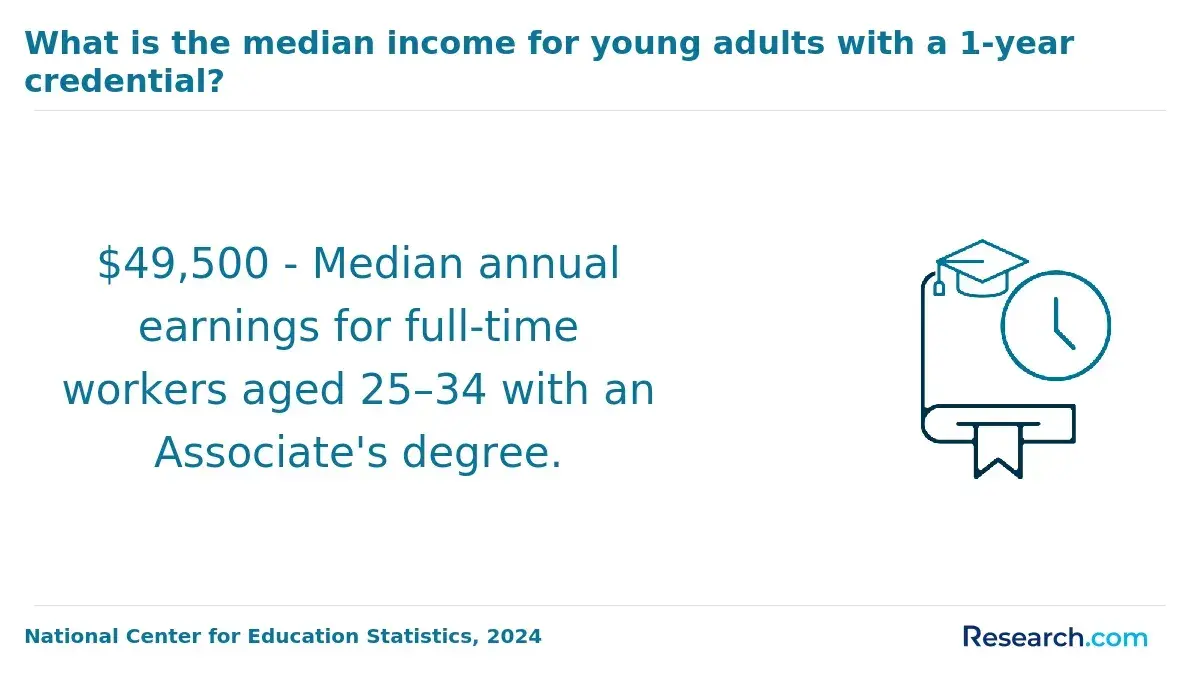
Return on investment (ROI) in higher education is calculated by subtracting the total cost of earning a degree from the additional income gained over a decade compared to someone with a high school diploma or associate degree in the same field.
According to the Georgetown University Center on Education and the Workforce and PayScale's College ROI Report, this formula helps measure the long-term financial benefit of a bachelor's degree.
For example, using Bureau of Labor Statistics data, a physics bachelor's graduate starts with an average salary of about $65,000 annually. Assuming a steady 3% yearly raise, their total earnings over 10 years sum to approximately $750,000.
Meanwhile, a worker with only a high school diploma might start at $40,000 and with the same raise pattern reach around $491,000 in the same period.
The average cost for an online physics bachelor's program ranges from $40,000 to $60,000. After subtracting these expenses, graduates still experience a substantial net gain in earnings when compared to those without a bachelor's degree.
This gain often exceeds the national average ROI for all bachelor's degrees, which experts estimate between $250,000 and $300,000 over ten years.
- Strong Income Premium: Physics graduates earn considerably more than those with lower qualifications, creating a firm financial advantage despite upfront degree costs.
- Affordable Investment: Online physics programs typically have moderate tuition costs, improving ROI appeal for students mindful of their budgets.
- Salary Growth: Consistent annual raises build a cumulative effect that boosts total lifetime earnings.
- Above-Average ROI: The physics degree often delivers returns that surpass the average financial benefits of a bachelor's degree nationwide.
A professional who completed an online Physics bachelor's degree after evaluating its cost against long-term earnings shared their experience. They recalled feeling cautious initially, carefully budgeting and researching wage data to confirm the degree's value. "Balancing work, study, and finances was challenging," he explained, "but knowing the likely financial payoff made it worth pushing through."
The flexibility of the online program helped manage these pressures, allowing steady progress. Ultimately, the decision to invest in this degree aligned with his goal to secure a stable career and better income prospects, turning initial uncertainty into confidence.
How do online physics program tuition rates compare across public, private, and for-profit institutions?
Online physics degree tuition at public universities is generally the most budget-friendly option, especially for in-state students. Many offer flat-rate online tuition fees between $6,000 and $12,000 annually regardless of residency. These programs provide access to established faculty and resources, which often translates into better career prospects and a higher return on investment compared to other institution types.
Tuition costs at private nonprofit universities typically range from $15,000 to $30,000 per year. Although pricier, these programs often boast smaller classes and enhanced support services. Additionally, they usually have higher graduation rates than for-profit colleges, contributing to improved long-term ROI.
For-profit colleges may promote lower sticker prices, sometimes matching or undercutting public university fees. However, they frequently report lower graduation rates and face skepticism among employers about degree quality. These factors can hinder salary growth and career advancement, reducing overall financial returns despite the lower upfront tuition.
For first-generation college students, working adults, or career changers evaluating online physics degree tuition costs by institution type, it is vital to consider these trade-offs. Lower tuition does not always guarantee the best ROI if career outcomes, such as graduation success and employer perception, are weaker.
Programs at public and reputable private nonprofits typically provide a more reliable foundation for sustainable career growth and job security. For those interested in accelerated studies or career advancement options, researching programs like the fastest business degree online can offer useful insights into flexible, timely education paths.
What long-term salary growth can physics bachelor's degree holders expect over a 20- to 30-year career?
Early career salary increases for physics bachelor's graduates tend to be steady, with starting wages between $50,000 and $65,000 and annual raises around 5% as skills develop. After about five years, many see a faster rise, moving into specialized research or senior technical roles where pay often climbs into the $75,000 to $95,000 range.
This phase often coincides with earning additional certifications or graduate degrees that enhance career prospects.
- Early Career Growth: Initial years focus on building core competencies, with salaries gradually increasing as professionals gain experience and industry knowledge.
- Mid-Career Acceleration: Between 5 and 10 years, salary growth accelerates due to promotions and advanced roles, reflecting deeper expertise and responsibility.
- Experienced Leadership Roles: With 10 to 15 years of experience, many physics graduates assume leadership or project management positions, earning between $90,000 and $120,000.
- Late Career Peak Earnings: After 15 years, senior positions like principal scientist or technical director can command $120,000 to over $150,000 annually, driven by accumulated expertise and professional networks.
- Cumulative Earnings Premium: Over a 20- to 30-year career, physics degree holders often earn more than $1 million extra compared to workers without degrees in similar technical fields.
- Non-Salary Benefits: Job security, access to innovative projects, and ongoing professional development contribute significantly to long-term career satisfaction.
A professional who built his career after completing an online physics bachelor's degree shared that balancing work, studies, and family was challenging but rewarding. He noted that the flexibility of the online program allowed him to steadily improve his skills without sacrificing income, which was crucial during pivotal career moments.
"It wasn't easy managing deadlines and demanding projects simultaneously," he reflected, "but earning that degree opened doors to leadership roles I hadn't imagined." His experience shows how disciplined effort combined with accessible education can lead to sustained career advancement and financial growth over decades.
How does the ROI of an online physics bachelor's degree compare to an associate degree or a professional certificate?
Pursuing an online physics bachelor's degree usually involves about four years of study and higher expenses, ranging between $40,000 and $60,000 in total tuition and fees, according to IPEDS. In comparison, associate degrees cost significantly less, typically between $15,000 and $25,000, while professional certificates, which can be completed in a few months, often range from $2,000 to $5,000.
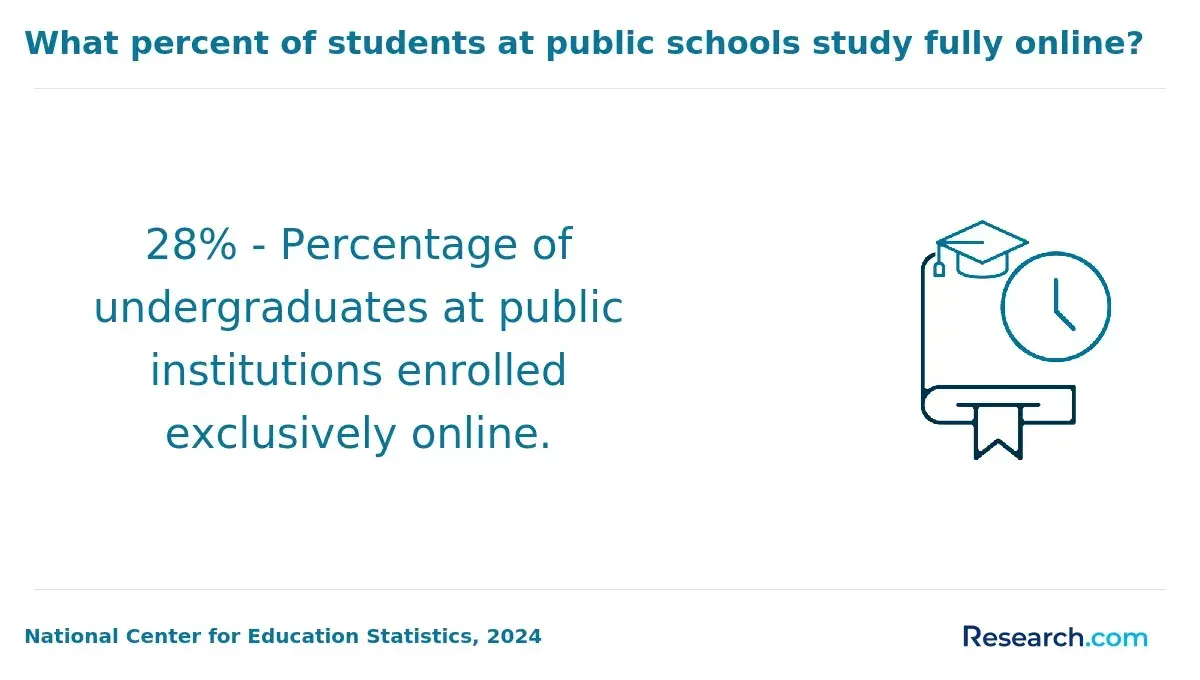
Median annual earnings for those holding a physics bachelor's degree stand near $85,000, based on BLS data. Individuals with associate degrees in related fields earn around $45,000, and those with certificates generally make closer to $35,000.
For those needing quick workforce entry or with limited finances, certificates or associate degrees allow for faster certification and earlier income generation with lower initial costs. Such credentials are well suited for roles like technicians, lab assistants, or other entry-level positions requiring specialized skills but not a full degree.
Although earning a bachelor's degree demands a larger upfront investment, it typically yields greater earning growth, broader employment possibilities, and enhanced job stability.
Graduates with physics bachelor's degrees are more likely to secure management, research, or engineering roles that value advanced qualifications.Additionally, higher degree levels often come with expanded professional development and networking chances that support career progression.
Prospective students should evaluate their current financial circumstances, career objectives, and timing. Those prioritizing rapid employment or constrained by budget may favor certificates or associate degrees. Conversely, individuals targeting long-term career growth and higher salary potential often benefit most from investing in a physics bachelor's program.
Which online physics specializations or concentrations yield the highest earning potential after graduation?
Specializing within an online Physics bachelor's degree can substantially affect earning potential post-graduation. According to data from the Bureau of Labor Statistics (BLS), graduates with specialized tracks usually command higher salaries than those with generalist physics degrees, though some concentrations may require extra certification or education, adding to the overall investment.
- Applied Physics: Graduates often work in engineering, technology development, or manufacturing. Median annual salaries for roles like applied physicists and engineering technicians typically range from $75,000 to $95,000. These positions usually don't require licensure, enabling faster returns on investment for students balancing costs and work.
- Medical Physics: Involves healthcare technologies and radiation, with median salaries often exceeding $110,000 according to BLS data. However, this field usually demands additional certification, such as board certification from the American Board of Radiology, increasing both time and financial investment.
- Astrophysics and Astronomy: Although engaging, this track tends to offer lower starting salaries-around $65,000. Many roles are in academia or research institutions, often requiring advanced degrees and grant funding, potentially delaying immediate financial benefits.
- Computational Physics: Focuses on data analysis, simulations, and software development, with median earnings between $80,000 and $100,000. This path often doesn't require further certification, appealing to those with programming skills seeking salary growth in tech-driven sectors.
Choosing the right specialization involves balancing career goals, prior skills, and budget constraints. Specializations with certification requirements can lead to higher salaries and job security but come with greater upfront costs and longer time-to-ROI.
Tracks like applied and computational physics typically provide quicker paths to stable employment and competitive wages, making them suitable choices for first-generation college students, working professionals, or career changers focused on both financial returns and career advancement.
How do employer tuition reimbursement and financial aid reduce the net cost of an online physics bachelor's degree?
Employer tuition reimbursement programs can dramatically lower the net cost of an online physics bachelor's degree by offsetting expenses students might otherwise pay out of pocket. Under IRS Section 127, employers may provide up to $5,250 per year in tax-free educational assistance, making tuition benefits accessible without increasing taxable income.
This incentive drives many companies to support employees pursuing degrees while working, improving affordability and allowing students to maintain steady income.
According to data from the Society for Human Resource Management (SHRM), approximately 50% of U.S. employers offer tuition assistance programs. These benefits often cover full or partial tuition and may require maintaining a specific GPA or continuing employment for a designated period after graduation. Beyond tuition, some employers also reimburse fees and textbooks, further reducing the financial burden for the working student.
Federal and institutional financial aid combine with employer programs to make online physics degrees even more affordable. Grants, scholarships, and subsidized loans, such as Pell Grants and Direct Subsidized Loans, significantly lower net tuition by reducing the amount students must repay or wait to accrue interest. Many merit- and need-based scholarships target physics students, making degrees accessible to those with limited resources.
For instance, a student facing $12,000 in annual tuition could receive $5,250 in employer reimbursement plus $4,500 in federal grants and scholarships. This lowers the effective yearly cost to $2,250, totaling roughly $9,000 over four years instead of $48,000.
This substantial reduction enhances the return on investment by increasing degree affordability without compromising quality. Working professionals might also explore accelerated options like the 6 month masters degree programs for quicker advancement.
- Employer Benefits: Many employers offer tuition reimbursement up to $5,250 annually under IRS rules, directly decreasing the out-of-pocket cost for an online physics degree.
- Prevalence of Tuition Assistance: Around half of U.S. employers provide education benefits, enabling students to balance degree completion alongside full-time work.
- Federal Aid Impact: Federal grants and subsidized loans greatly reduce net tuition expenses, with Pell Grants providing non-repayable funding support.
- Institutional Scholarships: Merit- and need-based scholarships help further lower tuition costs, expanding financial access for online physics bachelor's degree students.
- Worked Example: Combining employer tuition reimbursement with federal aid, students can cut the cost of a physics degree to less than 20% of the sticker price, vastly improving affordability and financial return.
What hidden costs should students factor into the total investment of an online physics bachelor's degree?
When evaluating the return on investment (ROI) of an online physics bachelor's degree, students should carefully consider additional expenses beyond tuition that frequently go unaccounted for. Technology fees, for instance, typically range from $200 to $500 annually and cover access to learning management systems and technical support. Exam proctoring services may cost between $30 and $50 per test, summing to hundreds of dollars across numerous semesters.
Graduation fees, which cover diploma and transcript processing, usually add $100 to $200. Some physics courses require specialized software licenses or virtual lab subscriptions that increase semester costs by $100 to $300. Furthermore, while professional organization memberships are often optional, they can become necessary for networking and career advancement, costing anywhere from $50 to $150 per year.
These indirect costs impact return on investment for online physics degree programs by increasing the total amount invested and delaying the timeline before salary gains outweigh educational spending.
A realistic estimate of hidden costs ranges from $1,000 to $3,000 over the duration of the degree. Students budgeting on tight finances must request a comprehensive cost-of-attendance breakdown from institutions rather than relying solely on advertised tuition. This detailed accounting is essential to avoid financial surprises and better understand the true investment required.
- Technology Fees: Many online programs charge mandatory digital platform and support fees, adding hundreds of dollars yearly to total expenses.
- Exam Proctoring Costs: Online exams require paid proctoring, which accumulates significantly over multiple semesters.
- Software and Lab Licenses: Specialized physics software or virtual labs bring additional semester-based fees.
- Graduation and Administrative Fees: One-time charges for diploma and transcript processing affect final costs unexpectedly.
- Professional Memberships: Although optional, memberships are often necessary for career development, adding annual expenses.
For those exploring further education, considering what masters program should I do is a strategic question affecting long-term ROI and career trajectory.
How does the accreditation status of an online physics program affect graduate salary and employability?
Regional accreditation applies to entire colleges and universities and is widely regarded as the highest quality benchmark in U.S. higher education. Programmatic accreditation, however, focuses on individual academic programs, such as physics, ensuring that the curriculum and faculty meet discipline-specific standards.
Employers often prioritize degrees from regionally accredited institutions, associating them with stronger academic preparation and reliability.
Data from the National Association of Colleges and Employers (NACE) reveals that hiring managers consistently favor candidates who graduate from regionally accredited programs, typically offering them higher starting salaries and broader career prospects.
Graduates holding degrees from schools lacking this accreditation-or only nationally accredited-may encounter skepticism in the job market, which can reduce earning potential.
Accreditation also plays a crucial role in eligibility for professional licensure exams, admission to competitive graduate programs, and qualification for certain public sector and healthcare positions. Without recognized accreditation, graduates may face barriers in these areas that hinder career progression.
Prospective students should verify accreditation status through the U.S. Department of Education's accreditation database and the Council for Higher Education Accreditation (CHEA) before committing to any physics program.
- Regional vs. Programmatic Accreditation: Regional accreditation covers the entire institution's academic quality, while programmatic accreditation evaluates specific disciplines to ensure specialized rigor and relevance.
- Employer Hiring Preferences: NACE survey data shows employers favor candidates from regionally accredited programs, often resulting in better salary offers and job opportunities.
- Licensure and Graduate School Access: Many licensure boards and graduate schools require degrees from accredited programs, limiting options for those from unaccredited or nationally accredited-only schools.
- Impact on Career Opportunities: Government and healthcare jobs typically mandate accredited degrees, so attending an unaccredited program can restrict employment possibilities in these sectors.
- Verification Resources: Use the U.S. Department of Education and CHEA databases to confirm a program's accreditation status before enrollment.
What entry-level job titles and salary ranges are available to graduates of online physics bachelor's programs?
Graduates holding an online physics bachelor's degree often secure diverse entry-level positions across sectors that vary widely in pay and growth potential. These roles provide practical benchmarks for evaluating the financial return from the degree.
- Research Assistant: Common in academic and government laboratories, starting pay ranges between $40,000 and $55,000, with federal labs and tech firms offering higher wages.
- Engineering Technician: Found in manufacturing, aerospace, and automotive industries, salaries typically start at $45,000 to $60,000. Advancement is linked to technical certifications and additional training.
- Data Analyst: Strong demand from finance, healthcare, and tech sectors drives starting salaries from $50,000 to $65,000. Experience with programming languages like Python or R enhances earning potential.
- Quality Control Specialist: Entry-level roles in pharmaceuticals, technology, and manufacturing offer pay between $42,000 and $58,000.
- Technical Sales Specialist: Initial compensation ranges from $48,000 to $65,000 in tech and industrial sales. Communication skills and physics expertise boost income prospects.
- Environmental Consultant: Government and private sector agencies provide starting salaries from $45,000 to $60,000. Certifications such as EIT improve opportunities.
- Physics Teacher (Secondary Education): Entry salaries range from $40,000 to $55,000, varying by region and district; advanced degrees or teaching credentials increase pay.
- Software Developer (Entry Level): Salaries begin near $60,000 to $75,000, particularly for those with strong coding skills and relevant internship experience in technology firms.
Internships, specialized certifications, or focused academic concentrations like computational physics or engineering significantly impact entry salaries and career trajectories. Positions within tech and finance typically enable faster tuition cost recovery, accelerating investment returns. Evaluating salary ranges alongside personal interests helps ensure financial goals align with career choices and investment in education.
What Graduates Say About the Return on Investment of Their Online Physics Bachelor's Degree
- Otis: "When I chose the online physics bachelor's degree, I carefully evaluated the ROI and found it to be a perfect balance between affordable tuition and quality education. The flexibility allowed me to continue working full-time while studying, which meant I didn't miss out on income during the program. Beyond the financial aspect, gaining advanced knowledge opened doors to more secure and rewarding career paths I hadn't considered before."
- Ronan: "Reflecting on my experience, the non-financial returns of the online physics degree truly stand out. The program significantly boosted my confidence and analytical skills, which translated into leadership roles at my workplace. This degree isn't just a credential-it's a transformational journey that enhanced my job security and positioned me as a valuable asset in a competitive field."
- Brooks: "Pursuing my physics bachelor's online was a strategic career move that expanded my professional opportunities beyond what I anticipated. The program's rigorous curriculum prepared me to tackle complex challenges and made me more marketable to employers. Looking back, the investment in time and resources has yielded sustained career growth and a steady increase in earning potential."
Other Things You Should Know About Physics Degrees
Generally, graduates of online Physics bachelor's programs can expect to recover their educational investment within 5 to 8 years, depending on tuition costs and starting salaries. Entry-level positions in physics and related fields often begin with salaries ranging from $50,000 to $65,000 annually, which can grow steadily. Higher-paying roles or advanced positions shorten this payback period, especially if the program was affordable and the graduate takes advantage of internships or research opportunities to increase employability.
Salary outcomes for physics graduates vary significantly by geographic region and industry sector. Graduates employed in technology hubs or metropolitan areas tend to earn higher salaries due to demand and cost of living adjustments. Industry sectors like aerospace, research and development, and engineering offer higher average salaries compared to education or government roles. Understanding local market trends is crucial when estimating ROI for an online Physics degree, as wages in rural or less industrialized areas may be substantially lower.
Current employer surveys and labor market analyses highlight that a Physics bachelor's degree is valued for its strong analytical and problem-solving skills. Many employers in STEM sectors report difficulty finding qualified candidates, which maintains steady demand for physics graduates. Furthermore, labor market data from national sources indicate favorable employment rates and salary growth for physics degree holders, confirming the degree's viability as a solid financial and career investment.
References
- Guidance for online BSc in Physics https://www.physicsforums.com/threads/guidance-for-online-bsc-in-physics.775345/
- Online College Tuition Comparison: Online vs. In-Person https://www.uagrantham.edu/blog/online-college-tuition-comparison-online-vs-in-person/
- Online Physics Degrees: Are They Useful in Today’s Scenario? https://www.allassignmenthelp.com/blog/online-physics-degrees-in-todays-scenario/
- The Truth About ‘Free’ and Low-Cost Online Colleges: Catches and Hidden Costs to Consider https://www.investopedia.com/the-truth-about-free-online-colleges-catches-and-hidden-costs-to-consider-11789310
- Does College Pay Off? A Comprehensive Return On Investment Analysis - FREOPP https://freopp.org/whitepapers/does-college-pay-off-a-comprehensive-return-on-investment-analysis/
- 5 Great Physics Concentrations - The Best Master's Degrees https://www.bestmastersdegrees.com/lists/5-great-physics-concentrations/
- Online Physics Degrees: Are They Useful Today? https://www.assignnmentinneed.com/blog/online-physics-degrees-are-they-useful-today
- Employer-offered educational assistance programs can help pay for college | Internal Revenue Service https://www.irs.gov/newsroom/employer-offered-educational-assistance-programs-can-help-pay-for-college