2027 Self-Paced Online Physics Bachelor's Degree Programs

Co-Founder and Chief Data Scientist
Professionals holding unrelated degrees often struggle to find flexible, accredited pathways to enter the physics field without pausing their careers. Traditional on-campus programs demand fixed schedules, making it difficult for working adults to commit. Recent data reveals that 38% of students enrolled in self-paced online physics bachelor's programs are adult learners balancing employment and education simultaneously.
Such programs offer the adaptability necessary for continuous professional and personal obligations. This article explores the benefits, challenges, and key considerations of pursuing a self-paced online physics degree, guiding readers to make informed decisions and successfully transition into the physics industry.
Key Benefits of Self-Paced Online Physics Bachelor's Degree Programs
- Self-paced online physics bachelor's programs offer unparalleled flexibility for working professionals, enabling course completion around job schedules without compromising career responsibilities.
- These programs accelerate skill acquisition by allowing students to progress rapidly through mastery-based modules, often shortening typical degree timelines by up to 30%.
- Cost-effective pathways emerge through reduced campus fees and eligibility for financial aid, making accredited physics degrees more accessible without sacrificing educational quality.
What Are Self-Paced Online Physics Bachelor's Degree Programs, and How Do They Differ From Traditional Online Formats?
Self-paced online physics bachelor's degree programs enable students to advance through coursework independently, without adhering to fixed academic calendars. Unlike traditional cohort-based or asynchronous-but-scheduled formats, these programs offer open enrollment and flexible timelines that accommodate learners' personal and professional commitments. This approach supports a flexible competency-based physics degree online, where students demonstrate mastery before moving forward, rather than progressing through timed semesters.
These programs typically use milestone-based progression, meaning students unlock new units by completing assessments, enabling a customized pace that suits individual schedules. Traditional online degrees require students to follow semester deadlines with structured interaction, including live sessions and group discussions. In contrast, self-paced learning demands stronger self-discipline and time-management skills because instructor engagement is more limited, acting primarily as a guide or resource upon request. Accountability is maintained through competency checks and progress tracking integrated into the learning platform.
Key features of self-paced programs include:
- Open Enrollment: Students can start at any time without waiting for traditional semester dates, allowing year-round access to education.
- Flexible Timelines: Learners set their own schedules, which is particularly beneficial for working professionals balancing multiple responsibilities.
- Milestone-Based Progression: Advancement depends on skill mastery demonstrated through assessments rather than meeting fixed deadlines.
- Target Audience: Ideal for non-traditional students and those seeking maximum scheduling freedom without sacrificing educational quality.
Competency-based education models also often permit transfer credits and prior learning assessments, potentially shortening completion time and reducing costs. Financial aid eligibility is generally available, enabling broader access for students. For those exploring flexible degree options, this model is increasingly popular among working adults and first-time college enrollees seeking the benefits of self-paced online physics bachelor's programs.
Prospective students looking for comprehensive options may also consider the best associate degrees, which can serve as a cost-effective stepping stone toward a bachelor's degree in physics or related STEM fields.
Which Accredited Institutions Offer Self-Paced Online Physics Bachelor's Degree Programs?
The landscape of accredited self-paced online physics bachelor's programs in the United States has expanded notably, catering to working professionals and non-traditional students seeking flexible options. These top flexible institutions for online physics bachelor's degrees with self-paced options offer competency-based education models that allow learners to progress by demonstrating mastery, taking advantage of transfer credits, and prior learning assessments to accelerate completion time.
- Western Governors University (WGU): WGU's Bachelor of Science in Physics utilizes a competency-based model with subscription tuition charged at around $3,720 per six-month term. Accredited by the Northwest Commission on Colleges and Universities (NWCCU), students often complete their degrees in three to four years, depending on prior credits and effort.
- Southern New Hampshire University (SNHU): SNHU offers an asynchronous Bachelor of Science in Physics with tuition approximately $320 per credit hour. It is accredited by the New England Commission of Higher Education (NECHE). Completion generally takes about four years but can be expedited through credit transfers and accelerated courses.
- Capella University: Capella's FlexPath subscription model charges $2,500 per quarter for its Bachelor of Science in Information Technology with a Physical Sciences specialization. The flexibility encourages rapid progression, with accreditation from the Higher Learning Commission (HLC) and varied completion times based on individual pace.
- Regent University: Regent's fully online Bachelor of Science in Applied Physics offers courses in eight-week terms, charging about $525 per credit hour. Accredited by the Southern Association of Colleges and Schools Commission on Colleges (SACSCOC), students usually finish in four years but can accelerate through prior learning credits.
- Thomas Edison State University (TESU): TESU provides a self-paced Bachelor of Science in Physics focused on adult learners, charging $398 per credit hour. With accreditation from the Middle States Commission on Higher Education (MSCHE), the program emphasizes transfer and experiential learning assessments, often leading to completion in three to five years.
Prospective students should evaluate each program's tuition model, transfer credit policies, and financial aid options to make informed decisions. For individuals prioritizing affordability alongside flexibility, exploring affordable online master's programs and bachelor's pathways can also reveal valuable options.
2026 Update: Lab Access and Hands-On Requirements
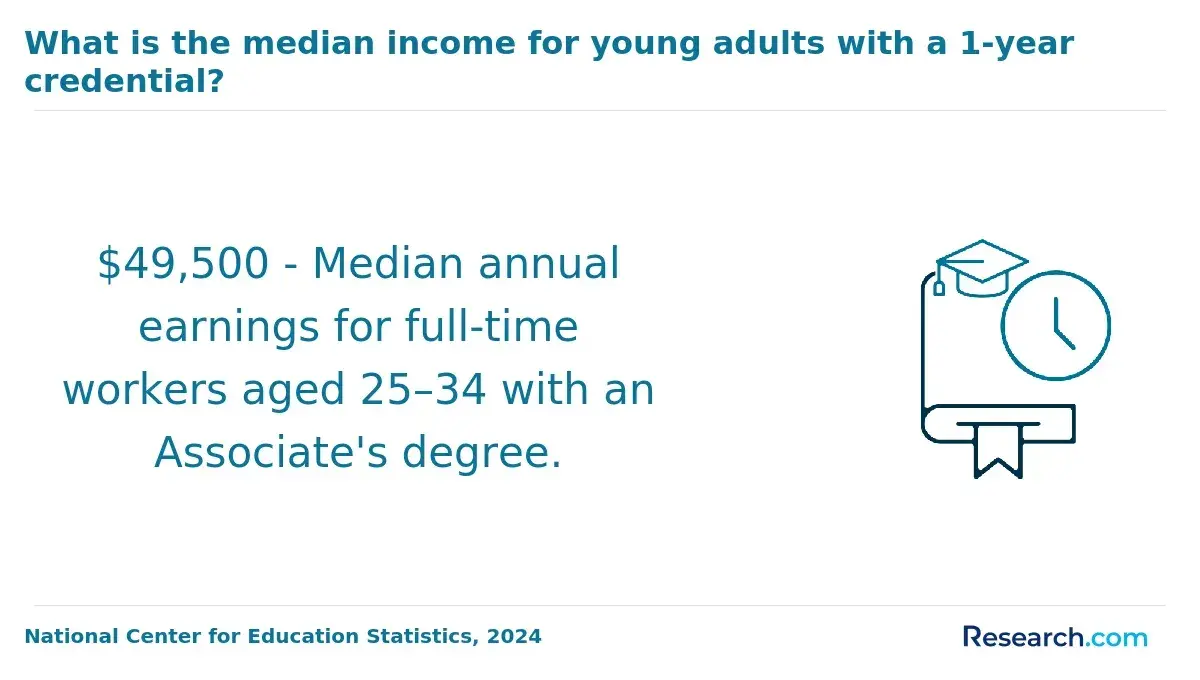
This 2026 update adds a closer look at how self-paced online physics programs handle experiments, lab verification, and practical skill-building without requiring a traditional campus schedule.
- Whether required labs are completed through home lab kits, virtual simulations, campus visits, or approved local facilities
- How often in-person or synchronous lab sessions are required, if at all
- What equipment, software, webcam, or measurement tools students must provide
- How lab safety training and documentation are handled for remote learners
- Whether proctored exams, live demonstrations, or recorded experiment submissions are required
- How lab courses affect pacing, especially if materials are shipped or sessions are offered only at set times
Checking these details early helps students choose a flexible physics program that still provides the hands-on preparation needed for advanced study, technical roles, or career transition.
How Long Does It Take to Complete a Self-Paced Online Physics Bachelor's Degree?
Completion times for self-paced online physics bachelor's degree programs range widely. Motivated students can finish in as little as two years, though most take four to six years. Data from the National Center for Education Statistics (NCES) shows the average completion time for STEM bachelor's degrees is about 4.5 years, providing a useful benchmark for physics students.
- Prior Credits: Transfer credits or previously completed relevant courses can substantially shorten the path to graduation. Some programs accept up to 90 transfer credits, so students focus mainly on advanced physics and related coursework.
- Transfer Coursework: Credits from accredited community colleges or universities reduce the total requirements. Understanding these policies early helps students plan a smoother, faster route.
- Weekly Time Investment: The speed of progression depends heavily on weekly dedication. Those balancing full-time work may extend their studies, while investing 20-30 hours a week often accelerates completion.
- Prior Learning Assessments: Credit for demonstrated competency through exams or portfolios can speed up finishing the degree by validating existing knowledge.
- Support Services: Academic advising and tutoring provide essential guidance, helping students establish realistic timelines, maintain steady progress, and avoid common pitfalls.
One professional who enrolled in a self-paced online physics bachelor's program shared that balancing a demanding work schedule and family obligations was challenging. "I had to adjust my expectations continuously," he explained, noting that frequent consultations with advisors helped him stay focused and revise his timeline realistically. He also found that submitting portfolios for prior experience avoided retaking foundational courses, which he described as a "game changer" in shortening his studies. Despite occasional stress, he valued the ability to tailor pacing around life's unpredictability-"It wasn't about rushing but making steady, consistent progress on my own terms."
What Are the Admission Requirements for Self-Paced Online Physics Bachelor's Degree Programs?
High School Diploma or GED: Admission into self-paced online physics bachelor's degree programs generally requires either a high school diploma or a GED certificate to ensure foundational academic preparation for college courses.
Minimum GPA Requirements: While many programs ask for a GPA between 2.5 and 3.0 on a 4.0 scale to confirm readiness, several open-enrollment options waive strict GPA criteria, making them accessible to non-traditional students or those returning after a break.
Prerequisite Coursework: Applicants may need to have completed courses in algebra, geometry, trigonometry, or introductory science subjects, providing the essential math and science background essential for success in physics.
Open-Enrollment vs. Selective Admission: Many self-paced physics programs use rolling admissions or open-access policies, reducing entry barriers and accommodating transfer credit policies for physics bachelor's programs. In contrast, selective programs may require transcripts, standardized tests, or recommendation letters but often offer more personalized academic support.
Academic Support Differences: Selective programs typically provide enhanced tutoring, mentoring, and advising, which can benefit students needing additional help. Open-enrollment programs emphasize flexibility and independent learning, appealing to highly motivated students with strong self-discipline.
Application Strengthening Tips: If minimum criteria aren't met, applicants can improve their chances by completing relevant online courses, showcasing STEM-related work experience, or submitting a compelling personal statement outlining goals. Many programs also accept prior learning assessments to complement transfer credits.
For further insight on flexible graduate education, consider exploring the best data science masters.
How Much Does a Self-Paced Online Physics Bachelor's Degree Cost, and What Affects Tuition?
Tuition Models: Self-paced online physics programs often charge by the credit hour, typically between $300 and $600 per credit, though some institutions offer flat-rate subscription pricing allowing unlimited course access for a set period. The subscription option benefits faster learners who can complete courses quickly, while per-credit charges suit students pacing themselves more slowly.
Program Duration: Students control their progress, which directly impacts total cost. Accelerated completion under subscription plans keeps expenses lower, whereas extended enrollment raises cumulative tuition, especially with monthly or quarterly fees.
Additional Fees: Beyond tuition, expect extra costs such as technology fees ranging from $50 to $200 each term and exam proctoring fees around $30 to $100 per test. These charges are often overlooked but contribute to the overall financial commitment.
Course Materials: Online physics degrees usually require purchasing textbooks, digital content, or specialized software. These materials can add several hundred dollars to the total cost over the duration of the degree.
Credit Transfers and Prior Learning: Programs that accept transfer credits or recognize previous relevant experience reduce the number of required credits, thus lowering tuition fees. This flexibility is especially advantageous for working professionals with prior coursework or associate degrees.
Financial Aid Access: Accreditation status and enrollment type affect eligibility for federal and institutional aid. Choosing an approved, aid-compliant program can help offset expenses and improve affordability throughout the degree completion.
A professional who completed a self-paced online physics bachelor's degree shared that managing the pace was both a challenge and a relief. "Balancing work and studies meant sometimes speeding through courses and other times slowing down," she explained. She noted unexpected fees caught her off guard initially, but good planning prevented surprises. "The ability to apply prior credits saved me months and a lot of money," she said. Her experience highlights that careful research and flexible pacing are key to making the degree financially manageable without sacrificing quality or progress.
What Financial Aid Options Are Available for Self-Paced Online Physics Bachelor's Programs?
Federal, state, and institutional financial aid options for self-paced online physics bachelor's programs offer varied support tailored to non-traditional learners. Federal aid eligibility, especially for competency-based education (CBE) programs, depends heavily on how schools define credit hours and active participation. According to the U.S. Department of Education, programs must meet specific federal criteria related to Title IV aid eligibility, so verifying details directly with financial aid offices is essential before enrollment.
State financial aid policies differ widely-while some states restrict eligibility to traditional semester formats, others accommodate continuous enrollment models common in self-paced programs. Institutional assistance such as grants, scholarships, and flexible payment arrangements often specifically target online physics students to help reduce expenses.
Professional organizations in physics, including the American Physical Society and the Society of Physics Students, provide scholarships aimed at undergraduates enrolled in physics degrees online. These awards often prioritize academic performance and community involvement within the physics field.
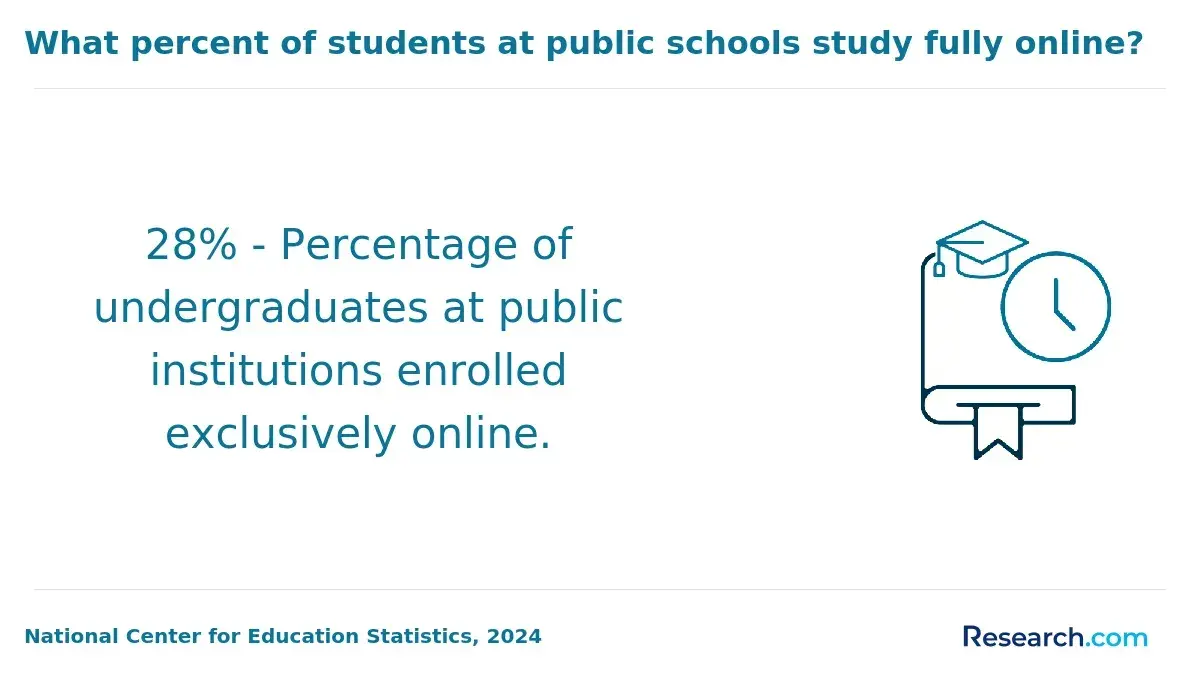
Data from the College Board's Trends in Student Aid report reveals that approximately 30% of full-time undergraduates now study exclusively online, highlighting the increasing demand for adaptable financial aid solutions suited to distance learners.
- Federal Aid Eligibility: FAFSA is required but may involve extra documentation for self-paced and CBE students because of unconventional credit-hour definitions and participation metrics.
- State Aid Variability: Eligibility varies by state, often hinging on enrollment status and program format; confirming local rules is critical.
- Institutional Support: Universities commonly offer tailored tuition discounts, grants, and payment options to ease costs for online physics learners.
- Physics Scholarships: Discipline-specific awards from physics associations provide additional funding opportunities based on merit and involvement.
- Verification and Timing: Self-paced program structures can alter financial aid disbursement schedules, necessitating early contact with financial aid offices.
How Do Competency-Based Education (CBE) Models Work in Self-Paced Online Physics Programs?
Competency-based education (CBE) focuses on mastering specific skills and knowledge rather than tracking time spent in class. In self-paced online physics bachelor's programs, students demonstrate their competence through assessments such as exams, projects, and practical problem-solving tasks. This allows students to progress at their own pace, contrasting traditional models where credit is tied to hours in lectures or labs.
For financial aid, CBE translates demonstrated competencies into credit hours. Two main types exist: direct assessment programs, which award credit solely based on proven skills through assessments, and credit-hour-equivalent programs, which align more closely with traditional academic terms. The direct assessment model offers greater flexibility but can be less well known to employers and financial aid offices.
Several self-paced online physics programs use CBE models. Western Governors University employs performance tasks and portfolio assessments, backed by mentors and specialized faculty advisors. Capella University's FlexPath emphasizes real-world application and continuous faculty feedback. Southern New Hampshire University integrates interactive simulations in its competencies. These institutions report strong employer recognition due to the focus on demonstrable skills.
Success in CBE programs requires considerable self-discipline, including effective time management and motivation, as students work without traditional class schedules. Enrollment in CBE programs has been growing by about 10% annually, indicating rising interest among learners valuing flexibility and personalized study paths.
- Mastery Over Time: Students advance by demonstrating physics knowledge through assessments instead of accumulating class hours, adapting the pace to individual needs.
- Credit Conversion: Competency achievements convert into credits for financial aid, with distinctions between direct assessment and credit-hour-equivalent models impacting eligibility.
- Program Examples: Western Governors University, Capella University, and Southern New Hampshire University offer CBE physics degrees featuring faculty support and practical assessments recognized by employers.
- Self-Discipline Required: CBE demands strong time management and motivation since students learn independently without fixed schedules or traditional lectures.
- Growing Popularity: Enrollment in CBE programs grows approximately 10% annually, reflecting their appeal to non-traditional students seeking flexible, skill-based learning.
What Accreditation Should a Self-Paced Online Physics Bachelor's Program Hold?
Accreditation standards for self-paced online physics bachelor's programs in the United States play a critical role in determining the program's credibility. Regional accreditation, issued by one of six agencies recognized by the U.S. Department of Education-Middle States, New England, North Central, Northwest, Southern, and Western-carries significantly more weight with employers and graduate schools in the physics field. These agencies evaluate institutions as a whole, ensuring stringent academic standards that reflect quality education.
Some programs may also hold programmatic accreditation from specialized agencies, though this is rare in physics. Programmatic accreditation verifies curriculum quality and faculty expertise in specific disciplines, adding another layer of assurance for prospective students.
Enrolling in nationally accredited or non-accredited programs involves considerable risk. Credits earned often do not transfer easily to regionally accredited schools, restricting options for further study. Additionally, many employers and graduate programs prefer degrees from regionally accredited institutions, which can directly influence career advancement. For working professionals and returning students seeking flexible, credible options, verifying accreditation is fundamental.
Before applying, students should consult the U.S. Department of Education's accreditation database and the Council for Higher Education Accreditation (CHEA) directory to confirm a program's standing. This precaution helps avoid misleading claims about accreditation and protects educational investments-especially important given the rising popularity of competency-based education models and prior learning assessments found in some self-paced physics degree programs. For individuals also considering cost-effective grad options, there are valuable resources such as online MBA under 30k that provide insights on affordable pathways.
- Regional Accreditation: Granted by six agencies recognized by the Department of Education, regional accreditation assures broad academic quality and rigorous standards across institutions offering physics degrees.
- National Accreditation: Commonly affiliated with career or technical schools, national accreditation may limit credit transfer and acceptance by graduate programs in physics.
- Programmatic Accreditation: Specialized but rare in physics programs, this accreditation signals discipline-specific excellence in curriculum and faculty qualifications.
- Credit Transferability: Regionally accredited programs facilitate easier transfer of credits, essential for career flexibility and continued education.
- Career Advancement: Employers and graduate schools predominantly value degrees from regionally accredited schools, impacting employment prospects in physics-related fields.
- Verification Resources: Use the U.S. Department of Education's and CHEA's databases to confirm accreditation status and avoid programs with questionable claims.
How Many Transfer Credits Can Be Applied Toward a Self-Paced Online Physics Bachelor's Degree?
Transfer credit policies for self-paced online physics bachelor's degree programs vary widely based on institutional rules and accreditation standards. Many programs evaluate credits by considering accreditation status, course relevance, and minimum grade thresholds. Typically, foundational courses in mathematics, chemistry, and introductory physics qualify for transfer, helping shorten the time to degree completion. Students pursuing flexible options often favor programs with generous transfer credit limits-some accept up to 90 transferable credits, enabling substantial prior coursework from community colleges or universities to count toward the degree.
Military training credits recommended by the American Council on Education (ACE) are commonly accepted in these programs, benefiting veterans and active-duty service members. Formal articulation agreements between universities and community colleges further smooth the transfer process by outlining approved credits, which helps students avoid redundant courses. Prospective enrollees should always request a detailed transfer credit evaluation ahead of time to clarify which credits apply and which remain, providing a more accurate picture of the remaining coursework and financial needs.
Understanding transfer credit policies is essential when exploring self-paced online physics degrees, especially for non-traditional students balancing work and study. Those interested in data-oriented STEM fields might also consider data science degrees, which similarly emphasize credit flexibility and affordability.
- Maximum Transfer Limits: Many programs permit transferring up to 90 credits, significantly reducing time to graduation for students with prior college coursework.
- Military Credit Recognition: ACE-evaluated military training credits are widely accepted, supporting veterans in advancing their physics education efficiently.
- Articulation Agreements: Established partnerships between community colleges and universities ensure smoother credit transfers and prevent overlapping courses in self-paced online physics programs.
- Course Relevance and Accreditation: Accepted transfer credits typically originate from regionally accredited institutions and match physics curriculum requirements closely.
- Pre-Enrollment Evaluation: A mandatory credit assessment by academic advisors is crucial for students to accurately determine remaining degree requirements and costs before enrollment.
Can Students Earn Credit Through Prior Learning Assessment in Self-Paced Online Physics Programs?
Prior Learning Assessment (PLA) provides students in self-paced online physics bachelor's programs with opportunities to earn credit for knowledge gained outside the classroom. This includes professional experience, military training, industry certifications, and independent study. Students can demonstrate their learning through portfolio reviews, challenge exams, or standardized tests such as CLEP and DSST.
Southern New Hampshire University (SNHU), Western Governors University (WGU), and Thomas Edison State University (TESU) offer some of the most accommodating PLA options. These schools allow students to apply between 30 and 60 credits via PLA toward their degrees. TESU is noted for its extensive portfolio assessment, while WGU focuses on competency-based evaluations. Credits are awarded following thorough documentation, including resumes, certificates, and reflections aligning prior experience with course standards.
The American Council on Education (ACE) facilitates credit transfer by providing recommendations for military and professional training, streamlining credit recognition for service members and working adults.
To enhance the likelihood of PLA acceptance, students should carefully compile clear, relevant evidence such as work samples, certifications, and detailed learning descriptions. Early engagement with academic advisors at chosen institutions is strongly advised to optimize credit transfer outcomes.
Recent data reveals a 17% rise over five years in online degree students using PLA credits, underscoring the growing acceptance of alternative learning routes in higher education.
- Portfolio Reviews: Students submit comprehensive evidence like projects and certificates that faculty assess to award college credit.
- Challenge Exams: Tests such as CLEP and DSST allow learners to prove mastery and potentially reduce time and tuition costs.
- Credit Limits: Institutions typically cap PLA credits between 30 and 60 to balance recognition of prior learning with academic rigor.
- ACE Credit Recommendations: Widely respected for validating military and professional training, these evaluations aid in securing credible transfer credits.
- Documentation Tips: Organized submissions showcasing measurable outcomes improve chances of credit acceptance; early academic advising is key.
What Concentrations or Specializations Are Available in Self-Paced Online Physics Bachelor's Programs?
The most common concentration tracks in self-paced online physics bachelor's programs cater to distinct career goals and can influence degree completion times due to varying coursework demands. Aligning a concentration with labor market needs and personal interests is crucial for timely progression.
- Applied Physics: Emphasizes real-world applications in engineering and technological innovation. Graduates often pursue roles in product design or research with median salaries near $100,000. Internships may be required to gain necessary professional experience.
- Astrophysics: Centers on celestial phenomena and space studies, preparing students for research or technical positions, often with space agencies. Degree duration can increase due to hands-on lab requirements, and advanced education is typically favored for career advancement.
- Medical Physics: Bridges physics and healthcare, ideal for careers in radiology and medical imaging. Licensure exams and clinical hours beyond the bachelor's degree are mandatory for certification, impacting program length.
- Theoretical Physics: Focuses on modeling physical concepts and demands advanced math skills. The heavier coursework load can extend completion times, particularly for those needing to strengthen foundational knowledge.
- Computational Physics: Involves programming and simulations of physical systems, suited to tech-driven industries. Median salaries approach $95,000, and prior coding experience can expedite the program.
What Graduates Say About Self-Paced Online Physics Bachelor's Degree Programs
- Irene: "Choosing a self-paced online physics bachelor's degree was essential for me due to my demanding work schedule. The flexibility allowed me to learn at my own pace without sacrificing job commitments, while the affordable tuition made it a smart investment. Since graduating, I've received multiple offers in research roles that I wouldn't have qualified for otherwise-this program truly opened doors for my career. "
- Ronan: "Reflecting on my experience, the self-paced format of my physics degree was a game-changer, especially in managing family responsibilities alongside studies. The cost-effectiveness helped me avoid debt, and the program's rigorous curriculum prepared me well for my role in the aerospace industry. Pursuing this degree online has been a practical step toward establishing a solid foundation in physics while balancing life's complexities."
- Brooks: "From a professional standpoint, enrolling in a self-paced online physics bachelor's program was strategic-I needed to upgrade my credentials without interrupting my full-time engineering job. The affordability was a plus, and completing the degree has significantly enhanced my credibility and job prospects in technical consulting. I'm enthusiastic about how this qualification has empowered me to pursue advanced projects and leadership roles."
Other Things You Should Know About Physics Degrees
In 2027, self-paced online physics programs utilize advanced learning management systems (LMS), virtual labs, and interactive simulations. These tools enable students to engage hands-on with experiments virtually and access personalized learning resources, ensuring comprehension of complex physics concepts and fostering effective learning outcomes.
These programs offer flexible deadlines and asynchronous coursework that accommodate varying schedules. Many provide dedicated academic advising and online tutoring tailored to help students balance work, family, and study commitments. Some also include access to virtual labs and prior learning assessments to accelerate degree completion for experienced learners.
Online physics bachelor's programs often have lower tuition and reduced costs for commuting or housing, which can increase return on investment (ROI). The self-paced format allows students to work while studying, minimizing lost income. However, ROI depends on accreditation, program reputation, and how well the degree aligns with individualized career goals.
References
- Online Physics Degrees: Are They Useful in Today’s Scenario? https://www.allassignmenthelp.com/blog/online-physics-degrees-in-todays-scenario/
- CBE Crash Course Lesson 1: What is Competency-Based Education? https://www.wgulabs.org/posts/lesson-1-what-is-competency-based-education
- 2025 Best Online Degrees in Physics https://www.onlineu.com/degrees/physics
- How to Implement Competency-Based Education in Online Classes https://honorlock.com/blog/how-to-implement-and-use-cbe-in-online-classes/
- Any good online physics degrees? Bachelors or Masters https://www.physicsforums.com/threads/any-good-online-physics-degrees-bachelors-or-masters.318426/
- Competency-based education in science | Michigan Virtual https://michiganvirtual.org/blog/competency-based-education-in-science/
- Exploring the benefits of physics online classes - Breanto https://www.breanto.com/en-us/article/jobs-and-education/exploring-the-benefits-of-physics-online-classes-2613872337
- Account Suspended https://survivalismgroup.com/3-key-advantages-of-studying-physics-with-a-personal-tutor-online-or-in-person/
- Competency-Based Education https://necc.edu/academics/beyond-the-classroom/competency-based-education/
- Where Can I Find a Physics Online Course for Credit? 5 Great Options - Prereqcourses https://www.prereqcourses.com/physics-online-course-for-credit/