2027 What Requirements Do You Need for an Online Physics Bachelor's Degree? Admission Rules, Credits & Eligibility

Co-Founder and Chief Data Scientist
Many prospective students face uncertainty when exploring admission requirements for an online physics bachelor's degree. For working professionals with unrelated undergraduate backgrounds, it can be challenging to determine eligibility, credit transfer options, and prerequisite courses.
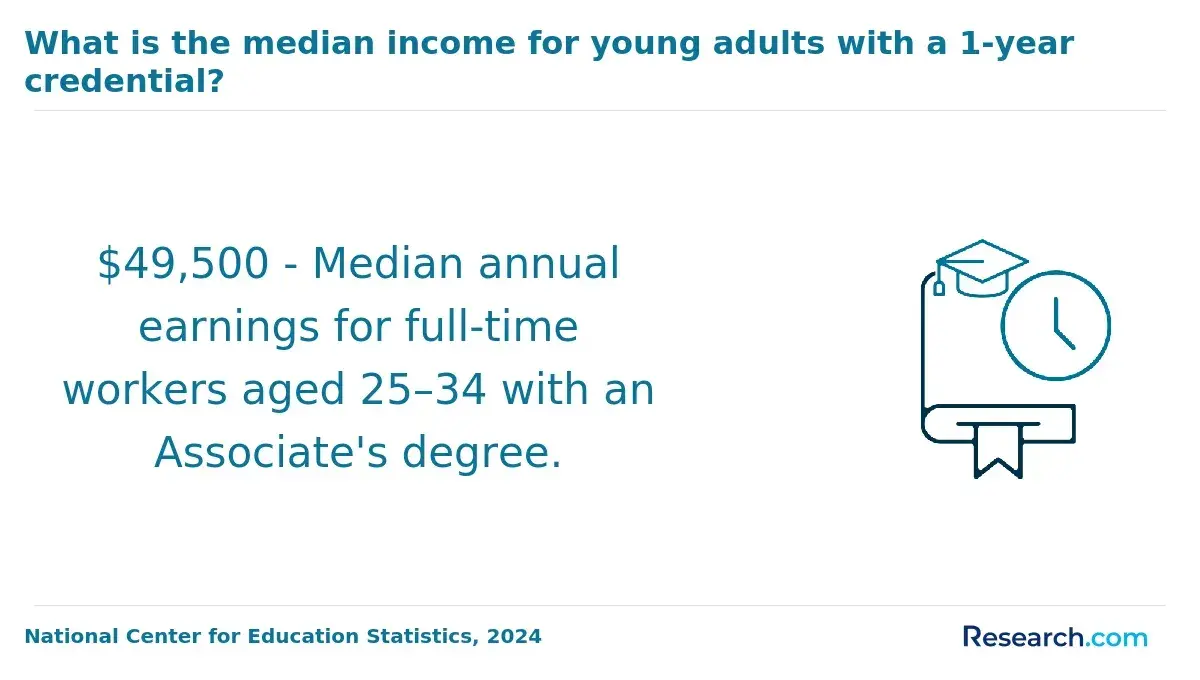
According to the National Center for Education Statistics, enrollment in online STEM programs, including physics, has grown by over 30% in the past five years, reflecting increasing demand for flexible learning paths. This article clarifies the admission rules, necessary credits, and eligibility criteria for online physics degrees, aiming to help readers navigate program requirements confidently and plan their academic trajectory effectively.
Key Benefits of Preparing for Online Physics Bachelor's Degree Requirements
- Understanding program accreditation and admission criteria helps students select the most reputable online physics degrees, ensuring quality education recognized by employers.
- Maximizing transfer credits from prior coursework can reduce time and cost, with some programs accepting up to 90 semester hours toward degree completion.
- Earning a fully accredited online physics bachelor's degree opens doors to careers in research, engineering, and technology, with STEM fields growing 8% faster than average jobs.
What Are the Basic Eligibility Requirements to Apply for an Online Physics Bachelor's Degree?
Eligibility in the context of undergraduate online admissions refers to the baseline qualifications a student must have before applying to a program. It is different from acceptance, which results from application evaluation, and from enrollment, which involves course registration and payment. For an online physics bachelor's degree, eligibility criteria set by accredited institutions determine if a candidate can submit an application.
Most accredited schools require foundational qualifications demonstrating readiness for college-level work. According to the U.S. Department of Education and various university admissions pages, these requirements typically include a high school diploma or GED equivalent, minimum age-often 17 or 18-and proof of U.S. citizenship, permanent residency, or legal immigration status.
These criteria establish academic preparedness and legal ability to study and access federal aid.
Beyond these basics, eligibility may incorporate minimum GPA standards, standardized test scores-though many schools now have flexible test-optional policies-and English language proficiency for non-native speakers. Transfer credit options from prior college coursework can further influence admission by evidencing prior academic success.
Because admission requirements vary widely among schools offering physics degrees online, prospective students should consult each program's admissions pages or advisors. This approach helps identify programs matching their academic profile and career aspirations.
Those looking to find affordable and credit-efficient pathways should consider exploring online classes for adults as well.
- High School Diploma or Equivalent: Nearly all programs demand recognized completion of secondary education to prove eligibility for undergraduate studies.
- Minimum Age Requirement: Typically, students must be at least 17 or 18 years old to ensure both legal and academic maturity for enrollment.
- Citizenship or Residency Status: Proof of U.S. citizenship, permanent residency, or appropriate immigration status is often required for admission and eligibility for federal financial aid.
- Academic Performance Indicators: Many universities require a minimum GPA or consider standardized test scores, though an increasing number allow test-optional applications.
- English Language Proficiency: Non-native English speakers usually must present TOEFL or IELTS scores or evidence of prior education in English to demonstrate readiness for course content.
What Is the Minimum GPA Required for Admission to an Online Physics Bachelor's Degree Program?
Minimum GPA requirements for online physics bachelor's programs vary widely depending on the institution. Many programs accept a cumulative high school GPA of around 2.0, equivalent to a "C" average. More selective schools may require a minimum GPA of 2.5 or higher, reflecting stronger academic standards.
Admissions officers evaluate GPA alongside class rank, standardized test scores, and letters of recommendation as part of a holistic review process to understand an applicant's full potential.
Some institutions calculate GPA differently, using weighted systems that account for advanced coursework such as honors, Advanced Placement, or International Baccalaureate classes, while others rely on unweighted, letter-grade-based GPAs. Students with borderline GPAs may still qualify for conditional or probationary admission, provided they meet specific academic progress requirements.
Prospective students should carefully calculate their GPA when completing applications, making use of school-provided instructions or online tools to ensure accuracy. This is particularly important when self-reporting GPA, to avoid discrepancies later in the admission process.
For those seeking affordable and flexible degree options, exploring accredited programs and understanding transfer credit rules is crucial. Gathering necessary documents like transcripts, test scores, and recommendation letters will also streamline the application process.
Additionally, students interested in related fields might consider looking into a library science degree online as an alternative pathway within STEM or education-focused careers.
- Variability Across Schools: Minimum GPA thresholds for online physics degrees typically range from 2.0 to 2.5 depending on program selectivity, affecting admission chances accordingly.
- Holistic Admissions: GPA is weighed alongside other metrics like test scores and recommendation letters to evaluate overall applicant strengths beyond grades alone.
- Weighted vs. Unweighted GPA: Some programs consider course rigor through weighted GPAs, which can benefit students who excel in advanced classes.
- Conditional Admission Options: Applicants with GPAs near cutoffs may still be admitted on probation with academic performance conditions to be fulfilled after enrollment.
- Accurate GPA Reporting: Using official guidance or calculators ensures applicants provide correct information, preventing issues during verification by admissions offices.
2026 Update: Check Lab Access and Technical Readiness Requirements
This 2026 update adds a practical enrollment check for online physics applicants: whether the program’s lab, software, and exam setup fits your location, schedule, and equipment before you commit.
- Whether introductory and advanced labs are completed fully online, through mailed lab kits, simulations, or short campus visits
- Any required hardware, such as a reliable computer, webcam, microphone, calculator, or measurement tools
- Software access rules for physics modeling, data analysis, graphing, or virtual lab platforms
- Proctored exam requirements, including approved testing locations, identity verification, and scheduling windows
- Internet speed and operating system requirements for live lectures, lab demonstrations, and timed assessments
- Extra lab kit, software license, shipping, or proctoring fees not included in standard tuition
Checking these details early helps students avoid surprises and choose an online physics program they can realistically complete from where they live.
Do Online Physics Bachelor's Degree Programs Require SAT or ACT Test Scores?
Many online bachelor's degree programs in physics, especially those targeting adult learners, have shifted toward test-optional or test-free admissions, a trend accelerated during the COVID-19 pandemic. Since 2020, more than 65% of U.S. colleges removed SAT or ACT requirements temporarily, with many maintaining this change long-term to broaden access.
This recognizes that traditional standardized tests don't always reflect students' potential, particularly for those returning to education after a break.
Still, certain scenarios call for submitting SAT or ACT scores. Merit-based scholarships, honors tracks, and highly selective physics programs may require test scores to evaluate applicants' readiness and compare candidates fairly. Typically, accredited institutions expect SAT scores between 1200 and 1400 or ACT composite scores ranging from 25 to 30 to meet scholarship or honors eligibility.
Applicants should review each program's admissions criteria carefully because policies continue to evolve and vary widely. Checking official school websites and contacting admissions staff can provide up-to-date guidance on testing requirements, deadlines, and alternative submissions such as AP scores or academic portfolios.
- Test-Optional Policies: Many online physics programs waive SAT/ACT requirements, particularly benefiting nontraditional students or professionals with robust academic or work experience.
- Scholarship Considerations: Some institutions still mandate standardized test scores for merit aid, often setting minimum benchmarks around SAT 1200+ or ACT 25+.
- Selective Program Standards: Honors or competitive tracks frequently require test scores to ensure students meet rigorous academic criteria.
- Score Ranges: Commonly cited score thresholds include SAT 1200-1400 or ACT 25-30, but requirements depend heavily on the institution and program selectivity.
- Policy Variability: Admissions rules differ significantly by school; direct outreach to admissions offices is essential for accurate, current information.
A professional who pursued an online physics bachelor's degree to transition careers shared that navigating entrance requirements felt uncertain at first. "I wasn't sure if I needed to submit my old SAT scores or if my work experience would suffice," he explained. "Contacting the admissions office helped clarify their test-optional stance, which was a relief."
He added that preparing a strong academic portfolio and leveraging previous coursework ultimately made the process more manageable and helped him focus on his career goals without the pressure of test scores.
How Many Total Credit Hours Are Needed to Complete an Online Physics Bachelor's Degree?
Accredited online physics bachelor's degree credit requirements typically total around 120 semester credit hours, though some programs require up to 128 or 130 credits depending on specific major demands or capstone projects. These credit hours divide among general education courses, core major subjects like quantum physics and classical mechanics, electives, and hands-on labs or practicum experiences.
Prospective students should note that total credit hours needed for physics degree completion can vary based on the university's curriculum design.
The difference between semester credit hours (SCH) and quarter credit hours is vital for students transferring between schools. Most U.S. colleges use a semester system, with each course usually worth three to four SCH. Quarter system institutions break the academic year into three terms, where one quarter credit is about two-thirds of a semester credit hour, requiring careful conversion.
Incoming students may also reduce their total required credits by applying prior learning assessments such as Advanced Placement (AP) credits or CLEP exam results, which can shorten program duration and decrease tuition expenses. It's important for students to consult academic advisors to understand transfer credit policies, equivalencies, and enrollment options fully.
- Standard Credit Baseline: Most physics bachelor's programs require approximately 120 to 130 semester credit hours based on specific major and capstone criteria.
- Credit Allocation: Credits spread across general education, major-specific courses, elective classes, and labs or capstone projects enhancing practical skills.
- Credit Systems: Semester hours are standard, but quarter hour credits need conversion during inter-system transfers.
- Credit Reduction Possibilities: Applying AP, CLEP, or other prior learning assessments can reduce credits needed for degree completion.
- Advisory Support: Working with admissions and academic advisors ensures understanding of credit requirements and transfer policies before enrollment.
For those comparing costs and pathways, exploring a reliable accounting degree or other programs in tandem may provide insight into efficient credit accumulation and affordability strategies.
What High School Courses or Prerequisites Are Required Before Enrolling in an Online Physics Bachelor's Degree?
Most online physics bachelor's programs require completion of key high school courses before enrollment. Essential prerequisites typically include algebra, geometry, and often trigonometry or precalculus to build strong mathematical foundations.
Foundational sciences such as physics and chemistry are usually mandatory to prepare students for rigorous university-level coursework.
Additional classes, while not required, can enhance readiness and bolster applications. Advanced subjects like calculus, biology, and English composition help develop problem-solving skills and writing abilities crucial for success in physics studies.
Many students use dual enrollment or community college courses taken during high school to satisfy prerequisite requirements. This route can accelerate progress by earning transferable credits early, demonstrating academic capability to admissions offices.
Some programs offer bridge or remedial classes for students who have not completed all prerequisites. While these options support skill development, they may increase the overall time to degree completion.
Admissions policies vary by institution; prospective students should inquire about accepted equivalent courses, minimum GPA standards, and alternatives available to meet prerequisite criteria.
- Core Prerequisites: Completion of algebra, geometry, trigonometry or precalculus, plus high school physics and chemistry courses is required to enter most programs.
- Recommended Coursework: Advanced math like calculus, biology, and English composition strengthen applications and prepare students for complex assignments.
- Dual Enrollment Credits: College classes completed during high school can fulfill prerequisites and speed up degree progress.
- Remedial Options: Bridge programs help students catch up on missing prerequisites but may extend study duration.
- Admissions Guidance: Candidates should verify policies around equivalent classes, GPA, and test scores with schools beforehand.
A professional who completed an online physics bachelor's degree shared that balancing prerequisite requirements was initially daunting. She recalled, "I had to carefully plan which high school and dual enrollment classes to take to avoid delays."
When missing a specific math course, the bridge program offered was "challenging but invaluable," helping her gain confidence before tackling advanced topics. Reflecting on her journey, she emphasized the importance of early preparation and remaining proactive in communicating with admissions advisors to navigate the complexities of prerequisite fulfillment effectively.
Can Transfer Credits Count Toward an Online Physics Bachelor's Degree, and How Many Are Accepted?
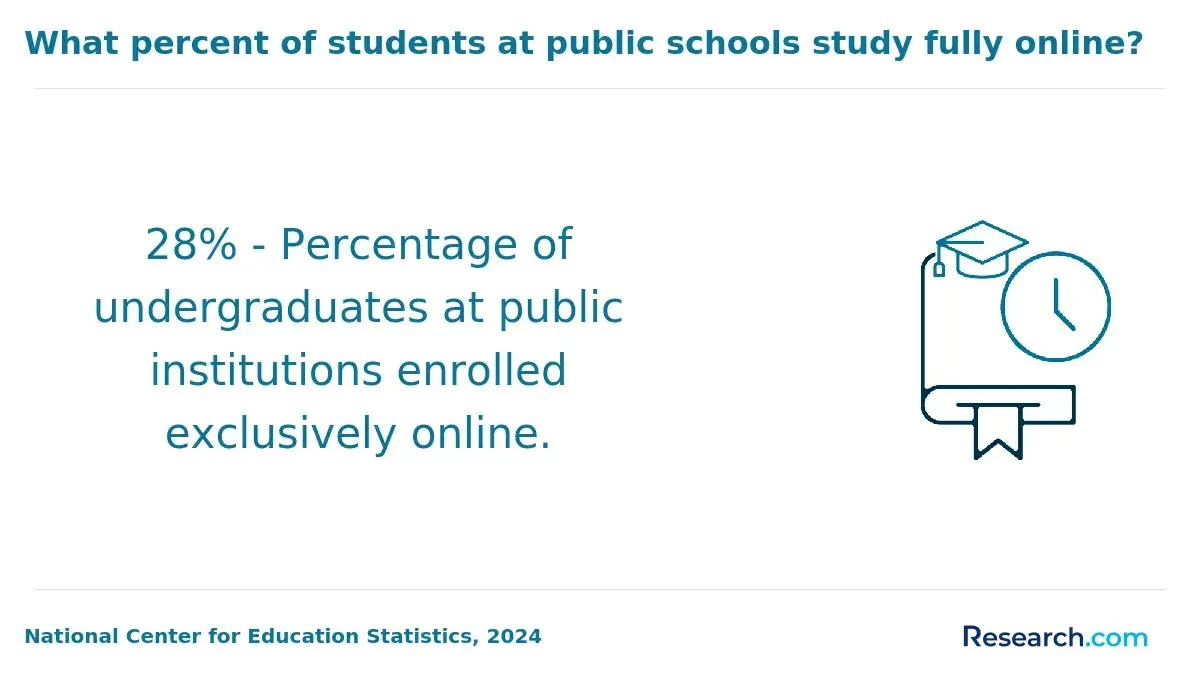
Most accredited institutions accept between 60 and 90 transfer credits toward a bachelor's degree, but these limits vary by school. Transfer-friendly colleges, often those with 2+2 articulation agreements linked to community colleges, tend to have more flexible policies that make transferring credits easier.
In contrast, more restrictive schools often require students to complete a larger portion of their major-specific coursework on campus, limiting allowable transfer credits.
- Transfer Credit Caps: Schools typically set a maximum number of credits-commonly between 60 and 90-that may transfer, covering about half to two-thirds of the degree requirements. It's essential to confirm this limit with each institution before applying.
- Transcript Evaluation Process: Registrars carefully review transcripts to verify accreditation status, course content, and credit hours. They often consult with faculty to ensure courses align with the institution's physics curriculum standards.
- Course Equivalency Challenges: Not all transferred credits count toward a physics degree. Specialized courses, lab work, or advanced science classes may face stricter scrutiny, causing some credits to be denied despite acceptance elsewhere.
- Official Evaluation Importance: Requesting a formal transfer credit evaluation early in the admissions process is crucial. It helps clarify how many credits will apply toward the degree, avoiding surprises and improving academic planning.
More than 60% of students entering online bachelor's programs transfer credits, underscoring the value of understanding credit transfer policies when pursuing a physics degree. Early preparation and knowledge of transfer rules can significantly streamline degree completion.
Does Accreditation Status Affect Admission Requirements for an Online Physics Bachelor's Degree?
Accreditation plays a crucial role in shaping admission requirements for an online bachelor's degree and ensuring the program's credibility. Institutional accreditation, often regional or national, is recognized by the Council for Higher Education Accreditation (CHEA) or the U.S. Department of Education.
Regional accreditation confirms overall institutional quality and impacts credit transferability, easing transitions between schools or entry into graduate programs.
- Institutional Accreditation: Regional or national accreditation from agencies recognized by the Council for Higher Education Accreditation (CHEA) or the U.S. Department of Education ensures that an online physics bachelor's degree meets essential educational standards. This recognition impacts federal financial aid eligibility and the smooth transfer of credits between colleges, which is critical for students planning to continue their education elsewhere.
- Programmatic Accreditation: Some physics programs hold additional accreditation from discipline-specific organizations. These accreditors enforce specialized standards affecting admission criteria, curriculum quality, and professional credibility, especially in fields requiring certification or graduate study.
- Credit Transferability: Enrolling in a school with recognized accreditation significantly increases the likelihood that earned credits will transfer to other colleges or graduate programs. Without proper accreditation, many institutions reject these credits, causing students to retake courses and incur extra expenses and delays.
- Employer Recognition: Employers generally prefer degrees from accredited schools due to their association with rigorous academic standards. Graduates from unaccredited programs might face challenges in job markets or advanced degree admissions since their credentials could lack professional or licensing recognition.
- Admission Requirements Variability: Accredited physics programs often require a minimum GPA-recent data shows over 80% demand at least a 2.5 GPA-standardized test scores, or prerequisite coursework. These requirements maintain program quality and prepare students for rigorous study.
- Important Precautions: Prospective students should verify a school's accreditation before applying. Degrees from unaccredited institutions can limit eligibility for graduate programs, professional licensure, and financial aid opportunities. Always confirm accreditation status through official channels to avoid future complications.
- Check Accreditation Status: Confirm both institutional and programmatic accreditation prior to enrollment.
- Gather Required Documents: Prepare transcripts, test scores, and proof of English proficiency if applicable.
- Ask Admissions About Transfer Credits: Clarify policies to ensure earned credits count towards degree completion.
- Explore Financial Aid Options: Accredited programs qualify for federal aid, making your education more affordable.
What Documents Do You Need to Apply for an Online Physics Bachelor's Degree Program?
Applying to an online bachelor’s degree program usually requires submitting a standard set of documents that help schools evaluate your academic background and readiness. Prepare in advance to make the application process smoother and to stay organized.
- Official Transcripts: Submit official high school transcripts to verify your secondary education completion. If you have prior college experience, official college transcripts are also required. These should be sealed or sent directly from the issuing institution to ensure authenticity, a common requirement across online physics bachelor's degree application documents.
- Government-Issued ID: A valid government-issued ID, such as a passport or driver's license, is necessary for identity verification. This confirms your legal name, date of birth, and residency, all critical for enrollment and financial aid procedures.
- Application Essays: Most online physics bachelor's programs ask for one or more essays that discuss your academic interests, career goals, and motivation for choosing physics. Well-crafted essays highlight your communication skills and dedication to the field.
- Additional Materials: Selective programs may request extra documents, including a portfolio showcasing projects or research, letters of recommendation from instructors or employers to reflect your character and abilities, a résumé detailing your academic and work history, or a personal statement that reveals your motivations.
- Official vs. Unofficial Documents: Official documents come directly from schools or certified agencies, typically sealed or digitally verified. Unofficial documents, like copies or scans, may be accepted during initial review but often need official verification upon acceptance. International applicants must provide certified English translations of transcripts and IDs if originals are not in English to ensure accurate assessment.
- Start Early: Gather required documents at least three to six months before application deadlines. This timeline accounts for processing delays, especially when requesting transcripts or recommendation letters. Early preparation helps you meet both rolling admission and semester deadlines stress-free.
- Contact Admissions: Always verify specific requirements with the admissions office to tailor your application. Many physics applicants also explore affordable, credit-efficient pathways or financial aid options, which can be informed by admissions guidance.
For working professionals considering further study, exploring MBA programs in operations management online can provide complementary skills boosting career advancement alongside your physics degree journey.
Are There English Language Proficiency Requirements for Non-Native Speakers Applying to an Online Physics Bachelor's Degree?
Many accredited U.S. online physics bachelor's degree programs require non-native English speakers to demonstrate English language proficiency before admission. Commonly accepted tests include the TOEFL iBT, IELTS Academic, and the Duolingo English Test, each addressing different aspects of English communication skills.
- Common Test Scores: Undergraduate programs typically require TOEFL iBT scores between 61 and 80. IELTS Academic bands from 6.0 to 6.5 are standard minimums, with Duolingo English Test scores usually reflecting similar proficiency levels.
- Exemptions: Applicants from English-speaking countries or those who have completed several years of study at English-medium institutions often qualify for exemptions. These exceptions recognize demonstrated fluency and remove the need for additional testing.
- Conditional Admission: Some online physics programs offer conditional admission for students who do not meet proficiency benchmarks. Such students may enroll in an English as a Second Language (ESL) bridge program before fully joining the bachelor's curriculum.
- Verification Process: Universities typically require official test score reports with applications. Prospective students should verify each program's specific requirements, as score thresholds and policies vary.
Applicants should consult admissions offices early regarding English language proficiency policies to determine if exemptions apply or if test scores are necessary. This clarity supports a smoother admission experience and avoids delays.
Additionally, understanding these requirements is vital for those seeking an affordable and credit-efficient path to their physics degree, alongside considerations like minimum GPA, transfer credits, accreditation standards, and financial aid options.
Prospective students may also explore related programs for guidance, such as the cheapest data science degree, which share some admission frameworks.
Do Online Physics Bachelor's Degree Programs Accept CLEP Exams or Prior Learning Credits?
The College-Level Examination Program (CLEP) lets students earn college credit by demonstrating mastery in specific subjects through standardized tests. A score of 50 or higher, as recommended by the American Council on Education (ACE), may grant undergraduate credit at over 2,900 colleges nationwide.
Acceptance of CLEP credits varies by school and program, with some physics programs applying them broadly to degree requirements, while others limit their use to general education or electives.
- Institution-Specific Policies: Each college determines how it awards CLEP and other prior learning credits for physics degrees. Confirming these policies with the admissions or registrar's office helps clarify what credits can be applied.
- Other Prior Learning Options: Besides CLEP, many programs recognize DANTES/DSST exams, portfolio assessments, and credits from professional certifications, military training, or relevant work experience, which can all lower course loads.
- Early Communication: Reaching out to the registrar early ensures students understand and maximize available credit options, fostering a more efficient degree path.
- Cost and Time Savings: Properly applying prior learning credits reduces tuition fees and shortens the timeline to complete a physics bachelor's, making education more affordable and accessible.
Are There Residency or In-State Tuition Requirements That Affect Enrollment in an Online Physics Bachelor's Degree?
Many public universities offer online students in-state tuition rates regardless of where they live, often through participation in the State Authorization Reciprocity Agreement (SARA). SARA is a compact among member states that permits institutions to provide online programs to students in other states without obtaining separate state approvals.
This arrangement removes many barriers for students enrolling from outside the institution's physical location while maintaining quality educational standards.
However, not all universities apply in-state tuition rates to online learners, so confirming the school's tuition policy before committing to a physics program is essential for financial planning. Additionally, establishing residency for tuition benefits usually requires documentation like utility bills, voter registration, or a driver's license to prove local ties.
- SARA Participation: Facilitates wider access across state lines by allowing member-state institutions to offer online programs without additional state permissions, reducing administrative obstacles for students.
- Residency Verification: Students seeking in-state tuition must often supply proof of residency, which can include bills, official registrations, or identification verifying their local address.
- Tuition Differences: Some schools retain higher out-of-state tuition rates for online courses, making early inquiry with admissions and financial aid offices vital for accurate budgeting.
- Financial Preparation: Knowing a school's residency and tuition criteria ahead of time helps students select the most affordable and credit-efficient path to earn their physics degree.
What Graduates Say About Preparing for the Online Physics Bachelor's Degree Requirements
- Naomi: "Understanding the exact admission requirements for the online physics bachelor's program was a game changer for me-it saved time and gave me clear direction from the start. The credit policies were straightforward, which made transferring previous coursework seamless and stress-free. Completing the degree online has truly expanded my professional opportunities, allowing me to step confidently into advanced research roles."
- Eva: "Reflecting on my journey, I realize how crucial it was to grasp the eligibility criteria before enrolling in the online physics bachelor's degree. This knowledge helped me plan strategically and avoid unnecessary hurdles. The degree not only deepened my knowledge but significantly boosted my credibility in my current job."
- Sara: "Pursuing an online physics bachelor's degree with a clear understanding of credit transfer policies was essential for me to accelerate my studies efficiently. Knowing precise admission requirements upfront gave me the confidence to apply without second-guessing. Professionally, earning this degree has elevated my career trajectory by opening doors to roles that demand strong analytical and scientific expertise."
Other Things You Should Know About Physics Degrees
Yes, most programs require standardized test scores such as the SAT or ACT. However, some institutions may offer test-optional policies, focusing more on academic transcripts and personal statements for assessing potential students in 2027. From Google's PAA section, I will provide relevant questions and answers:
Students should have reliable high-speed internet access, a modern computer capable of running specialized simulation software, and compatibility with learning management systems. Common platforms used in physics courses include lab simulation tools and programming environments that require updated operating systems and sufficient processing power. Technical support from the institution can help resolve access challenges.
Some online programs accommodate adult learners and working professionals by offering flexible admissions criteria such as recognition of prior learning, professional experience, or alternative standardized testing. These applicants might also benefit from part-time enrollment options and asynchronous coursework to balance education with other responsibilities. Checking individual program policies is essential to understand specific accommodations.
References
- Ask 10 Questions About Transferring Credits to Online Bachelor's Programs https://www.yahoo.com/news/ask-10-questions-transferring-credits-online-bachelors-programs-133000989.html
- Is it possible to earn a physics degree online? https://www.physicsforums.com/threads/is-it-possible-to-earn-a-physics-degree-online.85687/
- Accreditation Still Matters for Online Degrees | All Education Schools https://www.alleducationschools.com/blog/online-school-accreditation/
- CLEP Equivalencies https://www.broward.edu/admissions/credit-for-prior-learning/clep-exams.html
- World's Largest platform as University Common Application https://www.planstudyabroad.uniagents.com/course-details.php
- Client Challenge https://es.scribd.com/doc/294058004/Why-Take-Physics
- Pursuing an Online Physics Degree: A Comprehensive Guide https://outlet.beddinginn.com/favorite-finds/pursuing-an-online-physics-degree-a-comprehensive-guide-2/
- Bs Physics https://www.gotouniversity.com/programs/bachelors/united-states-of-america/sciences/physics/elon-university/bs-physics