2027 Online Physics Bachelor's Degree Programs With No SAT or ACT Requirements

Co-Founder and Chief Data Scientist
Many prospective students face barriers when their SAT or ACT scores do not reflect their true potential, limiting access to online physics bachelor's degree programs. This challenge disproportionately affects nontraditional applicants balancing work, family, or other commitments. Recent data shows that over 60% of online physics programs have adopted test-optional admissions to increase accessibility. This shift aligns with broader trends in STEM education, where practical skills weigh more heavily than standardized testing.
This article examines flexible, test-optional online physics bachelor's degree programs, offering guidance to help students find the right path to degree completion without submitting SAT or ACT scores.
Key Benefits of Online Physics Bachelor's Degree Programs With No SAT or ACT
- Removing SAT or ACT requirements broadens access, enabling a diverse range of students, including nontraditional and underrepresented groups, to pursue online physics degrees without standardized testing barriers.
- Online physics programs offer flexible schedules that accommodate working students, allowing them to balance employment, family, and education effectively.
- Streamlined admissions without test scores reduce application complexity and stress, accelerating enrollment and fostering a more inclusive academic environment.
Who Should Consider an Online Physics Bachelor's Degree With No SAT or ACT?
Online physics bachelor's degree programs that do not require SAT or ACT scores offer flexible admissions for students with diverse academic and professional backgrounds. More than 70% of U.S. colleges have adopted test-optional policies, increasing access for learners who prefer alternative admission criteria. These programs especially benefit students seeking flexible admissions for online physics programs. Below are some ideal candidates for these test-optional options.
- Working Adults: Balancing job responsibilities and personal life often makes standardized testing a challenge. Flexible admission pathways allow working adults to pursue physics degrees without the added pressure of test scores, fitting well with their busy schedules.
- Nontraditional Students: Those returning to education after a hiatus or changing careers often face unique academic histories. Test-optional programs accommodate their varied backgrounds, easing their transition into higher education for physics.
- Individuals With Prior College Experience: Students who have previously attended college may not have recent standardized test scores or may prefer to highlight other academic achievements. These policies help such individuals emphasize their current capabilities in physics studies.
- Students Seeking Flexible Scheduling and Accessibility: Online physics degree programs with streamlined, test-optional admissions support remote learning and are well suited for students needing adaptable study options. This accessibility is key for adult learners pursuing physics degrees without standardized testing.
- Those Concerned About Standardized Test Performance: Students affected by test anxiety, learning differences, or other personal factors often find test-optional policies better aligned with their educational goals and help reduce barriers to physics education.
For motivated individuals looking to advance in the physical sciences, these programs open doors by emphasizing academic potential through alternative measures rather than solely standardized tests. Those interested in accelerating their education might also explore the shortest PhD programs as a future step after completing a physics bachelor's degree.
What Is the Difference Between Test-Optional and Test-Free Online Physics Bachelor's Degrees?
Test-optional and test-free admissions policies for online physics bachelor's degree programs are often confused, yet they represent distinct approaches to evaluating applicants without SAT or ACT scores. Enrollment in test-free online bachelor's degrees has grown by over 40% between 2018 and 2023, highlighting a shift toward more inclusive admission standards. Below is a comparison that clarifies these different policies.
Test-Optional Online Program
- Applicants may choose whether to submit standardized test scores such as the SAT or ACT.
- Admissions committees review scores if provided, alongside high school transcripts, letters of recommendation, and personal essays.
- This approach offers flexibility while still considering test results as part of admissions criteria.
- Students often feel encouraged to submit scores if they believe the results enhance their application.
Test-Free Online Program
- No consideration is given to SAT or ACT scores, whether submitted or not.
- Admissions focus exclusively on academic records, relevant experience, and personal statements.
- This policy removes standardized testing entirely from the decision process, promoting greater accessibility.
- Applicants clearly understand that no test submissions are required or expected.
Prospective students exploring admissions criteria for test-optional physics bachelor programs or seeking programs with no SAT or ACT requirements can leverage this understanding to select a path aligned with their academic profile. For those aiming for cost-effective options, it's worth considering the most affordable online masters to complement their bachelor's studies or future career goals.
2026 Update: Lab, Math, and Technology Readiness
For 2026, this section adds a practical checklist for students comparing no-SAT or no-ACT online physics bachelor’s programs beyond admissions flexibility, especially around coursework that can be harder to complete remotely.
- How required physics labs are completed, including home lab kits, virtual labs, or in-person lab sessions.
- Whether calculus, differential equations, or programming prerequisites must be finished before upper-level physics courses.
- What software, hardware, camera, internet, or proctoring tools are required for online exams and simulations.
- Whether transfer credits from community colleges or prior STEM coursework apply to major requirements.
- How often advanced physics courses are offered and whether they follow fixed sequences.
- What academic support is available online, such as tutoring, faculty office hours, and research advising.
Checking these details helps students choose a program that is not only easier to apply to without test scores, but also realistic to complete successfully online.
What Are the Admission Requirements for an Online Physics Bachelor's Degree Without SAT or ACT?
Many online physics bachelor's degree programs that do not require SAT or ACT scores focus on a holistic admissions approach. Around 70% of U.S. colleges now use test-optional or test-free policies, recognizing that standardized exams do not fully capture a student's potential. Admissions decisions rely more on diverse academic and personal achievements.
Applicants are usually evaluated by several key criteria, including:
- Academic Transcripts: Official records from previous schools provide evidence of a candidate's educational background and mastery of necessary math and science concepts.
- Personal Statement: Essays or statements allow students to express their enthusiasm for physics and demonstrate critical thinking, motivation, and problem-solving abilities.
- Letters of Recommendation: Testimonials from educators or mentors highlight the applicant's work ethic, intellectual capacity, and readiness for challenging STEM coursework.
- Proof of Preparedness: Documents such as previous advanced coursework, placement exam results, or equivalent credentials indicate a student's ability to handle college-level physics material.
A graduate of an online physics bachelor's program without SAT or ACT requirements shared that the application process felt personalized but demanding. He recalled spending significant time crafting his essay to clearly convey his passion for physics and how his experiences shaped his academic goals. He also valued the insights provided by his letter writers, which painted a fuller picture of his dedication beyond grades. "It wasn't about a test score for me," he said, "but making sure the school understood who I was and what I could bring to the program." This approach helped him feel confident that admissions truly considered his whole profile rather than just numbers.
Do Online Physics Bachelor's Degrees Require a Minimum GPA?
GPA expectations for online physics bachelor's degree programs vary widely and are often considered alongside multiple holistic factors. Nearly half of these programs assess applicants based on a combination of academic performance and other qualifications rather than relying solely on minimum GPA requirements. This approach supports a broader range of students, especially those seeking online physics bachelor's degrees with no SAT or ACT requirements. Here are common considerations related to minimum GPA requirements for physics bachelor's programs:
- Flexible GPA Thresholds: Many programs adopt adaptable GPA standards that differ by institution or specialty, allowing students with varied academic backgrounds to apply.
- Holistic Evaluation: Admissions officers often review academic trends, course difficulty, and overall rigor along with GPA to gain a fuller picture of a student's ability.
- Non-Academic Experience: Work history, military service, and other relevant experiences can be taken into account to demonstrate skills like discipline and determination beyond classroom metrics.
- Conditional Admission Opportunities: Some schools offer probationary enrollment or conditional acceptance to applicants with lower GPAs, providing a chance to prove academic readiness.
For students seeking flexible pathways, exploring accredited bookkeeping courses can also supplement skills and credentials during or after their physics degree journey. More information is available at accredited bookkeeping courses.
Is It Easier to Get Into an Online Physics Bachelor's Degree Without SAT or ACT?
Removing SAT or ACT requirements from online physics bachelor's programs can expand access by eliminating standardized testing barriers, but this does not automatically simplify admission. Nearly half of online undergraduate programs still enforce selective standards, demonstrating that many institutions evaluate applicants based on multiple criteria beyond test scores. Admissions typically involve a comprehensive review of a student's academic record, recommendation letters, and personal statements to gauge readiness for challenging coursework. Additional elements like relevant math and science classes or research experience can also enhance an application. Admission competitiveness varies widely, influenced by program demand and institutional priorities.
A current student in an online physics bachelor's program without SAT or ACT mandates shared that the process felt intense, despite the absence of standardized tests. She explained, "I initially thought skipping the exams would make it easier, but the holistic review pushed me to strengthen other parts of my application, like my past coursework and personal statement." She found the experience reassuring because the admissions focus was on her overall potential, not just a test score, yet challenging since she had to clearly convey her motivation and ability to succeed in a demanding online environment. "The process made me reflect on my goals and prepared me for the discipline required in the program," she said, highlighting that admission is about a balanced profile rather than a single factor.
Which Online Physics Bachelor's Degree Programs Do Not Require SAT or ACT?
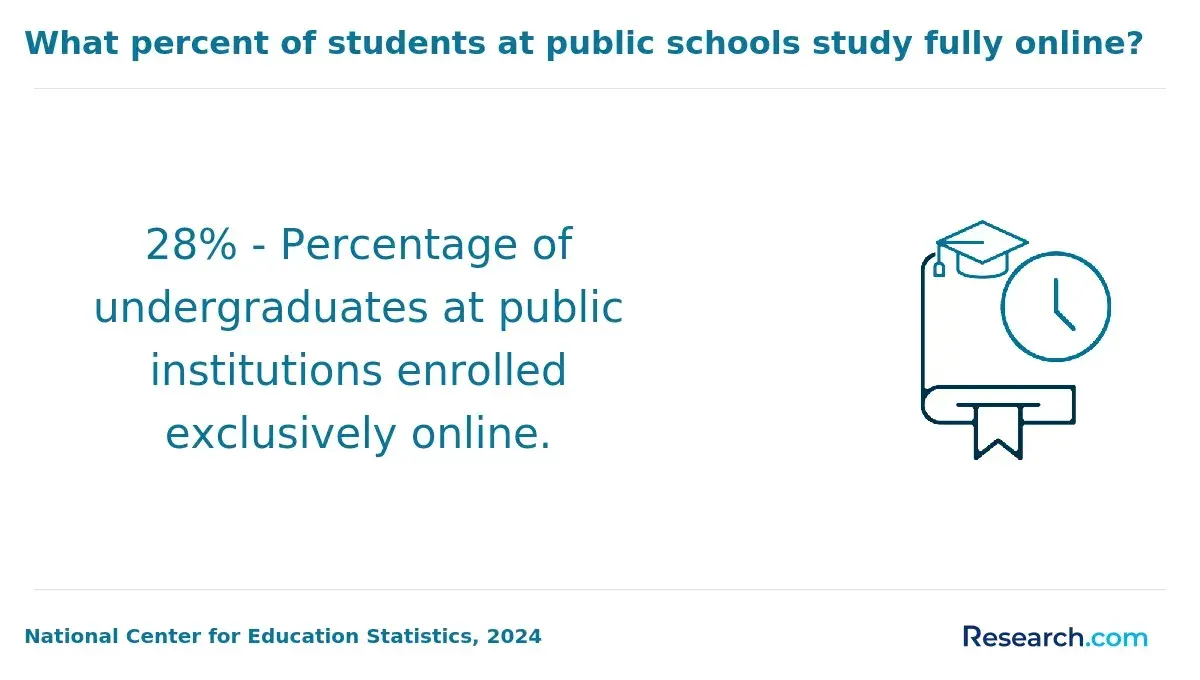
Many online physics bachelor's degree programs now offer test-optional or test-free admissions, reflecting a significant shift toward more accessible higher education. This change accompanies a 30% growth in enrollment in online programs over recent years, emphasizing the increasing demand for flexible learning options. Below are typical online Physics degree specializations commonly available without SAT or ACT requirements.
- Applied Physics: This specialization blends engineering concepts with practical problem-solving techniques, preparing students for diverse technical roles. Admissions focus on prior academic work and relevant experience rather than standardized testing.
- Medical Physics: Concentrating on the intersection of physics and healthcare, this track covers applications in medical technology and radiation therapy. Evaluation criteria prioritize a solid foundation in science and quantitative skills.
- Astrophysics: Exploring celestial phenomena and the universe's physical laws, astrophysics programs emphasize analytical abilities and scientific reasoning over test scores.
- Quantum Mechanics and Theoretical Physics: These areas delve into subatomic particles and fundamental forces, demanding strong mathematical proficiency and critical thinking, assessed through transcripts and coursework.
- Environmental Physics: Focused on Earth systems and climate processes, this concentration often weighs hands-on experience and prior study to gauge readiness for advanced physics concepts.
How Do I Apply to an Online Physics Bachelor's Degree Without SAT or ACT?
Applying to an online physics bachelor's degree program with no SAT or ACT requirements is a straightforward process that primarily involves submitting materials digitally through the institution's application portal. This test-free approach simplifies enrollment by focusing on essential personal and academic details. The steps below outline a typical application workflow designed to be user-friendly and accessible.
- Create an Account: Begin by visiting the college or university's official online application portal and setting up a personal account. This secure gateway allows you to submit documents and track your application status efficiently.
- Complete the Application Form: Fill out the electronic form with your basic personal information and academic background. Since standardized tests are not required, there is no need to report SAT or ACT scores, which streamlines this step.
- Upload Documents: Submit required materials such as identification and proof of previous education through the portal. The system supports digital files, making it easy to scan or save your documents for quick upload.
- Submit Application: Review all entered information and uploaded documents carefully before final submission to ensure completeness and accuracy.
- Monitor Application Status: Use the portal to track your application progress and receive notifications regarding any updates or decisions. Some programs may send confirmation emails after each critical step.
- Complete Post-Admission Tasks: If accepted, follow any additional instructions such as enrollment forms or orientation sessions, typically managed within the same online platform.
How Can I Improve My Online Physics Bachelor's Degree Application Without SAT Scores?
Applicants to online physics bachelor's degree programs without SAT or ACT requirements can leverage other strengths to enhance their candidacy. With over 70% of colleges employing holistic admissions, they evaluate many factors beyond standardized test scores to assess readiness for rigorous study. Emphasizing academic achievements, experience, and personal motivation can create a compelling application. Consider the following strategies:
- Strong Academic Record: Excelling in advanced math and science courses, whether in high school or college, demonstrates your ability to grasp complex physics concepts. Highlighting these achievements is essential when applying to test-optional programs.
- Compelling Personal Statement: Use your statement to share your passion for physics, career aspirations, and challenges overcome. This narrative reveals your motivation and commitment, traits admissions committees highly value.
- Relevant Experience: Participation in science clubs, internships, research projects, or independent study related to physics shows engagement and practical understanding of the discipline. This hands-on involvement bolsters your application by showcasing real-world skills.
- Supporting Materials: Strong letters of recommendation from teachers or mentors can provide meaningful insight into your academic abilities and character. Including certificates, portfolios, or projects further demonstrates your dedication and skill set.
These approaches help applicants strengthen their profiles in the absence of SAT scores, proving their potential to succeed in an online physics bachelor's degree program. For those exploring flexible, test-optional degree options, programs often mirror the no GMAT online MBA admissions philosophy by focusing on a broad, holistic review.
Incorporating these strategies also aligns well with how to highlight academic achievements for test-optional physics degree online programs, ensuring your application reflects a well-rounded and capable student ready for advanced study.
What Mistakes Should I Avoid When Applying Without SAT or ACT?
Applying to online physics bachelor's degree programs without submitting SAT or ACT scores can increase access, but many applicants weaken their chances by neglecting critical parts of the application. Nearly 30% of test-optional applications face delays or rejections due to incomplete or poorly presented materials. To improve your chances, it's essential to carefully address the following common mistakes.
- Incomplete Materials: Even without test scores, transcripts, recommendation letters, and required essays must be complete and submitted on time. Missing or late documents often lead to automatic disqualification or delays in application review.
- Weak Personal Statements: Personal statements are your opportunity to convey motivation, critical thinking, and passion for physics. Generic or overly brief essays may not convince admissions committees of your preparedness or dedication.
- Neglecting Relevant Experience: Highlighting prior coursework, internships, research projects, or related work in STEM fields can strengthen your application, especially when test scores are absent. This demonstrates direct engagement and commitment to your field.
- Overlooking Application Details: Small errors like incorrect program codes, missed instructions, or improper formatting can reflect poorly on your application. Review every detail carefully to avoid avoidable mistakes.
- Limited Career Awareness: Applicants should consider how the degree fits their career goals; exploring options such as short certificate programs that pay well can provide valuable insights into additional pathways within or beyond physics.
Will Not Taking the SAT or ACT Affect My Career After an Online Physics Bachelor's Degree?
Standardized test scores such as the SAT or ACT rarely influence career prospects after earning an online physics bachelor's degree. Employers increasingly value practical skills and relevant experience over exam results taken years before graduation. A 2023 survey by the National Association of Colleges and Employers found that 78% of employers prioritize hands-on experience and technical expertise when assessing candidates. This shift reflects the growing emphasis on capabilities that directly translate to workplace success.
Career advancement in physics fields depends largely on strong academic performance and the development of applicable skills throughout the degree program. Internships, research involvement, and teamwork often carry significant weight during job searches, showcasing problem-solving abilities and collaboration. In addition, proficiencies in programming, data analysis, and scientific communication enhance employability by demonstrating adaptability and commitment to continuous learning-qualities standardized tests cannot measure.
What Graduates Say About Online Physics Bachelor's Degree Programs With No SAT or ACT
- Otis: "I chose to pursue an online physics bachelor's degree with no SAT or ACT requirement because I wanted to focus on my passion for science without the added pressure of standardized tests. Navigating the application process was surprisingly straightforward, which helped me stay motivated. Since graduating, I've found that employers value my hands-on skills and knowledge, proving that entrance exams aren't the only way to measure aptitude."
- Ronan: "Looking back, the biggest challenge was adjusting to fully remote learning while diving deep into complex physics concepts. The no SAT or ACT requirement made the program accessible to me, especially as someone who didn't test well but excelled in coursework. Professionally, completing this degree online has opened doors I hadn't anticipated, allowing me to contribute to research teams and collaborate with experts worldwide."
- Brooks: "The decision to enroll in an online physics degree without the burden of SAT or ACT scores was both practical and empowering for me. It eliminated what felt like an unnecessary barrier and allowed me to prove my readiness through academic performance alone. Today, my degree supports my career as a physics educator, where I emphasize that diverse pathways can lead to success in STEM fields."
Other Things You Should Know About Physics Degrees
Yes, many online physics bachelor's degree programs that do not require SAT or ACT scores accept transfer students. These programs typically evaluate previous college coursework, particularly in math and science, to determine transfer credits. Prospective transfer students should provide official transcripts and may need to meet minimum GPA requirements for transfer acceptance.
Students in online physics programs without SAT or ACT requirements often have access to academic advising, tutoring, and career counseling. Many schools offer virtual office hours with professors and technical support for online platforms. Some programs provide peer study groups and workshops to enhance learning and retention in physics coursework.
References
- Getting To Know ETS Physics Tests... Really Well https://blog.cambridgecoaching.com/getting-to-know-ets-physics-tests...-really-well
- Test-Optional, Test-Flexible, Test-Blind: What’s the Difference?! https://www.collegeessayadvisors.com/test-optional-test-flexible-test-blind-whats-the-difference/
- Common Mistakes Students Make in Physics (And How to Avoid Them) https://www.ibisprep.com/post/common-mistakes-students-make-in-physics-and-how-to-avoid-them
- Admission Requirements https://catalog.colorado.edu/undergraduate/admissions/admission-requirements/
- Any good online physics degrees? Bachelors or Masters https://www.physicsforums.com/threads/any-good-online-physics-degrees-bachelors-or-masters.318426/
- Physics Degree Online - Edubrain https://edubrain.ai/blog/physics-degree-online/
- Admission Requirements https://seu.edu/admission/admission-requirements/
- What do Test Optional and Test Blind/Free Mean? | College Essay Guy https://www.collegeessayguy.com/blog/test-optional-test-free
- What is Test Optional? - Fairtest https://fairtest.org/test-optional/
- World's Largest platform as University Common Application https://www.planstudyabroad.uniagents.com/course-details.php