2027 Online Physics Bachelor's Degree Completion Programs for Working Adults

Co-Founder and Chief Data Scientist
Balancing a full-time job with the ambition to complete a bachelor's degree in physics can feel overwhelming. Many working adults start a physics degree but delay finishing due to rigid schedules and limited program flexibility. Notably, over 60% of online physics bachelor's degree completion students cite scheduling conflicts as their main barrier to graduation. Online programs designed for working adults address these challenges by offering asynchronous coursework and credit transfer options. This article explores program structures, accreditation, tuition, and employment outcomes to help working adults find online physics degree completion programs that fit their career goals and lifestyles.
Key Benefits of Online Physics Bachelor's Degree Completion Programs for Working Adults
- Online physics bachelor's degree completion programs offer flexible scheduling, enabling working adults to balance coursework with professional and personal obligations without compromising job performance.
- Fully asynchronous classes allow students to study anytime, accommodating irregular work hours and eliminating the need to reduce income or take extended leave.
- These programs often shorten time to degree by accepting transfer credits and prior learning, accelerating graduation compared to starting a traditional four-year program from scratch.
What Are Online Physics Bachelor's Degree Completion Programs, and Who Are They Designed For?
Degree completion programs are tailored for adults who have already completed some college coursework but did not earn a bachelor's degree. Unlike traditional four-year bachelor's programs that begin with a full freshman curriculum, these programs prioritize transfer credits and focus on finishing remaining degree requirements efficiently. According to the National Center for Education Statistics (NCES), over 36 million Americans have some college experience but no formal credential, underscoring the significant demand for such online physics bachelor's degree completion programs for working adults. These programs are an excellent option for community college transfer students, military veterans, and mid-career professionals who want to complete their degree without starting from scratch.
- Accelerated Format: Designed to fast-track degree completion, courses move at a quicker pace than traditional programs. This approach suits working adults balancing education with jobs and family responsibilities.
- High Transfer Credit Acceptance: Many schools evaluate and accept previously earned credits from community colleges or universities, reducing redundant coursework and shortening time to degree.
- Flexible Delivery: Courses are commonly offered online or in hybrid formats, featuring asynchronous schedules or evening and weekend classes. This flexibility fits the demanding calendars of professional students.
- Growing Employer Demand: Bachelor's degrees have become increasingly essential as employers raise educational requirements. Completion programs open doors to better career advancement and higher earning potential.
Adults seeking the best accredited online physics degree options for adult learners can find programs structured for their unique needs. Many programs also recognize prior learning and military experience, making degree attainment more accessible. For individuals interested in advanced study, reviewing options like the shortest PhD programs available online may provide a pathway beyond their bachelor's degree.
How Do Online Physics Degree Completion Programs Differ From Traditional Four-Year Physics Bachelor's Degrees?
Online physics degree completion programs are tailored for students who have earned 60 or more credits and seek to finish their bachelor's degree efficiently. These programs differ markedly from traditional four-year physics bachelor's degrees, especially in how they accommodate adult learners balancing education with other commitments.
- Credit Requirements: Completion programs usually require fewer credits to graduate due to generous transfer credit policies. Many accept life experience or competency-based credits to substitute some general education courses, providing flexibility often absent in traditional degrees.
- Curriculum Sequencing: Designed for adult learners, these programs map the curriculum to fit work and family schedules. Core physics courses and electives are often delivered online in accelerated or modular formats, prioritizing major requirements while minimizing time spent on non-major subjects.
- Time to Completion: Transfer students with 60+ credits can often finish completion programs within 1.5 to 2 years, compared to the typical four years required for traditional bachelor's pathways. This expedited timeline supports working adults seeking to advance their careers sooner.
- Cost and Tuition Models: According to IPEDS data, completion programs have a higher cost per credit hour due to smaller class sizes and enhanced student support, but the reduced credit load often results in lower total tuition. Flat-rate or subscription tuition models are common and appeal to adult learners.
Completion programs also integrate prior learning assessments, credit for military training, or professional certifications, helping reduce both time and cost further-an option less frequent in conventional degree tracks. Evaluating these factors will help you decide if a completion program or a traditional four-year physics bachelor's degree best fits your needs.
Whether you are a community college transfer student, a military veteran, or a mid-career professional, exploring engineering degrees online can also open doors to affordable pathways that align well with your professional ambitions.
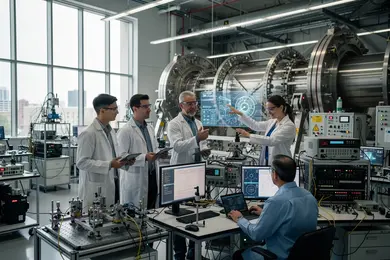
2026 Update: Lab Requirements and Hands-On Learning in Online Physics Completion Programs
This 2026 update adds guidance on a key issue for working adults: how online physics completion programs handle required labs, experiments, and applied coursework without forcing students into a traditional campus schedule.
- Whether lab courses are fully online, hybrid, or require short in-person sessions
- Any required lab kits, software, sensors, or equipment students must purchase
- How experiments are supervised, documented, and graded in remote formats
- Whether proctored exams, live demonstrations, or scheduled lab meetings are required
- If local college partnerships or approved workplace facilities can satisfy lab components
- How lab timelines fit around full-time employment, travel, or rotating work shifts
Checking these details before enrolling helps students avoid unexpected schedule conflicts or added costs, while choosing a program that still provides the hands-on physics experience employers and graduate schools may expect.
Which Accredited Universities Offer the Most Affordable Online Physics Bachelor's Degree Completion Programs?
Fort Hays State University: Offering a flat tuition rate of $226.67 per credit hour for all online students, Fort Hays State is regionally accredited by the Higher Learning Commission (HLC). Its physics program supports a generous transfer credit policy, allowing working adults to accelerate degree completion. The fully online format has no added fees for out-of-state learners.
University of Central Florida: UCF charges $212.33 per credit hour for Florida residents and $299.66 for non-residents. Accredited by the Southern Association of Colleges and Schools Commission on Colleges (SACSCOC), UCF's physics bachelor's degree completion includes evening and asynchronous courses tailored for working adults, with robust transfer credit acceptance.
Columbus State University: CSU's online physics completion program costs $218.64 per credit for in-state students and $683.04 for out-of-state. The institution holds accreditation from SACSCOC. Its curriculum emphasizes applied physics and workforce readiness, designed to accommodate transfer students and adults balancing employment.
Missouri University of Science and Technology: S&T's program charges $301.30 per credit hour for Missouri residents and $401.60 for others. Accredited by HLC, the program is noted for rigorous STEM components and recognizes military and experiential credits to speed up degree completion.
University of North Dakota: UND offers a flat rate of $455 per credit hour for all online students, irrespective of residency. Accredited by HLC, the program fosters research skills and allows credit by examination and prior learning assessments, providing flexibility for transfer and non-traditional students.
Across the board, the most affordable options share flat tuition rates regardless of residency, which benefits out-of-state students trying to minimize costs. These programs typically value prior learning and transfer credits to shorten time to degree. Mid-range options often differentiate rates by residency but offer expanded course selections or enhanced student support. Regional accreditation by HLC or SACSCOC and STEM-focused curricula ensure academic quality within these physics degrees.
One professional who enrolled in an online physics bachelor's degree completion program shared that balancing work, family, and studies was daunting initially. "Navigating transfer credits and figuring out how my military experience fit into the curriculum took some time," he explained. However, the flexibility of asynchronous courses allowed him to learn on his schedule, and the recognition of his prior learning was a significant advantage. This pathway not only made degree completion feasible but also boosted his confidence and opened new career opportunities in a competitive STEM field.
How Many Transfer Credits Can Working Adults Apply Toward an Online Physics Degree Completion Program?
Transfer credit policies for working adults in online physics programs usually allow students to apply between 60 and 90 semester hours from previously completed coursework. This credit cap encourages students to fulfill a significant portion of their degree-typically 30 to 60 credits-directly through the institution awarding the degree, ensuring academic standards are upheld.
- Credit Caps: Most degree completion programs limit transfer credits to a maximum ranging from 60 to 90 semester hours to maintain program integrity and degree value.
- Credit Equivalency Evaluation: Institutions carefully assess transcripts, often requiring course descriptions, to confirm that prior classes match the required physics and general education content.
- Articulation Agreements: Formal partnerships between community colleges and universities facilitate smoother credit transfers by guaranteeing acceptance of agreed-upon courses, benefiting students aiming to finish their online physics degree.
- Transfer Credit Loss: Data from the U.S. Department of Education's Transfer Summit indicates that students can lose roughly 40% of their credits during transfer. Prospective students should prioritize programs with guaranteed or well-structured transfer pathways to minimize this loss.
- Military and Professional Credits: Some of the most transfer-friendly physics programs accept credits recommended by the American Council on Education (ACE), including military training and professional certifications relevant to degree requirements.
- Transcript Evaluation: Requesting an official evaluation before enrollment helps clarify which credits will transfer, supporting better decision-making for those pursuing online physics degree completion.
For working adults searching for the right pathway, resources such as PsyD programs also demonstrate the importance of accredited, structured transfer credit policies when completing advanced degrees online.
What Are the Typical Admission Requirements for Online Physics Bachelor's Degree Completion Programs?
Transfer Credit Requirements: Most programs ask for between 24 and 60 transferable college credits, typically from regionally accredited schools. These credits should include general education subjects as well as foundational physics courses to ensure preparedness for upper-level study.
GPA Expectations: A minimum cumulative GPA around 2.5 to 3.0 is typical, but more competitive programs may require higher academic performance, especially in science and math disciplines.
Required Documentation: Applicants must submit official transcripts from all previous institutions. Depending on the program, additional materials such as letters of recommendation, personal essays, or resumes may be necessary to demonstrate qualifications.
Prerequisite Coursework: Successful candidates usually need to have completed introductory physics and calculus classes. Some institutions list specific courses to confirm applicants possess the foundational knowledge for advanced physics topics.
Admission Selectivity: Open-admission programs accept all students meeting basic criteria and often provide more academic support, though their credential may be viewed as less selective. In contrast, selective programs apply stricter standards, which can enhance the degree's reputation but make entry more challenging.
Conditional Admissions: Some schools offer provisional acceptance to applicants who fall short on certain requirements, allowing them time to complete missing prerequisites or improve their GPA before full admission.
Application Enhancement Tips: Taking prerequisite courses at a community college before applying can improve eligibility. Showing steady academic progress and relevant experience also strengthens applications.
One professional who completed an online physics bachelor's degree shared that navigating admission requirements was initially daunting. She found gathering all transcripts and prerequisite proofs time-consuming but appreciated the option for conditional admission, which gave her confidence to begin while finishing coursework. Reflecting on the process, she emphasized careful planning and proactive communication with advisors as key to overcoming hurdles and staying on track toward graduation.
How Long Does It Take to Complete an Online Physics Bachelor's Degree Completion Program as a Working Adult?
Completion times for online physics bachelor's degrees vary widely based on transfer credits, enrollment pace, and course format. Students starting with 30 transfer credits often take 2.5 to 3 years studying part-time, while those with 60 credits may finish in around 1.5 to 2 years. Learners entering with 90 credits can sometimes complete their degree in under a year by utilizing accelerated sessions and summer courses.
- Transfer Credit Benefits: Programs typically accept up to 90 transfer hours, significantly reducing remaining coursework-often to about 30 credits or fewer-thus shortening time to degree completion.
- Enrollment Status: Part-time study at around 6 credits each semester extends duration but better balances work and life. Full-time enrollment, typically 12 or more credits, can halve completion time but demands substantial commitment.
- Course Load Reality: Taking two three-credit physics or related courses per semester is a practical pace for working professionals, usually resulting in finishing in approximately three years if beginning with 30 transfer credits.
- Accelerated Terms: Eight-week courses allow faster progression compared to traditional 15-week classes, enabling more terms per year and speeding up graduation.
- Competency-Based Models: Some institutions permit advancement based on demonstrated knowledge rather than fixed semesters, allowing highly motivated students to graduate sooner by testing out of material.
- Summer and Winter Enrollment: Enrolling in courses during breaks adds opportunities to earn credits, further compressing degree timelines.
- Personal and Employer Factors: Family obligations, work responsibilities, and available employer tuition assistance all influence how quickly students progress; planning should realistically consider these elements.
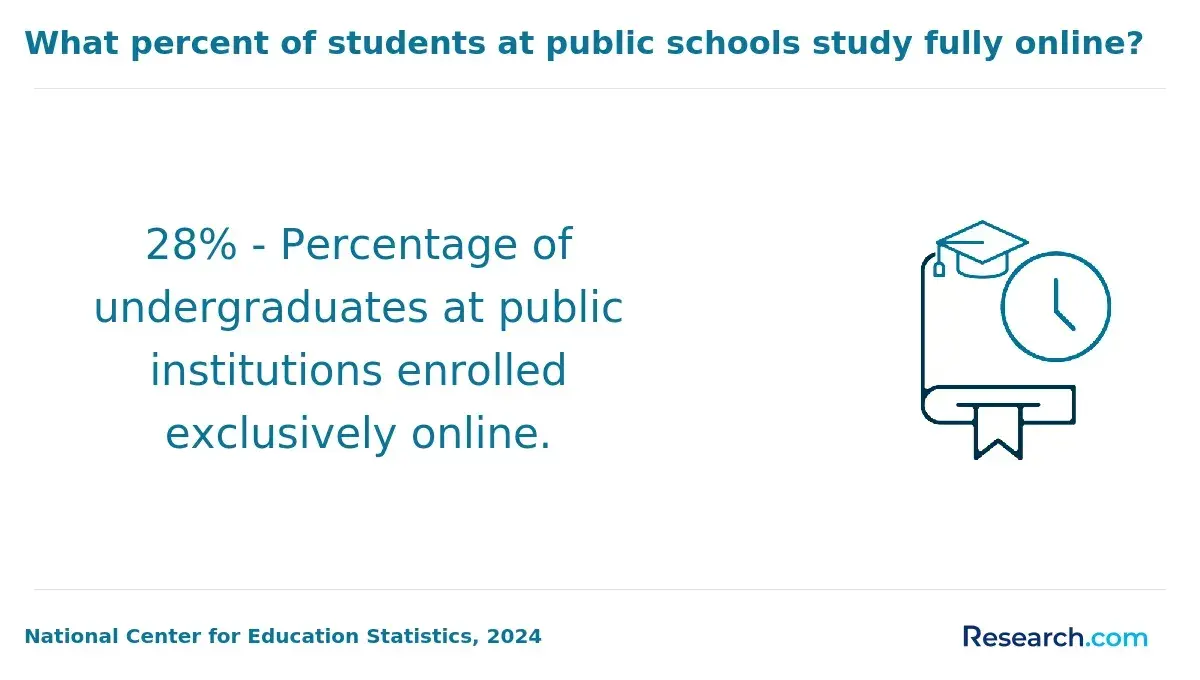
- Enrollment Growth Trend: Distance education enrollment increased by more than 30% from 2015 to 2021, reflecting greater accessibility and flexibility for adult learners pursuing degrees online.
What Financial Aid, Grants, and Employer Tuition Assistance Options Are Available for Online Physics Completion Students?
Working adults aiming to complete an online Physics bachelor's degree benefit from multiple financial aid options designed for non-traditional students. Federal Pell Grants and Direct Loans are still accessible to eligible adult learners returning to education, offering foundational support for tuition costs. Additionally, many states provide grants specifically targeting adult returners, which can significantly offset expenses for those resuming their studies.
Colleges frequently offer institutional scholarships tailored to students with prior credits or work experience, especially in scientific disciplines like Physics. Employer tuition assistance programs represent another valuable funding source. Under IRS Section 127, employers may contribute up to $5,250 annually in tax-free benefits toward undergraduate coursework, making this an important consideration for working professionals.
There are also scholarships and fellowships exclusively for adult learners in STEM fields, recognizing their unique challenges and contributions. These awards can be particularly relevant for students finishing a Physics degree after a career break or shift.
To maximize financial support, students should follow these steps before enrollment:
- Complete the FAFSA: Submit the Free Application for Federal Student Aid promptly to determine eligibility for federal grants and loans.
- Explore State Grants: Investigate grant programs in your state specifically aimed at adult learners returning to Physics or other degree programs.
- Apply for Scholarships: Identify scholarships targeting non-traditional students with science or technical backgrounds and submit strong applications.
- Check Employer Benefits: Consult your human resources department about tuition assistance options under IRS Section 127, and request a formal tuition benefit agreement.
How Does Per-Credit-Hour Tuition for Online Physics Completion Programs Compare Across Accredited Institutions?
Data from the National Center for Education Statistics (NCES) and the Integrated Postsecondary Education Data System (IPEDS) shows the national average cost per credit hour for online bachelor's completion programs in physics is about $450. This average per-credit tuition rate for online physics degree programs helps students assess options across fully accredited institutions that cater to working adults.
Tuition varies notably by institution type. Public universities may offer rates as low as $300 per credit hour, while private schools charge upwards of $700. Total program costs depend heavily on the number of remaining credits needed, typically 60 or 90 after transferring prior coursework.
Cost-ranked estimates based on these scenarios illustrate the tuition differences:
- State University A: $300/credit; Total Cost: $18,000 (60 credits), $27,000 (90 credits)
- Regional College B: $450/credit; Total Cost: $27,000 (60 credits), $40,500 (90 credits)
- Private Institute C: $700/credit; Total Cost: $42,000 (60 credits), $63,000 (90 credits)
Beyond tuition, ancillary fees-including technology charges, proctoring services, graduation fees, and textbooks-can add thousands more to the total expenditure.
- Ancillary Fees: Technology and lab fees often increase costs by 10-20% over base tuition, impacting budgets for working adults.
- Total Credit Hours: Programs with lower per-credit tuition may require additional credits, offsetting initial savings.
- Transfer Policies: Generous credit transfer policies reduce total credits needed, lowering overall costs, whereas restrictive policies increase expenses despite low tuition rates.
- Cost-Benefit Analysis: Evaluating all fees and credit requirements helps identify the most affordable and flexible completion option.
For working adults balancing time and budgets, exploring accelerated modalities such as 6 week college courses can further optimize degree completion timelines alongside per-credit tuition consideration.
What Prior Learning Assessment and Credit-by-Exam Options Exist in Online Physics Degree Completion Programs?
Prior learning assessment (PLA) options enable working adults to turn existing knowledge and skills into academic credit, helping accelerate the completion of an online physics bachelor's degree. Programs often accept credit-by-exam policies such as CLEP and DSST, portfolio assessments, and credit for military training evaluated through the American Council on Education (ACE). These options recognize a wide range of prior experience, significantly shortening time to graduation.
- CLEP and DSST Exams: These standardized exams allow students to demonstrate proficiency in college-level physics and related subjects, earning credit without retaking courses.
- Portfolio Assessment: Some online physics completion programs accept detailed portfolios documenting academic and professional experiences. Up to 30-45 credits may be awarded after a thorough faculty review of submitted evidence.
- ACE Evaluations: Military service members and corporate learners benefit from ACE credit recommendations, which translate training and occupational experiences into transferable academic credit recognized by many institutions.
- Flexible Credit Limits: The most expansive programs accept up to 90 prior learning credits towards degree requirements, accommodating community college transfers, veterans, and mid-career professionals.
- Documentation Preparation: Learners should compile transcripts, certificates, detailed resumes, and reflective statements to support PLA portfolio submissions, following the institution's guidelines carefully.
When reviewing credit-by-exam policies in online physics degree completion programs, it's essential to compare each institution's PLA options to ensure they fit your professional background and goals. For comprehensive information about program structures and transfer policies, exploring resources like the online graphic design degree listings can provide useful insights into online degree frameworks across disciplines. This approach helps identify programs that best accommodate prior learning and streamline degree completion.
How Do Asynchronous Schedules in Online Physics Programs Accommodate Full-Time Working Professionals?
- Flexible Scheduling: Fully asynchronous courses let students access lectures, submit assignments, and participate in discussions anytime, accommodating varied time zones and work hours, ideal for shift workers and travelers.
- Course Structure: Assignments and assessments are designed for independent completion, with deadlines spread to promote steady progress without live attendance, unlike synchronous or hybrid formats requiring real-time participation.
- Program Formats: Synchronous programs offer real-time interaction, which benefits those who prefer scheduled engagement but pose challenges for unpredictable schedules. Hybrid models blend both, providing some flexibility but still requiring periodic live sessions.
- Eight-Week Terms: Some schools offer accelerated eight-week courses, enabling concentration on fewer subjects simultaneously, easing the balance between study, work, and personal commitments.
- Time Management Tips: Successful adult learners use digital calendars, task managers, and reminder apps to organize study sessions. Breaking coursework into small, consistent blocks helps maintain motivation and avoids last-minute stress.
- Support Tools: Many programs provide online resources like video tutorials and virtual office hours, which complement asynchronous learning by offering assistance on-demand without live scheduling constraints.
What Concentrations and Career Tracks Are Available Within Online Physics Degree Completion Programs?
Most online physics bachelor's completion programs offer concentrations that generally fit within the standard 120-credit framework, so additional coursework is often unnecessary. However, some specialized options may require extra credits, which could affect time and tuition costs.
- Applied Physics: This track focuses on applying physics concepts in technology and engineering fields like manufacturing and product design. According to the U.S. Bureau of Labor Statistics, related roles such as engineering technicians have median salaries near $80,000 with consistent industry demand.
- Medical Physics: Targeting healthcare technology areas like radiation therapy, this specialization prepares students for clinical or research careers. Many graduates pursue board certification through the American Board of Radiology, with salaries in clinical roles often exceeding $120,000.
- Astrophysics and Space Science: Concentrators in this area pursue careers in aerospace and federal research agencies like NASA. While some programs demand additional electives, median physicist salaries reach approximately $115,000 in this sector.
- Computational Physics: Combining programming with physics, this track suits those interested in simulations, software development, and data analysis. Job growth is strong, with average salaries around $95,000.
- Energy and Environmental Physics: Graduates focus on sustainability and renewable energy technologies. Careers in this field offer median wages near $85,000, with employment prospects rising due to climate-related initiatives.
Select a concentration that balances your personal interests with certifications and labor market demand to optimize both career progress and educational investment.
What Graduates Say About Online Physics Bachelor's Degree Completion Programs for Working Adults
- Otis: "The well-structured curriculum and proper accreditation of the program gave me full confidence that my degree would be recognized nationally. The generous transfer credit policies allowed me to leverage my previous college work efficiently, saving both time and money. Balancing tuition with flexible payment options made completing my degree an achievable goal alongside my full-time job."
- Ronan: "Reflecting on my journey, I appreciate how the program's acceptance of prior learning assessments validated my work experience and accelerated my path to graduation. The clear transfer credit guidelines meant I didn't have to retake courses unnecessarily, which was a relief. Knowing the degree met rigorous accreditation standards reassured me that employers would value my qualification in the competitive physics field."
- Brooks: "I found the online physics degree completion program straightforward yet challenging, which matched my professional aspirations. The transparent tuition model helped me plan my finances without surprises, and the robust transfer credit policy recognized the credits I earned elsewhere seamlessly. Most importantly, completing this degree opened new doors at work, leading to more advanced roles and meaningful career growth."
Other Things You Should Know About Physics Degrees
Employers and graduate schools generally regard an online physics bachelor's degree completion program the same way they do traditional degrees, provided the program is accredited by recognized agencies. Accreditation ensures the curriculum meets industry and academic standards. Graduates with such degrees can pursue advanced studies or careers in research, education, engineering, and technology without disadvantage.
Most online physics completion programs offer dedicated academic advising tailored for working adults, including assistance with course selection and transfer credit evaluation. Career services often include resume building, interview preparation, and networking opportunities specific to physics-related fields. Additionally, virtual tutoring and technical support are commonly available to help students succeed remotely.
References
- Financial Aid for Online Students: Grants, Scholarships, Loans, and Employer Tuition Assistance https://www.smartonlinedegree.com/blog/financial-aid-online-students
- Tuition Aid – Illinois Tech https://onlineprograms.iit.edu/tuition-aid/
- Tracks in Physics https://www.loyola.edu/academics/physics/curriculum/tracks.html
- Physics Degree Online - Edubrain https://edubrain.ai/blog/physics-degree-online/
- Asynchronous Education vs Fixed Schedule Online Classes: Which Works for Working Professionals https://puie.ac/asynchronous-education-vs-fixed-schedule-online-classes-which-works-for-working-professionals/
- Online Physics Degrees: Are They Useful Today? https://www.assignnmentinneed.com/blog/online-physics-degrees-are-they-useful-today
- What Financial Aid Options Are Available for Online Education? - Lakewood University https://lakewood.edu/online-education-financial-aid-3/
- Can I get financial aid for an online degree? | edX https://www.edx.org/resources/can-i-get-financial-aid-for-an-online-degree
- Careers in Physics | Academy Online Learning https://academyonlinelearning.com/careers-physics
- PLA Programme https://online-degrees.org/uni/prior-learning-assessment/programme