2027 Online Physics Bachelor's Degrees for Veterans and Military Students

Co-Founder and Chief Data Scientist
Transitioning from military service to civilian life often involves balancing educational goals with ongoing commitments and relocations. For many veterans and active-duty service members, leveraging education benefits while maintaining flexibility is crucial. In fact, 56% of veterans pursuing online degrees report improved employment opportunities within a year of graduation. Online physics bachelor's degrees offer a unique pathway to build on military experience and technical skills, accommodating diverse schedules and geographic constraints. This article explores how these programs support military-affiliated learners in meeting academic and career objectives within physics, highlighting options designed for their distinctive needs.
Key Benefits of Online Physics Bachelor's Degrees for Veterans and Military Students
- Flexible scheduling allows veterans and military students to balance coursework with service duties or family life, accommodating deployments and relocations without pausing educational progress.
- Online access enables uninterrupted learning from any location, crucial for military personnel facing frequent moves or overseas assignments, increasing degree completion rates.
- Programs often include career support tailored to veterans, facilitating transitions into civilian STEM careers and promoting long-term growth in physics-related fields with growing demand.
How Do Online Physics Degrees Work for Service Members?
Online physics bachelor's degree programs for veterans and active duty students typically use asynchronous learning methods, allowing flexible access to lectures, assignments, and exams via dedicated learning management systems. Coursework is presented through recorded videos or interactive modules, and submissions are made electronically, making it easier for students to engage on their own schedules.
Many programs offer interactive discussion boards and virtual office hours to facilitate communication with instructors and peers despite physical distance. The curriculum is usually divided into manageable modules to help students track progress and balance academic demands with military duties. This structure supports service members by reducing the need for fixed, synchronous attendance while still providing meaningful academic interaction.
These flexible online physics programs for veterans and active duty students are designed to accommodate the unpredictable and demanding nature of military responsibilities. Optional live sessions may be offered to encourage real-time engagement, but they are often recorded for later viewing. Extensive digital resources, including simulation tools and tutoring services, support remote learning and reinforce practical understanding alongside theory.
By respecting the varied schedules and environments of military students, these programs ensure education remains accessible and adaptable without rigid class times. Those interested in exploring further options for advanced education can find valuable information on masters degrees, which might complement their physics background and career goals.
Are Online Physics Degrees for Military Students Accredited?
Online physics degrees for military students are accredited when offered by institutions that meet recognized academic standards, ensuring quality and credibility. Accreditation in this context means the program's curriculum, faculty, and resources comply with established educational norms governed by regional accrediting agencies such as the Higher Learning Commission (HLC) or the Middle States Commission on Higher Education (MSCHE).
While programmatic accreditation like that from the Accreditation Board for Engineering and Technology (ABET) is less common for physics, the overall institutional accreditation validates academic rigor and support specifically designed for online learning. Military students need to verify these standards since accreditation confirms that their degrees hold professional value. Choosing programs that align with accreditation standards for military-friendly online physics programs guarantees access to a valid and respected education.
Accreditation matters especially for military-affiliated students because it directly impacts degree recognition by employers and graduate schools. A 2022 survey by the National Center for Education Statistics found that roughly 85% of employers prefer or require degrees from accredited programs, highlighting the importance of attending accredited institutions. This is critical for military students who want their education to translate into credible career opportunities in defense, research, and technology sectors.
Using an accredited program also ensures support services and resources tailored to veterans' unique needs, improving success in challenging fields like physics. For those comparing education investments, exploring issues like online business degree cost may similarly inform financial decisions when selecting an accredited program.
Does the GI Bill Cover Online Physics Bachelor's Degrees?
The GI Bill can help cover many online physics bachelor's degree programs if they meet specific eligibility standards. Typically, these benefits apply to VA-approved schools offering online degrees, allowing veterans and military students to use funds for tuition and related expenses. Recent data indicates that over 60% of GI Bill recipients take advantage of online or distance learning options, reflecting strong support for flexible education formats.
Key points about GI Bill coverage for online physics programs include:
- Tuition Coverage: GI Bill benefits often pay tuition directly to qualifying institutions, with limits depending on the GI Bill version. Approved online physics degrees usually qualify, ensuring veterans do not have to bear upfront costs.
- Housing Allowance: Students enrolled exclusively online typically receive a reduced monthly housing allowance compared to in-person learners. This allowance is generally a fraction of the national average and supports living expenses while studying remotely.
- Program Eligibility and Enrollment: To maintain benefits, students must be enrolled in an approved program and meet satisfactory academic progress requirements. This ensures the program is recognized by the Department of Veterans Affairs and aligns with GI Bill regulations.
- Institutional Approval: Only schools and programs vetted and authorized by the VA are eligible. Many universities offering online physics bachelor's degrees hold this approval, enabling veterans to apply their benefits confidently.
A veteran currently pursuing an online physics bachelor's degree shared her experience navigating GI Bill benefits. She recounted how confirming her program's eligibility took some time but proved worthwhile, as it allowed her to focus financially on her studies without added stress. "There was a learning curve figuring out how the housing payments worked for online students," she explained, noting that the reduced monthly allowance required budgeting adjustments. Despite initial uncertainties, she found the process reassuring and valued the flexibility that online courses provided, especially while balancing family life and career goals.
How Much Does an Online Physics Bachelor's Degree Cost for Veterans?
The total tuition for an online physics bachelor's degree for veterans generally falls between $15,000 and $60,000. Data from the National Center for Education Statistics shows that public four-year institutions have an average annual tuition of about $10,000 for in-state students, while private universities average $36,000 annually. Online program costs often mirror these rates but may include fees related to technology or remote resources. Understanding what affects these costs can help military students plan effectively.
- Type Of Institution: Public universities commonly offer lower tuition rates compared to private colleges, making them a more affordable option for many veterans. Private schools usually come with higher overall costs but may provide unique resources or networking opportunities.
- Residency Status: In-state tuition is typically less expensive than out-of-state fees. However, some online programs waive this distinction for military students, allowing veterans to pay reduced rates regardless of their residence.
- Program Length And Credit Requirements: Degrees requiring more credits or longer enrollment periods will increase the total tuition paid. Veterans should consider how program structure affects both time and cost commitments.
- Military Discounts And Tuition Assistance: Many institutions extend special pricing or accept military education benefits that significantly lower expenses. Access to these discounts can be a determining factor in affordability.
- Additional Fees: Expenses for technology, lab access, or course materials may add to the base tuition. These charges vary by institution and program design, impacting the final cost.
Can Military Experience Count Toward an Online Physics Bachelor's Degree?
Many colleges recognize relevant military experience as credit toward online physics bachelor's degrees. Veterans and active-duty students can often have their military training assessed to fulfill degree requirements, making timely graduation more attainable.
- Transfer Credit Evaluation: Schools commonly analyze official military transcripts, like the Joint Services Transcript (JST), to identify coursework or training equivalent to college-level physics or related subjects. This process helps translate military achievements into academic credit.
- Prior Learning Assessment (PLA): Some programs offer PLA pathways allowing students to demonstrate their knowledge through exams or portfolio reviews. Military experience that showcases technical skills or subject mastery may earn credit via tests like CLEP or DSST.
- Alignment With Coursework: Technical military training in fields such as electronics or mechanics can often be matched with foundational physics courses, reducing the total credits required to graduate and aiding military students in meeting degree benchmarks.
- Documentation Review: Academic advisors carefully evaluate detailed military records and certifications to confirm whether the experience satisfies learning objectives required for physics classes, providing personalized credit consideration.
Policies regarding military credit transfer for online physics degrees vary widely by institution. Prospective students should engage early with admissions or veterans affairs to navigate these options. Exploring various programs can also help identify the best fit for those seeking flexible paths, especially compared to easy associate degrees that pay well.
How Do Military Students Apply to Online Bachelor's Programs?
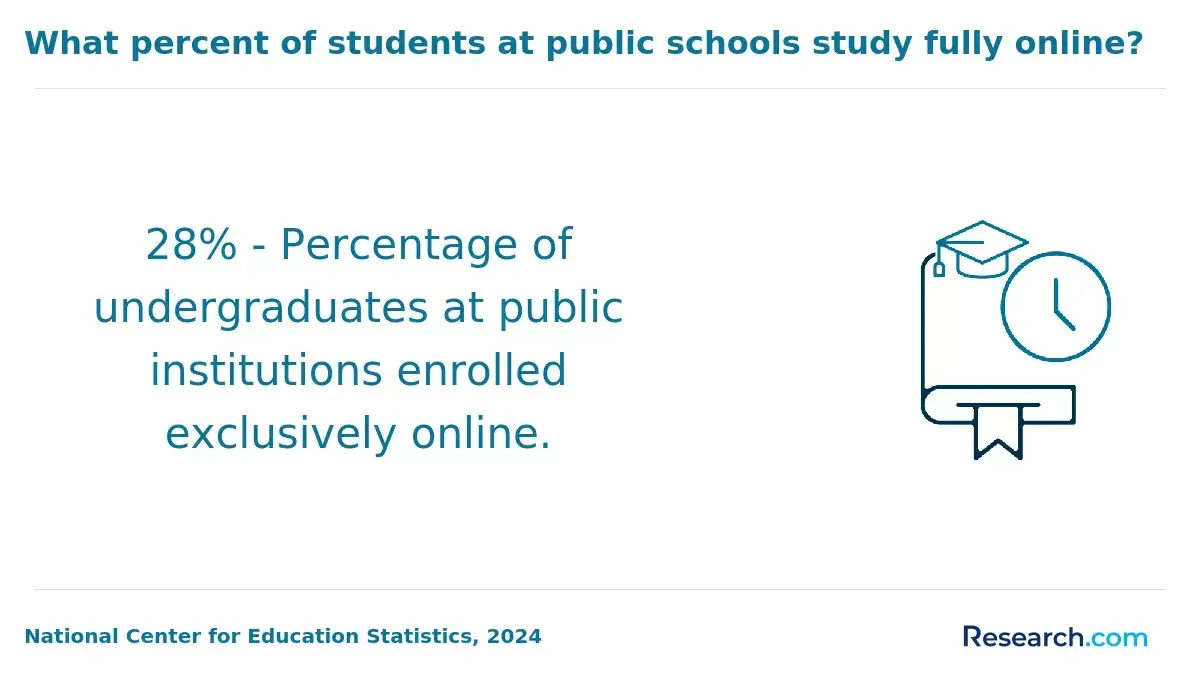
Military students enrolling in online bachelor's degree programs in physics encounter a well-organized yet adaptable application system designed to fit the distinct challenges of their service commitments. Nearly one-quarter of all online college attendees nationwide are veterans or active-duty personnel, highlighting the significant footprint of military learners in distance education. The following steps outline the typical application requirements for these students.
- Submitting Academic Records: Applicants must provide official transcripts from both high school and any postsecondary institutions attended. These documents verify academic preparedness and ensure alignment with program standards for physics study.
- Providing Military Documentation: Candidates need to submit proof of military affiliation, such as DD Form 214, military identification, or current deployment orders. This verification supports eligibility for certain benefits and tailored support services.
- Completing the Online Application: Most universities utilize digital platforms where prospective students fill out forms detailing educational background and personal information. This streamlines the process for remote military applicants.
- Meeting Program Prerequisites: Students should confirm they have completed prerequisite courses or successfully passed placement tests, especially in mathematics and foundational sciences relevant to physics. This ensures readiness for advanced coursework.
- Additional Supporting Materials: Some programs request recommendation letters or personal statements to gauge the applicant's motivation and objectives in pursuing a physics degree. These help admissions teams better understand each candidate's commitment and goals.
This application framework balances thoroughness with flexibility, allowing military-affiliated individuals to navigate enrollment without unnecessary barriers. Institutions offering online physics degrees typically provide dedicated guidance to assist throughout this process.
Are Online Physics Degrees Self-Paced for Military Students?
Online physics bachelor's degree programs vary greatly in how they accommodate military students through pacing and flexibility. The availability of self-paced learning options depends on the policies of each institution and the specific program design. Some programs offer fully self-paced formats, while others blend flexible elements to support veterans balancing education with military commitments.
Research by the Online Learning Consortium reveals that nearly 60% of military-affiliated students prefer asynchronous courses, since these allow them to study around deployments, relocations, and service duties. Below is an overview of common program formats catering to military learners:
- Fully Self-Paced Learning: Some universities offer physics coursework that students can complete entirely on their own schedule without fixed deadlines. This model enables military students to advance their degree at a pace suited to unpredictable availability.
- Asynchronous Classes: Many programs provide lectures and assignments online without scheduled login times, giving veterans the convenience to study when it fits their service and personal lives.
- Structured Term-Based Courses with Flexible Deadlines: In this approach, courses follow semesters or quarters but include extended deadlines or grace periods. These adjustments help active-duty students manage coursework alongside deployments or duty shifts.
- Hybrid Pacing Models: Some institutions combine occasional live sessions or synchronous requirements with asynchronous content and self-paced assessments, aiming to balance structured learning with flexibility.
When discussing whether online physics degrees are self-paced, a military student currently enrolled noted, "Sometimes it feels like I'm juggling more than just school. The flexible deadlines really make a difference because there are weeks when deployment orders take priority. I appreciate that I can catch up when I have the time, but the mix of live and recorded classes keeps me accountable without overwhelming me." This perspective highlights the real-world challenges and benefits of flexible online program formats for service members.
Can Military Students Study While Deployed?
Many online physics bachelor's degree programs are designed with flexibility to support deployed military students, ensuring their education can continue despite the challenges of service. These programs consider the unique demands of deployment and offer structures that help students maintain progress regardless of location or schedule. Below are several practical ways deployed service members can continue studying while fulfilling military duties.
- Asynchronous Learning Access: Most programs provide coursework and lectures on-demand, allowing students to study at their own pace. This is essential for flexible study options for veterans during deployment, as it removes the constraint of fixed class times and lets students engage whenever their schedules and internet access allow.
- Mobile-Friendly Platforms: Many online physics degree programs use platforms optimized for smartphones and tablets, enabling students to study from virtually anywhere. Access through mobile devices is particularly useful in deployment environments where traditional computers may not be readily available.
- Extended Deadlines and Flexible Policies: Schools often offer tailored academic policies that accommodate the operational demands on military students. Flexible deadlines help reduce stress by accounting for unpredictable work hours and deployment-related interruptions.
- Offline Coursework Options: Students can download lectures and assignments to work offline when internet connectivity is unreliable. This feature ensures continuous study even when deployed to locations with limited or sporadic internet access.
- Dedicated Academic Support Services: Advisors trained in the needs of deployed military students assist with course planning and technical challenges. These support systems contribute to steady progress toward degree completion despite deployment hurdles.
Veterans and active service members interested in related fields may also benefit from exploring fully funded art therapy programs, which offer additional educational pathways tailored to military-affiliated students.
What Are the Best Military-Friendly Online Colleges for Physics Degrees?
The best military-friendly online colleges for physics degrees are identified more by their institutional characteristics than by specific school names. These institutions excel in supporting veterans and active-duty service members through tailored resources and flexible academic programs. In 2022, over 700,000 military-affiliated students were enrolled in online higher education across the U.S., underscoring the growing demand for accommodating environments. Below are common types of institutions that best serve military students pursuing physics degrees.
- Public Universities with Strong Online Divisions: These schools typically offer affordable tuition, especially for in-state veterans, and maintain well-developed online physics curricula. Access to quality instruction paired with user-friendly technology helps service members balance education with military duties.
- Institutions with Dedicated Military Support Offices: Establishments that provide specialized offices to assist military students improve navigation through benefits utilization, credit transfers for military training, and transition challenges. This personalized guidance eases the path toward a physics bachelor's degree.
- Schools with Flexible Asynchronous Learning Models: Asynchronous programs allow students to study on their own schedule, which is vital for those with unpredictable deployment or duty hours. This flexibility supports military learners in completing their physics coursework without compromising service obligations.
- Competency-Based Education Providers: Such programs evaluate mastery instead of seat time, benefiting veterans whose military experience aligns with physics-related content. These pathways accelerate progress by recognizing relevant prior knowledge.
- Colleges Offering Robust Financial Aid and GI Bill Support: Institutions with streamlined processes for accessing education benefits reduce administrative burdens and provide affordable options for veterans seeking an online physics bachelor's program. Transparent financial aid enhances educational clarity.
Military-affiliated students seeking an affordable online physics bachelor's program for veterans can leverage these institutional benefits to find a suitable degree pathway. Those interested in related STEM fields may also explore a ms in applied artificial intelligence, which complements physics education and expands career opportunities.
Do Online Physics Bachelor's Degrees Help Military Transition to Civilian Careers?
Online physics bachelor's programs provide military students with flexible learning environments that enhance their readiness for civilian careers. These programs develop critical skills that bridge military experience and civilian workforce demands. Notably, the U.S. Department of Veterans Affairs reports that nearly 80% of veterans secure employment within a year of leaving service, underscoring the value of education focused on practical skill building. Below are key areas where physics degrees support career transitions.
- Transferable Technical Skills: Physics coursework deepens expertise in quantitative reasoning, data analysis, and experimental methods. These skills are highly valued in engineering, technology, and research fields beyond the military.
- Digital Literacy: Engaging with online platforms and virtual labs hones familiarity with digital tools and remote collaboration. This experience aligns with the growing need for tech-savvy professionals in civilian sectors.
- Problem-Solving and Critical Thinking: Physics promotes logical approaches and analytical reasoning, empowering students to tackle complex challenges that frequently arise in dynamic workplace environments.
- Communication and Teamwork: Group assignments and presentations cultivate interpersonal skills vital for effective collaboration and leadership within diverse civilian teams.
- Professional Adaptability: Balancing coursework with personal responsibilities fosters self-discipline and time management, essential traits for managing multiple demands in civilian careers.
What Graduates Say About Online Physics Bachelor's Degrees for Veterans and Military Students
- Otis: "Balancing active duty commitments with coursework was seamless thanks to the program's exceptional flexibility. The ability to access lectures and complete assignments on my own schedule made all the difference while deployed. Earning my physics degree has opened new doors for my military career, enhancing both my technical skills and leadership opportunities."
- Ronan: "Transitioning to civilian life felt daunting until I found this online physics bachelor's program, which offered dedicated career transition support tailored for veterans. The mentorship and networking resources helped me confidently shift into a research position in the energy sector. Reflecting back, the practical applications of physics I learned have been invaluable in shaping my new professional path."
- Brooks: "My experience as a military professional deeply influenced my appreciation for the rigorous training in this physics program. The curriculum's emphasis on problem-solving and analytical thinking directly complements my work in defense technology. I value how the program recognized my military background and integrated that perspective into learning, making the degree truly relevant."
Other Things You Should Know About Physics Degrees
Many online physics programs offer virtual research opportunities, including simulations, data analysis projects, and remote collaboration with faculty. Some programs provide access to on-campus labs during short residencies, enabling veterans to gain practical experience despite their remote status. These research components strengthen understanding and can enhance resumes for those transitioning to civilian STEM careers.
Yes, numerous institutions provide tailored support for veterans and active-duty students, such as dedicated military advisors, tutoring, and flexible scheduling to accommodate deployments or duty changes. These services help students manage coursework challenges specific to physics, including complex math and lab work, while balancing military responsibilities.
Many online physics programs in 2027 offer credit for military training via the ACE Military Guide. This allows veterans and military students to leverage their service experiences for academic credit, expediting degree completion. Each institution has its policy, so students should consult advisors for specific guidelines.
Many programs provide career counseling tailored to veterans, including resume-building workshops, interview preparation, and networking within physics-related industries. Some schools connect graduates with employers who value military experience combined with physics knowledge, supporting smooth transitions into civilian scientific and engineering roles.
References
- Physics Major | U.S. Military Academy West Point https://www.westpoint.edu/academics/majors-and-minors/physics-major
- Executive Search and Outplacement Services for the Engineering, Architecture, Construction, and Manufacturing Industries https://www.davron.net/veteran-job-transition-skillbridge-career-support/
- Explore online physics courses and programs | edX https://www.edx.org/learn/physics
- From Military Service to Civilian Employment: Translating Veterans’ Skills and Experience Into Manufacturing Careers https://www.jff.org/blog/military-service-civilian-employment-translating-veterans-skills-experience-into-manufacturing-careers/
- The Best Way for Veterans to Start Military to Civilian Career Training https://blog.masterofproject.com/the-best-way-for-veterans-to-start-military-to-civilian-career-training/
- Online Degrees for Veterans: Why Flexible Learning is a Great Fit https://www.ucumberlands.edu/blog/benefits-of-online-degrees-for-veterans
- Physics and Space Science Undergraduate Programmes https://intranet.rmc-cmr.ca/en/registrars-office/physics-space-science-undergraduate-programmes
- Should You Use Your GI Bill Benefits for an Online Degree? - The Military Wallet https://themilitarywallet.com/should-you-use-your-gi-bill-benefits-for-an-online-degree/
- 2025 Most Affordable Military-Friendly Online Colleges https://www.onlineu.com/most-affordable-colleges/military-friendly
- Physics and Space Science Undergraduate Programmes https://www.rmc-cmr.ca/en/registrars-office/physics-space-science-undergraduate-programmes