2027 Public Health BS Group Projects Across Time Zones

Co-Founder and Chief Data Scientist
A public health BS can be completed online, but its group projects may still require you to work with classmates who are awake and available at different hours. That matters if you are choosing a program around work, caregiving, or other commitments. This guide explains what virtual projects involve, how teams handle deadlines and data, and what instructors may grade. It also gives you specific questions to ask before enrolling so you can judge whether a program's actual teamwork requirements—not just its "online" label—fit your schedule.
Key Things You Should Know
- Expect shared deliverables, such as a community health assessment or intervention proposal; an online course may still require live team meetings.
- Eastern and Pacific classmates are generally 3 hours apart. Confirm the course's stated deadline time zone and whether meetings are required, rather than assuming everyone can work on their own schedule.
- Before enrolling, request a recent syllabus and ask how teams are assigned, individual contributions are graded, and scheduling conflicts are handled.
What are public health BS group projects like across time zones?
Students may jointly prepare a population-health brief, compare publicly available health indicators, design a health communication campaign, or propose how to evaluate a community program. The work typically has both individual tasks—finding evidence, checking data, drafting sections—and a shared product that must read as one coherent argument. Specific assignments depend on the course; a hypothetical campaign proposal, for example, is not evidence that students implemented a campaign with a community partner.
Across time zones, the challenge is usually less about finding a meeting app than arranging handoffs. A student on the East Coast might review a draft in the morning while a Pacific teammate revises it later. That works when the team has agreed on who owns each section, where feedback belongs, and how long someone has to respond. It works poorly when all decisions wait for an unplanned evening call.
For broader context on degree formats and curricula, see online public health bachelor's admissions and coursework; confirm group-work expectations in the particular courses you would take.
How do online public health BS programs coordinate teams across different time zones?
Coordination is usually set at two levels. The instructor controls the course calendar, assignment rules, approved tools, and any required live sessions. Students then divide tasks and agree on meeting windows within those rules. An asynchronous course lets students access much of the material on their own schedule; it does not necessarily make every group interaction asynchronous.
A workable team agreement records each member's time zone, recurring availability, response expectations, meeting method, and backup contact. For a group spanning Eastern and Pacific time, an afternoon Eastern meeting may be more feasible than a morning Eastern meeting. If no common window exists, the team should ask the instructor early whether recorded updates and documented written decisions satisfy the assignment.
Scheduling deserves the same scrutiny at later degree levels. If graduate study is part of your plan, descriptions of accessible admissions pathways for online MPH study address a different question from whether a program's live sessions fit your hours; verify both separately.
What skills do public health students develop through virtual group projects?
A well-designed project can help students practice dividing work responsibly, evaluating evidence, explaining a population-health problem to a defined audience, and reconciling different interpretations of data. Time-zone separation makes written decisions and clear handoffs especially important. In public health, those habits matter because a confusing claim about a health disparity or an undocumented change to an indicator can weaken a recommendation.
Skill depth depends on the assignment. Summarizing a published chart demonstrates data interpretation, not independent biostatistical analysis; drafting an intervention proposal demonstrates planning, not proof that it improved health. Students who want substantially deeper quantitative preparation can compare the methods requirements of biostatistics graduate programs for busy professionals rather than treating one BS team project as equivalent training.
Instructors may set a topic-selection checkpoint, proposal, draft, peer review, and final submission, or they may grade only the finished product. Intermediate checkpoints give a dispersed team a chance to correct uneven progress before the final week. Students should look for the actual course schedule rather than assume every public health BS uses the same project structure.
Pay particular attention to the deadline convention. "Sunday at 11:59 p.m." is incomplete unless the syllabus or learning platform identifies a time zone. The team should set its own earlier internal deadline so members can review the combined work before submission. Students balancing jobs or caregiving also need to know whether attendance at a presentation is required, whether it is live, and whether an alternative is permitted.
If you later compare graduate options, use an online MPH tuition comparison guide for that separate financial decision. A BS course's project calendar and an MPH program's price do not establish one another's flexibility.
A learning management system usually holds the assignment and submission instructions. Teams may also use an institution-approved document editor for shared drafts, a video platform for meetings, and a task board or shared checklist for responsibilities. The important feature is not the brand: everyone needs access to the current version, a visible record of decisions, and a reliable way to contact the instructor.
Public health data require extra care. Publicly available aggregate statistics can still be misquoted or stripped of important context; identifiable records, restricted datasets, and partner materials may require permission and approved storage. Do not place sensitive information in a personal account or an unapproved AI tool. Ask the instructor what data are permitted, what can be shared with teammates, and what may appear in a presentation or portfolio.
These tool and data-access questions become more consequential in advanced study, including online public health doctorate pathways. Their requirements should not, however, be assumed to apply to a BS class exercise.
Agree on communication rules before the first deliverable, while changes are still easy to make. A brief plan is more useful than a constant stream of messages because it tells teammates when a response is needed and what to do if someone becomes unavailable.
These steps address the barriers most likely to delay a shared submission:
- Record each person's local time zone and availability; put meeting invitations and deadlines in a shared calendar that converts times automatically.
- Use one designated channel for decisions and summarize meeting outcomes there for anyone who could not attend.
- Assign an owner and internal due date to each task, plus a backup reviewer for the final draft.
- Raise missed handoffs with the teammate promptly, then follow the instructor's escalation policy rather than waiting until submission day.
Access barriers can also affect participation. Ask about loaner equipment, approved mobile access, captions, and institutional support if broadband or software is a constraint. Future graduate funding is a separate matter: public health master's university award comparisons cannot establish what support is available for an undergraduate team project.
Assessment may combine the quality of the shared deliverable with evidence of each student's work. Depending on the syllabus, instructors may consider drafts, individual reflections, presentation roles, peer feedback, or revision history. Ask for the rubric: a course that grades only the final product creates a different risk from one that explicitly evaluates contributions.
Good public health work is not just a polished slide deck. A rubric may reward accurate use of evidence, a clearly defined population and purpose, appropriate limitations, respectful language, and feasible recommendations. Peer ratings can help flag unequal work, but students should keep factual records of assignments and handoffs rather than assume a rating will settle a dispute.
If graduate study is a later goal, protect your academic record by seeking help when a group problem first affects your work. Public health graduate GPA requirements and alternatives vary by program; one difficult team project does not define every future admissions option.
Virtual projects resemble parts of entry-level public health work: coordinating a report, checking sources, documenting decisions, and presenting a recommendation that colleagues can act on. A student can make that experience more useful by retaining a permitted, redacted writing sample and being ready to explain their own contribution. Never include confidential partner information or claim that a proposed intervention achieved results.
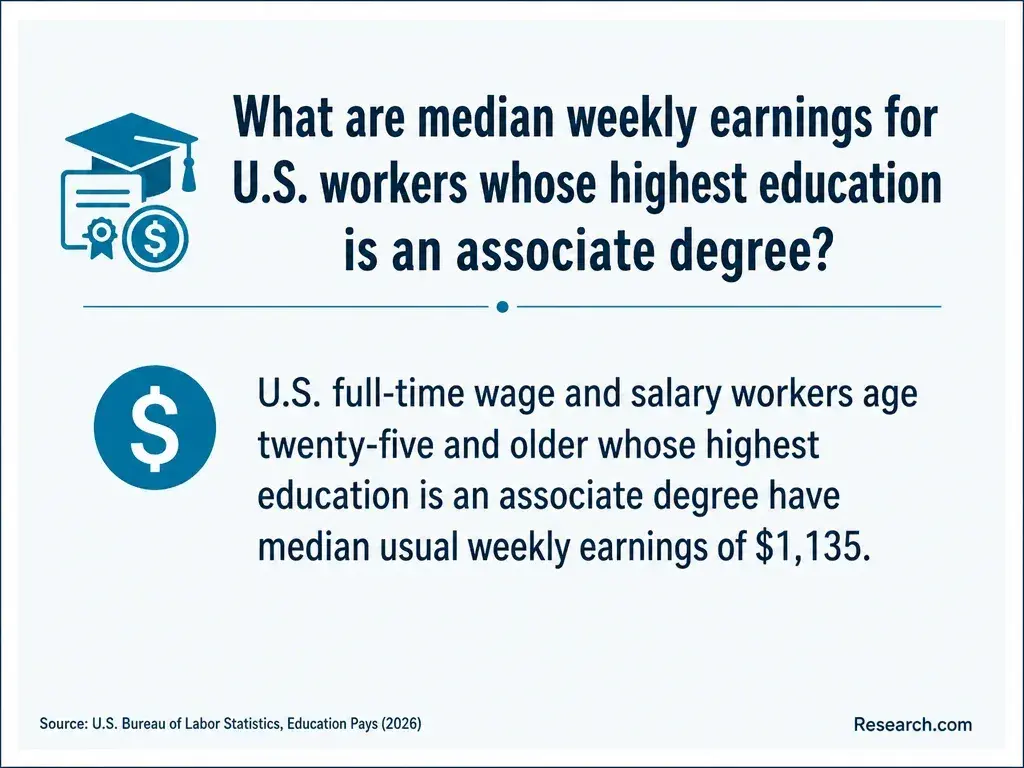
For program assistant, outreach, or health education support roles, an employer may value evidence that you can communicate clearly and meet shared deadlines. A class project alone does not replace supervised experience, job-specific training, or any credential an employer requires. Likewise, occupation-wide pay figures or Master of Public Health earning potential should not be presented as the expected earnings of BS students who completed a virtual project.
Compare the obligations you would actually face, not the delivery labels. The table identifies differences worth checking in a recent syllabus or with a program adviser; neither format is automatically easier for students with limited availability:
| Decision factor | Online BS | Campus BS |
| Team meetings | May involve classmates in different time zones and required video sessions | May be easier to arrange after class but still requires time outside class |
| Collaboration | Relies heavily on shared documents and written handoffs | May offer in-person discussion alongside digital drafting |
| Scheduling costs | Check live-session hours, equipment needs, and any travel requirements | Check commuting time, campus attendance, and meeting availability |
| Applied opportunities | Ask how remote students access partners, internships, or local projects | Ask which opportunities are available and how placements are assigned |
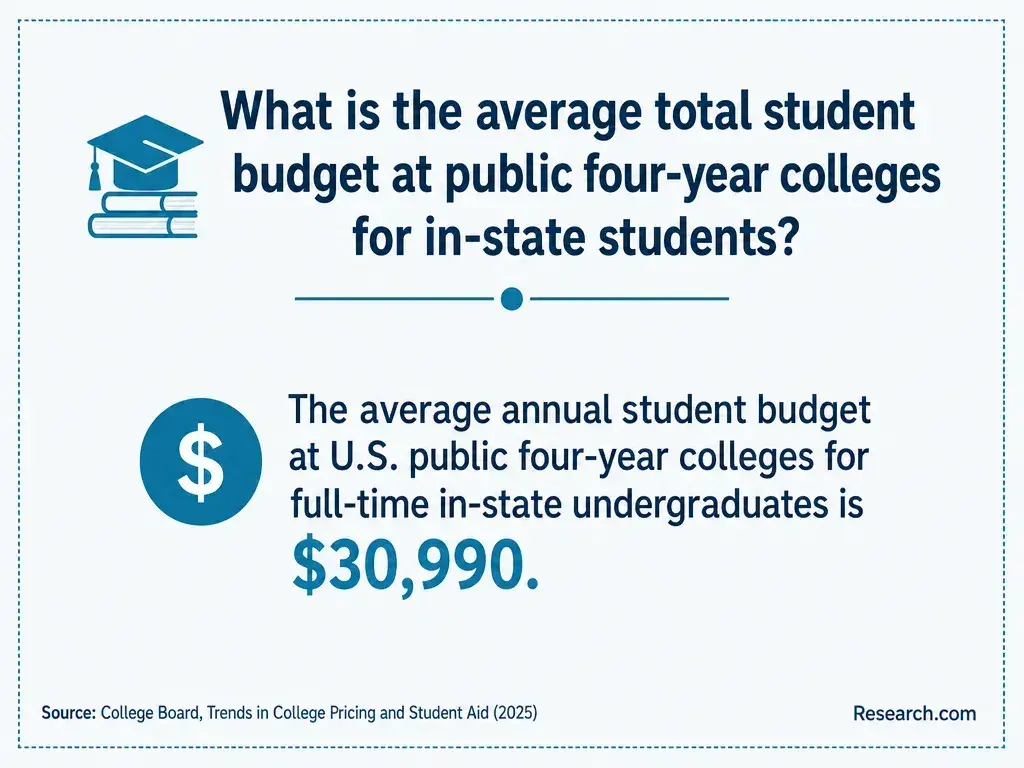
For a working student, a predictable evening video meeting may be more manageable than unpredictable campus meetups—or the reverse, depending on the household schedule. Compare the full BS cost and likely completion path before considering later credentials. Guides to lower-cost public health master's career pathways concern a separate investment, not a reason to overlook undergraduate scheduling costs.
How can applicants evaluate accredited public health BS programs?
First, check the institution's recognized accreditation. Then verify any public health-specific Council on Education for Public Health (CEPH) claim against CEPH's listing: accreditation can apply to a school, unit, or individual program, and a university's general accreditation does not prove that a particular BS is covered. Confirm the exact degree name and scope rather than relying on a broad marketing statement.
Next, ask the program for a recent syllabus from a project-heavy course and written answers to three questions: Are team meetings or presentations required live? What time zone governs deadlines? How are individual contributions and unavoidable scheduling conflicts handled? Also ask how transfer credits apply to major requirements and whether remote students can access advising and applied-learning support. An admitted student should request an official degree audit before assuming previously earned credits shorten the path to graduation.
Keep longer-term funding decisions distinct from this BS evaluation. For example, reducing epidemiology doctorate costs through assistance may matter to a future specialist, but it does not establish this program's undergraduate price, aid, or group-work policies.
Other Things You Should Know About Public Health
Usually, you can discuss your own work, but check course and partner rules before sharing files. Remove names, restricted data, and any material you lack permission to publish; label a proposal as a proposal, not an implemented program.
Not automatically. An internship has its own approval, supervision, and learning requirements. Ask your program whether a particular experience qualifies rather than assuming similar subject matter makes the two interchangeable.
Review the assignment's key concepts and ask the instructor about prerequisite knowledge. A group should divide work by learning goals and available skills, not leave all research or data interpretation to one person.
Consider your work hours, caregiving, and other courses' deadlines before deciding. An adviser can help you check whether a lighter term would delay a required course sequence or affect financial-aid eligibility.
- Interventions to improve team effectiveness within health care | nih.gov https://pmc.ncbi.nlm.nih.gov/articles/PMC6950792/
- Community Planning: Frameworks & Tools | Public Health Infrastructure Center | CDC https://www.cdc.gov/infrastructure/public-health-systems-emerging-practices/frameworks-tools.html
- Q and A: Online Bachelor of Science in Public Health - UTA https://academicpartnerships.uta.edu/healthcare-nursing-online-programs/bachelor-of-science-public-health/public-health-bachelors-degree/
- Asynchronous Tools and How to Use Them - Online Teaching https://onlineteaching.umich.edu/articles/asynchronous-tools-and-how-to-use-them/
- Asynchronous Learning Across Time Zones | columbia.edu https://ctl.columbia.edu/resources-and-technology/teaching-with-technology/teaching-online/asynchronous-learning/
- What are best practices for designing group projects? | Carnegie Mellon University https://www.cmu.edu/teaching/designteach/design/instructionalstrategies/groupprojects/design.html
- Class Collaboration Tools: How to Choose the Right One | Video Conferencing Blog https://trueconf.com/blog/reviews-comparisons/class-collaboration-tool
- What Is Public Health? | CDC Foundation https://www.cdcfoundation.org/what-public-health