2027 Part-Time vs. Full-Time Art Studies Degree Programs

Co-Founder and Chief Data Scientist
Students often face challenges deciding between part-time and full-time art studies degree programs, especially when managing work commitments, financial constraints, and academic aspirations. Recent data shows that approximately 40% of art studies students opt for flexible learning formats, reflecting a growing preference for balance between education and life responsibilities.
This article examines key differences in workload, scheduling, and outcomes between part-time and full-time art studies programs. By understanding these distinctions, prospective students can make informed decisions that align with their personal and professional goals.
Key Benefits of Part-Time vs. Full-Time Art Studies Degree Programs
- Part-time art studies enable students to balance employment, facilitating financial stability while gaining practical experience relevant to their artistic careers.
- Flexible scheduling supports work-life balance, reducing burnout and improving academic retention rates among adult learners.
- Extended program duration allows deeper engagement with complex art concepts, enhancing skill development and portfolio quality essential for professional advancement.
How Are Part-Time Art Studies Programs Structured Compared to Full-Time Programs?
Choosing between part-time versus full-time art studies program structure is important because scheduling differences can significantly impact a student's learning pace and overall academic experience. Understanding these distinctions helps prospective students align their education with personal and professional commitments.
Part-Time Program
- Course Load: Typically involves enrolling in 6 to 9 credit hours per semester to reduce weekly demands.
- Weekly Time Commitment: Students usually spend 6 to 15 hours per week on classes and assignments.
- Scheduling Flexibility: Offers greater flexibility with many classes held during evenings or weekends to accommodate work and personal responsibilities.
- Online Options: Some programs provide hybrid or fully online courses for foundation studies or art theory, expanding access for remote learners.
Full-Time Program
- Course Load: Requires 12 to 18 credit hours per semester, equating to about 15 to 25 hours of weekly classes and studio work.
- Weekly Time Commitment: Supports an immersive schedule with consistent studio sessions facilitating skill development.
- Scheduling Flexibility: Follows a more rigid daytime schedule with limited evening or weekend options.
- Learning Environment: Emphasizes hands-on studio practice essential for faster academic progression.
These differences between part-time and full-time art degree formats mean that part-time programs better serve those needing adaptable study plans, while full-time programs benefit students aiming for a more intensive approach. For those exploring educational paths with flexible delivery, online certificate programs that pay well may also be worth considering as complementary options.
How Long Does It Take to Earn a Part-Time vs Full-Time Art Studies Degree?
Understanding the typical duration of art studies programs helps prospective students plan their academic and career timelines effectively. The time to complete part-time art degree studies varies significantly compared to full-time programs, influenced by course load, program flexibility, and individual circumstances.
- Full-time duration: Most full-time art studies degree programs in the U.S. take about four years, aligning with the standard bachelor's degree timeline. Full-time students usually take between 12 to 18 credit hours per semester, enabling them to finish within this period if all requirements are met.
- Part-time duration: The time to complete part-time art degree programs ranges from six to eight years on average. This variation depends on course load each semester, work or family commitments, and enrollment flexibility, often extending the graduation timeline.
- Other factors: Transfer credits, accelerated courses, and summer sessions can shorten completion time for both formats. According to NCES (2023), only 30% of art students study full-time, emphasizing the importance of choosing the right pace.
Prospective students can also explore options like what's the easiest doctorate to get as part of their longer-term educational journey.
Are Admission Requirements Different for Part-Time vs Full-Time Art Studies Programs?
Are admission requirements different for part-time vs. full-time art studies programs? While both formats share many core expectations, there are key distinctions based on the student's availability and background. These differences can influence the admission criteria and selection process.
- GPA Expectations: Admission criteria for part-time art degrees usually require a minimum GPA between 2.5 and 3.0 on a 4.0 scale, similar to full-time programs. However, full-time vs part-time art program requirements show that full-time programs may enforce slightly higher GPA standards due to greater competition and program intensity.
- Prerequisite Coursework: Full-time programs often require completion of foundational art or general education courses prior to enrollment, whereas part-time programs sometimes allow these prerequisites to be taken concurrently, offering more scheduling flexibility.
- Professional Experience: Part-time programs frequently value applicants with relevant work experience, especially those balancing careers or family obligations. This experience can sometimes compensate for academic criteria, a consideration less common in full-time admissions.
- Standardized Tests: Most art programs, regardless of format, do not require standardized tests like the SAT or ACT, focusing instead on portfolio quality and academic transcripts.
- Supporting Documents: Both formats require submission of a portfolio showcasing artistic skills. Letters of recommendation and personal statements are typical, with part-time programs often emphasizing personal statements that address motivation and time management.
For students exploring options, understanding these differences can help determine the best fit. Additionally, for aspiring graduates considering accelerated education paths, reviewing resources on the fastest masters programs may provide further insights into efficient degree completion strategies.
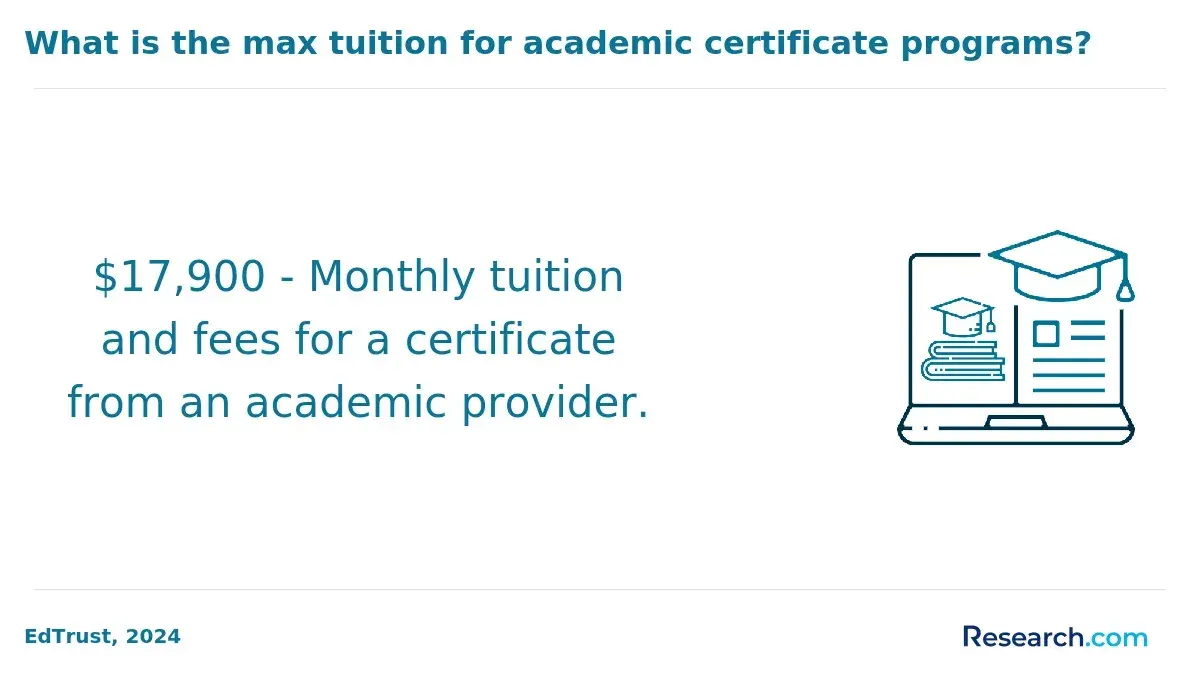
Tuition costs for part-time and full-time art studies vary significantly, primarily due to how credit hours are billed and institutional policies. While full-time students generally pay a flat semester fee covering a set credit range-commonly between 12 and 18 credits-part-time students are charged individually per credit, often at a slightly higher rate.
This distinction is important for students to consider because it affects the total cost of completing their degree and the availability of financial support.
- Per-credit tuition rates: Full-time enrollment usually offers a discounted flat rate encompassing multiple credits, whereas part-time students pay on a per-credit basis, which tends to be 10% to 15% more expensive per credit.
- Overall program cost: Although part-time study provides scheduling flexibility, the cumulative tuition may exceed full-time costs due to the higher per-credit charges and extended time to graduate.
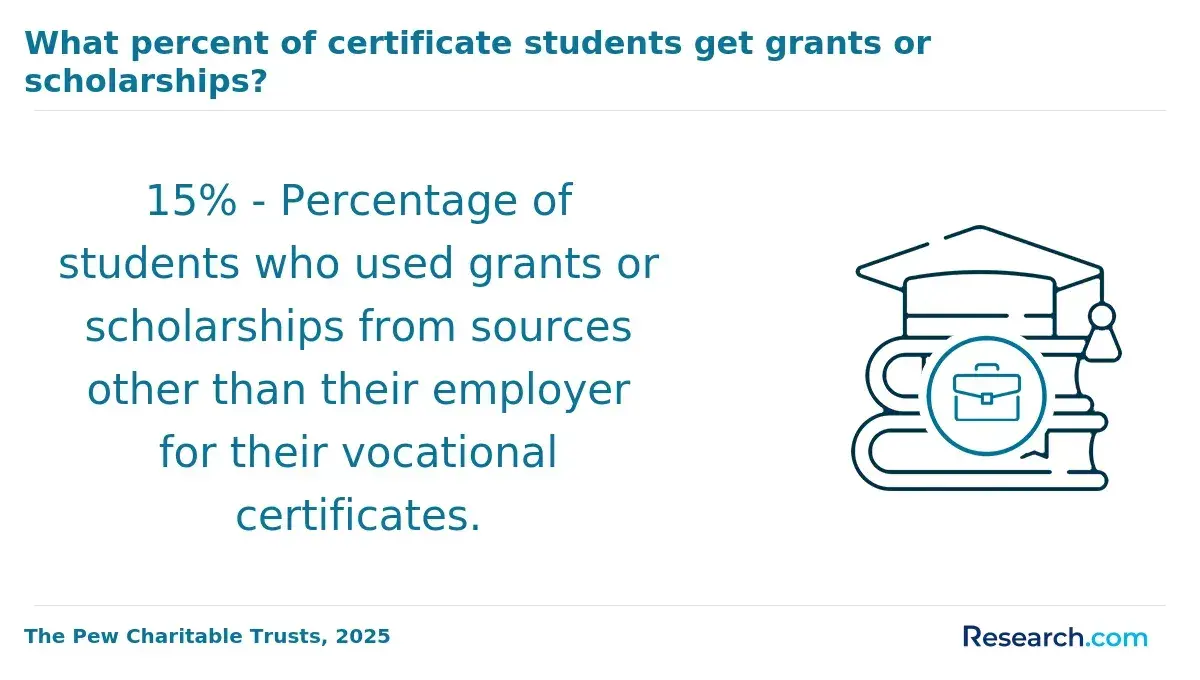
- Financial aid implications: Many scholarships and federal grants require a minimum full-time credit load, limiting aid options for part-time students and potentially increasing their out-of-pocket expenses.
- Additional fees: Part-time students may face extra charges like extended enrollment fees or repeated application costs if their studies stretch beyond typical time frames, adding to the total financial burden.
- Enrollment intensity and expenses: Maintaining full-time status often reduces per-credit costs and aids eligibility for financial assistance, which collectively lowers the net cost compared to the more incremental, often lengthier part-time path.
A graduate of a part-time art studies degree program shared her perspective after completing the journey. She recalled how, despite the convenience of pacing her coursework around a full-time job, the higher per-credit rates gradually accumulated, making budgeting a constant challenge.
"I appreciated the flexibility, but sometimes it felt like the fees crept up on me because I wasn't covered by the same financial aid as full-timers," she reflected. Navigating additional fees for extended enrollment added another layer of complexity. Still, she valued the experience, saying, "Taking it slow allowed me to absorb the material deeply and balance life responsibilities, even if it was more expensive in the long run."
Her story highlights the trade-offs students face between cost, time, and personal circumstances when choosing full-time or part-time study in art.
Part-time art studies degree programs generally provide greater access to online and hybrid courses compared to full-time formats. This difference stems from the needs of their student populations, with part-time programs designed for flexibility and full-time programs emphasizing campus engagement.
Below is a breakdown of how each format addresses course delivery options.
- Part-time programs: These prioritize flexibility by offering a higher proportion of online and hybrid classes, accommodating working adults and those with other responsibilities. Institutions often invest in digital platforms to support asynchronous learning and varied schedules.
- Full-time programs: Focus is placed on immersive, hands-on studio work and in-person critiques, resulting in fewer online or hybrid course offerings. While some hybrid options exist, most learning happens on campus to foster direct interaction and collaboration.
- Institutional policies: Universities tailor course availability based on student demographics, ensuring part-time learners have accessible remote options, while full-time students benefit from traditional classroom experiences. This aligns with data showing larger shares of part-time students enrolled in online or hybrid courses.
Most institutions allow students enrolled in art studies programs to switch between part-time and full-time status, though this is regulated by specific policies. Typically, students must obtain approval from academic advisors or registrar offices to ensure their course loads fit degree requirements and scheduling constraints.
Before making a change, it's important to consider how the shift might affect financial aid eligibility, as some grants or loans depend on maintaining a certain enrollment status. Students should also evaluate whether changing status aligns with their personal schedules and academic goals.
Switching between part-time and full-time enrollment often requires meeting academic standing criteria, and students on probation may face restrictions. Course availability can vary for part-time versus full-time students, potentially limiting flexibility in balancing other commitments.
Additionally, changing enrollment status can influence the anticipated graduation timeline, especially since part-time study generally extends program length. Approval from advisors ensures that students understand these factors and can adjust their plans accordingly.
I spoke with a graduate who transitioned from part-time to full-time in an art studies program. He shared that while the approval process was straightforward, balancing full-time coursework with his job was initially stressful.
"It felt like a big jump," he recalled, "but once I adjusted, my progress accelerated, and I appreciated being more fully engaged with campus resources." His experience highlighted both the challenge and advantage of switching, emphasizing careful planning and support as key elements.
The choice of delivery format significantly shapes the learning experience for art studies students, influencing how they balance their academic and personal lives. Flexibility varies notably between part-time and full-time formats, affecting how students engage with coursework and resources.
- Scheduling Flexibility: Online art studies formats offer substantial ease for part-time students managing work or other commitments, with asynchronous options favored by 58% of part-time undergraduates. Full-time students often benefit from the consistent blocks found in hybrid or on-campus schedules, which support sustained focus.
- Workload Management: Full-time learners generally undertake heavier workloads suitable for campus or hybrid settings that include structured studio time and synchronous classes. Part-time students excel with online formats that allow pacing assignments over time without compromising quality.
- Accessibility and Resources: Campus programs provide full-time students with direct access to studios, galleries, and art tools essential for immersive learning. Part-time online students may face challenges accessing physical materials but gain from digital resources and virtual critiques.
- Learning Pace: Hybrid programs blend self-paced online study with scheduled in-person sessions, appealing to both part-time and full-time students. This mixed approach promotes a balanced rhythm and has been linked to higher satisfaction and retention in art studies programs.
- Student Support: Full-time on-campus students typically receive faster and more comprehensive support, including mentorship and peer interaction. However, many institutions are enhancing virtual advising and community services to better serve part-time learners online, narrowing this gap.
Those exploring online hybrid campus art studies programs should consider the differences in how each format supports their schedule and learning style. For prospective students weighing their options, especially the trade-offs between part-time vs full-time art degree delivery formats, evaluating financial aid and institution affordability is crucial. Resources like the best affordable online colleges that accept fafsa offer valuable guidance in this area.
Employers' preferences for full-time art studies degrees over part-time degrees vary depending on several important factors. Full-time degrees are often seen as more rigorous due to their intensive schedules and immersive learning environments, which allow students to engage continuously with faculty and peers. This environment can result in stronger portfolios and better networking opportunities.
On the other hand, part-time studies highlight a student's ability to balance time effectively and gain professional experience simultaneously, which many employers value. This ability to manage coursework while working often enhances a candidate's practical skills alongside their academic credentials, making employer preferences for full-time art degrees nuanced and context-dependent.
Industry-specific trends further influence these employer perceptions, reflecting a shifting landscape in the value of part-time versus full-time art degree formats. For example, creative fields like graphic design and animation tend to focus more on skills and portfolio quality than on whether the degree was obtained full-time or part-time.
Meanwhile, traditional roles such as fine arts education or gallery curatorship may prioritize the depth of full-time study. According to recent statistics, roughly 30% of art studies undergraduates are enrolled part-time, showing a growing acceptance of flexible learning models.
For students weighing their options, researching what is the highest paying trade in trade school? can also highlight career paths where part-time study and work experience intersect effectively.
Return on investment (ROI) is a vital metric for evaluating part-time versus full-time art studies programs. It balances the financial outlay-such as tuition and lost earnings-with the career benefits gained over time. This insight helps students make informed decisions about how to allocate their resources and time effectively.
While full-time programs generally require a higher initial tuition payment and pause income during study, they enable quicker graduation and earlier entry into art-related careers. Conversely, part-time study eases immediate financial pressures by allowing students to work concurrently but extends the time before full career benefits are realized.
- Full-time cost and speed: Typically involves higher annual tuition and no income during study, yet accelerates workforce entry and salary growth potential.
- Part-time flexibility and earnings: Spreads tuition over more years and maintains income flow, but delays professional advancement and salary increases.
- Career and financial outcomes: Long-term ROI varies based on personal goals, balancing quicker earnings against manageable debt and income continuity.
Choosing between part-time and full-time art studies programs is essential for balancing academic ambitions, career plans, and personal responsibilities. The right format affects your time management, financial situation, and overall educational experience.
- Time availability: Full-time study typically demands 12 to 15 credit hours per semester, requiring significant weekly commitment. Part-time options offer flexibility to manage work or family but extend the program length.
- Financial resources: Full-time enrollment may lead to quicker degree completion but potentially higher short-term expenses. Part-time study reduces immediate financial pressure but might increase total costs due to longer attendance.
- Career goals and program duration: If you aim to enter the workforce promptly, full-time programs are often preferable. Part-time tracks better suit those balancing steady employment or gradual career shifts.
- Learning style and environment: Full-time students benefit from structured schedules and more peer interaction. Part-time learners should be self-motivated and disciplined to succeed with less consistent classroom engagement.
What Graduates Say About Their Part-Time vs. Full-Time Art Studies Degree
- Conrad: "Pursuing my full-time art studies degree was a transformative experience; the immersive curriculum and hands-on projects truly sharpened my creative skills. Although the average cost was a significant investment, I believe it was worth every penny, as it opened doors to a fulfilling career in graphic design. I'm grateful for how the program balanced theory and practice effectively. "
- Walker: "As a part-time student, managing work and art studies was challenging but rewarding. The flexibility helped me grow artistically without overwhelming my finances, since the total cost was more manageable over time. This degree has deeply enriched my personal life and given me new perspectives on artistic expression. "
- Joseph: "Completing my full-time art studies degree was a professional milestone that enhanced my portfolio and boosted my confidence. The tuition fees were considerable, yet the career opportunities that followed justified the expense. Looking back, the structured environment helped me maintain discipline and develop a strong network. "
Other Things You Should Know About Art Studies Degrees
In 2027, part-time art students often juggle work alongside study, leading to less intense daily workloads but extended program completion times. Full-time students encounter concentrated workloads and potentially higher stress, balancing intensive coursework within tighter timelines, gaining quicker degree completion.
Part-time art students can receive federal aid, but their awards are usually reduced below full-time levels because eligibility is tied to enrolled credit hours. In 2027, many schools require at least 6 credits for half-time aid, while full-time status is typically 12 credits per semester.
- BA vs BFA Degree: What's the Difference? (How to Choose) https://www.allartschools.com/bachelor-art-fine-arts-compared/
- Academic Policies Part–Time Study https://catalog.calarts.edu/academic-policies/part-time-study
- Full-time vs part-time studies. Which is better? https://en.ehuniversity.lt/faq/full-time-vs-part-time-studies-which-is-better/
- Benefits of Full-time and Part-time Course in Fine Arts | Sampratishta https://sampratishta.org/full-time-and-part-time-course-in-fine-arts/
- Part-time programmes https://www.rca.ac.uk/study/part-time-programmes/
- Online vs. On-Campus: Which Mode of Learning Is Best for You? https://www.onlinemastersdegrees.org/student-resources/which-mode-of-learning-is-best/
- From part time to full time or vice versa https://student.uva.nl/en/information/from-part-time-to-full-time-or-vice-versa
- Fine Art and Design in Education, part-time – all about the programme https://www.hku.nl/en/study-at-hku/fine-art/fine-art-and-design-in-education-part-time
- Art Degree https://universitycompare.com/guides/subject/art-degree
- admission rules - Polish-Japanese Academy of Information Technology https://pja.edu.pl/en/sztuka-nowych-mediow/grafika-sztuka-nowych-mediow-studia-ii-stopnia-niestacjonarne-polskojezyczne/zasady-rekrutacji/