2027 Do Employers Pay for Art Studies Degrees: Tuition Reimbursement and Sponsorship Options

Co-Founder and Chief Data Scientist
Many prospective students weigh the high cost of an art studies degree against their career aspirations, often burdened by student debt that averages over $30, 000 for arts-related programs. Employers occasionally offer tuition reimbursement or sponsorship, but such benefits vary widely and are less common for creative fields. Understanding these options can significantly reduce financial strain. This article examines the availability of employer-funded tuition assistance specific to art studies degrees, the criteria and limitations of such programs, and practical steps for students to secure funding. It aims to help readers make informed decisions about financing their education through workplace support.
Key Benefits of Employers Paying for Art Studies Degrees
- Employers offering tuition reimbursement reduce student debt, as art studies degrees often exceed $40,000, easing financial burdens for emerging creatives.
- Sponsorship programs enhance employee loyalty and career growth by investing in specialized art skills, which boosts workplace innovation and productivity.
- Such financial support increases access to advanced education in the arts, promoting diversity and inclusion within creative industries often challenged by high education costs.
Do Employers Pay for Art Studies Degrees?
Employer payment for art studies degrees through tuition reimbursement or company sponsorship options for art studies is generally less common compared to fields like business, technology, or healthcare. However, many companies provide educational benefits that can extend to art-related programs, particularly when the acquired skills align with organizational needs. According to the National Center for Education Statistics, about 38% of full-time U.S. employees report receiving some form of employer support for higher education. This support may be part of broader workforce development initiatives aimed at enhancing creativity, communication, and visual skills within the workplace.
Trends in employer tuition reimbursement for art degrees largely depend on industry relevance, specific job roles, and company priorities. Creative sectors such as advertising, design, media, and entertainment are more inclined to invest in art-related education because it directly enhances job performance. Even beyond these industries, employees demonstrating how their art studies connect to their career path may increase their chances of sponsorship.
Students should consider these patterns when evaluating an art studies degree, as aligning educational goals with employer interests can reduce costs and improve return on investment. For professionals interested in broader educational support, exploring options like online MBA degrees may offer alternative pathways to financial assistance.
What Types of Tuition Assistance Do Employers Offer for Art Studies Degrees?
Employer-provided tuition assistance is a valuable resource for professionals pursuing art studies degrees, significantly lowering the financial burden and reducing out-of-pocket costs. These benefits help students balance work and education while minimizing financial risk, making higher education more accessible.
Common types of employer tuition assistance for art studies degrees include:
- Tuition reimbursement: Employers refund a percentage of tuition expenses after successful course completion. This method often includes annual or per-course limits, enabling students to recover some or all costs related to accredited art studies programs.
- Upfront tuition payment: Some companies pay tuition directly before or during enrollment, easing immediate financial pressure and helping students focus on their coursework instead of finances.
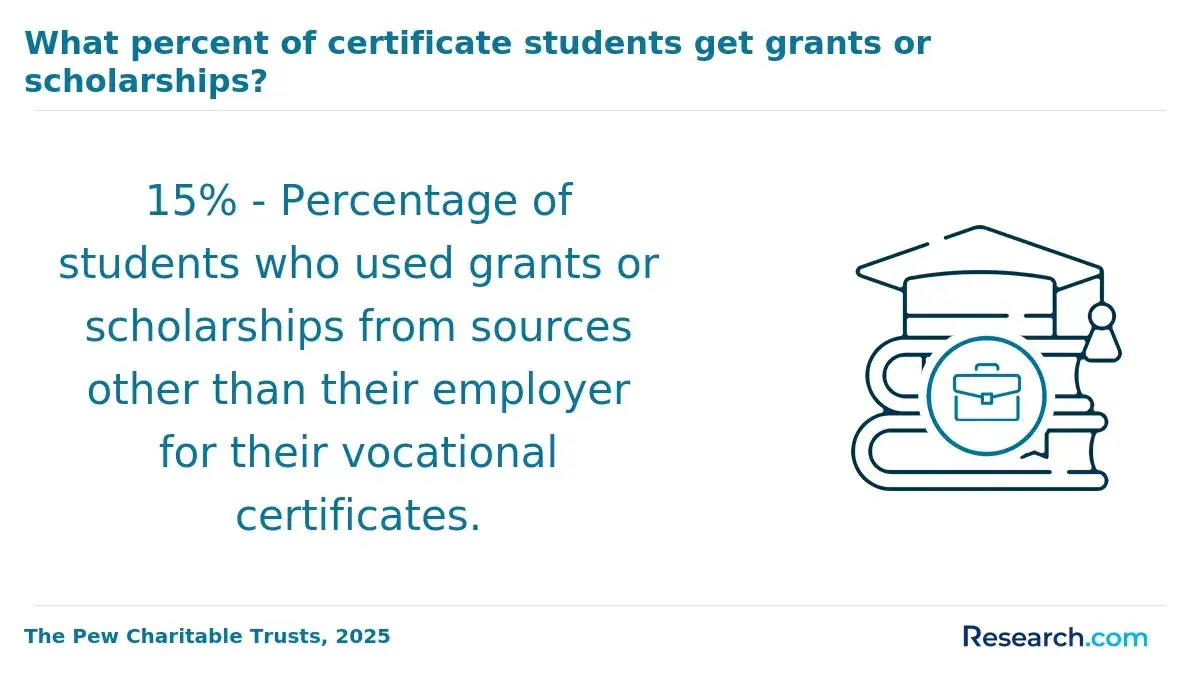
- Scholarships or grants: Employers may offer specialized scholarships or grants aimed at supporting continuing education in creative fields, providing targeted financial aid within company sponsorship programs for art studies.
- Educational stipends: Fixed amounts given regularly to cover study-related expenses like materials, workshops, or software, supplementing tuition assistance and enhancing the overall learning experience.
By utilizing employer tuition reimbursement for art degrees, students can pursue their creative passions with greater financial security and improved return on investment. For those considering other degree options or looking for affordable alternatives, exploring online business colleges can provide additional insights into cost-effective education paths.
Who Is Eligible for Employer Tuition Reimbursement for Art Studies Degrees?
When planning to use employer funding for an art studies degree, knowing the eligibility requirements can significantly influence your timing, choice of program, and overall return on investment. These criteria determine if and when you can access tuition reimbursement, guiding students in selecting degree paths that align with both their career goals and employer policies. This is especially important for those considering an MLIS degree or similar programs where funding opportunities vary widely.
Common eligibility criteria for employer tuition reimbursement art degrees include:
- Employment status: Typically, full-time employees are eligible. Part-time or contract workers may face restrictions, making it essential to confirm your employment classification before applying.
- Tenure requirements: Many employers require a minimum length of service, often between six months to a year, to qualify for tuition support. This ensures commitment before investing in education benefits.
- Job relevance: The art studies degree usually must relate directly to your current role or planned career path within the company. This connection helps justify the company's investment in your education.
- Academic standards: Maintaining a specified grade point average (GPA) is often necessary to continue receiving reimbursement, encouraging consistent academic performance.
- Approval process: Prior approval from management or human resources is typically mandatory. This review ensures that your degree aligns with company objectives and policies.
- Ongoing employment: You are generally required to remain employed with the company throughout the duration of the program to keep benefits active, limiting funding for those planning immediate job changes.
Knowing who qualifies for tuition reimbursement in art studies programs helps students balance educational ambitions with employer expectations. Careful planning around these factors supports maximizing financial benefits and educational ROI.
Breakdown of All 4-Year Online Title IV Institutions

For students pursuing an art studies degree while working, knowing how employer tuition reimbursement programs operate can significantly affect educational and financial planning. These programs often come with specific conditions that impact eligibility and the timing of benefits.
A clear understanding helps maximize the potential savings and ensures compliance with employer policies.
- Approval process: Employees usually must submit a formal request outlining the course details and its relevance to their job. Written consent from HR or a supervisor is typically required before funding is authorized.
- Payment and reimbursement timing: Employers may pay the school directly or reimburse employees after tuition is paid. Reimbursements often occur after course completion, contingent on providing necessary proof of payment and academic results.
- Documentation requirements: Proof of payment, official transcripts, and sometimes attendance records are needed to qualify for reimbursement. Accurate and timely submission of these documents is critical.
- Reimbursement limits: Many programs set annual or per-credit caps on payments, with some covering full tuition while others only offset part of the costs.
- Academic performance expectations: Maintaining a minimum grade-often a "B" or higher-is usually mandatory to receive reimbursement. Falling short may lead to denied payments or the obligation to repay funds already received.
Many employers have grown more willing to sponsor online degrees, including those focused on art studies, as remote education standards have improved. Research suggests that around 54% of companies now accept online degrees from accredited schools when considering tuition reimbursement or employee development programs, though this is not universal. Employer attitudes have notably shifted over recent years, moving away from skepticism toward viewing quality online education as a credible alternative to traditional classroom learning, especially when programs deliver practical skills that enhance job performance.
When deciding on sponsorship, companies typically assess whether the online art studies degree comes from a respected, regionally accredited institution. They also evaluate the program's relevance to the employee's current or future roles, the academic challenge it offers, and how well it supports organizational goals or workforce growth strategies.
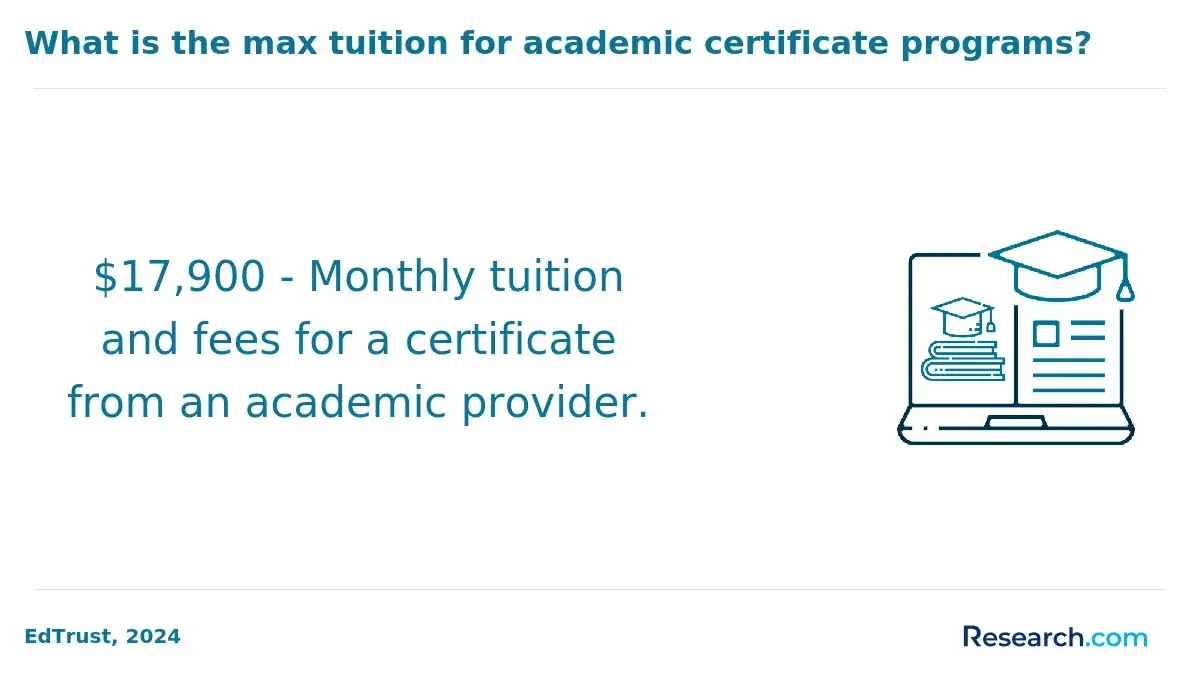
Tuition reimbursement limits play a key role in determining the cost-effectiveness and return on investment for an art studies degree. These caps influence how much financial support an employee can realistically expect, shaping decisions about pursuing further education. According to the Society for Human Resource Management, about 47% of employers now offer some level of tuition assistance, reflecting a growing trend in workforce development support. Evaluating these limits alongside personal education goals helps ensure a practical approach to financing an art studies program.
Most employers provide annual tuition reimbursement caps typically between $5,250 and $10,000, aligning with the federal tax-free maximum of $5,250 per year for educational benefits. Lifetime maximums often range from $20,000 to $50,000, varying by industry, company size, and how closely the degree aligns with the employee's job responsibilities. Larger firms in sectors like technology or healthcare generally offer more generous limits, while smaller or unrelated industries might set lower caps. Reimbursement exceeding the federal threshold may be taxed as income, which affects employer policies but does not eliminate the benefits of these programs.
Considering an employer-sponsored art studies degree can be a great financial advantage, but it's crucial to be aware of possible penalties if you leave the company before fulfilling agreed terms. Nearly 40% of organizations mandate repayment of tuition benefits if employees depart within a year after completing their education. Here are key points to keep in mind about these penalties:
- Repayment obligations: Employees often must reimburse all or part of the tuition funds already paid by the employer if they leave early, protecting the company's investment in their education.
- Prorated repayment schedules: Some companies require paying back a proportional amount of tuition based on how much time remains in the agreed post-education employment period, reducing financial burden the longer you stay.
- Early termination clauses: Sponsorship agreements usually include specific service length requirements after program completion and outline consequences for leaving early, which can range from repayment to additional restrictions.
- Impact on future benefits: Leaving prematurely may also disqualify you from receiving other company perks like further educational support, bonuses, or professional development opportunities.
Evaluating the impact of employer-sponsored education on career earnings is an essential step for working professionals considering an art studies degree. Studies show that employees receiving employer-funded credentials can earn around 11% more over time, highlighting a notable advantage in long-term income growth.
This financial support combined with personal dedication can substantially improve career outcomes through multiple pathways, such as faster promotions and access to higher-paying roles.
Key factors influencing long-term earnings after employer funded art studies include:
- Increased promotion opportunities: Employer-paid art degree career benefits often include prioritized consideration for advancement. Sponsored education demonstrates an employer's investment in professional development, which can lead to faster career progression and leadership roles in creative fields.
- Faster career progression: With tuition costs covered or reimbursed, professionals can focus on skill development without financial stress. This acceleration often translates into quicker attainment of senior positions and specialized roles that reward expertise.
- Access to higher-paying roles: Graduates supported by employer funding are better positioned to compete for competitive jobs in design, media, or education sectors, where specialized qualifications and relevant experience command higher salaries.
- Enhanced skills and qualifications: Employer sponsorship encourages continuous learning aligned with industry trends. This keeps employees current on evolving artistic techniques and technologies, raising their market value and job security.
- Return on investment: By significantly reducing out-of-pocket education expenses, employer funding improves the financial return on an art studies degree.
For those seeking the cheapest online college bachelor degree, employer sponsorship maximizes the value of this investment.
Proactive communication and thorough preparation are key when asking your employer to fund art studies programs. With 56% of U.S. employers now offering some form of education assistance, it's clear that supporting employee development is becoming more common.
Understanding your company's policies and demonstrating the value of your degree can significantly improve your chances of securing employer-sponsored education.
- Research company tuition policies: Review your employer's tuition reimbursement or sponsorship guidelines carefully to confirm eligibility and any required documentation. Knowing these details upfront helps prevent surprises and sets realistic expectations when requesting support for your art studies.
- Prepare a business case: Link your art degree to tangible work benefits by highlighting skills you will gain and how they apply to your current role or career advancement. This approach strengthens your position by showing a clear return on investment for the employer.
- Schedule a formal meeting: Arrange a professional discussion with your manager or HR representative to present your request. Be prepared to answer questions about cost, duration, and relevance, demonstrating earnest commitment to your educational goals.
- Demonstrate program relevance: Emphasize how your degree supports your current job performance or long-term career growth within the company. Connecting your studies with organizational goals enhances the appeal of funding your education.
- Follow up with documentation: After discussions, send written summaries detailing program specifics, expenses, and timelines. Maintaining clear records ensures transparency and facilitates the approval process for tuition reimbursement or sponsorship.
For those exploring affordable options, consider looking into a cheapest online college that accepts FAFSA to lower overall education costs while pursuing an art studies degree.
When employer funding is unavailable for an art studies degree, identifying alternative financial resources becomes crucial to avoid overwhelming debt and delayed graduation. Nearly 87% of full-time undergraduates benefit from some form of financial assistance, emphasizing the value of seeking external support.
Below are practical strategies to help manage education expenses effectively.
- Federal and state aid: Completing the Free Application for Federal Student Aid (FAFSA) can unlock eligibility for grants, subsidized loans, and work-study programs designed to lower college costs.
- Scholarships and grants: Targeting scholarships and grants aimed at art students offers non-repayable funding, often awarded based on merit or financial need, which can substantially reduce tuition fees.
- Personal savings and education loans: Utilizing savings or taking out education loans can cover gaps in funding, but it's important to understand loan terms and repayment plans to prevent excessive financial burden after graduation.
- Income-share agreements (ISAs): These flexible funding arrangements tie repayment to a percentage of your future income, reducing upfront costs and aligning payments with your ability to pay after completing your degree.
- Part-time or online programs: Enrolling in part-time or online art studies courses can lower overall tuition expenses while allowing students to work concurrently, providing a balanced approach to education and income.
Employing these approaches helps students build a viable funding strategy without relying on employer contributions, enabling steady progress toward academic and career goals in the arts.
What Graduates Say About Employers Paying for Their Art Studies Degrees
- Conrad: "Completing my art studies degree, which cost nearly $30,000 for the entire program, seemed daunting at first. However, my employer's tuition assistance program significantly eased this financial burden, covering a large portion of my expenses. This support not only made it affordable but also boosted my confidence, allowing me to advance creatively and professionally."
- Ziv: "The average cost of the art studies degree I pursued was a heavy investment, but employer sponsorship truly transformed my educational journey. Reflecting on this, I realize how crucial that assistance was, both in alleviating financial stress and opening doors to new career opportunities in arts management. It's been a transformative blend of learning and professional growth."
- Joseph: "Art studies programs typically cost upwards of $25,000, which initially felt overwhelming until my company stepped in with a generous sponsorship. This employer-funded education equipped me with industry-relevant skills and validated my career path as a creative professional. The degree's impact on my work has been profound, marking a turning point in my professional development."
Other Things You Should Know About Art Studies Degrees
Yes, tuition reimbursement for art studies degrees can be combined with other financial aid options, like scholarships and grants. Students should check with their employer and financial aid office to align the support and ensure they meet all eligibility requirements.
Employer-sponsored tuition reimbursement for art studies degrees is generally tax-free up to $5,250 per year under U.S. tax law. Amounts exceeding this limit may be considered taxable income, so employees should be aware of potential tax consequences when accepting employer funding.
Yes, amounts above the IRS educational assistance exclusion can be taxable. In 2027, the federal exclusion is $5,250 per employee each calendar year under Internal Revenue Code Section 127. Employer-paid graduate art degree costs above that limit usually count as wages unless another tax rule applies.
- Achieve Successful Career Development with Employer Sponsorship! https://executiveacademy.at/en/knowledge/employer-sponsorship
- How to Ask Your Employer to Pay for Your Degree - Coursera Blog https://blog.coursera.org/how-to-ask-your-employer-to-pay-for-your-degree/
- 8 Tuition Reimbursement Questions to Ask Your Employer https://www.uagrantham.edu/blog/8-tuition-reimbursement-questions-to-ask-your-employer/
- POTENTIAL LIABILITY FOR EMPLOYER-SPONSORED SOCIAL EVENTS https://shawlawgroup.com/2007/04/potential-liability-for-employer-sponsored-social-events/
- Six profitable careers you can get with an art school degree https://www.cca.edu/newsroom/6-highest-paying-careers-you-can-get-art-school-degree/
- Legal Requirements and Assurance of Compliance https://www.arts.gov/grants/legal-requirements-and-assurance-of-compliance
- Find The Best Online Art Schools | Accredited Schools Online https://www.accreditedschoolsonline.org/liberal-arts/art-schools/online/
- How to Get Your Employer to Pay for College With Tuition Assistance Programs https://www.umassglobal.edu/blog-news/get-your-employer-pay-college-tuition-assistance-programs
- Arts and Design Alumni Employment and Perspectives on Their Work and⦠https://snaaparts.org/findings/reports/arts-and-design-alumni-employment-and-perspectives-on-their-work-and-careers
- Employee Tuition Reimbursement: What Is It and How Does It Work? https://www.gracehopper.com/blog/employee-tuition-reimbursement