2027 Art Studies Degree vs. Certificate: Which Should You Choose?

Co-Founder and Chief Data Scientist
Today's students and professionals face important decisions when choosing between earning a degree or a certificate in art studies. Both paths can significantly advance a career, yet they differ in time commitment, cost, and depth of study. Degrees often provide comprehensive training and broader opportunities, while certificates offer focused skills for quicker entry into the field.
Art studies degrees typically require two to four years, fostering critical thinking and creative development, with nearly 60% of graduates finding employment in arts-related roles within six months. Certificates can be completed in months and appeal to those seeking specific expertise or credentials to supplement existing knowledge. This article compares their key differences to guide informed choices based on career and lifestyle goals.
Key Points About Art Studies Degree vs. Certificate Programs
- Degree programs in art studies typically offer comprehensive training, fostering deeper theoretical knowledge and critical thinking skills beneficial for advanced professional roles.
- Certificate programs focus on specific skills and shorter completion times, making them ideal for quick skill development and career shifts within creative industries.
- Degree holders often experience higher average salaries-with a 15% wage premium reported-while certificates provide affordable access to foundational skills without long-term commitments.
What Are the Differences Between Art Studies Degree and Certificate Programs?
Both art studies degrees and certificate programs offer valuable pathways to careers in the creative field, but they vary significantly in structure, depth, and time commitment. Understanding these distinctions enables prospective students to make an informed choice aligned with their professional goals and available time. Below are key differences between pursuing an art studies degree versus obtaining a certificate.
- Depth of learning: Degrees typically provide comprehensive knowledge, covering theory, history, and practical skills over several years, suitable for those seeking a broad and thorough education. Certificates focus on specific skills or techniques and are ideal for learners wanting targeted training quickly.
- Career advancement: A degree often opens doors to higher-level positions and can serve as a foundation for advanced studies, fitting individuals aiming for long-term growth. Certificates may help professionals enhance particular skill sets or pivot careers without extensive time investment.
- Time commitment: Degree programs usually require multiple years of study with a more structured schedule, attracting those who can dedicate significant time. Certificates offer shorter, more flexible courses, beneficial for working adults or those needing rapid entry into the workforce.
- Cost considerations: Degrees generally involve higher overall costs due to their length and depth, but provide a wider educational experience. Certificates can be more affordable and accessible, appealing to students balancing budgets and education.
How Long Does It Take to Complete a Art Studies Degree vs. a Certificate Program?
Completion time is one of the most important factors for students choosing between an art studies degree vs. certificate program. Understanding how long each path takes helps align educational goals with personal schedules and career plans.
- Typical Duration: An art studies degree generally requires four years of full-time study for a Bachelor of Arts (BA) or Bachelor of Fine Arts (BFA), amounting to about 120 credit hours. Graduate options like a Master of Fine Arts (MFA) usually take three years, while doctoral programs can exceed six years. In contrast, the typical duration of art studies certificate program is much shorter, often completed within six months to a year and requiring between 12 and 18 credit hours.
- Flexibility: Degree programs usually demand a full-time commitment with carefully scheduled sequential courses and portfolio requirements, which can extend the timeline. Certificate programs offer more flexibility and are suitable for part-time learners or those seeking specific skills without the extensive time commitment, making them ideal for faster completion.
- Factors Affecting Timeline: Enrollment status notably impacts completion-full-time students finish faster, while part-time study prolongs duration. Prior experience and transfer credits can shorten the degree timeline. Institutional policies like accelerated or combined BA/MFA tracks can also reduce degree completion time compared to certificate programs.
For those exploring options on quicker paths, you might consider best 6 month associate degree programs as a reference for streamlined studies. Weighing these factors helps answer how many years for an art studies degree versus certificate aligns best with your goals.

Can You Complete a Art Studies Degree or Certificate Entirely Online?
The rapid growth of online education has transformed accessibility in art studies, making it possible for students to pursue either a degree or certificate entirely online at many accredited U.S. institutions. For instance, Arizona State University, SUNY Empire State College, and Lindenwood University offer 100% online art studies degree programs that cover a broad spectrum of disciplines such as drawing, painting, digital media, and art history.
Similarly, accredited online art certificate programs are increasingly available, allowing students to develop specialized skills without attending on-campus classes. However, some programs-especially at the graduate level-may still require occasional campus visits or hybrid formats for capstone projects or portfolio reviews.
When choosing between an online art studies degree or certificate, consider factors such as hands-on training, practical coursework, internships, and licensure requirements. Many programs use interactive platforms for artwork submission and critique, though some may mandate local internships or supervised practice to meet graduation criteria.
If your career path involves professional licensure, such as in art education, verify that the online program satisfies state certification standards. Select an online format that fits your learning style and goals-fully online for flexibility or hybrid for in-person experience to build a portfolio and network. Also, explore certification jobs that pay well to understand the value of various credentials.
Admission requirements are a key factor when deciding between pursuing an art studies degree or enrolling in a certificate program, as they affect who qualifies to apply and how much time and preparation are needed to begin. Understanding these criteria allows prospective students to choose the educational path that aligns best with their background and career plans. Below is a side-by-side comparison of admission requirements for art studies degree programs and certificate programs.
Admission Requirements for Art Studies Degree Programs
- Educational Background: Most bachelor's degree programs require a high school diploma or equivalent, while transfer students often need completed college credits.
- Transcripts: Applicants must typically submit official high school or college transcripts to show academic achievement.
- Portfolio: Bachelor of Fine Arts (BFA) programs usually require a portfolio of 10-15 recent original artworks, whereas Bachelor of Arts (BA) tracks may recommend a portfolio to strengthen the application.
- Minimum GPA: Some universities, such as UCLA, set minimum GPA requirements (e.g., 3.0 for transfers) and prerequisite courses.
- Essays or Artist Statements: Many programs request written statements outlining creative goals and career aspirations.
- Supplemental Materials: Letters of recommendation, interviews, or standardized test scores may also be required but are less common in art studies than other fields.
Admission Requirements for Art Studies Certificate Programs
- Educational Background: Certificate programs typically welcome a broader range of students and often require only a high school diploma or GED, sometimes without prior art experience.
- Transcripts: These are less commonly required but may be requested to verify educational background.
- Portfolio: Most certificate programs do not mandate a portfolio, especially for beginners; some advanced certificates might ask for past work samples but usually have lower barriers than degree programs.
- Essays or Statements: Personal statements or short essays may occasionally be requested, mainly for competitive or advanced certificate tracks.
- Other Requirements: Certificate programs focus on accessibility, with fewer additional criteria to enable rapid enrollment.
This comparison shows how degree programs generally maintain more stringent and targeted admission standards, particularly for BFA tracks, in contrast to the more accessible application process common to an art certificate program. Students interested in career advancement might also explore the highest paid master's degrees to understand further educational opportunities linked to their field.
Understanding how many credits are required to complete an art studies program is crucial for students to effectively plan their academic paths and manage their time. Comparing credit demands between degree and certificate programs reveals differences in scope and commitment.
Here's a breakdown of typical credit expectations for art studies degree versus certificate programs:
- Art Studies Degree: Usually requires between 120 and 130 credit hours, providing a comprehensive education that blends studio work, art history, general education, and electives to ensure broad knowledge and specialization.
- Art Studies Certificate: Typically involves 12 to 30 credits focused mainly on foundational or skill-based courses, offering a more targeted curriculum with fewer general education requirements.
A student who chose the art studies certificate path shared his experience, highlighting the streamlined intensity of the program. He mentioned, "I wanted to gain practical skills quickly without the long commitment of a degree." Managing his schedule was challenging but rewarding, as the focused credits allowed him to develop specific techniques in a shorter timeframe. He explained that while the certificate didn't cover as much theory, it matched his goal of entering the field promptly with applicable skills. Reflecting on the journey, he said, "Choosing the certificate was the right fit for my career plans and learning style." This personal insight emphasizes the importance of weighing credit demands alongside individual goals when deciding between art studies credentials.
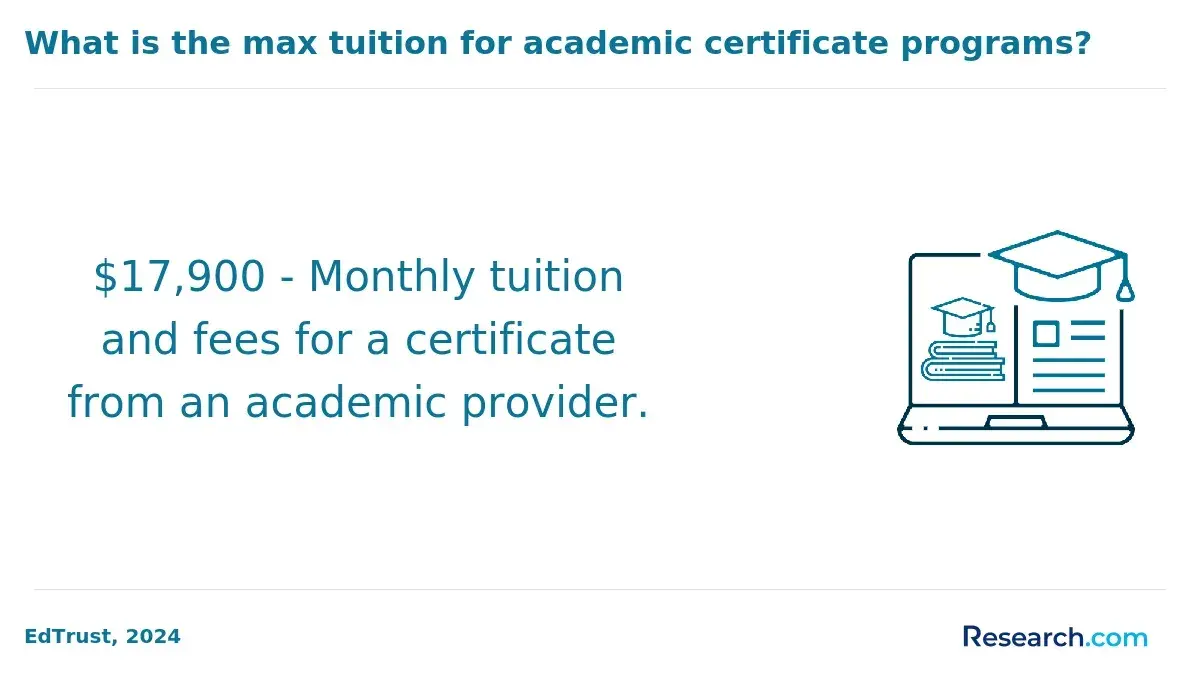
Tuition costs are a crucial consideration when choosing between pursuing a degree or a certificate in art studies, as they directly affect affordability and the long-term return on investment for your education. Understanding the average cost differences helps prospective students make financially informed decisions aligned with their career goals.
Below is a comparison of the average tuition ranges for both art studies degree and certificate programs to clarify these differences.
Average Tuition for Art Studies Degree Programs
- Tuition Range: Bachelor's degrees in art studies at private institutions typically range from $30,000 to $35,000 per year. Public universities offer lower in-state rates, but out-of-state tuition can approach private costs.
- Graduate Degree Costs: Master's degrees in art average about $71,140 in total tuition, with public schools generally charging around $51,740 and private for-profit schools exceeding $62,000.
- Additional Fees: Mandatory comprehensive fees, lab fees, and other charges often add $2,000 or more annually to base tuition.
- Program Length: Bachelor's programs usually take four years, while master's programs last one to two years, increasing total educational expenses.
- Public vs. Private: Public universities tend to be more affordable for in-state students, significantly reducing the average cost of an art studies degree in the US compared to private colleges.
Average Tuition for Art Studies Certificate Programs
- Tuition Range: Certificate programs in art studies are generally much less expensive, ranging from about $1,000 to $8,000 total, depending on length and format.
- Shorter Duration: Certificates can often be completed in less than a year, greatly reducing total tuition and associated costs versus degree programs.
- Public vs. Private: Public community colleges and continuing education programs usually offer the lowest certificate tuition, sometimes under $2,000 for the entire program.
- Online vs. On-Campus: Many certificates are available online, which may lower costs by eliminating campus fees and commuting expenses.
- Limited Fees: Additional charges such as lab or technology fees exist but are typically lower than fees linked to degree programs, making art studies certificate program tuition comparison favorable for budget-conscious students.
For students seeking flexible and affordable options, exploring the best colleges online can provide valuable alternatives to traditional campus programs.
Certificate credits can often be transferred toward an art studies degree, but this depends largely on the policies of the receiving institution. Transferability usually requires that the certificate courses come from accredited programs and that their content aligns closely with the degree curriculum. Not every certificate credit will qualify; institutions evaluate whether the coursework matches the depth and scope of their degree offerings. Accreditation status and course relevance play crucial roles in determining if credits will be accepted, making it essential to review these factors before assuming transfer will apply.
Several important points affect the transfer process, including limits on how many credits a student may bring in-typically between 9 and 12 credits. Grade minimums often apply, with a requirement of a B or C or better for credits to be eligible. Additionally, some programs might require submitting official transcripts, syllabi, or even a portfolio for evaluation to approve credit transfer. Students should proactively consult academic advisors or registrars at their target schools to confirm transfer details and avoid losing potential credit.
Reflecting on the experience of a student who pursued an art studies degree after completing a certificate program, she recalled the uncertainty she initially felt about credit acceptance. "I wasn't sure how many of my certificate classes would count," she said, describing the process of gathering syllabi and meeting with advisors as both stressful and eye-opening. Eventually, she was pleasantly surprised to learn that most of her credits transferred, saving her time and tuition costs. Her journey underscored the importance of early communication with institutions and patience throughout the evaluation process, which made her later degree progress feel more achievable and rewarding.
Certificate programs in art studies are generally accredited differently than degree programs like the Bachelor of Arts (BA) or Bachelor of Fine Arts (BFA). Degree programs usually hold both institutional accreditation-verifying overall school quality-and programmatic accreditation from specialized organizations such as the National Association of Schools of Art and Design (NASAD).
In contrast, art certificate programs often rely on the institutional accreditation of the school offering them but may lack specialized programmatic accreditation. This distinction impacts the recognition and transferability of credits, as degrees tend to undergo more rigorous evaluation compared to certificates. While both benefit from institutional accreditation, programmatic accreditation is more common and significant for degree programs.
Accreditation affects several important factors: it confirms academic standards, influences eligibility for federal financial aid, and affects how employers and graduate schools view your credentials. Students should verify that the institution is accredited by regional agencies recognized by the U.S. Department of Education and, for degrees, check for programmatic accreditation through bodies like NASAD to ensure comprehensive quality assurance.
For certificate programs, institutional accreditation remains essential even if specialized accreditation is absent. Prospective students are advised to confirm accreditation status with recognized accrediting organizations before enrolling to make informed educational choices.
Both art studies degrees and certificates open doors to various creative careers, though they often prepare graduates for different levels of responsibility and expertise. While degrees typically lead to advanced or supervisory roles, certificates focus more on foundational skills for entry-level positions. Below is a comparison of typical job opportunities associated with each credential.
Jobs You Can Get with a Art Studies Degree
- Graphic designer: Develops visual concepts for branding, advertising, and digital media in diverse environments like agencies or in-house teams.
- Art director: Oversees creative projects and manages design teams to ensure visual consistency across campaigns or publications.
- Museum curator: Selects and organizes exhibitions, manages collections, and conducts research in cultural institutions.
- Animator: Creates motion graphics and animations for films, games, or commercials, combining artistic skills with technology.
- Interior designer: Plans and designs functional, aesthetic interior spaces for residential or commercial clients.
- Art therapist: Uses artistic processes therapeutically to support individuals' mental health and well-being in clinical or community settings.
Jobs You Can Get with a Art Studies Certificate
- Production artist: Assists in preparing final design files and layouts, often supporting larger creative teams in studios or agencies.
- Junior graphic designer: Supports design projects by creating basic graphics and layouts under supervision, gaining practical experience.
- Gallery assistant: Helps with exhibition setup, guest services, and administrative tasks at art galleries or museums.
- Art sales associate: Facilitates sales of artwork and liaises with clients in galleries or art fairs, providing customer support.
- Studio assistant: Provides logistical and technical help to artists or designers within creative workspaces.
- Event support staff: Coordinates setup and management for art-related events, ensuring smooth operations.
Salary potential often varies significantly between art studies certificate holders and those with a bachelor's degree in art studies. Generally, degree holders begin with higher earning prospects and greater career advancement opportunities. Comparing these can help prospective students make informed decisions about their education path.
Below is a side-by-side comparison of average starting salaries for graduates of each program type, along with key factors influencing pay and overall career outlook.
- Typical Salary Range for Certificate Graduates: Starting salaries for certificate holders usually range between $25,000 and $36,000 annually, reflecting entry-level roles such as art assistants or floral designers. Floral designers average about $36,120 per year.
- Typical Salary Range for Degree Graduates: Graduates with a bachelor's degree in art studies typically start higher, with average early-career salaries around $28,593 and medians near $39,272; top earners can reach up to $67,242. Roles like graphic designers have median starting salaries between $56,260 and $61,300.
- Influencing Factors: Salary differences depend on level of education, industry sector (commercial art, education, fine arts), geographic location (urban areas tend to pay more), and relevant experience or portfolio quality.
- Career Outlook: The career outlook improves substantially with a degree as it unlocks more opportunities and a stronger potential for salary growth compared to certificate graduates.
- Further Education Options: For students aiming to enhance their prospects, exploring the best dual degree programs can offer an advantageous path combining art studies with complementary disciplines.
Understanding the Art Studies degree graduates average starting salary versus the Art Studies certificate graduates starting salary comparison is crucial for setting realistic expectations and planning a rewarding career in the arts field.
Here's What Graduates of Art Studies Programs Say About Their Degree or Certificate
- Conrad: "Pursuing the art studies certificate was a fantastic decision for me because I wanted to quickly enhance my skills without committing to a lengthy program. The learning pace was intense but rewarding, and the cost was much more manageable compared to a full degree. It gave me the practical knowledge I needed to advance my freelance projects immediately."
- Walker: "Choosing the art studies degree program was a deliberate move; I valued a deeper theoretical foundation and a comprehensive learning experience over a longer period. Though it was more expensive and time-consuming than a certificate, the degree has opened doors for professional opportunities that require formal qualifications. The investment truly felt worthwhile for my career goals."
- Joseph: "Having completed both the art studies certificate and degree programs, I appreciate how different they are in pace and depth. The certificate was cost-effective and perfect for quick skill acquisition, while the degree offered a thorough exploration that refined my artistic vision and expanded my career prospects. Balancing cost and personal growth was essential in making my educational journey meaningful."
Other Things You Should Know About Art Studies Degrees
In 2027, whether credits transfer from an art certificate to a degree program depends on the institution's policies. Some schools may allow it, particularly if the courses are similar, while others may not. It's best to consult with an academic advisor for accurate guidance.
Yes, if the certificate includes transferable, credit-bearing coursework from an accredited institution. Many bachelor’s programs accept up to 60 lower-division credits, but art studios, portfolio reviews, and general-education prerequisites are decided by the receiving university’s transfer office.
In 2027, an art studies certificate offers a shorter time commitment and lower cost compared to a degree. It provides targeted, practical skills quickly, making it ideal for those seeking immediate entry into the workforce or enhancing specific art techniques.
- Certificate vs. bachelor's degree: Which is best? https://www.boisestate.edu/online/2024/02/01/certificate-vs-bachelors-degree-which-is-best/
- Degrees vs. Certificate Programs: What's the Difference? https://www.snhu.edu/about-us/newsroom/education/certificates-vs-degrees
- What Can You Do With an Art Degree? - Mount Wachusett Community College https://mwcc.edu/blog/art-faqs/
- Certificate Programs vs. An Associates Degree https://graphicdesign.stackexchange.com/questions/55398/certificate-programs-vs-an-associates-degree
- A Palette of Possibilities and Diverse Career Paths for Art Degree https://www.ucumberlands.edu/blog/diverse-career-paths-for-art-degree
- Certificate vs. Degree: Pros, Cons, and Career Outcomes | National University https://www.nu.edu/blog/certificate-vs-degree/
- Certificate Programs: Programs, Costs, Duration & Are They Worth It? - University of the Potomac https://potomac.edu/certificates-programs-costs-duration-are-they-worth-it/
- What's the difference between certificates, diplomas and degrees? https://www.upskilled.edu.au/faq/qualifications/difference-between-certificates-diplomas-degrees
- Art Degree Requirements https://udallas.edu/academics/programs/art/requirements.php
- Online Art, Design & Photography Degrees | Sessions College https://www.sessions.edu/art-school-info/