2027 Accelerated vs. Traditional Art Studies Degrees: Pros & Cons

Co-Founder and Chief Data Scientist
Choosing between accelerated and traditional art studies degrees involves weighing distinct benefits and drawbacks. Accelerated programs appeal to working adults and career changers by offering quicker completion times, often finishing in half the time of traditional tracks. Conversely, traditional degrees provide a flexible pace that fosters deeper academic engagement and experiential learning. Recent data shows a 25% rise in enrollment for accelerated art programs in the U.S., highlighting their growing demand.
This article explores critical factors like time commitment, learning experience, and career outcomes. It aims to equip students with insights necessary to make informed decisions between accelerated and traditional art studies pathways based on their personal and professional goals.
Key Points About Accelerated vs. Traditional Art Studies Degrees
- Accelerated art studies programs offer flexibility for working students and those balancing responsibilities, enabling faster entry into creative careers without compromising essential skills.
- Traditional degrees foster deeper academic engagement and stronger peer connections, supporting a well-rounded foundation critical for artistic mastery and networking in the art community.
- Cost efficiency and quicker degree completion benefit accelerated learners, while traditional formats allow paced skill development, ideal for students prioritizing comprehensive understanding and long-term growth.
What Are the Differences Between Accelerated vs. Traditional Art Studies Programs?
Accelerated and traditional art studies programs differ significantly in their structure, pacing, and learning intensity. These variations impact how students manage their time, workload, and engagement throughout their studies.
Below is a comparison highlighting the key structural differences between accelerated and traditional art studies programs.
- Pacing and Intensity: Accelerated programs require students to absorb material quickly with a heavier workload, creating an immersive but highly demanding environment. Traditional programs allow more time for gradual intellectual and creative development by spreading coursework over longer periods.
- Flexibility and Scheduling: Traditional art studies programs offer structured semesters with regular breaks, enabling students to balance academics with work or extracurricular activities. In contrast, accelerated formats demand a greater full-time commitment with fewer breaks, reducing opportunities for outside engagements.
- Learning Environment and Community: Traditional programs expose students to a broader range of disciplines and diverse peers, encouraging interdisciplinary learning and social interactions. Accelerated programs tend to focus more narrowly on art, often within specialized communities, limiting exposure to other subjects.
- Support Systems and Extracurriculars: More extensive campus resources and student organizations characterize traditional programs, enhancing the overall college experience. Accelerated programs, due to their compressed timelines, often provide fewer extracurricular opportunities and less campus involvement.
The duration and coursework comparison for art studies programs also reflects these structural contrasts, shaping how students experience their education.
Prospective students interested in faster completion options may explore choices like an online accelerated associate's degree, which exemplifies the faster-paced model discussed here.
How Fast Can You Finish an Accelerated vs. Traditional Art Studies Program?
Program length varies significantly between accelerated and traditional art studies degrees. Accelerated formats condense coursework into shorter, more intensive terms, while traditional paths follow a standard academic pace with longer semesters and more breaks. This difference affects how quickly students can earn their degrees and manage their schedules.
Let's delve into several key factors:
- Transfer Credits: Bringing in prior college credits or an associate degree can reduce the time to graduation in both accelerated and traditional programs. This often shortens the timeline from four years to as little as two or three years.
- Enrollment Status: Full-time students progress faster, especially in accelerated programs where full-time enrollment is usually mandatory due to intensive coursework. Part-time students typically take longer in traditional programs.
- Course Intensity and Term Length: Accelerated degrees use shorter terms of 4 to 8 weeks with continuous study, speeding up completion. Traditional programs rely on longer 15- to 17-week semesters, extending the overall duration.
- Flexibility & Scheduling: Multiple start dates per year in accelerated programs allow students to begin sooner, whereas traditional programs commonly start only in fall or spring semesters.
- Credit for Prior Learning: Some schools grant credit for work experience or portfolio assessments, further reducing time to degree-especially benefiting adult learners.
For students interested in exploring options, an easiest bachelor of science degree in various fields might offer additional flexible pathways and timelines.

What Are the Admission Requirements for Accelerated vs. Traditional Art Studies Programs?
Admission requirements for accelerated and traditional art studies programs often share common standards, including GPA thresholds, test scores, and prerequisite coursework. However, they differ significantly in the ways they evaluate academic readiness, professional experience, and motivation.
Key distinctions between the two formats include:
- Academic Standing: Accelerated art studies program admission requirements typically demand a higher cumulative GPA, usually 3.0 or above, reflecting the program's intensive pace. In contrast, traditional programs accept a broader GPA range, focusing less on immediate academic acceleration.
- Progress Toward Degree: Students applying to accelerated tracks must have completed a substantial portion of undergraduate credits, often 60 or more by application time and sometimes up to 105 by the end of junior year. Traditional programs admit students primarily at the start of their undergraduate journey with fewer completed credits required.
- Letters of Recommendation: Accelerated applicants usually provide letters of recommendation from faculty familiar with their abilities, helping verify their preparedness for graduate-level work. Traditional programs rarely require these endorsements during admission.
- Portfolio Requirements for Traditional Art Studies Degrees: Traditional admission often emphasizes a portfolio showcasing a breadth of artistic skills and potential, whereas accelerated programs may prioritize academic records and motivation over extensive portfolios.
- Application Timing and Advising: Accelerated options require students to apply at a specific academic phase, often junior year, and meet with advisors to confirm eligibility. Traditional pathways use standard university admissions timelines that typically start with incoming freshmen or transfer students.
For applicants exploring faster academic paths, resources like the associate degree fast track offer additional guidance on accelerating degree completion while meeting rigorous admission standards.
Accelerated art studies degree programs condense the same curriculum as traditional programs into a significantly shorter timeframe, often finishing in 2 to 2.5 years instead of the usual four.
These programs increase the pace, intensity, and frequency of coursework, frequently using online or hybrid delivery formats. In contrast, traditional art studies follow a standard academic calendar with longer terms and a more moderate workload.
Here are key structural differences between accelerated and traditional art studies programs:
- Course Length: Accelerated programs feature shorter terms, typically 5 to 10 weeks per course, allowing students to complete degrees faster. Traditional programs spread courses over 15 to 16 weeks, offering a slower, more immersive pace. The accelerated format suits motivated adults seeking quicker completion, while traditional paths fit those valuing deeper study and campus life.
- Weekly Workload: Accelerated degrees demand heavier weekly commitments with frequent assignments, requiring strong time management and self-discipline. Traditional programs provide a lighter, steadier workload, enabling more reflection and engagement over time. Both ensure academic rigor through identical credit requirements.
- Instruction Style: Accelerated art studies often use online or asynchronous formats, minimizing in-person sessions to accommodate busy or working students. Traditional courses emphasize face-to-face instruction and regular faculty interaction, supporting those who thrive in on-campus environments.
Tuition and overall expenses for accelerated and traditional art studies programs can vary significantly, largely due to differences in program length and structure. While the per-credit cost may be similar or slightly higher in accelerated formats, the shortened timeframe often reduces the total cost substantially.
Key cost-related aspects to consider when comparing these program types include:
- Tuition Rate per Credit: Accelerated art studies often charge between $371 and $530 per credit hour, comparable to traditional online programs. For example, some universities set rates around $371 per credit, while others charge up to $530 regardless of pacing.
- Program Duration and Total Cost: Traditional degrees usually span four years with an average total cost near $51,000 for online options, varying by residency. Accelerated programs typically allow completion in one to two years, potentially halving tuition and living expenses to roughly $18,000-$30,000.
- Opportunity Cost: Faster completion means accelerated students enter the workforce sooner, reducing years without income and enhancing financial outcomes compared to those in longer traditional programs.
- Financial Aid Availability: Both program types qualify for federal aid, scholarships, and grants, though accelerated students must carefully coordinate funding to accommodate condensed course schedules.
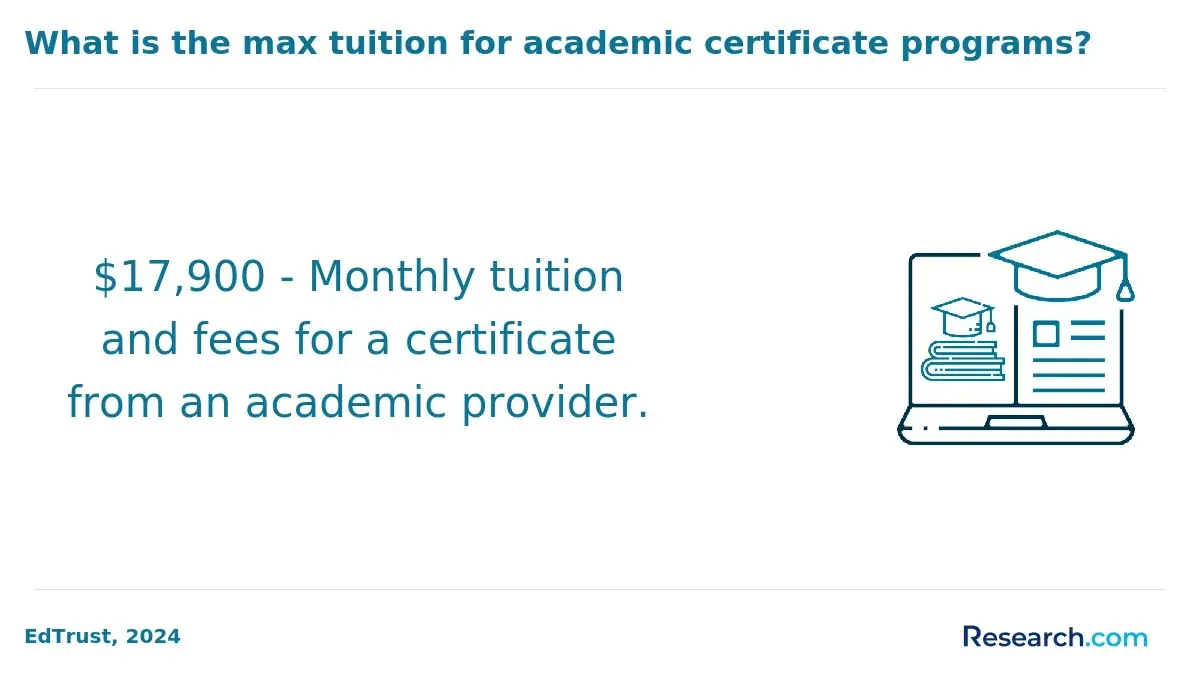
Both accelerated and traditional art studies degree students in the U.S. can qualify for financial aid, but eligibility and timing often vary based on program duration and enrollment status. Shorter, accelerated programs may require more frequent reapplication for aid due to compressed semesters, while traditional routes typically offer more stable aid timelines.
Key distinctions in financial aid access include:
- Federal Aid Eligibility: Both program types qualify for federal loans, Pell Grants, and work-study, but accelerated students must monitor enrollment closely as faster pacing can affect aid continuation.
- Scholarship Timelines: Scholarships are available for all students, often awarded on merit or portfolios, though accelerated students must adhere to tighter deadlines and shorter renewal cycles.
- Employer Tuition Assistance: Accessible in both formats if work schedules align, but accelerated programs may pose challenges due to intense course loads overlapping with job hours.
- Aid Disbursement and Renewal: Traditional students generally experience steadier aid renewal, while accelerated students face more frequent financial planning to accommodate quicker term completions.
A professional who pursued an accelerated art studies degree shared his experience. "Applying for aid felt like running a marathon at sprint speed," he said. The condensed academic calendar meant submitting FAFSA updates and scholarship applications more often than expected.
Balancing work with rapid coursework made timing crucial—"missing a deadline or dropping below half-time enrollment risked losing essential funding." Yet, the intensity was rewarding: "Having financial aid kept me focused and motivated. It wasn't easy, but the quicker path meant I entered the field sooner, which was worth the extra effort."
His journey highlights how, despite hurdles, accelerated students can successfully navigate financial aid with careful planning and persistence.
Student support significantly impacts academic achievement, with accelerated and traditional art studies programs offering varying types and timings of services. Below is a comparison of key support areas commonly available within these two educational models.
- Academic Advising: Traditional programs generally offer in-person, regularly scheduled advising, fostering longer-term advisor relationships and comprehensive planning. Accelerated courses rely more on virtual or flexible advising to accommodate condensed schedules, providing quicker but sometimes less personalized support.
- Tutoring: On-campus tutoring during fixed hours is typical in traditional art studies, allowing for deeper skill development over time. Accelerated options often emphasize online or on-demand tutoring focused on immediate assistance, though students may have limited chances to utilize these services fully.
- Career Guidance: Traditional formats provide ongoing workshops, portfolio critiques, and networking events, giving students ample opportunity to cultivate industry connections. Accelerated programs condense career preparation into brief sessions, which can restrict depth but improve accessibility for busy learners.
- Peer Interaction: Students in traditional settings usually experience sustained engagement with faculty and peers, aiding adjustment and resource access. In contrast, accelerated students often report reduced peer interaction and feelings of limited support due to the program's rapid pace.
Employment outcomes are a key factor when deciding between accelerated and traditional art studies programs. While both types can open doors to strong career paths, various elements influence how rapidly graduates find jobs.
Here's a comparison of hiring trends and factors affecting employment timelines for students from both formats.
- Employer perception: Traditional degrees are often perceived as more thorough, appealing to established organizations. Meanwhile, accelerated and online program graduates gain favor in digital and tech-focused art sectors for their current skill sets and adaptability.
- Career readiness: Accelerated programs frequently emphasize contemporary digital tools and trends, equipping students for fast-paced creative roles. This focus often leads to quicker placements in freelance or online markets.
- Industry demand: With the online art market expected to hit $19.25 billion by 2033, candidates boasting strong digital portfolios from online programs have an edge in emerging sectors.
- Hiring speed: Studies show accelerated program graduates typically secure positions within 3-6 months, compared to 6-12 months for traditional graduates, especially in tech-driven industries.
When asked about her experience, a professional who completed a traditional art studies degree shared that her job search, though longer than some counterparts, was rewarding in its depth.
She recalls, "Navigating interviews for roles in established studios took time, but the comprehensive training gave me confidence." She credits building a strong foundation in fundamentals for landing a position that truly matched her long-term goals, emphasizing patience and persistence as key throughout her transition from student to professional.
Accreditation ensures academic quality and legitimacy for both accelerated and traditional art studies programs, regardless of pacing or delivery format. It affects key factors such as eligibility for federal financial aid, credit transferability, and employer recognition.
Whether a student pursues a four-year degree on campus or an accelerated online format, the rigorous accreditation standards remain consistent. Completing an accredited program signals that the curriculum, faculty, and institutional resources meet established academic criteria.
The accreditation process typically applies equally to accelerated and traditional program formats, though course design may be adjusted to meet the compressed timelines of accelerated studies. Regional or programmatic accrediting bodies, such as those recognized by the National Association of Schools of Art and Design accreditation guidelines, oversee these standards to ensure consistency.
Students should always verify their institution's accreditation status prior to enrollment to ensure their degree is recognized by employers and qualifies for financial aid. Accreditation details are generally available on official school websites or platforms supporting fast degrees online that pay well, offering transparency and guidance for prospective students.
Choosing between an accelerated and a traditional art studies degree depends largely on a student's career goals, schedule flexibility, and preferred learning pace. Both options offer distinct advantages depending on personal circumstances and how quickly one wishes to enter the field.
Key decision factors include:
- Time Commitment: Accelerated degrees require intense, focused study with little flexibility and are suited for students ready for full-time immersion. Traditional degrees allow a more gradual pace, ideal for those balancing studies with work or other responsibilities.
- Learning Style: Students who thrive under pressure and can self-motivate in fast-paced environments tend to prefer accelerated programs. Those who benefit from consistent feedback and hands-on practice often succeed in traditional settings.
- Career Goals: Accelerated graduates enter the workforce sooner, which can lead to earlier earnings and career progression. Traditional graduates typically gain broader experience and deeper expertise valued in creative fields over time.
Understanding how to choose between accelerated and traditional art degree programs involves evaluating these factors alongside lifestyle and academic readiness.
For those exploring affordable options to pursue their studies, this cheapest online college for bachelor's degree may provide valuable resources to support their educational journey.
What Students of Accelerated vs. Traditional Art Studies Programs Say About Their Degree
- Monty: "My traditional art studies program offered a rich, immersive learning experience that allowed me to deeply explore various artistic techniques and theories over several years. Although the pace was slower compared to accelerated programs, it gave me valuable time to develop my style thoughtfully. The cost was significant, but I believe it was a worthy investment in my creative growth. "
- Nikki: "The traditional art studies degree provided a solid foundation in both historical context and practical skills, which has been vital for my career advancement. The extended duration meant more tuition fees and living expenses, which was a challenge financially, but the comprehensive curriculum made it worthwhile. I appreciate how the steady pace allowed me to balance work and studies effectively. "
- Sean: "The accelerated art studies program was intense, pushing me to learn and produce work rapidly, which suited my goal of quickly entering the professional art world. While the cost was somewhat higher per semester, the shorter duration helped reduce overall expenses. This fast-paced format was demanding but extremely rewarding for my career ambitions. "
Other Things You Should Know About Traditional vs. Accelerated Art Studies Degrees
In 2027, employers generally see graduates from accelerated art studies degrees as having the same credibility as those from traditional programs. They value the ability to manage intense coursework but may question the depth of learning in a compressed timeframe.
Accelerated art studies degrees usually require 15 to 18 credits per semester or a compressed summer term to finish early. Traditional programs follow a standard 12 to 15 credits per semester, with more flexibility for studios, critiques, and internship scheduling.
- Reliability estimation from two types of accelerated testing considering individual difference and measurement error - ScienceDirect https://www.sciencedirect.com/science/article/abs/pii/S0266892024000067
- Liberal Arts Degree | Accelerated Online Courses | UAGC https://www.uagc.edu/online-degrees/liberal-arts
- Five Ways Art School is Different from a Traditional College https://www.rmcad.edu/blog/five-ways-art-school-is-different-from-a-traditional-college/
- Accelerated Degrees vs. Traditional Degree Programs https://bestaccreditedcolleges.org/articles/accelerated-degree.html
- Accelerated Degree Programs | Research Starters | EBSCO Research https://www.ebsco.com/research-starters/education/accelerated-degree-programs
- Academic performance of students in an accelerated medical pathway https://pmc.ncbi.nlm.nih.gov/articles/PMC11057789/
- Financial Aid for Accelerated Graduate Programs https://www.albertus.edu/admission-aid/financial-aid/graduate-accelerated-degree-aid
- Top Reasons to Study Art & Design at Full Sail - The Hub https://hub.fullsail.edu/articles/top-reasons-to-study-art-design-at-full-sail