2027 Online Psychiatric Mental Health Nurse Practitioner Master's Curriculum Breakdown: Core Courses & Specializations

Co-Founder and Chief Data Scientist
The evolving demands in mental health care have intensified scrutiny on how online psychiatric mental health nurse practitioner master's curricula prepare graduates for nuanced clinical settings. Curriculum structure and specialization pathways extend beyond academic formality to influence employability, workload management, and alignment with certification standards. Strategic course selection can facilitate entry into emerging fields like telepsychiatry or integrated behavioral health, yet risks deep overspecialization that narrows future roles.
Sequencing constraints and gaps between theoretical content and practical competencies challenge workforce readiness, underscoring the need for deliberate curricular choices. This article critically examines how curricular decisions shape professional positioning and long-term adaptability within this dynamic sector.
Key Things to Know About Online Psychiatric Mental Health Nurse Practitioner Master's Curriculum
- Core courses often prioritize pharmacology and diagnostic reasoning, but the tradeoff is limited exposure to psychotherapy modalities, which may require additional certification for comprehensive clinical roles.
- Employers increasingly seek practitioners with integrated technology training; programs emphasizing telepsychiatry prepare graduates for evolving care models but risk sidelining traditional assessment skills.
- Programs balancing accelerated tracks with clinical hour requirements face access constraints; a 2024 AANP survey notes 62% of students struggle with completing practicums without disrupting employment.
What Core Courses Are Included in an Online Psychiatric Mental Health Nurse Practitioner Master's Program?
The structure of core coursework in an online psychiatric mental health nurse practitioner master's program reveals much about how programs balance rigorous clinical training with the demands of mental health specialization. This curriculum sequence often requires careful workload management and strategic course selection by students to meet the dual goals of comprehensive psychiatric knowledge and advanced diagnostic skill development. Employers, particularly in integrated and community mental health settings, expect graduates to demonstrate readiness in both medication management and psychotherapeutic approaches, reflecting the necessity of courses tailored to these competencies.
- Advanced Pathophysiology and Pharmacology: These foundational courses build essential understanding of the biological mechanisms underpinning psychiatric disorders and their treatment. The emphasis lies in equipping students to safely manage complex medication regimens, a competence that 65% of practicing psychiatric mental health nurse practitioners identify as central to their roles, according to the American Association of Nurse Practitioners 2024 report.
- Health Assessment with Psychiatric Focus: This course trains students to perform nuanced psychiatric evaluations that integrate mental status exams and risk assessments. Proficiency here is critical to translating diagnostic frameworks like those in the DSM-5 into clinically actionable care plans, aligning with real-world employer expectations for assessment skills.
- Psychopharmacology: Focusing on psychiatric medication management, this course underscores mechanisms of action, side effect profiles, and drug interactions necessary for safe prescribing practices. Given the high reliance on pharmacological interventions in PMHNP practice, this coursework is pivotal for developing precision in therapeutic decision-making.
- Psychotherapy and Counseling Theories: Covering evidence-based interventions such as cognitive-behavioral therapy and psychodynamic approaches, this component allows students to integrate nonpharmacological treatments into comprehensive care. Mastery of these modalities supports practitioners in meeting employer demand for holistic mental health strategies.
- Research and Evidence-Based Practice: Training in critical analysis of psychiatric literature and research methodologies equips students to translate emerging evidence into clinical protocols. This fosters a professional competency essential for adapting practice in evolving healthcare environments while addressing ethical and cultural considerations.
- Practicum Experience in Psychiatric Settings: Real-world supervised clinical hours across inpatient, outpatient, and community mental health facilities consolidate theoretical knowledge with applied skills. These practicums are a vital bridge to professional readiness, ensuring graduates can manage a spectrum of disorders and treatment approaches effectively.
Prospective students weighing online psychiatric mental health nurse practitioner core courses should also consider how many programs structure these requirements within their overall curriculum framework, bearing in mind the often-intense sequencing and workload demands. Those evaluating degree options or balancing work and study commitments may face tradeoffs in specialization depth versus timely completion. For those interested in broader healthcare roles, exploring complementary online graduate options like the cheapest online healthcare administration degree offers pathways that emphasize managerial as well as clinical competencies.
What Specializations Are Available in Online Psychiatric Mental Health Nurse Practitioner Master's Programs?
Specialization choices within online Psychiatric Mental Health Nurse Practitioner master's programs represent strategic decisions with tangible effects on a graduate's employability and skill depth. Selecting a concentration aligns academic training with specific patient populations or care settings, often enhancing job competitiveness but also potentially narrowing career flexibility or increasing practicum demands. Recognizing how these tracks shape practical competencies and workforce positioning is essential for informed program selection.
- Child and Adolescent Mental Health focuses on early detection and intervention strategies tailored for younger populations. This specialization develops skills in family systems therapy and developmental psychopathology, preparing graduates for roles in pediatric clinics or school-based mental health services, where employers prioritize targeted expertise in youth behavioral health.
- Geriatric Psychiatry addresses complex mental health issues in aging populations, including cognitive decline and coexisting medical conditions. Training emphasizes interdisciplinary collaboration and end-of-life care, which meets rising demand in elder care facilities and requires proficiency managing multifactorial cases often encountered by practitioners in these settings.
- Substance Use Disorder Treatment equips students with evidence-based approaches for addiction counseling and relapse prevention. Graduates gain experience in addiction treatment centers or integrated behavioral health programs, responding to growing public health needs and regulatory expectations for specialized competencies in this high-demand area.
- Integrated Behavioral Health prepares practitioners to operate within multidisciplinary healthcare teams addressing mental health comorbidities alongside primary care. This track prioritizes skills in care coordination and chronic disease management, aligning with trends toward holistic and collaborative care models favored by many employers seeking comprehensive patient outcomes.
A 2024 study in the Journal of Advanced Nursing found that 65% of psychiatric mental health nurse practitioners employed in specialty settings completed targeted clinical training beyond general psychiatric education. This reflects a shifting expectation for specialized clinical competence that directly influences candidate marketability and effective patient care, underscoring specialization's practical value despite associated tradeoffs such as extended program timelines or more rigid practicum placements.
Can Students Choose Electives Outside Their Specialization?
In online psychiatric mental health nurse practitioner master's programs, selecting electives outside the designated specialization is often tightly regulated by curriculum frameworks and institutional policies. Students typically must navigate core course sequencing and prerequisite requirements that prioritize advanced psychiatric content, leaving limited room for electives.
Approval from academic advisors is frequently required to ensure that elective choices align with program goals and maintain licensure eligibility. Additionally, elective options can be restricted by seat availability or credit caps-commonly no more than six credit hours-to safeguard the program's focus on mental health competencies, reflecting findings from a 2024 survey by the American Association of Colleges of Nursing (AACN) that approximately 42% of such programs offer some elective flexibility.
Elective flexibility can yield tangible benefits when carefully managed, such as broadening clinical perspectives or supporting interdisciplinary collaboration in integrated care environments. However, pursuing too many courses outside the core specialization risks extending program duration and diluting mastery of essential psychiatric nursing skills, which employers often prioritize.
For instance, a student considering electives in geriatric mental health or substance abuse treatment must balance expanding their scope with maintaining a clear professional identity, especially in competitive job markets. This tradeoff requires strategic decision-making, as electives can enhance employability in certain settings but may also create perceptions of less concentrated expertise. Consequently, students should weigh elective opportunities against their career objectives and the evolving demands of mental health care delivery.
One online psychiatric mental health nurse practitioner student recounted uncertainty during the rolling admissions process when attempting to finalize elective choices. Initially hesitant to commit to electives outside the specialization due to limited guidance and potential delays in program start, they waited for advisor confirmation on credit applicability. This cautious approach briefly prolonged enrollment, but ultimately facilitated a tailored course plan that balanced specialty requirements with a few elective credits in integrated care. The experience highlighted how timing and institutional responsiveness can significantly impact strategic elective selection and student confidence in navigating program constraints.
How Are Online Psychiatric Mental Health Nurse Practitioner Master's Courses Delivered?
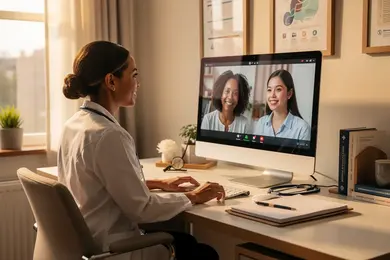
Online psychiatric mental health nurse practitioner master's programs primarily rely on asynchronous coursework, delivering recorded lectures, readings, and assignments that students access independently. This predominant format supports flexible pacing, critical for working professionals balancing clinical shifts and study time. Complementary synchronous sessions, such as virtual discussions and faculty office hours, are scheduled during evenings or weekends to enhance real-time interaction and immediate feedback, anchoring peer engagement within the broader asynchronous framework. Such mixed delivery models reflect a practical balance between structured learning and self-direction, directly shaping how students organize their study schedules and engage with faculty.
The varied instructional formats have significant implications for time management and consistency in learning, particularly relevant given data from the 2024 National Center for Education Statistics showing over 70% of graduate nursing students work while studying. Students must navigate the challenge of maintaining momentum in asynchronous modules while committing to synchronous events, which may require adjusting personal and professional responsibilities regularly. For those enrolled in an online psychiatric mental health nurse practitioner program delivery formats that prioritize flexibility, the demand for discipline in self-directed study is high, and workload spikes around clinical documentation and real-time sessions are common, affecting progression and retention.
One practical consequence of this delivery design is how it influences skill acquisition and program completion. In-person clinical practice remains mandatory, reinforcing the limits of online-only designs for applied competencies. This hybrid interplay between virtual coursework and hands-on experience requires students to negotiate logistical and time-tradeoff decisions carefully. Additionally, understanding certification pathways like CPC certification alongside academic requirements further factors into academic planning and career outcomes within the psychiatric mental health nurse practitioner field.
Which Core Classes Are Considered the Most Challenging?
Among core courses in online Psychiatric Mental Health Nurse Practitioner master's programs, psychopharmacology and advanced pathophysiology with neurobiology stand out as particularly challenging due to their inherent complexity and high cognitive demands. Psychopharmacology requires mastery of detailed drug classifications, mechanisms of action, side effects, and interactions critical for clinical decision-making, which can overwhelm students lacking a strong pharmacological background.
Meanwhile, advanced pathophysiology necessitates integrating intricate biological processes with psychiatric symptomatology, demanding scientific rigor beyond basic memorization. These structural challenges are intensified by workload intensity and the need to apply abstract concepts in realistic clinical scenarios, as supported by a 2024 survey from the National Council of State Boards of Nursing showing 62% of PMHNP students identify psychopharmacology as the toughest course, with nearly half marking advanced pathophysiology similarly difficult.
The demanding nature of these courses has significant implications for student progression and professional readiness. Struggling in psychopharmacology or neurobiology can delay specialization milestones and affect clinical confidence, as proficiency in medication management and biological assessment aligns closely with employer expectations in complex psychiatric settings. For example, working professionals balancing clinical placements often report that insufficient foundational knowledge in these areas impedes timely application of skills during patient care rotations, potentially limiting their ability to assume advanced roles quickly. Consequently, strategic planning and early preparation for these courses are critical to maintaining momentum in the PMHNP trajectory and optimizing employment prospects in a competitive healthcare environment.
One online Psychiatric Mental Health Nurse Practitioner student recounted feeling uncertain during the rolling admissions process, hesitant to accept an early interview invitation while still completing prerequisite courses. The student weighed the risk of beginning psychopharmacology without adequate pharmacology preparation against delaying entry and potentially missing preferred clinical sites. This careful timing decision reflected a practical awareness that gaps at the outset could exacerbate difficulties in core coursework later on, underscoring how admission pacing affects experiential readiness and long-term program success.
Do Online Psychiatric Mental Health Nurse Practitioner Master's Programs Require Internships or Practicums?
Internships or practicum experiences are almost universally mandated components of online psychiatric mental health nurse practitioner master's programs, though the structure and emphasis vary by institution. These experiential learning elements are not merely catalog requirements but integral to meeting accreditation standards and preparing students for clinical responsibilities such as patient assessment, diagnosis, and medication management. While some programs integrate supervised clinical hours directly within coursework, others require separate, substantial field placements often ranging from 500 to 700 hours.
This reflects the widespread industry understanding that practical, hands-on training is essential despite the remote nature of didactic instruction, particularly for complex fields demanding direct patient interaction and situational judgment, as captured in the recent AANP data on program hour obligations for psychiatric mental health nurse practitioner internship and practicum obligation in master's degrees.
The real-world implications of these requirements can significantly influence student experience and workforce entry timing. Working professionals or career changers frequently face logistical hurdles securing local clinical sites compatible with their schedules, sometimes necessitating extensive time commitments beyond coursework. Programs vary in how they support students in placement, with some offering regional assistance but leaving final responsibility to the student. Importantly, employers continue to weigh comprehensive clinical hours heavily when evaluating readiness and adaptability in practice, making these experiences pivotal for employability. Limited site availability or intensive practicum hours may extend program length, constraining flexibility and affecting long-term planning.
Prospective students should balance these factors alongside program features such as specialization tracks and licensing constraints. For those comparing broader healthcare career routes, insights from related fields such as online PharmD programs demonstrate similar tradeoffs between remote learning convenience and indispensable clinical immersion.
Which Courses Are Required for Professional Certification Exams?
Master's programs for psychiatric mental health nurse practitioners tailor their curricula to directly reflect certification exam competencies mandated by accrediting bodies like the American Nurses Credentialing Center. Course sequences emphasize core nursing sciences such as advanced pathophysiology, pharmacology, and health assessment, alongside psychiatric-specific disciplines including psychopharmacology, psychotherapy modalities, and diagnostic evaluation of mental disorders. This mapping ensures students cover the full spectrum of conditions tested on certification exams, including mood, anxiety, schizophrenia spectrum, and substance use disorders, aligning both theoretical content and clinical requirements with industry standards and professional expectations.
Choosing or omitting certain courses can significantly influence a student's eligibility and preparation timeline for certification. For instance, substituting a general pharmacology course for psychopharmacology may delay exam readiness, forcing additional study to meet board prerequisites. Similarly, insufficient clinical practicum hours in diverse psychiatric settings, which often total 600 or more, may reduce post-graduate employability in specialized roles. One observed trend is that programs rigorously aligned to certification competencies report pass rates exceeding 85%, underscoring how curricular completeness is critical not just for exam success but also for bridging education with real-world competency demands in psychiatric mental health nursing.
Do Specialization Requirements Extend Graduation Timelines?
Specialization requirements within online psychiatric mental health nurse practitioner master's programs are often structured through added coursework, clinical practicum hours, and prerequisite sequences that influence the pacing of student progression. Programs typically embed foundational courses first, but when specialization tracks-such as child psychiatry or substance use disorders-are selected, these frequently introduce additional unique classes or experiences that cannot be taken concurrently with core requirements.
The need to follow strict sequencing rules and limited course availability windows means some students may face delays, although those programs offering overlapping credits or flexible scheduling options might maintain the standard program length. Data from the National Center for Education Statistics 2024 highlights that nearly 38% of nurse practitioner students report a program extension between six months and a year when pursuing such additional concentrations.
In practical terms, specialization can create scheduling bottlenecks, particularly when required clinical placements are scarce or only offered during certain semesters, delaying graduation beyond planned timelines. For example, a working professional opting for a forensic psychiatry concentration may encounter limited elective substitutions and have to balance heavier concurrent clinical hours, pushing back career entry dates. This complexity requires strategic planning to avoid extended tuition costs or employment interruptions. While specialization enhances targeted expertise valued by employers in integrated care environments, the real tradeoff often lies in managing these logistical constraints alongside life commitments, which can determine the feasibility and timing of program completion more than academic content alone.
How Do Psychiatric Mental Health Nurse Practitioner Specializations Affect Career Opportunities?
Specializations within psychiatric mental health nurse practitioner master's programs act as distinct signals to employers, delineating candidates' clinical focus and technical proficiency. Recruiters commonly assess coursework emphasis, hands-on applied projects, and specific skill sets when differentiating applicants, favoring those whose training aligns precisely with the population or disorder they serve.
According to the 2024 National Workforce Survey on Mental Health Professionals, PMHNPs earning specialized credentials have a 27% higher chance of receiving job offers within six months post-graduation, reflecting the premium employers place on targeted expertise over generalist training. This dynamic means that specializations are not merely academic distinctions but function as practical indicators of readiness for role-specific challenges, shaping expectations about a candidate's immediate contribution and reducing onboarding time.
The career implications of choosing a specialization often involve a tradeoff between depth and breadth of opportunities. While a focused path like child and adolescent psychiatry may limit eligibility for broader outpatient roles, it opens access to niche settings such as pediatric psychiatric hospitals or forensic programs-positions typically unavailable to non-specialists. For example, a graduate specialized in substance use disorders might transition seamlessly into integrated addiction treatment centers but face barriers entering generalist primary care collaborations.
This reflects the reality that specialization narrows some aspects of geographical or functional flexibility, which should factor into decisions for those considering shifts across industries or clinical settings. Prospective learners unfamiliar with these nuances might explore foundational routes like online direct entry MSN programs before committing to specialized PMHNP tracks focused on long-term alignment with targeted career pathways.
How Should Students Compare Online Psychiatric Mental Health Nurse Practitioner Master's Curriculum?
Comparing online psychiatric mental health nurse practitioner master's programs requires more than preference-based decisions; it involves evaluating tradeoffs that impact clinical readiness, certification timing, and workload management. Differences in curriculum design can significantly influence how quickly students progress and how well their training aligns with employer expectations in diverse clinical settings.
- Core Course Composition and Sequencing - Analyze how core subjects like psychopharmacology and diagnostic reasoning are structured. Programs emphasizing current, evidence-based content with a logical progression tend to build stronger clinical decision-making skills, a priority for 68% of employers according to a 2024 National Council of State Boards of Nursing survey.
- Specialization Depth and Elective Flexibility - Look for curricula that offer specialization tracks aligned with career goals, such as child/adolescent or geriatric mental health. Flexible electives allow tailoring your education to workforce demands or personal interests, enhancing employability in specific settings.
- Internship and Practicum Integration - Prioritize programs with clearly arranged practicum hours and support for placements in preferred clinical environments. Practical experience embedded within the timeline is critical to translating theory into applicable skills under real-world supervision.
- Certification Alignment and Accreditation - Verify curriculum alignment with national certification requirements. Graduates from accredited programs with curricula matching eligibility standards face fewer hurdles in credentialing, accelerating entry into the workforce.
- Delivery Format and Workload Management - Consider how course delivery and sequencing fit your professional and personal schedule. Programs that balance asynchronous content with scheduled live sessions can improve time-to-completion and reduce conflict for working students.
As specialization options and curriculum structures vary widely, students focusing on the best online psychiatric mental health nurse practitioner curriculum features should assess how these dimensions translate to practical skills and career trajectory rather than surface-level program attributes.
For candidates interested in further related advanced study, exploring options among online doctoral programs in counseling may complement clinical expertise and open broader career pathways.
What Graduates Say About Online Psychiatric Mental Health Nurse Practitioner Master's Curriculum
- Caiden: "Completing the psychiatric mental health nurse practitioner core courses gave me a thorough foundation, but entering the job market made it clear that licensure alone wasn't enough. Employers around here heavily favor candidates with robust clinical portfolios and specialized certifications. I focused on internships early and found that hands-on experience opened more doors for me than just the degree itself."
- Remington: "I appreciated the program's flexibility, especially being able to complete coursework remotely while working full-time. It allowed me to pivot into psychiatric mental health nursing without taking a career break, which was crucial. However, I learned that salary growth caps without a full scope of practice can be a challenge, so I'm planning additional certifications to boost advancement prospects."
- Adrian: "After graduating, I encountered the practical realities of competing for positions that often require a blend of experience and advanced certifications beyond the master's core program. Many roles prefer candidates who have completed specialized internships or hold particular licenses. Navigating this landscape required me to strategically target jobs with remote work options and employer-supported continuing education to build competitiveness."
Other Things You Should Know About Psychiatric Mental Health Nurse Practitioner Degrees
The pacing of the online psychiatric mental health nurse practitioner master’s program in 2027 offers flexibility for working professionals, enabling them to balance career obligations with studies. It allows learners to complete coursework on a schedule that fits their personal and professional lives, often featuring part-time options to facilitate this balance.
A curriculum heavily centered on psychiatric mental health nurse practitioner specialties may limit exposure to broader nursing competencies, potentially narrowing clinical flexibility post-graduation. Programs that balance core psychiatric content with cross-disciplinary skills better prepare graduates for varied clinical settings and evolving employer expectations. For those uncertain about a narrow specialty focus or planning to adapt roles later, prioritizing programs with integrated generalist core courses alongside specialization can translate into greater long-term employability and adaptability.
Online psychiatric mental health nurse practitioner programs inherently face challenges in fostering robust peer and faculty networking compared to in-person options. Programs that embed interactive live sessions, cohort models, and accessible faculty mentorship create more valuable professional connections, which often facilitate smoother transition into clinical roles or job placements. Selecting programs with strong online community support mechanisms and mentorship accessibility is crucial for career advancement in this relationally intensive field.
Students must weigh breadth versus depth, depending on individual career goals. While programs offering multiple specialization tracks provide flexibility to shift focus if needed, those emphasizing depth within one concentration often deliver stronger clinical expertise and better preparation for certification in that niche. For students certain about their psychiatric mental health path, a single-focus program usually yields better skill mastery and employer preference; however, career changers or those valuing adaptability might benefit from the wider options in multi-specialization curricula.
References
- MSN Psychiatric-Mental Health Nurse Practitioner Specialization https://www.chamberlain.edu/academics/nursing-school/psychiatric-mental-health-nurse-practitioner
- MSN in Psychiatric Mental Health Nurse Practitioner https://www.unthealth.edu/college-of-nursing/msn-in-psychiatric-mental-health-nurse-practitioner.html
- PMHNP https://onlinenursing.sjf.edu/programs/pmhnp/
- Psychiatric-Mental Health Nurse Practitioner https://www.kumc.edu/school-of-nursing/academics/programs/doctor-of-nursing-practice/post-bachelors-doctor-of-nursing-practice/psychiatric-mental-health-nurse-practitioner.html
- MSN PMHNP Online Program for Mental Health Nurses - SHU https://onlineprograms.sacredheart.edu/programs/msn-pmhnp-psychiatric-mental-health-nurse/
- How to Become a Psychiatric Nurse Practitioner (PMHNP) https://nursinglicensemap.com/advanced-practice-nursing/nurse-practitioner/psychiatric-and-mental-health-nurse-practitioner-pmhnp/
- Most Affordable Online PMHNP Programs for 2025–2026 - Nurse Practitioner Degrees https://npdegrees.org/degrees/online-np-masters-degrees/most-affordable-pmhnp-programs/
- Graduate Programs in the United States | APNA https://www.apna.org/about-psychiatric-nursing/graduate-programs/graduate-programs-in-the-united-states/
- All RN to Psychiatric Nurse Practitioner Programs https://www.rntomsn.org/programs/nurse-practitioner/psychiatric-mental-health/
- MSN | Psychiatric Mental Health Nurse Practitioner | Rivier University https://www.rivier.edu/academics/all-programs/msn-psychiatric-mental-health-nurse-practitioner/