
2027 Online Organizational Leadership Doctorate Programs with No Dissertation Requirement

Co-Founder and Chief Data Scientist
Choosing an online organizational leadership doctorate without a dissertation is really a question about fit: do you need scholarly research training, or an applied doctoral project you can use at work? The decision matters because employers increasingly value leaders who can manage change, data, and people; the BLS projects management analyst employment to grow 11% from 2023 to 2033.
This guide is for working professionals comparing dissertation-free doctoral pathways, costs, timelines, accreditation, and career value so they can choose a legitimate program with fewer surprises.
Key Things You Should Know
- Yes, some online organizational leadership-related doctorates replace the traditional dissertation with a capstone, applied doctoral project, consulting project, or problem-of-practice study, but many programs still require a substantial research-based final project.
- No dissertation does not mean no research: legitimate programs still require doctoral writing, evidence-based analysis, data collection, ethics review when applicable, and a defensible final product.
- Cost and debt matter: for 2024-2025, federal graduate Direct Unsubsidized Loans carry an 8.08% fixed interest rate, so comparing total tuition, fees, residencies, and completion time is essential before enrolling.
Which Online Organizational Leadership Doctorate Programs Do Not Require a Dissertation?
Several online doctorates connected to organizational leadership use an applied capstone or practice-based doctoral project instead of a traditional five-chapter dissertation. The key is to check the curriculum language carefully, because some schools use terms like "dissertation in practice," "doctoral project," and "capstone" differently.
Students searching for a doctorate in organizational leadership online should focus less on the marketing phrase "no dissertation" and more on the final doctoral requirement, faculty expectations, residency rules, and accreditation status. The table below summarizes examples and program types commonly considered by working professionals seeking a dissertation alternative.
| Program or program type | Degree focus | What usually replaces the dissertation | Best fit | Important verification step |
| Vanderbilt University Online EdD in Leadership and Learning in Organizations | Leadership, organizational learning, change, and evidence-based improvement | Capstone project focused on a real organizational problem | Experienced professionals who want an applied leadership doctorate from a research university | Confirm current capstone expectations, campus requirements, and cohort schedule |
| Trevecca Nazarene University Online EdD in Leadership and Professional Practice | Leadership practice across professional and organizational settings | Applied doctoral project rather than a traditional dissertation | Practitioners who want a structured project tied to professional practice | Ask whether the final project includes data collection, committee review, or oral defense |
| Online EdD programs in organizational change, leadership, or innovation | Applied leadership, organizational improvement, adult learning, and change management | Capstone, problem-of-practice project, or dissertation-in-practice, depending on the school | Leaders in education, nonprofit, healthcare, corporate training, HR, and public agencies | Do not assume "EdD" means no dissertation; read the course catalog |
| Online DBA or Doctor of Management programs with leadership concentrations | Executive leadership, strategy, operations, consulting, and organizational performance | Applied research project, consulting project, doctoral study, or dissertation depending on the institution | Business leaders who want a practice-oriented doctorate rather than an education-focused EdD | Verify whether the program title, concentration, and final project match your career goals |
A common mistake is assuming that every program with "leadership" in the title is an organizational leadership doctorate with no dissertation. In reality, some are education doctorates, some are business doctorates, and some still require a dissertation under another name.
What Replaces the Dissertation in an Online Organizational Leadership Doctorate?
In legitimate no dissertation doctoral programs, the dissertation is usually replaced by a structured project that applies research to a real leadership problem. These alternatives are designed for professionals who want to improve an organization, system, team, or process rather than produce original theory for an academic field.
The table below compares the most common final requirements. This distinction matters because the name of the project affects workload, research depth, publication potential, and how employers or academic hiring committees may interpret the degree.
| Final requirement | Main purpose | Typical work involved | How it differs from a traditional dissertation | Who it fits best |
| Capstone project | Solve or analyze a practical organizational problem | Needs assessment, literature review, data analysis, recommendations, presentation | Usually more applied and workplace-centered | Managers, consultants, HR leaders, nonprofit executives, and training leaders |
| Applied doctoral project | Create, test, or evaluate an intervention in a professional setting | Problem framing, evidence review, implementation plan, evaluation, final defense | May be narrower than a dissertation but still rigorous | Professionals who can access an organization or project site |
| Dissertation in practice | Study a problem of practice using scholarly inquiry | Research design, data collection, analysis, recommendations, committee review | Often shorter or more applied than a PhD dissertation but still dissertation-like | EdD students focused on leadership improvement |
| Consulting project | Deliver evidence-based recommendations to a client or organization | Client diagnosis, data review, strategic analysis, presentation, implementation roadmap | May emphasize deliverables and executive communication over academic theory | Business leaders and consultants |
Students should expect research and writing even without a dissertation. A strong program will still teach research methods, organizational theory, ethics, assessment, leadership analytics, and evidence-based decision-making.
Before enrolling, ask the school direct questions about the final project. These questions help reveal whether the program is genuinely dissertation-free or simply using different terminology.
- What is the official name of the final doctoral requirement in the academic catalog?
- Does the project require original data collection, human subjects review, or institutional review board approval?
- Is there a committee, chair, oral defense, or publication-style manuscript?
- Can the project be completed using a current workplace problem, or must students secure an external site?
- What percentage of students complete the final project within the advertised timeline?
Are Online Organizational Leadership Doctorate Programs Without Dissertations Legitimate and Accredited?
Yes, no dissertation online organizational leadership doctorates can be legitimate and accredited. The absence of a traditional dissertation does not make a doctorate invalid; accreditation, curriculum quality, faculty credentials, assessment standards, and institutional reputation are more important.
For most organizational leadership doctorates in the U.S., the essential credential is institutional accreditation from an accreditor recognized by the U.S. Department of Education or the Council for Higher Education Accreditation. Programmatic accreditation may matter more if the doctorate is housed in business, education, public administration, healthcare, or a field tied to licensure.
Use this checklist before applying. It is especially important for online doctoral programs because format alone does not prove quality, legitimacy, or employer recognition.
- Confirm institutional accreditation in an official accreditation database, not only on the school's marketing page.
- Read the academic catalog to verify the exact degree title, concentration, credit count, residency rules, and final project requirement.
- Check whether faculty have doctoral credentials and professional experience aligned with organizational leadership, change, research methods, or your field.
- Ask whether the program has state authorization to enroll students from your state.
- If you work in K-12 education, higher education administration, counseling, healthcare, or another regulated field, ask your licensing board or employer whether the degree meets advancement requirements.
A major red flag is a school that promises an unusually fast doctorate, requires little writing, avoids clear accreditation language, or cannot explain how the final project is evaluated. Legitimate applied doctorates are flexible, but they are not shortcuts.
Are No-Dissertation Online Organizational Leadership Doctorate Programs Easier to Complete?
No dissertation online organizational leadership doctorates are not automatically easier to complete. They may be more practical for working professionals because the final project is tied to a real organizational problem, but students still complete doctoral-level research, analysis, writing, and revision.
The difference is usually the type of intellectual work. A dissertation asks students to contribute to scholarly research; a capstone or applied project asks students to use scholarly evidence to improve practice. That can feel more manageable for professionals who already work in leadership roles, but it can be demanding if the project requires access to organizational data, stakeholder participation, or measurable outcomes.
The table below shows how workload usually differs. It can help students avoid the common mistake of choosing a program only because it sounds faster or easier.
| Factor | No dissertation applied doctorate | Traditional dissertation doctorate | Decision impact |
| Research goal | Solves a professional problem | Creates original scholarly knowledge | Applied programs often fit practitioner careers better |
| Writing style | Executive, analytical, and scholarly | Academic, theoretical, and methodological | Students should review sample projects before enrolling |
| Project risk | Depends on workplace access and implementation feasibility | Depends on research design, data access, and committee approval | Both paths can stall if the project scope is too broad |
| Faculty review | Usually structured around project milestones | Often committee-driven over multiple dissertation chapters | Applied formats may provide clearer pacing but still require revision |
| Career fit | Best for leadership, consulting, administration, and organizational change | Best for research, tenure-track academia, and scholarly publication | The "easier" path is not always the better path |
Students who struggle most often underestimate the amount of writing, choose a project that is too broad, or assume their workplace will automatically provide access to data. The safer strategy is to choose a focused problem with clear stakeholders, available evidence, and a realistic timeline.
How Long Does It Take to Complete an Online Organizational Leadership Doctorate Without a Dissertation?
Most online organizational leadership doctorates without a traditional dissertation are designed for completion in about three to four years, though the actual timeline depends on credits, transfer policy, course load, cohort pacing, residency requirements, and the final project. Accelerated formats can move faster, but students should be cautious if speed comes at the expense of mentoring, research training, or project quality.
The table below summarizes typical completion patterns. Use it to compare program timelines in a realistic way rather than relying only on the shortest advertised completion time.
| Program structure | Typical timeline | Why it may take longer | Best-fit student |
| Accelerated online EdD or DBA with applied project | About 2.5 to 3 years | Heavy course load, limited breaks, project access delays | Experienced leaders with a clear project idea and strong writing skills |
| Cohort-based online doctorate | About 3 to 4 years | Fixed course sequence, residency dates, committee scheduling | Students who want structure, peer support, and predictable pacing |
| Flexible or part-time online doctorate | About 4 to 6 years | Workload changes, transfer limits, project revisions | Working professionals balancing leadership roles and family obligations |
| Traditional dissertation-based doctorate | Often 4 years or more | Proposal approval, data collection, chapter revisions, defense scheduling | Students pursuing research, academic, or scholarly roles |
Current online education trends make pacing more important. Many doctoral programs now use synchronous video sessions, online collaboration tools, digital library support, and data-analysis platforms. These tools can improve access, but they do not eliminate the need for weekly writing time and sustained project management.
To test whether a timeline is realistic, students should map the program against their work calendar. A professional with frequent travel, budget cycles, school-year constraints, or caregiving responsibilities may need a longer schedule even in a no dissertation format.
How Much Do Online Organizational Leadership Doctorate Programs Without Dissertations Cost?
Costs vary widely because online organizational leadership doctorates differ by institution, credit count, tuition model, residency expectations, and fees. Instead of comparing only per-credit tuition, calculate the full cost to finish the degree, including final project expenses and the cost of borrowing.
Federal loan rates make this especially important. For 2024-2025, graduate Direct Unsubsidized Loans have an 8.08% fixed interest rate, and Grad PLUS Loans have a 9.08% fixed interest rate, so a lower sticker price can matter significantly if you need to borrow most of the cost.
The following tuition scenarios are illustrative, not school-specific prices. They show how quickly total tuition changes when a doctoral program requires 48 credits.
- At $750 per credit for 48 credits, estimated tuition before fees is $36,000.
- At $1,200 per credit for 48 credits, estimated tuition before fees is $57,600.
- At $1,800 per credit for 48 credits, estimated tuition before fees is $86,400.
Beyond tuition, students should ask about expenses that are easy to miss. These costs can affect the real return on investment, especially in programs with short residencies or project-based requirements.
- Technology fees, library fees, graduation fees, and doctoral program fees
- Residency travel, lodging, meals, parking, and time away from work
- Books, research software, transcription, survey tools, or data analysis tools
- Continuation fees if the final project takes longer than expected
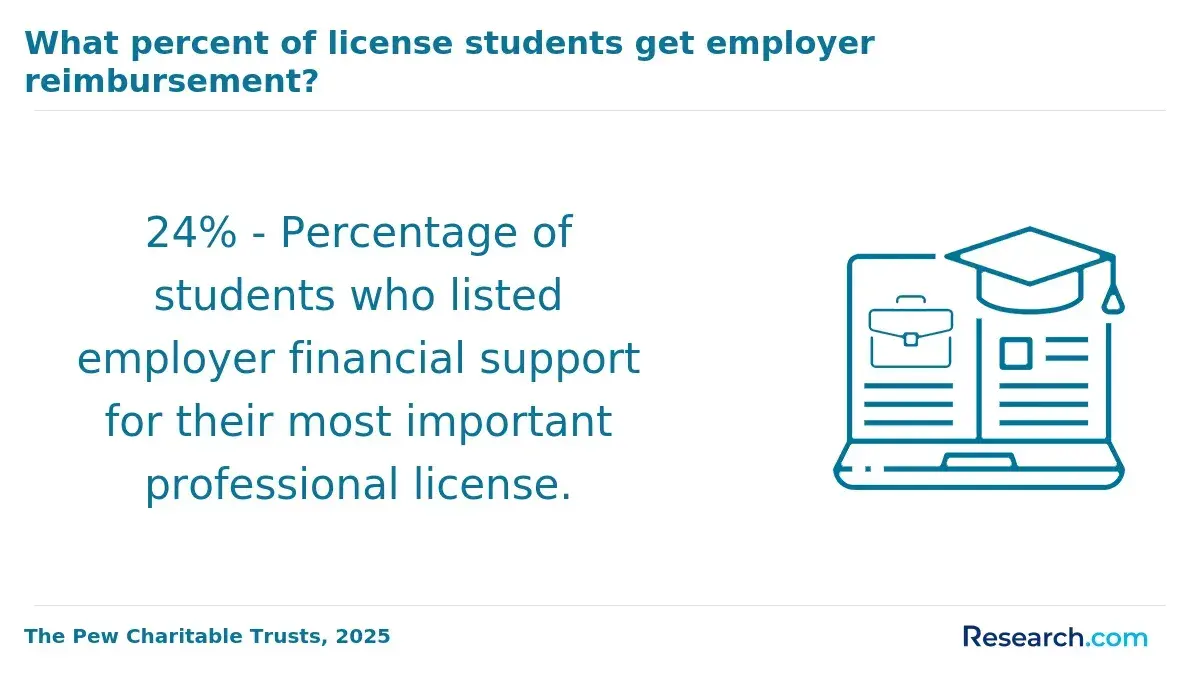
- Employer tuition reimbursement limits and whether reimbursement requires a minimum grade or service commitment
A no-dissertation pathway may reduce cost if it helps you finish faster, but it can also become expensive if the capstone stalls. The most useful ROI question is not "Which program is cheapest?" but "Which accredited program gives me the best chance of finishing a relevant doctoral project on time?"
Who Benefits Most From an Online Organizational Leadership Doctorate Without a Dissertation?
Students who are not ready for doctoral study may benefit from comparing graduate options first, including the best organizational development master's programs online. A master's degree can be a lower-cost way to build leadership theory, organizational behavior, research literacy, and change management skills before committing to a doctorate.
The strongest candidates for dissertation-free organizational leadership doctorates usually have a clear professional problem they want to solve. These students can connect coursework directly to workplace needs, which often makes the capstone or applied project more meaningful.
- Mid-career managers preparing for senior leadership, operations, HR, or organizational development roles
- Executives who need advanced leadership frameworks but do not plan to become academic researchers
- Consultants who want a doctoral credential and a portfolio-quality applied project
- Healthcare, nonprofit, government, military, and education leaders managing complex change
- Corporate learning, talent development, and training leaders responsible for measurable workforce outcomes
A traditional dissertation-based doctorate may make more sense for students who want to publish scholarly research, compete for tenure-track faculty roles, pursue research-intensive policy work, or build expertise in advanced quantitative or qualitative methods. The right pathway depends on the career you want the doctorate to support.
How Does a No-Dissertation Online Organizational Leadership Doctorate Affect Career Opportunities?
A no dissertation organizational leadership doctorate can support careers in leadership, consulting, training, human resources, organizational development, higher education administration, nonprofit management, healthcare administration, and public-sector leadership. It is rarely a strict requirement for these roles, but it may help candidates signal advanced expertise in change management, evidence-based decision-making, and organizational strategy.
For business-focused students, an MBA operations management online may be a stronger alternative if the goal is operations leadership, supply chain improvement, or executive management without a doctoral-level research project. The doctorate is usually a better fit when the student wants advanced applied scholarship, a terminal credential, and deeper organizational change expertise.
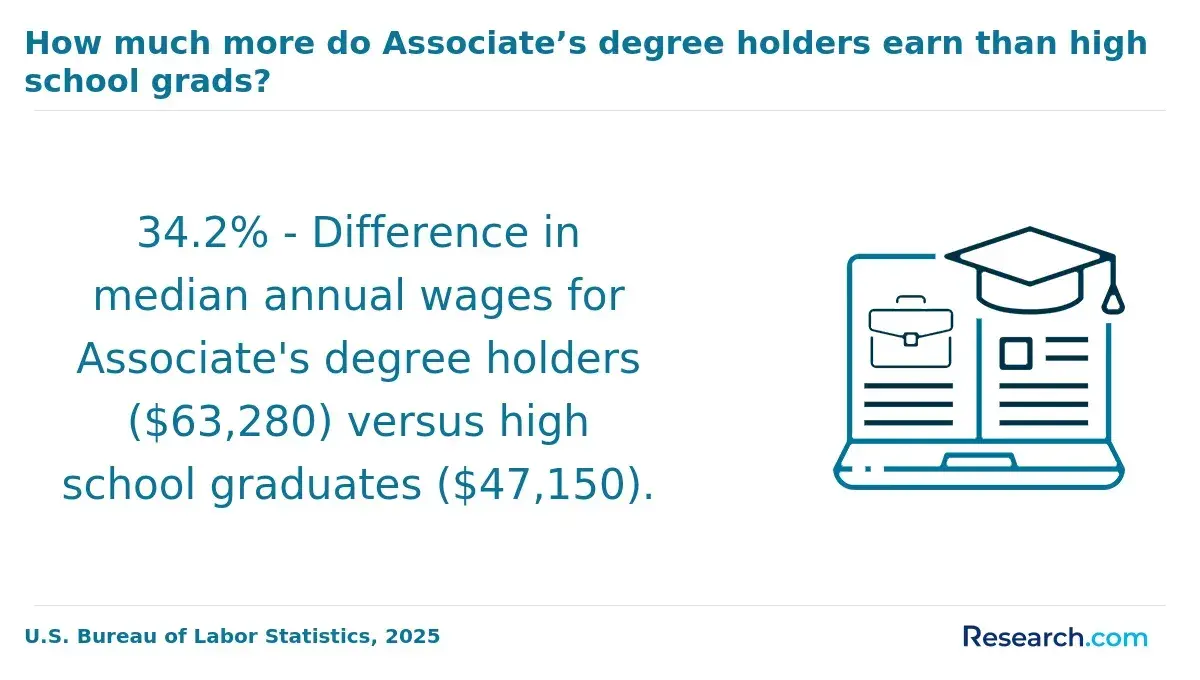
Salary outcomes vary by industry, employer, region, and prior experience. As a useful benchmark, the BLS reported a May 2024 median annual wage of $101,190 for management analysts, a role closely aligned with organizational improvement and consulting. This does not mean doctorate holders automatically earn that amount, but it shows that organizational analysis and change work can sit in a strong professional labor market.
Potential roles connected to this degree often include a mix of leadership, strategy, and people-centered responsibilities. The doctorate may be most valuable when paired with substantial experience rather than used as a substitute for it.
- Organizational development director or consultant
- Chief learning officer or training and development leader
- Human resources executive or talent strategy leader
- Change management consultant
- Nonprofit executive director or program strategy leader
- Higher education administrator or student success leader
- Healthcare or public-sector leadership development director
- Adjunct faculty member in leadership, management, or organizational behavior programs
AI and automation are also changing leadership work. Organizations increasingly need leaders who can evaluate data, guide ethical technology adoption, redesign workflows, and manage employee resistance to change. A strong applied doctoral project can demonstrate those abilities if it is tied to measurable organizational improvement.
How Do No-Dissertation Online Organizational Leadership Doctorates Compare With Traditional Doctorates?
No-dissertation online organizational leadership doctorates and traditional dissertation-based doctorates can both be rigorous, but they serve different goals. The best choice depends on whether you want to become a stronger practitioner, a scholarly researcher, or some combination of both.
The comparison below highlights the practical trade-offs. It is especially useful for students deciding between an EdD, DBA, Doctor of Management, or PhD-style pathway.
| Decision point | No dissertation applied doctorate | Traditional dissertation doctorate |
| Primary goal | Use research to improve leadership practice | Produce original scholarly research |
| Best career alignment | Executive leadership, consulting, organizational development, administration, applied teaching | Research faculty roles, scholarship, advanced methodology, academic publication |
| Final product | Capstone, applied project, consulting deliverable, or problem-of-practice study | Dissertation with formal chapters, methodology, findings, and defense |
| Research depth | Applied and problem-centered | Theoretical and field-centered |
| Completion risk | Project scope, workplace access, implementation barriers | Committee delays, data collection, dissertation revisions |
| Employer perception | Often positive for practitioner roles if the school is accredited and reputable | Often preferred for research-heavy or tenure-track roles |
| Academic hiring value | May fit adjunct, professional, or practitioner faculty roles | Usually stronger for tenure-track or research-focused positions |
The common mistake is asking which format is "better" in general. A dissertation-free doctorate may be better for a senior HR leader designing a leadership development system, while a dissertation-based doctorate may be better for someone who wants to study leadership theory as a full-time academic researcher.
Students should also consider how employers in their field view doctoral credentials. Some organizations focus mainly on accreditation and relevance; others care about institutional reputation, degree title, research experience, or whether the doctorate is an EdD, DBA, PhD, or another professional doctorate.
How Should Students Choose an Online Organizational Leadership Doctorate Without a Dissertation?
Choosing a no dissertation online organizational leadership doctorate requires more than finding the fastest program. Students should compare the degree title, accreditation, final project, faculty support, cost, completion data, and career alignment before applying.
If you are still deciding between business and leadership pathways, reviewing an online business degree can help clarify whether you need doctoral preparation or a less expensive business credential. For many professionals, the smartest choice is the credential that solves the next career problem without creating unnecessary debt.
Use the following process to evaluate programs. It is designed to help you separate legitimate applied doctorates from weak programs that simply advertise "no dissertation" as a shortcut.
- Start with your career goal, such as executive leadership, consulting, higher education administration, HR strategy, organizational development, or applied teaching.
- Confirm whether a doctorate is required, preferred, or optional for that goal by reviewing job postings and speaking with hiring managers in your field.
- Verify institutional accreditation and, when relevant, programmatic accreditation, state authorization, or professional approval.
- Read the full curriculum and identify the exact final requirement, including whether it is called a capstone, applied project, dissertation in practice, doctoral study, or consulting project.
- Ask admissions advisors for examples of past final projects, typical project length, defense requirements, and average time to completion.
- Compare total program cost, not just per-credit tuition, and include residency travel, fees, technology, books, continuation courses, and loan interest.
- Review faculty backgrounds to see whether they match your intended project area, such as change management, leadership development, HR, organizational learning, or analytics.
- Check flexibility features, including asynchronous coursework, live sessions, cohort pacing, transfer credits, and leave-of-absence policies.
- Ask whether the final project can use your workplace and what happens if your employer changes, denies access, or restricts data use.
- Choose the program that offers the strongest combination of accreditation, project support, affordability, timeline realism, and career relevance.
Several red flags should slow down your decision. Be cautious if a program cannot provide catalog-level details, avoids accreditation questions, promises a doctorate with minimal research, hides fees, requires unexpected in-person components, or pressures you to enroll before you have reviewed the final project requirements.
Other Things You Should Know About Organizational Leadership
In most professional settings, graduates of accredited doctoral programs may use the title "Doctor," but context matters. Use the credential accurately, list the degree type clearly, and follow workplace, state, and professional ethics rules.
Many online professional doctorates no longer require the GRE, especially programs designed for experienced working adults. Admissions committees often weigh a master's degree, professional experience, writing samples, recommendations, and a statement of purpose more heavily.
Some programs allow limited doctoral-level transfer credits, but policies vary widely. Schools may restrict transfer credits by age, grade, accreditation status, subject match, or whether the credits were applied to a completed degree.
No. Organizational leadership doctorates such as EdD, DBA, or Doctor of Management programs are often practice-oriented, while a PhD is usually more research-oriented. The best option depends on whether your goal is applied leadership practice or scholarly research.
References
- The Best EdD in Organizational Leadership Programs of 2025 https://www.eddprograms.org/schools/organizational-leadership/
- Can you get a PhD in one year? - Swiss School of Business Research https://ssbr-edu.ch/can-you-get-a-phd-in-one-year/
- 2025 Most Affordable Online Doctorates in Education https://www.onlineu.com/most-affordable-colleges/education-doctoral-degrees
- How Long a Doctorate Degree Takes: Fast and Slow Doctoral Programs https://www.phds.me/ask-the-expert/how-many-years-is-a-doctorate-degree/
- What Is a Non-Dissertation Doctorate, and Is It Right for You? https://www.snu.edu/blog/what-is-a-non-dissertation-doctorate-and-is-it-right-for-you
- Advance Your Leadership Career with a Doctorate in Organizational Leadership https://www.umassglobal.edu/blog-news/advance-your-leadership-career-a-doctorate-organizational-leadership
- 2026 Online EdD Programs No Dissertation Required (Applied Capstone Projects) https://www.onlineeddprograms.com/faqs/edd-programs-no-dissertation


