2027 Online Nurse Education Doctorate Programs with One-on-One Faculty Mentorship

Co-Founder and Chief Data Scientist
Choosing an online nurse education doctorate is really a decision about support: who will guide your research, teaching development, and career planning when you are studying at a distance? The need is urgent because AACN's 2024 faculty vacancy reporting found more than 1,800 full-time nursing faculty openings across U. S. nursing schools, reinforcing demand for well-prepared nurse educators.
This guide is for nurses comparing online EdD, PhD, and DNP nurse education options. You will learn how mentorship works, how to verify its quality, and when personalized faculty guidance is worth the added cost or structure.
Key Things You Should Know
- One-on-one faculty mentorship is most valuable when it is formal, recurring, and tied to dissertation, capstone, teaching, or applied-research milestones rather than limited to general academic advising.
- Current U.S. labor data supports the value of advanced nurse educator preparation: BLS May 2024 wage estimates place postsecondary nursing instructor median pay at roughly the mid-$80,000 range, but outcomes vary by role, region, institution type, and experience.
- The strongest online programs disclose mentor assignment timing, faculty research areas, communication expectations, dissertation or project supervision, accreditation, and whether students can change mentors if goals or availability change.
How Does One-on-One Faculty Mentorship Work in Online Nurse Education Doctorate Programs?
One-on-one faculty mentorship in an online nurse education doctorate means a doctoral-prepared faculty member works directly with a student on academic progress, research direction, teaching identity, professional networking, and sometimes career strategy. It is different from routine advising, which often focuses on registration, degree audits, and policy questions.
In a strong model, the mentor relationship begins early and becomes more specialized as the student moves from coursework into dissertation, scholarly project, capstone, or practicum work. The format may include scheduled video meetings, asynchronous feedback on drafts, research planning sessions, teaching observations, conference guidance, and help aligning scholarly work with nurse educator roles.
The most important distinction is whether mentorship is embedded in the program design or simply described as faculty accessibility. A meaningful model usually includes several defined features:
- A named faculty mentor, advisor, chair, or project supervisor assigned by a clear point in the program.
- Regular opportunities for one-on-one interaction through video, phone, learning management system messaging, or structured draft feedback.
- Faculty expertise that connects to the student's research area, such as curriculum design, simulation, clinical judgment, health equity, competency-based education, online learning, or academic leadership.
- Transparent expectations for response times, meeting frequency, student responsibilities, and escalation if the mentoring relationship is not working.
- Clear separation between academic advising, faculty mentoring, dissertation or project supervision, and technical or student-success support.
Online students should also ask whether the program uses synchronous mentoring, asynchronous feedback, or both. Asynchronous support is helpful for working nurses, but it should not fully replace live discussion during high-stakes stages such as proposal development, data analysis, practicum planning, or final defense preparation.
Which Online Nurse Education Doctorate Programs Offer the Strongest Faculty Mentorship?
The online nurse education doctorate programs with the strongest mentorship are usually not the ones that simply advertise "personalized support." They are the ones that can explain, in writing, how faculty are assigned, how often students meet with mentors, what happens during research supervision, and how mentor fit is protected when faculty workloads change.
The table below shows the program characteristics that matter most when comparing options. Use it to separate substantive mentorship models from broad marketing language.
| Program feature | What a strong mentorship model looks like | Why it matters |
| Mentor assignment | Students are assigned a faculty mentor, doctoral advisor, chair, or project lead early, with a later match to research or capstone expertise when needed. | Early guidance helps students shape realistic research questions and avoid losing time after coursework. |
| Faculty expertise | Faculty profiles show nurse education scholarship, curriculum leadership, simulation, online pedagogy, assessment, or academic administration experience. | A mentor with aligned expertise can give more useful feedback than a generalist advisor. |
| Meeting expectations | The program states whether meetings occur monthly, by milestone, by course, or by student request. | Vague access can lead to uneven support, especially for part-time online students. |
| Dissertation or project structure | The program explains committee formation, chair responsibilities, proposal review, IRB support, and final defense or dissemination expectations. | Doctoral completion often depends on consistent guidance during independent scholarly work. |
| Teaching development | Mentors help students build educator portfolios, teaching philosophies, practicum plans, assessment projects, or simulation strategies. | Nurse education doctorates should strengthen teaching practice, not only academic writing. |
| Mentor continuity | The school has a process for faculty leave, turnover, mentor mismatch, or changes in research direction. | Online students need predictable support when they cannot rely on informal campus access. |
If your goal is a research-intensive academic career, compare mentorship in PhD pathways carefully and review affordable options such as cheapest online nursing PhD programs alongside faculty fit, because the lowest tuition is not always the best value if research supervision is weak.
A practical shortlist should include programs that are accredited, transparent about doctoral faculty, and willing to connect prospective students with program directors, current students, or alumni. If a school cannot explain how mentorship works before enrollment, assume the experience may depend heavily on individual faculty availability rather than a formal support system.
How Does Faculty Mentorship Support Dissertation or Applied Research in an Online Nurse Education Doctorate?
Faculty mentorship becomes especially important once an online nurse education doctorate moves from structured coursework to independent scholarship. At that stage, students must narrow a problem, review evidence, select a method, obtain approvals, collect or analyze data when required, and communicate findings in a scholarly format.
In an EdD, mentorship often supports applied research in teaching, curriculum, assessment, faculty development, simulation, or academic leadership. In a PhD, the relationship is usually more research-intensive and may focus on theory, methodology, publication, and preparation for a scholar role. In a DNP with a nurse education focus, mentorship may center on translating evidence into educational practice or improving outcomes in academic or clinical learning environments.
The table below compares the most common doctoral project structures and the type of faculty support students should expect in each.
| Doctorate type | Common scholarly requirement | Mentorship focus | Best fit |
| EdD in Nursing Education or Health Professions Education | Applied dissertation, dissertation in practice, or education-focused research project | Problem framing, education literature, practical implementation, leadership implications, and improvement cycles | Nurses seeking academic leadership, curriculum, or educator development roles |
| PhD in Nursing with education focus | Original dissertation research | Research design, theory, methods, data analysis, publication, and scholarly identity | Nurses seeking tenure-track, research, or grant-oriented academic roles |
| DNP with nurse educator concentration or education courses | Evidence-based practice project, systems project, or education-focused capstone | Practice translation, outcomes evaluation, stakeholder engagement, and implementation | Nurses who want advanced practice, leadership, or education roles grounded in practice improvement |
Strong mentors do more than approve topics. They help students determine whether a project is feasible within the program timeline, ethical approval process, available data, clinical or academic site access, and the student's work schedule. This matters because many online doctoral students are working nurses, faculty members, clinical educators, or administrators with limited time for open-ended research.
Common red flags include a program that assigns dissertation chairs only after coursework with little prior research planning, does not disclose faculty research areas, or relies on generic dissertation templates without individualized methodological guidance. These are not automatic dealbreakers, but they are reasons to ask more detailed questions before committing.
One-on-one mentorship can support progress and completion because it gives students a specific person who can help them interpret expectations, solve problems early, and stay accountable during less structured phases. This is especially important in online doctorates, where students may not have casual hallway conversations, campus-based writing groups, or immediate access to faculty offices.
Mentorship does not guarantee faster completion. Completion depends on the student's work schedule, writing readiness, research design, institutional review timelines, committee responsiveness, practicum access, and life responsibilities. However, individualized guidance can reduce preventable delays when mentors give timely feedback and help students make realistic decisions.
Students should pay attention to how the program defines progress checkpoints. A well-designed online doctorate usually includes several moments where faculty intervention can prevent drift:
- Early research or project idea review before the student becomes attached to an unrealistic topic.
- Structured feedback on literature reviews, problem statements, and conceptual or theoretical frameworks.
- Clear proposal development milestones with expectations for revisions and committee review.
- Guidance on IRB, site approval, data access, or project implementation before formal submission.
- Regular check-ins during writing, analysis, final defense, dissemination, or portfolio completion.
A useful question to ask is not simply "Will I have a mentor?" but "What happens if I fall behind?" Strong programs can explain whether faculty initiate outreach, whether progress alerts are used, whether students receive writing support, and how long faculty typically take to respond to major drafts.
Students should also avoid assuming that more meetings automatically mean better mentoring. A monthly meeting with a faculty member who understands the student's project can be more valuable than frequent check-ins with someone who cannot guide the research, teaching, or career direction.
Online nurse education doctorate programs use different mentorship models, and each one has trade-offs. The right choice depends on whether the student values flexibility, peer support, structured pacing, research alignment, cost control, or close faculty access.
The table below compares common online doctoral mentorship models. It can help you decide whether a program's support structure matches your learning style and professional goals.
| Mentorship model | How it usually works | Strengths | Limitations |
| Assigned one-on-one faculty mentor | A specific faculty member guides the student across advising, scholarly planning, or professional development. | Personalized support, continuity, and better alignment with individual goals. | Quality depends on mentor availability, expertise, and advising load. |
| Dissertation or project chair model | Mentorship becomes most intensive after coursework when the student begins formal scholarly work. | Strong support during the highest-stakes phase of the doctorate. | Students may receive limited individualized guidance early in the program. |
| Cohort-based faculty support | Students move through courses with peers and receive guidance from course faculty, program leaders, or cohort advisors. | Predictable pacing, peer accountability, and structured deadlines. | May offer less individualized attention if research interests vary widely. |
| Committee-based mentorship | Several faculty members support different parts of the dissertation, capstone, or applied project. | Broader expertise and more balanced feedback. | Communication can become slower if roles are unclear. |
| Student-success plus faculty model | Nonfaculty advisors handle logistics while faculty guide scholarly or teaching work. | Efficient support for registration, policies, and academic planning. | Students must know which questions belong to faculty versus staff advisors. |
For nurses still comparing degree levels or entry points, broader guides to online nursing programs can help clarify how doctoral education differs from BSN, MSN, certificate, and advanced practice pathways.
A cohort-based program may be better than a heavily individualized model for students who need external structure, fixed deadlines, and peer accountability. A one-on-one model may be better for students with a specialized research question, a nontraditional career goal, or a need for close feedback on teaching and scholarship.
Faculty mentorship can shape career opportunities because nurse education doctorates are often used to move into faculty, academic leadership, clinical education, simulation, curriculum, accreditation, professional development, or healthcare education roles. A strong mentor can help students translate doctoral work into a portfolio that employers recognize.
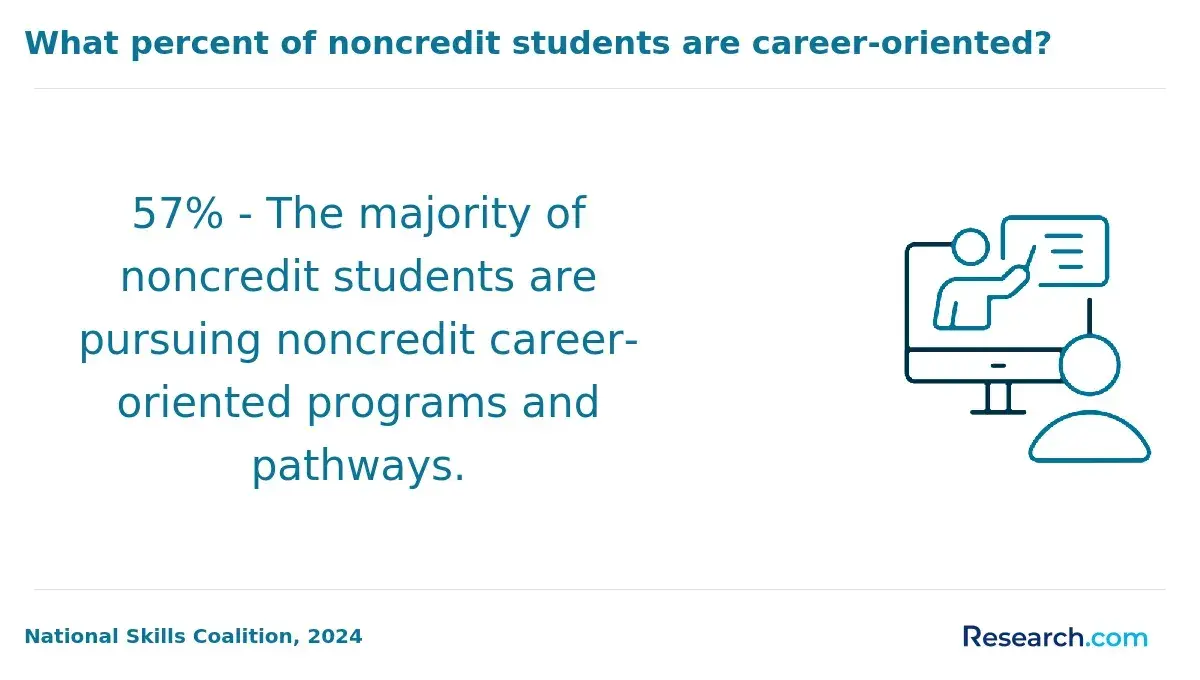
Current labor-market conditions make this especially relevant. AACN's 2024 reporting on nursing faculty shortages shows that schools continue to face hiring pressure, but open positions often require more than a doctorate; candidates may need teaching experience, clinical credibility, scholarship, leadership ability, and familiarity with accreditation or competency-based education.
Career-focused mentoring may include several practical forms of support:
- Reviewing a curriculum vitae, teaching philosophy, educator portfolio, or academic job materials.
- Helping the student turn a dissertation, capstone, or applied project into a conference abstract, manuscript, poster, or teaching innovation.
- Connecting students to professional organizations, peer reviewers, simulation networks, curriculum committees, or academic leadership contacts.
- Advising on the differences among full-time faculty, adjunct faculty, clinical educator, program director, staff development, and academic administration roles.
- Helping students identify evidence of teaching effectiveness, such as course design work, assessment plans, student learning outcomes, or practicum documentation.
Mentorship is not the same as job placement. Students should verify whether career services, alumni networks, faculty introductions, and professional conference support are actually available. A program may provide excellent research mentoring but limited career networking, or strong career coaching but less specialized dissertation support.
AI and learning technology are also changing nurse educator expectations. Employers increasingly value educators who understand online teaching, simulation, data-informed assessment, academic integrity, and responsible use of AI tools. A mentor with current teaching-technology experience can help students build projects that are relevant to modern nursing education rather than narrowly theoretical.
Online nurse education doctorate mentors should have both doctoral preparation and experience relevant to the student's goal. The ideal mentor for a future tenure-track scholar may not be the same as the ideal mentor for a clinical educator building a simulation program or a nursing administrator leading curriculum reform.
Students should review faculty qualifications before applying, not after enrollment. The strongest fit usually includes evidence in several areas:
- Doctoral credentials such as PhD, EdD, DNP, or another relevant doctorate, matched to the program's scholarly expectations.
- Experience teaching nursing or health professions students in online, hybrid, clinical, simulation, classroom, or competency-based settings.
- Scholarship or practice expertise in nurse education topics such as curriculum, assessment, clinical judgment, simulation, learning technology, faculty development, or academic leadership.
- Evidence of mentoring doctoral students, chairing dissertations or projects, publishing with students, or guiding conference presentations.
- Professional engagement through nursing education organizations, accreditation work, editorial service, grants, board certification, or academic leadership.
Credentials alone are not enough. A nationally known faculty member may have limited time for doctoral advising, while a less visible professor may be an excellent mentor with deep availability and aligned expertise. Students should ask about advising loads, typical response times, whether faculty are full-time or adjunct, and how many doctoral students each mentor supervises.
Also check whether the program's faculty expertise matches your intended topic. If you want to study simulation-based assessment, rural clinical education, AI-supported learning, or faculty retention, the program should have someone who can guide that work. Otherwise, you may be forced to reshape your project around available faculty rather than your career goal.
One-on-one faculty mentorship can affect cost and value in two ways. First, programs with intensive doctoral supervision may charge higher tuition or fees because individualized faculty time is expensive. Second, strong mentorship may improve value if it helps students avoid delays, choose feasible projects, build career-ready portfolios, and use tuition-funded time more efficiently.
Federal aid limits are one practical cost constraint. For graduate and professional students, the federal Direct Unsubsidized Loan annual limit remains $20,500 for eligible borrowers, with Grad PLUS loans often used for remaining approved costs. This matters because doctoral tuition, fees, books, technology, travel for residencies, and lost work time can exceed annual unsubsidized loan limits.
The table below shows cost factors to compare when deciding whether a mentorship-heavy program is worth the investment.
| Cost or value factor | What to verify | Why it affects the decision |
| Tuition structure | Per-credit, per-term, subscription, or flat-rate pricing | Mentorship value changes if delays increase total tuition. |
| Required credits | Total doctoral credits after transfer or post-master's review | More credits can increase cost even if per-credit tuition looks moderate. |
| Residencies or intensives | Travel, lodging, time away from work, and required campus visits | Online does not always mean no in-person cost. |
| Dissertation or project continuation fees | Fees charged after coursework if scholarly work is not complete | Weak mentoring can become costly if students extend into extra terms. |
| Faculty access | Expected meeting frequency, draft feedback timelines, and chair availability | Higher tuition is easier to justify when individualized guidance is clear and reliable. |
| Career relevance | Portfolio, publication, teaching practicum, leadership, or networking support | Value depends on whether the program strengthens the student's target role. |
Nurses comparing practice-focused doctoral routes should also examine MSN to DNP programs, especially if they want leadership or evidence-based practice preparation with education-related electives rather than a dissertation-centered research doctorate.
A higher-cost program may be reasonable if the mentor is closely aligned with your research area, the program has strong completion structures, and the degree supports a clear career move. A lower-cost program may be smarter if you are self-directed, already have academic mentors through your employer, or need a credential more than intensive scholarly coaching.
Students who benefit most from one-on-one mentorship are those whose goals require individualized research, teaching, or leadership development. This includes nurses pursuing faculty roles, academic leadership, simulation leadership, curriculum design, doctoral scholarship, or education-focused quality improvement.
One-on-one mentorship is especially helpful for several student profiles:
- Working nurses who need help designing a feasible dissertation or applied project around a demanding schedule.
- Future faculty members who need guidance on teaching philosophy, curriculum design, assessment, scholarship, and academic job preparation.
- Students with specialized interests such as simulation, online learning, competency-based education, rural nursing education, diversity in nursing education, or faculty retention.
- First-generation doctoral students who may need help understanding academic culture, scholarly writing, committee expectations, and professional networking.
- Students returning to school after a long gap who want structured feedback on writing, research methods, and doctoral-level expectations.
Some students may not need a program built primarily around individualized mentorship. If you already have a strong mentor at work, prefer a highly structured cohort, or want the lowest possible tuition, a program with predictable pacing and solid faculty access may be enough. If your main goal is advanced clinical practice rather than nurse education scholarship, you may also want to compare online nurse practitioner programs before choosing an education-focused doctorate.
Students should avoid choosing mentorship as a feature in isolation. The best fit balances faculty support with accreditation, curriculum relevance, cost, scheduling flexibility, admission requirements, transfer-credit policy, practicum expectations, and the type of doctorate that employers in the student's target role recognize.
How Should Students Evaluate Faculty Mentorship Before Choosing an Online Nurse Education Doctorate?
Before choosing an online nurse education doctorate, evaluate mentorship as a formal academic system, not a promise of friendly faculty access. Admissions teams can describe the program, but students should also review handbooks, faculty profiles, dissertation manuals, practicum requirements, accreditation status, and student outcomes when available.
Use the following steps to test whether the mentorship model is real, accessible, and relevant to your goals:
- Identify the exact degree type and scholarly requirement, such as EdD dissertation in practice, PhD dissertation, DNP project, capstone, or portfolio.
- Review faculty biographies and list three faculty members whose expertise matches your intended topic or career direction.
- Ask when a mentor, advisor, chair, or project supervisor is assigned and whether students can request a specific faculty member.
- Ask how often students typically meet one-on-one with faculty during coursework, proposal development, project implementation, and final writing.
- Request written information on response-time expectations for emails, draft feedback, committee reviews, and dissertation or capstone milestones.
- Ask how many doctoral students each faculty mentor typically advises and what happens if a mentor leaves, becomes unavailable, or is not a good fit.
- Speak with current students or alumni and ask whether faculty mentorship matched what was promised during admissions.
- Compare the mentorship model against total cost, expected completion time, residency requirements, employer tuition support, and career relevance.
Watch for red flags. These include vague phrases such as "faculty are always available," no published faculty list, no clear distinction between student-success coaching and faculty mentoring, unclear dissertation chair assignment, no process for mentor changes, or unwillingness to connect applicants with program leadership.
The final decision should be practical: choose the program that gives you the strongest combination of mentor fit, academic structure, affordability, accreditation, flexibility, and career alignment. If you cannot maximize all of these, prioritize the factor most likely to determine your success. For a dissertation-heavy path, that is often faculty expertise. For a working nurse with limited time, it may be structure and responsiveness. For a cost-sensitive student, it may be total tuition and the ability to finish without continuation fees.
Other Things You Should Know About Nurse Education
It can be, especially when the institution is properly accredited, the program fits the role, and the student can show evidence of teaching, scholarship, leadership, or applied education work. Employers may evaluate the degree type, school reputation, faculty experience, and relevance of the doctoral project.
Some are fully online, while others require residencies, intensives, orientations, defenses, or practicum-related experiences. Students should confirm travel requirements before enrolling because these costs and time commitments can affect affordability.
Many students do, but feasibility depends on course load, practicum expectations, research demands, family responsibilities, and employer flexibility. Part-time formats may be more realistic for nurses with full-time clinical, faculty, or administrative roles.
At minimum, the institution should hold recognized institutional accreditation. Nursing programs may also hold programmatic accreditation from organizations such as CCNE or ACEN, depending on degree type and school structure. Requirements can vary by employer, state, and career goal, so students should verify expectations before applying.
- Top Roles for Graduates of an EdD in Healthcare Education & Leadership https://blog.methodistcollege.edu/top-roles-for-graduates-of-an-edd-in-healthcare-education-leadership
- Doctoral degrees: Which one is right for you? https://www.myamericannurse.com/doctoral-degrees-which-one-is-right-for-you/
- Best Ed.D. Nursing Education Programs (2026 Rankings) https://www.nurseeducator.com/degrees/edd/
- EdD vs DNP: EdD in Nursing Education vs DNP in Nursing Education https://www.onlineeddprograms.com/faqs/edd-nursing-education-vs-dnp-nursing-education
- PhD Education https://www.aacnnursing.org/students/nursing-education-pathways/phd-education
- Best Online PhD in Nursing Programs: The Top Student Options https://www.phds.me/online-programs/phd-in-nursing/
- Your Guide to Online PhD Nursing Programs: What They Are, What to Expect, and How to Choose the Right One – FRESHRN https://www.freshrn.com/online-phd-nursing-programs/