2027 Online vs On-Campus Nurse Education Doctorate Programs: Cost, Flexibility, and Employer Perception

Co-Founder and Chief Data Scientist
The hard part is not deciding whether advanced nurse educators are needed; it is deciding which doctoral format is worth your time and money. AACN reported 65,766 qualified applications turned away from U. S. nursing programs in 2023, with faculty and clinical capacity among the constraints.
This guide is for nurses comparing online and on-campus Nurse Education doctorates. You will learn how cost, flexibility, fieldwork, dissertation support, and employer perception differ so you can choose the format that fits your work schedule, budget, learning style, and academic career goals.
Key Things to Know About Online vs On-Campus Nurse Education Doctorate Programs
- Online and on-campus Nurse Education doctorates can be equally credible when the institution is properly accredited, but employers usually look harder at dissertation quality, teaching experience, scholarly output, and leadership preparation than delivery format alone.
- Published 2024-2025 tuition commonly varies more by institution type, residency status, and credit load than by format; online students may save on relocation and commuting, while on-campus students may have better access to funded assistantships.
- Flexibility is the biggest practical difference: online programs often support working nurses through asynchronous coursework and local fieldwork, while on-campus programs offer more structured faculty access, campus teaching opportunities, and peer networking.
What are the key differences between online vs on-campus Nurse Education doctorate programs?
Online and on-campus Nurse Education doctorate programs usually lead to similar academic credentials, but they deliver the learning experience differently. A Nurse Education doctorate may be a PhD in Nursing with an education focus, a Doctor of Nursing Practice with an education or leadership emphasis, or another nursing doctorate designed for faculty, curriculum, simulation, assessment, or academic leadership roles.
The table below summarizes the format differences that most affect a student's daily life, total cost, and career preparation.
| Comparison factor | Online Nurse Education doctorate | On-campus Nurse Education doctorate | Why it matters |
| Course delivery | Often asynchronous or hybrid, with some live sessions | Scheduled in-person seminars, labs, colloquia, and meetings | Determines whether you can keep a full-time nursing or faculty job while enrolled |
| Residency expectations | May require short campus residencies, intensives, or dissertation defenses | Regular campus presence is usually expected | Affects travel, time off work, and childcare planning |
| Faculty access | Virtual advising, online office hours, and remote committee meetings | More informal access through campus offices, research groups, and teaching labs | Can influence mentoring, dissertation momentum, and academic networking |
| Fieldwork or practicum | Often completed near the student's location, with school approval | Often tied to campus, partner health systems, or local nursing schools | Impacts placement logistics and whether you can use your current workplace |
| Networking | More dependent on intentional virtual engagement | More frequent informal networking with faculty and peers | Important for future faculty roles, publications, and references |
| Cost pattern | May reduce relocation and commuting costs; tuition may be flat-rate or per credit | May carry campus fees and relocation costs; may offer assistantship access | The cheaper tuition rate is not always the lower total cost |
Choose online if you need geographic flexibility, want to remain employed, or live far from a university with a strong nursing education research fit. Choose on-campus if your goal depends on intensive faculty mentorship, funded teaching assistantships, lab-based simulation work, or a campus academic network.
Are online Nurse Education doctorate programs as rigorous as on-campus programs?
An online Nurse Education doctorate is not automatically less rigorous than an on-campus one. Rigor depends on accreditation, faculty qualifications, admissions standards, research expectations, practicum design, dissertation oversight, and how consistently students are evaluated against doctoral-level outcomes.
The most important distinction is not whether lectures happen on a screen or in a classroom. It is whether the program requires advanced inquiry, scholarly writing, evidence-based teaching practice, assessment design, leadership development, and sustained faculty feedback.
Use the following signals to judge academic quality before assuming one format is stronger than the other.
- Confirm that the institution is regionally accredited and that any applicable nursing program accreditation, such as CCNE or ACEN where relevant, is current for the specific degree level and campus or distance modality.
- Review dissertation, DNP project, or scholarly project expectations, including proposal defense, committee structure, publication encouragement, and research methods sequence.
- Ask whether online and on-campus students take the same core courses, meet the same doctoral competencies, and are evaluated by the same faculty standards.
- Look for evidence of faculty scholarship in nursing education, simulation, curriculum evaluation, health professions pedagogy, assessment, or academic leadership.
- Request recent completion, time-to-degree, and attrition information by format if the school tracks it, because national public datasets do not reliably separate Nurse Education doctoral outcomes by online versus campus delivery.
A common mistake is assuming online means easier. In well-designed doctoral programs, online students often need stronger self-management because they have fewer fixed campus routines. If you need external structure to stay on track, an on-campus or hybrid cohort may be more manageable even if the curriculum is not more rigorous.
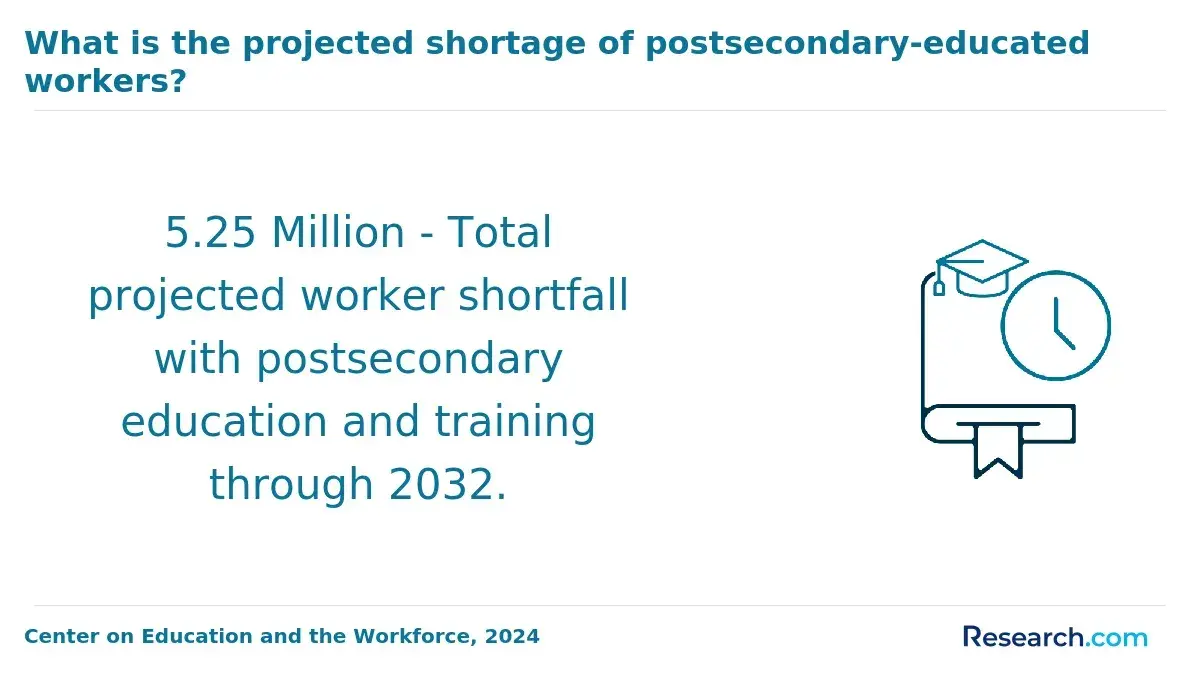
How does scheduling flexibility differ between online and on-campus Nurse Education doctorate programs?
Scheduling flexibility is usually the strongest argument for an online Nurse Education doctorate. Many online programs are built for registered nurses, nurse practitioners, clinical educators, simulation specialists, and faculty members who cannot pause their careers for full-time campus study.
The table below shows how weekly structure commonly differs. Use it to compare the real schedule you would live with, not just the delivery label a university advertises.
| Schedule feature | Online format | On-campus format | Decision impact |
| Class meetings | May include asynchronous modules, evening live sessions, or weekend intensives | Usually follows a fixed weekly campus schedule | Online works better for rotating shifts; campus works better for students who need routine |
| Pacing | Often part-time friendly, with some full-time options | May be cohort-based with fewer pacing choices | Pacing affects income, graduation timeline, and burnout risk |
| Work compatibility | Often designed around working nurses | May be harder to combine with full-time employment | Working students should verify expected synchronous hours before enrolling |
| Faculty interaction | Scheduled virtually through office hours, advising platforms, and video meetings | Available through in-person meetings and campus events | Students needing frequent mentoring may prefer campus or a highly structured online program |
| Travel | May require occasional residencies or intensives | Requires regular commuting or relocation | Travel costs can change the total value of each option |
NCES reported in 2024 that more than half of postbaccalaureate students took at least one distance education course in fall 2022. That matters because online graduate learning is no longer a niche option; however, higher adoption does not mean every online doctorate is equally supportive or well designed.
Before choosing a format, map your weekly schedule honestly. Include work shifts, commute time, caregiving, practicum hours, reading, writing, meetings, and recovery time. A flexible program can still be demanding if you are carrying a full clinical load or teaching schedule.
Fieldwork requirements do not disappear in an online Nurse Education doctorate. Most programs still require applied experiences such as teaching practicums, curriculum projects, simulation design, academic leadership placements, clinical education evaluation, or DNP practice hours, depending on the degree type.
For DNP pathways, many programs align with the national expectation that DNP graduates complete at least 1,000 post-baccalaureate practice hours. PhD programs may emphasize research apprenticeships, teaching practica, data collection, or dissertation-related field activity instead. The exact requirement depends on the school and degree.
The table below compares how fieldwork logistics commonly differ by format.
| Fieldwork issue | Online format | On-campus format | What to verify |
| Placement location | Often local to the student, subject to approval | Often near the university or partner sites | Whether your preferred site and preceptor meet program rules |
| Teaching practicum | May be arranged in a local nursing program, staff development department, or simulation setting | May occur in the university's own nursing courses or labs | Whether you will teach real learners and receive formal evaluation |
| Preceptor requirements | Student may help identify qualified mentors | School may have established local partners | Who is responsible for securing the placement |
| Site approvals | Can take longer if contracts are needed across states | Usually simpler if the site already partners with the university | Timeline for affiliation agreements and state authorization |
| In-person intensives | Possible for simulation, assessment, or scholarly presentations | Built into regular campus participation | How many visits are required and who pays travel costs |
A major red flag is an online program that says fieldwork is "flexible" but cannot clearly explain placement approval, preceptor qualifications, state authorization, or student responsibilities. Ask for these details before applying, especially if you live outside the university's home state.
The dissertation process can feel different online, but the core expectations should remain doctoral-level. In a PhD program, students typically complete original research culminating in a dissertation. In a DNP program, the final requirement is often a scholarly project rather than a traditional dissertation, although some schools use different terminology.
Online students usually complete proposal meetings, committee consultations, writing groups, and defenses through video conferencing or learning platforms. On-campus students may have easier access to informal faculty conversations, research seminars, library workshops, and peer writing groups. The stronger option is the one with clearer support, not necessarily the one with more face-to-face time.
Before choosing a program, evaluate dissertation or project support with the same seriousness you apply to tuition. Weak support can extend time-to-degree and increase total cost.
- Ask how dissertation chairs are assigned and whether students can choose faculty based on research interests in nursing education.
- Request typical time-to-candidacy and time-to-completion data for students in your intended format.
- Confirm how often doctoral committees meet and whether online students receive scheduled writing and methods support.
- Review recent dissertation or project titles to see whether faculty supervise topics aligned with your goals.
- Ask whether students receive support for IRB approval, data analysis, publication, conference presentation, and academic job preparation.
Do not choose a program because it appears to have a shorter dissertation process. A faster timeline only helps if the school provides strong advising, realistic milestones, and enough methodological preparation to complete a defensible study or project.
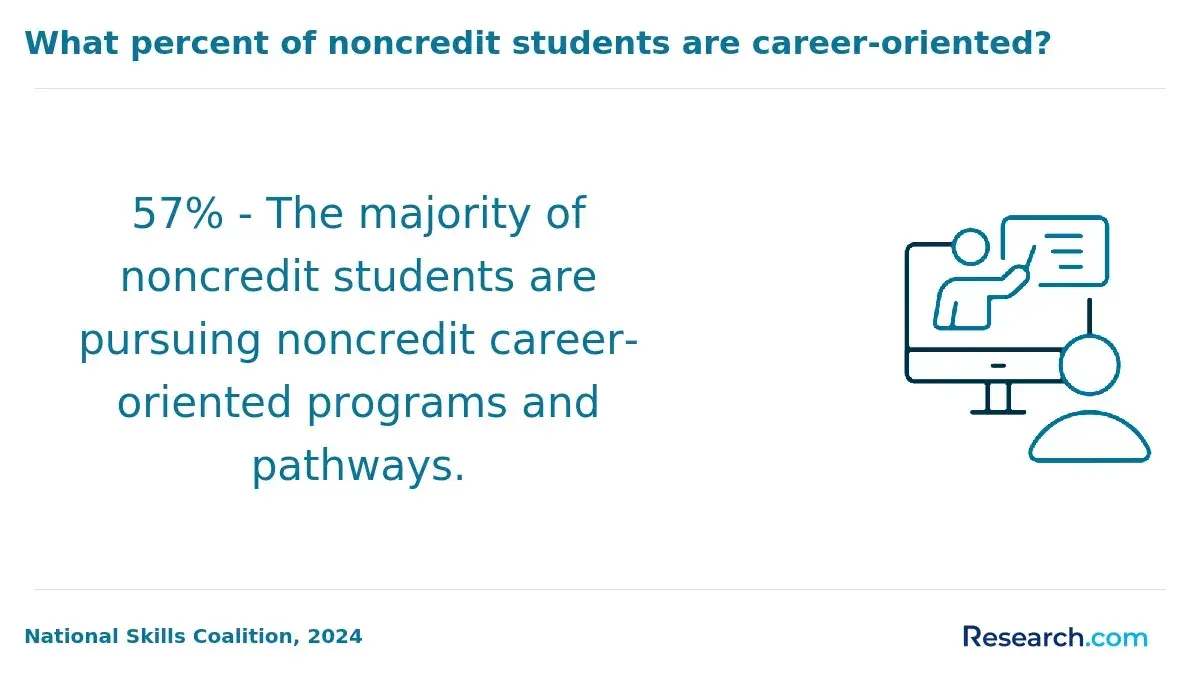
Tuition comparison is tricky because schools price doctoral nursing education in different ways. Some charge by credit, some use flat-term tuition, some distinguish in-state and out-of-state students, and some add online learning or campus-based fees. There is no federal dataset that cleanly publishes a national average tuition specifically for online versus on-campus Nurse Education doctorates.
For 2024-2025 planning, published tuition for nursing doctorates commonly falls into broad ranges like these, but applicants should verify the exact per-credit rate and total credit requirement with each school.
- Online public or nonprofit nursing doctorate tuition often appears in the approximate range of $550 to $1,300 per credit.
- On-campus in-state public nursing doctorate tuition may be similar per credit, but campus fees and commuting costs can increase attendance cost.
- On-campus out-of-state or private nonprofit doctoral tuition can exceed $1,500 per credit at some institutions.
- Low-tuition programs may still cost more overall if they require more credits, more residencies, or longer enrollment.
If your priority is minimizing tuition while keeping doctoral research options open, comparing cheapest online nursing PhD programs can help you build a starting list before you examine dissertation fit and faculty expertise.
The table below shows why the sticker tuition rate can be misleading unless you compare the same cost elements across both formats.
| Cost variable | Online format | On-campus format | Best comparison method |
| Tuition rate | May be flat for all online students or vary by residency | Often varies by in-state, out-of-state, public, private, or nonprofit status | Multiply tuition by total required credits |
| Mandatory fees | May include technology, distance learning, library, or graduation fees | May include campus, facility, health, activity, and student service fees | Ask for a full program cost sheet |
| Residency costs | Travel and lodging may apply for short intensives | Housing or commuting may apply every term | Estimate costs for the full program, not one semester |
| Assistantships | Less common in some fully online programs | More likely where doctoral students teach or assist faculty on campus | Ask whether funding is available to students in your format |
| Time-to-degree | Part-time study may spread costs but extend fee payments | Full-time study may shorten completion but reduce work income | Compare total cost plus lost or preserved income |
Cost of attendance includes more than tuition. For working nurses, the biggest financial difference between online and on-campus study may be whether you can keep earning income while enrolled. Online study can reduce relocation and commuting costs, but it may also require travel for residencies, upgraded technology, unpaid fieldwork time, or fewer assistantship opportunities.
Federal Student Aid sets the annual Direct Unsubsidized Loan limit for most graduate and professional students at $20,500 for the 2024-2025 award year. That limit is useful for planning because doctoral students whose total annual cost exceeds that amount may need Graduate PLUS loans, employer tuition support, savings, scholarships, or assistantships.
The table below outlines cost-of-attendance items to compare before deciding which format is actually more affordable.
| Expense category | Online student considerations | On-campus student considerations |
| Tuition and fees | May include technology or online course fees | May include campus service, facility, and health fees |
| Housing | Usually no relocation required | May require relocation or higher local rent near campus |
| Transportation | Limited to residencies, conferences, or fieldwork | Regular commuting, parking, and campus travel may apply |
| Employment impact | Often easier to keep full-time or part-time work | May require reduced work hours, especially in full-time cohorts |
| Technology | Reliable computer, webcam, software, and internet are essential | Still needed, but campus resources may reduce some costs |
| Professional development | Conference travel may require separate budgeting | Campus research events may be easier to access locally |
Students comparing broader nursing pathways can also review affordable online nursing programs to understand how delivery format affects fees, scheduling, and financing across degree levels.
To calculate your true cost, build a two-column budget for each program. Include tuition, credits, fees, books, travel, lost wages, childcare, practicum expenses, dissertation extension fees, and expected funding. The program with the lower tuition rate is not always the program with the lower total cost.
Most Nurse Education employers do not reject a doctoral credential simply because coursework was online. They are more likely to evaluate whether the degree came from a reputable accredited institution, whether the graduate can teach effectively, whether the dissertation or project shows scholarly ability, and whether the candidate has experience with curriculum, assessment, simulation, accreditation, or faculty leadership.
AACN's 2024 reporting on nursing school capacity underscores why employer perception is changing: schools need qualified faculty, and many experienced nurses cannot relocate for doctoral study. Flexible doctoral pathways help expand the pool of potential nurse educators, but employers still expect evidence of quality.
The table below shows what employers often examine when comparing candidates, regardless of format.
| Employer concern | What strengthens an online graduate's profile | What strengthens an on-campus graduate's profile |
| Accreditation and institutional reputation | Clear regional accreditation and applicable nursing accreditation | Same, plus recognizable campus research or teaching reputation |
| Teaching readiness | Documented teaching practicum, online teaching experience, course design portfolio | Teaching assistantships, guest lectures, campus lab or simulation teaching |
| Scholarship | Dissertation, presentations, publications, or evidence-based education projects | Research group participation, publications, conference activity |
| Leadership preparation | Curriculum, evaluation, faculty development, or academic administration projects | Committee work, campus governance exposure, program assessment experience |
| Professional presence | Strong references from remote faculty and fieldwork mentors | Strong references from faculty who observed teaching and research in person |
If you are targeting a specific employer, ask hiring managers or department chairs what they value. Some tenure-track roles may prefer a research-intensive PhD, while practice-oriented teaching or leadership roles may be more open to a DNP with strong education-focused experience. Format matters less when the credential, portfolio, and references match the job.
Program format can influence job prospects indirectly, but it rarely determines them by itself. Your employment options are more likely to depend on the type of doctorate, accreditation, faculty mentorship, dissertation or project topic, teaching experience, scholarly productivity, and professional network.
BLS employment projections released in 2024 show strong demand for postsecondary nursing instructors compared with many occupations. That trend supports the value of doctoral preparation for nurses who want faculty, academic leadership, or health professions education roles, but it does not mean every doctorate offers the same return on investment.
The format may affect how you build the experiences employers want. An online student may gain an advantage by continuing to work in a clinical education or faculty role while studying. An on-campus student may gain an advantage through assistantships, research teams, and campus teaching assignments.
Career-focused nurses comparing doctoral pathways should also understand how MSN to DNP programs differ from PhD-oriented pathways, especially if their goal is academic leadership, practice transformation, or teaching in clinically focused programs.
To improve job prospects in either format, focus on outcomes you can document.
- Create a teaching portfolio with syllabi, lesson plans, simulation scenarios, assessment tools, learner evaluations, and reflective teaching statements.
- Choose a dissertation or project topic connected to nursing education problems employers recognize, such as faculty development, clinical judgment, simulation outcomes, curriculum evaluation, or student retention.
- Seek opportunities to teach, precept, mentor, or design curriculum during the program instead of waiting until after graduation.
- Present at nursing education conferences or publish with faculty when possible, because scholarly visibility can matter for academic hiring.
- Build references from faculty, preceptors, administrators, or department chairs who can speak directly to your teaching and leadership ability.
How do you choose between online and on-campus Nurse Education doctorate programs?
The best format is the one that supports your goal at the lowest realistic total cost while giving you enough structure to finish. Do not choose online only because it sounds convenient, and do not choose campus only because it sounds more prestigious. Match the format to your career target, learning style, finances, and support needs.
Use this decision sequence to shortlist programs without being distracted by marketing language.
- Define your target role first: tenure-track faculty, clinical nursing instructor, simulation leader, curriculum specialist, academic administrator, DNP faculty member, or nursing education researcher.
- Choose the degree type that fits that role: a PhD often fits research-intensive academic careers, while a DNP may fit practice leadership, clinical education, and systems-focused teaching roles.
- Verify accreditation, state authorization, residency rules, and whether the online or campus format is officially covered by the same institutional approval.
- Compare total cost of attendance, not just tuition, including fees, travel, lost wages, assistantships, and dissertation extension costs.
- Ask for completion, attrition, and time-to-degree information for students in your intended format.
- Evaluate faculty fit by reviewing dissertation chairs, research interests, recent projects, and nursing education scholarship.
- Confirm fieldwork logistics before applying, especially who secures placements and whether your state or workplace is eligible.
- Compare student support services, including writing help, statistics tutoring, library access, teaching development, and career advising.
Some nurses also compare doctoral education with advanced practice pathways such as online nurse practitioner programs before committing to a faculty-focused doctorate. That comparison is useful if you are deciding between direct patient care advancement and academic or educational leadership.
Watch for warning signs in any format. These red flags can indicate a program may not be worth the investment.
- The school cannot clearly explain accreditation, state authorization, or whether distance students are eligible in your state.
- Admissions staff cannot provide a written breakdown of total credits, tuition, fees, residencies, and expected program length.
- The program advertises flexibility but has unclear synchronous attendance, practicum, or residency requirements.
- Faculty profiles show little scholarship or leadership in nursing education.
- Students receive vague answers about dissertation chair assignment, committee availability, or completion support.
- The program offers no meaningful teaching practicum, curriculum work, or education-focused portfolio development.
If you need maximum flexibility and can self-manage a long-term research or project timeline, an online doctorate may fit best. If you want frequent in-person mentoring, assistantship opportunities, and a campus academic network, on-campus study may be worth the extra logistical burden.
Other Things You Should Know About Nurse Education
Sometimes, but format is not usually the main reason. Requirements commonly include an accredited nursing degree, RN licensure, graduate GPA minimums, transcripts, recommendations, a statement of goals, and sometimes an interview or writing sample. Online programs may add state authorization checks or technology requirements.
Many programs allow part-time study, especially online and hybrid options designed for working nurses. Part-time enrollment can make the workload more manageable, but it may extend fees, delay graduation, and increase the risk of losing momentum during the dissertation or project phase.
Usually, diplomas list the institution and degree, not the delivery format. However, transcript practices vary by school. If this matters for your employer or promotion process, ask the registrar how the credential and campus or online designation appear on official records.
It can be worth it if your goal requires doctoral preparation, such as full-time faculty work, academic leadership, research, curriculum leadership, or promotion in higher education. If your goal is mainly bedside advancement or a salary increase, compare the cost against other credentials before enrolling.
- Your Guide to Online PhD Nursing Programs: What They Are, What to Expect, and How to Choose the Right One – FRESHRN https://www.freshrn.com/online-phd-nursing-programs/
- Online vs On-Campus CNM Programs: Complete Comparison Guide 2025 https://www.midwifeschooling.com/blog/online-vs-on-campus-cnm-programs-pros-cons-and-what-to-expect/
- 2025 Most Affordable Online Doctorates in Education https://www.onlineu.com/most-affordable-colleges/education-doctoral-degrees
- Campus vs Online vs Hybrid Doctor of Education (EdD) Programs https://www.onlineeddprograms.com/faqs/campus-online-hybrid-edd-programs
- Best Ed.D. Nursing Education Programs (2026 Rankings) https://www.nurseeducator.com/degrees/edd/
- What’s the Deal with Accreditation? https://nursingcas.org/resources-for-current-schools/whats-the-deal-with-accreditation
- What to Expect in Online Nursing School: A Guide | WCU https://westcoastuniversity.edu/blog/what-to-expect-in-online-nursing-school
- Can You Earn a DNP Online? | All Nursing Schools https://www.allnursingschools.com/dnp/online-or-on-campus/
- In-Person vs. Online Nursing Programs https://www.chamberlain.edu/blog/in-person-vs.-online-nursing-programs
- CCNE Accreditation https://www.aacnnursing.org/ccne-accreditation