2027 Online Nurse Education Doctorate Programs with Strong Student Support: Advising, Writing Help, and Career Services
Audited and Verified:
Our Editorial and Data Verification Process
Research.com uses government datasets, official education statistics and primary institutional information to support its career and degree guides. Our review process checks factual accuracy, occupational definitions, source dates and the requirements associated with the credentials discussed.
How This Article Was Fact-Checked
Our editorial team verifies salary estimates, employment projections, education requirements and program information against original data providers and official organizations. Salary figures are checked against the relevant occupational definitions and reporting periods. Information about licensure, accreditation and required in-person training is reviewed separately.
Fact-checked and verified on:

Co-Founder and Chief Data Scientist
Choosing an online nurse education doctorate is not just about tuition or curriculum; it is about whether you can finish while balancing clinical, teaching, and family responsibilities. NCES reported in 2024 that more than half of U. S. graduate students took at least one distance education course in fall 2022, making online doctoral support a mainstream issue. This guide helps nurses, educators, and MSN-prepared professionals evaluate advising, writing help, dissertation mentoring, faculty access, and career services so they can choose a program with realistic support for doctoral success.
Key Things You Should Know
- Strong programs make support visible before enrollment: dedicated academic advising, clear faculty response expectations, online writing or dissertation help, library access, technology support, and doctoral-level career coaching should be available to fully online students.
- Cost and support must be compared together: NCES data published in 2024 shows average graduate tuition and required fees were much lower at public institutions than private nonprofit institutions in 2022-23, but lower tuition may not offset weak advising or delayed dissertation guidance.
- Career support matters because online nurse education doctorate graduates often pursue faculty, leadership, curriculum, clinical education, or academic administration roles; BLS guidance updated in 2024 projects 8% growth for postsecondary teachers from 2023 to 2033, but outcomes still depend on experience, location, credentials, and networking.
What Student Support Services Should Strong Online Nurse Education Doctorate Programs Provide?
A strong online nurse education doctorate program is a doctoral program that does more than deliver courses online. It gives distance learners structured access to people, tools, and processes that help them plan courses, develop scholarly writing, complete a dissertation or doctoral project, stay enrolled, and translate the degree into academic or education-leadership opportunities.
Programs may include PhD in Nursing Education, EdD in Nursing Education, DNP programs with nurse educator tracks, or nursing PhD programs with education-focused research. Students comparing broader online nursing programs should look closely at whether support is designed for doctoral students, not just undergraduate or MSN learners.
The table below summarizes the support categories that matter most and what "strong" access looks like for a fully online doctoral student.
| Support area | What strong support looks like | Why it matters in a nurse education doctorate |
| Academic advising | Assigned advisor, degree map, registration guidance, milestone tracking, and proactive outreach | Helps students avoid sequencing mistakes, missed residency requirements, or delays in doctoral progression |
| Faculty mentoring | Regular virtual office hours, timely feedback, and access to nurse educator scholars | Supports scholarly identity, teaching expertise, and alignment between coursework and research interests |
| Writing and dissertation support | Doctoral writing coaching, APA help, proposal support, literature review guidance, and revision feedback | Reduces friction in the stages where many doctoral students slow down or stop out |
| Research and library services | Remote librarian appointments, database access, citation management help, and statistics consultation | Improves the quality of evidence, methods, and scholarly products |
| Career services | CV review, faculty-job preparation, teaching portfolio support, interview coaching, and networking | Helps students connect the doctorate to faculty, leadership, curriculum, or clinical education roles |
| Technology and accessibility | Reliable learning platform help, 24/7 technical support, captioning, accommodations, and online orientation | Prevents preventable disruptions for students studying outside normal campus hours |
The biggest red flag is vague language. Phrases such as "student-centered," "faculty supported," or "robust resources" are not enough unless the school can explain who provides the service, when it is available, how online students access it, and what response times students can expect.
How Does Academic Advising Work in Online Nurse Education Doctorate Programs?
Academic advising in an online nurse education doctorate should help students understand program requirements, plan course sequences, meet research or project milestones, and stay aligned with graduation timelines. The strongest models combine administrative advising with faculty mentoring, because doctoral students need both policy guidance and scholarly direction.
Students considering bridge or practice-focused pathways, including MSN to DNP programs, should ask whether advising changes after admission, after coursework, and during the doctoral project or dissertation phase. Some programs provide excellent enrollment advising but much less structured guidance once students reach candidacy.
Use the following questions to evaluate whether advising is proactive or mostly self-service:
- Will I have a named advisor, a general advising team, or both, and will that person understand nurse education doctorate requirements?
- How often will my advisor review my degree plan, and does the program flag missed milestones before they become graduation delays?
- Are advising appointments available during evenings or weekends for working nurses and faculty members?
- What is the expected response time for email, phone, or virtual appointment requests?
- Does the advisor help with course sequencing for dissertation, practicum, residency, or teaching-focused requirements?
- Can the advisor explain leave-of-absence, part-time enrollment, transfer credit, and financial aid implications?
Advising quality becomes especially important when students work full time. A low-touch program may be manageable for a student with recent graduate-school experience and flexible work hours, but a nurse educator balancing clinical instruction, academic calendars, and family responsibilities may need a more structured advising model.
What Dissertation Mentoring and Committee Support Should Online Nurse Education Doctoral Students Expect?
Dissertation or doctoral project support is often the difference between completing coursework and finishing the degree. In nurse education doctorates, students may study topics such as simulation pedagogy, clinical judgment, curriculum evaluation, faculty development, academic-practice partnerships, or nursing student retention. These projects require consistent methodological, writing, and committee guidance.
Strong programs make the dissertation or project process understandable from the start. They should explain how chairs are assigned, when committee members join, what proposal approval requires, and how students receive feedback when research designs need revision.
The following support features are especially valuable during the dissertation or project stage:
- Early research-interest matching that connects students with faculty who have relevant nurse education, pedagogy, leadership, or methodology expertise
- Clear milestone calendars for concept paper, proposal, institutional review board review, data collection, analysis, defense, and final submission
- Committee-role clarity so students know who comments on theory, methods, writing quality, feasibility, and final approval
- Virtual defense preparation, including practice sessions, presentation review, and expectations for committee questions
- Escalation processes for stalled feedback, committee changes, or disagreement about project scope
A common mistake is choosing a program because the coursework looks convenient while ignoring the dissertation structure. Ask for a written handbook, sample milestone timeline, and policy on faculty feedback turnaround. If the school cannot explain how online students move from coursework to proposal approval, treat that as a serious warning sign.
Doctoral writing is different from discussion-board writing or clinical documentation. Students must synthesize literature, build arguments, follow APA style, write with methodological precision, and revise repeatedly. Strong online nurse education doctorate programs recognize this and provide writing support that is accessible to distance learners, not only campus-based students.
If you are comparing affordability-focused options such as the cheapest online nursing PhD programs, writing support should be part of the value calculation. A lower tuition program may still be a good choice, but only if students can access timely writing and dissertation help when major papers, proposals, and manuscripts are due.
The table below distinguishes basic writing resources from doctoral-level writing support.
| Writing support type | Basic version | Stronger doctoral version |
| Writing center | General grammar or formatting review | Doctoral writing consultations focused on argument, synthesis, APA, and chapter development |
| Dissertation templates | Downloadable document shells | Templates paired with examples, rubrics, recorded workshops, and live Q&A sessions |
| Feedback | Instructor comments after grading | Iterative review before major submissions, with guidance on revision priorities |
| Scholarly style | Short APA guides | Support for literature synthesis, evidence tables, theoretical frameworks, and manuscript preparation |
| Access | Limited weekday appointments | Virtual appointments, asynchronous paper review, and availability that fits working nurses' schedules |
Students who have been away from school for several years should prioritize programs with live writing consultations and dissertation-specific workshops. Self-service writing guides can be helpful, but they rarely replace individualized feedback when a proposal or final manuscript needs major revision.
Yes, strong programs usually provide remote research and library support, but the depth varies widely. Online doctoral students should be able to access academic databases, interlibrary loan, citation tools, research librarians, and help with systematic searching. For quantitative, qualitative, or mixed-methods studies, they may also need statistics or methodology consultation.
Research support is especially important because nurse education topics often involve human subjects, institutional data, students, faculty, clinical partners, or curriculum outcomes. That means students may need help with research ethics, institutional review board applications, sampling plans, survey tools, interview protocols, and data security.
When evaluating research support, look for services that are specific, scheduled, and staffed by qualified professionals:
- Remote librarian appointments for literature searches in CINAHL, PubMed, ERIC, PsycINFO, and education databases
- Help developing search strings, inclusion criteria, evidence tables, and citation-management workflows
- Workshops on qualitative methods, survey design, program evaluation, mixed methods, or statistical software
- Institutional review board guidance that explains timelines, required forms, and common reasons applications are delayed
- Support for data analysis tools, transcription practices, data storage, and ethical handling of student or patient-related information
A useful test is to ask admissions or the program director how a fully online student gets help with a literature review and methods chapter. If the answer is limited to "students can use the library website," the program may not offer the level of research support many doctoral students need.
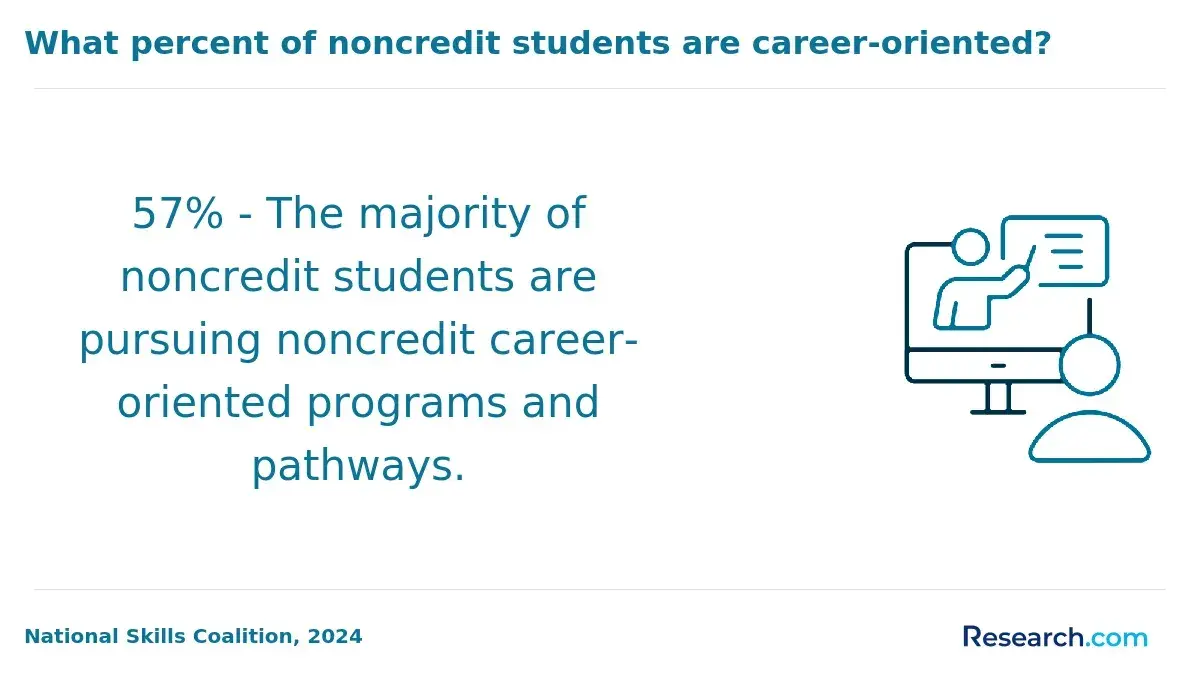
Career services for online nurse education doctoral students should go beyond a job board. Many students are already experienced nurses, faculty members, clinical educators, or leaders, so they need doctoral-level career coaching that helps them move into academic, curriculum, simulation, program director, or education-leadership roles.
BLS guidance updated in 2024 projects 8% employment growth for postsecondary teachers from 2023 to 2033. That suggests continued demand in higher education overall, but nurse educator hiring depends on region, institutional budgets, specialty area, teaching experience, and whether the candidate has the required graduate nursing credentials.
Strong doctoral career services typically include the following resources:
- Academic CV review that highlights teaching, scholarship, clinical expertise, curriculum work, simulation experience, and service
- Faculty application coaching, including cover letters, teaching philosophy statements, diversity statements, and research statements
- Mock interviews for faculty, dean, director, clinical education, or academic leadership roles
- Teaching portfolio guidance with syllabi, evaluations, simulation artifacts, course design samples, and evidence of student outcomes
- Networking support through alumni, faculty referrals, professional organizations, virtual events, and conference preparation
- Promotion and tenure preparation for students already employed in academic settings
Students pursuing advanced clinical or population-focused roles may also compare doctoral nurse education options with online nurse practitioner programs, but the career-support needs are different. Nurse practitioner programs often emphasize clinical placement and certification preparation, while nurse education doctorates should emphasize teaching, scholarship, leadership, and academic advancement.
Faculty and staff access can vary more than course descriptions suggest. A program may be online and flexible, but that does not automatically mean faculty are easy to reach, feedback is timely, or student services are available when working nurses need them.
Accessibility should be evaluated in practical terms: appointment options, response windows, time zone coverage, feedback turnaround, and whether online students receive the same service priority as campus students. The table below shows what to compare before enrolling.
| Access factor | What to ask | Stronger sign |
| Faculty response time | How quickly do instructors respond to online students? | The program publishes response expectations in syllabi or handbooks |
| Office hours | Are office hours virtual, recorded, flexible, or appointment-based? | Faculty offer multiple options across time zones or by appointment |
| Feedback quality | How detailed is feedback on scholarly writing and research assignments? | Students receive formative comments before high-stakes submissions |
| Support staff | Can online students reach advising, financial aid, registrar, library, and tech support remotely? | Services are available through phone, video, chat, and secure portals |
| Escalation | What happens if a student cannot reach an instructor or committee chair? | The handbook provides a clear escalation process |
One common mistake is assuming that "asynchronous" means "unsupported." Asynchronous courses can work very well for doctoral students, but they still need timely feedback, predictable communication, and access to faculty who understand online doctoral learning.
Peer connection matters in an online doctorate because doctoral work can feel isolating, especially after coursework ends. Strong programs create intentional community through cohorts, writing groups, virtual residencies, peer review, research teams, alumni mentoring, and faculty-led seminars.
Cohort models are not automatically better than flexible models. A cohort can provide accountability and peer identity, while a self-paced or rolling-admission model may fit students with unpredictable work schedules. The best choice depends on how much structure the student needs.
Before choosing a program, compare the peer-support model in concrete ways:
- Does the program admit students in cohorts, or will I move through courses with different classmates each term?
- Are there required or optional virtual residencies, intensives, research seminars, or dissertation boot camps?
- Does the program organize writing groups, peer-review circles, or accountability sessions for dissertation-stage students?
- Can online students join faculty research teams, teaching innovation projects, or conference presentations?
- Are alumni available for mentoring, job-search advice, or guidance on academic career paths?
A strong peer network does not replace faculty guidance, but it can improve persistence, motivation, and professional identity. For students who are the first in their family or workplace to pursue a doctorate, structured peer support can be especially valuable.
Technology support is not a minor convenience in an online doctorate; it is part of academic access. Students may need help with the learning management system, video conferencing, proctoring tools, library authentication, statistics software, simulation platforms, e-portfolio systems, and dissertation submission portals.
NCES data published in 2024 shows that distance education is now a normal part of graduate education, not a niche format. That makes accessibility, technology reliability, and wellness support important indicators of whether an institution has invested in online learners at scale.
Look for support that addresses the realities of adult doctoral students:
- 24/7 or extended-hour technical help for students completing coursework after clinical shifts or teaching days
- Online orientation that covers platform navigation, academic integrity, library access, support contacts, and doctoral milestones
- Accessibility services for documented disabilities, captioning, assistive technology, testing accommodations, and accessible course materials
- Mental health or wellness resources that are available remotely, including counseling referrals, crisis resources, and stress-management tools
- Financial aid and billing support that explains tuition, fees, loan periods, satisfactory academic progress, and enrollment-status changes
Cost is part of this decision. NCES data published in 2024 reported average graduate tuition and required fees for 2022-23 that were substantially lower at public institutions than private nonprofit institutions. Use that as a starting point, but also compare whether lower-cost programs provide enough online support to prevent delays that could add extra terms.
How Can You Compare Online Nurse Education Doctorate Programs Based on Student Support Quality?
The best comparison process looks beyond marketing pages. Start with accreditation, curriculum fit, faculty expertise, cost, and time to completion, then evaluate whether the support model matches your work schedule, writing confidence, research experience, and career goals.
Use this step-by-step process when comparing programs:
- Confirm institutional accreditation and, when applicable, nursing program accreditation or approval expectations relevant to your goals.
- Request the doctoral handbook, dissertation or project guide, sample course sequence, and support-service directory before applying.
- Ask whether online students have the same access to advising, library services, career coaching, writing help, accessibility services, and technology support as campus students.
- Verify who advises students at each stage: admissions, coursework, candidacy, dissertation or project, and graduation clearance.
- Ask for typical faculty feedback windows, committee assignment processes, and escalation procedures for delayed communication.
- Compare writing support by format: live coaching, asynchronous paper review, doctoral workshops, dissertation boot camps, and APA assistance.
- Evaluate career services by outcomes relevance, not just availability: academic CV help, teaching portfolio support, faculty interview preparation, and alumni networking are more useful than a generic job board.
- Speak with current students or recent graduates and ask what support actually felt like during difficult terms, not only during orientation.
The table below can help you identify support red flags and better alternatives during admissions conversations.
| Red flag | Why it matters | Better sign |
| The school cannot name who your advisor will be after enrollment | Students may struggle to get consistent degree-planning guidance | Named advisor or clearly defined advising team with documented responsibilities |
| Dissertation expectations are explained only after coursework | Students may discover late-stage requirements too late to plan effectively | Dissertation or project milestones are available before admission |
| Writing support is limited to general grammar help | Doctoral students need support for synthesis, argument, methods, and revision | Doctoral writing consultations and dissertation-specific workshops |
| Career services focus only on entry-level resumes | Doctoral students often need academic CVs, portfolios, and leadership positioning | Career coaching for faculty, academic leadership, curriculum, and clinical education roles |
| Support offices operate only during standard business hours | Working nurses may not be able to access help when they study | Extended hours, virtual appointments, chat, asynchronous review, or 24/7 tech help |
Strong support may justify a higher-cost program if it reduces avoidable delays, provides better dissertation guidance, or aligns with your career goals. However, support alone does not guarantee completion or employment. The best choice is the program that combines academic fit, affordability, credible accreditation, faculty expertise, and a support model you can realistically use.
Other Things You Should Know About Nurse Education
It depends on your goal. A PhD usually emphasizes research and scholarship, a DNP emphasizes practice improvement and systems leadership, and an EdD often emphasizes education leadership and applied pedagogy. For nurse faculty roles, employers may consider the doctorate type, graduate nursing preparation, teaching experience, and institutional requirements.
Some do and some do not. Requirements may include residencies, intensives, dissertation defenses, teaching practicums, or project presentations. Ask whether any in-person sessions are required, how often they occur, what they cost, and whether virtual alternatives are available.
Many students do, but workload depends on course pacing, dissertation stage, practicum or project requirements, and personal responsibilities. Ask programs how many hours students typically spend each week and whether part-time enrollment is available without disrupting financial aid or milestone timelines.
Policies vary by institution, but many schools do not list the delivery format on the diploma. More important questions are whether the institution is properly accredited, whether the program fits your career goal, and whether the curriculum and faculty expertise are credible to employers.
- How Can You Advance Your Nursing Career? https://www.pointloma.edu/resources/nursing/how-can-you-advance-your-nursing-career
- 2025 Best Online Colleges for Students with Disabilities https://www.onlineu.com/online-schools/students-with-disabilities
- Best Online Ph.D. Nursing Programs for 2026 | Ranked https://www.nurseeducator.com/degrees/phd/
- Top Institutes For Nursing Education https://hospitalcareers.com/blog/top-institutes-for-nursing-education/
- How to Level Up Nursing Education This 2021 https://www.allnursingschools.com/articles/upgrading-nursing-education/
- Your Guide to Online PhD Nursing Programs: What They Are, What to Expect, and How to Choose the Right One – FRESHRN https://www.freshrn.com/online-phd-nursing-programs/
- Best Online PhD in Nursing Programs: The Top Student Options https://www.phds.me/online-programs/phd-in-nursing/
- College student satisfaction and academic advising: What do the national data tell us? https://www.ruffalonl.com/college-student-satisfaction-and-academic-advising-what-do-the-national-data-tell-us/
- Improving Writing Skills in Graduate Nursing Education - European Society of Medicine https://esmed.org/improving-writing-skills-in-graduate-nursing-education/
- Five ways a doctoral degree in nursing can transform your career https://onlinedegrees.bradley.edu/blog/five-ways-a-doctoral-degree-in-nursing-can-transform-your-career