
2027 Online Nurse Education Doctorate Programs with Cohort-Based Learning: Structure, Networking, and Student Support

Co-Founder and Chief Data Scientist
Choosing an online nurse education doctorate is not just about finding a flexible program; it is about deciding whether you learn best with a fixed peer group, shared deadlines, and structured support. The decision matters because the U. S. Bureau of Labor Statistics projects 8% growth for postsecondary teachers from 2023 to 2033, faster than average. This guide is for working nurses, nurse educators, and MSN-prepared professionals comparing cohort-based doctoral options. You will learn how cohorts affect schedule, workload, networking, support, cost, and career value so you can choose with fewer surprises.
Key Things You Should Know
- Cohort-based online nurse education doctorates are usually more structured than self-paced programs: students enter together, follow a set course sequence, and often complete projects, residencies, or dissertation milestones on a shared timeline.
- The strongest cohort programs make networking intentional through live seminars, faculty mentoring, peer review, teaching practica, and alumni connections; simply sharing a start date is not enough.
- Cost and schedule risk matter: federal Direct Unsubsidized Loans for graduate students are capped at $20,500 per academic year, so students should compare total tuition, fees, required travel, and whether the cohort pace fits work and family obligations.
How Does Cohort-Based Learning Work in Online Nurse Education Doctorate Programs?
Cohort-based learning means a defined group of students starts a doctorate together and moves through most or all of the curriculum as a unit. In an online nurse education doctorate, that structure may appear in a DNP with a nursing education concentration, a PhD in nursing education, an EdD with a nurse educator focus, or a doctorate in health professions education designed for nurse faculty and clinical educators.
The main difference from a fully independent online format is pacing. A cohort program gives students a prescribed sequence of courses and milestones, which can make doctoral study easier to plan but harder to customize. For nurses balancing teaching, clinical work, leadership duties, and family responsibilities, this structure can be helpful when deadlines create accountability. It can be frustrating when work shifts, accreditation visits, illness, or caregiving responsibilities conflict with required live sessions or group work.
The table below explains the main parts of cohort learning so students can tell whether a program offers genuine collaborative learning or simply groups students by enrollment term.
| Program feature | What it means in a cohort-based doctorate | Why it matters |
| Fixed entry term | Students begin in the same fall, spring, or summer start. | It creates a shared timeline, but it does not automatically create peer interaction. |
| Lockstep course sequence | The school predetermines the order of doctoral courses. | This helps with planning but may limit the ability to slow down or accelerate. |
| Synchronous sessions | Students attend live online seminars, intensives, defenses, or advising meetings. | Live interaction supports discussion and mentoring, but time zones and work shifts can be barriers. |
| Collaborative assignments | Students complete peer reviews, group presentations, curriculum design projects, or teaching simulations. | These activities build educator skills and professional relationships. |
| Shared doctoral milestones | Students reach proposal, practicum, project, dissertation, or capstone checkpoints around the same time. | This can improve accountability, but delays may affect progression with the original group. |
Admissions requirements vary by degree type, but most programs expect an active RN license, an accredited BSN or MSN, graduate-level transcripts, professional references, a statement of purpose, and evidence of academic writing ability. DNP programs may also evaluate prior practicum hours because many accredited practice doctorates require students to document a minimum of 1,000 post-baccalaureate practice hours by graduation. PhD and EdD programs may place more weight on research interests, teaching experience, and fit with faculty expertise.
Which Online Nurse Education Doctorate Programs Use Cohort-Based Learning?
Cohort-based formats appear across several online doctoral pathways for nurse educators. The right option depends on whether your goal is teaching, academic leadership, curriculum design, clinical education, research, or executive leadership. Students who are still comparing the broader nursing education landscape may also want to review affordable online nursing programs before narrowing the search to doctoral cohorts.
The table below compares common doctorate types that may use cohort-based learning. Use it to match the program model with your career goal before comparing individual schools.
| Doctoral pathway | Common cohort structure | Best fit | Watch for |
| DNP with nurse education concentration | Often uses a fixed course map with project milestones and practicum requirements. | MSN-prepared nurses who want practice leadership, academic teaching, simulation, or clinical education roles. | Confirm whether the curriculum includes enough education-specific coursework for faculty or staff development roles. |
| PhD in nursing education or nursing with education focus | May use cohort seminars early, then more individualized dissertation work later. | Nurses aiming for research, tenure-track faculty roles, scholarship, or evidence-based education research. | Ask how online students access research mentorship, data support, and dissertation committee availability. |
| EdD in nursing education or health professions education | Commonly cohort-based, with applied projects and leadership-focused coursework. | Nurse educators, academic administrators, and clinical education leaders focused on applied change. | Check whether the degree is accepted for the academic roles you want, especially if applying to research-intensive universities. |
| Post-master's teaching doctorate or leadership doctorate | Usually structured around adult learning, curriculum development, assessment, and organizational change. | Working educators who want a predictable schedule and applied doctoral project. | Make sure the program is doctoral-level and properly accredited, not only a certificate with added credits. |
To identify real cohort-based learning, look beyond marketing language. A program that says "cohort start" may simply mean students enter at the same time. A true cohort model usually includes repeated interaction with the same peers, predictable milestone sequencing, faculty-facilitated discussion, peer critique, and planned professional networking.
Before applying, ask schools for concrete details rather than accepting broad claims. The most useful questions are practical and specific.
- How many students are usually in each cohort, and does the size change after the first year?
- Which courses require live attendance, group projects, peer review, or shared presentations?
- Can students take a lighter course load without leaving their original cohort?
- How are dissertation, DNP project, or applied research chairs assigned?
- Are online cohort students included in faculty research groups, teaching practica, alumni events, or professional conferences?
How Does Cohort Learning Affect the Online Nurse Education Doctorate Workload and Schedule?
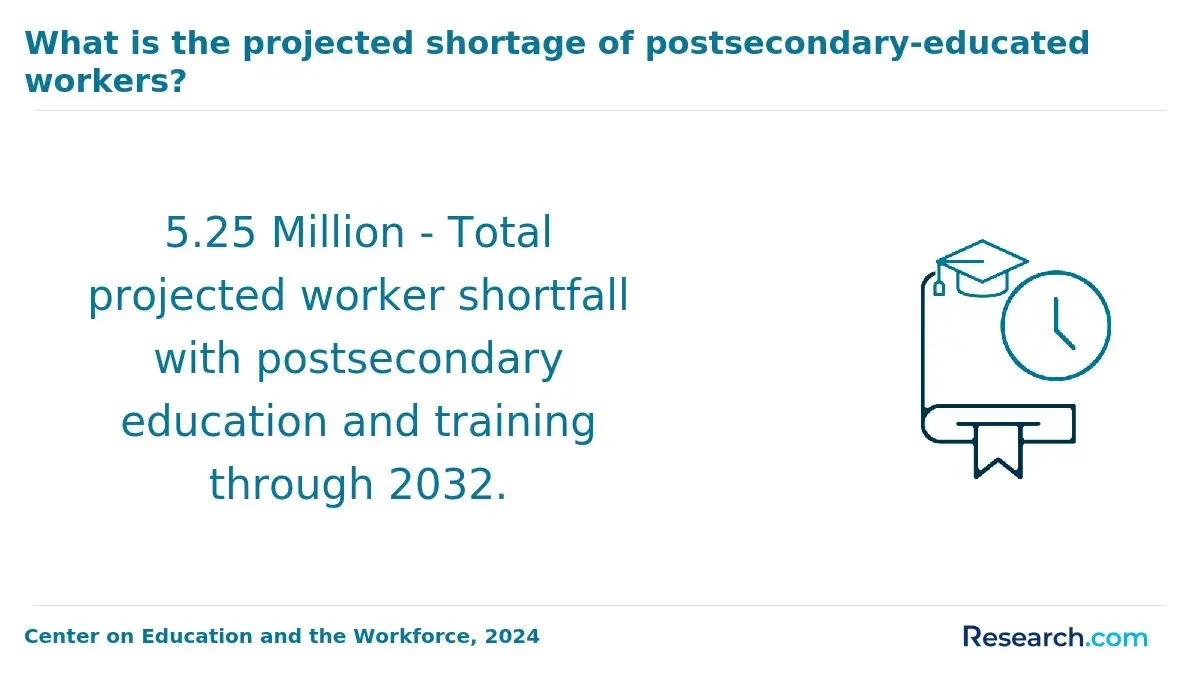
Cohort learning usually makes the workload more predictable but less individually flexible. Instead of choosing courses term by term, students follow a planned sequence. This can help working nurses reserve time for reading, discussion posts, practicum hours, teaching demonstrations, curriculum projects, and doctoral writing. It can also create pressure when multiple students depend on each other for group assignments or live presentations.
The table below summarizes schedule variables that affect whether a cohort program will fit your life. These details often matter more than whether the program is labeled "online."
| Schedule factor | Flexible version | Less flexible version | Decision impact |
| Live class meetings | Optional or recorded sessions with limited required attendance. | Weekly or biweekly live seminars at fixed times. | Night-shift nurses, travel nurses, and faculty with evening classes should verify attendance rules. |
| Course load | Students can move between part-time and full-time study. | Students must follow a fixed course load to stay with the cohort. | A fixed pace may support completion but can strain students during busy work cycles. |
| Residencies | Virtual residencies or short campus visits scheduled far in advance. | Mandatory multi-day campus sessions or intensives with limited date choices. | Travel costs, childcare, PTO, and clinical schedules should be included in the decision. |
| Group work | Peer work is structured but allows asynchronous collaboration. | Teams must meet live outside class or coordinate major projects together. | Group expectations can build community but may create scheduling conflicts. |
| Milestone timing | Students can adjust project, dissertation, or practicum timelines with approval. | Milestones are tied tightly to cohort progression. | Students with unpredictable work demands should ask what happens after delays. |
A common mistake is assuming online means self-directed. In cohort-based doctoral programs, online delivery may remove relocation, but it does not always remove required attendance, group availability, campus residencies, or term-by-term progression. Students should request a sample plan of study and compare it against their work calendar before applying.
A practical schedule review should include the following steps because the workload is easier to judge when you translate program requirements into weekly time commitments.
- Ask for the full course sequence, including start dates, credit loads, practicum terms, residency dates, and project or dissertation milestones.
- Identify every required live meeting and convert times to your local time zone.
- Estimate weekly study time during regular terms and separately estimate heavy writing, practicum, or project terms.
- Review workplace peak periods, teaching semesters, holidays, and family obligations against the program calendar.
- Ask the school what happens if you need a leave of absence, fail a course, change jobs, or cannot attend a required intensive.
Networking is strongest when programs create structured interaction rather than leaving students to introduce themselves in a discussion board during the first week. The table below shows common networking mechanisms and what students should look for when evaluating them.
| Networking feature | What strong programs do | What to verify |
| Live doctoral seminars | Use small-group discussion, case analysis, and faculty-facilitated debate. | Ask whether sessions are interactive or mostly lecture-based. |
| Peer review | Require students to critique literature reviews, curriculum plans, teaching portfolios, or project proposals. | Ask whether feedback is guided by rubrics and faculty oversight. |
| Teaching practica | Connect students with academic or clinical teaching mentors. | Confirm whether students must find their own sites and preceptors. |
| Research or project groups | Invite online students into faculty scholarship, quality improvement, or education innovation projects. | Ask how remote students participate and how often groups meet. |
| Alumni engagement | Host alumni panels, career talks, mentoring circles, or professional networking events. | Ask whether alumni participation is ongoing or limited to admissions events. |
The biggest red flag is vague language such as "lifelong network" without examples. A strong program should be able to describe how students meet, collaborate, receive feedback, interact with faculty, and stay connected after graduation. Students should also ask about cohort size. A very small cohort may offer close relationships but fewer professional perspectives, while a very large cohort may feel impersonal unless the program uses advising groups or smaller learning teams.
Cohort networking is especially useful for students who want to move into faculty roles, academic administration, clinical education leadership, simulation coordination, or curriculum design. It may be less important for students who already have a strong academic network, need maximum independence, or prefer to complete doctoral work with minimal group interaction.
Student support can determine whether a cohort model feels motivating or restrictive. In a high-quality online nurse education doctorate, support should be proactive, specialized, and aligned with doctoral milestones. Students should not have to navigate project approvals, teaching placements, IRB processes, writing expectations, or technology requirements alone.
The table below outlines the support services that matter most in cohort-based online doctoral programs. These services are important because cohort delays can affect not only one course but the student's entire progression plan.
| Support service | Why it matters in a cohort model | Questions to ask |
| Faculty advising | Helps students connect coursework, teaching goals, research interests, and doctoral milestones. | How often do advisors meet with online students, and are meetings required? |
| Doctoral writing support | Doctoral students need help with synthesis, literature reviews, scholarly voice, and revision cycles. | Is writing support general, or is it designed for doctoral nursing and education scholarship? |
| Project or dissertation support | Students need clear guidance on topic approval, committee selection, methods, and completion standards. | When are chairs assigned, and what happens if a chair leaves? |
| Practicum or teaching placement support | Nurse education students may need teaching, simulation, curriculum, or staff development experiences. | Does the school help secure sites, or must students arrange all placements independently? |
| Technology and simulation support | Online programs may use learning platforms, virtual simulation, e-portfolios, video teaching demonstrations, and AI-related academic integrity tools. | What platforms are required, and what training is provided before graded work begins? |
| Career and faculty role preparation | Students may need help building teaching portfolios, CVs, conference abstracts, and interview materials. | Are services tailored to academic nursing, clinical education, and leadership roles? |
Current online education trends make support even more important. Many programs now use virtual simulation, video-based teaching assessment, e-portfolios, remote library services, and AI detection or AI-use policies. These tools can strengthen learning, but only when students understand expectations. Before enrolling, ask for the program's policy on generative AI, citation tools, recorded lectures, exam proctoring, and technology troubleshooting.
Avoid choosing a cohort program based only on faculty reputation. Strong faculty are important, but doctoral students also need responsive advising, clear rubrics, accessible library support, and transparent escalation paths when problems arise. If admissions staff cannot explain how struggling students are identified and supported, that is a warning sign.
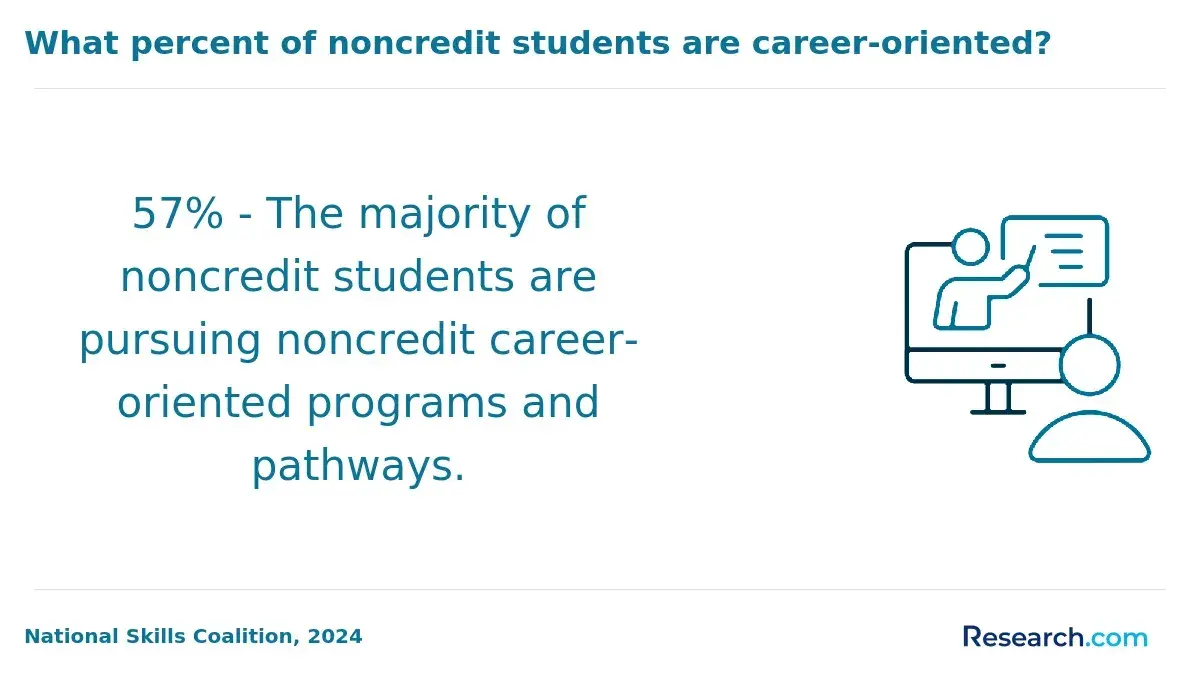
Cohort-based and self-paced online nurse education doctorates serve different learners. A cohort model can improve accountability, consistency, and peer learning, while a self-paced or individually paced model can better serve students whose work, health, caregiving, or travel schedules change often. Neither format is automatically better; the right choice depends on how much structure you need and how much control you must keep.
If your long-term goal is advanced clinical practice rather than nursing education, compare doctorate options with clinical pathways and related online nurse practitioner programs before committing to an education-focused doctorate. Program structure should match the role you want after graduation.
The table below compares the two formats across the issues that most often affect working nurses.
| Decision factor | Cohort-based doctorate | Self-paced or individually paced doctorate |
| Accountability | Strong because deadlines and peer progression are shared. | Depends more on personal discipline and advisor follow-up. |
| Flexibility | Moderate to low if the course sequence and live meetings are fixed. | Higher if students can adjust course load or timing. |
| Networking | Usually stronger when interaction is built into courses and milestones. | May require more initiative from the student. |
| Time to completion | Often predictable if students remain on track. | Can be faster or slower depending on policies and student pace. |
| Group work | More common and often central to the learning model. | Less common, though some courses may still include collaboration. |
| Best fit | Students who want structure, community, and recurring faculty-peer interaction. | Students who need schedule control or prefer independent doctoral work. |
| Main risk | Falling behind can disrupt the planned sequence. | Lack of structure can lead to procrastination or isolation. |
A cohort-based doctorate may be worth the reduced flexibility if you benefit from deadlines, enjoy professional dialogue, want a stronger academic network, or are transitioning into teaching and need peer feedback. A self-paced model may be better if you work rotating shifts, expect major life changes, already have a strong mentor network, or need to pause and restart without losing progression with a group.
Cohort-based learning can support persistence, but students should be cautious about any school claiming that cohorts automatically improve completion. There is no single national federal dataset that isolates completion rates for online nurse education doctorates by cohort model, degree type, and student characteristics. That means students should evaluate program-level evidence instead of relying on broad claims.
The logic behind cohort persistence is understandable. Students who see the same peers each term may feel more accountable, notice when classmates are struggling, and receive encouragement during difficult doctoral milestones. Faculty can also monitor a cohort's progress more systematically when everyone follows the same sequence. However, a rigid cohort can have the opposite effect if students cannot recover from a missed course, failed milestone, family emergency, or work conflict.
When evaluating completion and persistence, students should ask for information that is specific, recent, and relevant to online doctoral students. These questions help separate meaningful support from marketing language.
- What share of online doctoral students complete the program within the published timeline, and what timeline does the school use for that calculation?
- How many students in recent cohorts took a leave of absence, changed pace, or transferred to a later cohort?
- What academic interventions are used when students miss milestones or receive low grades?
- How long do students typically spend in the project, dissertation, or capstone phase after coursework?
- Are completion outcomes reported separately for online students, part-time students, and students in the nurse education track?
Completion risk is highest when students underestimate the dissertation or project phase. Coursework may feel manageable because cohort deadlines are visible, but doctoral writing requires sustained independence. A strong cohort program should explain how students move from group-based coursework to individualized scholarship, including how often they meet with chairs, how feedback is documented, and what happens when revisions take longer than expected.
Cohort learning can affect career outcomes indirectly by helping students build relationships, teaching confidence, scholarly products, and professional visibility. It does not guarantee a faculty job, promotion, or salary increase. Outcomes depend on the degree type, prior nursing experience, teaching record, publications or projects, geographic market, employer requirements, and whether the program is respected in the setting where the student wants to work.
The U.S. Bureau of Labor Statistics reported a May 2024 median annual wage of $83,980 for postsecondary teachers overall. Nurse educator compensation can vary by institution, region, rank, specialty, and whether the role is in academia, a health system, or professional development. For students, the key point is that doctoral study should be evaluated against the specific role they want, not against a generic national wage figure.
Cohort-based nurse education doctorates may support several career paths. The strongest programs help students connect coursework to practical career artifacts, not just transcript credits.
- Academic faculty roles, where students may need a teaching philosophy, curriculum samples, evidence of scholarship, and familiarity with accreditation and assessment.
- Clinical nurse educator or professional development roles, where students may design onboarding, competency assessment, simulation, continuing education, or quality improvement education.
- Simulation or curriculum leadership roles, where students need experience with scenario design, debriefing, learning outcomes, and evaluation methods.
- Academic administration roles, where students may use doctoral preparation in program assessment, faculty development, policy, and organizational leadership.
- Research or scholarship-focused roles, especially for PhD graduates who develop a focused program of inquiry in nursing education.
To judge career value, ask whether the program helps students produce evidence they can show employers: a teaching portfolio, scholarly poster, manuscript draft, curriculum evaluation, DNP project, dissertation, simulation plan, or faculty development module. Cohort peers can also become collaborators, references, conference partners, and sources of job leads, but that value depends on active engagement throughout the program.
Cohort-based online nurse education doctorate costs vary widely because programs differ in credit requirements, tuition model, residency requirements, technology fees, practicum support, dissertation continuation fees, and whether students enter with a BSN, MSN, or post-master's certificate. Students comparing research-oriented programs can start by reviewing affordable cheapest online nursing PhD programs, then verify whether each program uses a cohort structure and includes a nurse education focus.
When comparing costs, look beyond per-credit tuition. A cohort program can be financially efficient if its fixed sequence helps you finish on time, but it can become expensive if you pay for repeated courses, extra semesters, project extensions, or mandatory travel you did not budget for.
Federal loan limits are also important because they affect out-of-pocket planning. Graduate and professional students may borrow up to the annual Direct Unsubsidized Loan limit before considering other financing options.
- Federal Direct Unsubsidized Loan limit for eligible graduate or professional students: up to $20,500 per academic year.
- Graduate PLUS Loans may cover remaining eligible costs up to the school's cost of attendance, subject to federal rules and credit requirements.
A complete cost estimate should include the following items because small program fees and travel requirements can change the real price of an online doctorate.
- Tuition for all required credits, including concentration, practicum, dissertation, project, or capstone credits.
- Mandatory university fees, online learning fees, technology fees, graduation fees, and background check or compliance costs.
- Residency or intensive expenses, including travel, lodging, meals, parking, and time away from work.
- Books, software, simulation platforms, statistical tools, transcription services, and required hardware.
- Continuation, dissertation, project extension, or inactive-status fees if the student does not finish on the planned cohort timeline.
- Lost income or reduced work hours during intensive practicum, project, or writing periods.
Ask every school for a written total program cost estimate based on your entry point and expected pace. If a program advertises a low per-credit rate but requires many more credits than a competing option, it may not be the lower-cost choice. Likewise, a more expensive cohort program may have better value if it includes strong advising, placement support, and predictable milestone progression that reduce delay risk.
How Should Students Choose a Cohort-Based Online Nurse Education Doctorate Program?
Choosing a cohort-based online nurse education doctorate should begin with your career goal, not the delivery format. A nurse who wants to become a tenure-track researcher may need a different program than a clinical educator who wants to lead simulation, curriculum, or staff development. Students considering a practice doctorate should compare cohort expectations across affordable MSN to DNP programs, especially if they want an education concentration rather than a purely clinical or executive track.
A strong decision process should test fit across academics, schedule, support, cost, and outcomes. Use the steps below before submitting applications or enrollment deposits.
- Define the target role first, such as faculty member, clinical educator, simulation leader, curriculum director, academic administrator, or nurse education researcher.
- Choose the degree type that matches that role, then confirm whether employers in your target setting prefer a DNP, PhD, EdD, or another doctorate.
- Verify institutional accreditation and nursing program accreditation where applicable, and confirm that the program's standards align with your state, employer, and career goal.
- Request the full cohort calendar, including live meetings, residencies, practicum terms, project or dissertation milestones, and expected graduation term.
- Ask how flexible the cohort is if you need to slow down, pause, retake a course, change jobs, or move to a later group.
- Evaluate networking quality by asking about cohort size, faculty interaction, peer review, alumni access, teaching practica, and conference or publication support.
- Compare total cost, not just tuition, including fees, travel, technology, continuation credits, and potential lost income.
- Speak with current students or alumni and ask what they wish they had known about workload, faculty responsiveness, group work, and milestone support.
Several red flags should make students pause. Be cautious if a program cannot explain its cohort size, avoids questions about completion timelines, provides no written plan of study, relies heavily on group work without clear expectations, or markets networking without showing how students actually interact. Also avoid assuming that a cohort will solve motivation problems by itself. Students still need time, writing discipline, faculty engagement, and a realistic plan for doctoral-level work.
The best choice is the program whose structure you can actually sustain. For some students, that will be a highly interactive cohort with live seminars and close peer relationships. For others, it will be a more flexible online doctorate with fewer synchronous requirements. The right investment is the one that supports your career goal without creating schedule, cost, or support risks you cannot manage.
Other Things You Should Know About Nurse Education
Not always. Requirements depend on the employer, program level, state rules, and role. Many nursing programs hire MSN-prepared faculty for clinical instruction, while doctoral preparation is often preferred or required for tenure-track, graduate-level, leadership, or research-focused faculty roles.
It depends on the goal. A DNP is commonly practice-focused, a PhD is research-focused, and an EdD is often applied and education-leadership-focused. Students should compare curriculum, dissertation or project expectations, faculty expertise, and employer preferences before choosing.
A nurse education doctorate usually does not create RN or APRN licensure by itself. Students should already hold the nursing license required for admission and should confirm any state authorization, practicum, or role-specific requirements with the school and their state board of nursing.
Helpful preparation includes graduate nursing coursework, teaching or precepting experience, strong academic writing skills, comfort with evidence-based practice, and a clear interest in curriculum, assessment, simulation, faculty work, clinical education, or nursing education research.
- Your Guide to Online PhD Nursing Programs: What They Are, What to Expect, and How to Choose the Right One – FRESHRN https://www.freshrn.com/online-phd-nursing-programs/
- Online Nursing Education: Virtual Classrooms and Clinical Simulations Help Meet Student Needs https://www.chausa.org/news-and-publications/publications/health-progress/archives/september-october-2017/online-nursing-education-virtual-classrooms-and-clinical-simulations-help-meet-student-needs
- Structure of Online EdD Programs: FT vs PT, Instruction Methods, Cohorts https://www.onlineeddprograms.com/resources/structure-of-online-edd-programs
- Best Ed.D. Nursing Education Programs (2026 Rankings) https://www.nurseeducator.com/degrees/edd/
- 25 Best Online EdD Programs of 2025 https://www.eddprograms.org/schools/best-online-doctor-of-education-programs/
- Ed.D. in Nursing Education | ACE https://ace.edu/degree-programs/doctoral-degrees/doctoral-nursing/doctor-of-education-in-nursing-education/
- Online Doctoral Cohort Mentors: Model Implementation and ... https://articlegateway.com/journals/index.php/JOP/article/download/5249/4996/9313


