2027 Different Types of Nurse Education Doctorate Degrees: PhD, DBA, EdD, DNP, PsyD, and Professional Doctorate Paths

Co-Founder and Chief Data Scientist
Choosing a nurse education doctorate is not just about earning "Dr." before your name; it is about selecting the credential that matches your research, teaching, clinical, leadership, or behavioral health goals. The decision matters because the U.S. Bureau of Labor Statistics projects nurse anesthetists, nurse midwives, and nurse practitioners to grow 40% from 2023 to 2033, intensifying demand for advanced nursing educators and leaders. This guide helps nurses, faculty candidates, and healthcare professionals compare PhD, DBA, EdD, DNP, PsyD, and related professional doctorates so they can invest in the path that fits their career purpose.
Key Things You Should Know
- PhD programs are best for nurse education professionals who want to conduct original research, publish, teach in research-intensive universities, or prepare for tenure-track academic roles.
- DBA, EdD, DNP, and PsyD programs are professional doctorates with different applied purposes: business leadership, education systems, advanced nursing practice, and psychology-focused clinical or behavioral health work.
- Time, cost, and format vary widely; graduate borrowers may use up to $20,500 per year in Federal Direct Unsubsidized Loans for graduate study, but doctoral ROI depends on accreditation, role alignment, funding, and whether the program requires a dissertation, applied project, practicum, or clinical hours.
What Are the Different Types of Nurse Education Doctorate Degrees?
Nurse education doctorate degrees fall into two broad categories: research doctorates and professional doctorates. A research doctorate, most commonly the PhD, prepares nurses to generate new knowledge. Professional doctorates prepare experienced practitioners to apply advanced knowledge to solve problems in healthcare, education, leadership, clinical practice, or specialized professional settings.
The distinctions matter because "doctorate" does not automatically mean the same curriculum, career outcome, or licensure pathway. A DNP in nursing education, for example, is not designed for the same purpose as a PhD in nursing education, and a DBA is not a substitute for a psychology doctorate when licensure is the goal.
The table below summarizes the major doctorate options nurse education professionals may encounter and the career questions each one is meant to answer.
| Doctorate type | Primary purpose | Common final requirement | Best fit for nurse education professionals who want to... |
| PhD in Nursing, Nursing Education, or Health Professions Education | Original research and knowledge generation | Dissertation | Become nurse scientists, researchers, tenure-track faculty, or academic scholars |
| DBA | Applied business, organizational strategy, and executive decision-making | Applied dissertation or doctoral research project | Lead healthcare education businesses, academic operations, workforce strategy, or organizational change |
| EdD | Education leadership, curriculum, assessment, and institutional improvement | Dissertation in practice or applied capstone | Lead nursing education programs, simulation centers, faculty development, or academic administration |
| DNP | Advanced nursing practice, quality improvement, and evidence-based care delivery | DNP project and practice hours | Combine clinical expertise with teaching, precepting, practice leadership, or nursing education roles |
| PsyD | Applied psychology practice | Clinical dissertation, doctoral project, internship, and supervised training | Work at the intersection of nursing education, behavioral health, counseling, trauma-informed care, or clinical psychology |
| Other professional doctorates | Applied expertise in a specialized discipline | Applied project, capstone, residency, or field-based research | Move into public health, health administration, occupational therapy, informatics, or interdisciplinary health education leadership |
A practical way to compare these degrees is to start with the work you want to do after graduation. If your goal is to produce nursing education research, the PhD is usually the clearest fit. If your goal is to improve systems, lead programs, teach from advanced practice expertise, or solve applied problems, a professional doctorate may be more aligned.
What Is the Difference Between a PhD and a Professional Doctorate in Nurse Education?
The main difference is purpose. A PhD asks, "What new knowledge can I contribute to the field?" A professional doctorate asks, "How can I use advanced evidence to solve a real-world problem?" Both can be rigorous, but they evaluate different kinds of expertise.
For nurse education professionals, this difference affects coursework, mentoring, faculty expectations, publication opportunities, and the kind of doctoral project you complete. It also affects how employers interpret the degree. Research universities may prefer or require a PhD for tenure-track faculty roles, while healthcare systems, colleges, and professional schools may value a DNP, EdD, or DBA for applied leadership roles.
The comparison below shows how the two categories differ in ways that affect program choice.
| Factor | PhD or research doctorate | Professional doctorate |
| Main goal | Generate original research and theory | Apply evidence to improve practice, systems, education, or leadership |
| Typical learner | Future researcher, scholar, or tenure-track faculty member | Experienced practitioner, educator, executive, clinician, or program leader |
| Final product | Traditional dissertation based on original research | Applied dissertation, capstone, quality improvement project, practice inquiry, or clinical project |
| Career alignment | Academic research, grant-funded work, policy research, doctoral teaching | Education leadership, clinical practice leadership, administration, consulting, program design |
| Best question to ask | "Do I want to build the evidence base?" | "Do I want to apply evidence to improve an organization or population?" |
Neither category is universally better. The stronger choice is the one that matches your target role. A nurse who wants to study faculty shortages, simulation outcomes, or nursing student retention may need a PhD. A nurse who wants to redesign curriculum, direct a DNP program, improve clinical education, or lead quality initiatives may be better served by an EdD or DNP.
What Is a PhD in Nurse Education and Who Should Pursue One?
A PhD in nurse education, nursing science, or health professions education is a research doctorate focused on creating new knowledge. Students learn advanced research methods, statistics, theory development, scholarly writing, grant preparation, and academic teaching. The end point is usually a dissertation that contributes original evidence to nursing or health professions education.
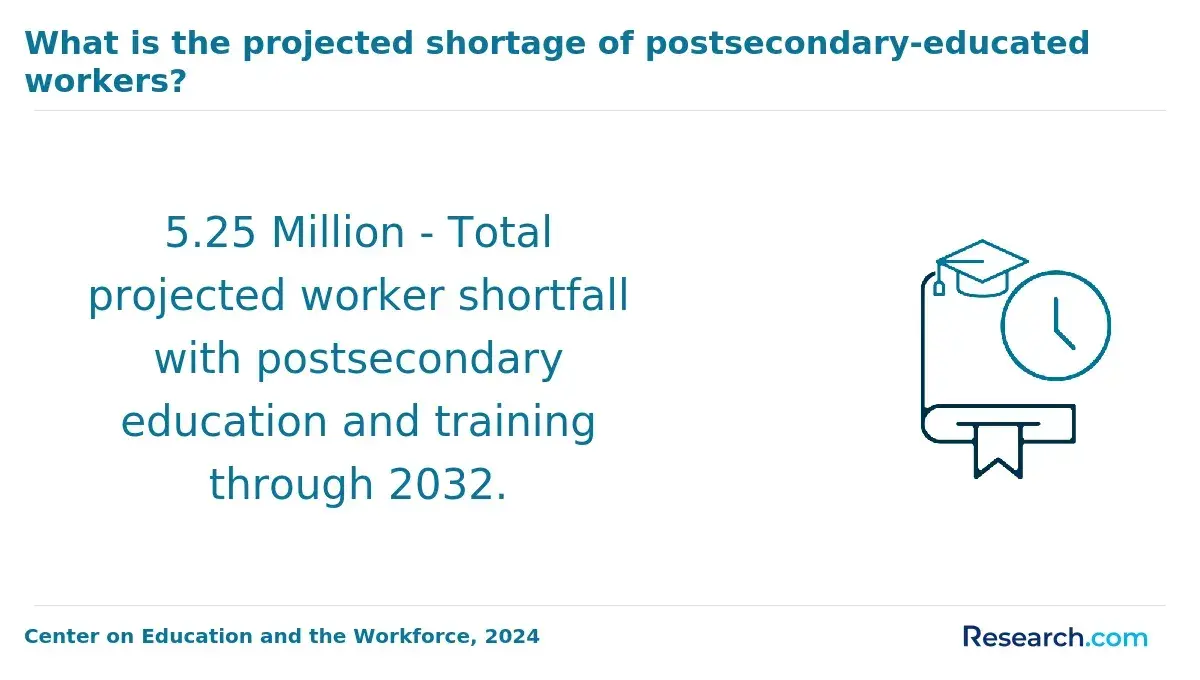
This path is especially relevant because nursing schools continue to need faculty who can teach, mentor, publish, and conduct education research. The PhD is often the strongest doctorate for people aiming at research-intensive universities or funded scholarship. Students comparing affordability may want to examine cheapest online nursing PhD programs as part of a broader review of accreditation, faculty research fit, funding, and dissertation support.
A PhD usually makes the most sense when your career goals include the following outcomes:
- Conducting original research on nursing education, curriculum, simulation, clinical judgment, faculty development, workforce issues, or student outcomes
- Competing for tenure-track or research faculty positions at universities where publication and grant activity are central expectations
- Preparing for leadership in academic research centers, nursing science institutes, or evidence-based education initiatives
- Teaching doctoral students, supervising dissertations, and mentoring emerging nurse scholars
A PhD may be the wrong choice if you mainly want a practice-focused credential, a shorter applied leadership route, or a doctorate built around clinical quality improvement rather than original research. Many PhD programs also require a strong match with faculty research interests, so applicants should not choose a program based only on delivery format or tuition.
Before applying, review recent faculty publications, dissertation titles, funded research areas, assistantship options, and expectations for full-time residency or campus intensives. A strong PhD fit is not simply "nursing education" in the title; it is a program where faculty can mentor the exact research questions you want to pursue.
How Does a DBA Compare With a PhD for Nurse Education Professionals?
A DBA, or Doctor of Business Administration, is a professional doctorate for experienced professionals who want to solve applied business and organizational problems. For nurse education professionals, it can make sense when the target career is not traditional nurse scientist work but executive leadership, academic operations, healthcare entrepreneurship, workforce development, or organizational strategy.
The DBA differs from the PhD because it is usually designed around applied business research rather than theory-building in nursing science. A nurse educator might use a DBA to study faculty retention, online program growth, hospital-academic partnerships, enrollment strategy, healthcare training models, or the financial sustainability of nursing programs.
The table below compares how a DBA and PhD may serve different nurse education goals.
| Decision factor | DBA | PhD |
| Core focus | Business strategy, leadership, operations, organizational performance | Nursing research, theory, methods, and scholarly knowledge generation |
| Typical project | Applied research on a real organizational problem | Original dissertation research contributing to the discipline |
| Useful roles | Dean, executive director, healthcare education consultant, training business leader, workforce strategist | Research faculty, nurse scientist, principal investigator, doctoral faculty member |
| Best for | Nurses managing programs, budgets, teams, partnerships, or business models | Nurses pursuing research productivity, publications, grants, or academic scholarship |
| Potential limitation | May not meet expectations for nursing research faculty roles | May not provide the business depth needed for executive operations roles |
The DBA can be valuable for a nurse educator who already has strong clinical or teaching credentials and wants to lead complex organizations. However, it is not typically the best route for someone whose main goal is nursing research, doctoral dissertation supervision in a nursing PhD program, or faculty work at a research-intensive school of nursing.
Common mistakes include choosing a DBA because it sounds broadly "leadership focused" without checking whether healthcare and education applications are built into the curriculum. Applicants should ask whether faculty have healthcare management expertise, whether the doctoral project can focus on nursing education, and whether the program's accreditation is recognized by target employers.
When Is an EdD the Right Doctorate Path for Nurse Education Professionals?
An EdD, or Doctor of Education, is often the best fit for nurses who want to lead learning systems rather than conduct laboratory-style or theory-building research. It focuses on curriculum, assessment, instructional design, higher education leadership, student success, accreditation, faculty development, and organizational improvement.
For nurse educators, the EdD is especially relevant in academic administration. It can support roles such as nursing program director, associate dean, simulation education leader, curriculum coordinator, faculty development director, or health professions education administrator.
An EdD may be the right doctorate if your work centers on these problems:
- Improving NCLEX preparation, retention, progression, or clinical judgment development in nursing students
- Designing competency-based curricula, simulation experiences, online courses, or interprofessional education models
- Leading faculty development, accreditation readiness, assessment systems, or academic quality improvement
- Studying institutional barriers that affect student success, belonging, advising, or clinical placement capacity
The EdD and PhD can overlap because both may include research methods and dissertations. The difference is usually the intended use of the research. An EdD dissertation in practice often investigates a problem inside an educational organization and produces recommendations for improvement. A PhD dissertation usually aims to contribute generalizable scholarship to the broader research literature.
A key red flag is an EdD program with no clear health professions, higher education, adult learning, or curriculum relevance. Nurse educators should look for coursework in learning science, assessment, instructional technology, accreditation, leadership, or educational measurement. If the program allows applied projects, ask whether nursing education settings are acceptable project sites.
When Does a DNP Make Sense for a Nurse Education Doctorate Path?
A DNP, or Doctor of Nursing Practice, is a practice-focused nursing doctorate. It is designed for nurses who want to apply evidence in clinical, systems, leadership, population health, or quality improvement contexts. For nurse education professionals, a DNP can be a strong choice when teaching is connected to advanced practice expertise, clinical leadership, precepting, simulation, or practice improvement.
The DNP is particularly relevant for nurses who want to remain close to patient care while also educating nurses, leading clinical education, or developing evidence-based practice initiatives. Nurses comparing routes from a master's degree can review MSN to DNP programs while also checking certification alignment, clinical hour requirements, and state board expectations.
A DNP makes sense when the career goal includes one or more of the following:
- Teaching from advanced nursing practice expertise in BSN, MSN, DNP, or continuing education settings
- Leading clinical education, nurse residency, quality improvement, evidence-based practice, or population health initiatives
- Serving as a faculty member in practice-focused nursing programs where clinical expertise is central
- Preparing for advanced practice or leadership roles that require doctoral-level nursing practice preparation
According to the U.S. Bureau of Labor Statistics, nurse practitioners had a median annual pay of $129,210 in 2024. This does not mean every DNP holder earns that amount, especially because DNP graduates work in varied clinical, academic, administrative, and leadership roles. It does show, however, that advanced nursing practice operates in a labor market where doctoral preparation may support roles with substantial responsibility.
The DNP is not the same as a PhD. A DNP project generally focuses on translating evidence into practice, improving outcomes, or evaluating systems change. It is usually not meant to produce the same kind of original research dissertation expected in a PhD program. Nurses who want to become principal investigators, build programs of research, or pursue tenure-track research roles should compare DNP options carefully against PhD programs.
How Does a PsyD Compare With a PhD for Nurse Education Students?
A PsyD, or Doctor of Psychology, is a professional doctorate focused on applied psychology practice. It is not a nursing doctorate, but it may interest nurse educators working in mental health nursing, trauma-informed education, behavioral health, counseling environments, student support, or interdisciplinary care teams.
The PsyD differs from both a nursing PhD and a psychology PhD. A psychology PhD usually emphasizes research and may also prepare graduates for clinical practice if the program is accredited and includes required supervised training. A PsyD typically emphasizes clinical assessment, psychotherapy, intervention, supervision, and applied psychological services.
The table below shows when a PsyD may be relevant and when another doctorate is usually better.
| Goal | Stronger fit | Why it matters |
| Teach psychiatric-mental health nursing or behavioral health concepts as a nurse educator | DNP, PhD in Nursing, or EdD depending on role | These routes keep the credential aligned with nursing education and practice expectations |
| Become a licensed psychologist | APA-accredited PsyD or psychology PhD | Psychology licensure typically requires a qualifying psychology doctorate plus supervised training and exams |
| Conduct nursing education research on mental health simulation or student well-being | PhD | The PhD is better aligned with original research and scholarly publication |
| Develop student support, resilience, or trauma-informed education programs | EdD, DNP, or PsyD depending on scope | The right option depends on whether the work is educational, nursing practice-based, or clinical psychology-based |
The biggest mistake is assuming a PsyD is simply a "practice version" of any healthcare doctorate. It is specifically a psychology doctorate and may involve licensure rules, internship requirements, and supervised hours that do not apply to nursing doctorates. Conversely, a DNP or nursing PhD does not qualify someone to practice independently as a psychologist.
A PsyD may be appropriate for someone who wants to move into psychology practice and is prepared for the licensure pathway. For most nurse educators, however, it is a specialized cross-disciplinary option rather than the default doctorate path.
What Other Professional Doctorate Degrees Are Available for Nurse Education Students?
Beyond the PhD, DBA, EdD, DNP, and PsyD, nurse education professionals may consider other professional doctorates when their goals are interdisciplinary. These degrees are usually best for nurses whose work extends into public health, administration, informatics, rehabilitation, policy, or health systems leadership.
The following options can be relevant, but each should be evaluated against your target role and licensing context:
- DrPH: A Doctor of Public Health can fit nurses who want to lead population health education, community health programs, epidemiology-informed training, or public health workforce development.
- DHA: A Doctor of Healthcare Administration can support healthcare executives, academic administrators, and leaders managing clinical education operations.
- DHSc: A Doctor of Health Science may suit interdisciplinary health professions educators, clinical leaders, or program directors focused on applied health science education.
- DMSc: A Doctor of Medical Science is more common among physician assistants, but some interprofessional education leaders may encounter it in clinical education settings.
- Occupational therapy, physical therapy, or pharmacy doctorates: These are profession-specific and usually make sense only for people credentialed in those fields or working in interprofessional education leadership.
These degrees are not interchangeable. A DrPH may strengthen a nurse educator's population health profile, while a DHA may be better for someone managing budgets, accreditation operations, and healthcare training teams. A DHSc may fit health professions education leadership, but applicants should check whether the curriculum includes nursing-relevant teaching, assessment, and scholarly practice.
Online and hybrid options are increasingly common across these doctoral categories, but format should not be the first filter. Nurses who are still comparing undergraduate or graduate nursing pathways can also use broader resources on online nursing programs to understand delivery formats, accreditation, and affordability before narrowing doctoral options.
How Long Do Nurse Education Doctorate Degrees Take, and What Are the Admissions and Cost Requirements?
Most nurse education doctorate degrees take about three to seven years, depending on degree type, enrollment status, dissertation or project complexity, transfer credits, clinical requirements, and whether the student studies full time or part time. Professional doctorates are often structured for working adults, while research PhD programs may expect deeper immersion in scholarly work.
The table below summarizes common timeline, admissions, and completion differences. Exact requirements vary by institution, so use it as a planning framework rather than a universal rule.
| Degree | Common time to completion | Typical admissions profile | Major cost drivers |
| PhD | 4 to 7 years | BSN or MSN depending on entry route, research interests, writing sample, faculty fit, references | Dissertation time, research residency, full-time study opportunity cost, funding availability |
| DBA | 3 to 5 years | Master's degree, leadership experience, professional resume, applied research interest | Executive-format tuition, residencies, project fees, limited assistantship funding |
| EdD | 3 to 5 years | Master's degree, education or leadership experience, statement of problem of practice | Credit load, dissertation in practice, online fees, campus intensives |
| DNP | 2 to 5 years | BSN or MSN entry, RN license, APRN certification if applicable, clinical background | Practice hours, clinical placement support, specialty fees, certification-related costs |
| PsyD | 4 to 7 years | Bachelor's or master's background in psychology or related field, clinical fit, supervised training readiness | Clinical training, internship, residency, licensure preparation, limited funding in some programs |
| Other professional doctorate | 3 to 6 years | Varies by field; often requires a master's degree and professional experience | Applied project, residencies, discipline-specific fees, certification or licensure requirements |
Cost planning should include tuition, fees, books, travel for intensives, technology, dissertation editing or data collection, clinical placement expenses, lost work hours, and loan interest. Federal Student Aid sets the annual Federal Direct Unsubsidized Loan limit for graduate and professional students at $20,500, which means many doctoral students who borrow beyond that may need Grad PLUS loans, employer support, scholarships, assistantships, or payment plans.
Before choosing a program, compare cost and admissions using a step-by-step process:
- Confirm institutional accreditation and any specialized accreditation relevant to nursing, education, business, psychology, public health, or healthcare administration.
- Ask whether the degree aligns with the roles you want, especially if you plan to teach, seek licensure, supervise students, or qualify for faculty promotion.
- Compare the total program cost rather than tuition alone, including fees, travel, clinical placement expenses, and dissertation or project costs.
- Check completion support, including faculty mentorship, writing resources, statistics help, project approval timelines, and student persistence data when available.
- Ask how online, hybrid, or campus requirements affect your schedule, state authorization, clinical placements, and employer tuition assistance.
Nurses considering advanced clinical preparation before or alongside doctoral study may also compare online nurse practitioner programs, especially if APRN preparation is part of the long-term education or practice plan.
Which Nurse Education Doctorate Is Best for Your Career Goals: PhD, DBA, EdD, DNP, PsyD, or Another Professional Doctorate?
The best nurse education doctorate is the one that matches your end goal, not the one that sounds most prestigious. Start by defining the work you want to do five to ten years after graduation, then choose the doctorate whose curriculum, faculty, project type, and accreditation support that outcome.
Use the following decision guide to narrow your options:
- Choose a PhD if you want to become a nurse scientist, publish original research, compete for grants, supervise dissertations, or pursue tenure-track academic work.
- Choose a DBA if you want to lead healthcare education organizations, manage academic strategy, consult on workforce development, or solve business problems in nursing education.
- Choose an EdD if you want to improve curriculum, assessment, student success, faculty development, simulation, accreditation, or academic leadership systems.
- Choose a DNP if you want a nursing practice doctorate connected to clinical expertise, quality improvement, evidence-based practice, advanced practice teaching, or practice leadership.
- Choose a PsyD only if your goal includes psychology practice, behavioral health specialization, or a licensure pathway that specifically requires a psychology doctorate.
- Choose another professional doctorate if your nurse education goals sit mainly in public health, healthcare administration, health science, informatics, policy, or interprofessional education.
The strongest applicants usually avoid three common mistakes. First, they do not choose a doctorate before identifying a target role. Second, they do not assume every doctorate qualifies them for licensure, faculty rank, or promotion. Third, they do not rely only on program marketing language; they verify accreditation, outcomes, faculty expertise, and final project expectations.
Before applying, ask each school these practical questions:
- What roles do graduates most commonly enter, and are those roles similar to the one I want?
- Is the final requirement a traditional dissertation, applied dissertation, DNP project, clinical dissertation, capstone, or practice inquiry?
- Who will supervise my research or project, and do they have expertise in nursing education or my specialty area?
- Does the program meet employer, state board, certification, licensure, or faculty promotion expectations in my state or institution?
- What is the realistic total cost, including fees, travel, clinical placement, technology, and time away from work?
A clear rule of thumb is this: choose the PhD for original research, the EdD for educational leadership, the DNP for advanced nursing practice and evidence translation, the DBA for business and organizational strategy, the PsyD for psychology practice, and another professional doctorate only when its specialized field directly matches your career destination.
Other Things You Should Know About Nurse Education
In academic settings, doctoral graduates commonly use the title "doctor." In clinical settings, rules and employer policies vary by state and workplace, especially for non-physician clinicians. Nurses should follow state law, board guidance, facility policy, and clear patient communication standards.
Not always. Many clinical instructor and community college roles accept an MSN, depending on the state, employer, and course level. Doctoral preparation is more often expected for graduate teaching, leadership roles, tenure-track positions, and some accreditation or promotion pathways.
An online doctorate can be respected if the institution is accredited, the curriculum is rigorous, faculty mentorship is strong, and any clinical, practicum, residency, or licensure requirements are properly supported. Employers usually care more about accreditation, fit, outcomes, and scholarly or practice preparation than the delivery format alone.
It depends on the program. Some doctoral pathways admit BSN-prepared nurses, while others require an MSN or relevant master's degree. An MSN can strengthen teaching, leadership, or advanced practice preparation, but direct-entry doctoral routes may save time for students with a clear goal.
References
- The Research-Focused Doctoral Program in Nursing: Pathways to Excellence https://www.aacnnursing.org/news-data/position-statements-white-papers/research-focused-pathways-to-excellence
- EdD vs DNP: EdD in Nursing Education vs DNP in Nursing Education https://www.onlineeddprograms.com/faqs/edd-nursing-education-vs-dnp-nursing-education
- Doctor of Nursing Practice (DNP) vs. Nurse Practitioner (NP) https://www.chamberlain.edu/blog/dnp-vs-np-whats-the-difference
- Client Challenge https://www.slideshare.net/slideshow/joyce-zurmehly/47250749
- Doctoral degrees: Which one is right for you? https://www.myamericannurse.com/doctoral-degrees-which-one-is-right-for-you/
- Five ways a doctoral degree in nursing can transform your career https://onlinedegrees.bradley.edu/blog/five-ways-a-doctoral-degree-in-nursing-can-transform-your-career
- The Doctor of Nursing Practice (DNP) https://nursekey.com/the-doctor-of-nursing-practice-dnp/
- What Can You Do With a Doctorate in Nursing? https://credenzahealth.com/career-advice/what-can-you-do-with-a-doctorate-in-nursing