
2027 PhD vs Professional Doctorate in Nurse Education: Key Differences, Careers, and Salary Outcomes

Co-Founder and Chief Data Scientist
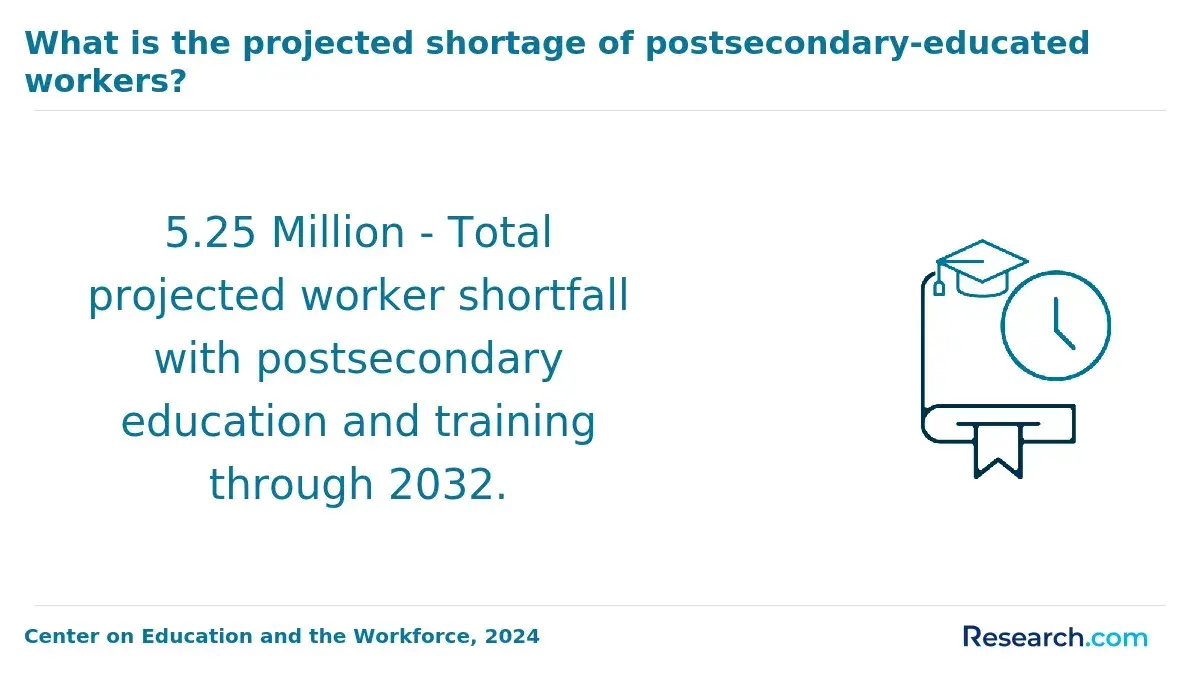
Choosing between a PhD and a professional doctorate in nurse education is really a decision about the work you want to do: generate nursing education research, lead applied change, or teach and shape clinical learning. The stakes are rising as the U. S. faces continued faculty and advanced nursing workforce needs; BLS data places nurse practitioner growth at 40% from 2023 to 2033, influencing demand for qualified educators. This guide helps nurses, MSN graduates, faculty, and leaders compare focus, timelines, costs, careers, and salary outcomes before committing to a doctoral path.
Key Things You Should Know
- A PhD in nurse education is usually best for nurses who want to conduct original research, publish scholarship, compete for tenure-track faculty roles, or influence nursing education science; a professional doctorate, often a DNP with an education focus, is built around applying evidence to improve teaching, clinical education, leadership, and systems outcomes.
- Salary depends more on role and setting than degree title: BLS May 2024 data reports a median annual wage of $86,530 for postsecondary nursing instructors and teachers, while the broader median for medical and health services managers was $117,960.
- PhD programs are more likely to offer assistantships or tuition support, while professional doctorates are often designed for working nurses and may rely more on employer aid, personal funds, or federal graduate borrowing such as the $20,500 annual Direct Unsubsidized Loan limit.
What Is the Difference Between a PhD and a Professional Doctorate in Nurse Education?
A PhD in nurse education is a research doctorate. Its central purpose is to prepare nurse scholars who can ask original questions about teaching, learning, curriculum, simulation, workforce development, health equity in education, and academic outcomes. Graduates often pursue university faculty, research, policy, curriculum leadership, or grant-funded roles.
A professional doctorate in nurse education is a practice doctorate. In nursing, this most commonly means a Doctor of Nursing Practice, or DNP, with an education, academic leadership, clinical education, or nursing professional development emphasis. Instead of producing a traditional dissertation, students apply evidence to solve a real problem in a practice, academic, clinical, or organizational setting. Nurses still exploring earlier or adjacent pathways can compare online nursing programs before deciding whether doctoral study is the right next step.
The simplest distinction is this: a PhD asks, "What new knowledge should the nursing education field have?" A professional doctorate asks, "How can existing evidence be applied to improve education, practice, or systems?" Neither is automatically superior. The stronger choice depends on whether your long-term goal is scholarship, applied leadership, teaching practice, or a blend of these.
The table below summarizes the practical differences readers usually need first. Use it to match each doctorate type to the kind of work you want to do after graduation.
| Comparison point | PhD in nurse education | Professional doctorate in nurse education |
| Primary purpose | Develop original research and nursing education scholarship | Apply evidence to improve education, practice, leadership, or systems |
| Typical degree type | PhD in Nursing, Nursing Science, or Nursing Education | DNP with education focus, EdD in Nursing Education, or similar applied doctorate |
| Best fit | Future researchers, tenure-track faculty, policy scholars, academic investigators | Clinical educators, academic leaders, nursing professional development leaders, DNP-prepared faculty |
| Final project | Original dissertation | Applied capstone, DNP project, or practice-based doctoral project |
| Typical learning style | Research-intensive, theory-focused, methods-heavy | Practice-focused, systems-oriented, implementation-based |
| Common work setting | Universities, research centers, grant-funded projects, academic administration | Health systems, schools of nursing, staff development departments, clinical education offices |
How Do PhD and Professional Doctorate Curricula, Research, and Capstone Requirements Differ in Nurse Education?
Curriculum is where the two pathways start to feel very different. Both may cover teaching strategies, curriculum design, assessment, nursing theory, leadership, ethics, and evidence-based practice, but they use those topics for different purposes.
In a PhD program, research methods are the backbone of the degree. Students usually study quantitative research, qualitative research, mixed methods, statistics, theory development, measurement, grant writing, and scholarly publishing. Nurse education courses may focus on pedagogy, curriculum evaluation, academic role development, simulation research, and the science of learning.
In a professional doctorate, the curriculum tends to emphasize implementation. Students may study evidence translation, quality improvement, organizational leadership, informatics, population health, faculty practice, curriculum operations, assessment methods, and clinical education models. The goal is to solve a real problem rather than produce generalizable theory.
The final doctoral requirement is one of the most important differences because it shapes how you spend the last stage of the program. The table below compares the dissertation and applied project in practical terms.
| Requirement | PhD pathway | Professional doctorate pathway |
| Core question | What original knowledge can this study add? | What education or practice problem can be improved? |
| Typical output | Dissertation, manuscripts, presentations, research agenda | DNP project, capstone report, implementation plan, evaluation results |
| Data use | Often collects and analyzes original research data | Often uses organizational, educational, quality, or outcome data |
| Faculty role | Research mentor and dissertation committee | Project advisor, practice mentor, or site preceptor |
| Career signal | Shows readiness for research, publishing, and scholarly independence | Shows readiness for applied leadership, evidence implementation, and education change |
Current trends are also changing both curricula. AI-assisted teaching tools, virtual simulation, learning analytics, competency-based education, and online clinical education are now common topics in nurse education. A PhD student might study whether these tools improve learning outcomes, while a professional doctorate student might implement an AI-supported remediation process and evaluate results at a school or health system.
What Are the Admissions Requirements for a PhD vs Professional Doctorate in Nurse Education?
Admissions requirements vary by school, but PhD and professional doctorate programs usually look for different evidence of readiness. A PhD committee wants to know whether you can develop as a scholar. A professional doctorate committee wants to know whether you can lead applied change in a clinical or educational environment.
Most applicants enter after an MSN, although some schools offer BSN-to-PhD or BSN-to-DNP options. Nurses interested in advanced clinical education roles may also compare online nurse practitioner programs if they want to teach in a specialty area while maintaining or expanding clinical expertise.
Common requirements differ in emphasis, even when the application materials look similar. The following comparison can help you prepare a stronger application for the right type of program.
| Requirement | PhD emphasis | Professional doctorate emphasis |
| Prior degree | BSN, MSN, or related graduate nursing preparation depending on pathway | Usually BSN or MSN depending on entry point and DNP track |
| RN license | Typically required for nursing-focused programs | Typically required and often central to practice project eligibility |
| GPA | Competitive graduate GPA, often with strong performance in research or theory courses | Competitive graduate GPA, often with evidence of professional readiness |
| Writing sample | May require scholarly writing, research paper, or statement of research interests | May require professional goals statement or proposed practice problem |
| Experience | Teaching, research, publication, or academic work can strengthen the file | Clinical leadership, education, quality improvement, or systems experience can strengthen the file |
| Interview focus | Fit with faculty research mentors and long-term scholarly agenda | Fit with applied project goals, practice site access, and leadership readiness |
Applicants often make the mistake of sending the same goal statement to both program types. For a PhD, explain the research problem you want to investigate and identify faculty whose work aligns with your interests. For a professional doctorate, explain the education or practice problem you are prepared to address and the setting where you can realistically complete a project.
How Long Does a PhD vs Professional Doctorate in Nurse Education Take, and Can You Work While Studying?
Time-to-degree depends on entry level, enrollment status, dissertation or project pace, and whether you study online, hybrid, or on campus. In general, PhD programs tend to take longer because students complete advanced research training and an original dissertation. Professional doctorates are often structured for working nurses and may move through a defined course sequence more predictably.
Many nurses continue working while earning a doctorate, but the feasibility differs by pathway. Nurses comparing practice-focused options after an MSN may find that MSN to DNP programs are commonly designed around part-time or online study, while funded PhD routes may expect more campus engagement, research assistantship hours, or full-time enrollment.
The table below gives a practical planning view rather than a universal rule. Always confirm exact program length, residency expectations, and milestone deadlines with the school.
| Pathway | Common full-time pattern | Common part-time pattern | Work-while-studying fit |
| BSN-to-PhD | Often longer because MSN-level and doctoral research preparation are combined | May be available but can extend the timeline substantially | Possible, but demanding if research assistantships or campus requirements apply |
| MSN-to-PhD | Often about 3 to 5 years depending on dissertation progress | Often longer, especially during dissertation stage | Possible, but best for nurses with flexible schedules and strong research interest |
| BSN-to-DNP with education focus | Often about 3 to 4 years depending on track | Often longer if clinical or practicum hours are spread out | Often designed for working nurses, but practicum and project hours still require planning |
| MSN-to-DNP with education focus | Often about 1.5 to 3 years depending on required credits and project scope | Often manageable for working nurses | Usually the strongest fit for nurses who want to remain employed full time |
A useful test is to ask how the program handles peak workload periods. PhD students should ask about dissertation proposal timelines, data collection, assistantship expectations, and publication pressure. Professional doctorate students should ask about practicum hours, project-site approvals, preceptor requirements, and whether workplace projects are allowed.
How Much Does a PhD vs Professional Doctorate in Nurse Education Cost, and Which Offers Better Funding?
Cost is one of the biggest trade-offs. PhD programs in nursing and nurse education are more likely to provide institutional funding, especially for full-time students who teach, assist with research, or join funded faculty projects. Professional doctorates are often built for employed nurses, but that flexibility can come with more self-funding.
For context, graduate and professional students can borrow up to $20,500 per year through the federal Direct Unsubsidized Loan program before considering Grad PLUS loans or other aid. That limit matters because doctoral nursing tuition, fees, books, travel, residencies, and lost work time can exceed what standard unsubsidized borrowing covers. Nurses comparing lower-cost research options can review cheapest online nursing PhD programs as part of a broader affordability search.
The table below shows the main cost and funding categories to compare. It is more useful than comparing tuition alone because doctoral programs can differ sharply in fees, travel, and opportunity cost.
| Cost or funding factor | PhD pathway | Professional doctorate pathway |
| Tuition responsibility | May be reduced through assistantships, fellowships, grants, or tuition waivers | Often paid through personal funds, employer tuition aid, scholarships, or loans |
| Work income during study | Full-time study may reduce outside employment, especially in funded programs | Often structured so nurses can continue earning while enrolled |
| Hidden costs | Research software, conference travel, dissertation expenses, campus residencies | Practicum travel, project implementation costs, clinical compliance, technology fees |
| Funding competitiveness | Often tied to faculty research fit and full-time availability | Often tied to employer benefits, military benefits, scholarships, or personal financing |
| ROI question | Is the research career you want realistic and financially sustainable? | Will the credential support advancement in your current or target organization? |
To compare programs financially, ask for the total cost of attendance, not only per-credit tuition. Also ask whether doctoral credits are locked into a cohort schedule, whether summer terms are required, whether assistantships include health insurance, and whether employer tuition reimbursement requires a work commitment after graduation.
What Careers Can You Pursue With a PhD vs Professional Doctorate in Nurse Education?
Both doctorates can lead to nurse educator roles, but they often position graduates differently. A PhD is strongest when the role requires research leadership, scholarly publication, grant activity, or tenure-track expectations. A professional doctorate is strongest when the role requires advanced practice credibility, education implementation, clinical leadership, or systems improvement.
Common career paths include several overlapping options. The difference is usually not whether you can teach, but what kind of teaching, scholarship, leadership, and evidence work the employer expects.
- Tenure-track nursing faculty: Often favors or requires a PhD because universities expect original scholarship, publications, and an independent research agenda.
- Clinical or practice-track faculty: Often welcomes a DNP or other professional doctorate, especially when the role focuses on clinical instruction, simulation, competency assessment, or applied education.
- Nurse education researcher: Usually aligns best with a PhD because the work centers on study design, grants, data analysis, and dissemination.
- Director of nursing education or faculty development: May fit either pathway, depending on whether the organization values research leadership, applied change leadership, or both.
- Nursing professional development specialist or leader: Often fits a professional doctorate because the work involves onboarding, continuing education, competency programs, and practice outcomes.
- Academic administrator: Can fit either pathway, but dean, associate dean, or program director roles may require a doctorate plus teaching, accreditation, budget, and leadership experience.
Skills also matter. Employers look for curriculum design, assessment literacy, simulation knowledge, online teaching ability, data interpretation, leadership, accreditation readiness, and the ability to mentor diverse nursing students. AI and learning analytics are becoming more relevant, but nurses who can evaluate educational technology rather than simply use it will have the stronger long-term advantage.
Which Pays More: a PhD or Professional Doctorate in Nurse Education?
Neither doctorate automatically pays more. Salary outcomes depend on job title, employer type, geography, academic rank, clinical specialty, administrative responsibility, and whether the role is faculty-based, practice-based, or executive-level.
BLS May 2024 wage data provides useful benchmarks for common destination roles. The numbers below are occupational medians, not doctorate-specific salary guarantees, but they help show why role selection matters more than the letters after your name.
| Role or occupational category | Relevant doctorate fit | Median annual wage from BLS May 2024 data | How to interpret it |
| Postsecondary nursing instructors and teachers | PhD or professional doctorate, depending on faculty track | $86,530 | This is the closest national benchmark for nurse educator pay, but rank and institution type can change compensation. |
| Postsecondary teachers overall | Often PhD for tenure-track roles; professional doctorate for practice-oriented roles | $83,980 | This broad category shows that academic pay varies by discipline, rank, and institution. |
| Medical and health services managers | Often professional doctorate or PhD with leadership experience | $117,960 | Administrative roles can pay more than faculty roles, but they require management responsibility and organizational experience. |
| Nurse practitioners | Relevant for educators who maintain advanced clinical practice | $132,050 | Clinical earnings may exceed faculty earnings, which is important when calculating opportunity cost. |
A PhD may lead to higher long-term earnings for nurses who secure tenure-track advancement, funded research, consulting, or academic leadership. A professional doctorate may produce stronger near-term financial value for nurses who keep working while studying and move into leadership, faculty practice, staff development, or administrative roles. The better-paying path is the one that aligns with a real job market you can access.
What Is the Job Outlook for PhD and Professional Doctorate Graduates in Nurse Education?
The job outlook is favorable, but it differs by role. BLS employment projections released in 2024 show postsecondary teachers are expected to grow 8% from 2023 to 2033, faster than the average for all occupations. For nurse educators, this matters because nursing schools need qualified faculty to teach, supervise, assess, and mentor students, though hiring conditions vary by region and institution budget.
Demand is also shaped by a broader nursing education bottleneck. Schools need faculty who can teach in online and hybrid formats, build simulation-based learning, support diverse learners, meet accreditation expectations, and prepare students for evolving clinical practice. At the same time, academic salaries may compete with higher-paying clinical and leadership roles, which can affect faculty supply.
For professional doctorate graduates, the outlook also connects to health system education needs. Hospitals, clinics, long-term care organizations, and professional development departments need leaders who can improve competency programs, transition-to-practice models, continuing education, preceptor development, and evidence-based training.
One important limitation is that the labor market does not separate every "nurse educator" job by doctorate type. Some universities strongly prefer PhD-prepared faculty for research roles, while others value DNP-prepared educators for clinical and practice-track teaching. Before enrolling, search job postings in your target region and compare required versus preferred credentials.
How Do Accreditation, Licensure, and Employer Recognition Differ for PhD vs Professional Doctorate in Nurse Education?
Accreditation, licensure, and recognition can affect whether your doctorate is respected by employers. For nursing programs, institutional accreditation is essential, and nursing programmatic accreditation may also matter depending on the degree and employer. Common nursing accreditors include the Commission on Collegiate Nursing Education and the Accreditation Commission for Education in Nursing.
Licensure works differently from degree recognition. A doctorate in nurse education does not replace RN licensure, and it does not automatically grant nurse practitioner, clinical nurse specialist, or other APRN authority. If your professional doctorate includes an APRN track, state board rules, national certification, and clinical hour requirements become especially important.
Use the following checks before applying. They help you avoid programs that look convenient but may not support your career goals.
- Verify that the university holds recognized institutional accreditation.
- Confirm whether the nursing program itself has appropriate nursing accreditation for your degree type and career goal.
- Ask whether graduates are eligible for any certifications, faculty roles, APRN credentials, or leadership roles you are targeting.
- Check state board of nursing rules if the program includes advanced practice preparation or clinical licensure implications.
- Review faculty credentials to see whether PhD students have research mentors and professional doctorate students have applied project mentors.
- Ask employers in your target setting whether they view the specific doctorate as acceptable, preferred, or required.
A common red flag is a program that markets "doctor" status without explaining accreditation, project expectations, faculty support, or career outcomes. Another is a doctoral program that cannot clearly tell you where graduates work. Strong programs should be transparent about curriculum, outcomes, residency requirements, and student support.
Is a PhD or Professional Doctorate in Nurse Education Worth It for Your Career Goals?
A PhD in nurse education is worth considering if you want to become a scholar, build a research agenda, publish, teach in research-oriented universities, pursue tenure, or influence nursing education through evidence generation. It is less ideal if you mainly want a practical leadership credential, need maximum schedule flexibility, or do not enjoy research design and academic writing.
A professional doctorate in nurse education is worth considering if you want to lead education programs, improve clinical learning systems, teach in practice-oriented faculty roles, direct professional development, or apply evidence to measurable education and practice problems. It may be less ideal if your target job explicitly requires a PhD or if you want a career centered on independent research.
Use this decision process before applying. It will help you compare programs based on outcomes rather than prestige alone.
- Write down your target job titles, not just your preferred degree name.
- Review job postings from universities, hospitals, and health systems where you would realistically work.
- Separate required credentials from preferred credentials in those postings.
- Estimate total program cost, including tuition, fees, travel, lost work time, and loan interest.
- Ask each school for completion rates, average time to degree, funding options, and recent graduate roles.
- Match the final project to your strengths: dissertation for research generation, capstone or DNP project for applied change.
- Choose the program that gives you the strongest path to the work you actually want, not the degree that sounds most prestigious.
The biggest mistakes are assuming a PhD is always more valuable, assuming a professional doctorate is always easier, comparing salaries without considering occupation, ignoring accreditation, and choosing the lowest tuition without checking total cost or support. The better choice is the doctorate that fits your career goal, financial reality, learning style, and desired contribution to nurse education.
Other Things You Should Know About Nurse Education
Yes. A PhD and a professional doctorate are both doctoral degrees, so graduates may use the title "doctor" in appropriate academic or professional contexts. In clinical settings, nurses should follow employer policy and make their nursing role clear to avoid patient confusion.
No. An EdD is typically an education-focused professional doctorate centered on teaching, leadership, and educational systems. A DNP is a nursing practice doctorate focused on evidence-based practice, systems improvement, and advanced nursing leadership, though some DNP programs offer education concentrations.
Not always. Some clinical instructor and adjunct roles may accept an MSN, especially when the nurse has strong specialty experience. However, many full-time faculty, leadership, graduate teaching, and tenure-track roles prefer or require a doctorate.
Choose based on fit, not format alone. Online and hybrid programs can work well for employed nurses, but you should confirm accreditation, faculty access, residency requirements, project support, research mentoring, and whether the format is respected by employers you are targeting.
References
- DNP vs. PhD: Which one is right for you? https://nursingcecentral.com/lessons/dnp-vs-phd-which-one-is-right-for-you/
- PhD Education https://www.aacnnursing.org/students/nursing-education-pathways/phd-education
- Client Challenge https://www.slideshare.net/slideshow/joyce-zurmehly/47250749
- Doctoral degrees: Which one is right for you? https://www.myamericannurse.com/doctoral-degrees-which-one-is-right-for-you/
- A Deep Dive Into Ph.D. Employment Data from NSF https://www.christophertsmith.com/reflections/a-deep-dive-into-phd-employment-data-from-nsf
- Nursing School Accreditation https://nursinglicensemap.com/nursing-degrees/nursing-accreditation/
- DNP vs. PhD: What's the Difference? https://credenzahealth.com/career-advice/dnp-vs-phd-whats-the-difference
- PhD Student Salary Guide (2026) https://www.applykite.com/blog/phd-student-salary
- What’s the Deal with Accreditation? https://nursingcas.org/resources-for-current-schools/whats-the-deal-with-accreditation


