2027 Online Media Arts Bachelor's Degree Programs With No Prerequisites

Co-Founder and Chief Data Scientist
Many individuals with unrelated undergraduate degrees want to enter the media arts field but feel intimidated by prerequisite requirements. This barrier often delays or discourages career changes despite the media arts sector growing rapidly. In fact, employment in media arts occupations is projected to increase by 9% through 2031, reflecting strong demand for skilled professionals. Online media arts bachelor's degree programs with no prerequisites offer an accessible entry point for learners seeking flexibility and accreditation without prior experience. This article explores such programs, aiming to guide readers toward informed decisions on starting a media arts career efficiently and effectively.
Key Benefits of Online Media Arts Bachelor's Degree Programs With No Prerequisites
- Programs with no prerequisites offer flexible scheduling, allowing working professionals to balance education with job and family commitments effectively.
- Students can accelerate skill acquisition through streamlined curricula designed for immediate application in creative industries.
- These degrees provide valuable credentials on customizable timelines and budgets, supporting diverse learners in career transitions and economic advancement.
What Does 'No Prerequisites' Mean for Online Media Arts Bachelor's Degree Programs, and Who Benefits Most?
In online media arts bachelor's degree programs, "no prerequisites" means students can enroll without completing specific college-level courses, standardized tests, or prior experience in media arts subjects. This is distinct from open admission policies, which allow enrollment regardless of academic history, and low-barrier enrollment that might require some minimal qualifications. No-prerequisite programs remove course or subject requirements upfront, making media arts education more accessible to a wider range of learners.
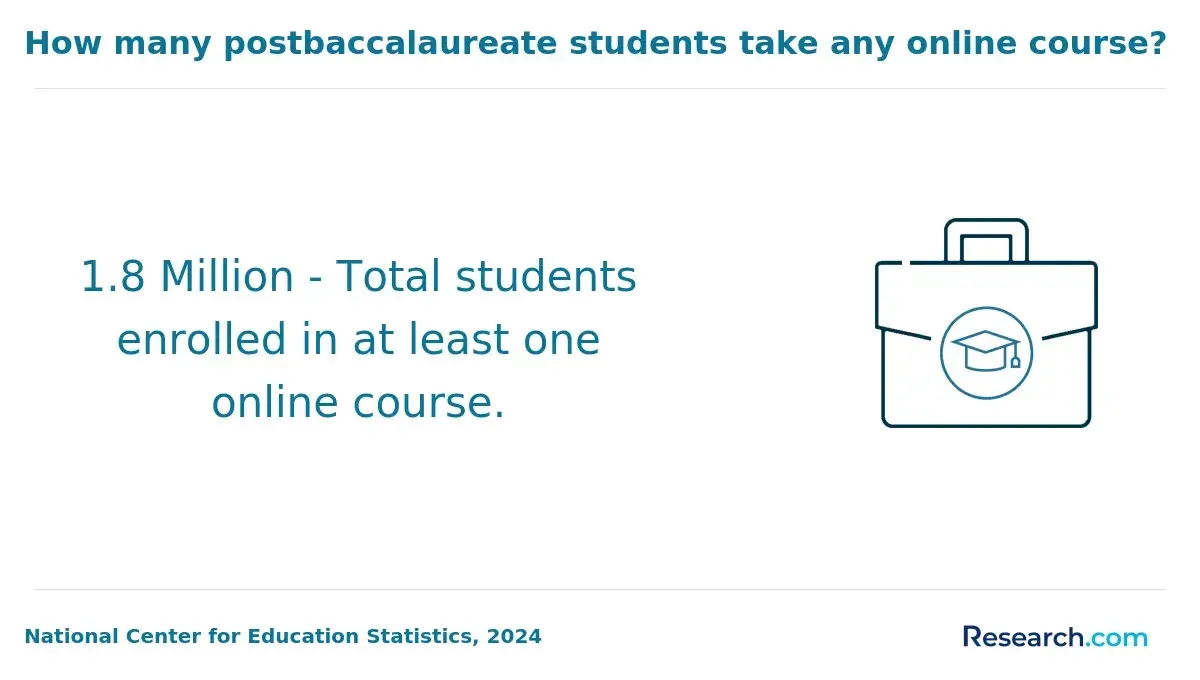
These programs especially benefit career changers entering the media arts field without prior academic preparation, working adults seeking flexible options, returning learners resuming education, and first-generation college students who often face barriers with traditional prerequisites. Data from the National Center for Education Statistics (NCES) shows that enrollment of non-traditional students-including adults over 25 and part-time learners-is steadily rising. These students frequently prefer programs that acknowledge life and work experience, like no prerequisite media arts online degrees for adult learners.
No-prerequisite media arts programs aim to break down traditional admission barriers while maintaining academic quality and accreditation, so degrees retain value in the workforce. For those exploring flexible pathways, it's also helpful to review online associate degree programs as potential stepping stones.
- Admission Accessibility: No-prerequisite policies reduce enrollment barriers, enabling diverse students to begin media arts studies without prior coursework.
- Quality Assurance: Accreditation and program standards ensure graduates earn meaningful qualifications despite eased entry.
- Student Support: Services like tutoring, advising, and technology access help non-traditional students succeed online.
- Financial Aid Options: Scholarships, grants, and loans remain available to support students without prior academic records.
- Career Outcomes: Programs prepare graduates for industry relevance and job opportunities in the media arts field.
Which Accredited Online Media Arts Bachelor's Programs Accept Students With No Prior College Coursework?
Several regionally accredited institutions offer online media arts bachelor's degree programs with open enrollment policies that accept students with no prior college coursework, creating accessible pathways for working adults, first-generation students, and career changers. These programs often waive traditional academic prerequisites or provide foundational bridge courses to prepare students while advancing toward degree completion.
- Western Governors University: This nonprofit university, accredited by the Northwest Commission on Colleges and Universities (NWCCU), offers a bachelor of arts in media arts designed for self-motivated learners without previous college experience. Its competency-based curriculum allows progression by skill demonstration rather than seat time. Enrollment data show diverse students balancing education with work, supported by flexible pacing and extensive mentoring.
- Southern New Hampshire University: Accredited by the New England Commission on Higher Education (NECHE), SNHU delivers an online bachelor's in media arts with open admissions. Although it encourages some high school prerequisites, bridge courses and academic support ensure student readiness. SNHU is recognized for strong financial aid, credit transfer policies, and career services linking students to internships and media-related employment.
- Southern Utah University: Holding accreditation from the Northwest Commission on Colleges and Universities, Southern Utah's Bachelor of Arts in media arts welcomes learners without prior college coursework. They offer supplemental foundation courses as needed. The program enrolls many nontraditional students who benefit from tailored advising and support.
- Northeastern University: Accredited by NECHE, Northeastern's online bachelor's accepts students lacking conventional prerequisites through foundational courses combined with rigorous core curricula. Emphasizing experiential learning, this program offers cooperative education opportunities and strong student and career support, appealing especially to career changers.
- Academy of Art University: Regionally accredited by the WASC Senior College and University Commission, this school offers an online Bachelor of Fine Arts in media arts. Admission bypasses prior college coursework, focusing on portfolio review and baseline academic readiness. Its arts-centered curriculum features virtual resources, mentorship, and industry network connections.
These programs share key features: regional accreditation ensuring quality, the waiver of formal prerequisites or the availability of bridge courses, and robust support services for adult learners. Prospective students should verify accreditation through the NCES College Navigator and College Scorecard, explore available financial aid options, and evaluate student services like tutoring and career counseling. Flexible enrollment and credit transfer pathways further ease entry for those without prior college experience. Many students in media arts programs find career advancement linked to pursuing one of the most profitable majors in today's job market, making thorough research crucial before enrollment decisions.
2026 Update: Check Technology and Portfolio Expectations Before Enrolling
For 2026, this section adds a practical review angle for no-prerequisite online media arts students: what tools, creative files, and portfolio-building expectations may appear after admission, even when entry requirements are minimal.
- Confirm whether courses require a laptop or desktop with enough power for video, audio, design, or animation work.
- Check if required software is included in tuition, offered at a student discount, or purchased separately.
- Ask whether beginner courses teach core tools from the ground up or expect self-guided practice outside class.
- Review how projects are submitted, including file formats, storage needs, and upload requirements.
- Look for courses that help students build a portfolio gradually instead of waiting until the final year.
- Find out whether the program supports different creative tracks, such as digital design, video production, interactive media, or motion graphics.
Checking these details helps students choose a program that is accessible at admission and realistic to complete with the equipment, software, and creative goals they already have.
How Do Open-Admission Policies in Online Media Arts Programs Differ From Traditional Selective Admissions?
- Open Admission Definition: Open admission allows enrollment for anyone with a high school diploma or GED, eliminating typical academic barriers. Institutions such as the University of Texas at Arlington and Southern New Hampshire University openly confirm their open-admission status on official admissions pages and IPEDS data, highlighting their commitment to broad accessibility.
- Admission Comparisons: Unlike selective admission, which requires evaluations based on grades, test scores, or portfolios, open admission removes these requirements. Rolling admission accepts students throughout the year until seats are filled, sometimes applying conditions, while conditional admission permits enrollment with post-entry academic requirements. Open admission bypasses these filters entirely.
- Academic Preparation: Students entering open-admission programs often have varied academic backgrounds. Schools offset this by offering foundational support like developmental courses, tutoring, and orientations to help build essential skills specific to the media arts field.
- Institutional Examples & Quality: Cleveland State University's online media arts program exemplifies open enrollment paired with comprehensive student support and regional accreditation to ensure quality education and program credibility.
- Career Considerations: While open-admission programs provide easier access, students should consider whether these programs align with competitive creative career goals. Selective programs may provide stronger portfolio development, so additional work experience or continuing education can be valuable.
- Enrollment Trends: Data from the National Center for Education Statistics shows approximately 30% of undergraduates attend open-admission colleges, reflecting growing demand for flexible, inclusive pathways in creative disciplines.
A professional who enrolled in an online media arts bachelor's program without prerequisites shared his experience, explaining that the open-admission policy gave him the chance to start fresh after years in a different industry. He described initial uncertainty-"I wondered if I was prepared enough to keep up"-but appreciated the developmental courses that helped fill knowledge gaps. "The orientation and tutoring made a real difference," he said, noting that despite no portfolio needed to start, building one alongside coursework became essential. His journey involved balancing work and studies, discovering that open admission truly offers a gateway for career changers like himself, though staying motivated and seeking supplemental experiences was crucial for success.
What Are the Typical Enrollment Requirements for No-Prerequisite Online Media Arts Bachelor's Programs?
- Proof of High School Completion: Even when admission criteria waive formal prerequisites, applicants must submit official documentation of high school graduation or equivalent, such as transcripts or certificates. This verification remains essential for confirming foundational educational readiness at both public and private nonprofit institutions.
- English Language Proficiency: Since many online media arts bachelor's degree programs operate in English, applicants-especially international students-need to demonstrate their language skills via standardized tests or equivalent proof. Meeting this standard is crucial for effective participation and comprehension.
- Minimum Age Requirements: Most accredited schools set a minimum enrollment age, typically 18 years, although some programs allow younger students through dual enrollment or special admissions. These age requirements ensure learners have the maturity to succeed in a rigorous academic environment.
- Alternative Credentials: Students without traditional diplomas often qualify through a GED certificate or by completing community college dual-enrollment courses. These pathways create flexible options for non-traditional learners seeking admission to no-prerequisite online media arts bachelor's programs.
Application Preparation: To streamline admission, applicants should gather and organize necessary materials such as transcripts, IDs, test scores, and personal essays. Early contact with admissions offices helps confirm that all documents fulfill the specific institutional policies, reducing delays in enrollment decisions.
For adults exploring admission criteria for online media arts bachelor's degree with no prerequisites, considering options among the top 10 online universities can be a strategic step toward finding quality programs aligned with these standards.
Are No-Prerequisite Online Media Arts Bachelor's Programs Available at Regionally Accredited Universities?
Regional accreditation plays a crucial role in ensuring the quality and recognition of no-prerequisite online media arts bachelor's programs. Schools with this accreditation meet high academic standards, which influences credit transferability, employer trust, and access to federal financial aid. Students transferring credits often find it easier when moving between regionally accredited institutions, providing flexibility for degree completion or program changes. Employers tend to value degrees from regionally accredited universities more highly, associating them with rigorous coursework and professional readiness. Importantly, students attending these programs are eligible for federal grants, loans, and scholarships, offering significant financial support not typically available at nationally accredited or unaccredited schools.
The key distinction between regional and national accreditation lies in their focus: regional accreditation emphasizes academic rigor at traditional colleges and universities, whereas national accreditation typically applies to vocational and for-profit schools with more limited credit acceptance and employer recognition. For students seeking open enrollment media arts programs without prerequisites, prioritizing regional accreditation helps ensure both accessibility and educational value.
- Accreditation Importance: Regional accreditation guarantees recognized academic quality, improving credit transfer, career prospects, and financial aid eligibility.
- Credit Transferability: Students benefit from easier transfer of credits between regionally accredited institutions, enhancing flexibility and progress toward their degree.
- Employer Recognition: Degrees from regionally accredited programs are often preferred by employers for their rigor and credibility.
- Financial Aid Access: Only students enrolled in regionally accredited schools qualify for crucial federal financial aid options like grants and loans.
- Accreditation Differences: Regional accreditation focuses on academic standards, while national accreditation often applies to vocational or for-profit schools with limited acceptance.
- Open Admission Options: Some regionally accredited universities offer no-prerequisite admission, enabling career changers and adult learners to enroll easily.
- Verification Steps: Checking accreditation status through the U.S. Department of Education and CHEA websites can confirm program legitimacy before applying.
- Support and Outcomes: Regionally accredited programs typically provide stronger student services and better career support, promoting long-term success.
One professional who earned her online media arts bachelor's without prerequisites shared that navigating the program was initially daunting but ultimately rewarding. "Starting without any formal background meant I faced a steep learning curve, but the school's strong support system made all the difference," she recalled. She appreciated how credits she earned transferred smoothly when she later pursued a specialized certificate, opening doors in her creative career. "Knowing my degree was regionally accredited gave me confidence when applying for jobs-I often heard from employers that the accreditation mattered a lot." Her experience underlines that accessible online programs, when offered by regionally accredited institutions, can effectively prepare students for success despite nontraditional starts.
How Do Students Without Academic Prerequisites Catch Up in Online Media Arts Bachelor's Courses?
Many online media arts bachelor's programs without formal prerequisites include foundational courses that help students develop essential skills like digital literacy and academic writing. Southern New Hampshire University, for example, offers preparatory modules that introduce students to relevant tools and expectations, ensuring a smoother academic start.
- Developmental Courses: These courses build core competencies in areas such as design principles and software usage, serving as a bridge for students who lack prior experience.
- Tutoring Services: Personalized support through individual or group tutoring is widely available, often provided by faculty or peer mentors. This guidance assists with technical challenges and project development, enhancing students' progress.
- Peer Mentoring: Experienced students frequently serve as mentors, helping newcomers acclimate academically and socially. This support boosts engagement and correlates with higher retention rates, according to various institutional reports.
- Bridge Programs: Some universities, like Full Sail University, offer short intensive programs to prepare students for media arts coursework. These focus on fundamental concepts and software skills to build confidence before full enrollment.
- Use of NSSE Data: The National Survey of Student Engagement reveals that students who actively use support services show increased satisfaction and persistence, contributing to improved graduation outcomes in online programs.
- Self-Assessment Tools: Many schools provide readiness evaluations that help prospective students identify skill gaps early, empowering them to seek help and adjust study strategies proactively.
- Proactive Engagement: Students who communicate regularly with advisors, participate in orientation, and join online forums typically experience smoother transitions and greater academic success.
Recent Trends: Enrollment in no-prerequisite media arts programs grew by 14% in 2023, reflecting expanding access and demand for flexible higher education options.
What Support Services Help No-Prerequisite Students Succeed in Online Media Arts Bachelor's Programs?
Students enrolled in no-prerequisite online media arts bachelor's degree programs often depend on strong support services to guide them through their studies successfully. These programs recognize the challenges faced by working adults balancing careers, family, and education, making accessible and comprehensive student services essential for retention and degree completion. Institutions ranked highly by U.S. News for Best Online Bachelor's Programs consistently invest in robust student support, with retention rates frequently surpassing 80%.
- Academic Advising: Personalized guidance helps students create academic plans, choose suitable courses, and manage workloads effectively. Advisors assist with transfer credits and align coursework with career goals, ensuring students stay on track for graduation.
- Mental Health Resources: Virtual counseling, wellness workshops, and crisis support address the emotional challenges of online learning, fostering student well-being and improving academic focus.
- Disability Accommodations: Compliance with accessibility standards ensures students with disabilities receive necessary support, such as extended testing times and assistive technologies, promoting an inclusive learning environment.
- Career Counseling: Tailored services like resume reviews, online workshops, and virtual job fairs prepare students for internships and employment in media arts fields, improving post-graduation success.
- Flexible Support Delivery: Asynchronous advising and on-demand tutorials allow learners to access assistance around their schedules, critical for those managing work and family alongside coursework.
Investing in a program with extensive student support minimizes dropout risks and enables students to meet both academic and career goals. Data from U.S. News illustrates how these services significantly enhance student engagement and retention in online media arts education.
Can Transfer Credits or Prior Learning Assessments Replace Prerequisites in Online Media Arts Programs?
Many online media arts bachelor's degree programs allow transfer credits and Prior Learning Assessments (PLA) to substitute prerequisite coursework, helping students save time and reduce tuition costs. Such policies are especially beneficial for students seeking transfer credits for online media arts programs and those relying on PLA to replace foundational classes.
- Transfer Credit Flexibility: Numerous institutions accept transfer credits from accredited colleges, with limits typically ranging from 30 to 90 semester hours. Some programs accept credits in related areas like communication, graphic design, and digital media to fulfill prerequisites.
- Prior Learning Assessments (PLA): PLA programs evaluate knowledge gained outside traditional classrooms through exams like CLEP (College-Level Examination Program) and DSST (DANTES Subject Standardized Tests), which cover both general education and specialized media arts topics.
- ACE Credit Recommendations: The American Council on Education (ACE) provides credit evaluations for workplace training, military experience, and certifications. Many schools use ACE guidelines to award credit toward media arts degrees, helping students progress faster.
- Documenting Prior Learning: To maximize prerequisite waivers, students should compile transcripts, certificates, and portfolios demonstrating relevant skills. Submitting these to academic advisors enables proper credit evaluation and credit transfer for online media arts programs.
- Institutional Examples: Thomas Edison State University and Southern New Hampshire University stand out for their flexible PLA policies, allowing up to 90 transfer credits and recognizing multiple standardized exams to support adult learners.
- Emerging Trends: A recent Council for Adult and Experiential Learning report shows over 60% of U.S. colleges expanded PLA in media and creative arts fields between 2020 and 2023, reflecting rising demand for degree flexibility among nontraditional students.
Students interested in an affordable, low-barrier option may also consider an UX design bachelor's degree online, which often shares similar credit transfer and PLA flexibility.
What Is the Average Time to Completion for No-Prerequisite Online Media Arts Bachelor's Degree Programs?
The average completion time for no-prerequisite online media arts bachelor's degrees generally follows the standard 120-credit-hour framework typical of U.S. bachelor's programs. However, the typical duration of online media arts bachelor programs without prerequisites depends on factors such as enrollment pace, term length, and any prior credits transferred by the student.
- 120-Credit-Hour Requirement: Most programs require around 120 credit hours, usually translating to four years of full-time study. No-prerequisite programs adhere to this standard but often provide flexible scheduling options to accommodate working adults.
- Enrollment Pace: Students choosing full-time enrollment can expect to finish in roughly four years, while part-time learners may take longer depending on personal responsibilities and work commitments.
- Term Length and Scheduling: Accredited online media arts programs increasingly offer accelerated formats such as eight-week terms and year-round enrollment. These options enable students to complete courses faster than traditional 16-week semesters, reducing overall time to degree completion.
- Competency-Based Formats: Some universities provide competency-based education allowing students to advance by demonstrating mastery rather than seat time. This approach can significantly shorten the path to a degree, particularly for individuals with relevant experience or prior learning.
- Prior Credits and Transfers: Students transferring previous college credits or certifications can reduce the required credit load, cutting down their time to graduation.
- Graduation Rates and Admissions: According to IPEDS data, open-admission online programs usually have longer average completion times compared to selective-admission schools, which often boast higher four-year graduation rates.
- Cost and Opportunity Impact: The length of time to complete a degree directly influences tuition expenses and opportunity costs related to delayed career advancement. This factor is crucial when comparing programs.
When evaluating options, prospective students should also consider financial aid availability, credit transfer policies, and support services. For those interested in affordable pathways, exploring the cheapest online masters in history can provide useful insights into cost-effective distance education models.
How Does Tuition Compare Between No-Prerequisite and Standard Online Media Arts Bachelor's Programs?
- Tuition Rates: Programs with open-admission policies often have slightly lower per-credit-hour tuition compared to selective online media arts bachelor's degrees, particularly at public institutions supported by state funding. However, some no-prerequisite private or for-profit schools may charge higher tuition despite their inclusive enrollment.
- Institutional Type: Public universities and community colleges tend to offer more affordable no-prerequisite media arts options, leveraging public funds and broader access missions. Conversely, private institutions with selective admissions usually have higher tuition but may provide enhanced resources and brand recognition.
- Additional Fees: Students in open-admission programs should anticipate possible costs for developmental or foundational courses designed to build skills before advancing. These expenses rarely occur in selective programs since prerequisites reduce the need for remedial coursework.
- Program Delivery: Fully online, asynchronous formats generally have lower tuition than hybrid or synchronous options. Both no-prerequisite and traditional admission media arts programs vary in delivery style, which factors into overall pricing.
Total Degree Cost: Comparing per-credit prices alone can be misleading. Prospective students should assess total costs, including necessary credit hours, fees, and any extra courses, to avoid unexpected financial burdens in their media arts education.
Which Online Media Arts Bachelor's Programs Allow Students To Start Without A High School Diploma Or GED?
Online bachelor's degree programs in media arts frequently welcome applicants holding a GED or HiSET instead of a traditional high school diploma. These programs often implement open-admission policies that prioritize a candidate's motivation and potential over formal academic records, easing entry barriers for non-traditional students such as working adults or career changers. Admissions for GED holders typically require submission of equivalency certificates and may include placement tests or portfolio assessments to confirm readiness.
- Open Admissions: Many media arts programs adopt open admissions, enabling GED credential holders to enroll without stringent prerequisites, focusing on the student's drive and ability.
- Conditional Enrollment: Certain institutions allow provisional acceptance, requiring GED students to complete developmental coursework or demonstrate satisfactory performance early in the program.
- International Applicants: Students who completed secondary education abroad usually need recognized credential evaluations to establish equivalency to U.S. diplomas or GEDs, based on institutional guidelines.
- Accreditation Standards: Selecting programs accredited by regional or national bodies assures educational quality and eligibility for federal financial aid, which is critical for students without conventional diplomas.
- Student Support Services: Institutions often offer tutoring, academic advising, and career counseling tailored to non-traditional learners, aiding successful integration into online media arts studies.
- Credit Transfer Options: Students with relevant experience or prior learning may earn credits through portfolios or exam assessments, potentially reducing time to degree completion.
What Graduates Say About Their Online Media Arts Bachelor's Degree Program With No Prerequisites
- Baker: "Choosing an online media arts bachelor's degree with no prerequisites was a game-changer for me because it allowed me to start my career transition immediately without worrying about previous credits. The affordability of the program meant I could manage my budget while still investing in a quality education. Now, I feel confident stepping into the creative industry equipped with both technical skills and real-world experience that I gained throughout the coursework."
- Matthias: "Reflecting on my decision, the no-prerequisite aspect of the media arts program really stood out-it made education accessible and less intimidating. Cost was a major factor for me, and this program offered an excellent balance between tuition and the value provided. Since graduating, I've seen tangible growth in my freelance opportunities, proving that this degree was a worthwhile professional investment."
- Wesley: "Professionally, the flexibility of the online media arts bachelor's degree with no prerequisites was essential, allowing me to study around my work commitments. The cost-effectiveness combined with the comprehensive curriculum ensured I received a strong foundation without overwhelming debt. This degree has directly impacted my career by opening doors to new roles and giving me the creative confidence to pursue innovative projects in digital media."
Other Things You Should Know About Media Arts Degrees
A high-quality 2027 online media arts bachelor's degree program with no prerequisites should feature comprehensive coursework, experienced faculty, and robust career support services. Look for programs with accreditation, offering practical skills, networking opportunities, and a strong alumni network to support career advancement.
Graduates can pursue various roles such as graphic designer, multimedia artist, digital content creator, or web designer. These programs build foundational creative and technical skills suited for entry-level positions in advertising, entertainment, marketing, and digital media production. Many graduates also continue professional development or freelance while pursuing full-time roles.
Accreditation from recognized agencies, such as regional accreditors or specialized bodies like the National Association of Schools of Art and Design (NASAD), ensures program quality and rigor. This includes curriculum standards, faculty qualifications, and student support services. Students should verify an online media arts program's accreditation status to confirm it meets accepted educational quality benchmarks.
References
- Bachelor’s degree program / Media University https://www.media-university.de/en/faq/bachelors-degree-program/
- The Changing Face of Admissions What Has Changed and What Hasn't? - OpenApply https://www.openapply.com/blog/the-changing-face-of-admissions-what-has-changed-and-what-hasnt
- Can you take online college courses without a high school diploma or GED? - Answers https://www.answers.com/Q/Can_you_take_online_college_courses_without_a_high_school_diploma_or_GED
- Bachelor's Degree (BA, BS) in Media Arts and Studies https://academics.uky.edu/programs/bachelors/media-arts-and-studies
- Credit for Prior Learning https://www.whitworth.edu/cms/academics/whitworth-online/transfer-information/credit-for-prior-learning/index.htm
- Distinctions Between Admissions and Enrollment in the Digital Age https://perdiaeducation.com/admissions-and-enrollment-in-the-digital-age/
- Regionally Accredited Online Colleges: What You Need to Know | Tiffin University https://go.tiffin.edu/blog/regionally-accredited-online-colleges-what-you-need-to-know/
- World's Largest platform as University Common Application https://www.planstudyabroad.uniagents.com/course-details.php
- The College Admission Process at Less Selective Colleges | College Coach Blog https://blog.getintocollege.com/blogs/2021/09/21/20/07/the-college-admission-process-at-less-selective-colleges
- Policy 1.023 - Credit for Validated Skills Learning and PLA https://www.rpcc.edu/about-us/policies-procedures/policy-prior-learning