2027 Hybrid vs Fully Online Media Arts Bachelor's Degree Programs

Co-Founder and Chief Data Scientist
A graphic designer working full-time in a metropolitan area contemplates whether to enroll in a fully online Media Arts bachelor's degree to maintain her flexible schedule or choose a hybrid program that requires occasional campus visits for hands-on instruction. Balancing work commitments with industry networking and practical experience creates tension between the convenience of remote learning and the benefits of in-person engagement. According to recent studies, over 60% of media arts graduates emphasize practical skills gained through direct interaction as critical for employment success. This article explores the key differences between hybrid and fully online Media Arts bachelor's programs to help students make informed decisions based on their lifestyle and educational goals.
Key Benefits of Hybrid vs Fully Online Media Arts Bachelor's Degree Programs
- Hybrid programs offer greater balance by combining flexible online coursework with scheduled in-person sessions, helping students manage personal and professional commitments more effectively.
- Fully online formats provide maximum learning flexibility but limit face-to-face interaction, which can reduce opportunities for hands-on collaboration and real-time feedback.
- Hybrid formats support stronger networking and mentorship through on-campus activities, enhancing career readiness in the competitive media arts industry.
What Is a Hybrid vs Fully Online Media Arts Bachelor's Degree?
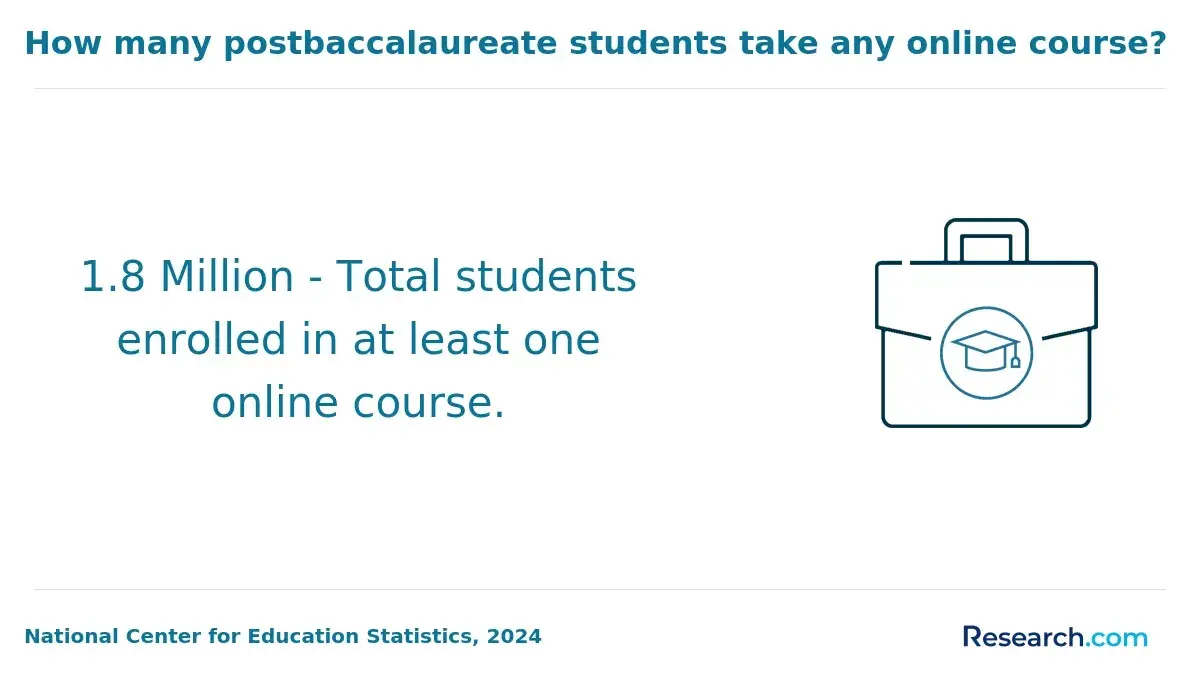
Hybrid and fully online media arts bachelor's degree programs differ primarily in how courses are delivered, the amount of in-person engagement, and their overall learning structure. A 2023 survey from the National Center for Education Statistics found that nearly 30% of undergraduates in the United States took some type of online course, reflecting a strong interest in flexible learning paths. Exploring these differences can help students choose the format that best fits their educational needs.
Hybrid Programs
- Hybrid media arts bachelor's degree programs blend in-person classes with online coursework, offering a balanced approach to learning.
- Students typically follow fixed schedules for on-campus sessions alongside deadlines for online assignments.
- Direct interaction with instructors and peers during on-site classes enhances collaborative projects and networking opportunities.
- This format supports hands-on experience with media production equipment, which is essential for developing practical skills.
Fully Online Programs
- Fully online media arts bachelor's degree structure allows all coursework to be completed through virtual platforms without any required campus visits.
- Students often benefit from flexible timelines, enabling them to study at their own pace and fit classes around other commitments.
- Interaction takes place via discussion boards, video conferences, and email rather than face-to-face communication.
- These programs use digital tools and simulations to teach skills, though access to physical media resources may be limited.
- For those seeking accelerated options, some institutions offer a degree in 6 months online, which can complement or substitute parts of fully online studies.
How Does a Hybrid vs Fully Online Media Arts Bachelor's Degree Program Work?
A hybrid media arts bachelor's degree program structure and a fully online media arts degree delivery methods both offer students comprehensive academic paths but differ mainly in coursework delivery and interaction modes with instructors and classmates. In 2022, over 40% of higher education students engaged in some form of online learning, underscoring the rising adoption of digital education. The distinctions between hybrid and fully online programs highlight how students experience their studies and collaborate.
Hybrid Programs
- Coursework is divided between scheduled in-person class sessions and complementary online learning modules.
- Students take part in face-to-face workshops or group projects while accessing lectures and assignments online.
- Class participation occurs in both physical classrooms and virtual discussion forums or video meetings.
- Schedules generally blend fixed on-campus class times with flexible deadlines for online tasks.
- Communication with instructors and peers happens via emails, learning management platforms, and in-person interactions.
Fully Online Programs
- All courses, lectures, and materials are delivered exclusively through online portals without any campus attendance requirements.
- Students engage in asynchronous discussions, live webinars, and group video conferences for collaboration.
- Scheduling is highly flexible, allowing learners to progress at their own pace within semester timelines.
- Communication primarily uses video conferencing, forums, messaging apps, and email to maintain contact with instructors and classmates.
- These programs often integrate multimedia tools supporting virtual collaboration and independent study.
For students also interested in advancing their education in leadership areas, the online phd leadership programs provide additional flexible options beyond bachelor's degrees.
Are Admission Requirements Different for Hybrid and Fully Online Media Arts Bachelor's Degrees?
Admission requirements for hybrid and fully online media arts bachelor's programs generally align, reflecting institutional academic standards. Both paths often require a high school diploma or its equivalent and some type of creative background. However, subtle distinctions related to delivery format and school policies can shape these requirements.
- Portfolio Submission: Hybrid programs frequently ask for an in-person portfolio review or interview, giving candidates a chance to showcase work face-to-face. Fully online programs, by contrast, typically accept digital portfolios submitted remotely, streamlining the process for distance applicants.
- Technical Skills: Applicants to fully online degrees usually need to demonstrate proficiency with digital platforms and multimedia software, since independent use is essential. Hybrid students may receive more hands-on technical support on campus, reducing upfront technical demands during admission.
- Geographic Restrictions: Some hybrid programs require proof that students are within a certain area to attend mandatory in-person sessions, which can limit eligibility. Fully online programs tend to have more flexible location policies, welcoming students nationwide or globally.
- Prerequisite Coursework: Hybrid programs might insist on prior completion of specific visual arts or tech-related classes to prepare for in-person labs or workshops. Fully online options may offer greater flexibility, sometimes providing remedial courses to fill gaps before starting.
- Interview Formats: Hybrid degrees often include an in-person interview to assess fit and readiness. Fully online programs rely primarily on virtual interviews or may skip interviews altogether, focusing instead on submitted materials.
When speaking with a student enrolled in a fully online media arts bachelor's program, she noted how navigating the digital portfolio submission was both a challenge and an opportunity. "I spent hours perfecting my work and ensuring the files were compatible with the system, which wasn't something I expected going in," she shared. She appreciated the convenience of avoiding travel yet recognized how critical it was to meet technical requirements on her own. "The admissions process felt very tailored to remote learners, but it definitely pushed me to sharpen my digital skills early," she reflected, highlighting the unique aspects of applying to an online format.
Is the Learning Experience Better in Hybrid vs Online Media Arts Bachelor's Degrees?
Hybrid media arts bachelor's degree programs provide a learning experience that blends the convenience of online study with the benefits of on-campus interaction. Students engage in face-to-face sessions that promote dynamic discussions and hands-on collaboration, which are vital for developing creative skills. This structure often increases motivation by creating a consistent schedule with campus visits. Access to studios, workshops, and direct technical support on site enriches practical learning opportunities. Ultimately, the hybrid model aims to balance independent work with community involvement, creating an environment that supports both personal initiative and social engagement.
Fully online media arts degrees emphasize flexibility, allowing students to study from any location according to their own timetables. Although the lack of physical presence may reduce spontaneous interactions with instructors and peers, many programs compensate by fostering active virtual communities through discussion boards and video conferencing. Digital tools and software are integrated into course platforms to support students' creative projects effectively. However, some students may find the online format less immediate for receiving feedback and mentorship. Despite these challenges, ongoing improvements in online delivery continue to enhance engagement and provide a robust learning experience suitable for self-motivated learners.
Which Is More Flexible: Hybrid or Fully Online Media Arts Bachelor's Degree?
Hybrid media arts bachelor's programs online offer a structured blend of in-person and remote learning that requires students to attend a set number of on-campus classes or workshops each term. This approach provides valuable direct interaction with instructors and peers but can limit flexibility due to fixed schedules for face-to-face sessions. These programs balance synchronous and asynchronous formats, allowing some adaptability while maintaining regular campus involvement. Students must coordinate their calendars to meet both in-person and online requirements, which can present challenges for those with unpredictable or busy routines. Nevertheless, the hybrid model supports hands-on experiences that purely online options might lack.
Fully online media arts degrees prioritize convenience by delivering all coursework and resources remotely. Students generally access asynchronous classes, enabling them to learn at their own pace and fit studies around personal or professional commitments. A 2023 survey by the Online Learning Consortium found that 72% of online learners chose fully online programs primarily for scheduling flexibility, underscoring the appeal of independent study management. This format removes geographic barriers and offers continuous access to materials, making it ideal for those seeking the most adaptable schedule. For further information on flexible study options, see the best online business degree programs available.
What Is the Workload for Hybrid vs Fully Online Media Arts Bachelor's Degrees?
Although hybrid and fully online media arts bachelor's degree programs often share comparable academic requirements, they differ in how course content is paced and organized, affecting student time management. A 2022 Online Learning Consortium report found that students in these programs usually dedicate 10 to 15 hours per week to their studies, but the way this time is allocated varies. These distinctions influence how students balance coursework with other responsibilities.
In hybrid media arts programs, students split their workload between scheduled on-campus classes and online activities. Regularly attending in-person sessions creates a structured timetable that helps students maintain consistent study habits. These sessions often involve hands-on projects, studio work, or group collaborations that benefit from face-to-face interaction. Outside the classroom, students complete online lectures, readings, and assignments designed to support their in-person learning, requiring them to coordinate both environments effectively.
Fully online media arts programs focus on asynchronous learning, allowing students to access lectures and assignments on their own schedule. This format offers flexibility to accommodate work or personal commitments but demands strong self-discipline. Coursework typically involves independently created digital projects, virtual critiques, and multimedia presentations. Without fixed meeting times, students must motivate themselves to keep pace and meet deadlines, making time management skills essential in this learning model.
How Does Tuition Compare for Hybrid vs Online Media Arts Bachelor's Degrees?
Tuition for hybrid and fully online media arts bachelor's degree programs varies depending on delivery format, institutional policies, credit requirements, and additional fees charged to students. Generally, fully online programs tend to offer lower base tuition rates per credit hour than hybrid programs, with some analyses suggesting up to a 10% difference. These variations reflect how resources and campus services are allocated between the two formats.
- Per-Credit Costs: Hybrid programs often have higher per-credit tuition because they blend online coursework with in-person classes that utilize campus facilities. This combination results in extra expenses related to maintenance and classroom usage that fully online students typically avoid.
- Technology and Materials Fees: Students in fully online programs usually pay dedicated technology fees for access to virtual labs, specialized software, and online platforms. Hybrid students may also incur these fees but face additional charges tied to physical campus materials and resources.
- Residency or Facility Charges: Hybrid learners often pay for use of campus studios, media equipment, and other facilities essential to hands-on learning experiences. Fully online students typically are exempt from such fees since their coursework is remote.
- Payment Flexibility: Online programs sometimes offer more flexible payment options aligned with modular schedules or semesters, whereas hybrid tuition is generally billed on traditional academic calendars, with fewer payment adjustments available.
- Additional Student Fees: Hybrid students may also encounter expenses related to parking, campus events, and other amenities associated with on-site attendance, which are not charged to fully online participants.
When asked about his impressions of tuition for hybrid versus online media arts degrees, a graduate of a hybrid program shared that navigating the mixed billing structure was "a bit challenging at first." He recalled needing to budget carefully for both tuition installments and separate facility fees, which sometimes felt unpredictable. He said, "I appreciated the value of the hands-on resources, but the financial side required more attention than I expected." Ultimately, he remarked that understanding these nuances helped him plan better and avoid surprises throughout his studies.
Do Employers Prefer Hybrid or Fully Online Media Arts Bachelor's Degrees?
Employer attitudes toward hybrid and fully online media arts bachelor's degrees have shifted significantly as online education has become mainstream. A 2023 survey by the National Association of Colleges and Employers found that about 78% of employers are now open to candidates with online degrees, signaling broader acceptance of these formats. Despite this progress, nuances remain in how hybrid and fully online degrees are valued, especially in media arts fields that emphasize both creativity and practical skills.
- Practical Experience: Hybrid programs often receive higher marks for combining online coursework with in-person instruction, allowing students to engage with studios and equipment. Employers may see graduates from hybrid programs as having more hands-on experience and collaborative learning, which aligns well with traditional media arts environments.
- Flexibility and Reach: Fully online degrees offer unmatched flexibility and the ability to attract diverse talent regardless of location. Employers in remote or digital-first companies frequently prioritize skills demonstrated through portfolios and technical ability over the program format itself.
- Skill Development: Hybrid students benefit from direct interaction, which can enhance teamwork and communication, whereas fully online students often develop strong self-management and digital communication skills highly sought in modern media arts roles.
- Employer Preferences: While hybrid degrees might have a slight edge in perceived practical readiness, many employers focus primarily on demonstrated competencies rather than whether a degree was earned online, hybrid, or in person. This has increased the job market value of hybrid and online media arts bachelor programs more evenly over time.
For prospective students weighing their options, it's helpful to understand these employer preferences for hybrid vs fully online media arts degrees. Exploring accredited programs, such as those detailed in this guide on the online masters in communication, can provide additional context when planning educational and career paths.
Who Should Choose a Hybrid vs Fully Online Media Arts Bachelor's Degree?
The decision between hybrid and fully online media arts bachelor's degree programs largely depends on individual learning preferences, schedule flexibility, and lifestyle needs. Each format has unique strengths that appeal to different types of students. Below is a comparison to help prospective students determine which option aligns best with their situation.
- Hands-On Learners: Students who benefit from hybrid media arts bachelor's degree program advantages for working students often seek direct access to physical equipment and studio spaces. They appreciate face-to-face interaction for building practical skills.
- Collaborative Workers: Those who thrive in group settings but require some schedule flexibility prefer hybrid formats, which blend in-person classes with online coursework to support teamwork and real-time feedback.
- Transition Students: Individuals who are new to college or returning after a break often find hybrid programs helpful for gradually adjusting to academic demands with on-campus faculty support.
- Self-Motivated Learners: Fully online media arts bachelor's degree flexibility and career outcomes are ideal for students who manage their own deadlines and prefer independent study without commuting constraints.
- Remote Residents: Students living far from campuses or hybrid options rely on fully online degrees to access quality education regardless of location.
- Working Professionals: Those balancing jobs and family commitments benefit from the anytime-anywhere convenience of fully online programs, allowing them to fit study around personal and professional obligations.
For prospective media arts students comparing cost factors, considering electrical engineering online tuition costs can offer helpful context on how pricing structures might vary between online and hybrid learning models.
How Can I Succeed in a Hybrid vs Fully Online Media Arts Bachelor's Degree Program?
The strategies for excelling in hybrid and fully online Media Arts bachelor's degree programs vary due to differences in structure and levels of interaction. Hybrid students manage both in-person and digital components, while fully online learners focus entirely on virtual engagement. The following approaches can help students thrive in each format.
- Structured Scheduling: Hybrid learners coordinate on-campus classes alongside online deadlines, requiring careful planning with calendars or planners. Fully online students benefit from setting consistent study blocks to maintain routine and productivity.
- Active Participation: In hybrid programs, attending face-to-face critiques fosters collaboration and feedback. Online students should engage regularly on discussion boards and virtual critiques to replicate interactive learning.
- Dedicated Workspace: Essential for fully online students to minimize distractions and enhance focus, a quiet and organized environment supports effective virtual learning.
- Technical Proficiency: Both formats demand comfort with media software and digital communication tools; pursuing tutorials outside class helps ease project completion and interaction.
- Self-Motivation: Independent discipline is vital across both learning modes to meet deadlines and sustain progress without constant supervision.
- Proactive Support: Online learners especially must quickly seek help for technical or connectivity challenges to avoid disruption.
- Collaboration Balance: Hybrid students experience more group-based projects, whereas online students often focus on independent work, requiring adaptability in teamwork skills.
What Graduates Say About Hybrid vs Fully Online Media Arts Bachelor's Degree Programs
- Baker: "Choosing the fully online media arts bachelor's program allowed me the flexibility to balance work and study without compromising either. The blend of asynchronous lectures and live workshops made it easy to stay engaged even with a busy schedule. Ultimately, this degree opened doors in digital content creation, giving me a competitive edge in the media industry."
- Matthias: "Enrolling in a hybrid media arts program was a game-changer for me because it combined hands-on studio time with the convenience of online coursework. Navigating the technical tools and collaborative projects remotely challenged me to develop strong self-discipline and time management skills. Since graduating, I've noticed how this unique experience enhanced my ability to work in diverse teams spread across locations."
- Wesley: "The decision to pursue a fully online media arts bachelor's degree stemmed from my need to relocate frequently for family reasons. Despite the physical distance from campus, the program's support system kept me connected with peers and faculty. Graduating has not only boosted my confidence but also broadened my career prospects in multimedia design and production."
Other Things You Should Know About Media Arts Degrees
Students in 2027 hybrid and fully online media arts programs should possess proficiency in graphic design software, digital storytelling, and multimedia production tools. Familiarity with remote collaboration platforms and basic coding for interactive media is also important to ensure they can effectively create and share their work in diverse digital environments.
Hybrid programs typically offer more in-person networking opportunities through campus events, studio sessions, and face-to-face collaboration. Fully online programs rely heavily on virtual meetups, online forums, and digital portfolio sharing to connect students and professionals. While both formats provide networking, hybrid programs may enable more spontaneous and direct interactions with peers and faculty.
Students in hybrid programs often have easier access to local internships due to the on-campus presence and stronger ties with nearby media businesses. Fully online students may need to seek virtual internships or those accessible in their home communities, which could limit options depending on location. Both program types encourage internships as a vital part of gaining practical experience in media arts.
Yes, accredited hybrid and fully online media arts bachelor's degree programs must meet the same academic standards set by regional or national accreditation bodies. Accreditation ensures that both formats maintain quality curricula, qualified faculty, and adequate student support services. Prospective students should verify accreditation status regardless of the delivery method to ensure their degree is recognized.
References
- What are the benefits of pursuing a Bachelor of Arts through e-learning? https://www.umu.com/ask/q11122301573854150007
- 4 Factors in Choosing Between Online and Traditional Degrees | ProFellow https://www.profellow.com/tips/4-factors-in-choosing-between-online-and-traditional-degrees/
- 2025 Intermedia/Multimedia Tuition - Online https://www.collegetuitioncompare.com/majors/50.0706/intermedia-multimedia/
- What are the benefits of pursuing a Bachelor of Arts through e-learning? https://m.umu.com/ask/q11122301573854150007
- University Hybrid Programs: The Modern Path to a Degree https://collegeandtuition.com/university-hybrid-programs-the-modern-path-to-a-degree/
- Know the Difference Between In-Person, Online, Virtual & Hybrid Classes https://pima.edu/news/announcements/general-announcements/types-of-classes.html
- Hybrid Programs- Which Students Want Them? https://www.encoura.org/resources/wake-up-call/hybrid-programs-which-students-want-them/
- Employers View On Online Degrees Versus Traditional Graduate Degrees https://www.universityherald.com/articles/59528/20170110/online-degree-versus-traditional-graduate-job-employers.htm
- Cost of Online Education vs. Traditional Education [2025]: Comparison https://educationdata.org/cost-of-online-education-vs-traditional-education
- Difference between Hybrid, Online & In-Class Degree Programmes | BSBI https://www.berlinsbi.com/blog/what-is-the-difference-between-hybrid-online-and-in-class-degree-programmes