2027 Online Media Arts Bachelor's Degree Programs for Adult Learners Returning to School

Co-Founder and Chief Data Scientist
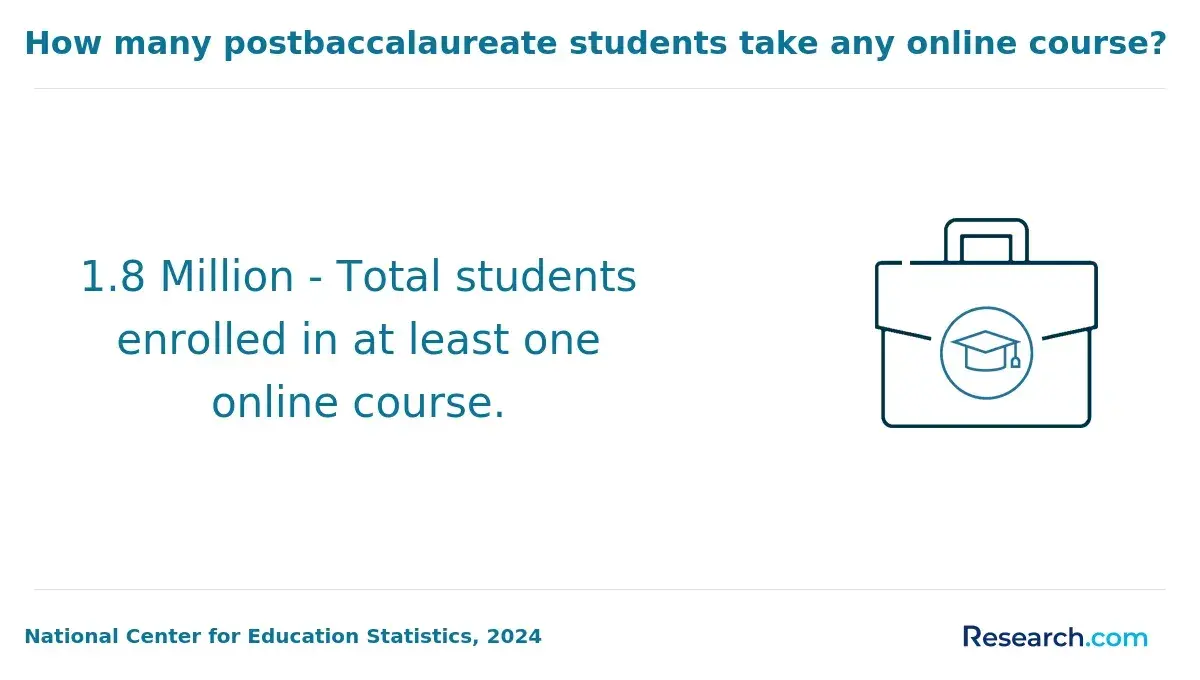
Returning to school for a bachelor's degree in media arts presents challenges for adult learners balancing work and family commitments. Many face outdated skills or disrupted education paths, making flexible online programs essential. According to the National Center for Education Statistics, 43% of all postsecondary students now pursue online courses, highlighting a shift toward accessible learning for adults. This article explores online media arts bachelor's degree programs tailored to adult learners, emphasizing flexibility, updated curricula, and practical career outcomes. It aims to guide prospective students in selecting programs suited to their unique needs and goals in a competitive job market.
Key Benefits of Online Media Arts Bachelor's Degree Programs for Adult Learners Returning to School
- Flexible scheduling in online media arts programs enables working adults to balance job responsibilities with coursework, supporting a 40% enrollment increase among adult learners from 2015 to 2020.
- Programs focus on practical skills like digital design and editing, directly enhancing career prospects and meeting employer demands in the growing creative industries.
- Students gain access to virtual peer and professional networks, fostering collaboration and job opportunities critical for career advancement after returning to school.
Who Qualifies as an Adult Learner in an Online Media Arts Bachelor's Degree?
Adult learners in online media arts bachelor's degree programs are typically defined as students aged 25 or older who return to higher education after a break or pursue further education to advance their careers. According to the National Center for Education Statistics, over 40% of all undergraduates in the U.S. are considered nontraditional or adult learners, underscoring the increasing availability of flexible online programs to meet their needs. These programs often have adult learner eligibility requirements for online media arts bachelors degrees designed to accommodate the unique circumstances of these students.
Common categories of adult learners qualified for enrollment in online media arts bachelor programs include:
- Working Professionals: Individuals seeking to enhance creative or technical skills to progress in their current careers or gain new opportunities often return to school to update their expertise and remain competitive in fast-evolving industries.
- Career Changers: Those entering fields such as digital design, video production, or interactive media frequently need formal credentials in media arts. Nontraditional student admission criteria for media arts bachelor programs recognize these unique backgrounds.
- Returning Students: Adults who paused their education due to family, military service, or financial challenges often take advantage of flexible online options to complete their degrees without sacrificing other responsibilities.
- Parents and Caregivers: These learners prioritize programs that accommodate their schedules, allowing them to balance family commitments while pursuing academic goals.
For those seeking cost-effective options with flexible formats, the cheapest online MBA programs showcase the growing trend of affordable and accessible distance education tailored to adult learners across various disciplines.
What Are the Admission Requirements for an Online Media Arts Bachelor's Degree for Adult Learners?
Admission requirements for adult learners pursuing an online media arts bachelor's degree are designed to accommodate diverse educational histories while maintaining academic standards. These criteria help ensure students are prepared for the unique demands of online learning. Typical expectations include a combination of education proof, documentation, and readiness assessments. Here are the key admission components:
- Proof of Prior Education: Most programs require a high school diploma or equivalent such as a GED. This foundational credential verifies basic academic preparedness for the media arts degree admission criteria for adult learners.
- Application Submission: Candidates must complete a formal application form that collects relevant personal data, educational background, and sometimes a statement of purpose detailing their motivation and suitability for online study.
- Academic Transcripts: Official transcripts from previously attended institutions help admissions staff evaluate prior coursework and determine if any prerequisites or additional classes are necessary for success.
- Readiness Indicators: Demonstrating familiarity with basic computer skills or digital literacy is often required. This may be assessed through self-reports or questionnaires to ensure candidates can navigate online learning platforms effectively.
- Assessment of Fit: Some programs replace standardized tests with interviews or brief written evaluations to understand an applicant's motivation and ability to thrive independently in an online environment.
Adult learners considering this path often benefit from transfer credits and work experience recognition in media arts programs, which further acknowledge their unique backgrounds. For those exploring accelerated pathways, programs listed under accelerated degrees online might also align well with their educational goals.
2026 Update: Portfolio and Technology Readiness
This 2026 update adds guidance on what adult learners should prepare before starting an online media arts bachelor’s program, especially if they have been away from school or creative software for several years.
- Check whether the program requires a portfolio for admission or only builds one during coursework.
- Review required software, file formats, camera, audio, or computer specifications before enrolling.
- Ask whether student licenses or discounted creative tools are included in tuition or billed separately.
- Look for courses that produce portfolio-ready work, such as motion graphics, digital design, video, or interactive media projects.
- Confirm how feedback is delivered on visual and multimedia assignments in an online format.
- Find out whether capstone projects can be tailored to your current job, freelance goals, or career change plans.
Checking these details early helps returning students avoid technical surprises and choose a program that supports both degree completion and a stronger creative portfolio.
Do Adult Learners Need SAT or ACT for an Online Media Arts Bachelor's Degree?
Most online bachelor's degree programs tailored for adult learners typically do not require SAT or ACT scores, focusing admissions on applicants' previous academic records and their preparedness for college-level coursework. By 2023, over 1,800 U.S. colleges and universities had adopted test-optional or test-free policies, reflecting a broader shift that benefits nontraditional students.
Waiving standardized tests helps remove barriers for adults balancing education with other life responsibilities and allows admissions teams to consider professional experience and prior successes as stronger indicators of future achievement. This approach acknowledges that many returning learners have diverse backgrounds that standardized exams do not fully capture.
An adult learner currently enrolled in an online media arts bachelor's program shared that the absence of an SAT or ACT requirement "took a lot of pressure off" during the application process. Balancing work and family commitments made preparing for standardized tests feel overwhelming, so focusing instead on transcripts and professional experience felt more manageable. "Knowing I wouldn't have to take those exams made going back to school less intimidating and helped me concentrate on improving my portfolio and academic standing," he explained, noting the relief it brought amid an otherwise challenging transition back to education.
How Flexible Are Online Media Arts Bachelor's Degree Programs for Adult Learners?
Flexibility plays a vital role in online media arts bachelor's degree programs, especially for adult learners balancing career and family commitments. A report from the National Center for Education Statistics shows that 74% of students prefer online classes due to their adaptable scheduling. Such flexibility supports a healthy work-life balance while facilitating continued education. Key program features that enable this flexibility include:
- Asynchronous Learning: Students can engage with lectures and assignments at their convenience, allowing them to fit studies around professional and personal responsibilities.
- Part-Time Enrollment: This option lets learners reduce their course load per term, helping manage stress and extend their education timeline when needed.
- Accelerated Pacing Options: Motivated students may complete courses more quickly through shorter terms, enabling faster degree completion without lowering academic standards.
- Self-Paced Coursework: Learners progress according to their individual schedules and prior experience, making education accessible regardless of time constraints.
- 24/7 Access to Materials: Continuous availability of course content means students can study anytime, from any location, supporting diverse time zones and daily obligations.
With flexible scheduling options for returning adult media arts students, pursuing an online degree becomes more feasible. For those exploring the possibilities, good online colleges offer a range of choices tailored to adult learners' needs.
Can I Transfer Previous College Credits to an Online Media Arts Bachelor's Degree?
Many online bachelor's degree programs in media arts allow students to transfer credits from previous college studies, helping to reduce course repetition and shorten the time needed to graduate. According to recent research, nearly 60% of bachelor's degree holders in the U.S. have transferred credits during their education. This practice is especially helpful for adult learners juggling career changes or returning to education after a break. Below are important factors to consider about transfer credits in media arts programs:
- Evaluation Process: Prior courses are assessed carefully to see how well they correspond with the media arts curriculum and specific learning objectives.
- Credit Limits: Institutions typically set a cap on transferable credits, usually between 60 and 90 semester hours toward a bachelor's degree.
- Course Relevance: Transfer credits must come from accredited schools and be related to media arts disciplines like digital design, animation, or video production.
- General Education Credits: Some programs accept transferred general education credits, freeing up students to concentrate on specialized media arts classes.
- Adult Learner Benefits: Recognizing prior academic work can ease the transition back to school for working professionals, making degree completion more efficient and tailored.
When asked about her experience, an adult learner who completed an online media arts bachelor's degree recalled initial uncertainty about which previous credits would transfer. She explained that the credit evaluation required patience and clear communication with academic advisors. "It was reassuring to see that much of my earlier coursework applied, but I also had to embrace new, specialized subjects that challenged me creatively," she shared. Through this process, she found that transferring credits validated her earlier efforts while encouraging fresh learning, ultimately making her educational journey both manageable and rewarding.
Does Work Experience Count Toward an Online Media Arts Bachelor's Degree?
Many online bachelor's degree programs in media arts acknowledge the value of professional experience and prior learning by offering ways to convert that experience into academic credit. According to the Council for Adult and Experiential Learning (CAEL), about 85% of U.S. colleges and universities incorporate some form of prior learning assessment (PLA) to help students leverage their existing skills. Below are common methods programs use to evaluate and award credit for work experience.
- Prior Learning Assessments: These assessments formally evaluate knowledge gained through work, training, or nontraditional education such as workshops and certifications, converting that expertise into college credit.
- Portfolio Reviews: Students may submit portfolios featuring professional projects like digital artwork, video productions, or other creative outputs that demonstrate relevant skills aligned with media arts curricula.
- Competency-Based Evaluations: Some programs offer exams or performance tasks that test mastery of specific skills, allowing students to demonstrate proficiency without retaking entire courses.
- Professional Certifications: Industry-recognized certifications and specialized training can sometimes count toward prerequisite or elective credit requirements, supporting faster degree progress.
By acknowledging real-world experience, these programs enable adult learners to customize their academic journey while shortening time spent in school. Prospective students should consult institutions directly about their PLA policies and the documentation needed to maximize credit recognition for their unique backgrounds.
How Much Does an Online Media Arts Bachelor's Degree Cost for Adult Learners?
The total cost of earning an online media arts bachelor's degree for adult learners varies widely based on program design, pacing, and institution type. Tuition rates typically range from $300 to $600 per credit hour, although some programs may charge higher fees depending on their structure and reputation. Factors such as self-paced versus semester-based formats and full-time or part-time enrollment significantly impact overall expenses. Below are key cost components that adult learners should consider when planning for an online media arts degree.
- Tuition per Credit Hour: This is the main cost, usually calculated by multiplying the number of credits taken each term by the program's rate. Some schools offer discounts for online or part-time students, which can help manage expenses.
- Technology Fees: Many online programs charge these fees to cover access to digital platforms, software licenses, and technical support essential for coursework and projects.
- Course Materials: Students should budget for textbooks, creative software subscriptions, and any specialized equipment often required for media arts projects, which can add substantially to the cost.
- Assessment Fees: Certain programs require payment for proctored exams or portfolio evaluations that validate student competencies and progress in the degree.
- Graduation and Administrative Fees: These one-time charges cover official processes such as transcript requests and diploma issuance, adding to the final cost of the degree.
Being aware of these financial elements enables adult learners to make informed decisions and choose online media arts programs aligned with their educational goals and budgets.
Are There Financial Aid Options for Adult Learners in Online Media Arts Bachelor's Degrees?
Financial aid is often available to help adult learners manage the costs of pursuing an online media arts bachelor's degree. According to recent data from the National Center for Education Statistics, nearly 70% of undergraduate students receive some form of financial aid, reflecting broad support for those returning to school. Various options exist to reduce education expenses and make programs more accessible.
Common types of financial support include:
- Grants: These funds, often provided by federal and state governments, are awarded based on financial need and do not require repayment. Scholarships and grants for returning students in media arts bachelor's degrees can significantly lower the overall tuition burden.
- Student Loans: Federal and private loans provide upfront funding but require repayment with interest. Federal loans typically offer lower interest rates and more flexible repayment plans, making them a popular choice among adult learners.
- Employer Tuition Assistance: Many employers offer programs that cover part or all tuition costs for employees pursuing further education, making it easier to balance work and academic goals in media arts.
- Payment Plans: Colleges often provide options to spread tuition payments over several months or academic terms, helping adult learners manage their finances without large lump-sum payments.
- Additional Resources: For those considering alternatives or complementary degrees, exploring the cheapest online master's in project management may offer another affordable pathway to career advancement.
Do Employers Value Online Media Arts Bachelor's Degrees for Adult Learners?
Employer perceptions of online media arts degrees for adult learners have evolved considerably over the past decade, reflecting a broader shift toward valuing skills and competencies over the mode of education delivery. Once met with skepticism, online bachelor's programs are increasingly recognized for their ability to provide comprehensive and relevant education.
This change is fueled largely by skills-based hiring trends, with a 2023 Society for Human Resource Management survey reporting that 73% of employers are open to hiring candidates with online degrees if their skills align with job requirements. Such shifts improve the career benefits of online media arts bachelor's degrees for returning students, especially in creative industries.
Key factors shaping employer views include the accreditation of online programs, which assures academic rigor and quality. Employers also prioritize the relevance of skills taught, such as proficiency in current software and digital tools essential to media arts careers. For adult learners, the value often increases when their newly gained formal education combines with prior work experience, highlighting adaptability and a commitment to professional growth. Prospective students should consider pursuing an accredited online degree, similar to accredited speech pathology programs, that aligns closely with industry needs for the strongest signal of job readiness and long-term success.
How Do I Choose the Best Online Media Arts Bachelor's Degree Program for Adult Learners?
Balancing work, family, and education makes choosing the right online media arts bachelor's degree program vital for adult learners. Studies show that 70% of adult students consider program flexibility a top priority when selecting an online degree. Several important factors can help narrow down the best options.
- Accreditation: Ensure the program has regional or national accreditation, which impacts credit transferability and financial aid eligibility. This guarantees a recognized, quality education.
- Program Flexibility: Look for asynchronous courses, multiple start dates, and part-time options to fit your busy schedule without compromising learning.
- Curriculum Relevance: The coursework should reflect current media arts industry standards, emphasizing skills like digital production, graphic design, and multimedia storytelling.
- Student Support: Strong advising, technical assistance, and career counseling services are crucial for staying on track and succeeding.
- Cost and Financial Aid: Beyond tuition, consider scholarships, financial aid, and any hidden fees to manage expenses effectively.
- Career Outcomes: Research graduate employment rates, internships, and industry connections that can boost job prospects after graduation.
What Graduates Say About Online Media Arts Bachelor's Degree Programs for Adult Learners Returning to School
- Baker: "Returning to school as an adult was a leap of faith driven by my desire to shift my career into something more creative. Choosing an online media arts bachelor's program offered the flexibility I needed to balance work and family commitments. Since graduating, I've been able to land a role in digital content creation that truly aligns with my passions."
- Matthias: "After years in a traditional office job, I realized I wanted to build skills that were more future-forward and dynamic. Pursuing an online media arts degree gave me access to contemporary courses without uprooting my life. This program not only expanded my technical capabilities but also gave me confidence to start freelancing in graphic design."
- Wesley: "As someone returning to education later in life, the biggest draw was the comprehensive curriculum tailored for working adults in the online media arts bachelor's track. The blend of theory and real-world projects helped bridge the gap between academic knowledge and industry demands. Completing this degree has opened doors to leadership opportunities in marketing and brand strategy."
Other Things You Should Know About Media Arts Degrees
Adult learners enrolling in online media arts bachelor's programs in 2027 generally need a high school diploma or GED, a solid GPA, and often, a portfolio showcasing creative work. Some programs may require basic technical skills or prior experience in media arts. Placement assessments may also be part of the entrance process.
Online media arts programs often incorporate virtual labs, software simulations, and project-based assignments that can be completed remotely using personal computers. Students may collaborate on group projects through digital platforms and submit portfolios showcasing their creative work. Some programs also offer optional in-person workshops or internships to supplement practical experience.
Many online media arts schools provide career counseling, resume building assistance, and job placement resources tailored for adult learners. They often offer networking opportunities through virtual career fairs and alumni connections. These services help adult students transition into media arts professions or advance within their current fields.
References
- Bachelor of Arts in Digital Media and Journalism https://applyzones.com/bachelor-of-arts-in-digital-media-and-journalism-cou20845
- Integrated Media | OCADU https://admissions.ocadu.ca/program/integrated-media
- Balancing Work and Learning: Online Degrees for Adult Students https://collegeandtuition.com/balancing-work-and-learning-online-degrees-for-adult-students/
- How to Transfer Credits and Maximize What You’ve Already Done - ReUp Education https://reupeducation.com/blog/how-to-transfer-credits-and-maximize-what-youve-already-done/
- Benefits of Online Learning for Adult Students https://imbc.edu/2020/10/08/4-unexpected-benefits-of-online-learning-for-adult-students/
- Digital Arts Degrees: Bachelors, Associates & Online Course Info https://learningpath.org/articles/Digital_Arts_Degrees_Bachelors_Associates_Online_Course_Info.html
- Online Learning for Adults: Unveiling Hidden Benefits https://advantagesschool.com/benefits-of-online-learning-for-adults/
- Transfer Students https://www.newschool.edu/bachelors-program/transfer-students/
- Types of Financial Aid for Online Colleges https://www.umassglobal.edu/blog-news/types-financial-aid-online-colleges
- What Are the Benefits of Online Education for Adult Learners? https://www.straighterline.com/blog/self-paced-what-are-the-benefits-of-online-education-for-adult-learners